スポーツ用ネットのコストが、購入者の予想以上に急速に上昇している理由
関税の影響は即座に現れる。 しかし、より大きな問題は――貿易量の多い分野で何度も目にしてきたことだが――バイヤーが表向きの関税率ばかりに固執し、実際には利益率を著しく損なうような「地味な要素」――品目分類、原産国、輸送スケジュール、通関価格、そして付加価値税によるキャッシュフローの遅れ――を無視してしまうことだ。なぜ賢明なバイヤーでさえ、ランデッドコストを依然として単なる脚注のように扱ってしまうのだろうか?(usitc.gov)
私の見解は率直です。スポーツ用ネットのコスト上昇は、たった一人の「悪者」によって引き起こされているわけではありません。それは、いくつもの要因が重なり合って押し上げられているのです。 アジアからゴールネット、野球用ネットシステム、ゴルフケージ、リバウンダー、あるいはバリアネットを購入する場合、工場が梱包を始める前から、最終的な請求額は3つの要素によって左右されます。それは、税関が商品をどのように分類するか、中国産であることで追加関税が発生するか、そして海運市場が6週間にわたって狂乱状態になるかどうか、という3点です。 これは、あまりにも多くの調達チームが依然として見落としている点だ。(rulings.cbp.gov)
なぜ分類が、多くのバイヤーが考えている以上に重要なのか
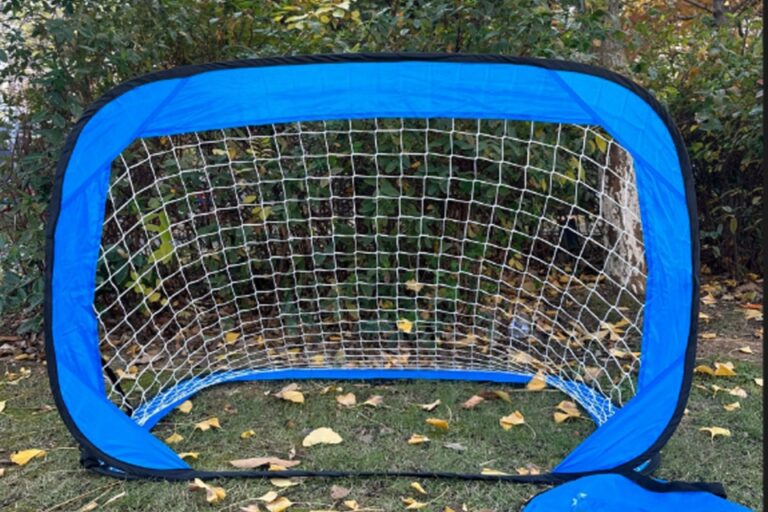
まず認識すべき厳しい現実として、すべての「スポーツ用ネット」が単純な繊維製品と同じ価格設定になっているわけではない。製品によってはスポーツ用具として扱われるものもあれば、装飾用ネットとして扱われるもの、あるいは鋼やアルミニウム製のフレームを備えた複合素材の組立品として扱われるものもあり、それによって関税の適用基準が変わってくる。 CBP(米国税関・国境警備局)の長年にわたる裁定では、サッカー練習用ネットはHTS 9506.99.2000に分類されており、米国関税表で9506.99.20.00を検索した結果からも、一見無害に見える品目であっても、中国関連の追加関税注記が付いている場合があることがわかります。 そのため、2人のバイヤーが外見上は同じ製品を輸入しても、最終的な着荷コストが異なってしまうことがある。(rulings.cbp.gov)
そして、確かに、関税の転嫁は実際に起きている。その 2023年米国国際貿易委員会報告書 同報告書は、セクション301関税が輸入業者が支払う価格に完全に転嫁されていることを明らかにし、対象製品の輸入数量および輸入額は、関税率が1パーセントポイント上昇するごとに約2%減少すると推定した。これは単なる理論ではない。これは、通常、輸入業者が真っ先に打撃を受けるという事実を政府が示しているのだ。(usitc.gov)
ですから、買い手から「関税がスポーツ用ネットのコストにどのような影響を与えるか」と尋ねられたとき、私は彼らが通常聞きたくないような答えを返します。関税が唯一の問題となることはめったにありませんが、平凡な見積もりを悪いものにしてしまうコスト増幅要因となることは非常に多いのです。 輸送コストがかさみ、粗利益率も比較的平凡な商品カテゴリーに、15%や25%といった予期せぬコストが加わると、採算計算はあっという間に厳しいものになってしまいます。(usitc.gov)
米国の課題:関税、輸入制限、および運賃の変動
米国の買い手にとっては、その影響はさらに混沌としている。ロイター通信は2024年5月24日、米通商代表部(USTR)が352の中国産輸入品目と77のパンデミック関連品目に対する関税適用除外措置を延長した一方で、その他の多くの適用除外措置は失効させたと報じた。 これが重要なのは、そこから得られる実用的な教訓が「関税がなくなった」ということではないからだ。むしろその逆である。すなわち、この救済措置は選択的かつ一時的で、範囲も限定的だったため、多くの輸入業者は依然として、セクション301が有効であるかのように価格設定を迫られたのである。その USTRの措置に関するロイターの報道 「例外があれば取引が成立する」とまだ考えている人なら、一読の価値がある。(ロイター・ドット・コム)
運賃の高騰により、利益率の低いネット取引の状況がさらに悪化している
その後、海運市場もこの急騰に加わった。ロイターは2024年5月31日、中国から北欧への40フィートコンテナのスポット運賃が$4,615に達し、5月1日の水準の約3.5倍となったと報じた。一方、中国から米国への 東海岸行きは$6,061に達し、5月1日の$2,772から大幅に上昇した。 この1つの統計データだけで、工場の見積価格がほとんど変動していないにもかかわらず、スポーツ用バリアネットの価格が急騰する理由が説明できる。容積が大きく、取り扱いが厄介な上、運賃の変動は、コンパクトで高価値な商品よりも、かさばる商品に厳しい打撃を与えるからだ。その ロイターの貨物関連記事 は、その衝撃を最も鮮明に捉えた最近のスナップショットである。(ロイター・ドット・コム)
なぜサプライヤーの見積もりには、実際の着荷コストが隠されていることが多いのか
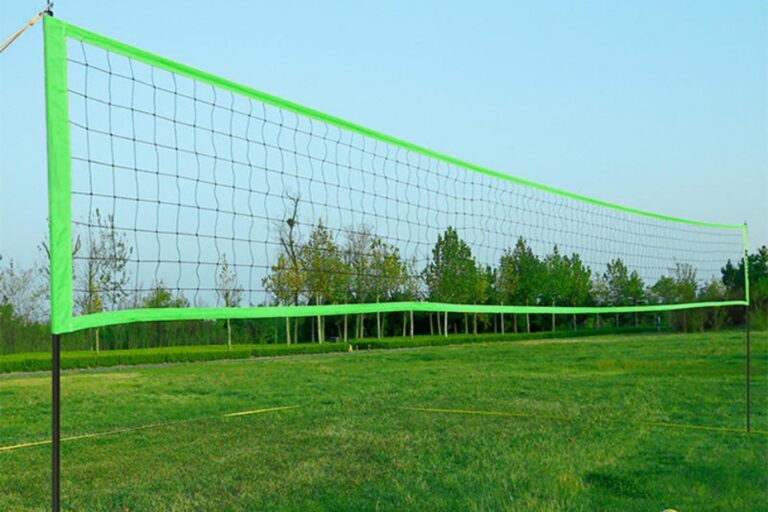
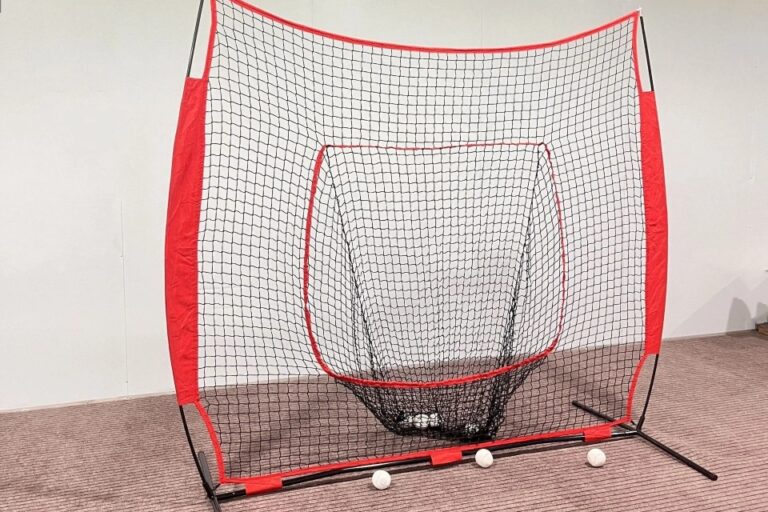
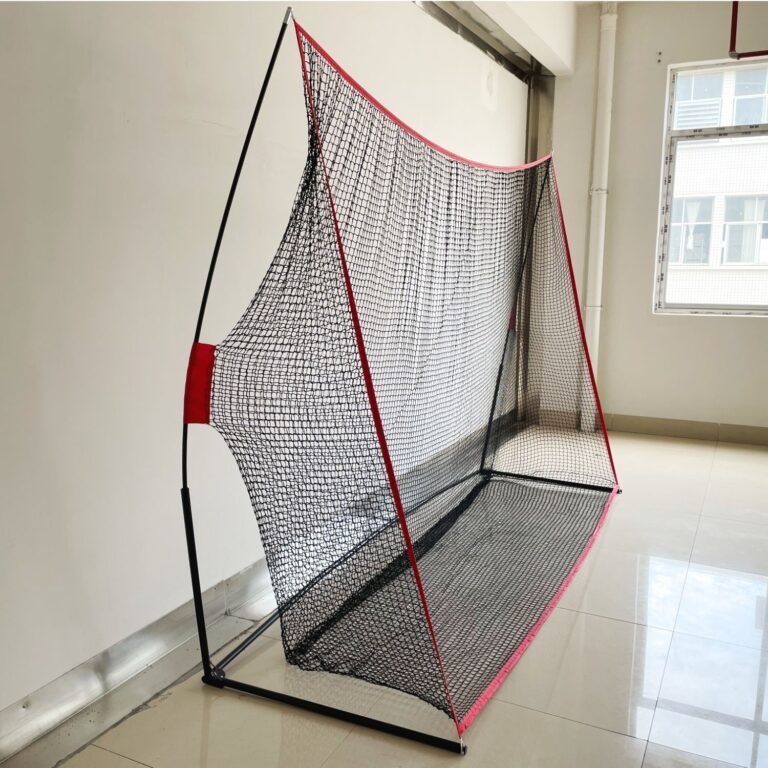
だからこそ、着荷コストの内訳を明示していないサプライヤーの見積もりは信用できません。もし私が スポーツネット製品カタログ 複数の見積もりを比較する際、工場価格と、運賃、関税、通関手数料、国内配送費を分けて提示してほしい。また、各社のオプションを比較する際には、 野球ネットシステム, ゴルフネット製品, 、あるいはより広範な 屋外用ネットの種類, 、私は、一つの関税テンプレートがすべての場合に当てはまるとは考えていません。構造が異なれば、税関上の取り扱いも異なる場合があります。(rulings.cbp.gov)

欧州側:ドラマは少なく、規律は厳格
ヨーロッパは違う。簡単というわけではなく、ただ違うだけだ。.
欧州の買い手は、通常、ニュースの見出しで騒がれるような事態にはあまり直面しないが、国境での規制はより厳しい。欧州委員会の Access2Markets の付加価値税(VAT)に関するガイダンス 同機関によると、輸入VATは一般的に通関手続きが行われた時点で課税され、その関税ガイダンスでは、関税が商品の分類と関税評価額によって決まることが明確に示されている。平たく言えば、関税率がそれほど高くなさそうに見えても、VATは通関時に課税されるため、財務チームが心理的に準備が整ったと感じるタイミングではなく、キャッシュフローへの打撃は依然として痛手となり得る。(trade.ec.europa.eu)
欧州では、分類と付加価値税の課税時期がより重要となる
買い手が見落としがちな点がもう一つある。EUの税関は、多くの調達チームが想定しているよりも、ずさんな品目分類の「見せかけ」に対して寛容ではない。公式には TARICデータベースのページ は、輸入業者に対して関税分類ツールを明確に案内しており、Access2Marketsは法的確実性を確保するため、拘束力のある関税情報(BTI)を参照するよう示しています。 一般的な商用関税データベースの例では、合成繊維製のスポーツ用ネットはTARIC 5608900090に分類され、EU関税率は8%とされているが、通関業者やBTIによって正確なコードが確認されるまでは、これを「絶対的な基準」ではなく「参考例」として扱うべきである。(taxation-customs.ec.europa.eu)
この違いが重要なのは、ヨーロッパにおけるスポーツ用ネットのコストは、巨額の懲罰的な追加料金というよりも、関税、輸入VAT、港湾取扱手数料、通関代行手数料、そして資金回収の遅れといった、多層的な輸入費用によるものが多いからです。米国のバイヤーは不満を声高に訴える傾向がありますが、私の経験では、EUのバイヤーはより静かに損失を被っているようです。(trade.ec.europa.eu)
米国と欧州の購入者を対象とした費用の比較表
購入担当者が調達時に念頭に置いておくべき要点を以下にまとめました:
| コスト要因 | 米国のバイヤー | 欧州のバイヤー | 見過ごされがちな点 |
|---|
| 製品の分類 | 基本ラインに加えて、中国関連の追加関税負担が生じる可能性がある | 共通関税表の決定内容や書類作成の負担を軽減できる | “「スポーツネット」は、法的に認められた料金プランの名称ではありません |
| 貨物価格の変動 | アジア~米国間の運賃の大幅な変動は、工場側のコスト削減効果を帳消しにしてしまう可能性がある | アジア・ヨーロッパの市場変動は、大規模なネッティング取引にも深刻な打撃を与えた | コンテナ用スパイクは、1立方メートルあたりの価値が低い貨物に打撃を与える |
| 税務上のタイミング | 入国時の関税・手数料 | 通関時に、関税に加えて輸入VATが課されることが多い | キャッシュフローは、名目関税とほぼ同程度に重要である |
| 適用除外および救済措置 | 限定的、範囲が狭い、かつ期限が迫っている | 救済は、単なる「希望的観測」に基づくコーディングではなく、EUの仕組みにかかっている | スプレッドシートには、昔ながらの除外に関する前提が依然として残っている |
| サプライヤーの見積もり | しばしば、当然の前提が隠されている | VATや仲介手数料に関する仮定が隠されていることがよくある | “「FOB価格」は着岸価格ではありません |
その表に示された数字は、決して抽象的なものではありません。2024年、ロイターは、5月31日だけで、中国から北欧への運賃がFEUあたり$4,615近く、中国から米国東海岸への運賃が$6,061近くであることを報じました。 米国国際貿易委員会(USITC)の調査では、関税が輸入業者に転嫁されていることが示されており、EUのガイダンスも、通関時に通常、付加価値税(VAT)が課されることを裏付けている。だからこそ、輸入コストの実質的な増加率は、メーカーのカタログ価格から予想されるよりも速いのだ。(ロイター・ドット・コム)
トップクラスのサプライヤーが実際に他と違う点は何か
さらに踏み込んで言います。米国や欧州のバイヤーにとって最適なスポーツ用ネットのサプライヤーとは、単に最も魅力的な工場渡し価格を提示する業者ではありません。生産開始前に、HTS(米国関税分類)やTARIC(欧州関税分類)の適用経路の見込み、素材の組成、原産地宣言、カートンの容積、そしてフレームの有無が分類に影響するかどうかなどを明確に説明できる業者こそが、最適なサプライヤーなのです。 もしサプライヤーがこうした点を丁寧に説明できないのであれば、それは購入を支援しているのではなく、当て推量をさせているに過ぎません。また、製造の深さを現実的に検証したいのであれば、真の 工場見学 洗練された営業用PDFよりも、はるかに多くのことを伝えてくれます。(trade.ec.europa.eu)
これこそが、「関税がスポーツ用ネットのコストにどのような影響を与えるか」という問いに対する真の答えです。関税は単にコストを押し上げるだけではありません。調達プロセスにすでに潜んでいる、あらゆる安易な前提を露呈させるのです。.
よくある質問
スポーツ用ネットにかかる関税とは何ですか?
スポーツ用ネットに対する関税は、製品の関税分類、原産国、場合によっては追加の貿易措置に基づいて税関で課される輸入税であるため、最終的な着荷コストには、単純なパーセンテージだけでなく、基本関税、中国特有の追加料金、運賃に連動した課税価格、および関連する通関手数料などが含まれることがあります。(trade.ec.europa.eu)
米国のバイヤーにとっては、書類上は手頃に見えるスポーツ用品のラインナップも、中国関連の措置が上乗せされると高額になってしまう可能性がある。EUのバイヤーの場合、関税は比較的安定しているかもしれないが、付加価値税(VAT)や通関のタイミングにより、輸入総額はサプライヤーの見積もりよりも高くなってしまう。(hts.usitc.gov)
なぜ米国のスポーツ用ネットの価格は、通常、欧州よりも変動が激しいのでしょうか?
米国におけるスポーツ用ネットの価格は、通常、変動が激しい傾向にあります。これは、米国の輸入業者が、中国向けの関税リスク、選択的かつ期限切れとなる適用除外措置、そして太平洋横断航路における運賃の大幅な変動といった、より厳しい要因の組み合わせに直面する可能性があるためです。そのため、着荷コストの変動は、多くのEUのバイヤーが見るような緩やかで予測しやすいパターンではなく、急激な跳ね上がりとして現れることがよくあります。(ロイター・ドット・コム)
厄介なのは、調達チームがこうした価格の急騰に気づくのが遅れがちで、発注書が発行され、輸送の手配がすでに確定してしまった後であることが多いという点だ。だからこそ、米国におけるスポーツ用ネットの価格は、社内の見積システムが更新されるスピードよりも速く変動することがあるのだ。(ロイター・ドット・コム)
欧州のバイヤーは、スポーツ用ネットの輸入コストをどのように算出しているのでしょうか?
欧州におけるスポーツ用ネットの輸入コストは、適切なTARIC分類に基づく関税、輸入時に適用される課税価格、通関時に一般的に課される輸入VATに加え、通関手数料、荷役費、国内配送費などを含めた商品の総着荷費用であるため、製品価格のみを調達予算の基準とすることは決してありません。(trade.ec.europa.eu)
良い業務習慣として、次の3つのシナリオを想定しておくことが挙げられます。「関税のみ」、「関税+通関時の付加価値税」、そして「関税+付加価値税+運賃」というシナリオです。そうすることで、現実離れした考えを排除し、ヨーロッパにおけるスポーツ用品の実際のネットコストにより近づけることができます。(trade.ec.europa.eu)
スポーツ用防護ネットの価格リスクを軽減する最善の方法は何でしょうか?
スポーツ用バリアネットの価格リスクを最小限に抑える最善の方法は、早い段階で適切な関税分類を確定し、入金前に原産地を確認し、すべての見積書において工場価格と運賃・関税を明確に区分し、生産開始前にカートンの容積、材質構成、および想定される通関処理を提示できないサプライヤーの提案はすべて拒否することです。(trade.ec.europa.eu)
また、見積もりを比較する際は、FOBという非現実的な条件ではなく、着荷コストに換算してから行うべきだと思います。大量購入をする場合、この一点に注意するだけで、1週間もメールで値切り交渉を続けるよりも多くの費用を節約できるでしょう。(usitc.gov)
結論
魅力的な「半分の真実」ではなく、実際の請求額を反映した価格設定をお求めなら、製品コストと輸入リスクを明確に区分し、製造の深さを示し、用途ごとに見積もりを提示できるサプライヤーから検討を始めてください。以下の 全製品ラインナップ, を検査する。 工場見学, を使用する。 コンタクトページ 単なる単価の見積もりではなく、総コストに関する協議を依頼する。.