スポーツ用ネットの規格適合に向けたASTM規格の解説
ほとんどの買い手は推測している。.
そして、そこが最初の問題なのです。というのも、スポーツ用ネット業界には、 「ASTM準拠」というフレーズを、まるで魔法のスタンプであるかのように安易に乱用する悪い癖がある。切り抜きシートに貼り付け、見積依頼書に書き込んで、さっさと済ませるようなものだ。しかし現実の世界では、この言葉からは、危険の種類、囲いの形状、固定方法、メンテナンス間隔、衝撃への曝露度、あるいはその仕様がそもそもそのスポーツに適しているかどうかについて、ほとんど何も示されていない。このフレーズは、たいていの場合、広く通用する。.
率直に言って、多くの施設管理者がここで行き詰まってしまうのだと思います。彼らは馬鹿ではありません。ただ多忙なのです。 誰かが製品ページを渡したり、ベンダーが適切な流行語を並べたり、請負業者が「こういうのは何度も手掛けたことがある」と言ったりするうちに、ネットシステムは、本来あるべき姿——法的責任を伴うリスク管理装置——ではなく、単なる商品のように扱われてしまうのです。それが、醜い現実なのです。.
しかし、ここで私はマーケティング関係者たちとは意見が分かれる。野球、ゴルフ、サッカー、ピックルボール、テニス、そして多目的コートに至るまで、あらゆるスポーツ用ネットの設置を明確に規定する、単一かつ普遍的なASTM規格など存在しないのだ。 ASTM自身のカタログは、単一の規則集というよりは、むしろパッチベイのようなものです。ペイントボール用のバリアネットには直接的な規格があり、サッカーゴールには安全規格があり、テニスには現在、周囲を囲うためのガイドラインがあり、より広範な屋外アクティビティ用の囲いについては、まったく別のガイドラインが適用されます。これは些細な詳細ではありません。これこそが本質なのです。(ASTM International | ASTM)
ですから、サプライヤーが「スポーツ用ネットのASTM規格」と言うと、私が真っ先に思うのは「どの規格?」ということです。その ASTMスポーツ規格カタログ すべてのネットに一律に適用できる単一の基準を提示するものではありません。具体的には、次のような具体的な指定を挙げています。 F2950 サッカーのゴールについては、, F3684-24 テニスコートのフェンスや周囲の囲い、およびF2184とF2278が含まれるペイントボール委員会のリストについてです。販売業者がその指定番号、改訂年、適用範囲を挙げられない場合、それは単なる定型文であり、規格への準拠ではないと私は判断します。(ASTM International | ASTM)
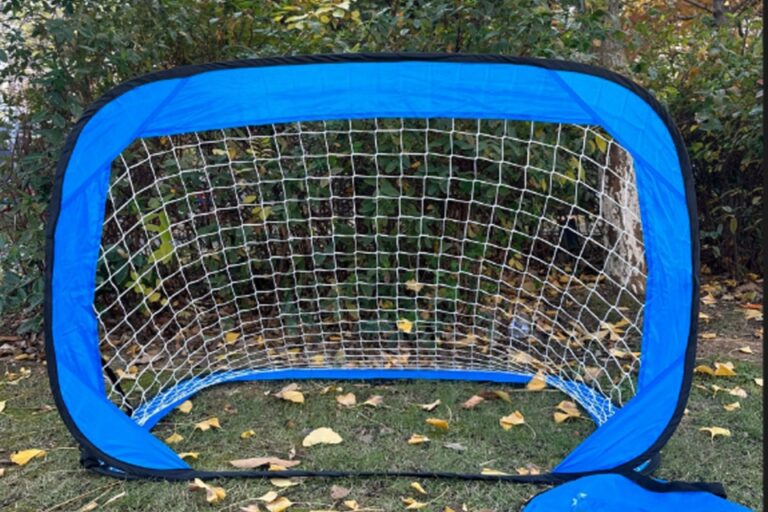
そして、確かに、適用範囲は重要です。非常に重要です。ASTM F2950は、総重量が40ポンドを超えるサッカーゴールに適用されると規定しており、負傷や死亡事故の削減を目的としています。これはゴールに関する安全規格であり、スポーツにおけるあらゆるネット付きフレームに普遍的に適用されるものではありません。 一方、ASTM F3684は、テニスコートのフェンスや周囲の囲いについて具体的に規定した規格です。ASTMによれば、その主な機能は、テニスボールをコート内に留め、不審者の侵入を防ぎつつ、衝突や隣接エリアでのリスクを低減することにあります。危険要因が異なり、論理も異なり、必要な書類も異なります。(ASTM International | ASTM)
しかし、購入者は「ネットの素材」「フレームの安全性」「周囲の囲い」「設置品質」という4つの要素を、常に混同してしまいがちです。これらは互いに置き換え可能なものではありません。厚手のHDPEやナイロン製のメッシュで、見栄えの良い黒色の仕上げが施されていても、ボールの速度範囲、スパン、スタンドオフ距離、あるいは観客席との距離といった条件によっては、やはり不適切な選択となり得るのです。 納品時には「頑丈そう」に見えたネットでも、仕様書の作成がずさんだったために、訴訟の火種になりかねないと感じたことが何度もあります。.
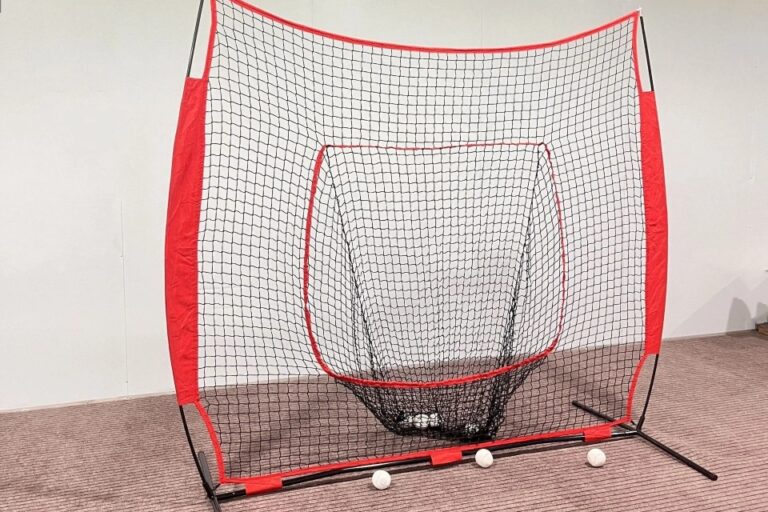
だからこそ、私は各チームに対し、単なる製品ではなく「コンプライアンス・チェーン」を構築するよう強く勧めている。まずはハザードマップから始める。次に、ユースケースを実際の規格と照合する。そして、材料、枠組み、金具、アンカーの施工計画、および検査手順を1つのファイルにまとめる。もし私が現場での施工状況を審査する立場なら、以下の点を比較するだろう。 野球ネットシステム 一般的な記述を鵜呑みにするのではなく、実際のセーフティネット、トレーニング、あるいはバリアとしての役割に基づいて判断すべきです。これも同様で、 ネットシステム または マルチスポーツ用ネット製品—コート内の設備は一つの問題ですが、周囲の囲い込みはまた別の問題です。人々は都合がいいからといって、その境界線を曖昧にしがちですが、賠償責任保険会社はそうはしません。.
そして、それがなぜ重要なのかを示す最近の証拠がある。2024年12月19日の CPSCの警告, 同機関によると、「Sport Nets 4×8」のポータブルサッカーゴールには、突き刺さる危険性があるという。CPSCはまた、2023年4月にワシントン州の高校生が露出した金属の先端に転倒し、致命的な脳損傷を負ったこと、および深センボールネットスポーツ製品株式会社がリコールの実施を拒否したことを明らかにした。 同警告によると、このゴールは2017年からオンラインで$43から$150の価格で販売されていたという。安価な製品だが、その代償は甚大だ。(米国消費者製品安全委員会)
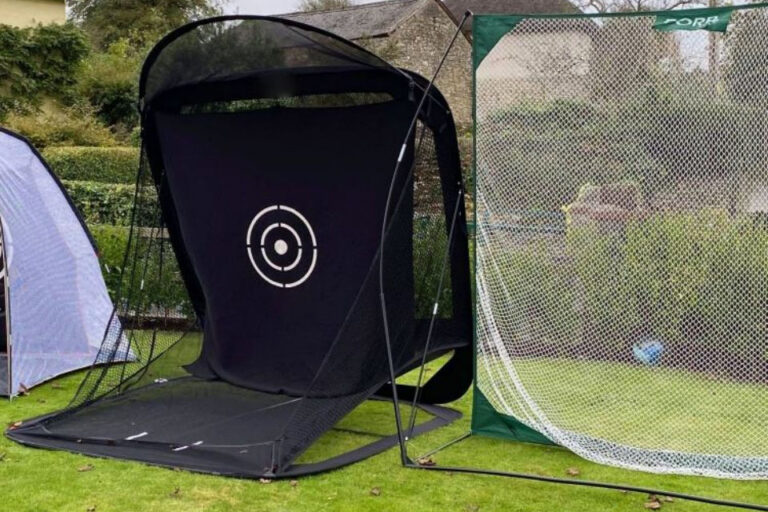
ゴルフも似たような状況にあるが、ニュースの見出しは少なく、弁護士費用の請求書は多い。2024年 『スポーツの法的側面に関するジャーナル』の研究 1,561件のゴルフ場過失訴訟を精査し、研究対象範囲内に133件に絞り込んだところ、適切な緩衝地帯が設けられていれば85件は防げた可能性があることが判明した。ゴルフ場が被告となった訴訟において、ゴルフ場側が勝訴したのはわずか47.5%に過ぎなかった。 他にどう表現すればいいのか分かりませんが、もしゴルフ場を探しているなら ゴルフネットソリューション それでもバリアの設置を単なる付随的な決定事項として扱っているなら、お金を節約しているわけではなく、かえってトラブルを招くことになる。(journals.indianapolis.iu.edu)
さらに需要側の問題もあり、率直に言ってこれが事態をさらに悪化させている。2024年のSFIAトップライン参加率レポートによると、2023年には6歳以上のアメリカ人2億4,200万人が少なくとも1つの活動に参加しており、チームスポーツへの参加者は10.8%増加し、 、ピックルボールの参加者は1,360万人に達し、前年比51.8%の伸びを記録した。コートの増加。ポップアップ設置の増加。急いでコートを購入する学校の増加。そして、囲い込みのリスクを実際に理解している人物が誰一人いないまま、仕様決定を行う教会、レクリエーションセンター、住宅所有者協会(HOA)、クラブの増加。これが、購入規模の拡大がもたらす深刻な問題なのだ。.
ここに厳しい現実があります。「規制に準拠するための最適なスポーツ用ネット」というのは、たいてい間違った問い方なのです。 正しい問いは、提出書類一式が、保険会社、施主代理人、PE(専門技術者)、AHJ(所管官庁)、あるいは最悪の場合、書類のあらゆる曖昧な表現を何ヶ月もかけて徹底的に分析する原告側の専門家による厳しい審査に耐えられるかどうかです。製品を先に、プロセスは後。この順序が、人々を苦しめるのです。.
また、買い手はベンダーの行動からどれほど多くの情報が得られるかを過小評価していると思います。 優れたサプライヤーは、形容詞の背後に隠れたりしません。彼らは、範囲、除外事項、アンカーロジック、メンテナンス、交換間隔、そして規格が適用されなくなる範囲について率直に話してくれます。一方、質の悪いサプライヤーは?彼らは「プレミアム」「商用グレード」「学校でも採用」といった言葉に頼りがちです。こうした表現は、詳細な確認が始まるまでは問題ないように聞こえます。.
そうですね、また別の営業資料を頭に入れるよりは、プロセスを精査したいですね。つまり、次の点を確認するということです。 工場見学, 、より広い範囲を振り返って 製品ラインナップ, 、そして同社が自社のを通じてサポートをどのように行っているかを尋ねて、 サービス. 華やかではない。だが、非常に効果的だ。.
最も重要な基準
| 施設またはユースケース | 確認すべきASTM規格 | 実際にどのような内容が対象となるか | 買い手が犯しがちな間違い |
|---|---|---|---|
| ペイントボール用防護ネット | F2184-10(2022)、F2278-19(2023) | 設置ガイドおよび防護ネットの評価 | 「重いメッシュであれば何でもフィールドで安全に使用できる」と仮定して |
| ネットが付いたサッカーゴール | F2950-14(2021) | 40ポンドを超えるサッカーゴールにおける安全性と性能 | ゴールセーフティをネットセーフティと同一視すること |
| テニスとコートサイドの観覧席 | F3684-24 | テニスコートのフェンスおよび周囲の囲い | コートネットシステムと周囲の囲い込みを混同すること |
| アウトドアアクティビティエリアの囲い | F3729-25 | フェンスや周囲の囲いが求められる場合 | Using one fence spec for every sport zone |
| Baseball or softball barrier/backstop projects | No obvious baseball-specific barrier-netting standard appears in ASTM’s baseball/softball section | Requires a documented spec package tied to facility risk, installation, and owner requirements | Believing “baseball net” is itself a compliance category |
The table is the point. ASTM is giving you a menu, not a magic stamp. And if that sounds annoying, well, compliance usually is. (ASTM International | ASTM)

What serious buyers document before they sign
I use a simple filter. Maybe too simple. But it works.
First, name the hazard. A golf shank screen, a baseball backstop extension, a sideline spectator shield, and a temporary pickleball divider are not the same thing—even if somebody insists on calling all of them “sports netting.”
Second, name the standard by number. Not “ASTM approved.” Not “built to ASTM.” The actual designation, revision year, and scope. No number, no trust.
Third, split product compliance from installation compliance. This is where jobs go sideways. The mesh may be fine; the frame geometry may not be. The frame may be fine; the anchors may be junk. The anchors may be fine; the site layout may still be wrong. One weak link and the whole safety story starts to wobble.
Fourth, ask what isn’t covered. I mean it. Put that question in writing. Weak vendors hate it because it forces them out of the sales script.
Fifth, keep the paper trail. Cut sheets, layout drawings, anchor notes, inspection intervals, replacement guidance, revision dates. Boring stuff. Gold later.
That’s my answer to how to comply with ASTM standards for sports netting. It’s not buying the thickest mesh and calling it a day. It’s building a file that won’t collapse the first time someone hostile reads it.

Where the market still lies to buyers
Three phrases make me nervous fast.
“ASTM compliant.” Okay—show me the designation.
“Heavy-duty netting.” Fine—heavy-duty for what ball velocity, what mesh opening, what span, what exposure, what hardware?
“Used by schools and clubs.” Sure. Installed how? Maintained by whom? Documented where?
But this is what the industry does. It smooths the edges. It talks as if vague safety language is helpful when, really, vague safety language is just a liability time bomb with a prettier wrapper.
And from my experience, the worst projects aren’t the ones with the cheapest gear. They’re the ones with the loosest language. Cheap can be obvious. Sloppy “compliance” copy sneaks through.

よくある質問
スポーツ用ネットに関するASTM規格は1つだけあるのでしょうか?
ASTM standards for sports netting compliance are a group of sport-specific specifications, guides, and test methods used to evaluate equipment safety, barrier-netting performance, enclosure design, and installation practices, rather than one universal standard that automatically governs every sports-netting application in every facility. So, no—there isn’t one master ASTM rulebook for all sports netting. The applicable standard depends on the hazard, the sport, the equipment type, and whether you’re dealing with a goal system, a perimeter enclosure, or a barrier-netting installation. (ASTM International | ASTM)
スポーツ用ネットには、どのようなASTM規格が適用されますか?
The ASTM standards that apply to sports netting are the specific designations tied to the equipment or enclosure function at issue, such as installation guides for barrier netting, safety specifications for soccer goals, and design guides for tennis or outdoor perimeter enclosures. In practice, the most relevant published examples in ASTM’s current sports materials are F2184 and F2278 for paintball barrier netting, F2950 for soccer goals, F3684 for tennis court fencing and perimeter enclosures, and F3729 for outdoor sport and recreation area enclosures. (ASTM International | ASTM)
スポーツ用ネットの規格適合性をどのように証明すればよいですか?
Proving sports netting compliance means assembling a documented record showing that the chosen product, frame, enclosure, or installation method was matched to the correct ASTM scope, purchased to that scope, installed according to the documented method, and maintained through inspection records that can be produced later if challenged. In plain language, you need more than a vendor claim. You need the designation, the revision year, drawings, material notes, installation guidance, maintenance records, and the reasoning that connects the system to the real hazard. The CPSC soccer-goal warning is exactly the kind of case that exposes what happens when that chain breaks. (ASTM International | ASTM)
ASTM規格への準拠と、地域の建築基準への準拠にはどのような違いがありますか?
ASTM compliance is conformance to a voluntary technical standard that describes how a product, system, or installation issue should be evaluated or designed, while local code compliance is conformance to mandatory rules adopted and enforced by the authority having jurisdiction over the project site. Those are not the same thing, and smart operators treat ASTM as part of the evidence file—not the whole file—because site conditions, owner requirements, layout risk, and maintenance failures still drive real exposure. The golf negligence data makes that painfully clear. (ASTM International | ASTM)
If you’re sourcing netting right now, skip the soft question. Don’t ask whether a vendor is “ASTM compliant.” Ask which designation applies, what the scope excludes, how the install is documented, and what they’ll put in writing. Then review the category pages, challenge the paperwork, and チームに連絡する only after the answers start sounding specific. That’s not overkill. That’s how adults buy sports netting.