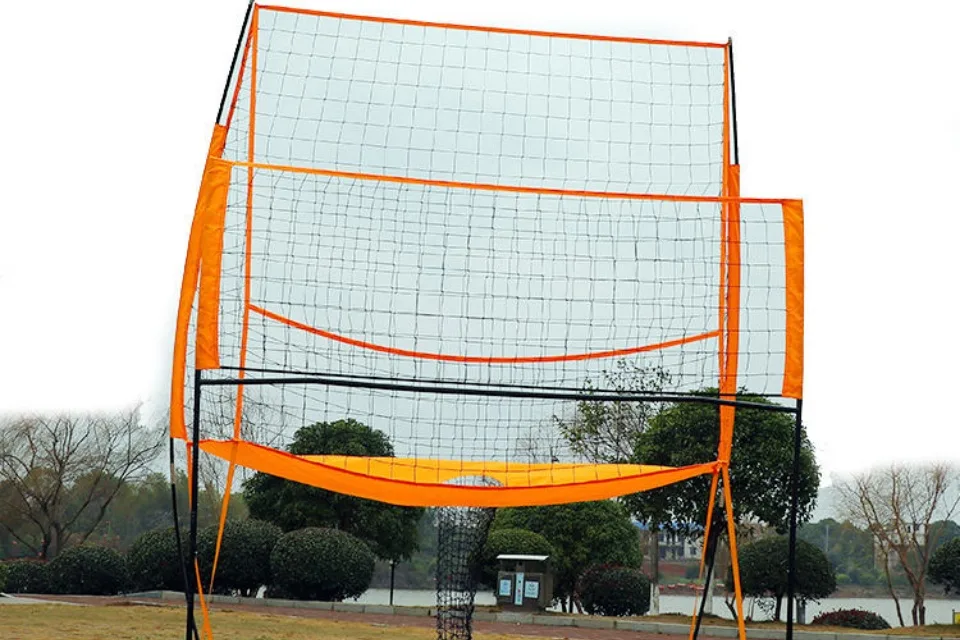
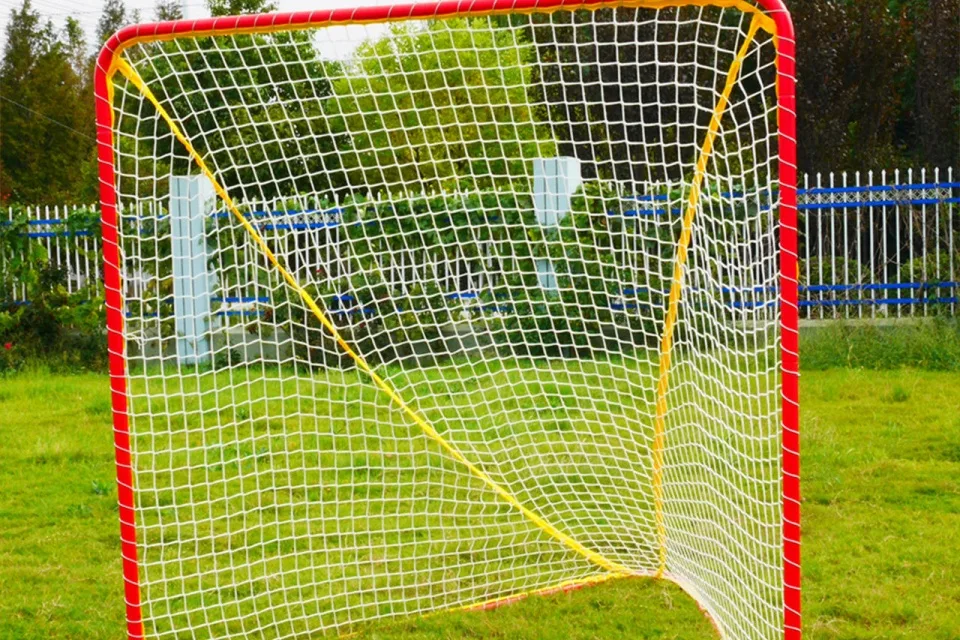
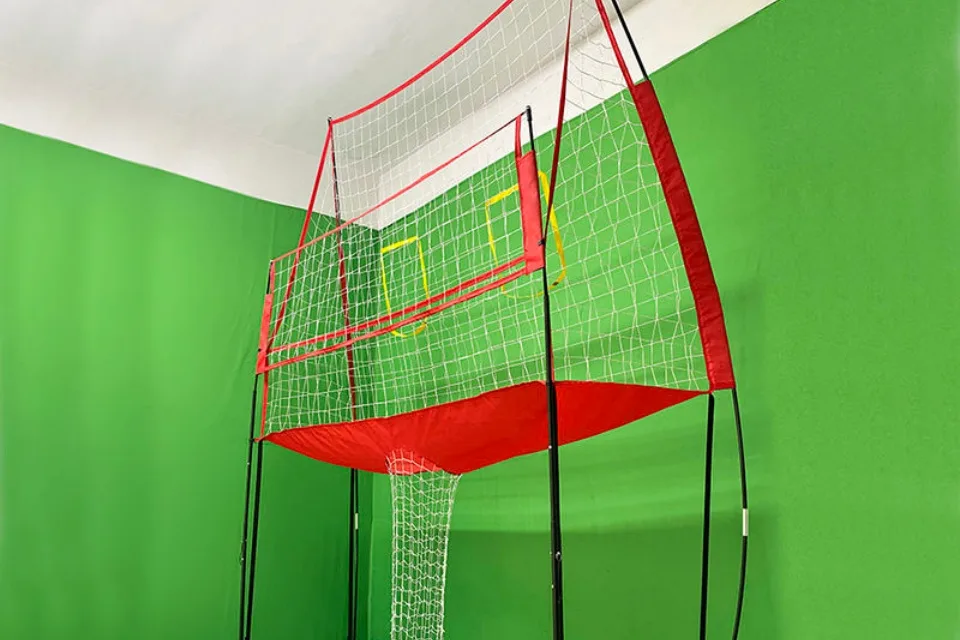
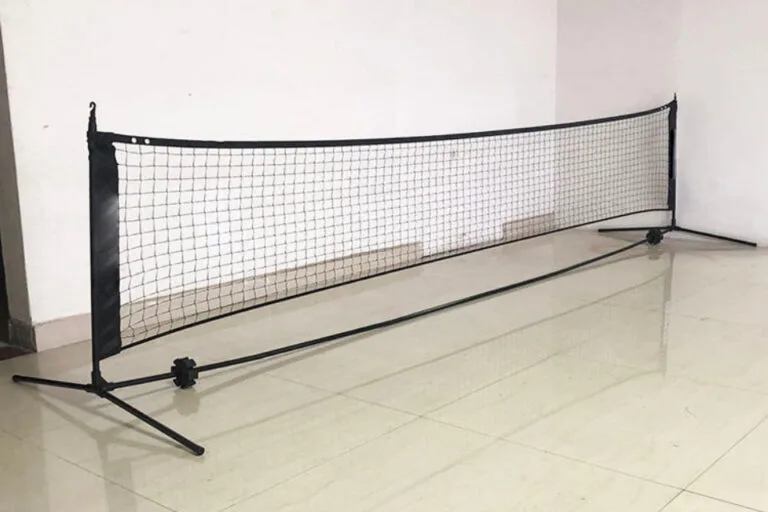
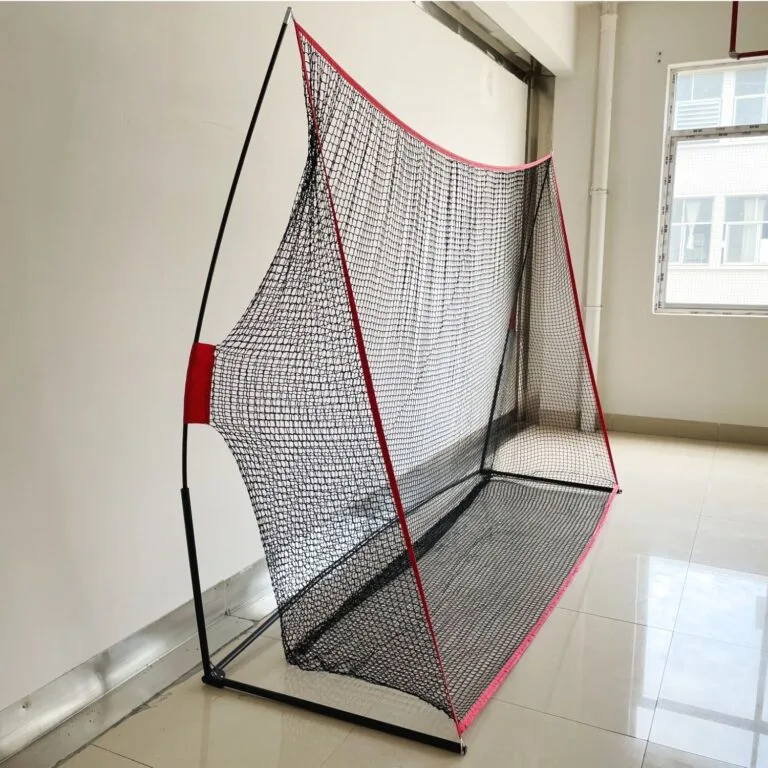
أخبرنا بما تريد تطويره. تدعم FSPORTS مشاريع تصنيع المعدات الأصلية (OEM) وتصنيع التصميم الأصلي (ODM)، والعلامات التجارية الخاصة، ومشاريع الشبكات الرياضية المخصصة بناءً على منتجك الحالي أو الرسم الهندسي أو العينة أو الصورة أو متطلبات الاستخدام.
يرجى إطلاعنا على نوع المنتج، والأبعاد، والكمية المطلوبة، والوجهة، وأي متطلبات معروفة تتعلق بالشبكة، أو المادة، أو الإطار، أو المكونات المعدنية، أو الشعار، أو التغليف. إذا لم تكن المواصفات كاملة بعد، فيرجى إرسال ما لديك وسنقوم بمراجعة التفاصيل المتبقية قبل تقديم عرض الأسعار.
التعرف على معايير ASTM الخاصة بالشبكات الرياضية للتأكد من الامتثال لها
معظم المشترين يعتمدون على التخمين.
And that’s the first problem, because the sports-netting business has a bad habit of tossing around the phrase “ASTM compliant” like it’s a magic stamp—something you slap onto a cut sheet, drop into an RFQ, and move on—when in the real world it tells you almost nothing about hazard type, enclosure geometry, anchoring, maintenance intervals, impact exposure, or whether the spec even fits the sport. That phrase travels well. Usually.
I frankly believe this is where a lot of facility managers get boxed in. They’re not dumb. They’re busy. Someone hands them a product page, a vendor says the right buzzwords, a contractor says “we’ve done plenty of these,” and suddenly a net system is being treated like a commodity instead of what it actually is: a risk-control assembly with legal consequences. That’s the ugly truth.
But here’s where I part company with the marketing crowd: there is no single, universal ASTM standard that cleanly governs every sports-netting setup across baseball, golf, soccer, pickleball, tennis, and mixed-use courts. ASTM’s own catalog reads more like a patch bay than a single rulebook—paintball barrier netting has direct standards, soccer goals have a safety specification, tennis now has a perimeter-enclosure guide, and broader outdoor activity enclosures sit under another guide entirely. That’s not a minor detail. That’s the whole story. (ASTM International | ASTM)
So when a supplier says “ASTM standards for sports netting,” my first response is pretty simple: which one? The ASTM sports standards catalog does not hand you one blanket standard for all netting. It points to specific designations like F2950 for soccer goals, F3684-24 for tennis court fencing and perimeter enclosures, and the paintball committee listing that includes F2184 and F2278. If a seller can’t name the designation, the revision year, and the scope, I assume I’m hearing boilerplate—not compliance. (ASTM International | ASTM)
And yes, the scopes matter. A lot. ASTM F2950 says it applies to soccer goals with a total weight greater than 40 lb and is aimed at reducing injuries and fatalities; that is a goal-safety specification, not a universal blessing over every netted frame in sport. ASTM F3684, on the other hand, is specifically about tennis court fencing and perimeter enclosures—the primary function, ASTM says, is to keep tennis balls in and uninvited traffic out while also reducing collision and adjacent-area risks. Different hazard. Different logic. Different paperwork. (ASTM International | ASTM)
Yet buyers mix up four things all the time: net fabric, frame safety, perimeter containment, and installation quality. They’re not interchangeable. A thick HDPE or nylon mesh with a nice black finish can still be the wrong call for the ball-speed envelope, the span, the standoff distance, or the spectator line. I’ve seen netting that looked “heavy-duty” on arrival and still felt like a lawsuit waiting to hatch because the spec stack was lazy.
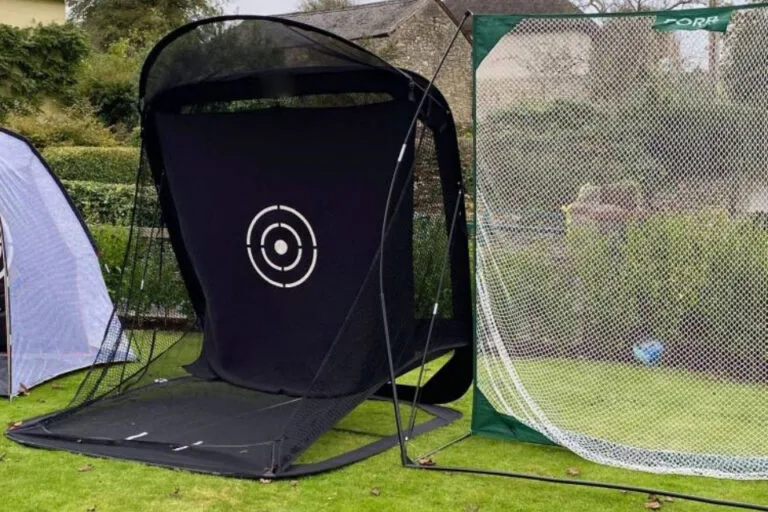
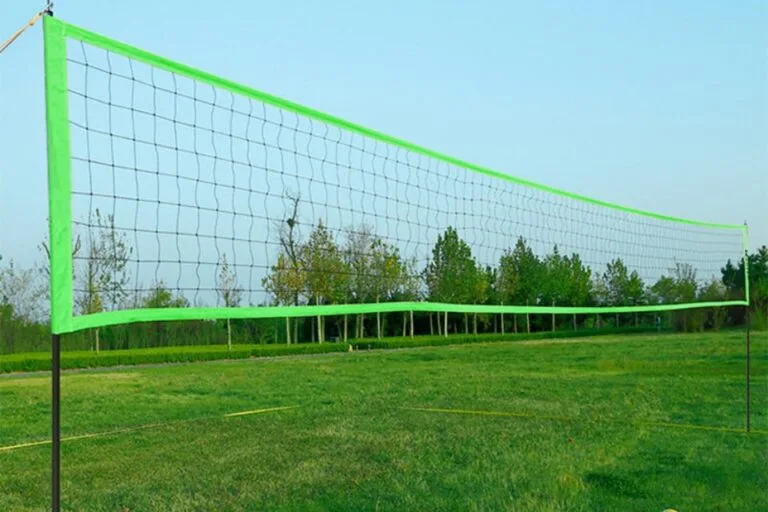
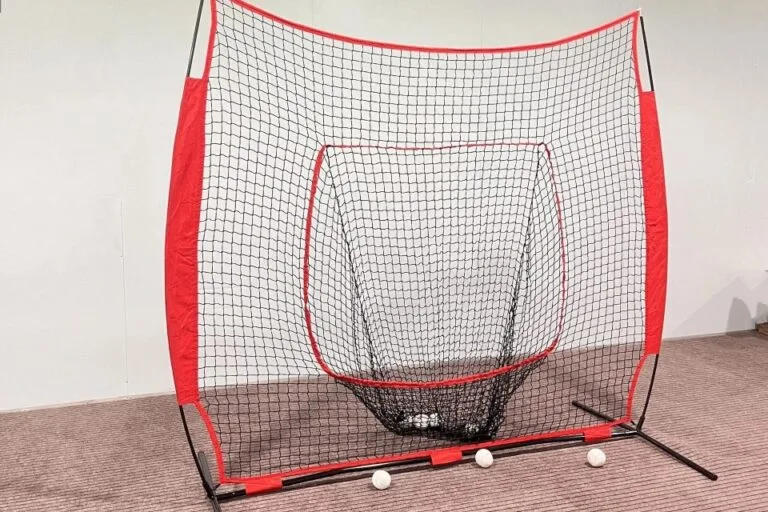
That’s why I push teams to buy a compliance chain, not a product. Start with the hazard map. Then match the use case to the actual standard. Then tie the material, frame, hardware, anchor schedule, and inspection routine into one file. If I were reviewing a field build, I’d compare the أنظمة شبكة البيسبول against the actual backstop, training, or barrier role instead of trusting generic copy. Same with أنظمة شبكة كرة المخلل أو multi-sports net products—court hardware is one thing; perimeter containment is another. People blur those lines because it’s convenient. The liability carrier won’t.
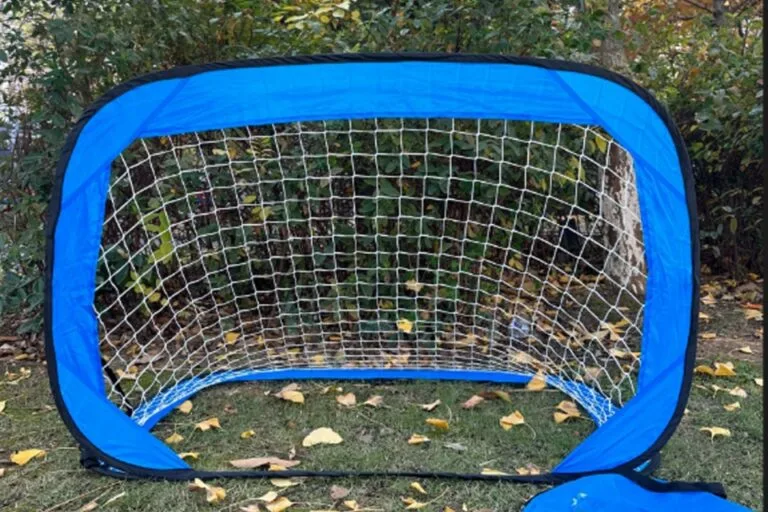
And there’s recent evidence for why that matters. In a December 19, 2024 تحذير CPSC, the agency said Sport Nets 4×8 portable soccer goals posed an impalement hazard; CPSC also said that in April 2023 a Washington State high school student suffered a fatal brain injury after falling on an exposed metal tip, and that Shenzhen Ballsnet Sports Product Co. refused to conduct a recall. The same warning says the goals had sold online since 2017 for between $43 and $150. Cheap gear. Brutal downside. (لجنة سلامة المنتجات الاستهلاكية الأمريكية)
Golf tells a similar story, just with fewer headlines and more legal invoices. The 2024 دراسة في «مجلة الجوانب القانونية للرياضة» reviewed 1,561 golf negligence lawsuits, narrowed them to 133 cases within the study scope, and found that 85 could possibly have been prevented with proper buffer zones; in lawsuits where the golf course was sued, the course prevailed only 47.5% of the time. I don’t know how else to say it: if you’re shopping حلول شبكات الجولف and still treating barrier placement like an accessory decision, you’re not saving money—you’re borrowing trouble. (journals.indianapolis.iu.edu)
Then there’s the demand side, which honestly makes this mess worse. The 2024 SFIA Topline Participation Report says 242.0 million Americans ages six and older participated in at least one activity in 2023, team sports participation rose 10.8%, and pickleball hit 13.6 million participants with 51.8% one-year growth. More courts. More pop-up installs. More schools buying fast. More churches, rec centers, HOAs, and clubs making spec decisions without anyone in the room who actually understands enclosure risk. That’s how bad purchasing scales.
Here’s the ugly truth: “best sports netting for compliance” is usually the wrong question. The right question is whether the submittal package can survive a serious review—by an insurer, an owner’s rep, a PE, an AHJ, or, worst-case, a plaintiff’s expert who now has months to dissect every lazy phrase in your paperwork. Product first. Process later. That order burns people.
I also think buyers underestimate how much vendor behavior tells you. Good suppliers don’t hide behind adjectives. They’ll talk scope, exclusions, anchor logic, maintenance, replacement intervals, and where the standard stops applying. Bad suppliers? They fall back on “premium,” “commercial-grade,” and “used by schools.” That kind of copy sounds fine until discovery starts.
So yes, I’d rather inspect process than absorb another sales deck. That means looking at the جولة في المصنع, reviewing the broader product range, and asking how the company handles support through its الخدمات. Not glamorous. Very effective.
The standards that matter most
Facility or use case
ASTM standard(s) to check
What it actually covers
The mistake buyers make
Paintball barrier netting
F2184-10(2022), F2278-19(2023)
Installation guidance and barrier-net evaluation
Assuming any heavy mesh qualifies as field-safe
Soccer goals with attached nets
F2950-14(2021)
Soccer goal safety and performance for goals over 40 lb
Treating goal safety as identical to netting safety
Tennis and court-side enclosures
F3684-24
Tennis court fencing and perimeter enclosures
Confusing court net systems with perimeter containment
Outdoor activity-area enclosures
F3729-25
When fencing or perimeter enclosures may be warranted
Using one fence spec for every sport zone
Baseball or softball barrier/backstop projects
No obvious baseball-specific barrier-netting standard appears in ASTM’s baseball/softball section
Requires a documented spec package tied to facility risk, installation, and owner requirements
Believing “baseball net” is itself a compliance category
The table is the point. ASTM is giving you a menu, not a magic stamp. And if that sounds annoying, well, compliance usually is. (ASTM International | ASTM)
What serious buyers document before they sign
I use a simple filter. Maybe too simple. But it works.
First, name the hazard. A golf shank screen, a baseball backstop extension, a sideline spectator shield, and a temporary pickleball divider are not the same thing—even if somebody insists on calling all of them “sports netting.”
Second, name the standard by number. Not “ASTM approved.” Not “built to ASTM.” The actual designation, revision year, and scope. No number, no trust.
Third, split product compliance from installation compliance. This is where jobs go sideways. The mesh may be fine; the frame geometry may not be. The frame may be fine; the anchors may be junk. The anchors may be fine; the site layout may still be wrong. One weak link and the whole safety story starts to wobble.
Fourth, ask what isn’t covered. I mean it. Put that question in writing. Weak vendors hate it because it forces them out of the sales script.
That’s my answer to how to comply with ASTM standards for sports netting. It’s not buying the thickest mesh and calling it a day. It’s building a file that won’t collapse the first time someone hostile reads it.
Where the market still lies to buyers
Three phrases make me nervous fast.
“ASTM compliant.” Okay—show me the designation.
“Heavy-duty netting.” Fine—heavy-duty for what ball velocity, what mesh opening, what span, what exposure, what hardware?
“Used by schools and clubs.” Sure. Installed how? Maintained by whom? Documented where?
But this is what the industry does. It smooths the edges. It talks as if vague safety language is helpful when, really, vague safety language is just a liability time bomb with a prettier wrapper.
And from my experience, the worst projects aren’t the ones with the cheapest gear. They’re the ones with the loosest language. Cheap can be obvious. Sloppy “compliance” copy sneaks through.
الأسئلة الشائعة
Is there one ASTM standard for sports netting?
ASTM standards for sports netting compliance are a group of sport-specific specifications, guides, and test methods used to evaluate equipment safety, barrier-netting performance, enclosure design, and installation practices, rather than one universal standard that automatically governs every sports-netting application in every facility. So, no—there isn’t one master ASTM rulebook for all sports netting. The applicable standard depends on the hazard, the sport, the equipment type, and whether you’re dealing with a goal system, a perimeter enclosure, or a barrier-netting installation. (ASTM International | ASTM)
What ASTM standards apply to sports netting?
The ASTM standards that apply to sports netting are the specific designations tied to the equipment or enclosure function at issue, such as installation guides for barrier netting, safety specifications for soccer goals, and design guides for tennis or outdoor perimeter enclosures. In practice, the most relevant published examples in ASTM’s current sports materials are F2184 and F2278 for paintball barrier netting, F2950 for soccer goals, F3684 for tennis court fencing and perimeter enclosures, and F3729 for outdoor sport and recreation area enclosures. (ASTM International | ASTM)
How do I prove sports netting compliance?
Proving sports netting compliance means assembling a documented record showing that the chosen product, frame, enclosure, or installation method was matched to the correct ASTM scope, purchased to that scope, installed according to the documented method, and maintained through inspection records that can be produced later if challenged. In plain language, you need more than a vendor claim. You need the designation, the revision year, drawings, material notes, installation guidance, maintenance records, and the reasoning that connects the system to the real hazard. The CPSC soccer-goal warning is exactly the kind of case that exposes what happens when that chain breaks. (ASTM International | ASTM)
What is the difference between ASTM compliance and local code compliance?
ASTM compliance is conformance to a voluntary technical standard that describes how a product, system, or installation issue should be evaluated or designed, while local code compliance is conformance to mandatory rules adopted and enforced by the authority having jurisdiction over the project site. Those are not the same thing, and smart operators treat ASTM as part of the evidence file—not the whole file—because site conditions, owner requirements, layout risk, and maintenance failures still drive real exposure. The golf negligence data makes that painfully clear. (ASTM International | ASTM)
If you’re sourcing netting right now, skip the soft question. Don’t ask whether a vendor is “ASTM compliant.” Ask which designation applies, what the scope excludes, how the install is documented, and what they’ll put in writing. Then review the category pages, challenge the paperwork, and اتصل بالفريق only after the answers start sounding specific. That’s not overkill. That’s how adults buy sports netting.