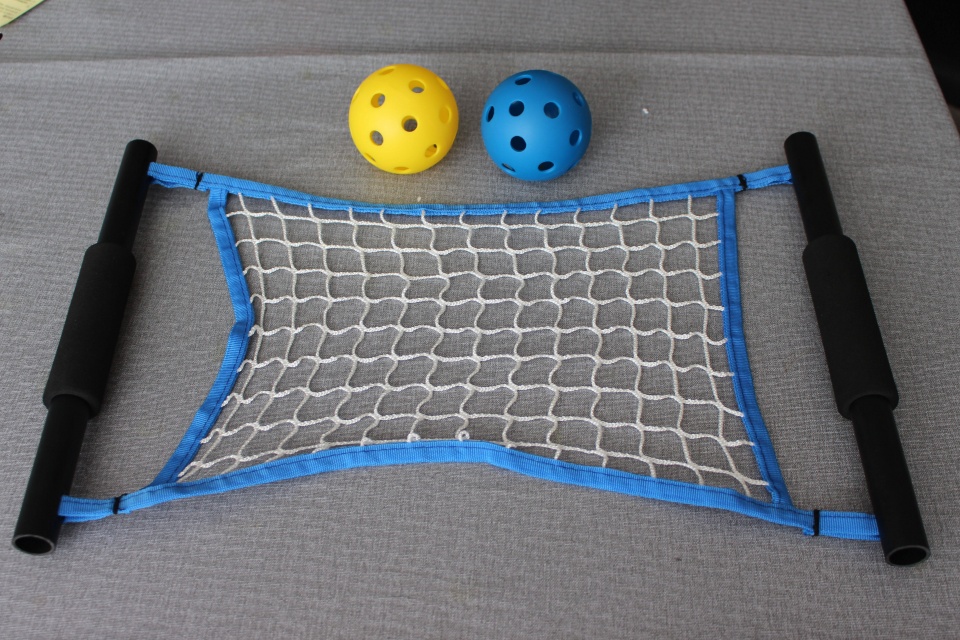
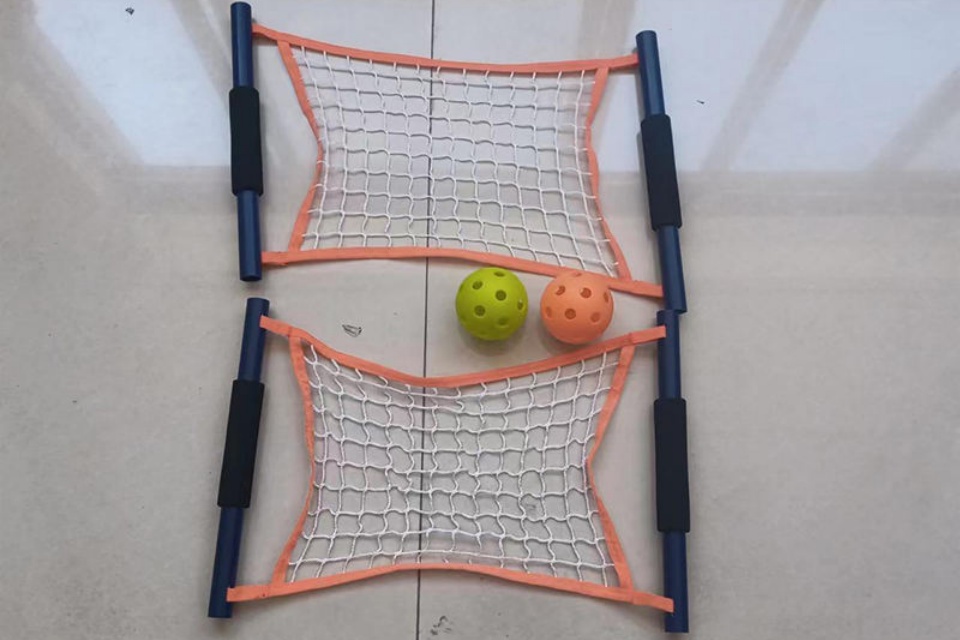
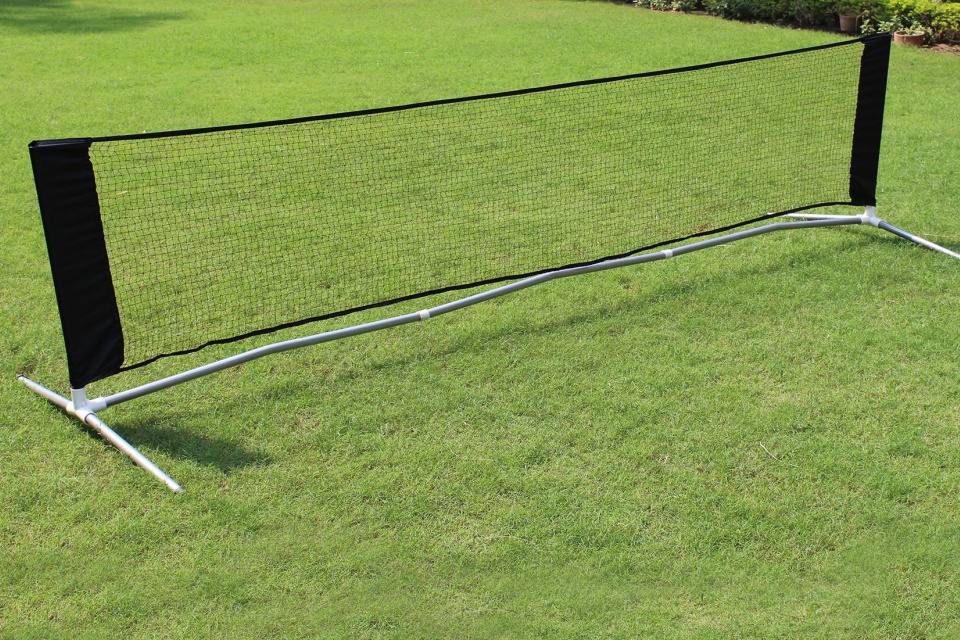
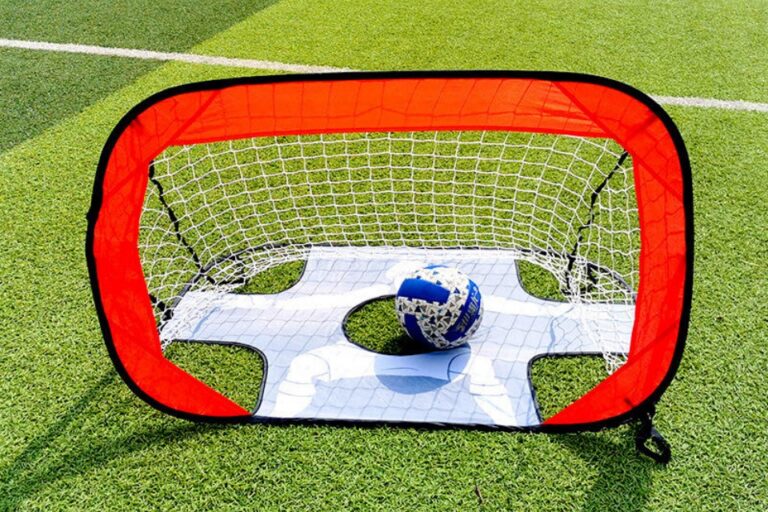
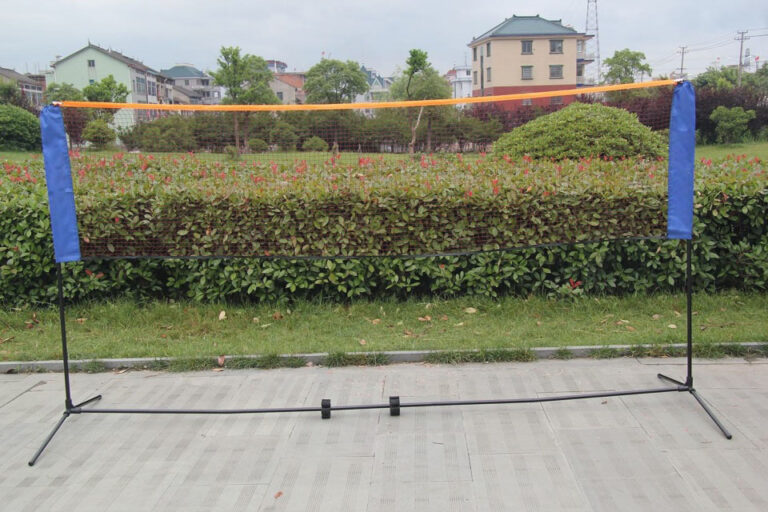
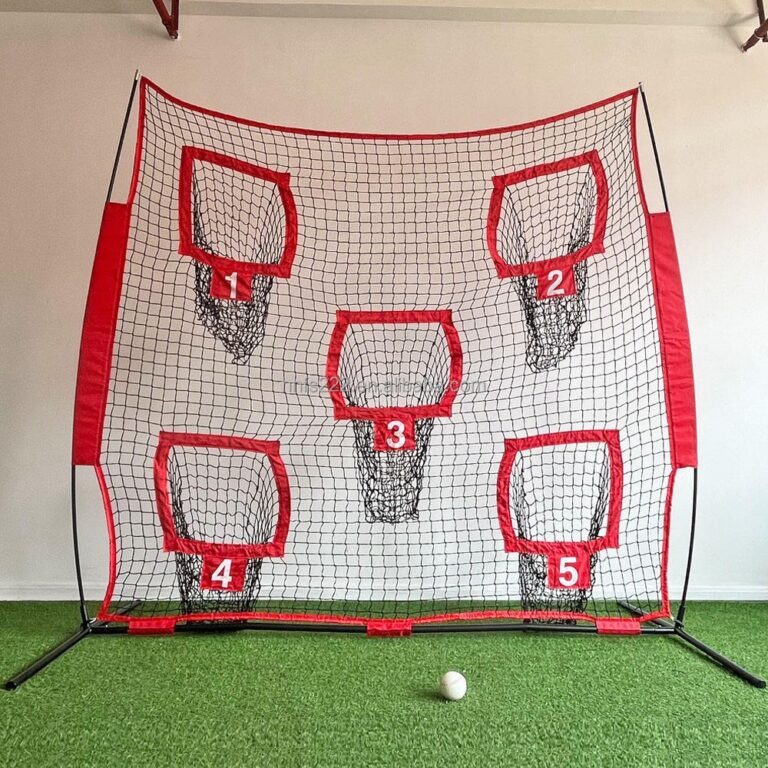
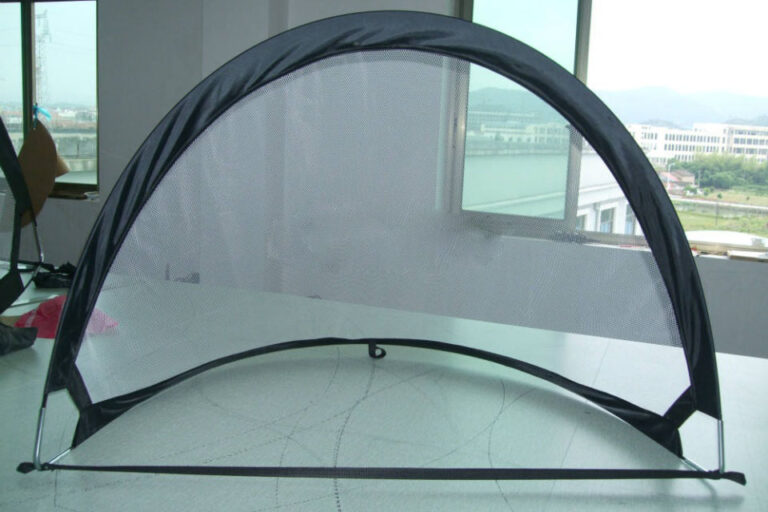
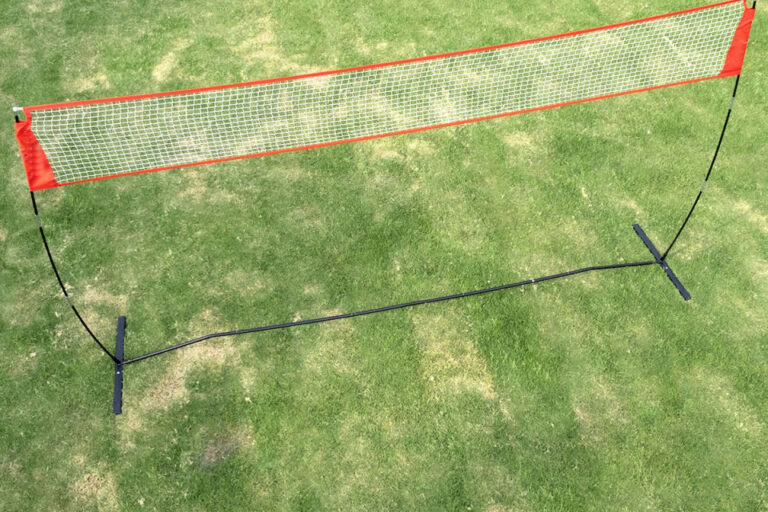
أخبرنا بما تريد تطويره. تدعم FSPORTS مشاريع تصنيع المعدات الأصلية (OEM) وتصنيع التصميم الأصلي (ODM)، والعلامات التجارية الخاصة، ومشاريع الشبكات الرياضية المخصصة بناءً على منتجك الحالي أو الرسم الهندسي أو العينة أو الصورة أو متطلبات الاستخدام.
يرجى إطلاعنا على نوع المنتج، والأبعاد، والكمية المطلوبة، والوجهة، وأي متطلبات معروفة تتعلق بالشبكة، أو المادة، أو الإطار، أو المكونات المعدنية، أو الشعار، أو التغليف. إذا لم تكن المواصفات كاملة بعد، فيرجى إرسال ما لديك وسنقوم بمراجعة التفاصيل المتبقية قبل تقديم عرض الأسعار.
فهم المعالجة بالأشعة فوق البنفسجية لشبكات الملاعب الرياضية وتأثيرها على المتانة
The Core Problem: Sun, Polymer, and Premature Failure
Sun kills nets.
I’ll say that bluntly because the industry hides behind soft phrases like “UV resistant,” “weatherproof,” and “outdoor grade,” when the real story is uglier: once ultraviolet exposure starts breaking polymer chains, the net does not fail all at once, it fades, hardens, loses elongation, starts to crack or chalk, and then one ordinary impact does what a hundred earlier impacts could not. That is how good-looking netting turns into replacement cost. Why do so many buyers learn this only after installation season? (plasticpipe.org)
The hard truth is simple. “UV treated” is often marketing first, chemistry second.
When I hear a supplier claim UV treatment for sports netting, I do not start by asking color, mesh size, or even price. I ask what polymer they are using, what stabilizer system is inside it, what test standard they used, and what climate they are assuming. Because a net that survives two years in a mild climate can get embarrassed in a high-exposure, high-heat setting. EPA’s UV Index overview reminds us the solar UV scale runs from 1 to 11+, and exposure level is not abstract; it is measurable and location-dependent. (epa.gov)
What UV Treatment Really Means
It Is Usually Built Into the Material, Not Added as a Simple Finish
And that leads to the first thing most buyers miss: UV treatment is usually not some magical topcoat sprayed on at the end. In polyethylene systems, it is more often a resin-level stabilization package, commonly involving carbon black, UV absorbers, and HALS; the plastics industry also judges performance with hard tests such as ASTM D638, ASTM D2565, and ASTM G155, not with vague brochure language. The 2024 PPI technical note is especially useful here because it lays out the mechanics plainly: UV radiation sits in the 290–400 nm band, accounts for about 4.6% of sunlight, and breaks polymer chains, causing cracking, toughness loss, color change, and tensile decline. (plasticpipe.org)
That document is about pipe, not sports netting. I know. But the chemistry carries over, and frankly, pipe people are often more disciplined about outdoor polymer degradation than net sellers are. The same note says polyethylene materials with at least 2% carbon black are widely considered stabilized for long-term outdoor service, while colored grades lean on UV stabilizers and must prove themselves with exposure testing; it also notes Xenon Arc testing is commonly used because it correlates reasonably with outdoor weathering. In other words, the best UV treated sports netting is not the one with the loudest adjective. It is the one with a real stabilization package and a real test story behind it. (plasticpipe.org)
What the 2024 Evidence Shows
A recent materials paper says the quiet part out loud. In a 2024 Polymer Engineering & Science study, naturally weathered HDPE showed oxidation triggered by solar radiation, visible holes from fragment detachment, reduced average molecular weight, and lower mechanical strength after exposure. That matters because sports netting durability is not just about whether the mesh “looks okay” from twenty feet away. It is about what happened to the fiber backbone while nobody was paying attention. (4spepublications.onlinelibrary.wiley.com)
And there is a second problem people ignore. Once photodegradation starts, you are no longer dealing only with shorter service life; you are also dealing with fragmentation. UNEP’s assessment work on plastics and UV says UV radiation combined with mechanical stress drives degradation and fragmentation into smaller particles, while EPA notes that microplastics arise when larger plastics weather under ultraviolet rays plus wind and wave action. Different use case, same warning: when outdoor polymer mesh ages badly, it does not retire cleanly. (ozone.unep.org)
Why Outdoor Conditions Change Everything
Heat and UV Exposure Are a Combined Risk
The climate backdrop is not helping. ذكرت وكالة رويترز that 2024 became the hottest year on record and the first year in which average global temperatures exceeded 1.5°C above the 1850–1900 pre-industrial period. Heat alone is not UV, obviously. But higher ambient temperatures accelerate the aging environment that outdoor polymers already hate, especially when sun, tension, moisture, and repeated ball impact are all working at once. (reuters.com)
So here is my unpopular opinion: buyers obsess over frame steel and ignore net chemistry because steel is easy to photograph and polymer aging is boring to sell. That is backwards. A mediocre frame can be repaired. A badly stabilized net is a countdown timer.
How Buyers Misread “Durability”
Product Categories Are Not the Same Thing as Exposure Profiles
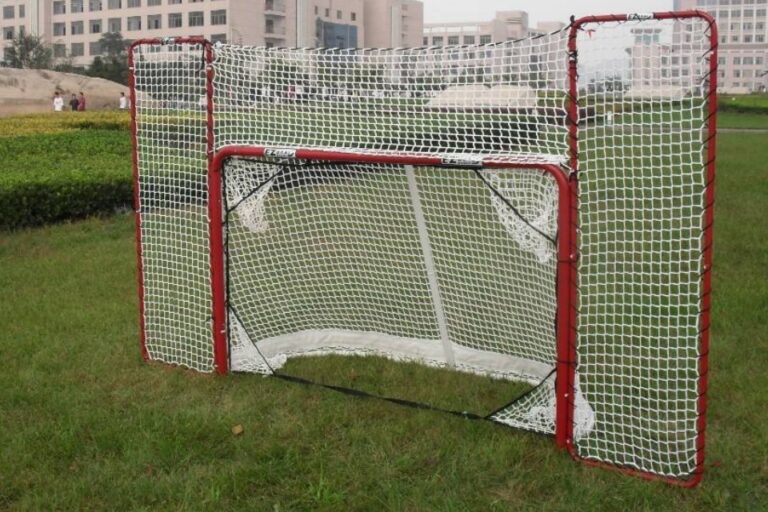
You can see the buying mistake in category shopping. Someone comparing شبك رياضي خارجي, أنظمة شبكة البيسبول, golf net setups, أو أنظمة الشبكات متعددة الرياضات will often treat them as interchangeable because the openings look similar and the product photos all promise durability. They are not interchangeable once sun load, use intensity, ball speed, installation angle, and local climate enter the room. A soccer rebounder sitting outdoors year-round is living a different life from an indoor practice cage that only sees weekend deployment.
“Weather-Resistant” Is Not a Technical Answer
I also do not trust the phrase “weather-resistant sports netting” on its own. Not anymore. I want to know whether the net is polyethylene sports netting or something else, whether the color is functional or cosmetic, whether the yarn is extruded with the stabilizer package or merely dressed up after production, and whether the seller can tie its claim to a test method. If a manufacturer is serious, the proof usually shows up somewhere in process visibility, sample data, or technical support. That is why I would look beyond the catalog and check a company’s جولة في المصنع أو الخدمات before taking durability claims at face value.
A Practical Filter for Evaluating UV Claims
Supplier claim
What I think it often means
What you should ask next
لماذا هذا مهم
UV resistant
A generic outdoor claim
Which stabilizers are used, and in what system?
“UV resistant” without chemistry is just ink
Outdoor use
The net can be placed outside
For how long, in what climate, under what warranty?
Exposure in Florida is not exposure everywhere
Heavy duty
Thick twine or strong frame
What happens to elongation and tensile retention after UV testing?
Strength at day one is not durability at year three
Black netting
A dark appearance
Is the black color carbon black in the resin or just surface coloration?
Functional pigmentation can matter more than appearance
Long lifespan
A sales estimate
What test standard backs it: ASTM G155, D2565, D638, or outdoor exposure data?
Test method tells you whether the claim is serious
That table is the practical filter I use because the technical literature keeps pointing in the same direction: UV damage is real, it starts chemically, and mechanical failure shows up later. PPI treats elongation at break as a sensitive indicator of degradation, and the 2024 HDPE weathering work shows why that matters: once oxidation and surface damage arrive, strength is already moving the wrong way. (plasticpipe.org)
Why Test Standards and Geography Matter
A UV Claim Without a Climate Assumption Is Weak
There is also a quiet procurement detail buyers miss. Exposure claims need a geography. The 2024 PPI note cites published correlations showing that roughly 2,000 hours of Xenon Arc exposure can correspond to about one year of outdoor exposure in Florida, with different equivalencies for Southern California and Southern Canada. That does not give sports netting a universal lifespan formula, but it does kill the fantasy that one UV claim fits every market. A seller who cannot translate durability into climate assumptions is asking you to buy blind. (plasticpipe.org)
So what does smart buying look like? I would rank the questions like this: resin type first, UV package second, test standard third, climate assumption fourth, warranty exclusions fifth. Knotless versus knotted, twine gauge, and frame design still matter. But not before the chemistry. Never before the chemistry.
الأسئلة الشائعة
What is UV treatment for sports netting?
UV treatment for sports netting is the use of stabilizers, pigments, and sometimes protective formulations that slow solar damage to polymer fibers, helping PE, HDPE, nylon, or polyester netting resist chain scission, embrittlement, fading, and strength loss during prolonged outdoor exposure. In practice, that usually means resin-level protection matters more than pretty labeling, and serious suppliers should be able to connect that treatment to a recognized test method. (plasticpipe.org)
How does UV treatment affect sports netting durability?
UV treatment affects sports netting durability by slowing the chemical oxidation and surface damage that reduce elongation, toughness, and tensile performance, which means the net keeps absorbing impact loads longer before it turns brittle, cracks, or starts shedding fragments under routine use. The 2024 HDPE weathering study is the clean evidence here: oxidation, surface holes, and lower mechanical strength showed up after natural exposure, which is exactly the failure path buyers should fear. (4spepublications.onlinelibrary.wiley.com)
How long should UV treated sports netting last outdoors?
UV treated sports netting should last outdoors only as long as its polymer, stabilizer package, installation tension, exposure intensity, and maintenance practices allow, so any universal “5-year” or “10-year” promise without a test method and climate assumption should be treated as sales copy, not engineering. I would ask for the exposure basis immediately, because published industry correlations show outdoor equivalence changes materially by geography. (plasticpipe.org)
Is black netting automatically better for UV protection?
Black netting is not automatically better for UV protection, because color alone does not prove the presence, dispersion quality, or loading level of functional stabilizers, even though carbon black is widely used as a powerful UV-protective additive in polyethylene applications. That is why I separate “black-looking” from “properly stabilized.” One is appearance. The other is service life. (plasticpipe.org)
What should buyers ask before purchasing UV resistant sports netting?
Buyers should ask for the resin type, stabilizer system, test standard, exposure equivalence, warranty limits, and intended use profile, because a valid UV claim is a documented materials-performance claim, not a decorative adjective on a product page. For product teams comparing categories such as أهداف كرة القدم, شبك الغولف, أو multi-sport systems, those questions matter more than almost any headline promise. (plasticpipe.org)
الخاتمة
The bottom line is not complicated. UV treatment for sports netting buys time, not immortality.
But time is exactly what durability is.
For teams that want netting decisions tied to exposure reality instead of brochure language, start with the outdoor netting range, compare sport-specific builds across the site, and use the صفحة الاتصال to ask for test data, material details, and climate-specific guidance before placing the order.