Оглавление
Если вы управляете бейсбольным парком, вы уже знаете, что там творится: болельщикам нужны отличные обзорные линии, энергия из первых рядов и безопасный вечер. Последняя инициатива MLB по установке сетки продолжает двигаться в одном направлении.больший охват, более четкие стандарты и меньшее количество “серых зон” для операторов объектов. Этот сдвиг затрагивает не только парки высшей лиги. Он затронет партнерские площадки, тренировочные комплексы и любые объекты, которые хотят работать как профессиональный магазин.
Ниже приведено практическое описание изменений, которые происходят на объекте, что они означают на практике и как установить сетку так, чтобы она не превращала вашу чашу для сидения в рыболовный док.
Требования к сетке MLB для объектов
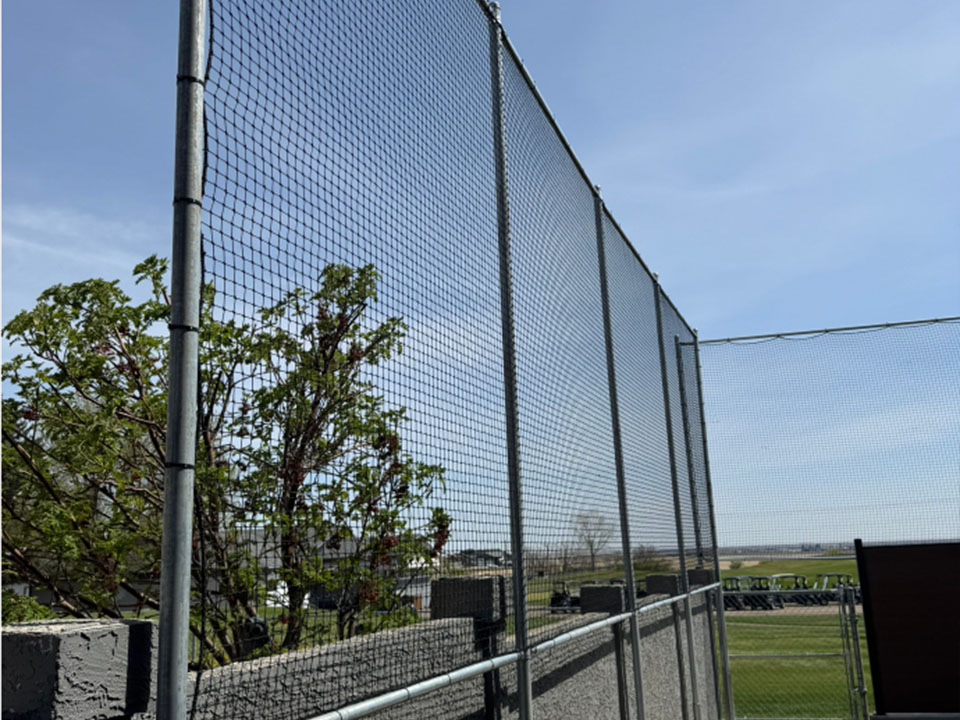
В MLB все больше внимания уделяется безопасности: уменьшить воздействие на болельщиков высокоскоростных мячей и осколков от разбитых бит в наиболее часто встречающихся зонах удара. Объекты ощущают это как более широкие ожидания по покрытию, более четкие цели установки и меньшую терпимость к частичным исправлениям.
Покрытие сеткой от фол-столба до фол-столба
Ключевое слово, которое вы будете слышать снова и снова, - это “Сетка, соединяющая столбы для фола”. На практике это означает, что учреждения должны планировать:
- Более длительные чистые пробеги по обеим линиям, не останавливаясь у блиндажей
- Меньше незащищенных “горячих углов” где болельщики сидят близко к полю
- Лучшая преемственность между секциями, чтобы не создавать странных зазоров в проходах, порталах или колодцах камер
Проверка реальности объекта: Это редко бывает просто “добавить больше сетки”. Часто приходится переосмысливать прокладку кабеля, точки крепления, натяжение, а также то, как сетка заканчивается возле стен фол-территории.
Стандарты высоты сетки за домашней площадкой и блиндажами
Длина покрытия - это только половина истории. Объекты также продолжают двигаться в направлении более стабильная высота сетки в зонах повышенного риска:
- За домашней тарелкой, где скорость выезда быстро увеличивается
- На участке от блиндажа до угла, где время реакции падает
- Возле сидений с меньшим углом наклона, где линии обзора сужаются
Перевод для оперативных команд: Вам понадобятся цели по высоте, соответствующие геометрии посадочных мест, а также четкие переходы, чтобы болельщики не смотрели на “стену из сетки” там, где они этого не ожидают.
Высокопрочные материалы сетки и видимость
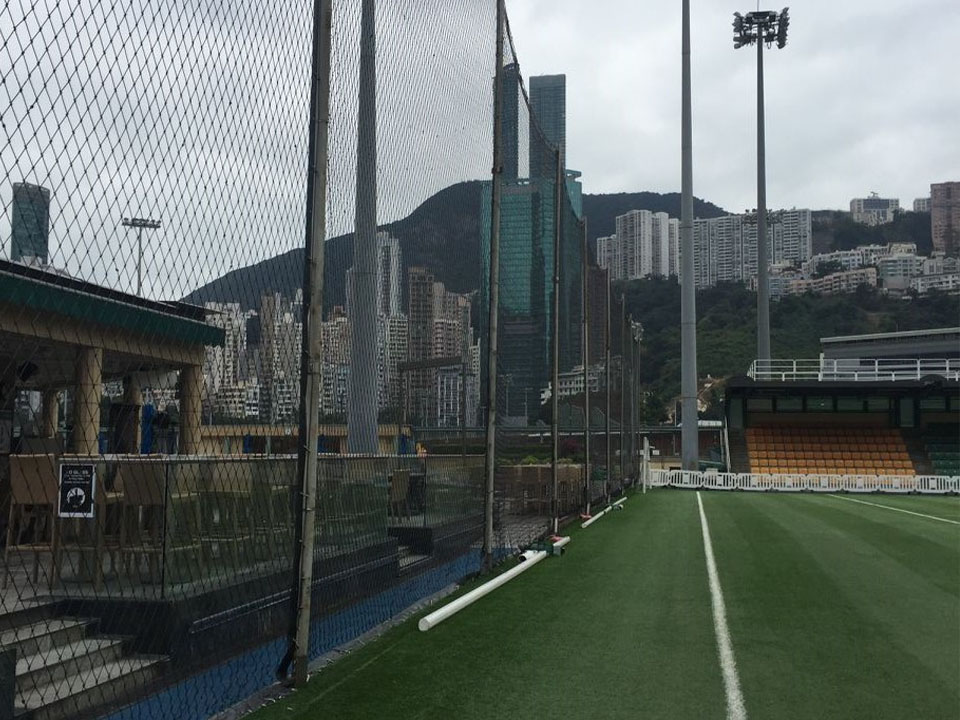
Раньше предприятия шли на компромисс: более безопасная сетка означала худшую видимость. Сейчас это уходит в прошлое. Современные системы опираются на Высокопрочные волокна, более строгий контроль качества и сетка, которая держит форму и при этом не выглядеть как веревка.
Сетка без узлов и сетка из высокопрочного волокна
Когда команды говорят о “лучшей сетке”, они обычно имеют в виду:
- Безузловая конструкция для уменьшения слабых мест и сохранения однородности сетки
- Постоянный диаметр шпагата чтобы панель не провисала в полосах
- Повышенная прочность на разрыв без длинного шнура, закрывающего обзор
С точки зрения инфраструктуры это означает более ровные линии обзора и меньшее количество жалоб от владельцев премиум-мест в середине сезона.
Устойчивая к ультрафиолетовому излучению сетка для долговечности на открытом воздухе
Парки под открытым небом борются не только с бейсбольными ударами. Они борются с погодой.
- Воздействие ультрафиолета может привести к высыханию волокон и сокращению срока службы
- Ветровая нагрузка может ослабить натяжение и изменить форму панели.
- Перепады температуры могут изменить растяжение кабеля и “набор” сетки.”
Вот почему все больше покупателей теперь просят Устойчивые к ультрафиолетовому излучению, ударопрочные сетки как базовая спецификация, а не как обновление.
Если вы закупаете сетку в больших масштабах, полезно работать с поставщиком, который обеспечивает долговечность и повторяемость. Компания FSPORTS специализируется на производстве устойчивой к ультрафиолетовому излучению, ударопрочной сетки для использования на стадионах и в массовых программах через OEM/ODM. Отправной точкой является Главная страница FSPORTS и более широкий каталог спортивных сеток.
Недостатки и зоны риска, связанные с соблюдением требований законодательства
Даже при наличии более строгих стандартов реальные объекты все равно сталкиваются с теми же проблемами: устаревшие структуры, бюджетные циклы и поэтапная установка, которая оставляет неловкие моменты.
Частичное покрытие и сидячие чаши “горячих зон”
Самые распространенные пробелы появляются там, где люди меньше всего хотят их видеть:
- Последние несколько секций после окончания землянки.
- Короткие угловые карманы, в которых болельщики сидят ближе, чем кажется.
- Порталы, проходы ADA и платформы для камер, где сети обрываются
Заведения, которые устраняют эти проблемы, обычно выигрывают в двух случаях: уменьшается количество сообщений об инцидентах и сокращается число обращений в службу поддержки гостей в напряженные периоды.
Заградительная сетка в сравнении с барьерной сеткой для переливных зон
Не все зоны риска связаны с проблемой сидений. Многие заведения также нуждаются в барьерная сетка для:
- Рельсы для стоячих мест
- Обзорные линии на проезжей части
- Зоны для разминки и буллпена
- Установки для проведения мероприятий на боковом поле
Практичным вариантом для таких зон разлива является модульная барьерная панель, которую можно быстро развернуть для проведения мероприятий и без проблем демонтировать. Например. спортивная барьерная сетка Подходит на роль “гибкого покрытия”, когда вы управляете многофункциональными планировками и активациями pop-up.
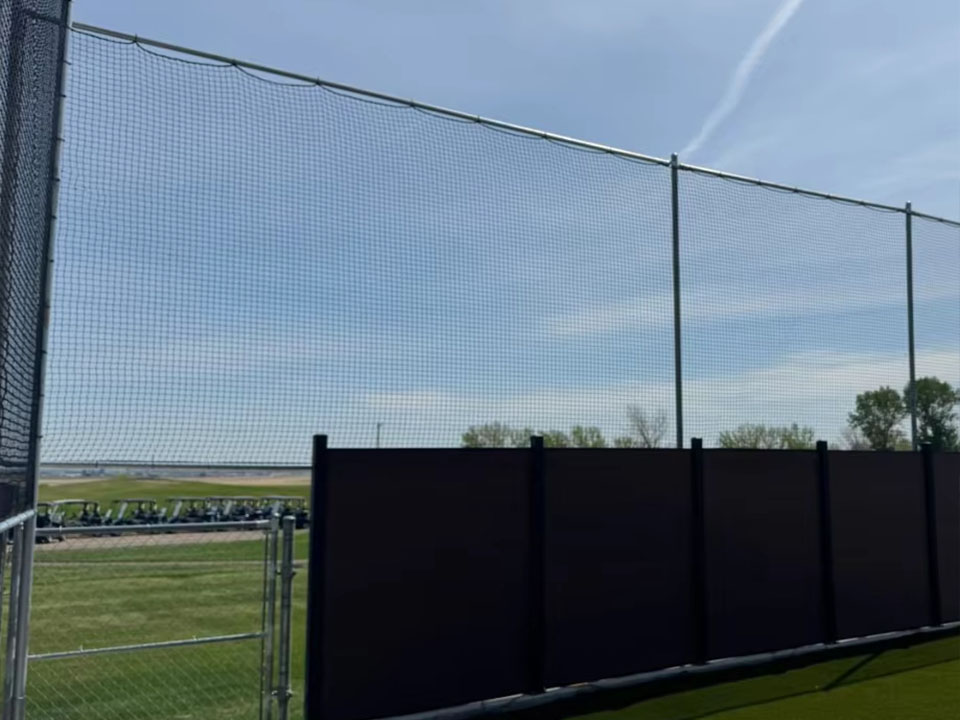
Установка и обслуживание систем сетки для стадионов
Сетки выходят из строя чаще из-за небрежной установки, чем из-за плохого материала. Объекты, которые относятся к сетке как к настоящей системе - прокладка, натяжение, проверка, - получают больше времени работы и меньше аварийных заказов.
Прокладка, натяжение и места крепления кабелей
При установке сетки скрытая работа - это настоящая работа:
- Прокладка кабелей, исключающая острые края и места защемления
- Правильное натяжение, чтобы сетка не мешала обзору
- Очистите заделки, чтобы периметр не сползал со временем
- Выбор фурнитуры, которая не ржавеет в середине сезона
Именно поэтому многие заведения стандартизируют процедуры установки и хранят запасное оборудование у себя, а не ждут, когда его доставят в последнюю минуту.
Процедуры осмотра и планирование замены
Простая рутина избавляет от головной боли:
- Проверьте напряжение после крупных погодных явлений
- Осмотрите швы, крепления краев и углы, подверженные высоким нагрузкам
- Следите за абразивным износом вблизи кронштейнов и зажимов
- Ведите журнал состояния панелей, чтобы замена была плановой, а не реактивной
Объекты, которые осуществляют жесткий план замены, также защищают свой бренд. Болельщики замечают, когда системы безопасности выглядят изношенными.
Практические сценарии объектов за пределами чаш для сидения MLB
Даже если ваш мандат касается игровых мест, операторы часто распространяют логику работы с сеткой на зоны тренировок и развития игроков. Проще соблюдать единые стандарты безопасности, чем объяснять, почему одна зона получает “защиту”, а другая - “удачу”.”
Защитные экраны для питчеров и тренировочные дорожки
Крытые клетки, маунты для буллпенов и боковые поля - все это создает траекторию быстрого возврата мяча. Специальный защитный экран снижает риск для тренеров и метателей во время повторов и работы с оборудованием.
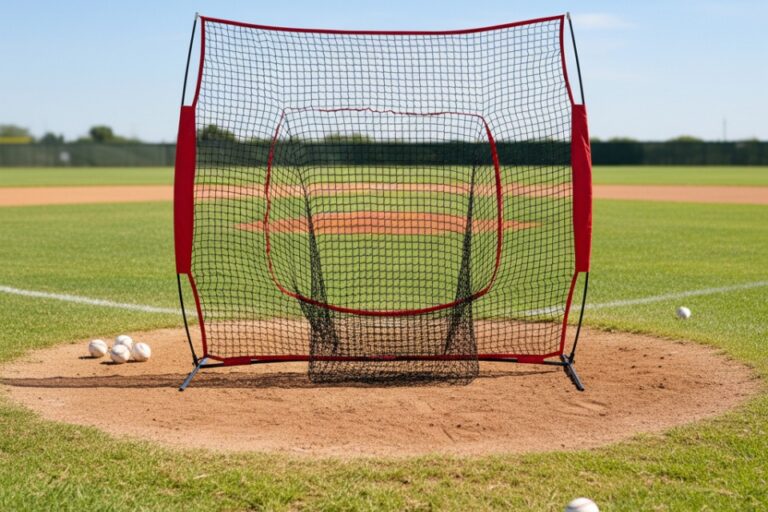
Готовый к выполнению вариант - это Защитный экран для кувшинов для дорожек для буллпенов, тренировочных капсул и тренировок на нескольких станциях.
Сетка для бейсбольной клетки для разминки и общественных программ
В настоящее время многие парки проводят круглогодичные программы: лагеря, клиники, спонсорские мероприятия и молодежные турниры. Для этих целей требуются прочные клетки, способные выдерживать постоянные удары и не нуждающиеся в еженедельном ремонте.
В зависимости от вашего билда вы можете выбрать два соответствующих пути кейджа:
- Решение только для сети, например сетка для бейсбола и софтбола когда у вас уже есть структура
- Упакованная установка, например Сетка и рама для бейсбольной клетки когда вам нужен более полный комплект для быстрого развертывания
Портативная защита для проведения мероприятий и активации за пределами площадки
Команды и заведения также проводят выездные демонстрации, дни спонсоров и выездные общественные мероприятия. Переносные сетчатые системы помогут вам сохранить чистоту бренда и при этом защитить персонал и гостей.
Два простых дополнения для этого рабочего процесса:
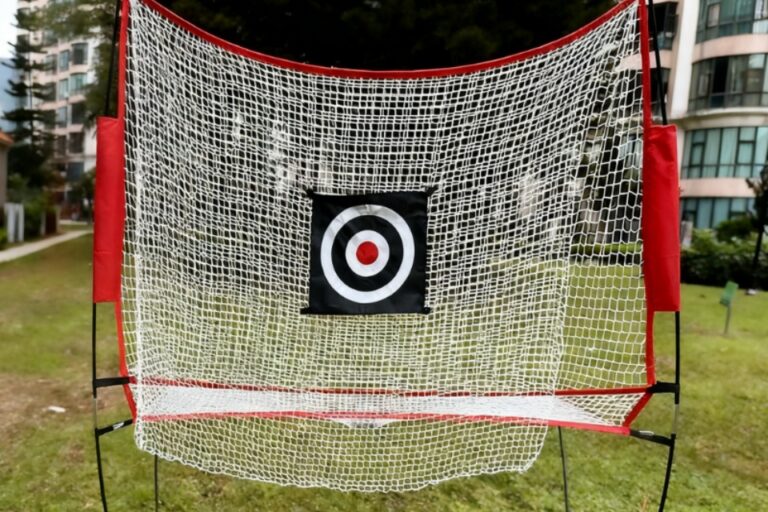
- A переносная бейсбольная тренировочная сетка для станций быстрого доступа
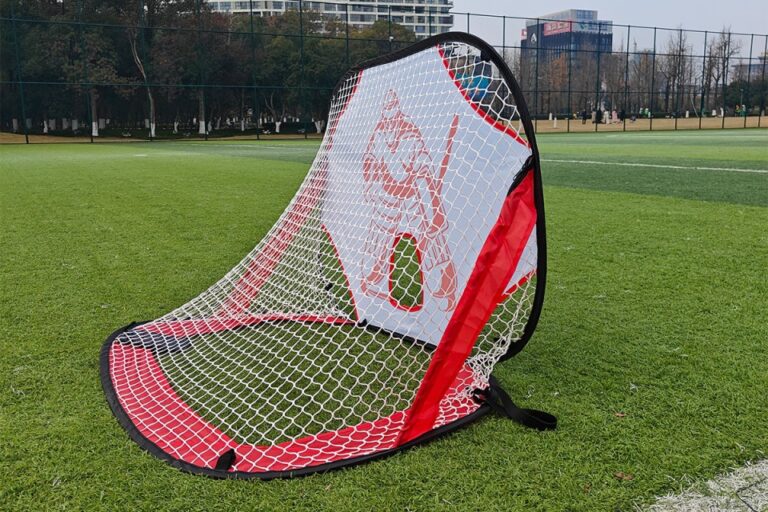
- A Всплывающая бейсбольная сетка для молодежных зон и семейных мероприятий
Сводная таблица: обновления в сфере неттинга и что должны делать предприятия
| Ключевое слово "Безопасность сетки" | Что меняется на практике | Что должны делать команды объектов | Тип источника | | | | | - | - | | | | | Сетка для защиты от фола | Более широкие ожидания по защите базовой линии | Планируйте более длинные проходы, уменьшайте угловые зазоры, координируйте порталы и проходы | Направление безопасности объектов MLB | | Стандарты высоты сетки | Больше последовательности в зонах повышенного риска | Согласовывайте высоту с геометрией сидений и переходных зон | Направление безопасности объектов MLB | | Высокоударные материалы сетки | Более прочные, Более прозрачные сетки становятся нормой | Указывайте прочность волокна, безузловую сетку, последовательный шпагат | Передовая практика закупок | | Сетка с защитой от ультрафиолета | Долговечность на открытом воздухе имеет большее значение при более длительном сроке службы сетки | Требуйте материалы с защитой от ультрафиолета и отделку, пригодную для погодных условий | Практика эксплуатации открытых площадок | | Установка и натяжение | Плохая оснастка вызывает провисание и ранний износ | Стандартизируйте маршруты, оборудование, проверки натяжения и журналы | Практика SOP по обслуживанию стадионов |
Оптовые поставки и OEM/ODM для покупателей на предприятиях
Если вы закупаете продукцию для нескольких областей, внедряете обновления в сети или продаете ее в рамках программ для профессионалов, вам важно постоянство. Именно здесь важны OEM/ODM и оптовые программы.
FSPORTS поддерживает оптовые закупки для розничные торговцы, дистрибьюторы, продавцы электронной коммерции и покупатели комплектующих. которым нужны повторяющиеся спецификации, стабильное производство и индивидуальная настройка, не переходящая из партии в партию. Начните с Главная страница FSPORTS, Затем просмотрите каталог спортивных сеток чтобы сопоставить продукты с требованиями вашего предприятия.