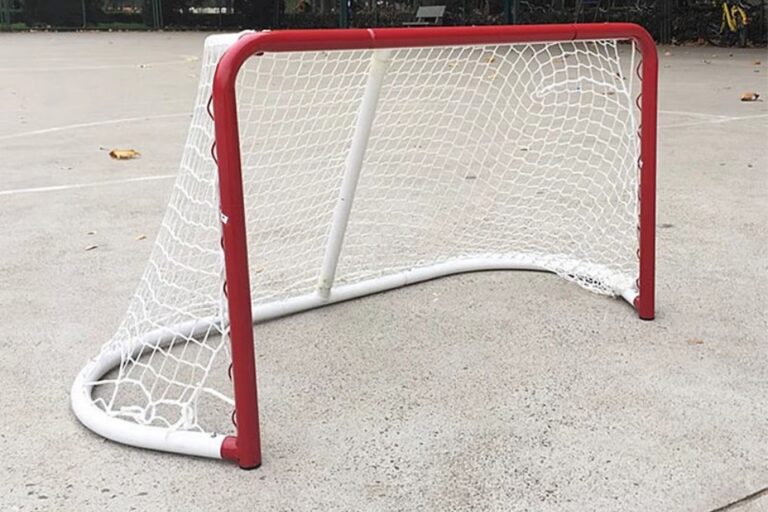
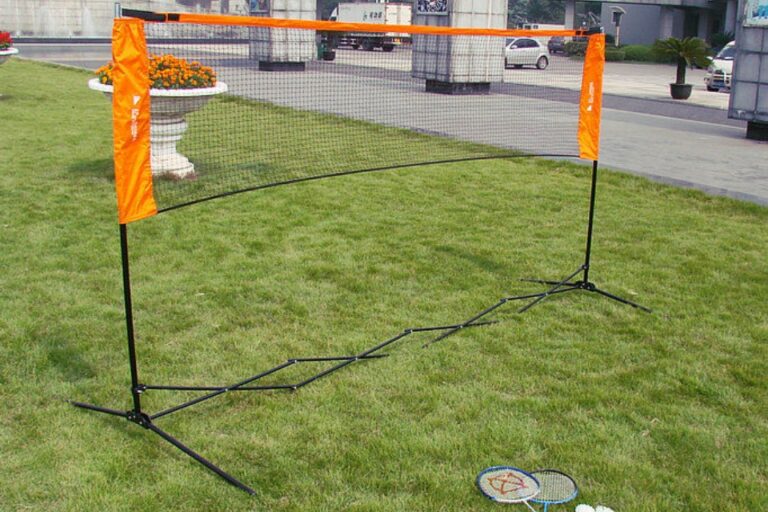
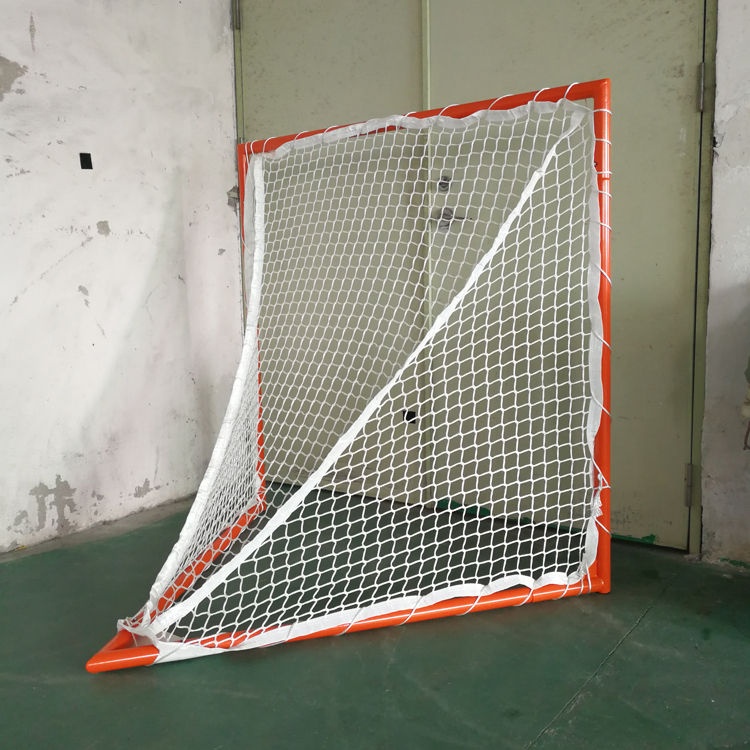
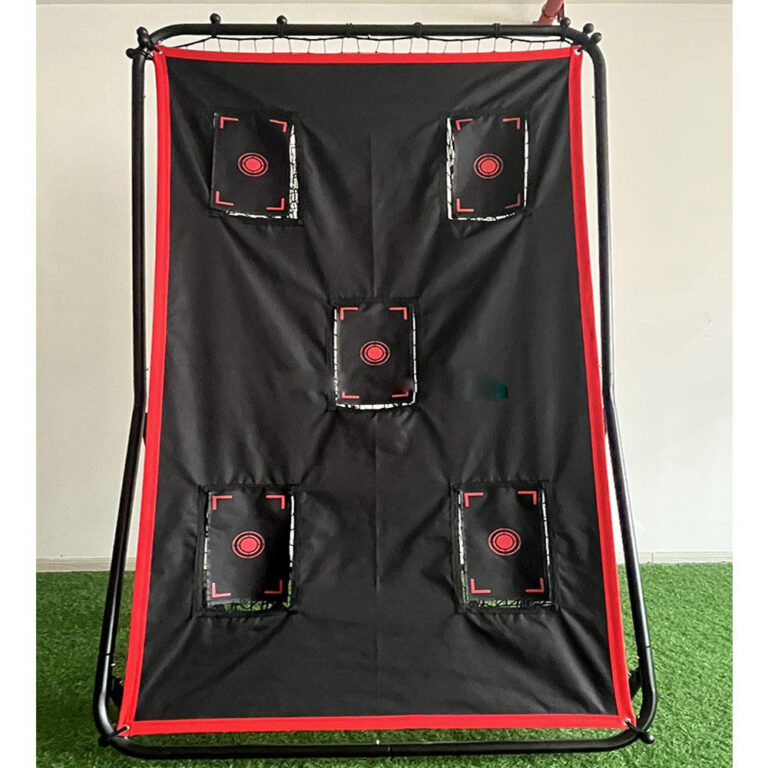
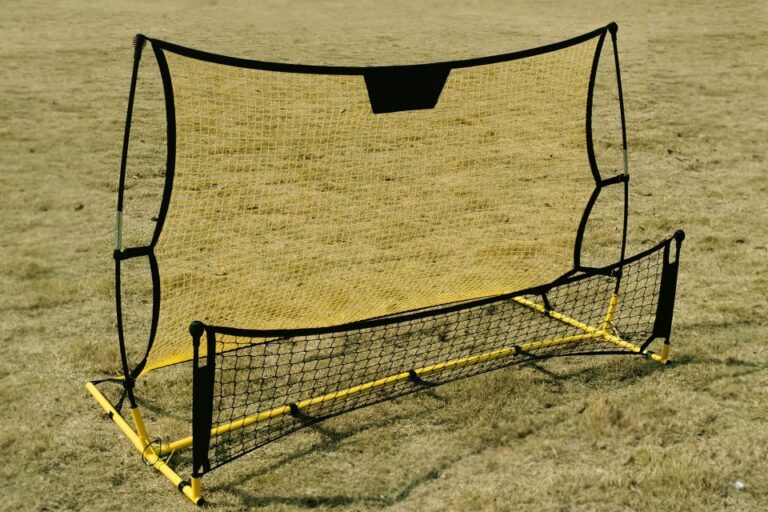
Tell us what you want to develop. FSPORTS supports OEM/ODM, private label, and custom sports netting projects based on your existing product, drawing, sample, photo, or application requirement.
Share the product type, dimensions, target quantity, destination, and any known mesh, material, frame, hardware, logo, or packaging requirements. If your specification is not complete yet, send what you have and we can review the remaining details before quotation.
Какие особенности являются наиболее важными при проектировании спортивных объектов под открытым небом?
The first thing I check at a new sports site isn’t the turf. Not the scoreboard. Not the clubhouse.
Puddles.
I’ve walked enough “premium” outdoor facilities after rain to know the truth: water tells on everybody. The architect. The contractor. The owner. The procurement team that quietly shaved the drainage allowance because nobody wanted to defend another line item in the budget meeting.
Here’s the ugly truth about sports facility design: most failures don’t start on the field. They start in a conference room, usually when someone says, “We can value-engineer that.”
Bad phrase. Dangerous phrase.
Outdoor sports facility design isn’t just about giving people a place to play. It’s about building a weather-beaten, high-impact, liability-loaded machine that has to survive cleats, heat, balls, carts, kids, coaches, tournaments, inspections, and the maintenance guy who backs a utility vehicle into something expensive.
Renderings sell projects. Drainage keeps them open. Lighting keeps neighbors quiet. Netting keeps balls out of windshields. ADA access keeps the facility usable—and keeps legal counsel from becoming part of the weekly operations meeting.
The CDC reported that in 2024, only 47.2% of U.S. adults met federal aerobic physical activity guidelines, so good recreational facility design isn’t civic decoration; it’s infrastructure for getting people moving. See the CDC’s 2024 adult aerobic activity data.
But let’s not romanticize it. A sports complex can have a “community wellness” mission and still become a money pit if the design team misses the basics.
So what actually matters?
Drainage Comes First, Even If Nobody Wants to Hear It
I frankly believe every outdoor sports complex design meeting should start with stormwater maps, not mood boards.
Boring? Maybe. Necessary? Absolutely.
If water sits on the infield skin, creeps under the turf edge, pools around court fencing, or collects behind the goal mouth, you don’t have a design problem later. You have one now. It’s just waiting for rain to expose it.
Surface slope is only half the story. You need subgrade prep, collector drains, cleanouts, edge detailing, safe runoff paths, and maintenance access for the stuff nobody puts in renderings: silt, leaves, clogged drains, bad grading, and bad luck.
It shows up.
Artificial turf makes the whole issue messier. A 2024 Frontiers study warned that artificial turf can reach high surface temperatures and reduce rain infiltration, which means the turf discussion isn’t only about ball roll or playable hours; it’s about heat, runoff, climate stress, and long-term site behavior. Read the research on climate-adaptive artificial turf in cities.
And natural grass? Also difficult. Compaction. Mud. Irrigation. Recovery windows. Fertilizer schedules. Mowing labor. Tournament blackout dates after heavy weather.
Pick your poison.
The mistake is pretending there’s a magic surface. There isn’t. There’s only the right surface for the sport mix, climate, usage hours, staffing level, budget, and tolerance for complaints.
Safety Zones and Ball Containment Aren’t “Accessories”
This part still annoys me.
Too many buyers treat nets like add-ons, something to price after the field, court, or cage is already drawn. That’s backwards. Netting, fencing, setbacks, goal anchoring, and rebound control should shape the design from the beginning, especially in baseball, golf, soccer, lacrosse, hockey, football, or any sport where the ball leaves the intended zone at speed.
Fast speed. Bad angles.
The U.S. Consumer Product Safety Commission’s FY2023 annual report listed an estimated 3,610,580 injuries connected to sports and recreational activities and equipment. That number should make facility owners pause before buying bargain containment systems. See the CPSC’s FY2023 annual report.
A foul ball doesn’t care about your budget. A golf shank doesn’t care that the cage “looked strong enough.” And a loose portable goal? Don’t get me started.
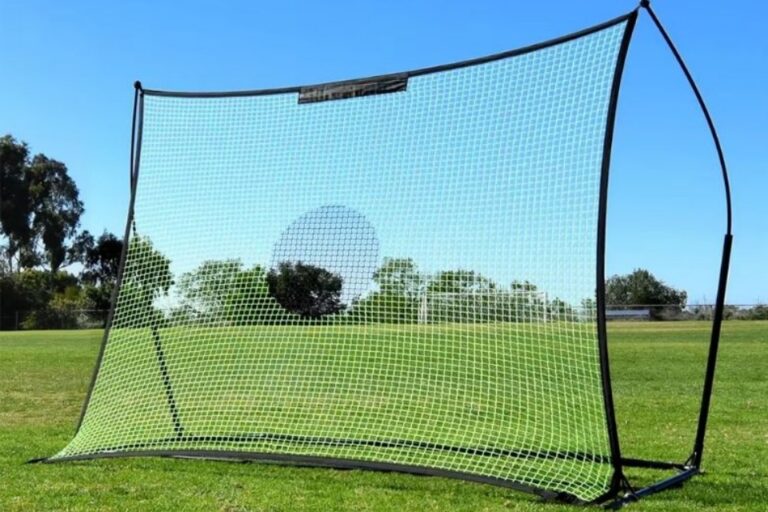
For mixed-use facilities, I’d rather see fewer vanity features and better containment: backstops, divider nets, sideline barriers, rebounders, ball-stop systems, replacement panels, and training zones that don’t interfere with live play. Operators should compare системы мультиспортивных сеток, бейсбольная сетка, и outdoor net products before the final site plan gets frozen.
Not after.
And don’t just ask, “Is it durable?” That’s amateur-hour procurement. Ask about mesh size, UV stabilization, knotless versus knotted construction, tensile strength, edge binding, abrasion points, bungee attachment, steel frame coating, wind load behavior, and replacement cycles.
Containment netting has jobs. Impact absorption is one job. Ball stopping is another. Rebound training is another. Privacy screening is not the same thing.
Lighting Can Save a Facility—or Turn It Into a Complaint Factory
I’ve seen fields with bright lights that still played badly.
Sounds impossible until you stand under one. The ball disappears into glare, one corner feels dead, the goalkeeper is staring into a blast zone, and the neighbors across the street are already drafting emails to the city council.
Lighting is political.
A decent athletic facility planning team knows this. Lighting isn’t just poles plus lumens. It’s aiming, spill control, uniformity ratios, pole placement, maintenance access, control zones, evening programming, emergency egress, security cameras, and whether the fixtures make the facility usable without making everyone nearby furious.
Design Area
What Good Design Does
What Bad Design Creates
Player visibility
Even illumination across play zones
Misreads, collisions, poor ball tracking
Neighbor impact
Controls spill and glare
Complaints, restrictions, shortened hours
Broadcast/video
Supports coaching, security, livestreaming
Grainy footage, shadows, unusable review
Energy cost
Uses efficient fixtures and controls
High utility bills and manual errors
Scheduling
Extends safe usable hours
Lost evening revenue
Here’s my bias: better controls beat bigger brightness.
Timers. Dimming presets. Security mode. Court-by-court switching. Maintenance override. Sport-specific light levels. The boring control-cabinet stuff nobody photographs—but it saves money every month.
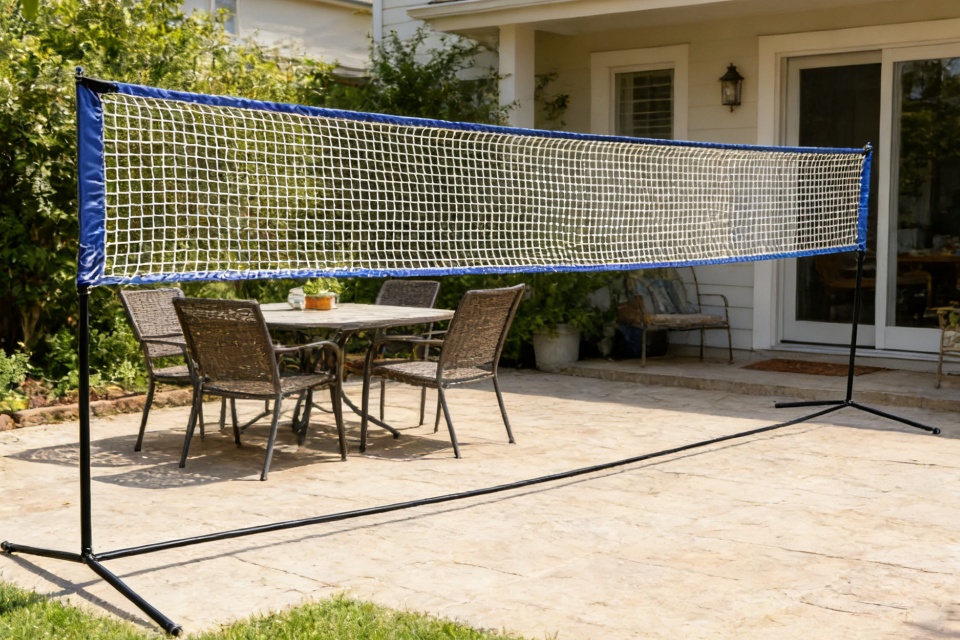
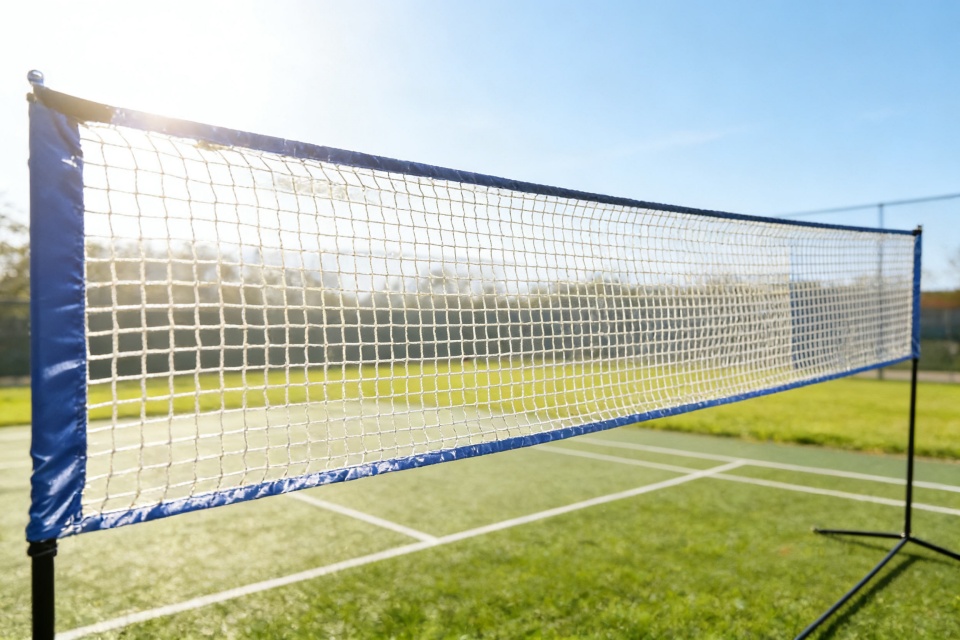
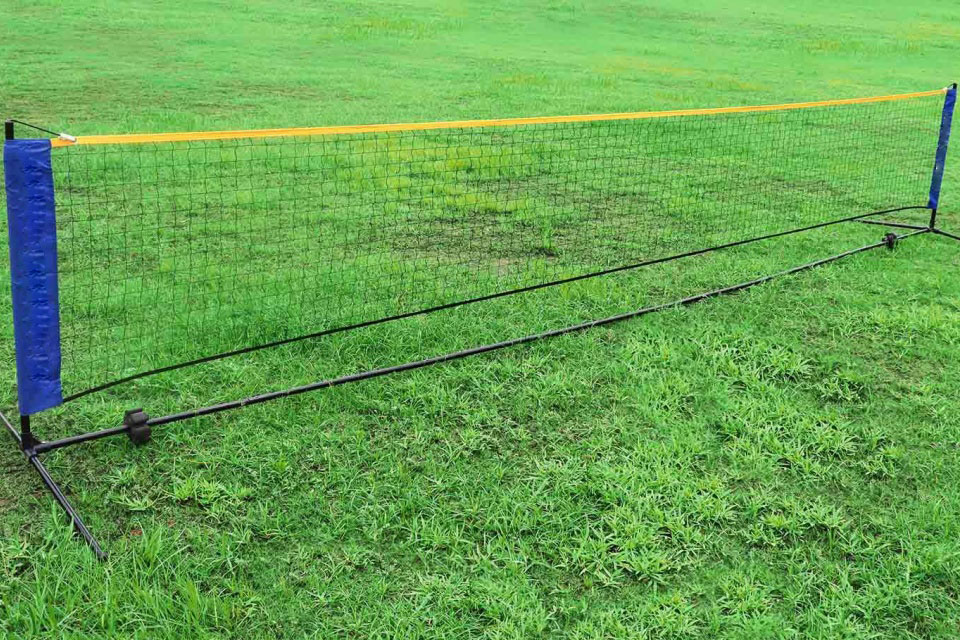
For smaller community facilities, portable equipment also matters. If a court can flip from badminton to tennis to volleyball to pickleball without a full crew and a toolbox, you’ve got more programming density. An adjustable badminton-volleyball-tennis net system makes sense when flexibility is part of the business model.
But portable gear needs storage. Otherwise it becomes junk around the fence line.
Accessibility Is Not a Nice Gesture
Let’s be blunt.
If someone can park near the facility but can’t reach the sideline, court gate, team bench, restroom, or spectator zone without fighting gravel, slope, lips, curbs, mud, or stupidly narrow gates, then the access plan failed.
The U.S. Access Board explains that ADA accessibility requirements apply to newly constructed and altered recreation facilities, including sports facilities. See the Access Board’s guidance on accessible sports facilities.
This isn’t charity. It’s design competency.
Good recreational facility design considers accessible routes from parking to play areas, spectator seating, restrooms, concession areas, dugouts, courts, fields, locker access, and emergency routes. And yes, tiny transitions matter. A half-inch lip at the wrong gate can become the thing everyone curses for ten years.
Retrofits are ugly. Usually expensive, too.
From my experience, accessibility problems happen when everyone reviews the “big” ADA items and misses lived-use details. Where does a wheelchair user actually watch the match? Can a parent with mobility issues reach the far field? Can an athlete using adaptive equipment enter the court without staff improvising?
Those are real questions. Not checkbox questions.
Surfacing Is a Risk Decision, Not a Catalog Choice
Artificial turf arguments get emotional fast.
Some operators love the playable hours. Some athletes hate the heat. Some municipalities worry about PFAS. Some coaches just want a surface that doesn’t turn into soup after rain. Everyone has a point, which is why the decision belongs to lifecycle math, not slogans.
Reuters reported in 2023 that litigation over artificial turf safety may expand, with potential claims involving turf manufacturers, component suppliers, and field purchasers such as schools, universities, and professional sports organizations. The report also discussed PFAS concerns tied to some artificial surfaces. Read Reuters’ analysis of artificial turf safety litigation.
That doesn’t mean every synthetic system is bad. It means surface selection now carries legal, environmental, thermal, performance, disposal, and public-relations baggage.
Natural grass isn’t innocent either. It needs water, rest, chemicals in some cases, mowing, skilled care, and time to recover. Schedule it like synthetic turf and it’ll punish you.
Quickly.
The right question isn’t, “Which surface is best?” It’s, “Which surface fails least badly under our actual operating conditions?”
Less sexy. More honest.
Multi-Use Flexibility Is Where the Revenue Hides
I like single-use facilities when demand is guaranteed.
That’s rare.
Most outdoor sports facilities need to work harder than that: morning clinics, afternoon school use, evening leagues, weekend tournaments, holiday camps, private coaching, and maybe some odd corporate team-building booking that pays better than expected.
It happens.
This is where sports facility design features get operational. Adjustable net heights, removable goals, portable rebounders, target trainers, modular cages, line marking strategy, and protected equipment storage can make or break the schedule.
But flexibility has a dark side. If staff have to drag gear across the site, hunt for straps, replace missing pins, or untangle wet netting from a storage closet that smells like old turf infill, they’ll stop using the equipment properly.
Then the schedule gets conservative. Revenue drops. The “flexible” facility becomes rigid.
Storage is strategy.
Maintenance Access Deserves More Respect
No brochure says, “Easy to fix.”
It should.
Maintenance access is one of the most ignored features in outdoor sports facility design, probably because it isn’t photogenic. But operators know exactly how much it matters. Can a cart reach the far field? Can staff replace a torn panel without a lift? Are anchors standardized? Are spare nets labeled? Are goals movable without four people and a prayer?
This stuff decides whether a repair takes 20 minutes or three days.
Feature
Insider Question to Ask
Почему это важно
Drainage
Where does water go during a 10-year storm?
Prevents closures and surface failure
Netting
What impact force and UV exposure is it rated for?
Reduces replacement and liability risk
Освещение
Who is affected by glare outside the property line?
Limits complaints and restrictions
Surfacing
What is the heat, drainage, and disposal plan?
Avoids hidden lifecycle costs
Accessibility
Can every user reach the actual activity area?
Reduces exclusion and legal exposure
Storage
Where does portable gear live after use?
Prevents theft, clutter, and damage
Seating
Is shade planned where people actually watch?
Improves comfort and dwell time
Security
Can staff see blind corners and control access?
Protects users and assets
That table looks simple. It’s not. It’s basically a list of the things that blow up after opening day.
Shade and Heat Are No Longer Optional
Here’s another unpopular opinion: shade is not an amenity anymore.
It’s risk control.
Heat affects players, coaches, spectators, turf temperature, water demand, scheduling, surface comfort, and dwell time. A parent sitting through two matches in direct sun doesn’t care how nice the entry monument looks. An athlete standing on a synthetic surface in July doesn’t care that the logo at midfield photographs well.
They remember heat.
So shade structures, tree placement, covered benches, water refill stations, rest zones, misting points, and court orientation need to be core planning items. Not decoration. Not “phase two.”
Outdoor sports facility design has to answer a basic question: where do people recover?
If the answer is “in the parking lot,” the design failed.
Security Is Mostly About Visibility, Not Gadgets
Cameras help. Locks help. Gates help.
But visibility does most of the work.
Blind corners, hidden storage zones, isolated restrooms, dark paths, and awkward fence gaps create problems. The best facilities make movement legible: people know where to enter, where to exit, where staff are, where spectators belong, and where players shouldn’t be wandering.
Security also touches equipment. Portable nets, rebounders, goals, ball carts, and training gear need secure storage staff will actually use. If storage is too far away, too small, or too annoying to access, equipment stays outside.
Then it disappears. Or rusts. Or both.
The Real Test Is Opening Day Plus Two Years
Anyone can make a facility look good in photos.
I care about the second rainy season. The third summer heat wave. The first tournament where parking overflows. The night game after a neighbor complaint. The moment a net tears and staff need a replacement before Saturday morning. The day a wheelchair user tries to reach the far sideline without help.
That’s when the design tells the truth.
The best outdoor sports facility design isn’t glamorous. It’s disciplined. It assumes weather will be worse than promised, equipment will be abused, people will ignore signs, balls will fly sideways, and maintenance budgets will never be as generous as hoped.
That’s not cynicism. That’s operations.
Вопросы и ответы
What are the most important features in outdoor sports facility design?
The most important features in outdoor sports facility design are drainage, safe playing surfaces, lighting, accessibility, ball containment, durable equipment, shade, security, and maintenance access. These features decide whether a facility stays usable, compliant, safe, and financially practical after heavy traffic, bad weather, repeated impacts, and real-world scheduling pressure.
I’d put drainage first, safety second, and maintenance access third. Not because they’re glamorous. They’re not. But when those three fail, everything else gets dragged into the mess.
How to design an outdoor sports facility for multiple sports?
To design an outdoor sports facility for multiple sports, use flexible layouts, adjustable net systems, removable goals, safe circulation routes, protected storage, and clear separation between activity zones. The goal is to switch uses quickly without creating clutter, staff headaches, equipment damage, or unsafe overlap between players and spectators.
Don’t overcomplicate it. A multi-use facility needs conversion discipline: labeled gear, standard hardware, clean storage, and equipment normal staff can move without turning setup into a two-hour wrestling match.
What are the key considerations for sports facility design?
The key considerations for sports facility design are safety, drainage, surface performance, lighting quality, accessibility compliance, sport-specific equipment, storage, maintenance workflow, traffic flow, and long-term operating cost. A strong facility is judged less by its opening-day appearance and more by how it performs under weather, impact, and repeated use.
That last part matters. Repeated use exposes lazy planning. If a design can’t handle peak weekends, wet conditions, and equipment turnover, it wasn’t designed for sport. It was designed for a rendering.
Are artificial turf fields better than natural grass?
Artificial turf fields can be better for high-use scheduling, fast reopening after rain, and predictable surface availability, while natural grass can perform better for heat comfort, environmental perception, and traditional play feel. The better option depends on climate, hours of use, staffing, injury concerns, drainage, replacement cost, and local politics.
I don’t trust anyone who gives one universal answer here. Turf has problems. Grass has problems. The honest decision comes from lifecycle modeling, not sales decks.
Why is sports netting important in recreational facility design?
Sports netting is important in recreational facility design because it controls ball movement, protects spectators, separates training areas, reduces property damage, and helps facilities run multiple activities safely. Proper netting supports baseball, golf, soccer, lacrosse, hockey, football, pickleball, and multi-sport training without constant operational conflict.
Cheap netting is expensive later. It sags, tears, frays, fails at attachment points, and usually gets blamed on “heavy use,” which is funny because heavy use was the whole point of the facility.
What is the biggest mistake in outdoor sports complex design?
The biggest mistake in outdoor sports complex design is spending too much attention on visible amenities before solving drainage, access, lighting, containment, storage, safety zones, and maintenance logistics. A facility can look impressive at launch but become costly and unpopular if it floods, overheats, glares, or constantly needs repairs.
Here’s the ugly truth: opening-day praise is cheap. Year-three reliability is what proves the design was any good.
If you’re planning, upgrading, or sourcing equipment for an outdoor sports facility, start with the pieces that take real punishment: goals, cages, rebounders, backstops, divider nets, and multi-sport systems. Review the full Fsports sports net and training equipment catalog или связаться с командой before locking the layout, because the cheapest time to fix a design mistake is before turf, concrete, anchors, and lighting poles make it permanent.