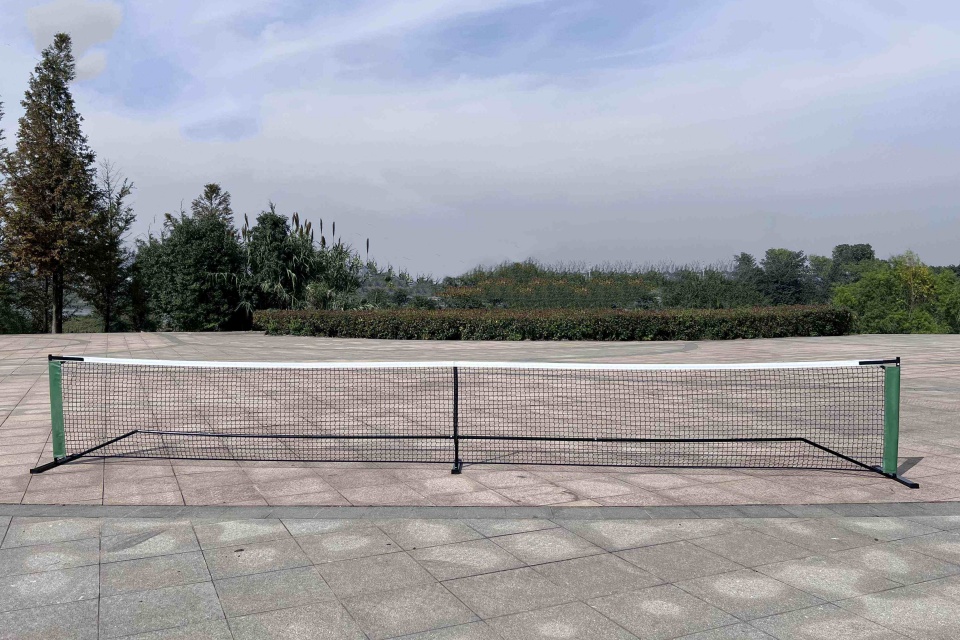
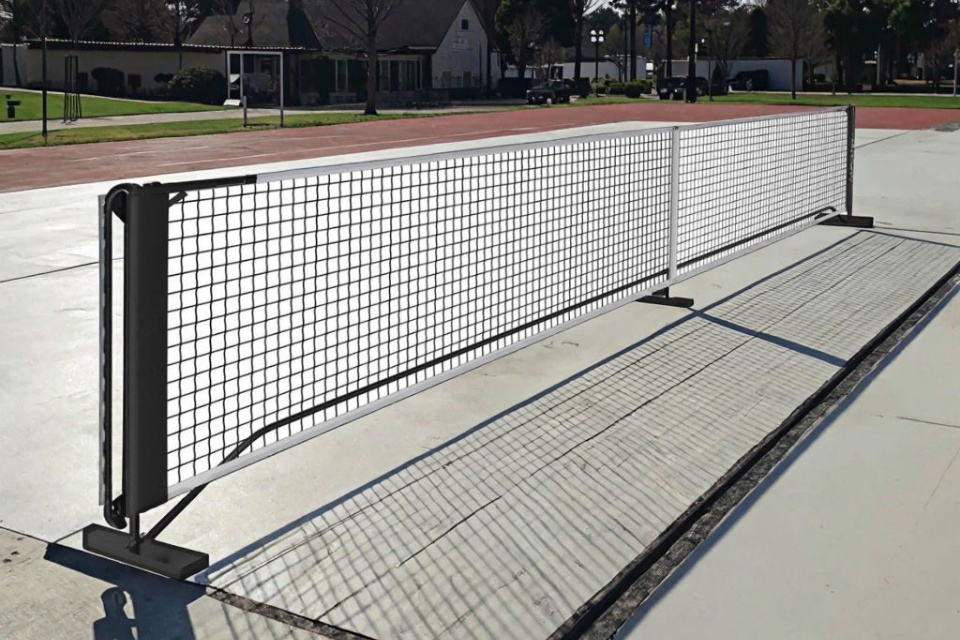
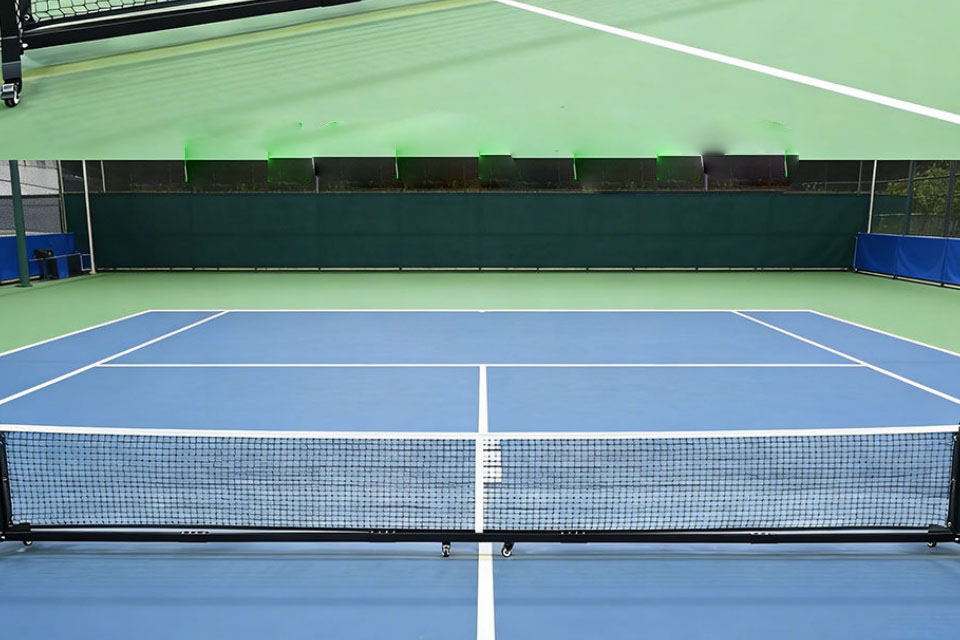
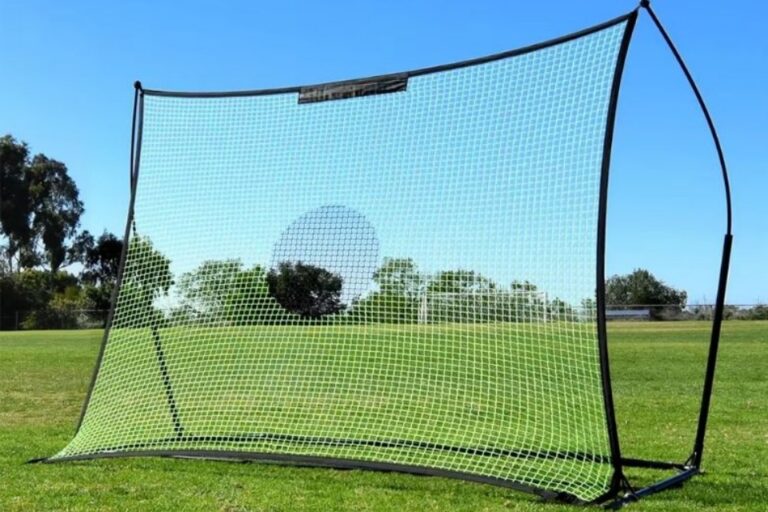
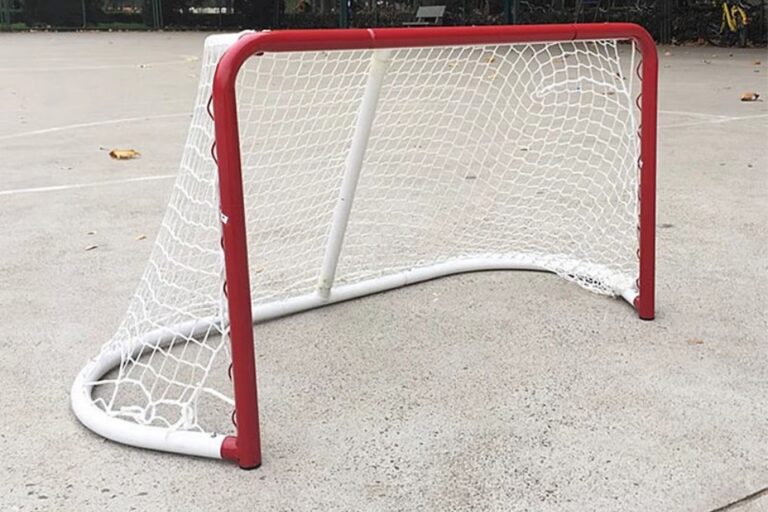
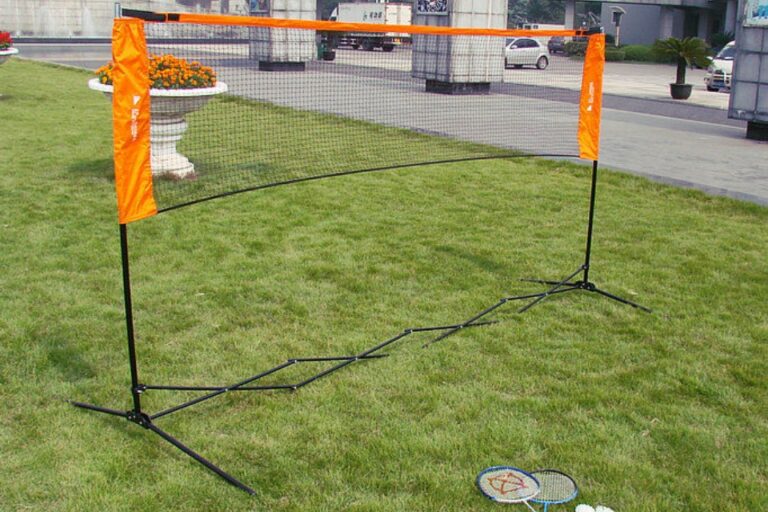
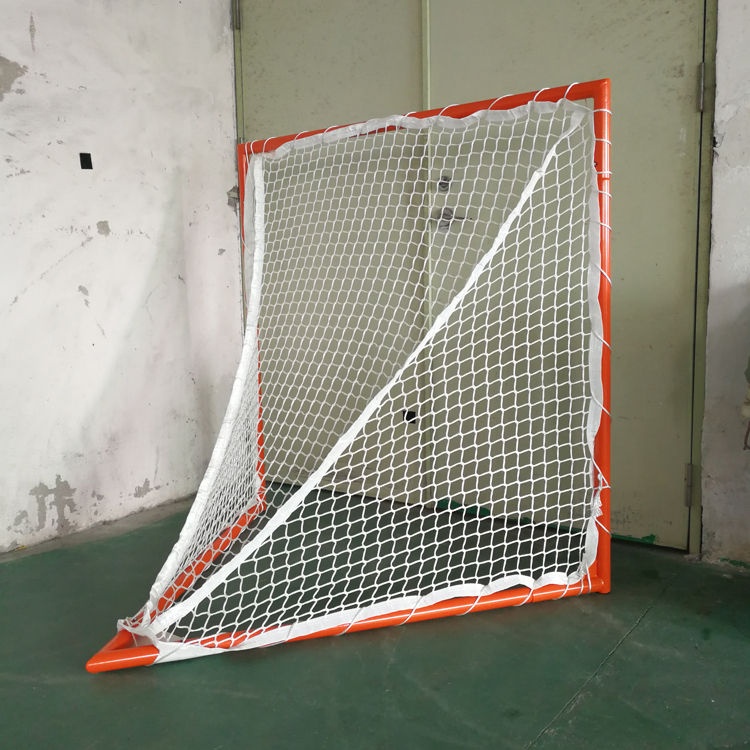
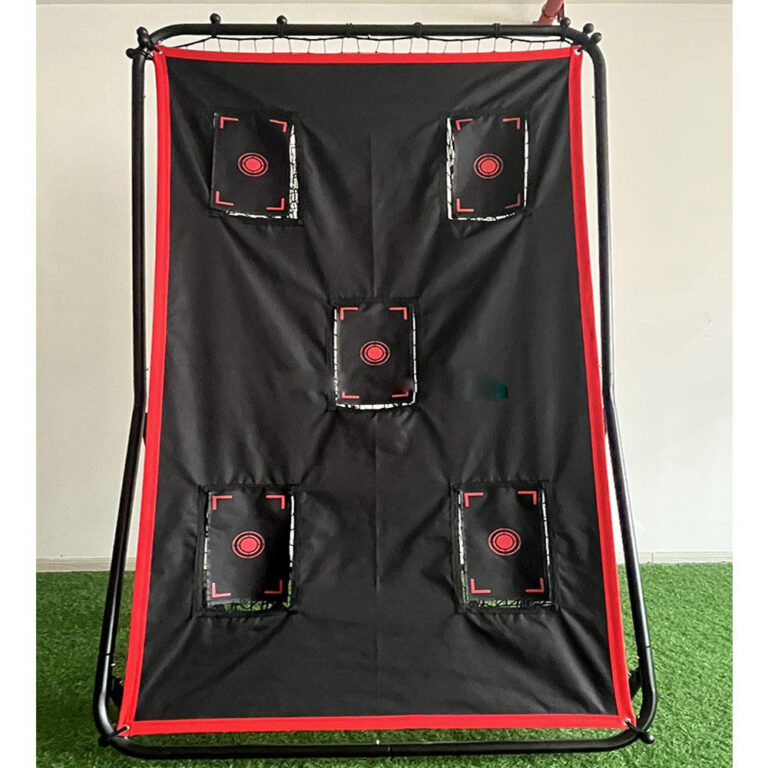
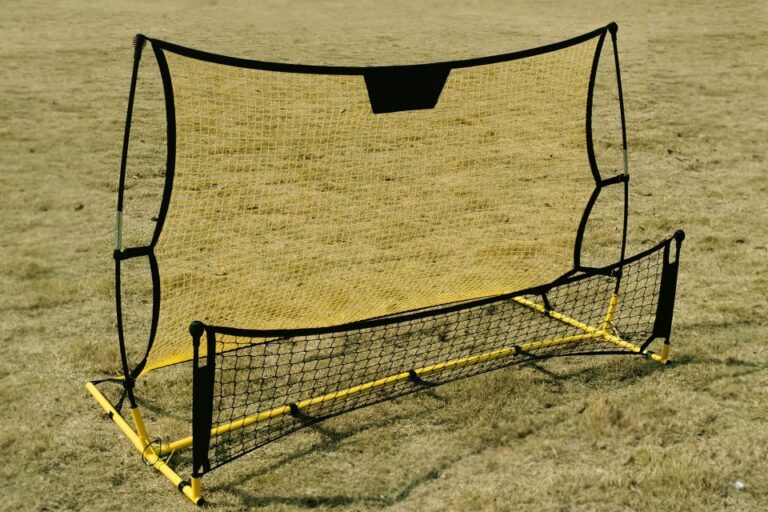
Начните свой проект по производству спортивных сеток по схеме OEM/ODM
Расскажите нам, что вы хотите разработать. Компания FSPORTS реализует проекты по производству спортивных сеток по схемам OEM/ODM, под частной торговой маркой и по индивидуальному заказу на основе вашего существующего продукта, чертежа, образца, фотографии или требований к применению.
Сообщите нам тип изделия, размеры, планируемый объем заказа, пункт назначения, а также все известные требования к сетке, материалу, каркасу, фурнитуре, логотипу или упаковке. Если ваши технические требования пока не полностью сформированы, пришлите нам то, что у вас есть, и мы сможем уточнить остальные детали перед составлением коммерческого предложения.
Как оптимизировать оптовые заказы спортивных сеток
Why Most Bulk Sports Netting Orders Go Wrong
Most buyers don’t really buy sports netting—they buy a headache with a freight bill attached, because the order starts as one fuzzy RFQ, then gets padded with half-matching specs for baseball cages, golf barriers, pickleball systems, football goals, and replacement odds and ends that were never cleaned up at the sourcing stage. It happens. A lot.
And then people act surprised.
I’ve seen this movie before. Someone in procurement says they want “heavy-duty” netting, operations assumes that means every field and every training bay can share one spec, the supplier quotes fast because nobody slowed the job down long enough to ask real questions, and the so-called bulk discount gets chewed up by mis-picks, split shipments, install confusion, and the classic second order nobody budgeted for. Pretty standard, honestly.
Demand Is Rising, but So Is Complexity
The volume pressure is real, and I frankly believe too many buyers still underestimate it because they’re reading line items instead of reading the market. In August 2024, NFHS said U.S. high school sports participation reached 8,062,302 in the 2023–24 school year, which pushed it past eight million for the first time, and in November 2024, SFIA and Pickleheads reported pickleball participation jumped 51.8% from 2022 to 2023 и 223,5% за три года. That matters. A lot.
Because more athletes doesn’t just mean more nets. It means more weird facility mixes. More shared courts. More retrofits. More stopgap practice areas behind existing buildings. More “can we make one supplier handle all of it?” conversations that sound efficient until they aren’t. According to the NFHS 2023–24 participation release и SFIA 2024 State of Pickleball Report, buyer demand is going up while facility requirements get messier, not cleaner. (njsiaa.org)
Freight Volatility Changes the Math
But here’s where the spreadsheet crowd usually loses the plot: they price the product and mentally file freight under “later.” That used to be lazy. Now it’s expensive. In May 2024, Reuters reported that the spot rate for a 40-foot container from China to North Europe hit $4,615, nearly 3.5 times the May 1 level, while the China-to-U.S. East Coast route climbed to $6,061 с сайта $2,772 earlier in the same month. That’s not background noise. That’s margin getting punched in the face.
So, yes, a sloppy bulk sports netting order is a paperwork issue. But it’s also a logistics issue, a cash-flow issue, and—if you’re unlucky—a boardroom issue after the re-ship lands. Read the Reuters report on Red Sea diversions and freight spikes and the message is pretty blunt: if you don’t streamline before approval, you’ll pay for the chaos after approval. Usually twice.
The Biggest Mistake: Treating Netting as a Commodity
Here’s the ugly truth: “sports netting” is often too broad to be useful. It sounds fine in a meeting. It sounds terrible in a PO. Baseball netting doesn’t behave like golf barrier netting. Pickleball system requirements don’t line up neatly with football goal packages. And once you’re mixing fixed installs, portable units, replacement pieces, and training rigs into one buying file, you’re no longer simplifying—you’re just hiding the mess under generic wording.
I don’t trust any supplier who can quote a large order too quickly. I said it. If they haven’t separated the request by use case, impact load, finish dimensions, border treatment, hanging method, UV exposure, packaging logic, and replacement cycle, then they’re not diagnosing the order. They’re guessing with confidence. Big difference.
Build the Order Around Applications, Not Generic Products
And when the project doesn’t fit a neat stock item—and a lot of real projects don’t—you route it through услуги по изготовлению спортивных сеток на заказ instead of forcing a near-match to pretend it’s engineered for the site. That shortcut burns people all the time. FSPORTS says its service model supports custom and bulk programs with engineering input around mesh size, gauge, hardware, and production support. Frankly, that’s what buyers should expect as a baseline, not treat as premium service. (fsportsnet.com)
Standardize the Buying Workflow
From my experience, the cleanest bulk sports netting orders usually start with more paperwork, not less. Sounds backward. It isn’t. First, build one spec sheet per site and per sport, and force every line to answer the same questions: exact use, finished dimensions, mesh opening, edge finish, hardware, indoor or outdoor exposure, packaging by site, install notes, and replacement quantity. No blanks. None.
Then group those rows into repeatable SKUs—actual buyable families, not “misc. netting” junk-drawer language. That’s where wholesale sports netting starts to make sense, because repeated specs reduce quote drift, factory confusion, and the usual back-and-forth that kills lead time. Then comes the part buyers often ignore: think in landed delivery, not factory completion. If a supplier says “production is complete” but can’t explain what ships together, how cartons are labeled, what hits which facility first, and where the spare units are packed, the order still isn’t streamlined. It just moved the problem downstream.
Lock Measurements Before Approval
And yes, measurements matter more than people want to admit. Not vaguely. Exactly. USA Pickleball’s current rulebook requires the net top to be 36 inches at the sidelines и 34 inches at center, while FIFA’s football goal testing process centers on full-size goals at 7.32 m x 2.44 m. Those details aren’t trivia—they change fit, tension, frame compatibility, accessory matching, packaging dimensions, and replacement logic. One bad assumption there, and the whole batch starts wobbling.
Why Risk Management Now Sits at the Center of Netting Procurement
Yet this isn’t just about efficiency anymore. It’s about exposure. Legal, operational, reputational—all of it. In December 2022, MLB and Senator Dick Durbin announced new protective netting requirements for all Professional Development League clubs, with more extensive netting expected across the affiliated Minor League system by the 2025 season. That wasn’t some niche policy footnote buried in baseball admin language. It was a signal.
The signal was simple: netting has shifted from accessory spend to risk-control infrastructure. That changes how smart buyers think. The MLB announcement is worth your time because it shows the direction of travel—serious operators are not waiting around to debate whether safety-driven netting investment is “worth it.” They’ve already moved.
A Practical Framework for Streamlining Bulk Orders
So if you want my honest view, here’s the model. Not theory. Not vendor brochure fluff. Just the ordering framework I’d actually use for how to order sports netting in bulk without creating a bunch of avoidable cleanup work later.
Order Bucket
What Must Be Locked Before Quoting
Common Buying Error
Smarter Move
Baseball / softball practice and backstop netting
Finished dimensions, mounting method, edge finish, replacement frequency
Treating every baseball netting bulk order like the same cage or screen
Separate permanent installs from portable training gear and quote them as different families
Bundle frame-plus-net systems, not net-only assumptions
Multi-site facility replenishment
Site labels, carton count, spare units, arrival sequence
Shipping one mixed pallet and hoping field staff sort it out
Pack by facility, by court, or by field so receiving teams can install without detective work
How to Evaluate a Sports Netting Supplier Properly
Look for Manufacturing Control, Not Just Product Photos
This is where a lot of buyers get seduced by nice renderings and clean product thumbnails. I get it. But a polished catalog doesn’t tell you much about process control. What matters is whether the supplier can actually show how the sausage gets made—netting, cutting, sewing, hardware prep, surface treatment, coating, packing, all of it.
That’s why I pay attention to production visibility. FSPORTS’ экскурсия по заводу says the company operates on 20,800 m² and handles netting production, cutting, sewing, hardware processing, surface treatment, electrostatic spraying, and packing in-house. I like that. A lot more than the trading-company shuffle where the quote comes back in six hours, the factory stays offstage, and every mid-order change turns into a finger-pointing contest between sales reps and unnamed subcontractors. That kind of opacity is where bulk orders go sideways. Quietly, then all at once. (fsportsnet.com)
The Hard Truth About Faster Bulk Ordering
So here’s the part people resist: the fastest-looking order is often the slowest one in disguise. It feels quick because nobody challenged the spec sheet, nobody separated stock items from custom items, nobody cleaned up site labels, and nobody pinned the supplier down on carton logic or delivery sequencing. For a week, it looks efficient. Then it starts leaking time everywhere.
The cleaner order usually looks a little slower at the beginning. One extra day, maybe two. You freeze the specs. Standardize the labels. Split stock from custom. Force packaging confirmation. Ask annoying questions. And then? Pricing gets cleaner. Approvals move faster. Receiving goes smoother. Installs don’t turn into forensic work. Warranty issues get easier to untangle. It works. Usually.
Вопросы и ответы
What is the fastest way to manage bulk sports netting orders?
The fastest way to manage bulk sports netting orders is to convert every site request into one master specification sheet that groups products by sport, impact type, dimensions, hardware, packaging, and delivery window, so buyers compare like-for-like quotes instead of fixing preventable errors after approval. After that, keep one person in charge of final spec control and don’t let random edits creep back into the file.
What should be included in a bulk sports netting RFQ?
A proper bulk sports netting RFQ is a purchasing document that states the exact application, finished dimensions, mesh opening, twine or rope requirement, edge treatment, color, weather exposure, hardware set, labeling, packing method, installation notes, and replacement-unit quantities required for each site. Miss even one of those, and the quote may still come back—but the order quality usually won’t.
How do I choose the best sports netting supplier?
The best sports netting supplier is the vendor that can prove stable manufacturing control, specification accuracy, quality checks, believable lead times, and real category depth across the sports you are actually buying, rather than just offering a low number and a slick PDF. I’d also ask whether they can explain packaging logic, revision handling, and how they deal with mixed-site orders under freight pressure.
Can one supplier handle baseball, golf, pickleball, and multi-sport netting?
One supplier can handle baseball, golf, pickleball, football, and multi-sport netting when it has standardized engineering, controlled production, and a quoting process that separates sport-specific requirements from the beginning, instead of pretending every net belongs in one generic “heavy-duty” bucket. If they flatten everything into one spec language, I’d be careful.
To cut lead time, reduce quote noise, and keep your sports facility netting program sane, start with the full sports netting product catalog, обзор экскурсия по заводу, and send one consolidated RFQ through contact us with site counts, dimensions, target delivery dates, and clearly separated sport categories.