Why Fragmented Net Purchasing Wastes B2B Budget
If you buy sports nets for a living, you’ve probably seen this movie already.
One branch orders from a random marketplace. Another talks to a local wholesaler. E-commerce buys “just a few” units from a different supplier “for testing.” Finance tries to match invoices and wonders why net spend keeps creeping up.
That’s fragmented net purchasing. And it quietly eats your B2B budget.
Below we’ll break down what’s really going on, put it into simple numbers and show how consolidating with a single sports netting manufacturer changes the math for retailers, wholesalers and OEM brands.
Table of Contents
What Is Fragmented Net Purchasing in B2B Sports Netting?
Fragmented net purchasing happens when your company buys similar sports nets and frames through lots of different channels:
- Each team or branch has its own supplier list.
- Category managers raise one-off POs for “urgent” projects.
- Buyers place small online orders outside the official process (classic maverick spend).
- Tail orders (small volume, many SKUs) never get strategic attention.
On paper it looks flexible. In practice you get:
- No clear picture of total volume per sport or per SKU.
- Weak leverage in negotiations.
- Overlapping products and specs.
- Way more operational noise for finance and supply chain.
For netting it hits even harder. You deal with oversized parcels, steel frames, custom mesh, UV treatment, impact ratings, OEM branding. When every order takes a different route, your total cost of ownership goes up fast.
Maverick Spend and Fragmented B2B Net Purchasing
In most sports categories, the real leak is not the “big RFQ.” It’s the constant stream of maverick spend:
- Store managers grabbing a few backyard goals from whoever can ship this week.
- Coaches buying training nets on corporate cards.
- Online teams testing new SKUs without looping in central sourcing.
This spend usually:
- Ignores contracted pricing.
- Ignores preferred specs.
- Ignores MOQ and freight optimization.
You still pay the invoice. You just lose the volume story you could take to a strategic supplier.
When you buy nets, cages and goals from a fragmented supplier base, your “true” volume per category is always underreported. So every negotiation starts weaker than it should.

How Fragmented Net Purchasing Bleeds Your Sports Netting Budget
Lost Volume Discounts and Fragmented Sports Net Suppliers
Sports nets are classic high-impact, high-volume products. You normally buy:
- Golf cages for ranges and simulators.
- Backyard golf nets for retail and e-commerce.
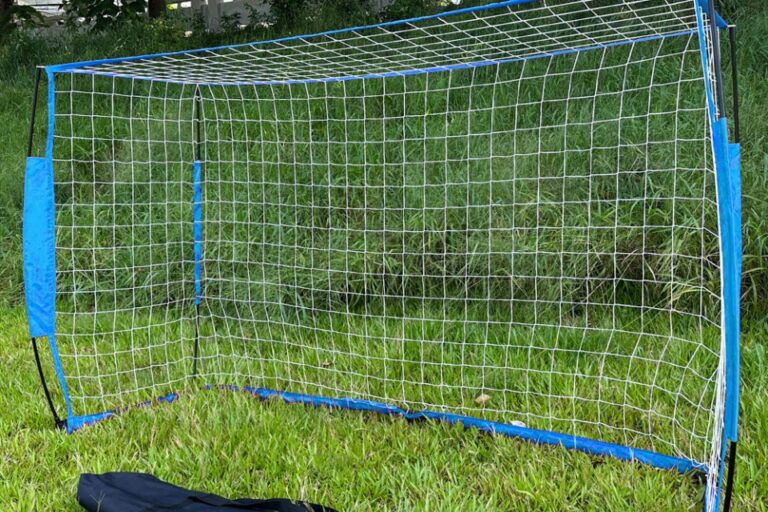
- Pickleball, soccer, baseball and volleyball nets for different channels.
If you spread that over ten suppliers, each one sees a small slice. None of them sees the full picture, so nobody prices you like a key account.
Imagine you centralize most of your sports netting products with one partner. You can bundle:
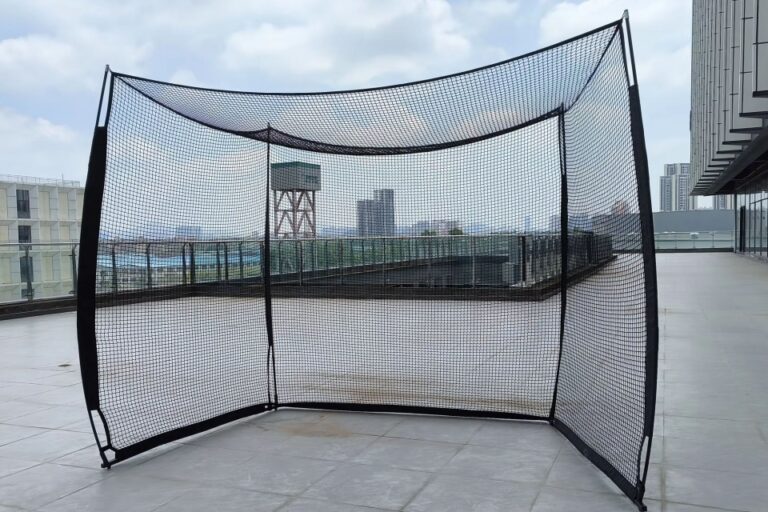
- Heavy-duty golf hitting cage net for ranges and academies.
- A lighter golf practice net training set for retail and DTC.
- Training nets for other sports in the same annual volume story.
That’s how you move the conversation from “unit price” to program pricing, rebates and long-term support.
Tail Spend, Small Orders and Hidden Handling Cost
Then you have tail spend. All the “small stuff” that feels harmless:
- 5 units here, 12 units there.
- One-off orders for a tournament.
- Samples that somehow turn into micro-purchases.
Each micro order comes with:
- A PO or card transaction.
- Inbound booking and put-away.
- Separate freight.
- Manual checks when something goes wrong.
The problem is not one order. It’s a hundred of them.
Central sourcing teams often find that once they consolidate tail spend on sports nets, they free up a surprising amount of budget and headspace. You don’t just save on unit price. You save on all the tiny touches in the process.
Vendor Sprawl in Sports Nets and Training Systems
Another hidden drain is vendor sprawl.
You use one supplier for golf nets. Another for soccer goals. A third for pickleball frames. A fourth for rebounders and trainers.
Every new vendor means:
- New onboarding and paperwork.
- New contracts and compliance checks.
- New logistics setups and labels.
- More SKUs to track in your system.
Over time, this sprawl makes it almost impossible to do SKU rationalization or standardize quality.
When you work with a premium sports netting manufacturer in China, you can roll many of these lines into a single vendor structure and spec family. That’s easier on procurement, easier on finance and easier on your warehouse team.
Fragmented vs Consolidated Sports Net Purchasing: Key Impacts
Budget Impact Comparison Table
| Purchasing model | Typical behavior in sports nets | Budget impact | Operational impact |
|---|---|---|---|
| Fragmented net purchasing | Many suppliers, lots of small POs, maverick spend on nets and frames | Weak leverage, higher landed cost, constant surprises in spend | More vendors to manage, more firefighting, low data quality |
| Consolidated sports net purchasing | One core netting manufacturer plus backup, harmonized specs across sports | Stronger leverage, more predictable pricing, tail spend under control | Cleaner vendor master, faster RFQ cycles, better planning and forecasting |
You don’t need a complex model to read this table. If you centralize demand and streamline suppliers, you unlock:
- Better commercial terms.
- More reliable lead times.
- Cleaner data for budgeting and S&OP.
Real Sports Netting Scenarios That Show the Waste
Retail Chain Buying Golf Nets and Pickleball Nets
Picture a multi-store sporting goods chain.
Right now:
- Golf category managers buy backyard nets from one importer.
- Team sports buyers source pickleball nets from three different local vendors.
- E-commerce adds yet another supplier “because content is ready.”
Nobody owns the full netting picture.
If this group routes all net purchasing to one partner like FSPORTS and pulls from a shared catalog of sports netting products, they can:
- Lock in unified specs for frame thickness, mesh size and UV rating.
- Set clear MOQs per SKU and region.
- Load the same SKUs online and in store for clean replenishment.
You still keep flexibility on assortment. You just stop leaking cash and time through the cracks.
OEM Sports Brand with Multiple Net Factories
Now look at an OEM brand that sells under its own label.
They work with several factories for different net lines:
- One for golf.
- One for soccer.
- One for baseball.
- A separate one for packaging.
Each factory only sees part of the demand and optimizes for itself. Specs drift. Branding is inconsistent. Freight routes are messy.
If that brand consolidates nets and frames with one OEM/ODM partner like FSPORTS, it can build a platform line:
- Golf range cages.
- Backyard kits.
- Training rebounders.
- Multi-sport systems.
Backed by the same core materials, QC and packaging logic.
That makes life easier for product, for sourcing and for operations. It also speeds up new program launches because you are not starting from zero each time.
Practical Consolidation Paths with FSPORTS Netting Solutions
One Sports Netting Supplier for Multi-Sport Needs
FSPORTS focuses on netting plus frames across multiple sports. That’s exactly what you need when you want to de-fragment your supplier base.
For example, you can build one program that covers:
- Golf ranges with a heavy-duty golf hitting cage net.
- Backyard players with a golf practice net training set.
- Club training zones with a portable pickleball net system.
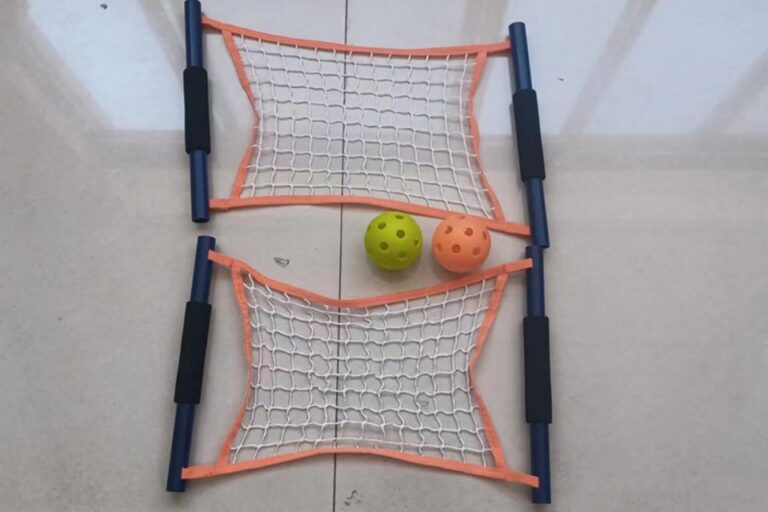
- Coaches and academies with a pickleball rebounder net with target zones.
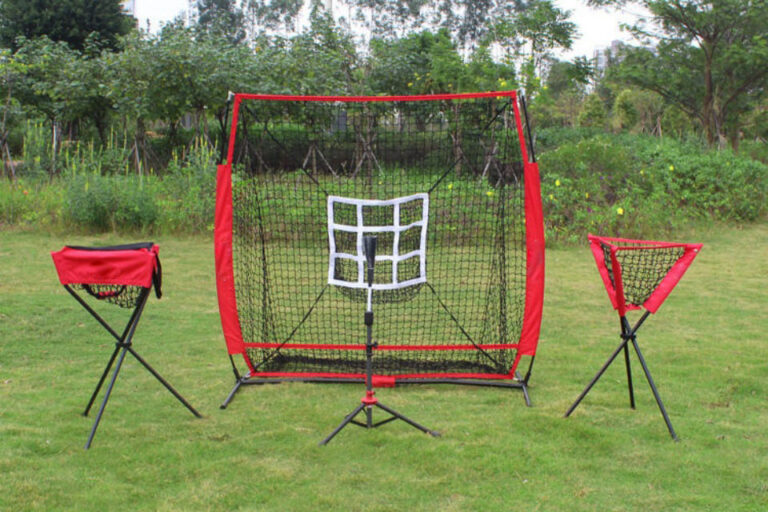
- Baseball programs with a proven 7×7 baseball practice hitting net.
- Multi-use courts with an adjustable multi-sport net with rolling base.
Same partner. Aligned specs. Shared component logic where it makes sense.
This helps you:
- Lift order volumes per vendor.
- Standardize cartons and pallet patterns.
- Tighten your fill rate and OTIF performance.
OEM/ODM Sports Netting and Private Label Opportunities
If you run private label or OEM, you care a lot about:
- Brand consistency.
- Fast sampling.
- Flexibility in colors, logos and packaging.
- Meeting big-box compliance and test standards.
FSPORTS supports OEM/ODM across golf, pickleball, soccer, baseball, volleyball and more. That lets you:
- Lock in a base design and tune it per channel.
- Share parts across families to reduce complexity.
- Negotiate based on total sports net volume, not just one SKU.
You turn a mess of small, disconnected programs into one managed category with clear roadmaps and cost drivers.
How to Start Fixing Fragmented Net Purchasing
You don’t have to change everything in one quarter. A simple three-step path works for most B2B buyers:
- Map your current net spend
- List all suppliers that ship nets and frames.
- Group them by sport and channel.
- Flag card orders and one-off marketplace buys as maverick spend.
- Pick one pilot category
- Golf nets, baseball nets or pickleball systems are usually good starts.
- Move that category to a consolidated partner like FSPORTS.
- Align specs, MOQ and lead times for that group first.
- Roll the model to other sports
- Add more SKUs once the pilot runs smoothly.
- Phase out overlapping suppliers.
- Use clean data from the pilot to support your internal business case.
You’ll feel the impact in simple ways: fewer calls from stores about broken frames, fewer invoice disputes, fewer “where did this net come from?” conversations.
And most important, you’ll finally see what you are really spending on nets, by sport and by channel.
Once you see it, you can manage it.