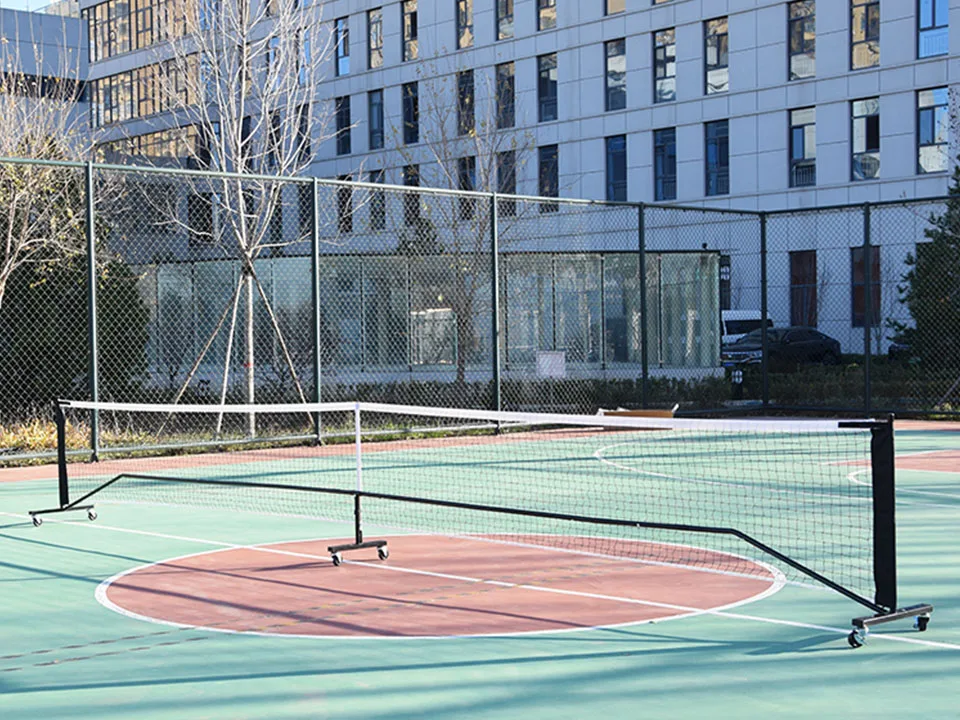
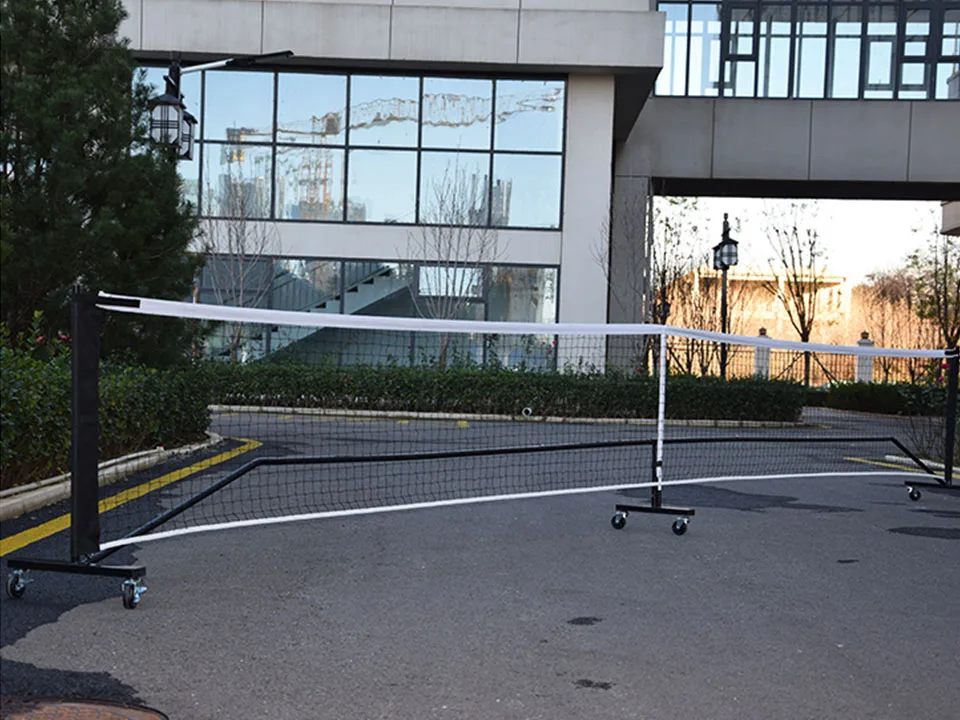
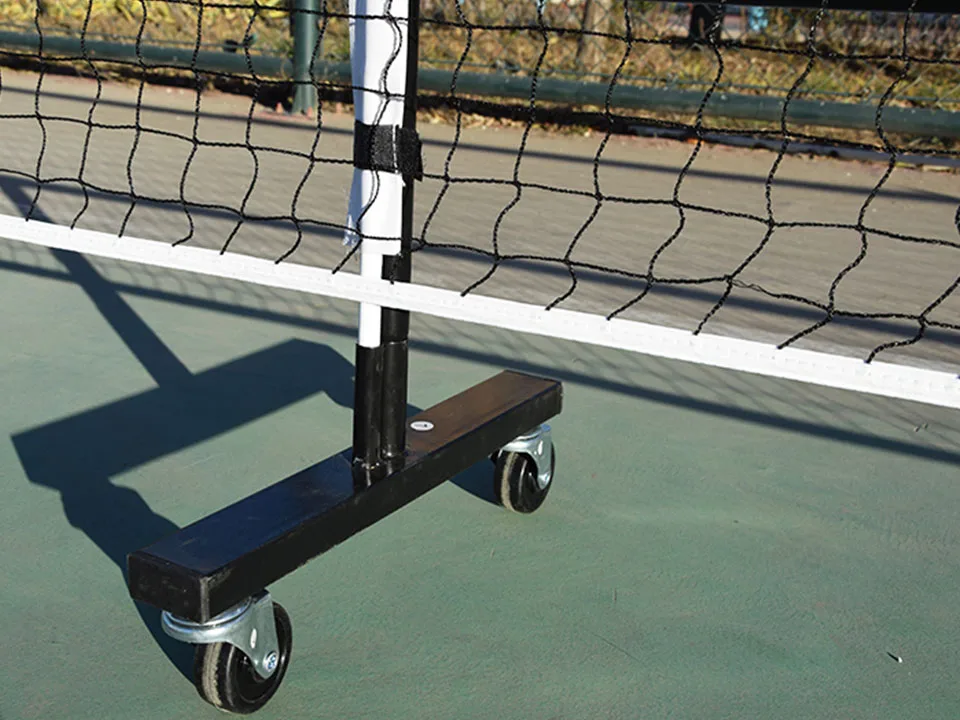
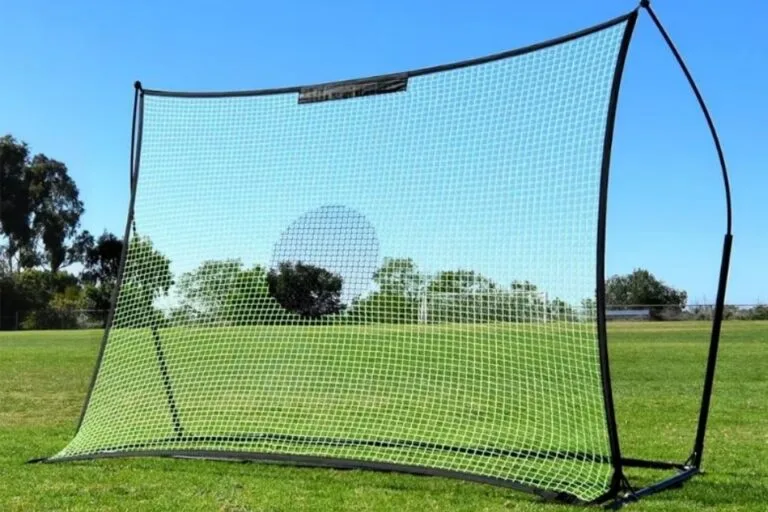
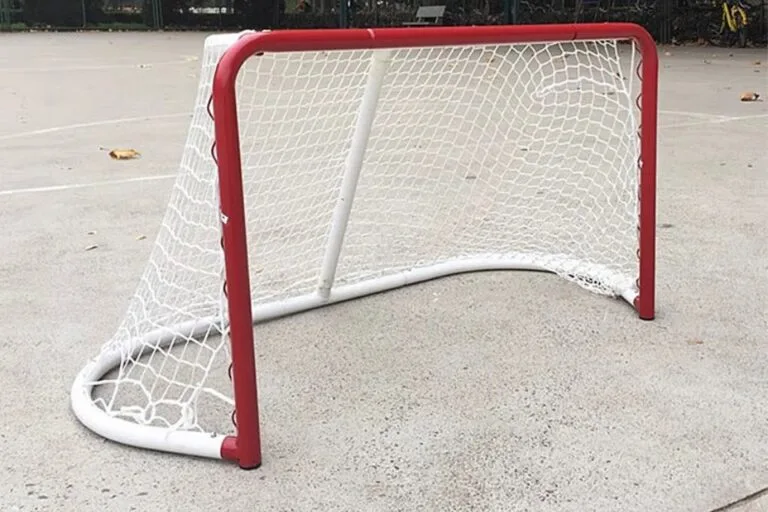
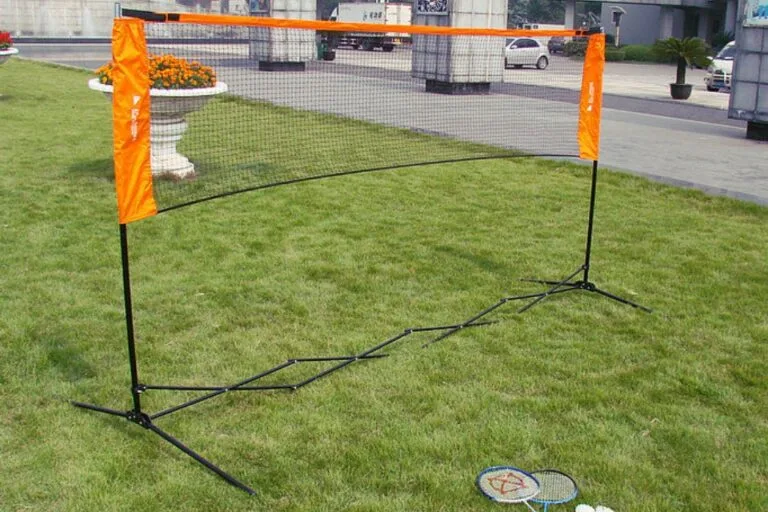
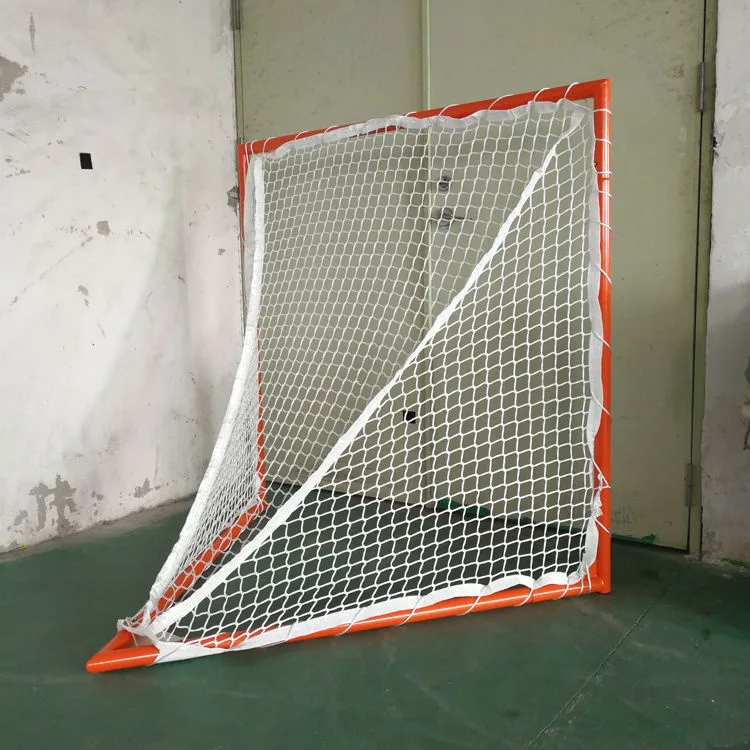
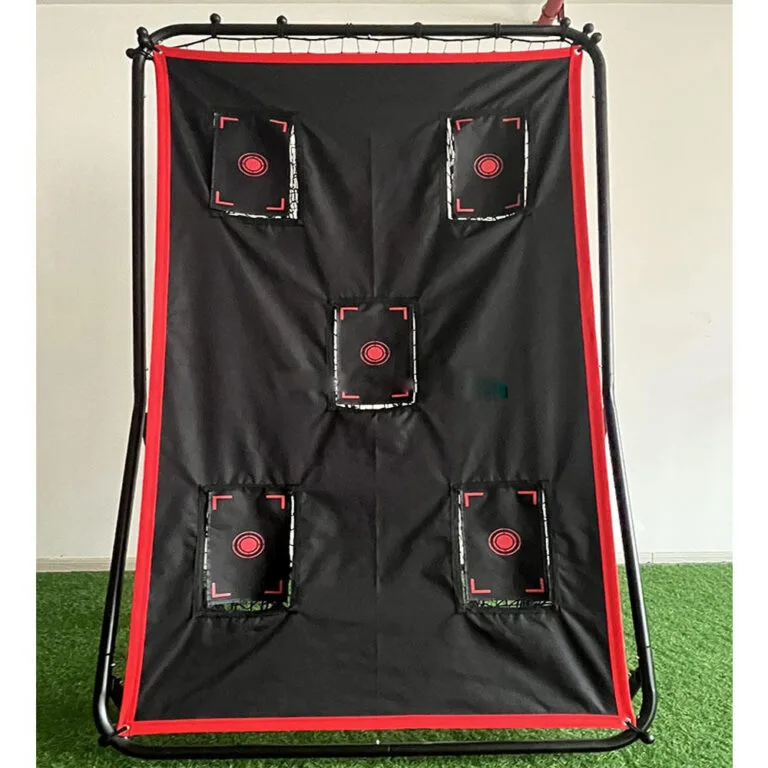
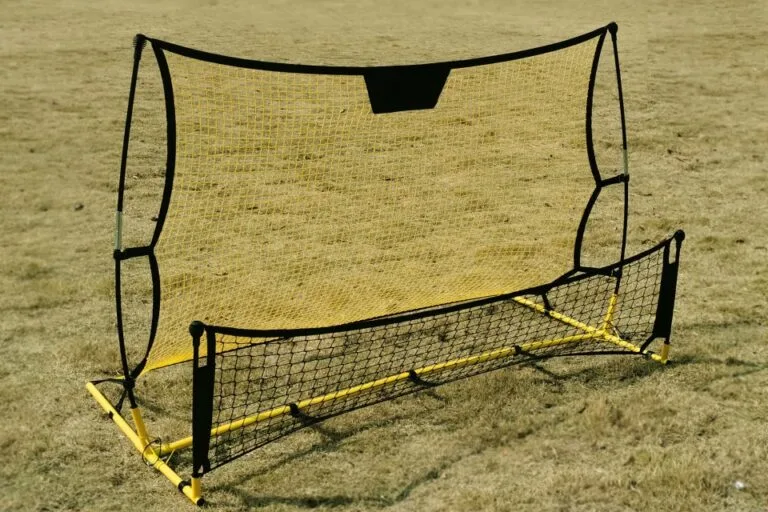
أخبرنا بما تريد تطويره. تدعم FSPORTS مشاريع تصنيع المعدات الأصلية (OEM) وتصنيع التصميم الأصلي (ODM)، والعلامات التجارية الخاصة، ومشاريع الشبكات الرياضية المخصصة بناءً على منتجك الحالي أو الرسم الهندسي أو العينة أو الصورة أو متطلبات الاستخدام.
يرجى إطلاعنا على نوع المنتج، والأبعاد، والكمية المطلوبة، والوجهة، وأي متطلبات معروفة تتعلق بالشبكة، أو المادة، أو الإطار، أو المكونات المعدنية، أو الشعار، أو التغليف. إذا لم تكن المواصفات كاملة بعد، فيرجى إرسال ما لديك وسنقوم بمراجعة التفاصيل المتبقية قبل تقديم عرض الأسعار.
2026 تأثير التعريفة الجمركية على المعدات الرياضية: حساب التكلفة الحقيقية للملكية
لقد جلستُ في الكثير من مكالمات التوريد حيث يقول أحدهم “سنستوعبها”، وكأن التعريفات الجمركية مزاجية. ثم تهبط الحاوية الأولى، ويتغير التصنيف الجمركي، وفجأة يصبح نظامك الصافي الأكثر مبيعًا مسرحًا لجريمة الهامش: الرسوم الجمركية، والسحب، والتخزين، واسترداد التكاليف، ومقايضة الضمان، والشيء الذي لا يضع أحد ميزانية له - خصم آخر الموسم.
لذا إليك الإطار غير المريح: ليس لديك “مشكلة في التعريفة الجمركية”. لديك القياس المشكلة، وفي عام 2026، ستكون الشركات التي ستنجو هي الشركات التي ستتوقف عن التسعير على أساس فوب وتبدأ في التسعير على أساس تكلفة التسليم المعدلة حسب المخاطر.
ماذا يعني ذلك عملياً؟ يعني أن معادلة “الصين مقابل فيتنام مقابل المكسيك” ليست اختبارًا جغرافيًا، بل هي معادلة تكلفة التكلفة الإجمالية للملكية بأسنانها، وإذا كنت تستورد معدات تدريب ذات إطار فولاذي، فأنت على بعد خطأ ورقي واحد من دفع علاوة مفاجئة لا يمكن أن تغفرها قائمة الأسعار الخاصة بك.
واقع عام 2026: التعرض للتعريفات الجمركية أصبح الآن ميزة من ميزات المصادر
لخصت الحكومة في المراجعة الرباعية للفرع 301 لعام 2024 التي أجراها مكتب الممثل التجاري الأمريكي (USTR) (نُشرت في مايو 2024) اتجاهًا واضحًا: كان المشترون الأمريكيون يقللون من اعتمادهم على الصين في واردات السلع على مدار السنوات الأخيرة، وتستشهد المراجعة بتحليل لجنة التجارة الدولية الأمريكية بأن تعريفات القسم 301 قللت بشكل ملموس من الواردات من الصين في الفترة 2018-2021. لست بحاجة إلى أن تحب هذه السياسة لفهم النتيجة العملية: معدلات التعريفة الجمركية تغير السلوك, ، ويغيرون سلوك الموردين أيضًا (محاولات إعادة الشحن، ومطالبات المنشأ، وقصص “التجميع” التي لا تصمد تحت الفحص والتدقيق).
رسوم استيراد المعدات الرياضية: التصنيف هو المكان الذي تتضرر فيه الشركات
إذا كنت تبيع الشباك الرياضية أو الأقفاص أو الأقفاص أو المرتدات أو الأهداف، فأنت تلعب في المنطقة الرمادية بين “المعدات الرياضية” و“الشباك النسيجية” و“الهياكل/المكونات الفولاذية”. كلما كان منتجك يشبه نظام الإطار أولاً، كلما زادت حساسية تصنيفك.
أنا لا أتحدث عن نظرية. أنا أتحدث عن كيفية ظهور ذلك في الحياة الواقعية:
سؤال بلاغي: هل تقوم بتسعير هذين الصنفين بنفس افتراضات الواجب؟ إذا كانت الإجابة بنعم، فأنت تخمن.
العمليات الحسابية المهمة: التكلفة الأرضية للمعدات الرياضية مقابل التكلفة الحقيقية للملكية (TCO)
هذا هو المكان الذي تكذب فيه معظم الفرق على نفسها. فهم يحسبون “التكلفة الإجمالية” مرة واحدة. ولا يقومون بتسويتها أبداً. لا يرفقون خسائر الجودة أبدًا. ثم يسمون انهيار الهامش “ضغط السوق”.”
النقل المنزلي/المستودعات المحلية في التخصيص: $1.90
الواجب الأساسي: X% (يعتمد على التصنيف)
التعرض لمقاييس التجارة الإضافية: قائم على السيناريو (يمكنك نمذجتها على أنها 0 / معتدلة / شديدة)
وينتج عن ذلك رقم “ثابت”.
والآن، يشعر المشغلون بالأشياء التي يشعر بها المشغلون بالفعل:
احتياطي الضمان: 2.51 تيرابايت 3 تيرابايت من صافي المبيعات (إذا لم تقم بتتبعها حسب SKU، فأنت لا تحجز - أنت تأمل)
التعامل مع المرتجعات: $2-$6 لكل وحدة (اتجاهات العتاد الضخم أعلى)
بدل الضرر: 0.5-2.0% 0.5-2.0% حسب التغليف ومناولة الناقل
تكلفة النقل: 10-18% سنويًا (رأس المال + واقع التخزين)
الحقيقة القاسية: لقد رأيت شركات تتشاجر بشدة على $0.40 من فوب بينما تنزف $4.00 في المرتجعات والاستبدال. هذه ليست مشتريات. هذا هو المسرح.
توريد المعدات الرياضية حسب البلد: الصين مقابل فيتنام مقابل المكسيك
إليك جدول مقارنة مصمم للبالغين الذين يتعين عليهم شحن المنتج وليس فقط تقديم الشرائح.
المنطقة
ملف التكلفة النموذجية للوحدة
التعرض للتعريفة الجمركية (المتجهة إلى الولايات المتحدة)
نمط المهلة الزمنية
مخاطر اتساق الجودة
أنواع المنتجات الأكثر ملاءمة
الصين
غالبًا ما يكون أقل سعر تسليم ظهر السفينة (فوب) على وحدات التخزين الناضجة
أعلى تقلب في التعرض لقياس التجارة في العديد من الفئات؛ حساسية التصنيف حقيقية
سريعة عندما تكون مستقرة؛ يمكن أن تنفجر تحت صدمات السياسة/اللوجستيات
نطاق واسع: من الممتاز إلى الكارثي
التجميعات المعقدة، والشبكات/الأقفاص كبيرة الحجم، والأطقم الثقيلة الملحقات
فيتنام
أسعار تنافسية على أساس التسليم على ظهر السفينة؛ وأحياناً أعلى على الإطارات الفولاذية الثقيلة
غالبًا ما يُنظر إليها على أنها أقل تعرضًا؛ لا تزال تتطلب وثائق أصلية نظيفة
مستقرة بشكل عام؛ سعة ضيقة في الذروة
انضباط جيد؛ أضعف في التصميم المحموم المتخبط
أنظمة الشبكات المحمولة، وأجهزة الارتداد، ومعدات التدريب متوسطة التعقيد
المكسيك
في كثير من الأحيان أعلى فوب؛ يمكن الفوز على الإجمالي
المزايا المحتملة في ظل قواعد التجارة الإقليمية؛ تعرض أقل للمحيطات
دورات تجديد قصيرة للتجديد؛ مخاطر أقل أثناء النقل
قوية عندما تكون العمليات مقفلة
الإطارات/الأهداف الضخمة، والتجديد الموسمي السريع الدوران، وحلقات ضمان الجودة الأكثر إحكامًا
تايوان/آسيا أخرى
ارتفاع فوب أعلى؛ قوة هندسية
تختلف على نطاق واسع
معتدل
اتساق قوي في كثير من الأحيان
أنظمة تدريب متميزة ومكونات دقيقة
رأيي المعلن بوضوح: إذا كان منتجك موسميًا وضخمًا، يمكن للمكسيك أن تتفوق على آسيا في الإجمالي حتى عندما تكون تكلفة الوحدة أعلى، لأن الوقت والضرر ضرائب صامتة لا يراها المديرون الماليون إلا بعد إغلاق الربع.
عادة ما يكون سؤال “أفضل بلد لتصنيع المعدات الرياضية لخفض التعريفات الجمركية” خاطئًا
اسأل من هو أكثر حدة.
ما الأصل الذي يقلل من التكلفة المعدلة حسب المخاطر لكل وحدة قابلة للبيع يتم تسليمها في الوقت المحدد?
لأن تقليل التعريفات الجمركية مع زيادة العيوب والمرتجعات ونفاد المخزون يشبه الإقلاع عن التدخين بتناول الألعاب النارية. بالتأكيد، لقد غيرت أحد المخاطر. لقد قمت بتفاقم المخاطر الأخرى. وسيعاقب عام 2026 على تلك التجارة.
الأسئلة الشائعة
كيف يمكنني حساب التكلفة النهائية للمعدات الرياضية المستوردة؟
تكلفة الهبوط هي التكلفة الإجمالية لكل وحدة لنقل السلعة من المصنع إلى رصيف الاستلام، بما في ذلك سعر التسليم على ظهر السفينة (فوب)، والشحن الدولي، والتأمين، ورسوم الميناء/المنفذ، والسمسرة/الرسوم الجمركية، والرسوم/التعريفات، والتسليم المحلي - يتم تخصيصها بشكل متسق عبر الوحدات باستخدام قاعدة مثل CBM، أو الوزن، أو عدد الكراتين. قم بمطابقتها مع قيود الوسيط الفعلية والفواتير شهريًا.
إذا كنت تقوم بحساب التكلفة الإجمالية فقط في مرحلة عرض الأسعار، فأنت لا تقوم بحساب التكلفة - بل تقوم بسرد القصص.
ما هي التكلفة الحقيقية للملكية (TCO) لمصادر المعدات الرياضية؟
التكلفة الحقيقية للملكية (TCO) هي التكلفة المعدلة حسب المخاطر لكل وحدة قابلة للبيع على مدى الحياة، وتجمع بين التكلفة المُنزَلة وخسائر الجودة (العيوب/المرتجعات)، وخسائر الوقت (الخصم في أواخر الموسم/المخزون الناقص)، وعبء الامتثال (الحجز/إعادة العمل)، وتكلفة حمل المخزون (التمويل/التخزين/التقادم). إنه النموذج الذي يكشف عن “مدخرات فوب” التي تتلاشى بعد أن يصبح الواقع واقعًا.
تتبع المرتجعات والضمان حسب SKU. إذا لم تقم بذلك، فإن التكلفة الإجمالية للملكية خيالية.
ما هو تأثير التعريفة الجمركية على المعدات الرياضية في عام 2026؟
تأثير التعريفة الجمركية لعام 2026 هو التكلفة الإضافية الناتجة عن تصنيف منتجك ومنشأه المعلن، بالإضافة إلى أي تدابير تجارية إضافية يمكن أن تضيف نقاطًا مئوية كبيرة اعتمادًا على الفئة - غالبًا ما تغير سلوك التوريد من خلال عدم اليقين والاحتكاك بالامتثال. تعامل مع الأمر على أنه تخطيط سيناريوهات (الأساس/المتوسط/الأدنى)، وليس رقمًا واحدًا ثابتًا.
رقم واحد هو فخ. نطاقات البناء.
الصين ضد فيتنام ضد المكسيك في تصنيع المعدات الرياضية: كيف أختار؟
إن الاختيار بين الصين وفيتنام والمكسيك يعني اختيار المنشأ الذي ينتج عنه أقل تكلفة تسليم معدلة حسب المخاطر لوحدة حفظ المخزون الخاصة بك، بالنظر إلى التعرض للتعريفات الجمركية، وتحمل المهل الزمنية، وموثوقية القدرة، ومعدلات العيوب، وكيف أن تركيبة الإطار إلى النسيج تدفع حساسية التصنيف. يمكن أن تفوز الصين على التعقيد والحجم؛ وغالبًا ما تفوز فيتنام على التنفيذ المستقر؛ وغالبًا ما تفوز المكسيك عندما تهيمن اقتصاديات السرعة والشحن الضخم.
إذا كان موسمك قصيراً، فغالباً ما تتفوق السرعة على سرعة فوب. بشكل مؤلم في كثير من الأحيان.
كيف يمكنني تخفيض الرسوم الجمركية على المعدات الرياضية بشكل قانوني؟
يمكنك تقليل التعريفات الجمركية قانونيًا من خلال الحصول على التصنيف الصحيح، وتوثيق المنشأ بشكل صحيح، واستخدام برامج التجارة المؤهلة عندما تنطبق بالفعل، وتشديد أوصاف المنتجات وفواتير المواد، وبناء التكرار في المصادر حتى لا يؤدي تحول واحد في السياسة إلى تدمير هامش الربح. أنت لا “تخترق” التعريفات - أنت تزيل الأخطاء التي يمكن تجنبها وتتجنب التعرض المركز.
أيضًا: إذا لم يتمكن وسيطك من شرح منطق HTS بلغة واضحة، فأنت تستعين بمصادر خارجية للمخاطر، وليس إدارتها.
CTA
اختر وحدة تخزين واحدة ذات حجم كبير وقم بتشغيل نموذج التكلفة الإجمالية للملكية الكامل عبر ثلاثة مصادر هذا الأسبوع - الشحن والشحن والرسوم والعيوب والمرتجعات وتكلفة الحمل ومخاطر الوقت. ثم قارنها بما فكّر الهامش الخاص بك اليوم. إذا تطابقت الأرقام، فأنت متقدم على الصناعة. أما إذا لم تتطابق، فقد وجدت للتو تسربك قبل عام 2026.