بناء الشباك: شرح النسيج غير المعقود والمجدول والمجدول والمنسوج
جدول المحتويات
لقد شاهدت الشباك تفشل “بشكل غامض” في نفس الأماكن مرارًا وتكرارًا: زاويتي التثبيت، والحافة السفلية التي تكشط الإطار في كل إعداد، ومنطقة الضربة حيث تتجمع الصدمات مثل خريطة حرارية لا يريد أحد الاعتراف بوجودها. ويستمر المشترون في بيع سمك الخيوط على أنه الحل، في حين أن الحل الحقيقي هو البنية - كيف يتم بناء الخيوط وربطها وشدها وإجبارها على امتصاص الصدمات. هل تريد شبكة تتحمل آلاف الضربات بدلاً من المئات؟
ثم تحدد بناء الشباك, وليس الذبذبات.
لذا إليك تفصيلي الصريح للشبكات غير المعقودة والشبكات الملتوية والشبكات المجدولة والمنسوجة - ما الذي تجيده وما الذي تخفيه وأيها تختار عندما يكون التطبيق حقيقيًا وليس افتراضيًا.
شبك بدون عقد
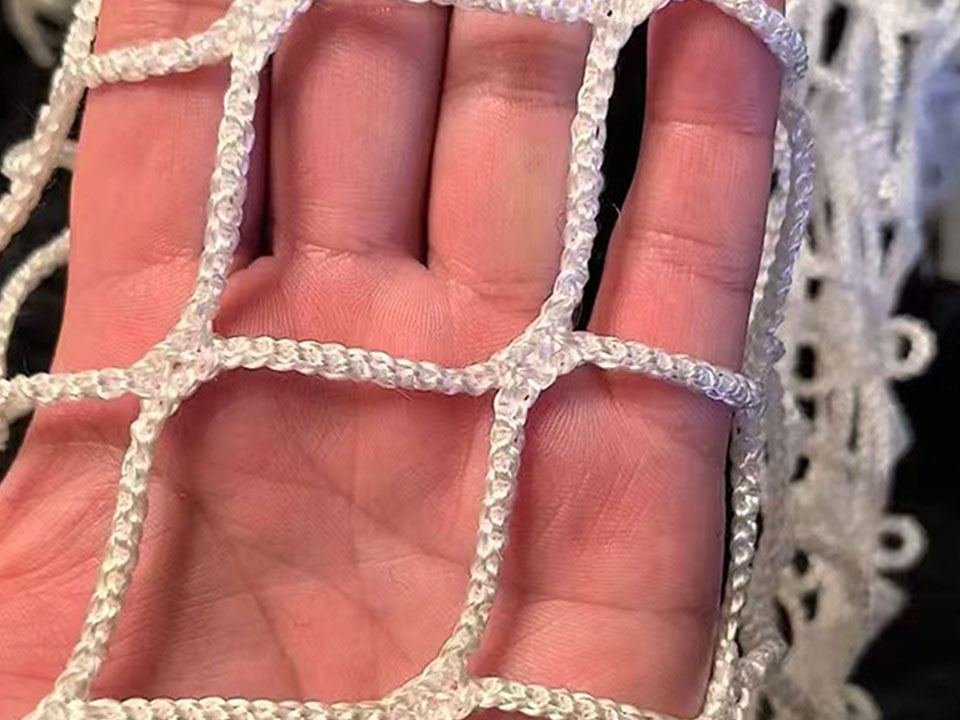
العقدة بدون عقدة هي الافتراضية بالنسبة لي في حالة التصادمات المتكررة. لماذا؟ العُقد هي رافعات للضغط. نقاط صلبة. مصانع تآكل صغيرة. أزلها وستحصل عادةً على توزيع حمل أنظف وارتداد أكثر اتساقًا. كما أنك تقلل من مشكلة “ركلات الكرة الغريبة من انتفاخ العقدة” التي يلاحظها أي شخص يتدرب بجدية في غضون خمس دقائق.
لكن. يمكن لـ"نوتلس" أن يكذب عليك.
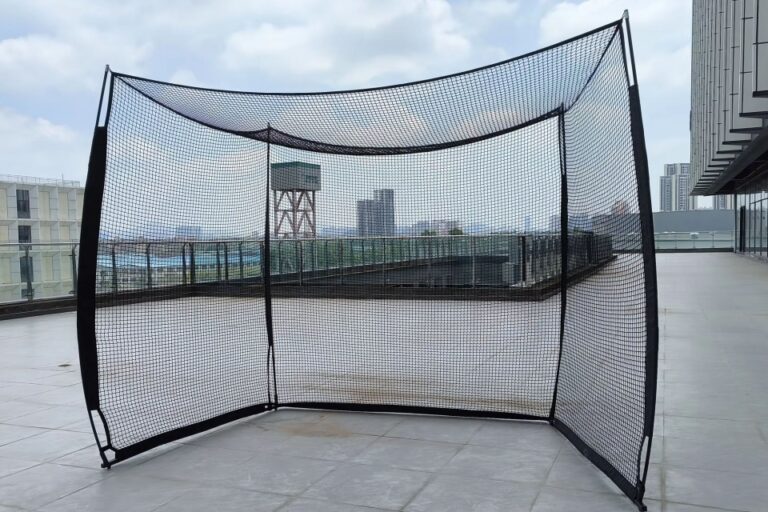
إذا كانت طريقة الربط غير متقنة، ستحصل على تشوه في الشبكة - تكدس وترهل وانفتاح - خاصة في مناطق الضرب عالية التأثير. ستشعر بذلك عندما تبدأ الشبكة في التصرف مثل الأرجوحة الشبكية. هذا هو السبب في أن “عدم وجود عقدة” مهم فقط عندما يكون النظام بأكمله مصممًا للتأثير والاحتفاظ، مثل إعداد قفص حقيقي مصمم لملامسة الجولف المتكررة بدلاً من الاحتواء الزخرفي. إذا كنت تريد نقطة مرجعية لما تبدو عليه هذه الفئة، ابدأ من هنا: شبكة قفص ضرب الغولف الاحترافية للاستخدام الداخلي/خارجي
شبك ملتوي
Twisted هو العمود الفقري للميزانية. إنه مألوف. إنه موجود في كل مكان. وغالباً ما تبدو “قوية بما فيه الكفاية” خارج الصندوق. وهذا هو الفخ بالضبط: يمكن أن ترتخي الخيوط الملتوية تحت الحمل الدوري. يمكن أن تؤدي الصدمات المتكررة إلى دفع الالتواء إلى الزحف. تتغير الهندسة. يتغير الارتداد. تتغير فتحات الشبكة.
جملة قصيرة ينجرف.
مشكلة الالتواء الأخرى هي التآكل، خاصةً في المرفقات. الخطافات والأربطة وخطوط الحواف ونقاط الربط. لا تفشل الشبكة بشكل عشوائي؛ بل تفشل حيثما يضغط عليها النظام. إذا كنت تستخدم الأربطة والخطافات (شائعة في إعدادات الحواجز)، يصبح نمط المرفقات جزءًا من قرار البناء، وليس فكرة لاحقة. هذا المنتج مثال واضح على حقيقة “الشبكة + طريقة التثبيت”: شبكة حاجز جولف متينة من النايلون مزودة بخطافات وأربطة مطاطية
شبك مضفر
المضفر هو ما تشتريه عندما تتعب من استبدال الأشياء.
عادةً ما تقاوم الضفائر التآكل بشكل أفضل من الالتواء البسيط، وتميل إلى الحفاظ على السلامة الهيكلية عند احتكاكها بالإطارات والأعمدة والأجهزة. تحب المنشآت الضفائر لسبب ما: أقل تآكل، وأقل فشل مفاجئ، وأقل لحظات “لماذا انكسرت في هذا المكان”. إذا كنت تقوم ببناء شيء ما مع الشد المستمر، أو الإطارات القابلة للطي أو الإعداد/التركيب المتكرر، فإن البناء المجدول عادةً ما يكون مفيدًا.
ولكن إليك رأيي الذي لا يحظى بشعبية: بعض الشباك المضفرة “سميكة” بطريقة خاطئة. فهي تبيع بالجملة وليس بالأداء. إذا كانت البنية ثقيلة ولكن اللمسة النهائية وتقوية الحواف متواضعة، فإنك لا تزال تخسر - فقط في وقت لاحق، وبكلفة أعلى. عندما تقوم بتقييم المرشحات المضفورة، انظر إلى النظام الكامل: نقاط تلامس الإطار، تشطيب الحافة، طريقة الشد.
شبك منسوج
يتصرف المنسوج بشكل مختلف. فهو أقل “شبكة” وأكثر “نسيج يتصرف مثل الشبكة”.”
هذا جيد عندما تريد انحرافاً متوقعاً وامتصاصاً للطاقة بدلاً من الارتداد. شاشات التصادم هي الحالة الواضحة. إذا كنت تقوم ببناء بيئة محاكاة، فأنت تريد بشكل عام استجابة مضبوطة وقابلة للتكرار - أقل ارتداداً وأكثر امتصاصاً - بالإضافة إلى وجه يتصرف بشكل متسق تحت الضربات المتكررة. لهذا السبب تنتمي الإنشاءات المنسوجة إلى محادثة ضميمة المحاكاة، وليس في نفس دلو شبكة الحاجز في الفناء الخلفي. إليك مرجع الفئة الذي أستخدمه لهذا التقسيم الذهني: إعداد شاشة تصادم ضميمة محاكي الغولف الاحترافي
والآن اسأل نفسك: هل تحاول التقاط الطاقة، أو العودة هل هو؟
لأن هذا السؤال يحدد ما إذا كانت المنسوجة خيارًا ذكيًا أم خطأ مكلفًا.
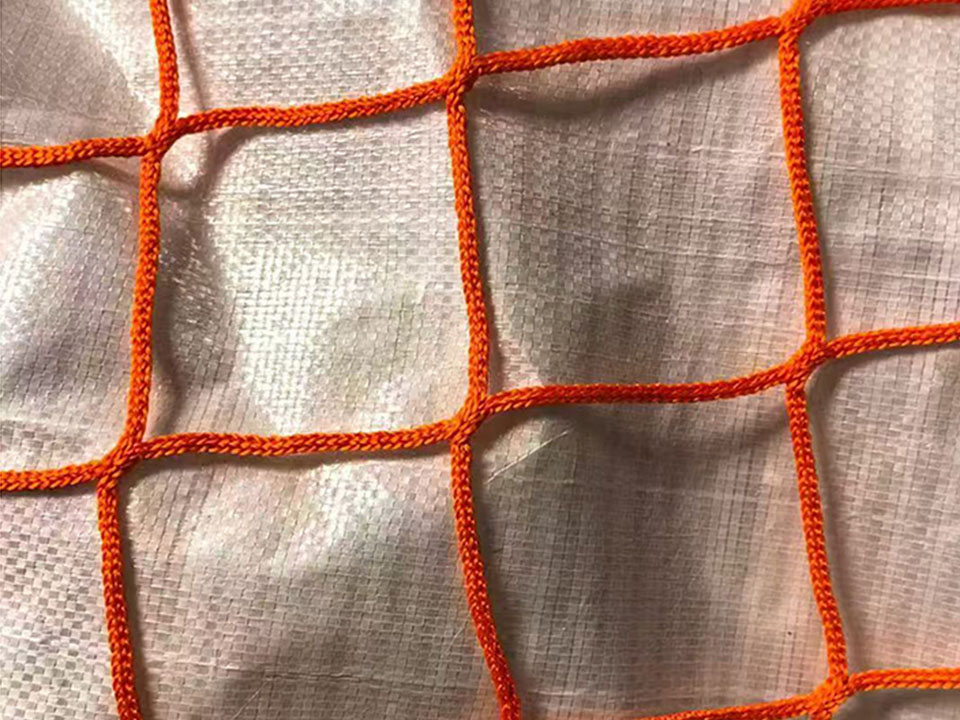
أنواع البناء الشبكي: ما يفشل في العالم الحقيقي
يحب المشترون “المواد”. النايلون والبولي إيثيلين والبوليستر. حسناً. لكنني أهتم بوضع الفشل أكثر من اسم الألياف.
فيما يلي الشائعة منها:
- تحميل الحافة:: تتمزق الزوايا لأن الشد يتركز في المكان الذي تُجبر فيه الشبكة على التصرف مثل الحبل.
- التآكل:: نفس نقاط التلامس تطحن نفس نقاط التلامس طحن الإطار السفلي، واحتكاك الأجهزة، والاحتكاك الأرضي.
- الإرهاق الدوري:: يصطدم التصادم بالمنطقة نفسها آلاف المرات وتفقد الشبكة صلابتها ببطء، ثم تستسلم فجأة.
- الانجراف الهندسي:: تنفتح الشبكة وتتغير الارتدادات قبل وقت طويل من رؤية الضرر المرئي.
ونعم، تغير منطقة المصدر مدى سرعة ظهورها. لا يتم توزيع درجة الراتنج، وانضباط الطلاء، وخيارات حزمة الأشعة فوق البنفسجية، وثقافة ضمان الجودة بالتساوي. هذا ليس حكمًا أخلاقيًا. إنها حسابات المشتريات.
“يعتمد ”أفضل بناء شبك للتطبيقات الصناعية" على ما تقوم به بالفعل
يقول الناس “التطبيقات الصناعية” وكأنها رافعات ومصانع. عملياً، المنشأة الرياضية ذات الاستخدام اليومي هي منشأة صناعية. أكاديمية التدريب صناعية. خليج المحاكاة التجارية صناعية. تشهد الشبكة تأثيرات أكثر من العديد من حواجز المستودعات.
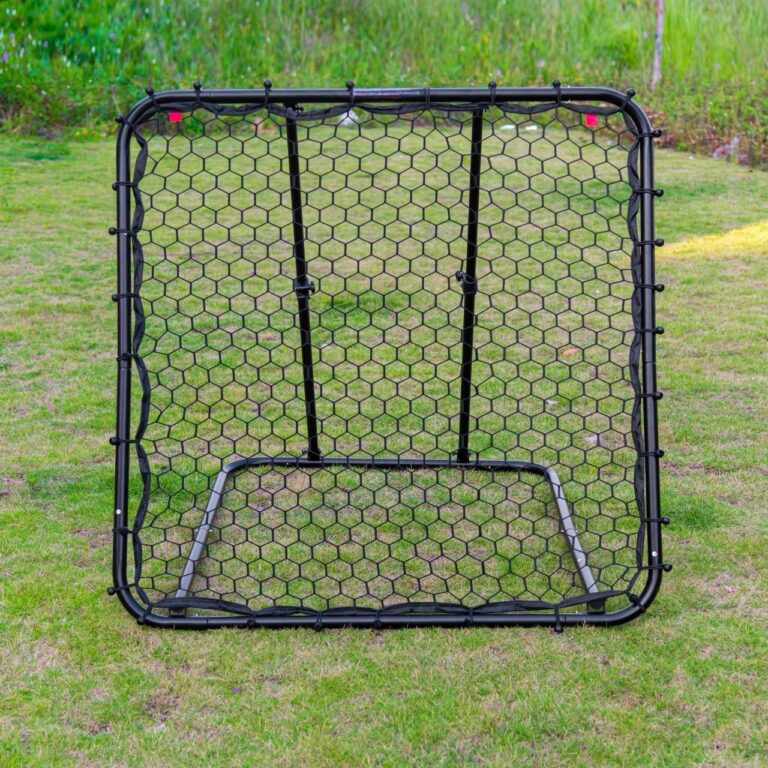
إذا كان التثبيت يحتوي على إطارات متحركة، وشد متكرر، وتآكل مستمر، أبدأ بالبحث عن الأنظمة المصممة لهذا النوع من الحياة - ثم أحدد البنية التي تتناسب مع ذلك. لهذا السبب بالضبط أحب الإشارة إلى الوحدات المتحركة القابلة للتعديل عند الحديث عن المتانة: شبكة متعددة الرياضات قابلة للتعديل مع قاعدة متدحرجة وعجلات
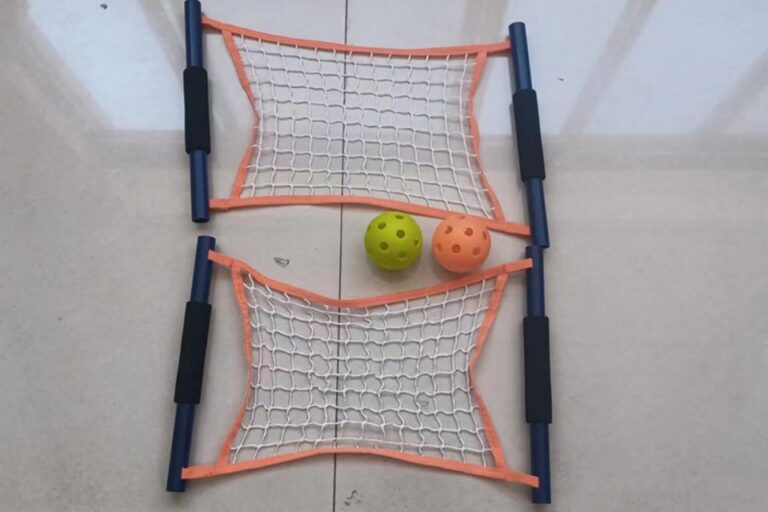
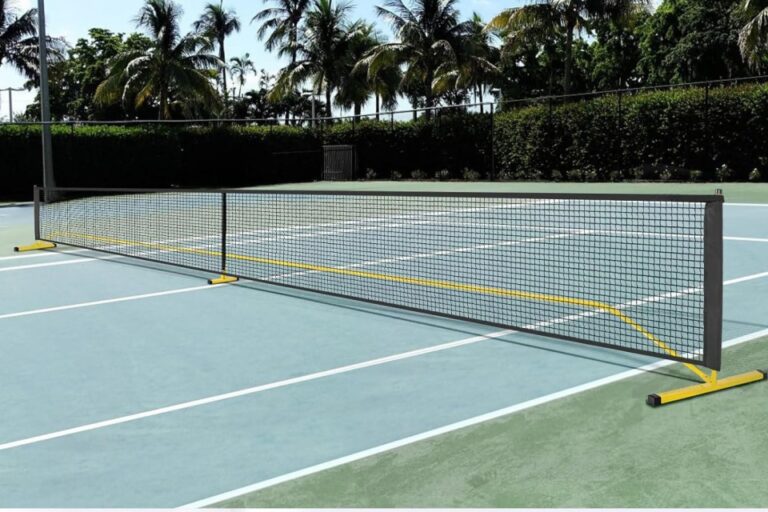
وإذا كانت قابلية النقل هي عامل الإجهاد المحدد - احتكاك التجميع، وتآكل النقل، وتكرار التعبئة/إلغاء التعبئة - يتغير نمط الفشل مرة أخرى. تُعد أنظمة كرة المخلل المحمولة مثالاً مثاليًا على “الإجهاد غير المؤثر” الذي يؤدي إلى التآكل: شبكة كرة مخلل محمولة مع إطار فولاذي وقوائم داعمة
وأخيراً، الاحتواء عالي التأثير (أقفاص الجولف) هو وحش خاص به. تتركز الصدمات. منطقة الضربة حقيقية. إذا لم يسبق لك أن رأيت شبكة قفص تفشل بالضبط حيث يضرب الجميع... فأنت لم تمتلك واحدة لفترة كافية. لهذه الفئة: شبكة قفص تدريب غولف كبيرة لتدريب التأرجح في الهواء الطلق
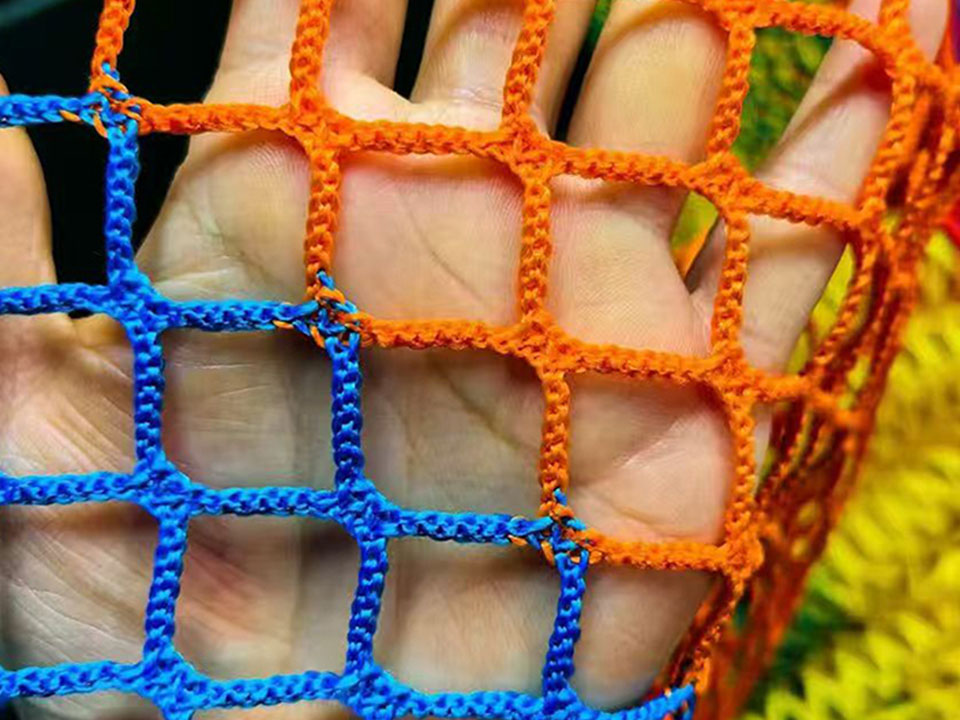
جدول المقارنة
| البناء | ما الذي يجيده | ما أراه يفشل أولاً | الاستخدامات الأنسب | فخ المشتري |
|---|---|---|---|---|
| شبك بدون عقد | توزيع متساوٍ للأحمال، وارتداد أنظف، ونقاط ضغط أقل صلابة | “تكييس” الشبكة إذا كانت الوصلات/الخيوط ضعيفة | أقفاص الغولف، مناطق التأثير المتكرر | بافتراض عدم وجود عقدة = علاوة دون التحقق من مخاطر التشوه |
| شبك ملتوي | منخفضة التكلفة وسريعة الإنتاج | استرخاء الالتواء + التآكل في الملحقات | حواجز الخدمة الخفيفة، التجهيزات المؤقتة | الإفراط في الشد وتوقع ثبات الهندسة |
| شبك مضفر | مقاومة أفضل للتآكل، ومستقرة تحت الإجهاد الدوري | يظهر ضعف الأشعة فوق البنفسجية/الطبقة الخارجية عند الحواف ونقاط التلامس | المنشآت، والمنشآت عالية الاحتكاك | الدفع مقابل السُمك بدلاً من جودة البناء والتشطيبات |
| شبك منسوج | انحراف يمكن التنبؤ به، وامتصاص الطاقة | اهتراء الحواف وتآكل الدرز إذا كان التشطيب ضعيفاً | شاشات المحاكاة، امتصاص الصدمات المتحكم فيه | استخدام المنسوج عند الرغبة في الارتداد |
الأسئلة الشائعة
كيف يتم صنع الشباك بدون عقدة؟
تُصنع الشباك بدون عقد عن طريق تشكيل تقاطعات شبكية بدون عقد تقليدية، باستخدام هيكل متصل أو متصل الحلقات بحيث ينتشر الحمل بشكل متساوٍ وتقل نقاط الضغط. من الناحية العملية، تعتمد المتانة على اتساق الوصلات، وجودة الخيوط، وتشطيب الحواف - لأن هذا هو المكان الذي يبدأ فيه التشوه والتمزق.
الشباك بدون عقدة مقابل الشباك المعقودة: ما الفرق الفعلي؟
تستخدم الشباك غير المعقودة وصلات غير معقودة لتقليل نقاط الضغط الصلبة وتحسين توزيع الحمل المنتظم، بينما تشكل الشباك المعقودة تقاطعات مع عقدة يمكن أن تخلق نقاط تآكل وارتداد متغير ولكن يمكنها أن تحافظ على الهندسة بشكل جيد عند بنائها بشكل صحيح. يعتمد الاختيار الصحيح على تكرار الصدمات، والتعرض للتآكل، وما إذا كان اتساق الارتداد مهمًا أم لا.
ما هي أنواع بناء الشباك الرئيسية؟
أنواع البناء الرئيسية للشبكات هي الشباك غير المعقودة والملتوية والمضفرة والمنسوجة، والتي يتم تحديدها من خلال كيفية بناء الخيوط وربطها، والتي تحدد توزيع الحمل ومقاومة التآكل وكيفية تصرف الشبكة تحت الصدمات المتكررة. إذا قمت بمطابقة البناء مع محرك الفشل السائد، فستحصل على مفاجآت أقل وعمر خدمة أطول.
ما هي أفضل بنية شبكية للتطبيقات الصناعية؟
أفضل بنية شبكية للتطبيقات الصناعية هي تلك التي تتطابق مع نمط الإجهاد السائد - التآكل، أو إجهاد الصدمات الدورية، أو تحميل الحافة، أو الانحراف المتحكم فيه - بدلاً من تسمية “الأفضل” ذات الحجم الواحد. بالنسبة للإعدادات عالية التآكل، غالبًا ما يفوز المضفر المضفر، أما بالنسبة لمناطق التصادم المتكررة فعادةً ما يكون غير المعقود أكثر أمانًا، وبالنسبة لامتصاص الصدمات يكون المنسوج هو الأداة الأفضل.
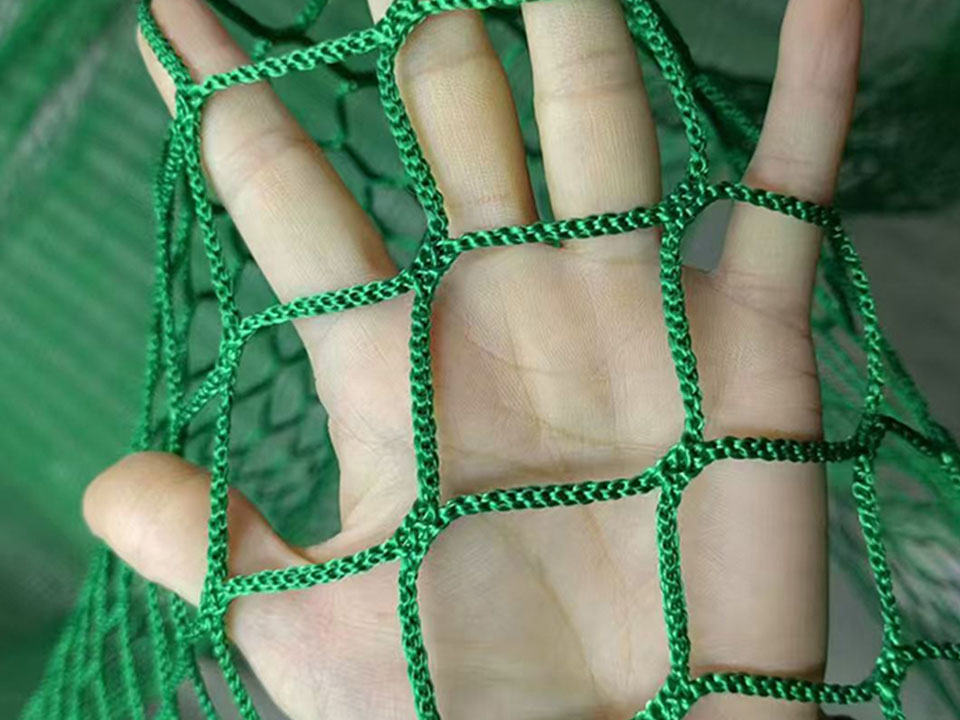
CTA
إذا كنت ترغب في التوقف عن شراء الشباك مرتين، فتوقف عن التسوق حسب اسم المادة وابدأ التسوق حسب التركيب وحالة الاستخدام. تصفح الكتالوج الكامل، ثم ضع قائمة مختصرة حسب التطبيق، ثم اطلب التركيب الذي يتناسب مع مخاطر الفشل لديك: منتجات FSportsNet والمحور الرئيسي للفئات والمواصفات: فسبورت نت.