Teilen Sie uns mit, was Sie entwickeln möchten. FSPORTS unterstützt OEM-/ODM-Projekte, Eigenmarken sowie maßgeschneiderte Sportnetzprojekte auf der Grundlage Ihrer bestehenden Produkte, Zeichnungen, Muster, Fotos oder Anwendungsanforderungen.
Teilen Sie uns bitte die Produktart, die Abmessungen, die gewünschte Stückzahl, den Bestimmungsort sowie alle bekannten Anforderungen hinsichtlich Maschenweite, Material, Rahmen, Beschlägen, Logo oder Verpackung mit. Falls Ihre Spezifikation noch nicht vollständig ist, senden Sie uns bitte die Ihnen vorliegenden Informationen zu; wir werden die restlichen Details dann vor der Angebotserstellung prüfen.
Materialien 101: Nylon vs. HDPE vs. Polyethylen-Netze
Wenn Sie schon einmal Sportnetze in großen Mengen gekauft haben, kennen Sie das Problem: Zwei Rollen sehen bei der Ankunft gleich aus, und dann verblasst eine, hängt durch oder wird nach einer Saison knusprig. Das ist selten “Pech”. Normalerweise ist es Materialauswahl.
Nylon, HDPE und Polyethylen (PE) befinden sich in drei verschiedenen Bahnen. Wählen Sie die richtige Bahn und Ihre Installation bleibt dicht, Ihre Rückläufer gehen zurück und Ihre Endkunden beschweren sich nicht mehr über “die lose Ecke” oder “das Netz, das sich ständig dehnt”.”
Wenn Sie Sportnetze von einem Anbieter wie FSPORTS (UV-beständig, hochschlagzäh, Standard- und Sondergrößen). Wenn Sie diese Materialien kennen, können Sie schneller spezifizieren und intelligenter einkaufen.
Grundlagen des Nylon-Netzmaterials
Nylon (Polyamid) taucht oft auf, wenn Menschen Zähigkeit und Schlagfestigkeit. Denken Sie an Ballabpraller, wiederholte Treffer und “energiereiche” Kontakte.
Nylon ist stark und stoßfest
Nylon kann einiges einstecken. Deshalb wird es häufig in Absperrungen, Trainingsnetzen und in Bereichen eingesetzt, in denen die Maschen immer wieder beansprucht werden.
Ein praktisches Beispiel: Eine Golfanlage, die den ganzen Tag über Unterricht gibt, kümmert sich weniger um das “Aussehen” als vielmehr um Wirkungszyklen. Ein Nylonsperrnetz kann sich wie die sicherere Wette anfühlen, wenn die Bälle einfach weiter kommen.
Feuchtigkeitsaufnahme und Leistung des Nylon-Netzes
Hier ist der Kompromiss, den die Käufer vermissen: Nylon absorbiert Feuchtigkeit. In feuchten oder regnerischen Umgebungen kann Nylon Wasser aufnehmen und dann seine Haptik und Abmessungen verändern. Sie werden es als:
ein wenig extra Stretch
leicht unterschiedliche Spannung nach Wetterumschwüngen
mehr “Wartungsabrufe” von Installateuren
Wenn Ihr Kunde einen Schießstand im Freien in einem Küstengebiet betreibt, kann Nylon trotzdem funktionieren. Sie müssen es nur mit offenen Augen spezifizieren und die Installation so planen, dass es nachgespannt werden kann.
Grundlagen des HDPE-Netzmaterials
HDPE (hochdichtes Polyethylen) ist das Arbeitspferd für Langfristiges Outdoor-Netz. Wenn Ihr Kunde sagt: “Lassen Sie es das ganze Jahr über stehen”, sollten Sie zuerst an HDPE denken.
HDPE gewinnt für langfristige Netze im Freien
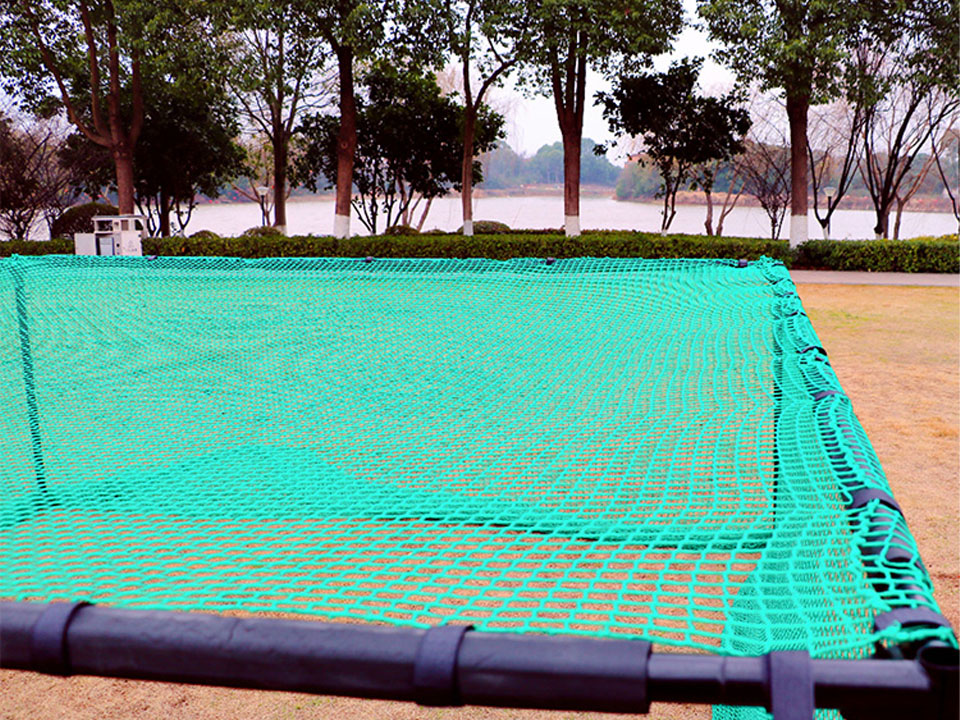
HDPE neigt dazu, unter Außenbedingungen stabil zu bleiben. Es ist auch für seine geringe Wasseraufnahme bekannt, wodurch es seine Form und Spannung beibehält.
Szenario der realen Welt: Stadionabsperrungen und Absperrungen an der Außenhaut von Gebäuden hassen Ausfallzeiten. Jedes Mal, wenn ein Team nachspannen muss, bedeutet das Arbeit, Störungen im Zeitplan und verärgerte Anrufe. HDPE hilft, diesen Aufwand zu reduzieren.
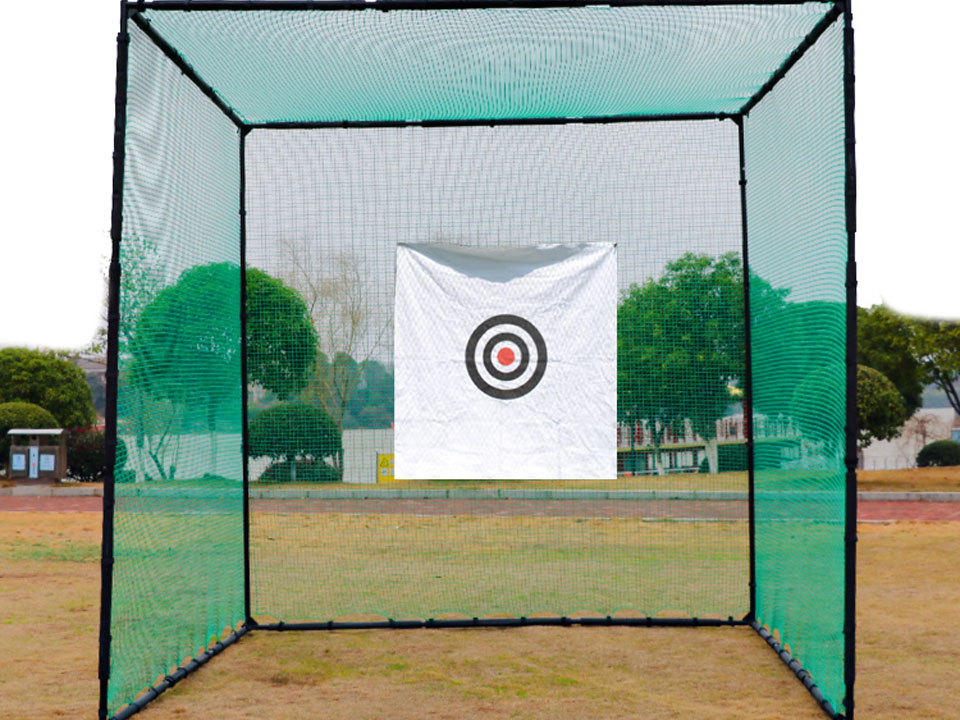
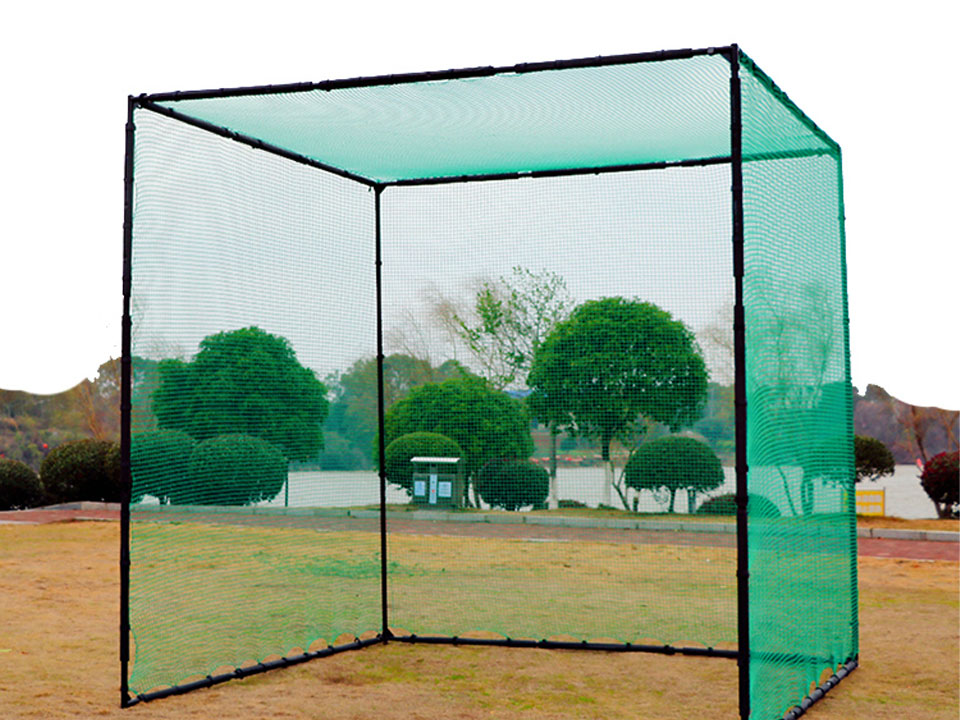
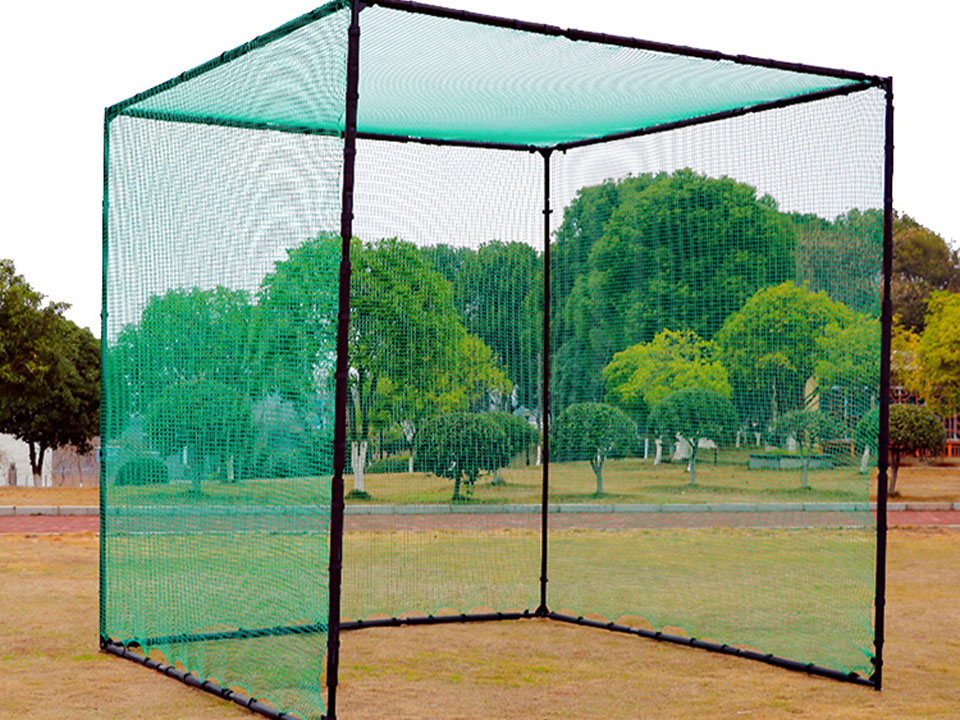
Für Golftrainingsanlagen wird oft ein Gehäuse/Käfig gewählt, bei dem das Material seine Geometrie beibehalten muss. A professionelles Golfschlägernetz für den Innen- und Außenbereich ist ein gutes Beispiel dafür, dass die “Formstabilität” ebenso wichtig ist wie die Festigkeit.
UV-Beständigkeit und Witterungsbeständigkeit für Netze
Netze für den Außenbereich “sterben” nicht zuerst durch den Aufprall. Es stirbt normalerweise durch UV. Die UV-Strahlung bricht die Polymerketten langsam auf, und Sie werden es merken:
Verblassen
kalkhaltige Oberfläche
Sprödigkeit
plötzliche Risse an Stellen, an denen sich das Gewebe früher gut anfühlte
HDPE eignet sich im Allgemeinen gut für den Einsatz im Freien, wenn das Netz über eine geeignete UV-Zusatzstoff-Paket. In der Sprache der Käufer: Fragen Sie nicht nur nach “UV-beständig”. Fragen Sie nach dem UV-Stabilisierungsgrad, den die Fabrik in das Garn einbaut.
Grundlagen des Polyethylen-Netzmaterials
“Der Begriff ”Polyethylen-Netz" kann auf dem Markt unterschiedliche Bedeutungen haben. Viele Käufer verwenden PE als Oberbegriff, während die Lieferanten sie in verschiedene Typen unterteilen (wie LDPE vs. HDPE). Für den täglichen Einkauf ist der entscheidende Punkt einfach:
HDPE = besser für langfristige Stabilität im Freien
Standard PE (oft PE mit geringerer Dichte) = oft für leichtere Beanspruchung oder kürzere Zyklen geeignet
Polyethylen-Netze für temporäre Netze und kurzzeitige Projekte
Standard-PE wird oft wegen seiner Einfachheit verkauft. Es ist leicht, einfach zu handhaben und in der Regel “budgetfreundlich” für den vorübergehenden Bedarf.
Gut geeignet sind unter anderem:
kurze Event-Installationen
Pop-up-Praxisräume
saisonale Trainingsaufbauten, die häufig gespeichert werden
So werden beispielsweise viele Trainingsprodukte eine Saison lang intensiv genutzt und dann ersetzt, wenn sich der Stil ändert. Ein speziell angefertigtes PE-Schlagkäfignetzprodukt wie Softball-/Baseball-Schlagkäfignetze (hochbelastbares PE) kann sinnvoll sein, wenn der Käufer Wert auf eine schnelle Bereitstellung und vorhersehbare Austauschzyklen legt.
Vergleichstabelle Nylon vs. HDPE vs. Polyethylen-Netzgewebe
Nachfolgend finden Sie eine praktische Vergleichstabelle, die Sie für die Erstellung von Angeboten, die Schulung Ihres Verkaufsteams oder die Beratung von Händlern verwenden können. Behandeln Sie die Bereiche als typische Zielvorgaben für Lieferanten die je nach Garnstärke, Garndurchmesser und UV-Spule variieren.
Spezifischer Faktor
Nylon-Netzgewebe
HDPE-Netz
Netz aus Polyethylen (Standard-PE)
Bester Anwendungsfall
Starker, wiederholter Kontakt
Langfristige Installationen im Freien
Vorübergehende/kurzzeitige Einrichtung
Feuchtigkeitsverhalten
Kann Feuchtigkeit aufnehmen, kann Spannung verlagern
Geringe Wasseraufnahme, stabiler
Geringe Wasseraufnahme, variiert jedoch je nach Sorte
UV-Leistung
Kann mit Stabilisierung gut sein, aber auf die Belichtung achten
Oft stark im Freien mit UV-Paket
Oft schwächer bei langer UV-Belastung, wenn nicht nachgerüstet
Dehnungsrisiko / “Kriechrisiko
Höher unter feuchten Bedingungen
Im Allgemeinen niedriger
Kann variieren; wird oft verwendet, wenn eine geringe Verformung akzeptabel ist
Das Problem des Käufers wird gelöst
Bewältigt schwere Trefferzyklen
Weniger Nachspannungs- und Wartungsanrufe
Einfache Erstbeschaffung für kurzfristige Pläne
Anwendungsfälle für Sportnetze und Materialauswahl
Die Materialauswahl wird einfacher, wenn man sie mit einer Sportart und einem Schmerzpunkt verbindet.
Golfnetze: Käfige, Absperrungen und Umzäunungen
Beim Golf gibt es zwei häufige Kopfschmerzen: hohe Ballgeschwindigkeit und Sicherheitserwartungen der Kunden.
Bei Trainingskäfigen und ganzjährigen Außenanlagen wird aus Stabilitätsgründen in der Regel HDPE verwendet.
Seitliche Barrieren und stoßbelastete Bereiche sind oft mit Nylon verkleidet, wenn Rückprall und Zähigkeit eine Rolle spielen.
Wenn Sie Golf-Übungsausrüstung verkaufen, können Sie die Käufer auf Ihr Angebot in der FSPORTS Produktkatalog und dann über das Material auf der Grundlage der Installationsart.
Pickleball-Netze: Tragbarkeit und Kompatibilität der Rahmen
Pickleball-Käufer interessieren sich für Einrichtungsgeschwindigkeit, Spannung und Tragbarkeit, insbesondere für Einzelhandels- und E-Commerce-Pakete.
A 22ft Pickleball-Netz in Regelgröße ist ein gutes Beispiel dafür, dass das “System” genauso wichtig ist wie die Maschen, denn das Netz muss mit dem Rahmen und den Spannvorrichtungen zusammenarbeiten.
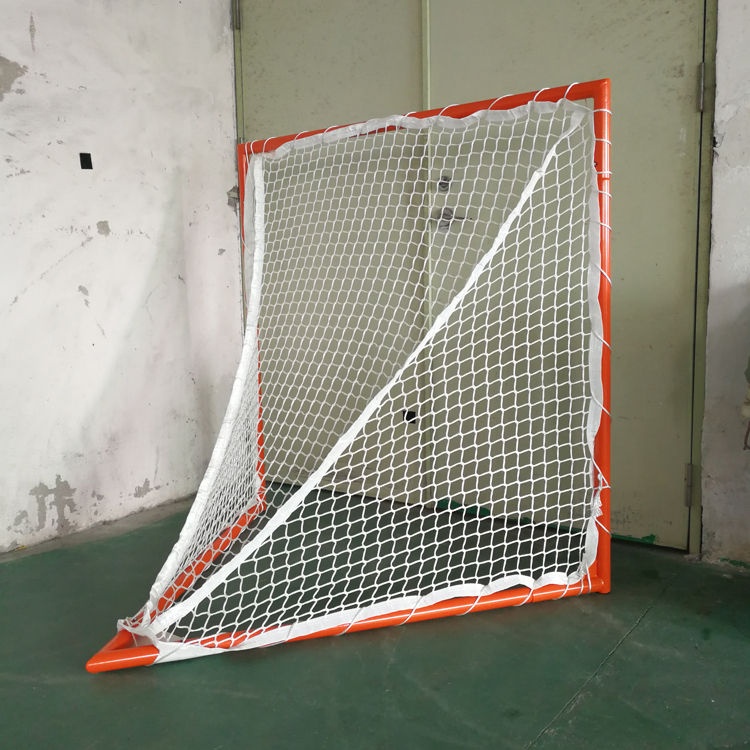
Lacrosse-Tore: harte Schüsse und abrasiver Gebrauch
Lacrosse ist brutal für die Netze. Es gibt harte Schüsse, häufige Rückschläge und viel Abrieb.
B2B-Checkliste für B2B-Netze für Großhändler und OEM/ODM-Einkäufer
Wenn Sie ein Vertriebshändler, ein professioneller Einzelhändler oder ein OEM-Käufer sind, kaufen Sie nicht einfach nur “Netzmaterial”. Sie kaufen eine Spezifikation, die dem realen Einsatz standhalten muss.
Hier ist die Checkliste, die Kopfschmerzen verhindert:
Zwirndurchmesser / Garnstärke: Das sorgt für Gefühl, Steifigkeit und Haltbarkeit.
Maschenweite: Wählen Sie ihn nach der Ballgröße, dem Rückprallverhalten und der Sicherheit aus.
UV-Zusatzstoff-Paket: Erkundigen Sie sich nach dem Stabilisierungsgrad und der beabsichtigten Exposition im Freien.
Art des Knotens und VerarbeitungKnoten vs. knotenlos, Randseil, Säumen und Verstärkung.
Konsistenz der Partien: Bei Großaufträgen benötigen Sie wiederholbare Spezifikationen und Rückverfolgbarkeit.
Hier passt ein herstellerorientierter Lieferant wie FSPORTS ganz natürlich. Ihre Einkäufer wollen weniger Überraschungen bei den einzelnen Chargen und die Möglichkeit, die Sondergrößen, Großhandel und OEM/ODM Programme, ohne jeden Auftrag in ein wissenschaftliches Projekt zu verwandeln.
Tabelle der Ansprüche und Quellen
Sie haben nach “Argumentationsquellen” gefragt, um die Glaubwürdigkeit zu erhöhen, ohne auf externe Seiten zu verlinken. Hier ist eine saubere Art, sie in Ihrem Blog zu präsentieren:
Titel der Forderung / des Arguments
Was das in einfachen Worten bedeutet
Quelle: Typ
HDPE gewinnt für langfristige Netze im Freien
Bessere Stabilität für ganzjährige Installationen
Gemeinsame Spezifikationen für die Polymertechnik und die Verwendung in der Praxis des Lieferanten
UV-Beständigkeit und Witterungsbeständigkeit für Netze
UV-Strahlung verursacht mit der Zeit Verblassen und Versprödung
Grundlagen der Polymerbewitterung in Netzspezifikationen
Feuchtigkeitsaufnahme und Leistung des Nylon-Netzes
Feuchtigkeit kann die Spannung und das Gefühl des Nylons verändern
Datenblätter für Nylonmaterialien + Rückmeldungen zur Installation vor Ort
Polyethylen-Netze für temporäre Netze
PE passt oft in kurzfristige Pläne
Positionierung der Lieferanten + Kaufverhalten im Produktlebenszyklus
Auswahl der Anwendungsfälle im Sport
Sport + Einbau Stil treibt das richtige Material
Vertriebstechnische Praxis beim Bau von Sportanlagen
Wenn Sie möchten, fügen Sie Ihre Ziel-Keyword-Liste ein (oder die Seiten, die Sie ranken möchten), und ich werde die H2/H3-Keywords so abstimmen, dass sie Ihrem SEO-Plan entsprechen, während die Struktur natürlich und lesbar bleibt.