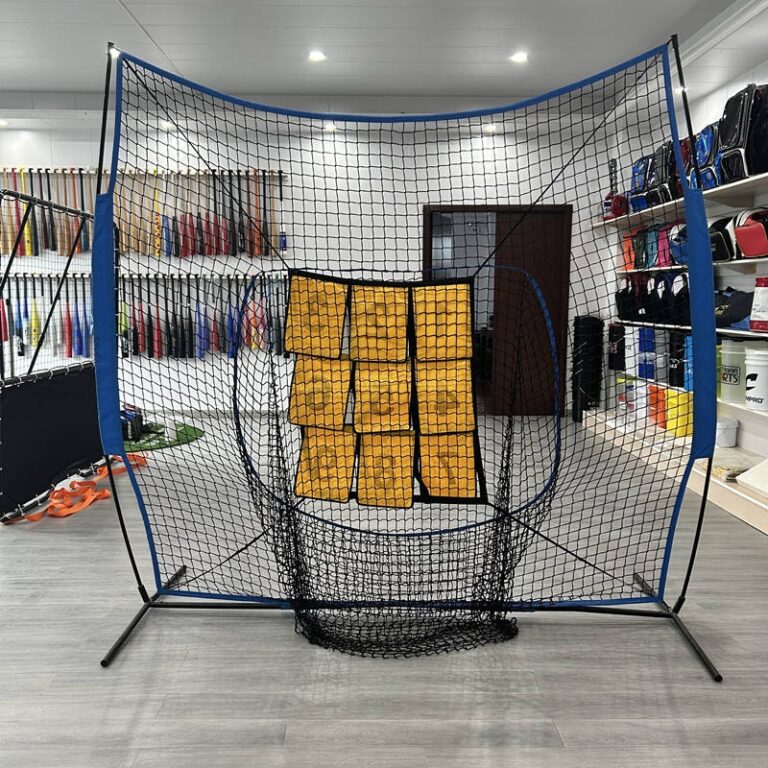
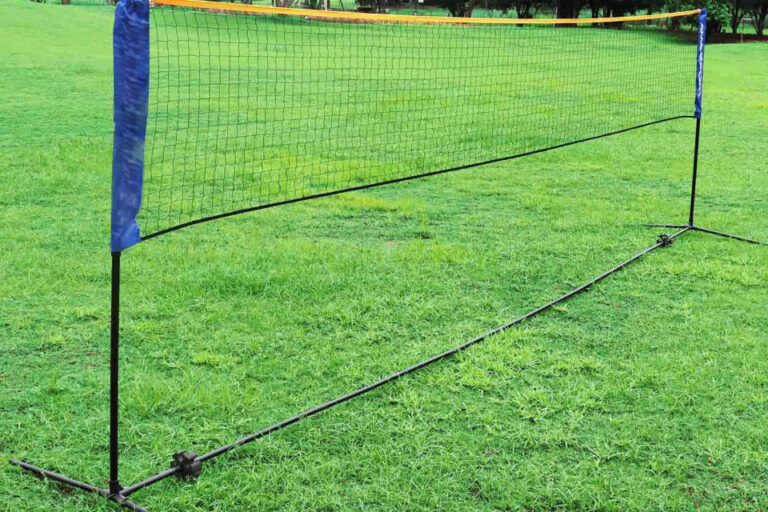
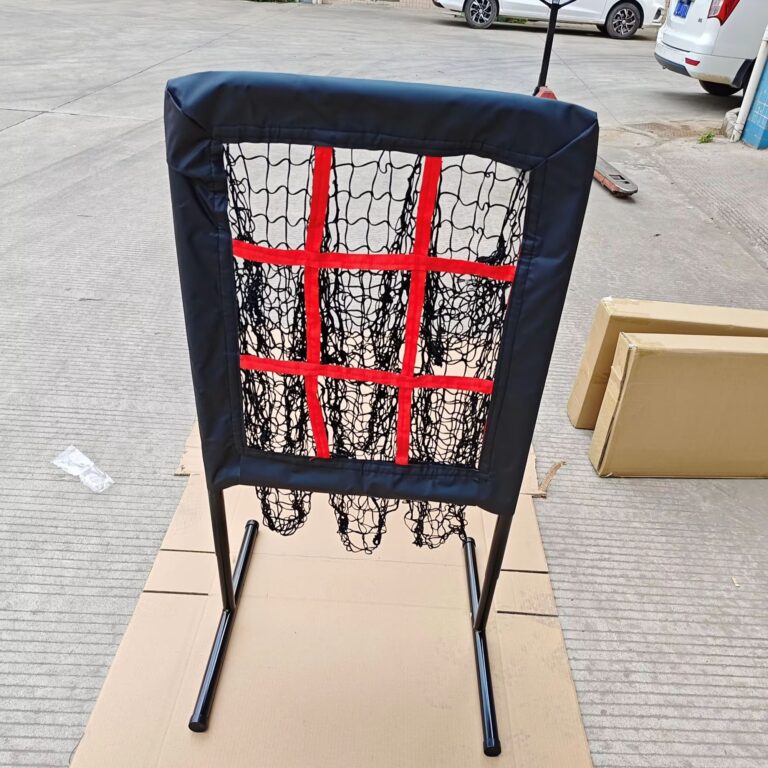
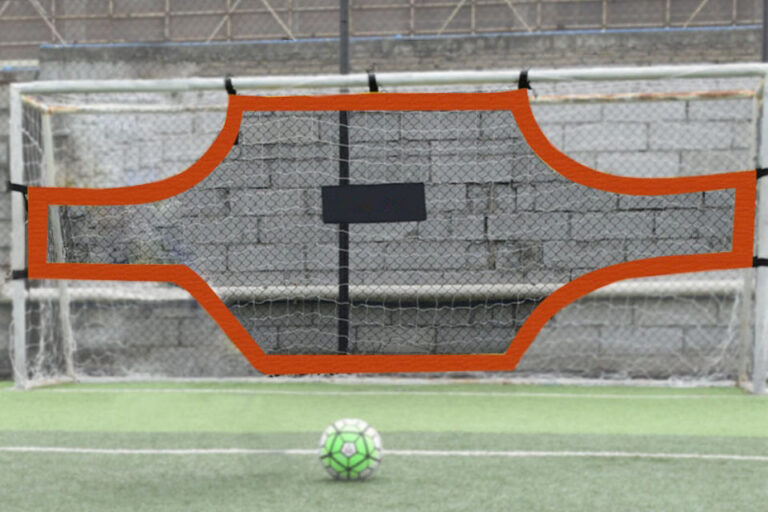
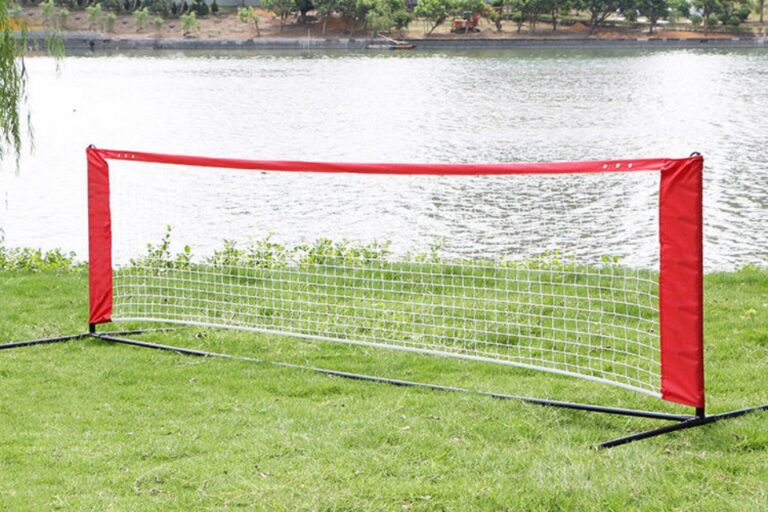
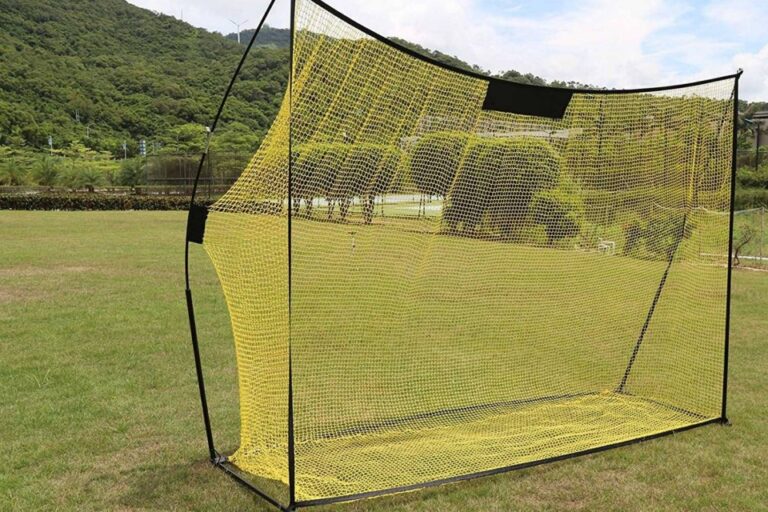
Pon en marcha tu proyecto de redes deportivas OEM/ODM
Cuéntanos qué quieres desarrollar. FSPORTS ofrece servicios de OEM/ODM, marcas blancas y proyectos personalizados de redes deportivas basados en tu producto actual, plano, muestra, fotografía o requisitos de aplicación.
Indícanos el tipo de producto, las dimensiones, la cantidad prevista, el destino y cualquier requisito conocido relativo a la malla, el material, el armazón, los herrajes, el logotipo o el embalaje. Si aún no tienes todas las especificaciones, envíanos lo que tengas y revisaremos los detalles restantes antes de elaborarte el presupuesto.
Nuestro proceso de control de calidad actualizado: Cambios y ventajas para el comprador
Si compra redes deportivas al por mayor, no perderá el sueño por una sola red. Le quitan el sueño deriva de lotes. Un cartón va apretado. El siguiente va suelto. La malla se ve “cerca”, pero las instalaciones no se alinean. Entonces empiezan a apilarse los RMA.
Por eso hemos actualizado nuestro flujo de control de calidad en FSPORTS-a fabricante premium de redes deportivas en China centrado en Redes resistentes a los rayos UV y a los impactos fuertes. en tamaños estándar y a medida. Fabricamos para mayoristas, distribuidores, minoristas profesionales, vendedores de comercio electrónico y marcas OEM/ODM que necesitan calidad repetible, no sorpresas.
Nota rápida: si desea conocer toda la gama de productos, empiece por la sección Página principal de FSPORTS y consulte nuestra productos alineación.
Control de calidad de las redes deportivas: ¿Qué ha cambiado?
Dejamos de tratar el control de calidad como un único momento de “comprobación final”. Ahora es un Cadena de control de calidad que sigue cómo fallan las redes en la vida real:
Desviación de la materia prima (problemas de lotes de cuerda/hilo).
deriva de la dimensión de malla (deslizamiento de tolerancia)
reventones de las costuras (puntos de tensión)
falta de coincidencia de accesorios (ganchos/bungees/marcos)
errores de embalaje (etiquetas erróneas, piezas que faltan)
Esto es importante tanto si envía una red de jaula de golf a una tienda de simulación de interiores como si traslada cargas de contenedores al almacén de un distribuidor.
Cambiar el control de calidad del control final a la inspección durante el proceso (IPQC)
Inspección durante el proceso (IPQC): qué ha cambiado
Añadimos puntos de control en línea durante la producción. Eso significa que verificamos la red mientras se fabrica, no cuando ya está empaquetada.
Lo que vemos:
alineación de la malla y calidad de las puntadas durante la construcción
medidas del panel antes de coser y ribetear
colocación de refuerzos en zonas de tensión
Inspección en proceso (IPQC): ventajas para el comprador
Menos quejas del tipo “un lote bueno, un lote malo”.
Menos problemas de recepción para su equipo de almacén
Conversaciones sobre NCA más limpias porque los defectos se detectan antes
Hemos reforzado los controles de malla con herramientas de medición estándar y puntos de inspección coherentes. El desvío de la malla se produce lentamente y luego se produce de golpe cuando los clientes empiezan a comparar unidades.
Consistencia del tamaño de malla: ventajas para el comprador
Instalaciones más sencillas (menos “¿por qué no se alinea esto?”)
Menos discordancia de fotos de productos en los listados de comercio electrónico
Mejor repetición de pedidos porque las especificaciones son predecibles
Hemos añadido un mayor control sobre la estabilidad dimensional de las redes que cuelgan bajo tensión o se asientan sobre bastidores. Los problemas de encogimiento y estiramiento no aparecen en la mesa. Aparecen después del montaje.
Control de preencogimiento: ventajas para el comprador
Menos multas por “es más pequeño de lo anunciado
Menos trabajo de instalación para el personal de su cliente
Mejor ajuste en las tiradas repetidas de las referencias de marca propia
Materiales resistentes a los rayos UV para redes deportivas de exterior
Resistencia a los rayos UV: qué ha cambiado
En el caso de las mallas para exteriores, adaptamos los materiales y las opciones de construcción al trabajo. El sol, el calor, la lluvia y la arena son el pan de cada día. Si especifica la malla exterior como si fuera una unidad interior, envejecerá rápidamente y su marca se resentirá.
Resistencia a los rayos UV: ventajas para el comprador
Mayor vida útil en exteriores
Menos fracasos al principio de la vida que desencadenen devoluciones
Mejor boca a boca para las instalaciones B2B (escuelas, parques, instalaciones de entrenamiento)
Métricas de control de calidad medibles: Prueba de resistencia a la tracción y comprobación de costuras
Prueba de resistencia a la tracción: qué ha cambiado
Confiamos más en controles medibles de apto/no apto en lugar de “parece estar bien”. Esto incluye la comprobación de la resistencia de los cables de la red y las zonas de mayor tensión.
Comprobación de las costuras: qué ha cambiado
Las costuras y los bordes es donde suelen empezar los fallos. Aumentamos la atención en:
encuadernación de borde
refuerzo de esquina
densidad de puntos en zonas de carga
Prueba de resistencia a la tracción y comprobación de costuras: ventajas para el comprador
Menos roturas de costuras por impacto
Rendimiento más estable en todos los lotes
Menos molestias posventa para su equipo (menos vídeos de “se rompió el segundo día”)
Tabla de procesos de control de calidad: Qué ha cambiado y ventajas para el comprador
Palabra clave QC
Qué ha cambiado en nuestro proceso
Ventajas para el comprador (en el mundo real)
Pruebas del lado del comprador que puede solicitar
Inspección durante el proceso (IPQC)
Añadidos puntos de control en línea durante la compilación
Menos cambios de lote, menos devoluciones
Lista de control IPQC, registros en línea
Consistencia del tamaño de malla
Puntos de control de medición de malla más ajustados
Instalaciones más sencillas, menos reclamaciones
Hoja de control de mallas
Control de precontracción
Mayor control de la estabilidad dimensional
Mejor ajuste tras la instalación
Registro de inspección dimensional
Resistencia UV
Material y construcción adaptados al uso en exteriores
Mayor vida útil en exteriores
Notas sobre las especificaciones del material
Ensayo de tracción
Controles de apto/no apto más mensurables
Menos fallos de “red débil
Informe de muestreo
Control de costuras
Centrarse en los bordes/esquinas/zonas de carga
Menos reventones de costuras
Lista de control de calidad de la costura
Control de calidad entrante (IQC)
Materias primas bloqueadas antes de la producción
Mayor coherencia en los pedidos
Informe IQC, notas de seguimiento del lote
Control de calidad final (CCF)
Estrecha inspección final + verificación del embalaje
Menos piezas que faltan
FQC + lista de comprobación del embalaje
Modos habituales de fallo y la puerta de control de calidad que los detiene
Lo que falla sobre el terreno
Lo que suelen ver los compradores
Puerta de control de calidad que lo impide
Deriva de malla
“Red torcida” / “no coincide con las fotos”
Coherencia del tamaño de malla + IPQC
Fallo en la costura del borde
“Rasgado en la frontera”
Comprobación de costuras + ensayo de resistencia a la tracción
Desajuste dimensional
“Demasiado corto” / “no se ajusta al marco”
Control de precontracción + FQC
Accesorios que faltan
“Kit incompleto”
Verificación del embalaje
Incoherencia del lote
“Mi pedido es diferente”
IQC + IPQC + disciplina de seguimiento de lotes
OEM/ODM y venta al por mayor: Por qué esta mejora del control de calidad le ayuda a escalar
Si se dedica a OEM/ODM, su verdadero KPI no es “buena calidad”. Es la calidad repetible en todas las tiradas. Eso es lo que protege la salud de su lista, las relaciones con sus distribuidores y la reputación de su marca.
FSPORTS apoya:
construcciones a medida y adaptación de especificaciones
suministro al por mayor para minoristas y distribuidores
Programas OEM/ODM en los que el embalaje y la coherencia son tan importantes como la propia red
Cuando la cadena de control de calidad está bien ajustada, se dedica menos tiempo a la extinción de incendios y más a la ampliación.
Qué pedir cuando cotiza
Si quiere validar el control de calidad rápidamente, pídalo:
Resumen del control de calidad entrante (IQC) de las materias primas
Lista de puntos de control de la inspección durante el proceso (IPQC)
Lista de control de calidad final (FQC) + verificación del embalaje
Notas de seguimiento de lotes para pedidos repetidos
Es la forma limpia de separar “hacemos control de calidad” de “gestionamos el control de calidad como una fábrica que envía contenedores cada semana”.”