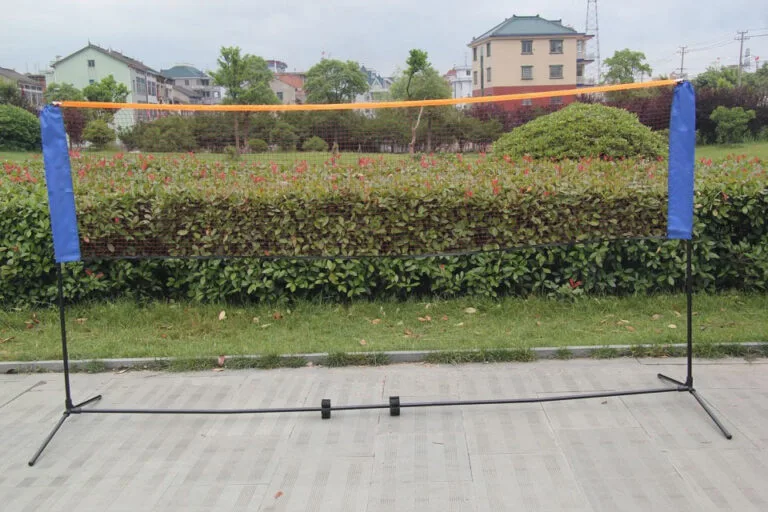
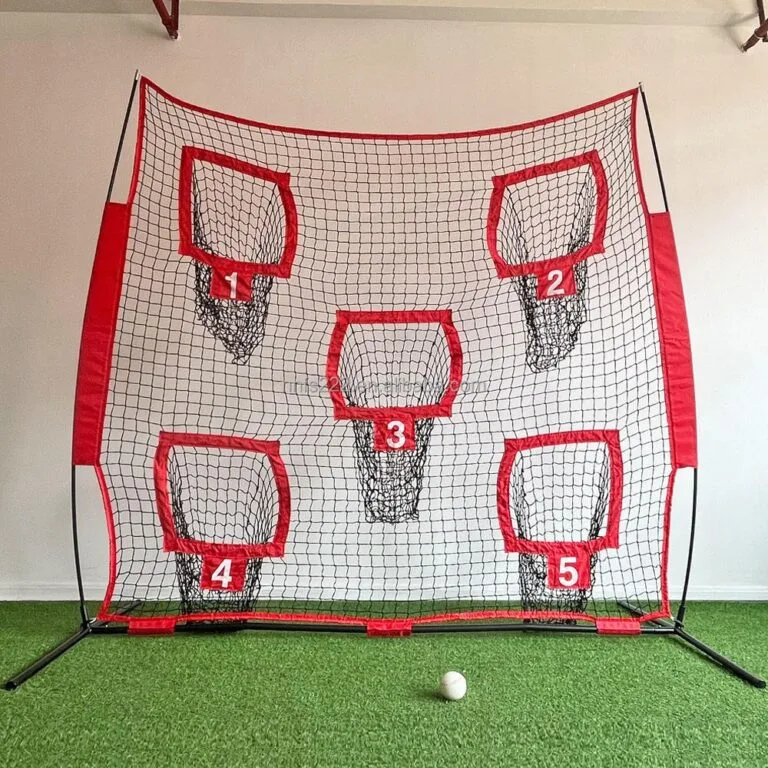
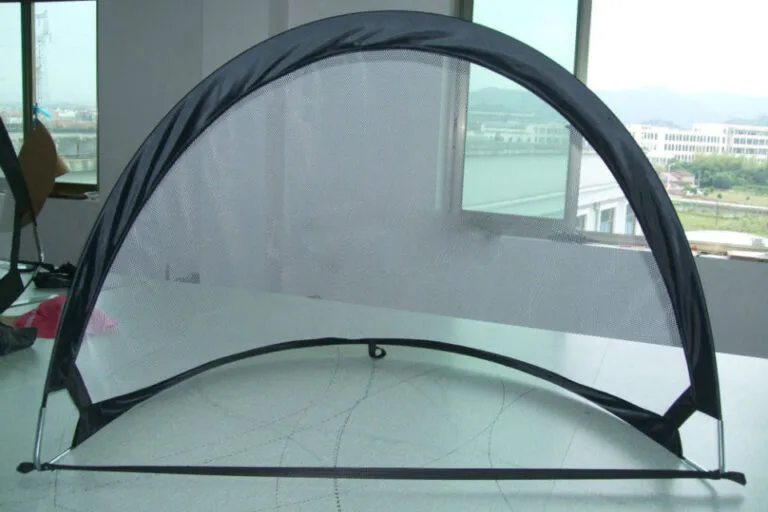
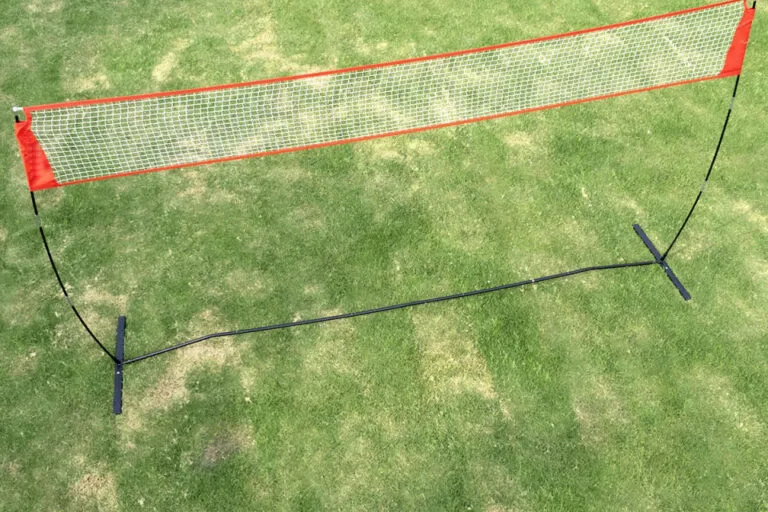
Dites-nous ce que vous souhaitez développer. FSPORTS prend en charge les projets OEM/ODM, les marques de distributeur et les projets de filets de sport sur mesure, à partir de votre produit existant, d'un plan, d'un échantillon, d'une photo ou de vos exigences d'application.
Veuillez nous communiquer le type de produit, ses dimensions, la quantité souhaitée, la destination, ainsi que toutes les exigences connues concernant la maille, le matériau, l'armature, la quincaillerie, le logo ou l'emballage. Si votre cahier des charges n'est pas encore complet, envoyez-nous les informations dont vous disposez ; nous pourrons examiner les détails restants avant de vous établir un devis.
Avantages et inconvénients des filets de sport sans nœuds par rapport à ceux avec nœuds
Why Most Buyers Get This Wrong
I’ve sat through too many sales calls where somebody says “knotless is premium” with a straight face, as if that one word settles anything, when the real answer usually hides in the boring stuff buyers skip—twine denier, UV package, border rope finishing, install tension, mesh opening, frame geometry, and whether the net will spend half its life getting yanked around by teenagers in cleats after practice.
That’s the truth.
And honestly? I don’t trust neat little buyer guides on this subject. Too clean. Too symmetrical. Real-world sports netting decisions are usually made in messy environments: a school AD trying to stretch a budget, a contractor who wants fewer callbacks, a facility manager who’s sick of replacing tired gear, or a coach who just wants the thing to stop sagging by midseason.
What Knotless And Knotted Netting Actually Mean
So let’s say it plainly. Knotless sports netting and knotted sports netting are built differently, behave differently, and age differently. But the weird part is this: buyers often obsess over the knot and ignore the spec sheet that actually decides performance.
Bad move.
The construction difference does matter, though. NOAA’s netting guide says knotless webbing has lower weight and less bulk, and it also points out that knots are weak areas. Texas A&M—coming from a totally different field application, which I actually like because it strips away marketing nonsense—also notes the value of knotless weave where reducing contact injury matters. Read NOAA’s netting guide et Texas A&M’s guidance on knotless seine nets. Same basic signal. Less bulk. Smoother hand. Fewer hard interruption points.
That translates.
Why Knotless Keeps Winning On Visibility
Especially in baseball, golf, and any install where eyeballs matter as much as impact control, because the first complaint you’ll hear from owners isn’t always about durability, it’s about visibility—“Why does this thing look so thick?” or “Why does the cage feel closed in?” or “Why are premium seats looking through a rope ladder?”
I frankly believe that’s why knotless keeps winning at the higher end. Not because it sounds sophisticated. Because it photographs better, watches better, and feels less intrusive. Miami’s loanDepot park basically said the quiet part out loud by describing its protective setup as a “state-of-the-art knotless fiber” that’s 30% thinner than traditional netting. There it is. Operators will pay for better sightlines. loanDepot park’s policy guide doesn’t dance around it.
Why Knotted Netting Still Has A Place
But—and this is where a lot of internet content falls apart—knotted netting isn’t some obsolete dinosaur hanging around on nostalgia fumes. I’ve seen plenty of rough-use environments where knotted makes total sense: public fields, municipal installs, older batting cages, school setups that get beat up, re-tied, patched, dragged, folded wrong, stored wet, and then blamed for “failing early.”
That happens.
In those settings, the familiar structure of knotted netting can actually be an advantage. Maintenance crews know it. Installers know how it behaves under load. Repairs feel more intuitive. And in this business, “easy to patch and live with” sometimes beats “looks nicer on day one.” Buyers don’t always want the prettiest mesh. They want fewer headaches in August.
The Safety Problem Buyers Oversimplify
Here’s the ugly truth: a lot of safety talk around knotless vs knotted is half-baked. People ask whether one is “safer” as if the net exists in a vacuum, floating there without posts, hardware, edge finishing, anchors, sleeves, tension cables, welds, or exposed metal. That’s not how real systems fail. The U.S. Consumer Product Safety Commission’s December 19, 2024 warning about a Sport Nets 4×8 portable soccer goal—sold in a $43 to $150 range—had nothing to do with some abstract internet debate over weave style. It was about an exposed metal tip, and the agency referenced a fatal April 2023 Washington State incident.
That should sober people up.
Because sometimes the mesh isn’t the main problem at all. Sometimes the danger lives in the frame, the anchoring, the finishing hardware, or the cheap shortcuts that never make it into the product title.
What Big Venues Already Understand
And big venues already know this. When MLB converted London Stadium for the Cubs-Cardinals series in June 2023, the buildout included more than 46,000 square feet of netting. I keep coming back to that number because it tells you how serious operators think: not “Which style sounds better in copy?” but “What covers the exposure, preserves view corridors, installs on schedule, and doesn’t become a maintenance circus?” MLB’s London Stadium note reads like an event story on the surface. To me, it reads like a case study in specification logic.
And then there’s liability. Nobody likes talking about that part until lawyers show up. A 2024 article in the Stetson Law Review digs into how baseball-rule statutes in several states interact with operator duties around screened seating and protective netting. That matters. A lot. Because once you’re in baseball or hockey environments with spectator exposure, this stops being a simple purchasing question and starts becoming a defensibility question too. The Stetson Law Review piece is worth reading if you want the legal angle without the usual fluff.
How The Decision Changes By Sport
Baseball
Now, baseball. This is where buyers get exposed fast. A Cambridge study found that roughly every two or three MLB games produces a foul-ball injury serious enough that a fan seeks medical attention. Read that again. Not “maybe someday.” Not “rare freak event.” Regular enough to matter. That’s why I’d start any baseball project by looking at actual options de filet de baseball and asking harder questions about sightlines, impact zones, hanging method, edge rope build, and replacement timing before I get hypnotized by the phrase “premium net.”
Baseball is unforgiving.
Golf
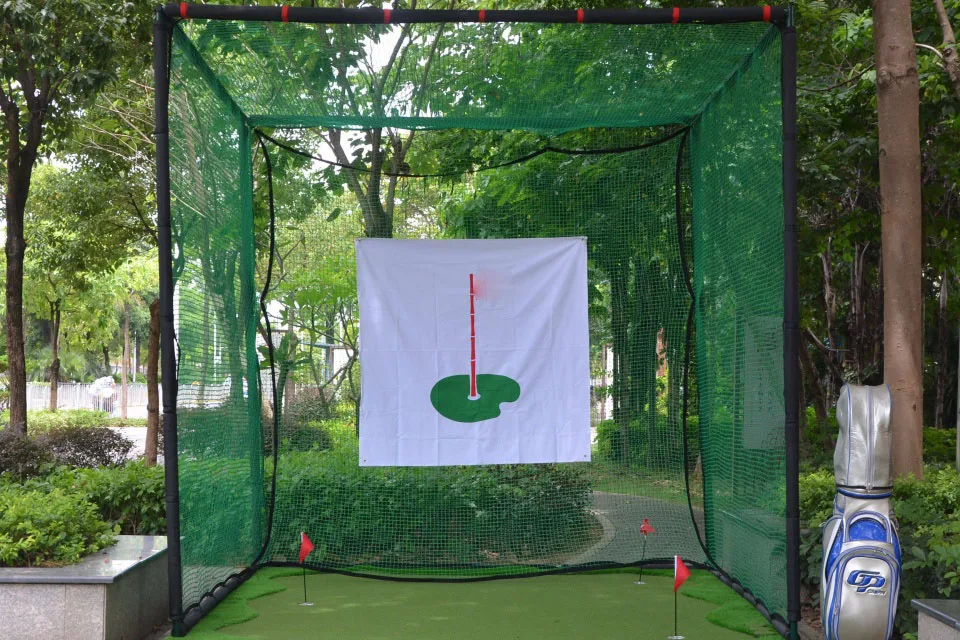
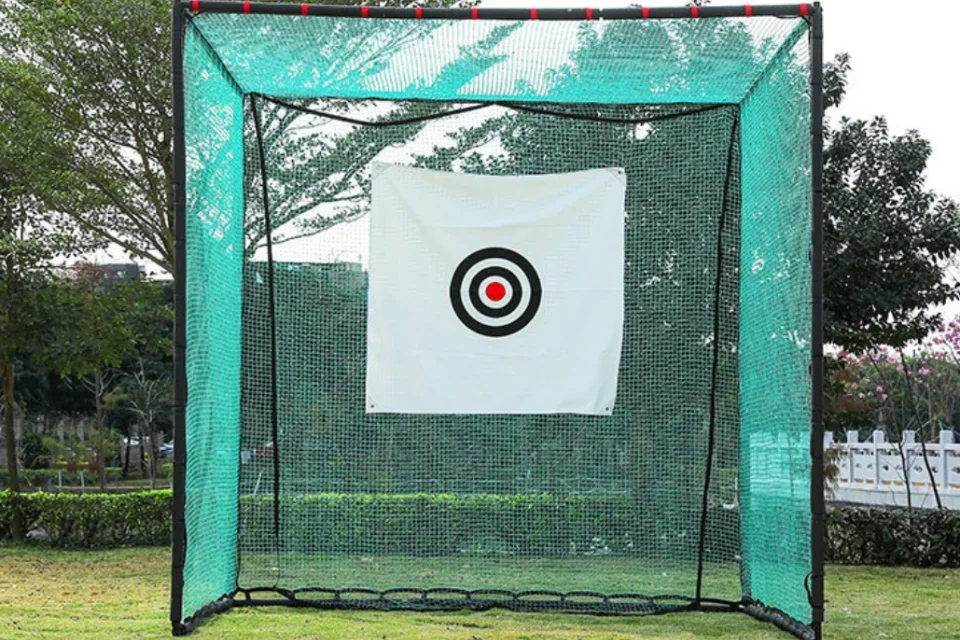
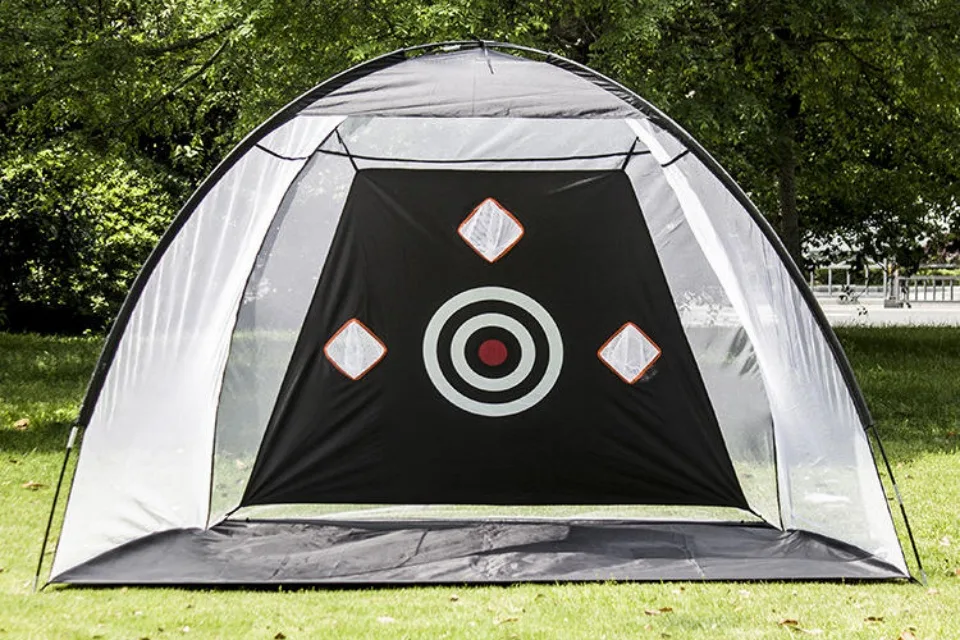
Golf’s a little different, but not by much. With golf bays and cage systems, visibility still matters, sure, yet impact concentration matters even more because repeated strike zones can chew up a weak panel faster than buyers expect. So if I’m reviewing systèmes de filets de golf, I’m looking hard at impact area reinforcement, seam integrity, and whether the install will take full-speed driver abuse or just weekend hobby traffic. Two very different realities. Same category page. Not the same net.
Multi-Sport And Soccer Installations
And for clubs, schools, or training centers trying to cover multiple sports without buying a Frankenstein pile of single-use equipment nobody wants to maintain, multi-sports netting setups often make more financial sense than people admit. One adaptable system—if it’s built right—can beat a warehouse full of mediocre sport-specific units that constantly need fiddling.
That’s not sexy. It is practical.
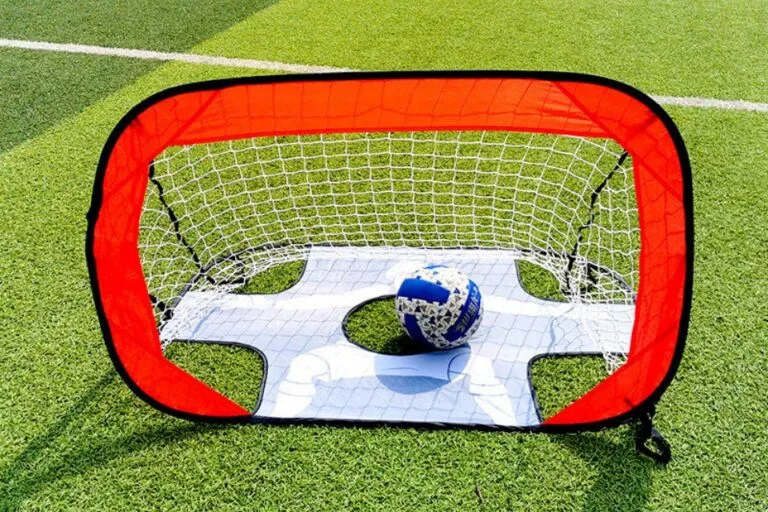
Outdoor team sport brings its own headaches. Portable systems, especially. So when I look at systèmes de buts de football, I don’t isolate the net and pretend the rest is secondary. I want to know how the posts are finished, whether edges are capped, how the anchors behave on different surfaces, whether the hardware creates snag points, and what happens when kids misuse it (because they will). The CPSC warning makes one thing painfully clear: “netting safety” isn’t just about the mesh. It’s about the whole rig.
Knotless Vs Knotted Sports Netting: Side-By-Side Comparison
Here’s the comparison I’d actually hand to a buyer instead of the usual brochure mush:
Facteur
Knotless sports netting
Knotted sports netting
Mon avis sans détour
Visibility
Cleaner sightlines, lower bulk
More visual interruption at each knot
Knotless usually wins where spectators or cameras are involved
Surface feel
Smoother contact
More textured feel
Knotless is better around hands, skin, and frequent player contact
Strength logic
Fewer weak points from knots; strong per twine area
Traditional construction, familiar behavior
Do not assume “looks heavier” means “performs better”
Wear pattern
Fewer raised junctions
Knots can become wear points
Abuse level and material still decide service life
Repair culture
Fine, but some crews find it less intuitive in the field
Familiar to many maintenance teams
Knotted often wins when patching habits matter
Meilleure adéquation
Baseball backstops, golf bays, premium viewing areas
Parks, schools, rugged public-use installs
Use case beats ideology every time
The Buying Rule I Actually Trust
One more thing. Buyers love shortcuts. I get it. But “knotless lasts longer” isn’t automatically true, and “knotted is tougher” isn’t automatically true either. University of Maine summaries and NOAA-style netting logic both point toward the same mechanical reality: knots create high points, bulk, and potential abrasion zones. Fine. That’s useful. But material chemistry, UV stabilization, denier, hanging tension, border construction, and exposure cycle still decide whether a net dies early or survives years of abuse. A cheap knotless net can wash out fast. A properly built knotted one can hang on stubbornly. Happens all the time. NOAA’s netting guide still matters here because it grounds the construction logic in something more serious than sales copy.
From my experience, the smartest buying rule is boring—and therefore right. Buy knotless when presentation, visibility, player contact feel, and premium optics matter. Buy knotted when the environment is rough, maintenance is basic, repairs are inevitable, and you need a structure crews already understand. Then do the thing too many buyers skip: inspect the maker. I’d absolutely check the visite d'usine and review the company’s services before placing a serious order, because a lazy seam, weak selvage, bad stitch line, or inconsistent QC can wreck either construction style before the debate even starts.
That’s the part people don’t like hearing. There is no magic weave. There’s only fit-for-use, build quality, and how honest you are about the abuse the system will actually take.
FAQ
Is knotless netting better than knotted netting?
Knotless netting is usually better when you need cleaner sightlines, a smoother surface, and lower bulk per coverage area, while knotted netting is usually better when your site faces rough public use, familiar repair routines, or buyers who prioritize predictability over a more refined finish. I’d say knotless gets the first call for spectator-facing baseball, golf practice cages, and polished installs. Knotted still earns respect in rougher, more forgiving environments where field repairs and hard wear are just part of the deal.
How to choose sports netting?
Choosing sports netting means matching the net to ball speed, user distance, visual expectations, abuse level, repair capacity, and mounting hardware before you compare style labels, because knotless versus knotted is only one variable in a larger system that includes twine material, mesh size, UV treatment, and installation tension. Start with exposure. Then traffic. Then who’s maintaining it. Only after that should you argue about knotless netting benefits or whether a knotted build makes more operational sense.
What is the best sports netting for baseball?
The best sports netting for baseball is usually a high-visibility, properly tensioned system sized for the exact job—backstop, batting cage, divider, or barrier—with material, mesh opening, edge finish, and mounting geometry chosen around foul-ball exposure, spectator sightlines, and replacement cost instead of trendy product language. If you’re protecting spectators or premium sightlines, I’d look hard at knotless. If it’s a hard-use practice environment and the net’s going to take daily punishment, knotted still deserves a serious look.
Does knotless netting last longer?
Knotless netting does not automatically last longer, because service life depends more on polymer type, UV package, twine size, edge construction, exposure, impact frequency, and maintenance discipline than on the mere absence of knots, even though smoother, lower-bulk constructions can reduce some wear points in specific applications. So no—I wouldn’t buy that claim on its own. I’d want the actual spec, the test conditions, and a pretty honest picture of how the net will be used in the field.
Conclusion
If you’re buying sports netting with real budgets, real users, and real liability hanging over the job, don’t let the decision collapse into a buzzword fight. Start with the use case, interrogate the spec, and make the supplier prove the build. That’s how you avoid paying twice.