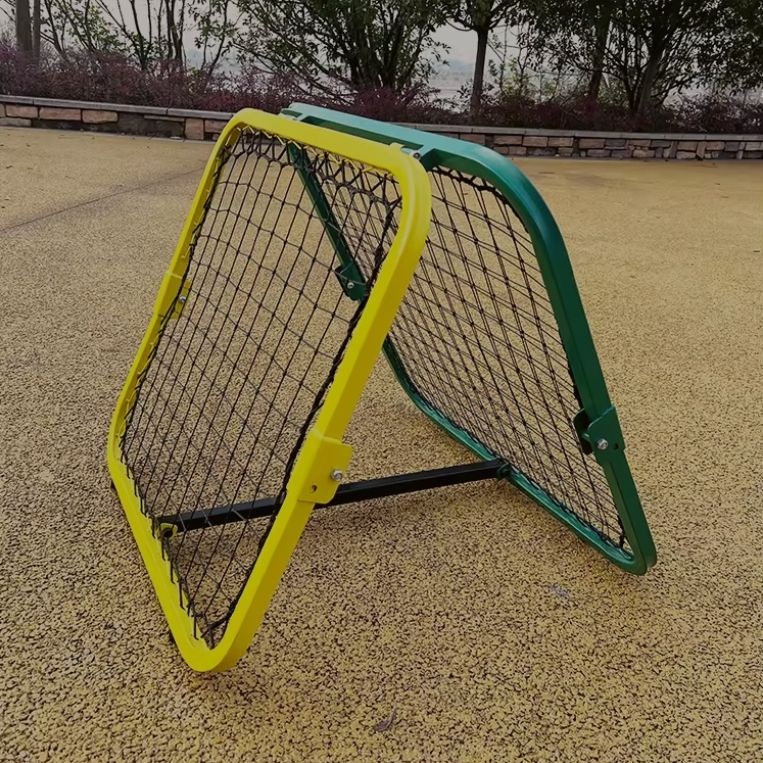
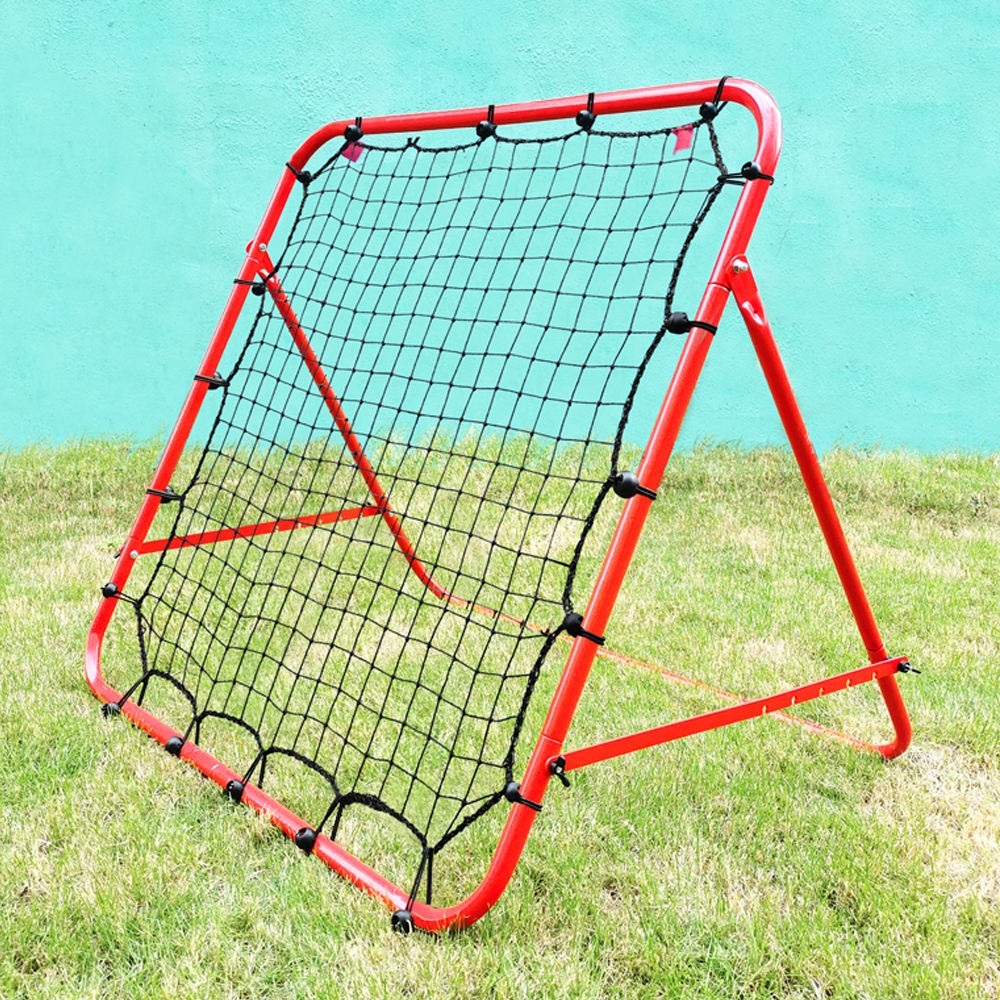
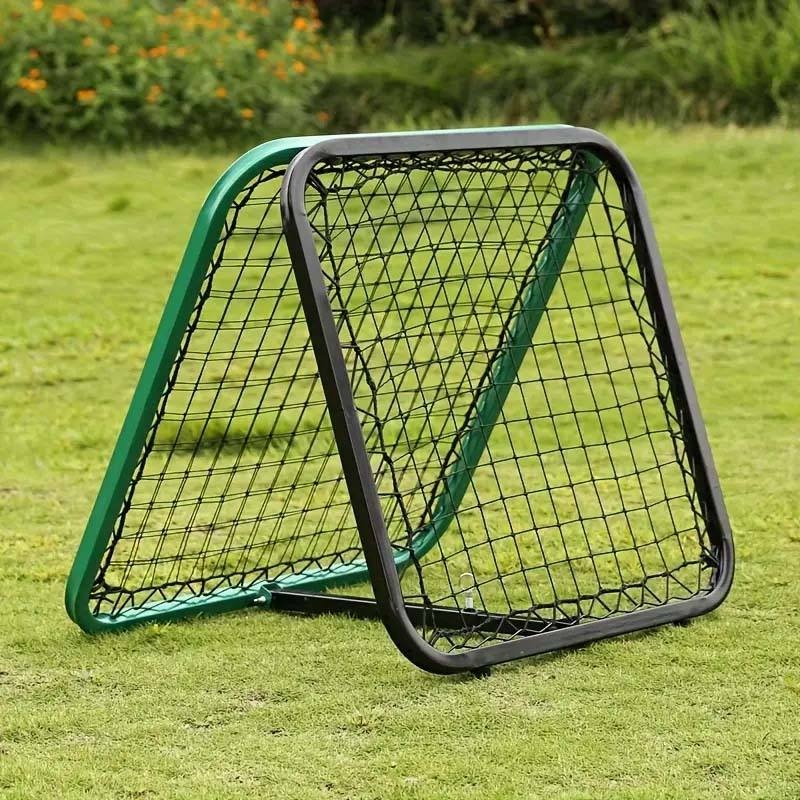
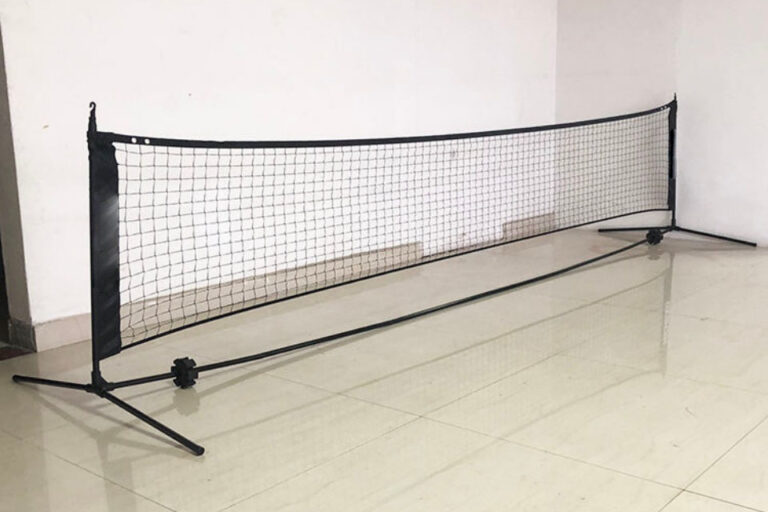
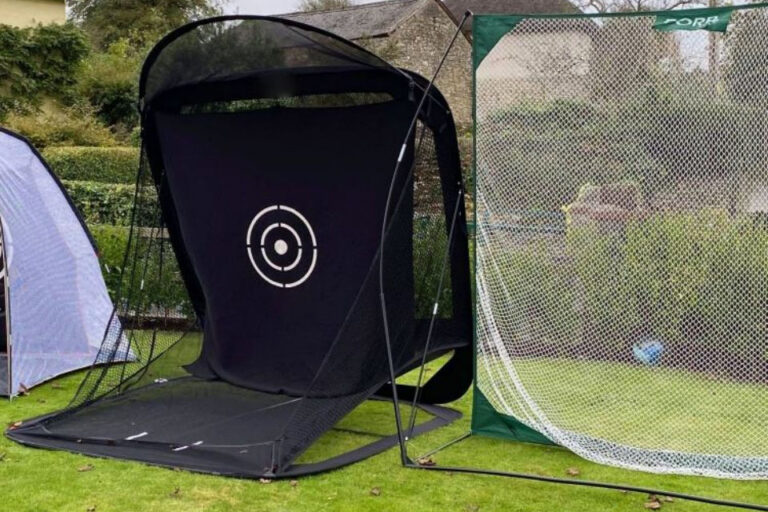
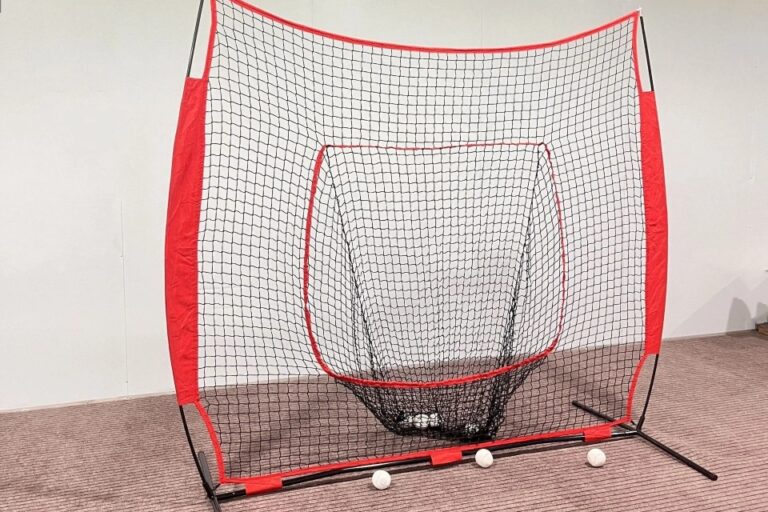
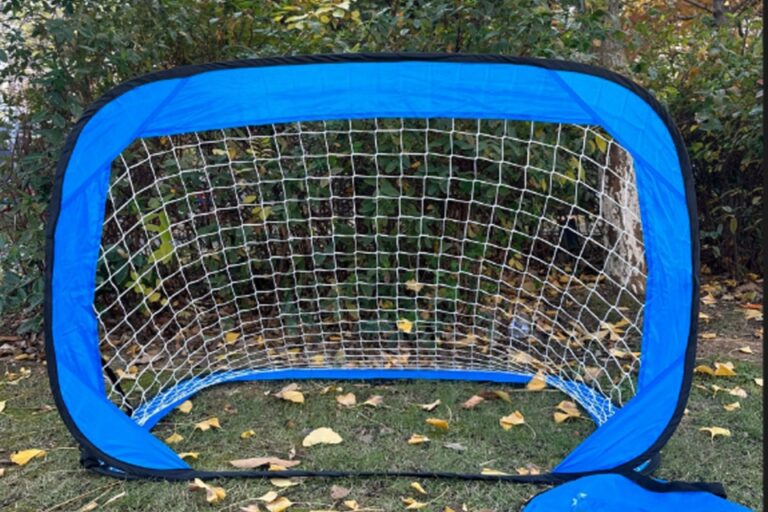
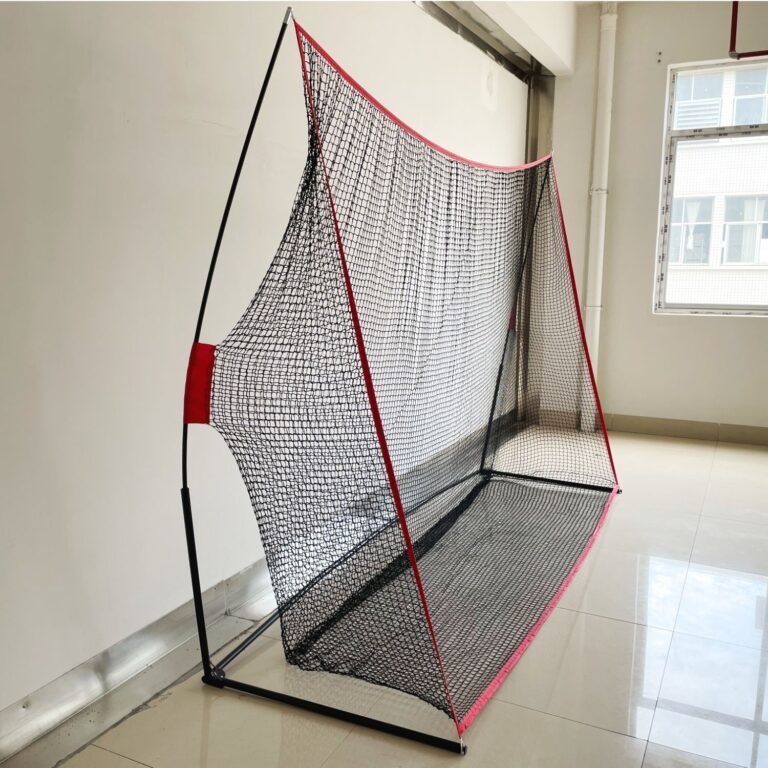
Diteci cosa desiderate realizzare. FSPORTS offre supporto per progetti OEM/ODM, a marchio privato e reti sportive personalizzate, basati su prodotti già esistenti, disegni, campioni, foto o specifiche applicative.
Indicateci il tipo di prodotto, le dimensioni, la quantità richiesta, la destinazione e qualsiasi requisito noto relativo alla rete, al materiale, al telaio, alla ferramenta, al logo o all’imballaggio. Se le vostre specifiche non sono ancora complete, inviateci ciò che avete a disposizione e provvederemo a esaminare i dettagli rimanenti prima di formulare il preventivo.
Responsabilità per i prodotti e garanzie: copertura standard e tutela legale
Most warranties disappoint. I’ve watched buyers skim the glossy promise on a product page, nod at words like “durable” and “professional,” and then get blindsided later when the paperwork quietly narrows everything down to repair, replacement, or a dead-end argument over whether the failure was a true defect, plain old wear, bad setup, storm exposure, or the catch-all excuse manufacturers love most: misuse. That’s the trick. It always has been.
Three words. Read slower.
But let’s not kid ourselves here—most people mash together warranty coverage and product liability as if they’re interchangeable, when they’re actually separate tracks with different rules, different pressure points, and very different consequences once a claim turns ugly, a product fails hard, or somebody gets hurt and lawyers start circling. I frankly believe this confusion is where half the leverage gets lost before the first email is even sent.
A product warranty is a seller’s promise. A product liability claim is a legal problem. Big difference.
And yeah, that sounds obvious. It isn’t. Not in practice.
The “standard coverage” myth
Here’s the ugly truth: there’s no magic federal rule that says every manufacturer owes you a neat little two-year or three-year written warranty just because the product feels expensive or the sales copy sounds confident. The FTC’s business guide to federal warranty law says the Magnuson-Moss Warranty Act does non force a company to offer a written warranty at all; but once one is offered on a consumer product, the seller steps into a more regulated box, where disclosures matter, “full” versus “limited” labeling matters, and implied warranties don’t just vanish because the legal team wanted extra armor in the fine print.
That matters. More than brands like to admit.
And the FTC makes another point that manufacturers would probably prefer buyers overlook: even an “as is” sale doesn’t wipe out liability for personal injury caused by a defective product. That little phrase isn’t a force field. It’s a contract position—nothing more. So when companies act like a limited warranty is the entire universe of buyer protection, I get suspicious fast.
Where warranty coverage usually runs out of road
From my experience, “standard warranty period” is mostly a market convention dressed up as something more official. Buyers hear “heavy-duty,” “weatherproof,” “competition-grade,” or “commercial quality,” and they mentally translate that into broad legal protection. Bad move. Warranty language usually covers defects in materials or workmanship for a stated term, and then starts slicing away everything else—UV fatigue, overload, bad anchoring, sloppy assembly, third-party mods, storage damage, impact beyond spec, and the classic fallback bucket: normal wear and tear.
That gets real, fast. Especially with equipment categories like sistemi di reti da golf o sistemi di reti per pickleball, where failure can come from frame stress, repeated impact, outdoor exposure, or installation shortcuts that nobody wants to admit after the fact. If a weld pops under ordinary use, you’re probably looking at a clean warranty coverage issue. If the frame racks because the unit was left unsecured in a wind event—or somebody “improved” it in the garage with aftermarket hardware—the claim shifts immediately. Different file. Different fight.
And that’s the part novices miss.
The right-to-repair fight changed the mood
However, warranty language isn’t as untouchable as some manufacturers still pretend. In 2024, the FTC sent warning letters to eight companies over warranty practices that may have undermined consumers’ right to repair, and the agency was pretty blunt about it: if a warrantor says you have to use particular parts or specific service providers to keep the warranty alive, that can be illegal unless those parts or services are provided for free or the FTC has granted a waiver. Read the FTC’s 2024 announcement. Slowly.
That’s not fringe enforcement. That’s the regulator saying, in plain English, “Cut the nonsense.”
So when I see warranty copy that basically says, “Use our channel or lose coverage,” I don’t read it as strength. I read it as risk.
What real-world cases actually show
Let me put it more bluntly. A warranty dispute is usually about the remedy. A product liability dispute is about the defect, the harm, the warning, the design logic, and whether the company knew more than it wanted to say out loud.
In July 2024, Reuters reported on CarShield’s $10 million FTC settlement over allegedly deceptive advertising for vehicle service contracts, including claims about what consumers were really getting for roughly $80 to $120 per month. Different sector, sure. Same pathology. Oversell the coverage, underspecify the limits, and eventually someone with subpoena power notices.
Messy pattern. Familiar one.
Then look at Tesla. Reuters on the 2023 trial covered a California case where jurors found no manufacturing defect in an Autopilot-related fatal crash. Later, Reuters on the Florida punitive-damages ruling reported that a judge found “reasonable evidence” Tesla and Elon Musk knew about an alleged defect, allowing punitive-damages claims to move forward. Same company. Different courtroom posture. Different evidentiary weather.
That’s why I keep saying these aren’t twins. They only look alike from a distance.
And there’s another case people in manufacturing should pay attention to. In June 2024, the California Supreme Court revived a claim against Somatics in Himes v. Somatics, e Reuters’ summary of the ruling is a pretty sharp warning: a failure-to-warn theory can still matter even when a physician recommended the treatment, if an objectively prudent patient would have declined with a stronger warning. That’s not small stuff. That means warning copy isn’t filler. It’s live ammo.
The recall data is the real tell
Yet the broader signal isn’t hidden in one-off lawsuits. It’s in the numbers.
Il CPSC’s 2024 annual report says staff completed 333 cooperative recalls in FY 2024, with 166 handled through Fast-Track. It also says 98.08% of Fast-Track recalls began within 20 days of a firm’s report, while staff conducted more than 65,000 import examinations in 2024, nearly 14,000 focused on de minimis shipments, and the eSAFE team pushed more than 56,000 takedown requests after screening over three million online listings.
That’s not background noise. That’s the supply chain talking.
If you’re moving physical goods through prodotti in rete per lo sport and related servizi di produzione, you should read those numbers as a warning flare. Because once product pages, import paperwork, batch records, assembly instructions, and complaint handling all become discoverable—or reviewable by a regulator—the old “let’s just deal with claims as they come in” mindset looks amateurish. Honestly, it looks reckless.
Where defect claims are actually won
Not at trial. Usually not.
They’re won—or badly weakened—in the first forty-eight hours, when the buyer either preserves the product and creates a clean evidentiary trail, or doesn’t. That’s where the real action is. Photos. Serial numbers. Load conditions. Weather. Install angle. Assembly sequence. Shipping damage. Revision stickers. Order confirmation. All the grubby details people ignore because they think the obvious truth will somehow carry the claim by itself.
It won’t.
If I were advising a buyer, I’d say: stop using the product, don’t toss packaging, don’t make “temporary fixes,” and document the setup exactly as it was when failure happened. If I were advising the manufacturer—same story, flipped around—I’d want complaint intake logs, batch tracing, weld inspection history, warning revision control, and a clean CAPA trail. No fluff. Just records.
That’s also why something like a public tour della fabbrica matters more than people think. Not because a nice page proves quality by itself—it doesn’t—but because if a manufacturer can pair visible process discipline with real internal records, it gets a lot harder for an opposing expert to paint the operation as a black box with a logo on it.
The map people should use instead of wishful thinking
Problema
Warranty Coverage
Responsabilità per i prodotti
What Usually Decides It
Basic trigger
Product fails within stated terms
Product is allegedly defective and causes harm or safety risk
How the defect is classified
Main remedy
Repair, replacement, refund, or parts service
Litigation exposure, recall pressure, broader damages depending on claim
Severity of failure and proof
Who controls the language
Mostly the warrantor
Courts, statutes, regulators, and evidence
Jurisdiction and facts
Common exclusions
Misuse, wear, alteration, bad installation, weathering
Exclusions are weaker when defect and injury are shown
Warnings, design records, testing
Best buyer evidence
Proof of purchase, serial number, photos, timeline
All of that, plus injury/property documentation and product preservation
What “standard” should mean if anyone is being honest
I don’t think the best warranty is the longest one. I think it’s the one that’s hardest to misunderstand.
That means it says what’s covered, what’s excluded, who pays freight, whether replacement parts are new or refurbished, how fast a remedy should happen, what the claim workflow looks like, and what happens when the exact SKU is no longer available. Real language. Operational language. Not aspirational mush.
Because here’s the ugly truth: a lot of warranty copy is just sales varnish poured over liability anxiety. It looks clean. It sounds comforting. It falls apart under pressure.
And if you build physical training gear—frames, impact nets, rebounders, anchors, backstops, portable systems, all of it—you don’t need softer wording. You need better process. Better QA. Better traceability. Better warnings. The kind of stuff nobody wants to talk about on the homepage because it isn’t sexy, but it is what saves your neck later.
That’s the ballgame.
Domande frequenti
What does a standard product warranty cover?
A standard product warranty is the seller’s written or implied promise that, for a stated period and under stated conditions, the product will perform as represented and that qualifying defects in materials or workmanship will be repaired, replaced, or otherwise remedied, usually subject to exclusions for misuse, wear, alteration, or improper installation.
In plainer terms, it’s a contract remedy—not a blanket safety net. The exact coverage lives in the warranty language itself, plus whatever implied protections still apply under law, which is why the FTC’s business guide to federal warranty law is still the best starting point.
What is product liability, and how is it different from warranty coverage?
Product liability is the body of law that can hold manufacturers, sellers, distributors, or others in the chain responsible when a product is allegedly defective in design, manufacture, warnings, or related safety performance, especially when the defect causes injury, property damage, or broader legal exposure beyond a straightforward repair-or-replace dispute.
Warranty coverage is about the promise. Liability is about the defect and the fallout. One is a customer-service file. The other can become a regulatory issue, a lawsuit, or worse.
How do I file a product defect claim the smart way?
A smart product defect claim is a documented, evidence-first notice that preserves the product, identifies the model or lot, records the failure conditions, ties the defect to normal intended use, and asks for a remedy under the written warranty while keeping open any broader rights if the problem suggests an unsafe defect.
Don’t freestyle it. Preserve the item, gather photos, save receipts, note serials, record the assembly method, and write down exactly what happened before memory starts “helping” you.
When can a manufacturer deny a warranty claim?
A manufacturer can usually deny a warranty claim when the reported failure falls outside the written terms, outside the warranty period, or within an exclusion such as misuse, unauthorized modification, inadequate maintenance, abnormal commercial wear, accidental damage, or improper installation, though it cannot simply invent restrictions that violate governing warranty law.
That’s where people get tripped up. Terms matter—but not all terms hold up. The FTC’s 2024 announcement is a reminder that some repair-related restrictions cross the line.
Does “as is” eliminate legal protection for a defective product?
An “as is” sale is a disclaimer strategy that may limit certain warranty obligations, but it does not automatically erase liability when a product is defective and causes personal injury, because defect-based legal exposure can remain alive even when a seller narrows contractual warranty rights through disclaimer language.
That’s the part many buyers misunderstand. “As is” can shrink the warranty angle, sure—but it doesn’t magically vaporize every other legal theory if the product itself is defective.
If you’re sourcing equipment and want cleaner warranty language, a tighter defect-claim process, or a more serious manufacturing paper trail before the first dispute lands, start with the company’s servizi and then contatta il team. I’d do it before the next PO—not after somebody is already arguing over who owns the failure.