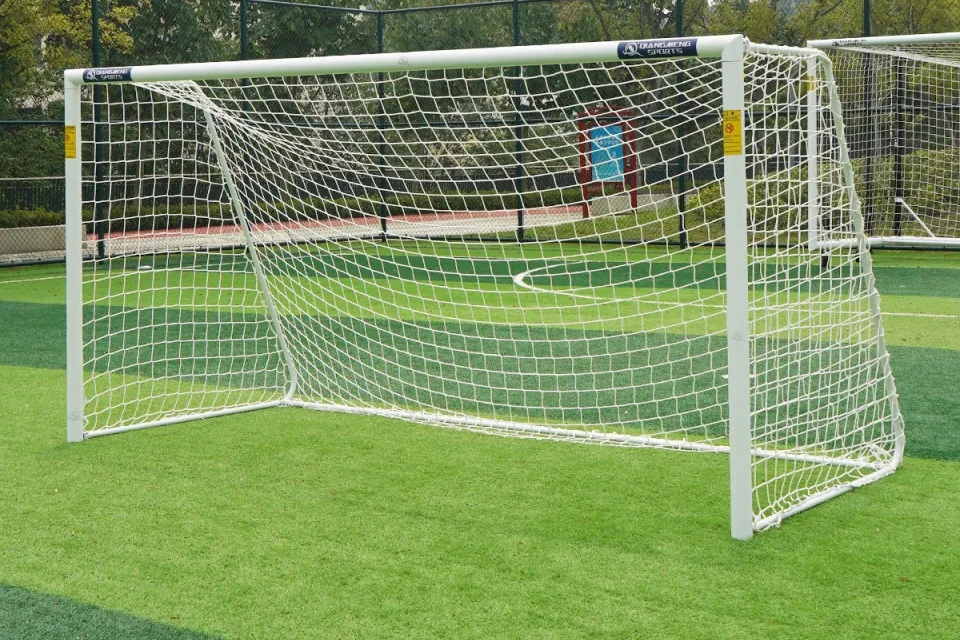
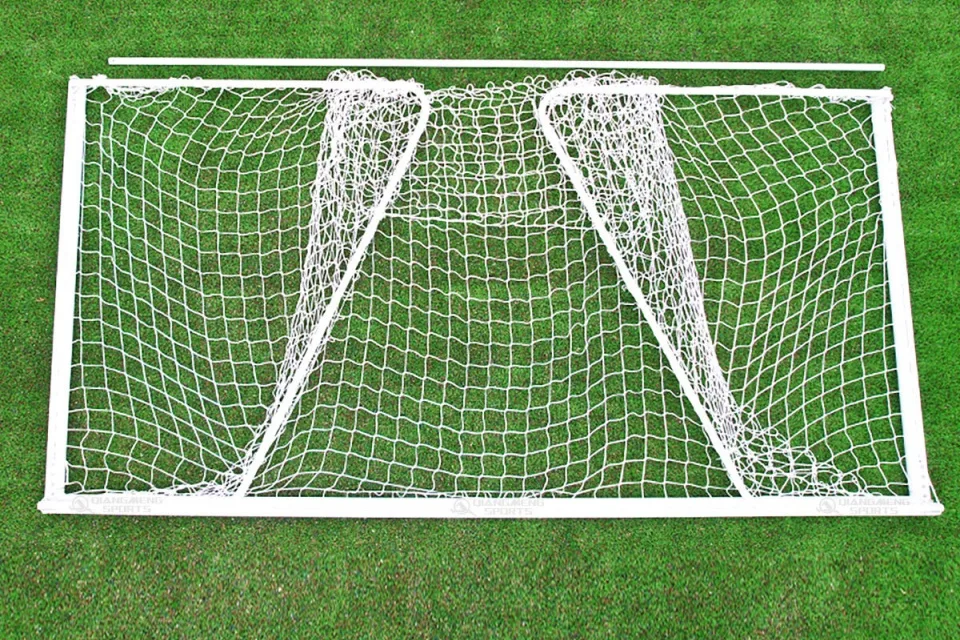
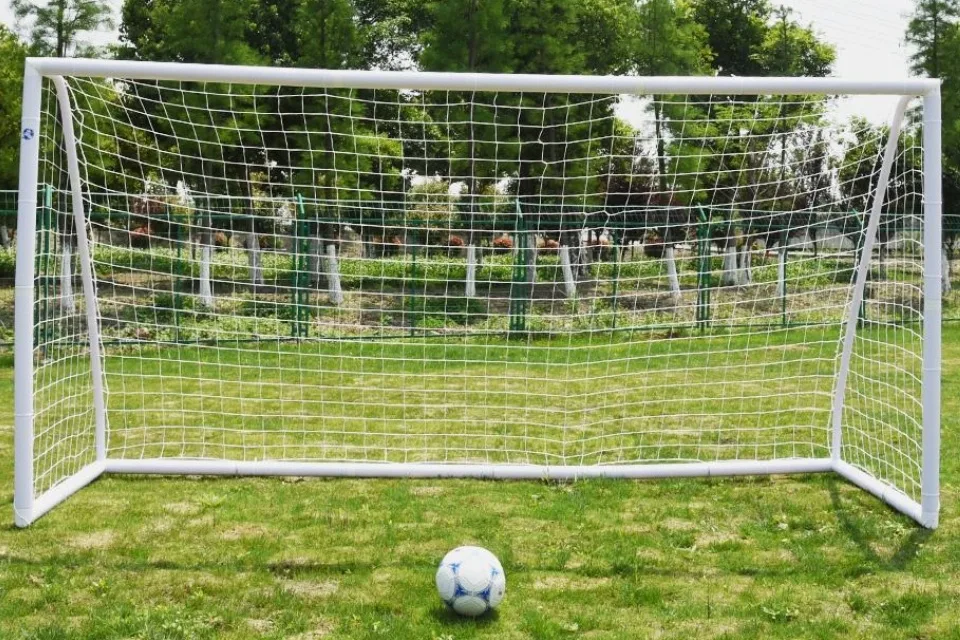
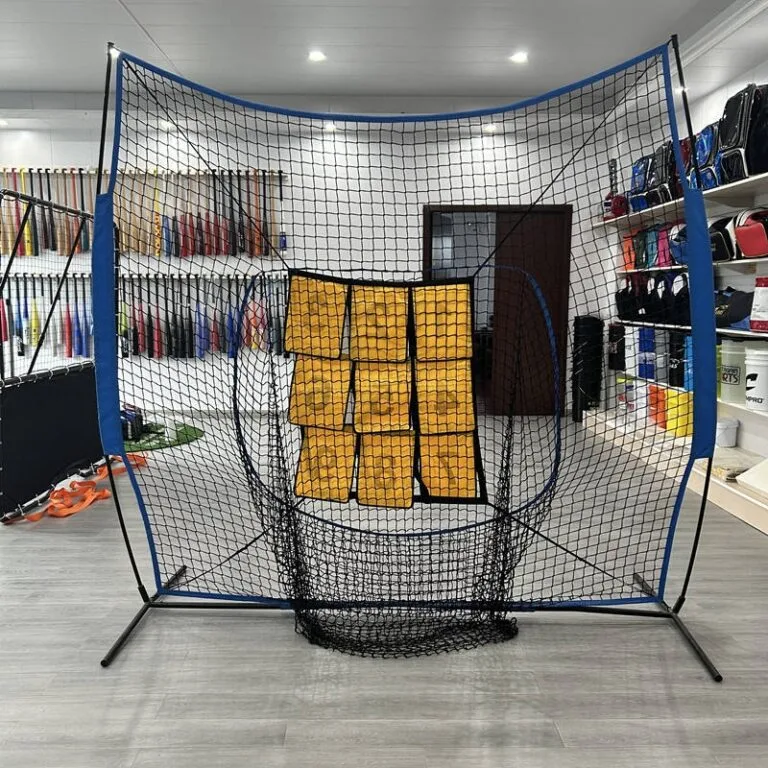
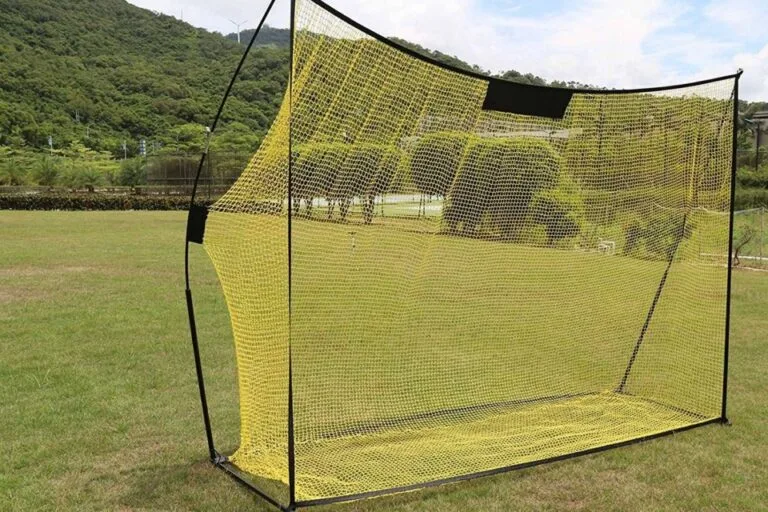
Diteci cosa desiderate realizzare. FSPORTS offre supporto per progetti OEM/ODM, a marchio privato e reti sportive personalizzate, basati su prodotti già esistenti, disegni, campioni, foto o specifiche applicative.
Indicateci il tipo di prodotto, le dimensioni, la quantità richiesta, la destinazione e qualsiasi requisito noto relativo alla rete, al materiale, al telaio, alla ferramenta, al logo o all’imballaggio. Se le vostre specifiche non sono ancora complete, inviateci ciò che avete a disposizione e provvederemo a esaminare i dettagli rimanenti prima di formulare il preventivo.
Come progettare campi da gioco per diversi livelli di abilità: ricreativo vs. agonistico
Some courts lie.
They look clean in photos. Fresh coating, sharp lines, straight fence, maybe a nice logo near the corner. Then players step onto it and, within five minutes, you hear the complaints: not enough runoff, the net sags, glare hits one side, and the ball dies near the sideline.
Pretty court. Bad read.
That’s the part owners miss. Sports court design isn’t just about drawing the correct rectangle. It’s about what happens when real people use the space—kids wandering, adults wearing the wrong shoes, coaches dragging gear, and competitive players chasing angles the designer clearly never imagined.
Here’s the ugly truth: recreational courts forgive mess. Tournament courts punish it.
Demand is real, too. Pickleball participation rose 51.8% from 2022 to 2023 and 223.5% across three years, according to the 2024 SFIA State of Pickleball Report. NFHS also reported 8,062,302 high school sports participants in 2023-24 in its 2023-24 participation release.
So no, this isn’t a sleepy category.
The problem is bad planning.
Start with the actual player
But owners often design for the brochure version of the user.
They say “tournament-ready” when the real crowd is families, beginners, school groups, hotel guests, or weekend players who just want something safe and easy to use. That’s not a weakness. It’s the brief.
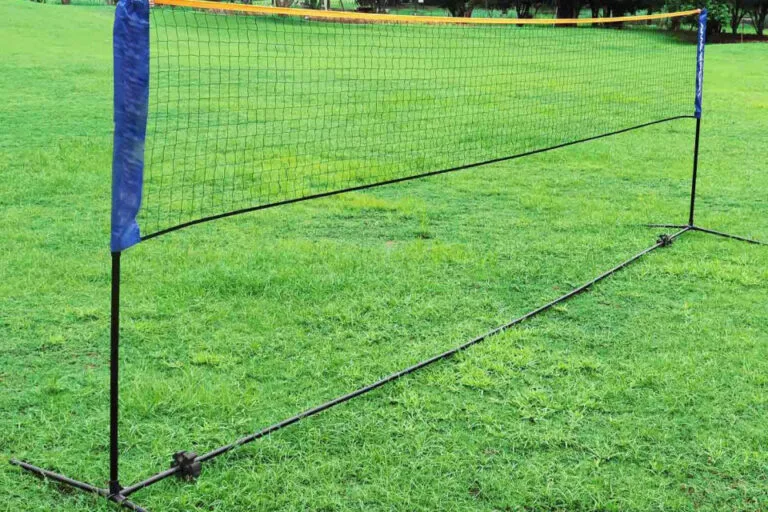
For a recreational setup, flexibility matters. Safe movement. Quick setup. Simple storage. Equipment that staff can adjust without swearing under their breath. An adjustable portable badminton, volleyball, and tennis net system makes sense here because the space needs range, not purity.
Tournament courts are less forgiving.
No guessing. Net height, line width, bounce, surface grip, drainage, lighting, access, and runoff all have to be checked. Serious players notice small failures fast. Officials notice faster.
Court dimensions are only the starting point
People copy the rectangle and forget the court.
That’s the rookie mistake.
For pickleball, USA Pickleball lists the regulation court at 20 feet wide by 44 feet long and recommends north-south outdoor orientation in its court construction guidance. Its official rules overview defines the non-volley zone as 7 feet from the net on both sides.
Simple numbers.
Still misused.
Because the painted box is only part of the design. You still need runoff, fencing clearance, waiting space, entry points, storage, and enough room between courts so two games don’t turn into one collision problem.
From my experience, recreational courts fail when they assume tidy users.
Real users aren’t tidy.
Kids drift. Bags land in the wrong place. Someone drags a frame instead of lifting it. A coach leaves cones near the baseline. The crank handle disappears into whatever black hole eats all facility hardware.
So build for that.
Use fewer line colors. Keep storage close. Avoid junk corners. Don’t put benches where missed balls keep hitting ankles. Don’t cram five sports onto one slab unless the schedule actually proves it needs five sports.
Multi-sport can work.
Sort of.
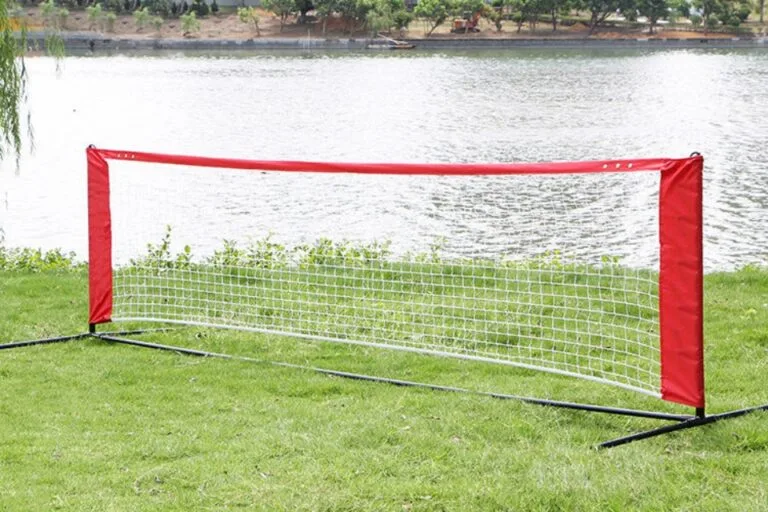
It works when one sport is the boss and the others are guests. A rec center might prioritize badminton and volleyball, then use a height-adjustable tennis net set for youth drills or short tennis-style sessions. Fine. Practical.
But pretending every sport gets a professional layout on one undersized surface? That’s how you create operational noise.
Not sound.
Friction.
Tournament design needs proof, not optimism
However, once you call a court tournament-ready, the whole standard changes.
Players stop asking whether it looks nice. They ask whether it plays fair.
Does the ball bounce the same near the sideline? Is the surface too grabby? Can a player chase wide without hitting a post, fence, bench, or another player? Does the lighting punish one side at sunset? Does the net hold tension after real use?
That’s the checklist.
Accessibility also has to be planned early. Not patched in later. The U.S. Access Board says sports facility accessibility should be considered early, especially accessible routes, in its Chapter 10 sports facilities guidance. The Department of Justice’s Standard ADA 2010 per la progettazione accessibile sets minimum requirements for newly designed, constructed, or altered public accommodations and commercial facilities.
And here’s where facilities get burned: the playing surface can be fine while the space around it is the problem.
I care more about traction, bounce, glare, heat, drainage, abrasion, and how the surface behaves after six months of actual use. Not opening day. Month six.
Recreational courts need forgiveness. They need to handle bad shoes, beginner footwork, weather, dust, dragged gear, and uneven maintenance. Acrylic over asphalt or concrete can work outdoors. Modular tile can help with drainage, though cheap tile can create bounce problems. Indoor synthetic flooring can work if the sport mix is realistic.
Tournament courts need tighter control.
Consistent bounce. Predictable grip. Clean drainage. Lower glare. Stable speed. No dead zones hiding near the edges.
Do not sell tournament expectations on recreational geometry.
The boring mistakes cost the most
Where do players enter?
Where do they wait?
Where does the ball go after a miss? Where does rainwater drain? Where does the equipment live at night? Where does a coach park the cart without turning the sideline into a junk drawer?
Basic stuff.
Skipped constantly.
For shared-use spaces, an rete multisport regolabile con base mobile e rotelle helps when the schedule flips between pickleball, badminton, volleyball, or training sessions. Fast changeover matters. Staff sanity matters too.
For tournament venues, cut fewer corners. Use stronger anchoring, cleaner storage, measured layouts, written maintenance routines, and real inspections.
Not “someone checked it.”
Actually checked it.
Don’t design for imaginary users
Here’s where I’m blunt.
A hotel may say it wants tournament pickleball, but the real users are families and beginners. A school may ask for a multi-sport court, but one sport usually dominates the calendar. A club may want a competitive feel, then underbuy the net system and apron space.
Design for the people who use the court 80% of the time.
For recreational facilities, durability and fast reset usually matter most. For tournament facilities, precision wins. For training facilities, repetition matters more than decoration.
One clear job beats six vague promises.
Maintenance is part of the design
I’ve watched beautiful courts become mediocre because nobody owned the checklist.
Net tension slips. Wheels loosen. Straps fray. Leaves collect. Surface stains spread. Portable frames get dragged. The center strap disappears. Someone borrows the crank handle and it never comes back.
Tiny failures.
Then bigger ones.
A serious sports court design includes inspection intervals, cleaning routines, storage rules, replacement parts, and staff training. Recreational courts need this because casual users are rough. Tournament courts need it because serious users notice everything.
Domande frequenti
What is the difference between recreational court design and tournament court design?
Recreational court design focuses on safe, flexible, easy-to-use courts for casual players, while tournament court design focuses on exact dimensions, consistent surfaces, stable equipment, lighting, runoff, and rule-ready performance. The key difference is tolerance: recreational courts allow compromise; tournament courts must perform consistently.
Recreational courts can use portable systems and modified layouts. Tournament courts need stricter geometry, better runoff, stronger hardware, and cleaner player flow.
How do court dimensions change by skill level?
Court dimensions by skill level may be modified for beginners, youth players, drills, or temporary layouts, but tournament play usually requires official dimensions from the sport’s governing body. Higher skill levels also need more surrounding space because players move faster and chase wider angles.
Copying only the painted rectangle is risky. Competitive players need safe runoff, predictable net placement, and enough room to recover.
What is the best surface for recreational sports courts?
The best surface for recreational sports courts is durable, low-maintenance, slip-resistant, comfortable, and predictable for mixed users. Acrylic coatings, modular tile, synthetic indoor flooring, concrete, and asphalt can all work when matched to the sport, climate, and maintenance plan.
Avoid choosing by price alone. Cheap surfaces can become expensive through repairs, complaints, and lost use.
What makes a court tournament-ready?
A court is tournament-ready when dimensions, markings, net or goal setup, surface behavior, lighting, runoff, accessibility, and player circulation meet competitive expectations. It must play consistently, not just look finished.
Net height, line accuracy, bounce, drainage, glare, fencing distance, entry points, and spectator separation all matter.
Can one court serve both recreational and tournament players?
One court can serve both recreational and tournament players when the regulation layout is protected first and recreational flexibility is added through scheduling and portable accessories. Build for the strictest expected use, then adapt downward for casual play.
The reverse often fails. Casual-first layouts may feel fine until advanced players expose tight runoffs, weak hardware, poor lighting, or bad circulation.
Build the court for real use
Stop designing courts for imaginary prestige.
If the facility serves families, schools, youth sessions, or casual leagues, build a tough recreational court with simple flow, flexible equipment, and usable storage. If the facility wants events, serious clinics, or tournament rentals, verify every detail and stop cutting safety space.
The court will expose shortcuts.
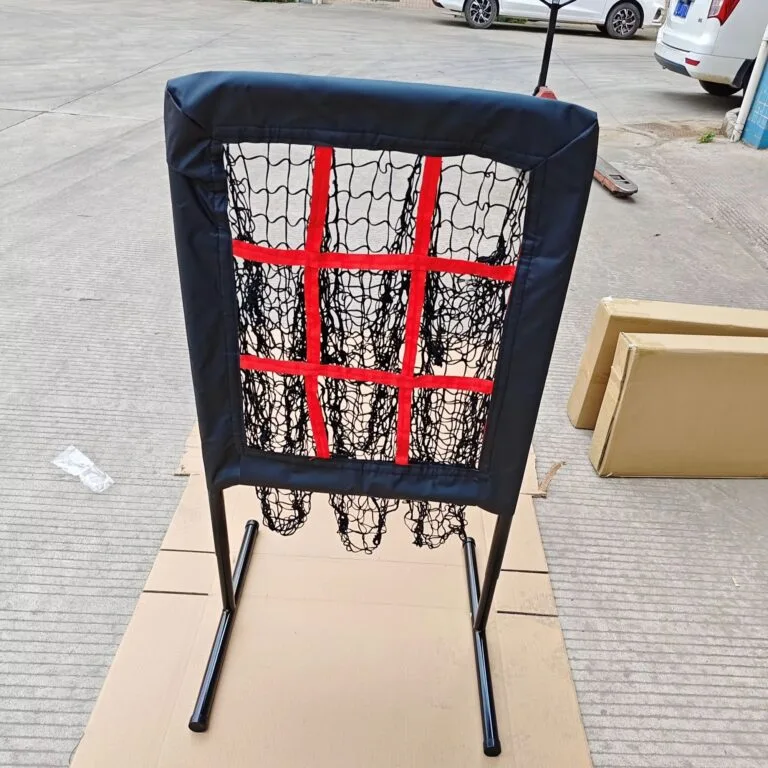
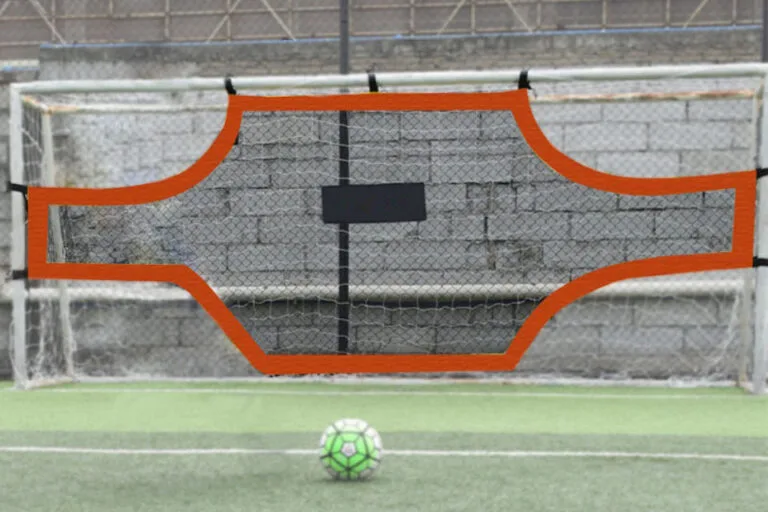
For sport-specific nets, rebounders, portable systems, and training equipment, start with the full Fsports product range. For sizing, sport mix, custom planning, or bulk facility questions, use FsportsNet contact before paint, posts, coating, or concrete make the decisions permanent.