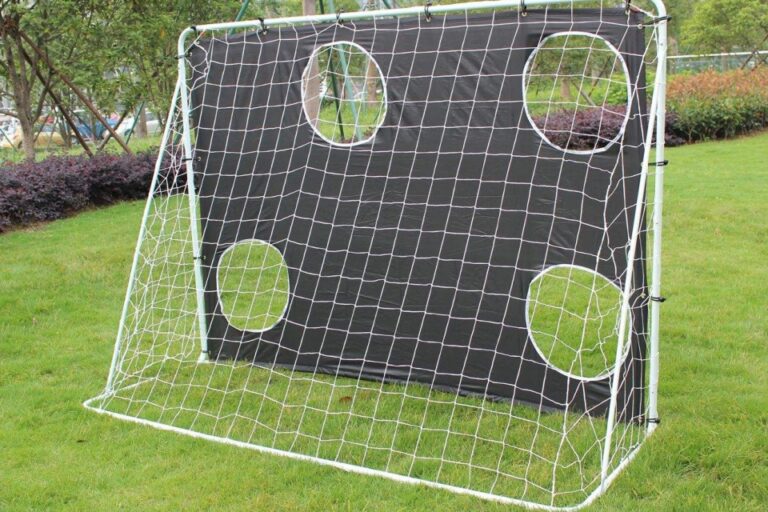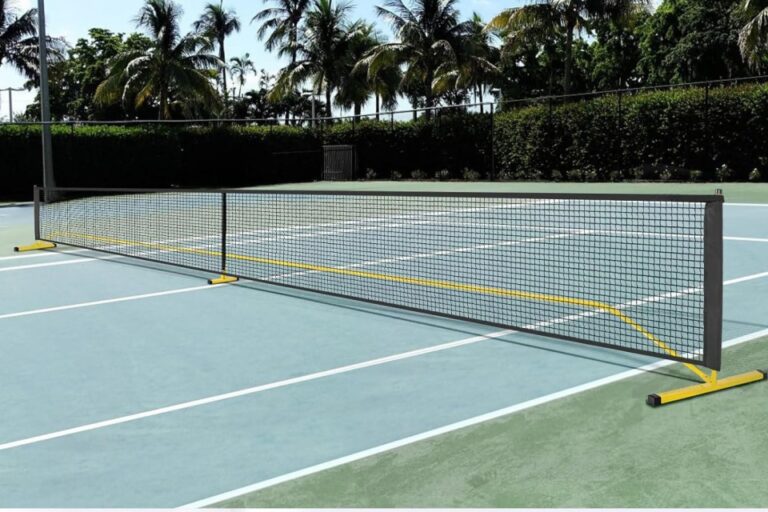
Dimensioni delle maglie della gabbia di battuta: Perché il calibro #36 è lo standard
Indice dei contenuti
Se avete mai acquistato una rete per gabbie da battuta, avrete visto due specifiche che vengono sempre confuse: apertura a rete e calibro dello spago. Se scegliete quello sbagliato, ve ne accorgerete subito. Le palle si infilano, la rete “sbatte” troppo o si sostituiscono i pannelli prima del previsto.
Questa guida è semplice, mostra scenari di configurazione reali e spiega perché Calibro #36 è la scelta predefinita per la maggior parte delle gabbie.
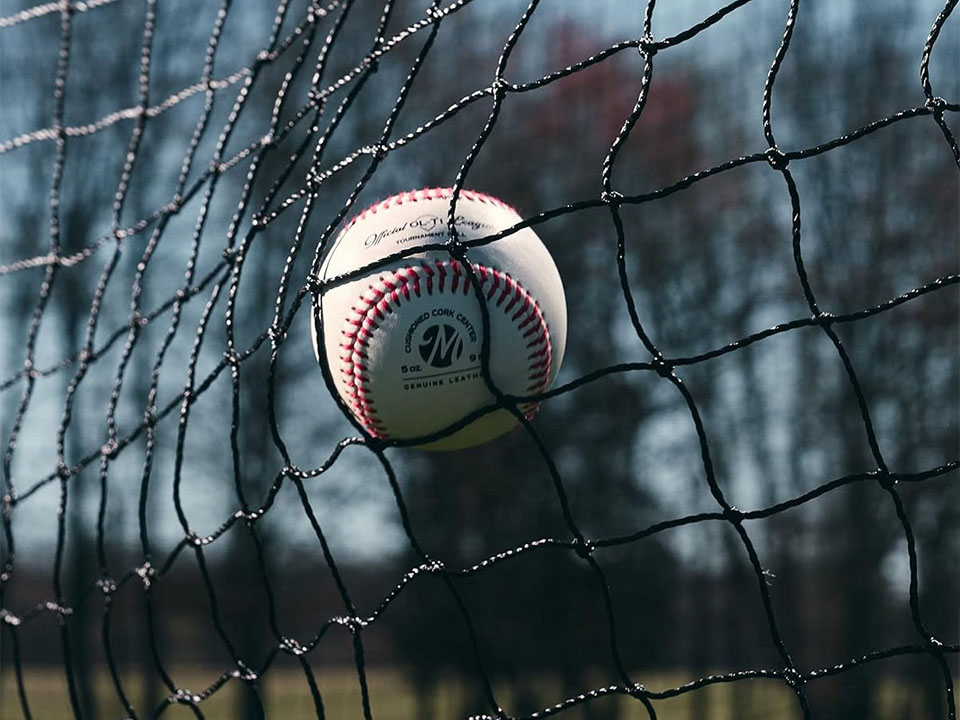
Apertura delle maglie della gabbia di battuta rispetto al calibro dello spago
Dimensioni dell'apertura delle maglie nelle reti per gabbie di battuta
L'apertura della maglia è il dimensione del foro nella rete. Le aperture più piccole riducono il “blow-through” (quando una palla spinge attraverso la rete) e riducono gli strani rimbalzi nei tunnel stretti.
In parole povere: controllo dell'apertura delle maglie contenimento.
Numeri del calibro dello spago (calibro #36, calibro #42, calibro #60)
Il calibro è circa spessore dello spago. Lo spago più spesso è in grado di sopportare un impatto maggiore, un maggior numero di ripetizioni quotidiane e una maggiore abrasione nei punti di aggancio.
In parole povere: controlli del calibro durata.
Modello mentale rapido:
- Apertura della maglia = “Fermerà la palla in modo pulito?”.”
- Calibro = “Per quanto tempo continuerà a farlo?”.”
Perché le reti per gabbie di battuta di calibro #36 sono lo standard
Il calibro #36 è diventato lo “standard” perché si colloca perfettamente nel mezzo. È abbastanza resistente per la maggior parte dei battitori, ma non costringe a una rete più pesante e più difficile da appendere, che è eccessiva per l'uso tipico.
Ecco cosa si ottiene di solito con #36 nel mondo reale:
- Resistenza all'usura bilanciata: Resiste ai contatti ripetuti senza dare la sensazione di essere in corda.
- Un'impiccagione più pulita e meno drammi: Più facile da tensionare su un sistema di cavi.
- Meno dolore durante l'installazione: Non c'è bisogno di un'intera squadra solo per mettere a posto la rete.
- Più adatto a gruppi misti: Squadre giovanili, gabbie delle scuole superiori, guerrieri del fine settimana e strutture di allenamento che non funzionano tutto il giorno.
Se state costruendo una gabbia di cui volete dimenticarvi (in senso positivo), #36 è la specifica a cui si rivolge la maggior parte degli acquirenti.

Raccomandazioni per le reti delle gabbie di battuta in base al livello dei giocatori
Non è necessario “massimizzare” ogni gabbia. Adattare il calibro al battitore e al carico di lavoro.
Rete per gabbie di battuta per il baseball e il softball giovanile
I giocatori giovani di solito non distruggono le reti con la forza pura. Ciò che uccide le reti qui è cattiva tensionatura, trascinamento sul cemento, e spigoli vivi sulle cornici.
Una solida configurazione #36 funziona bene quando si aggiunge:
- Distanziatore adeguato per evitare che la rete sfreghi sull'acciaio
- Punti di aggancio puliti (senza bave)
- Abbastanza allentato per assorbire l'impatto, non per farlo rimbalzare.
Rete per gabbie di battuta per scuole superiori
Questo è il punto di forza dell'#36. Le ripetizioni delle scuole superiori si accumulano rapidamente. Si vedranno velocità di uscita più elevate, macchine da lancio e palle più pesanti con il freddo.
Ciò che conta di più:
- Uno spago che non si sfalda rapidamente
- Cuciture che non strisciano
- Corda perimetrale che rimane tesa
Reti per gabbie di battuta di college e strutture
Se si lavora ad alto volume (squadre tutto il giorno, lezioni private, gabbie pubbliche), è possibile che si superi l'#36. Vedrete anche più lavoro di macchina e più colpi sbagliati. A questo punto i calibri più spessi iniziano ad avere senso.
Una semplice regola: se la gabbia è praticamente “sempre accesa”, prevedete uno spago più pesante.

Scenari di installazione reali per le reti con calibro #36
Rete per gabbie da battuta in spazi ristretti
Le gabbie da cortile vengono punite da:
- Rimbalzi della recinzione
- Lanci in linea a distanza ravvicinata
- Schiaffo del vento (rete che sbatte e ferramenta che sfrega)
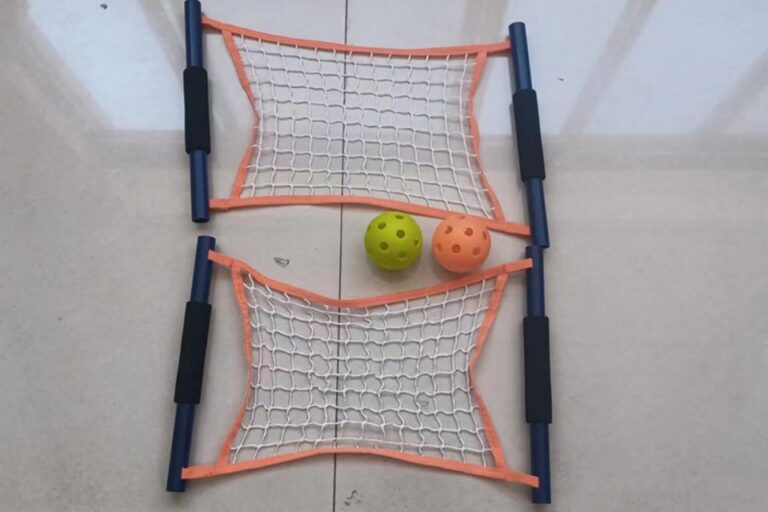
#36 funziona bene perché assorbe gli impatti senza trasformare la gabbia in un muro di mattoni. Se avete bisogno di un'attrezzatura da allenamento portatile per il vialetto, una rete da allenamento più piccola vi aiuterà a tenere le palle lontane da auto e finestre. Un buon punto di partenza è una rete rete portatile per gli allenamenti di baseball impostazione.
Potete collegarlo naturalmente al vostro contenuto in questo modo:
- Prova un rete portatile per gli allenamenti di baseball per ripetizioni rapide quando non si vuole entrare nella gabbia completa.
Rete per gabbia di battuta per tunnel scolastici con ripetizioni giornaliere
Le gallerie scolastiche sono sottoposte a un lavoro costante: allenamenti di squadra, gruppi di battuta e allenamenti fuori stagione. L'#36 regge bene se si risolvono due problemi comuni:
- Frusta all'impatto: Aggiungere il corretto allentamento e tenere la rete lontana dalle pareti dure.
- Abrasione del punto di aggancio: Utilizzare moschettoni lisci, ditali o guaine protettive nei punti in cui la rete passa sul cavo.
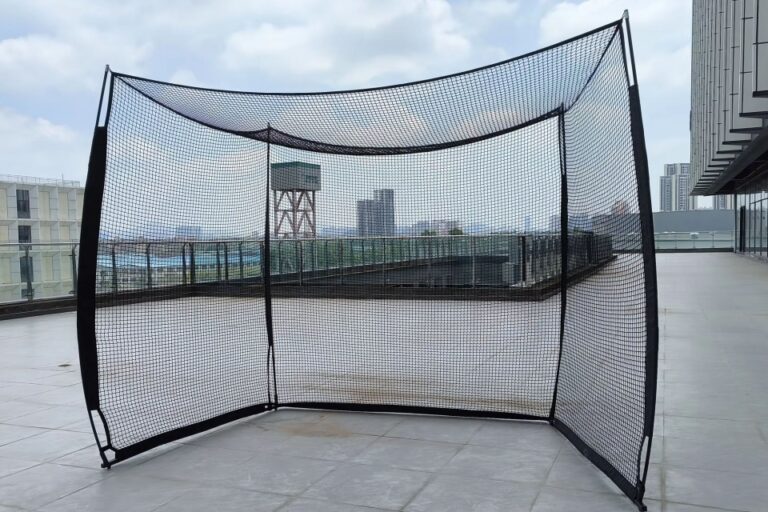
Se state costruendo un pacchetto completo di gabbia, un pacchetto di telaio e rete può semplificare l'installazione e ridurre la mancata corrispondenza tra le parti.
- Considerate un rete e telaio per gabbia da battuta quando si desidera una costruzione più pulita “con una sola specifica”.
Rete retrattile per gabbie da battuta su sistemi a cavo
Le gabbie scorrevoli sono comode, ma sollecitano la rete in modo diverso. Ogni tiro crea attrito sulla linea superiore e sugli angoli.
L'#36 è utile in questo caso perché è robusto senza essere così pesante da trascinarsi, legarsi o diventare fastidioso da ritrarre. Tuttavia, non ignorate i dettagli:
- Utilizzare un cavo superiore adeguato e anelli di carrello lisci
- Mantenere gli angoli arrotondati (gli angoli vivi rosicchiano lo spago)
- Non lasciate che la rete raschi il cemento quando è parcheggiata
Reti per gabbie di battuta e protezione dei lanciatori per interni
Gli spazi interni spesso abbinano le reti a gabbia con protezione del lanciatore. È qui che uno schermo a L si guadagna la pagnotta.
- Aggiungere un schermo di lancio (schermo L o schermo I) per ridurre il rischio di rimbalzo durante il lavoro con le macchine.
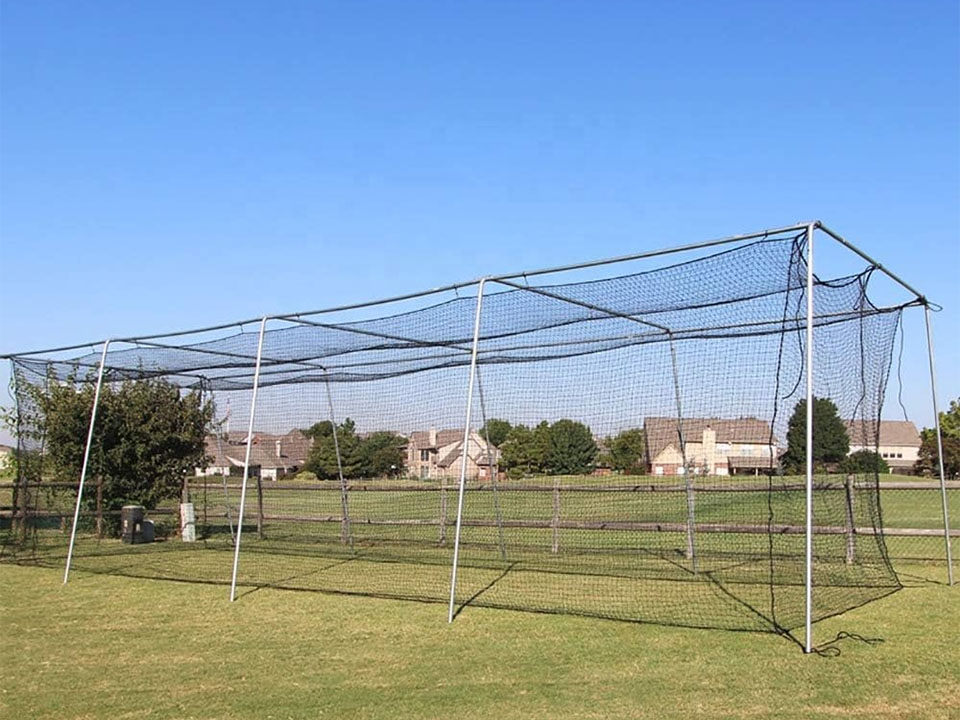
Quando passare dal calibro #36 alle reti più pesanti
Non si aggiorna perché ci si sente eleganti. Si aggiorna perché la gabbia ha una di queste realtà:
Elevata velocità di uscita e lancio della macchina
Le palle da macchina colpiscono in modo diverso. Sono costanti, dure e trovano sempre gli stessi punti caldi. Se la gabbia è sottoposta a ripetizioni ininterrotte, uno spago più pesante può prolungarne la durata.
Gabbie pubbliche e traffico costante
Se più gruppi utilizzano la gabbia quotidianamente, l'usura proviene da:
- Impatto della palla
- Mani che tirano sulla rete
- Maniglie e attrezzature che trascinano i pannelli di fondo
- I raggi UV e lo sporco macinano le fibre
È un problema di carico di lavoro, non di “livello del giocatore”.
Carico di vento esterno ed esposizione ai raggi UV
Le gabbie da esterno devono affrontare lo schiaffo del vento. Se la gabbia è esposta, è necessario utilizzare materiali resistenti ai raggi UV e finiture pulite, in modo che la rete non si deteriori precocemente. Anche in questo caso, l'aggiunta di una rete di protezione è utile per la sicurezza e la tranquillità dei vicini.
Una rete a barriera può servire come zona di cattura secondaria dietro la gabbia.
- Utilizzare un rete barriera sportiva per proteggere i passaggi pedonali, i parcheggi o i campi adiacenti.
Tabella: Punti di decisione e fonti delle reti per gabbie di battuta calibro #36
Questa tabella consente di tenere a terra il “perché” e mostra dove è possibile verificare le specifiche durante l'approvvigionamento.
| Punto di decisione (richiesta specifica) | Cosa controllare in una scheda tecnica o in un campione | Perché è importante nella gabbia | Fonte di controllo |
|---|---|---|---|
| Le dimensioni dell'apertura della rete impediscono il passaggio della palla | Misurare l'apertura, verificare che corrisponda alle dimensioni della pallina e utilizzarla | Impedisce il passaggio di aria e strani rimbalzi | Richiedi un campione pre-spedizione + foto QC |
| Il calibro #36 bilancia durata e maneggevolezza | Confermare il calibro dello spago, la costruzione dello spago, lo stile di cucitura | Installazione più semplice, durata solida per la maggior parte delle gabbie | Chiedere a FSPORTS di confermare il calibro e la costruzione nel PI. |
| Calibro più pesante per un carico di lavoro ininterrotto | Confermare l'opzione dello spago più spesso e dei bordi rinforzati | Riduce l'usura prematura nei punti caldi | Confronto tra due campioni: #36 vs. calibro più pesante |
| Le gabbie dei sistemi a fune necessitano di un controllo dell'abrasione | Controllare la finitura della linea superiore, il rinforzo degli angoli | Impedisce l'usura da “sega” dei punti di aggancio | Revisione del piano hardware di hang prima della produzione |
| Le gabbie per esterni necessitano di reti resistenti ai raggi UV | Confermare gli additivi UV / il materiale per esterni | Rallenta i danni del sole, mantiene la forza più a lungo | La scelta del materiale si adatta al clima e all'esposizione |
Se volete che gli acquirenti si fidino della vostra pagina di prodotto, questo è il tipo di tabella che viene screenshottata e condivisa con il proprio installatore.
Lista di controllo delle specifiche delle reti per gabbie di battuta per acquirenti, rivenditori e marchi OEM
Apertura del reticolo, calibro, materiale e finitura
Se siete un distributore o un venditore di e-commerce, il vostro più grande grattacapo sono i resi causati da specifiche vaghe. Bloccatele:
- Apertura a rete
- Calibro (#36 di base, opzioni di aggiornamento pronte)
- Scelta del materiale per interni ed esterni
- Rinforzo di bordi e angoli
Corda perimetrale, cuciture e ferramenta di sospensione
Una rete a gabbia fallisce dove è sollecitata:
- Angoli
- Aperture delle porte
- Linea top sui sistemi via cavo
- Qualsiasi punto che sfrega sull'acciaio
Chiedete angoli rinforzati e cuciture pulite. Pianificate in anticipo il vostro kit di appendimento per evitare di “ingegnerizzarlo sul campo” il giorno dell'installazione.
OEM/ODM e acquisti all'ingrosso
Se vendete con il vostro marchio, avete bisogno di coerenza più di ogni altra cosa:
- Produzione ripetibile
- Imballaggio in cartone trasparente
- Opzioni a marchio privato
- Tempi di consegna stabili per il rifornimento
È qui che la collaborazione con un fornitore orientato alla fabbrica è utile. FSPORTS si posiziona come produttore di reti sportive di prima qualità in Cina e supporta misure standard e costruzioni su misura per gli acquirenti B2B.
Opzioni di gabbia di battuta e rete di allenamento FSPORTS
Se state costruendo un cluster di pagine di prodotto, questi link interni si inseriscono in modo naturale senza mandare i lettori fuori dal sito:
- Inizia da FSPORTS homepage
- Sfoglia l'elenco completo catalogo prodotti
- Per una semplice opzione di rete a gabbia, controllare rete per gabbia di battuta softball/baseball
- Per una configurazione da garage o compatta, vedere rete per gabbia di battuta softball pro garage
- Per una compilazione pacchettizzata, utilizzare l'opzione rete e telaio per gabbia da battuta
- Per un allenamento rapido, aggiungere un rete portatile per gli allenamenti di baseball
- Per un lavoro di pitching più sicuro, aggiungere l'opzione schermo di protezione del lanciatore
- Per la sicurezza del troppo pieno, aggiungere un rete barriera sportiva
In conclusione: il calibro #36 è quello predefinito per un motivo.
Se volete una rete per gabbie di battuta che si installi in modo pulito, che faccia davvero effetto e che non richieda una costante assistenza, Calibro #36 è la specifica con cui la maggior parte delle persone dovrebbe iniziare. Poi si può fare un upgrade solo quando il carico di lavoro, le condizioni atmosferiche o l'intensità dell'allenamento lo impongono.
Se lo desiderate, posso anche riscriverlo in due versioni per il vostro sito: una per gli acquirenti al dettaglio (breve e incisiva) e una per i distributori/clienti OEM (ricca di specifiche e incentrata sulla conversione), utilizzando la stessa struttura H2/H3 sicura per le parole chiave.