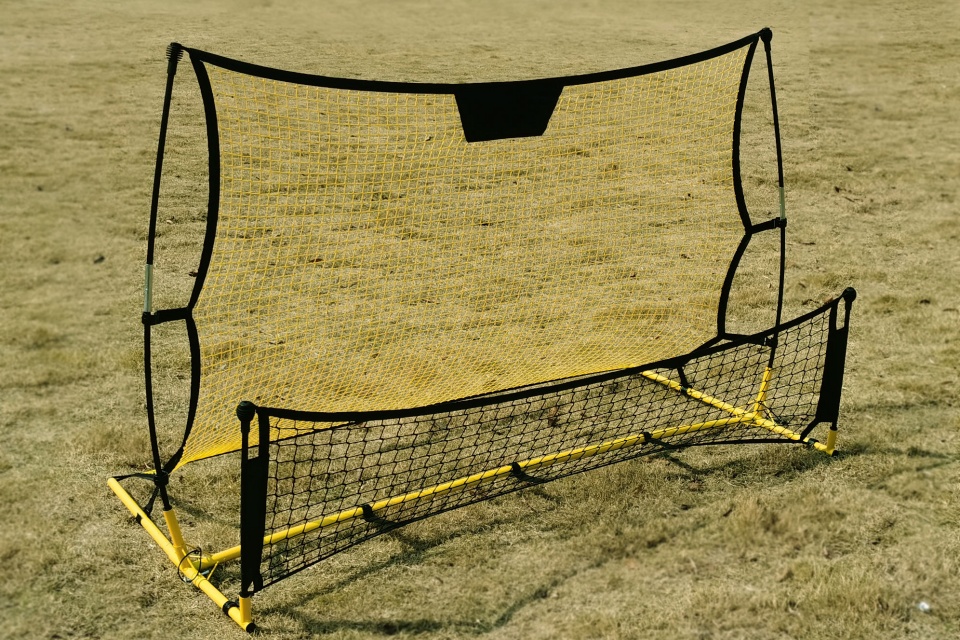
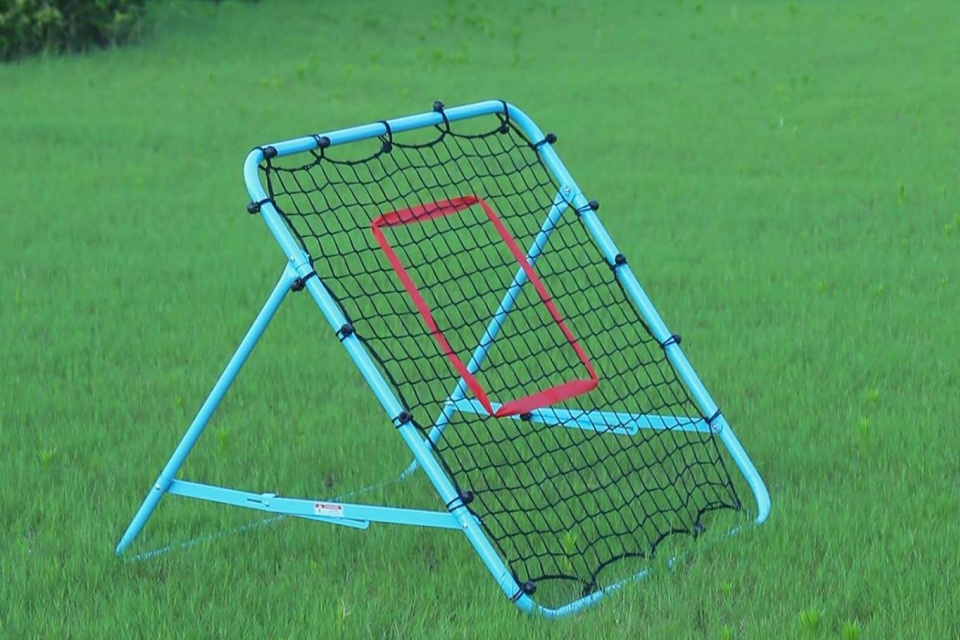
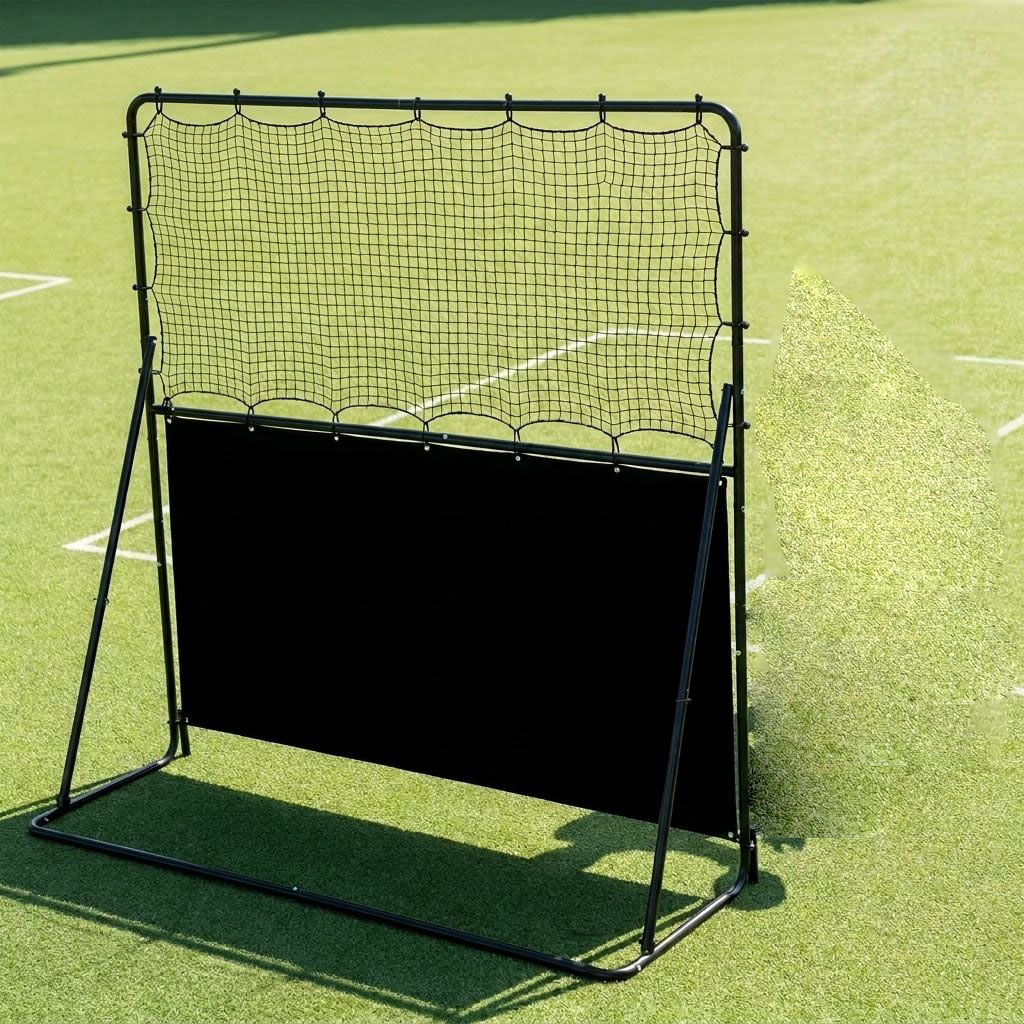
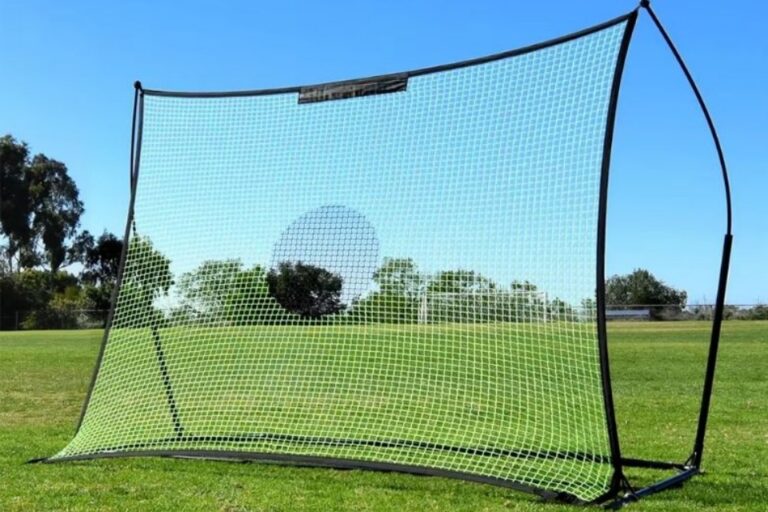
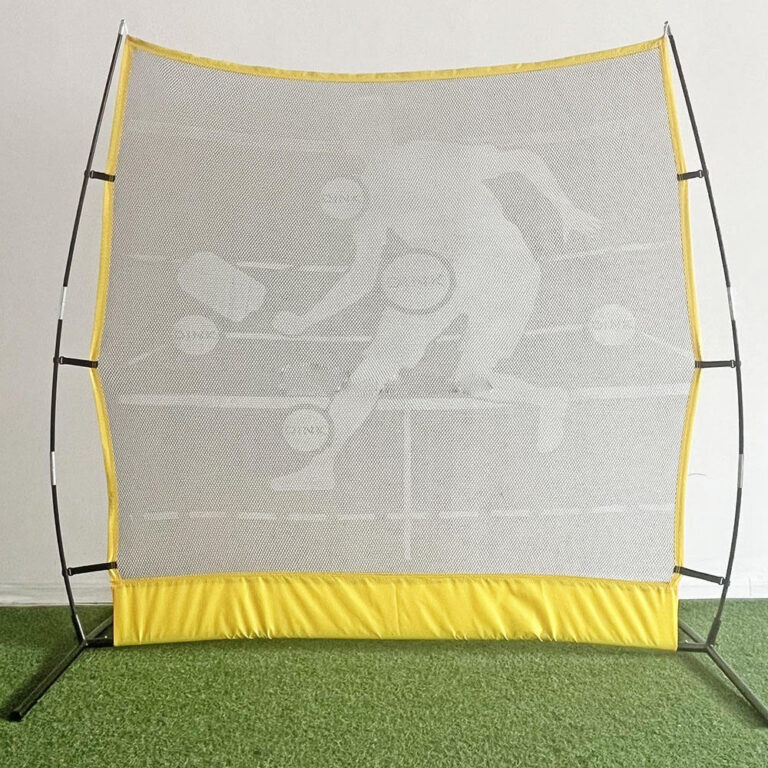
Diteci cosa desiderate realizzare. FSPORTS offre supporto per progetti OEM/ODM, a marchio privato e reti sportive personalizzate, basati su prodotti già esistenti, disegni, campioni, foto o specifiche applicative.
Indicateci il tipo di prodotto, le dimensioni, la quantità richiesta, la destinazione e qualsiasi requisito noto relativo alla rete, al materiale, al telaio, alla ferramenta, al logo o all’imballaggio. Se le vostre specifiche non sono ancora complete, inviateci ciò che avete a disposizione e provvederemo a esaminare i dettagli rimanenti prima di formulare il preventivo.
Reti sportive in HDPE vs nylon: quale materiale è più adatto all’uso commerciale?
La vera questione alla base del confronto tra le reti sportive in HDPE e quelle in nylon
Ecco come stanno le cose.
La maggior parte dei clienti chiede se l’HDPE o il nylon siano “più resistenti”, ma si tratta di una domanda fuori luogo, poiché le reti sportive commerciali non si rompono in un laboratorio controllato; smettono di funzionare a causa dell’esposizione al sole, dei cicli di pioggia, delle condizioni di stoccaggio inadeguate, dell’eccessiva tensione, degli urti circolari, del carico del vento, dei bordi laterali di scarsa qualità e di un settore del mercato che riteneva che tutte le reti nere fossero sostanzialmente uguali.
Allora, cosa conta davvero?
Per molte applicazioni commerciali all’aperto, le reti sportive in HDPE rappresentano la scelta predefinita migliore. Non sempre, ma abbastanza spesso da farmi partire da lì, a meno che l’applicazione non mi fornisca un motivo valido per non farlo. Le reti sportive in nylon possono dare risultati eccezionali nei test di resistenza alla trazione e, in particolare per gli impieghi al chiuso o soggetti a forti impatti, potrebbero rappresentare la scelta più intelligente. Tuttavia, all’aperto, l’assorbimento di umidità e il comportamento del nylon all’invecchiamento causato dai raggi UV rendono la gestione della manutenzione molto meno semplice.
È proprio questo il punto su cui molti fornitori girano intorno.
Il mercato delle reti sportive pullula di etichette vaghe: “resistente”, “resistente alle intemperie”, “di qualità professionale”, “di alta qualità industriale”. Queste parole non significano praticamente nulla, a meno che il fornitore non sia in grado di specificare il polimero, la dimensione delle maglie, il diametro del filo, il denari, la protezione dai raggi UV, il tipo di nodo, la corda perimetrale, la finitura e l’ambiente di utilizzo previsto. Ho visto acquirenti scegliere il nylon solo perché suonava come un materiale di alta qualità, per poi ritrovarsi con reti che si afflosciavano, si tendevano eccessivamente, si macchiavano o perdevano consistenza dopo un solo periodo di esposizione al sole e alla pioggia. Ho visto anche reti economiche in HDPE fallire perché il materiale era scadente, la protezione UV era insufficiente e la rete finita veniva venduta come un semplice telone da trasporto.
Entrambi i materiali potrebbero deluderti.
Ma ti deludono in un altro modo.
Reti sportive in HDPE vs reti sportive in nylon: caratteristiche essenziali dei materiali
Che cos’è la rete sportiva in HDPE
L’HDPE, ovvero il polietilene ad alta densità, è una poliolefina derivata dall’etilene, solitamente rappresentata dalla formula (C₂H₄)n. Nel settore delle reti sportive, è molto apprezzato perché resiste all’acqua, alla muffa, al marciume e a numerose sostanze chimiche molto meglio del nylon. È più leggero, molto più maneggevole e più versatile in contesti commerciali all’aperto quali campi da golf, reti di protezione per il baseball, pannelli divisori per campi da football e, in generale, sistemi di reti sportive per esterni.
Che cos’è la rete sportiva in nylon
Il nylon, generalmente poliammide 6 o poliammide 6,6, presenta gruppi ammidici, rappresentati come – MONOSSIDO DI CARBONIO – NH –. Questa struttura chimica conferisce al nylon una notevole resistenza meccanica. Presenta una buona resistenza all’abrasione. Resiste bene agli urti. Non è un materiale fragile. Il problema è che il nylon è igroscopico, il che significa che assorbe l’umidità dall’aria e dall’esposizione diretta all’acqua. I dati forniti da Toray sul nylon indicano un assorbimento d’acqua stabile a 23 °C e un’umidità relativa del 60% pari al 3,5% per il nylon 6 e al 2,5% per il nylon 66, il che non è un dettaglio trascurabile quando una rete rimane all’aperto tutto l’anno.
Interventi di adeguamento idrico.
Ecco qual è la trappola.
Perché l’umidità, i raggi UV e la manutenzione determinano le prestazioni industriali
Quando il nylon si inumidisce, la sua rigidità, elasticità e stabilità dimensionale possono variare. Per una rete da giardino, ciò potrebbe essere fastidioso. Per le reti destinate ad attività sportive industriali in un istituto, un club, un campo da golf, un centro di allenamento, un parco comunale o lungo il perimetro di uno stadio, diventa una questione di costi. Una rete afflosciata dà l’impressione di essere trascurata. Una rete allentata si intasa. Una rete troppo tesa trasferisce lo stress su pali, giunti, clip e legature. E non appena inizia il ciclo di manutenzione, la manodopera diventa il vero costo da sostenere.
Le reti sportive in HDPE non sono però una soluzione miracolosa. La luce solare agisce sul polietilene a meno che il prodotto non sia adeguatamente sostenuto. La guida TN-47 del 2024 del Plastics Pipeline Institute sulle condotte in polietilene non è un manuale sulle reti sportive, ma fornisce agli acquirenti un utile punto di riferimento: il nerofumo viene utilizzato come assorbitore di raggi UV nell’HDPE; il prodotto conforme alla norma ASTM D2513 Codice C richiede nerofumo ben disperso in quantità compresa tra 2% e 3%, e la dispersione delle particelle influisce sulle prestazioni a lungo termine. Traduzione per gli acquirenti online: il “HDPE nero” non è affatto sufficiente. Chiedete in che modo viene stabilizzato.
È una preoccupazione che mette a disagio l'acquirente.
Chiedilo comunque.
Questioni relative alla normativa e alla trasparenza dei prodotti che gli acquirenti devono tenere in considerazione
Anche il contesto politico più ampio ha la sua importanza. Nell’ottobre 2023, l’UE ha adottato il Regolamento (UE) 2023/2055 per limitare l’uso di microparticelle di polimeri sintetici aggiunte deliberatamente, costituite da materiale di riempimento granulare per le superfici sportive artificiali, con il divieto relativo al materiale di riempimento delle superfici sportive fissato per ottobre 2031 dopo un periodo di transizione. Tale regolamento non si concentra in modo altrettanto diretto sull’HDPE o sulle reti in nylon, ma indica la direzione che sta prendendo il mercato: gli impianti sportivi saranno sottoposti a pressioni sempre maggiori per giustificare l’uso di prodotti in plastica, in termini di rischi, piani di smaltimento a fine vita e documentazione dei fornitori.
A questo si aggiungono i PFAS. Reuters ha riportato nell’aprile 2024 che l’EPA degli Stati Uniti ha classificato il PFOA e il PFOS come sostanze pericolose ai sensi del Superfund. Ancora una volta, ciò non significa che le reti sportive in HDPE o in nylon contengano automaticamente PFAS. Ciò equivarrebbe certamente a un allarmismo infondato. Tuttavia, ciò indica che i clienti importanti devono richiedere le dichiarazioni di prodotto, le informazioni sui rivestimenti e la trasparenza sugli additivi, specialmente quando un fornitore dichiara resistenza alle macchie, resistenza all’olio, idrorepellenza o “rivestimento innovativo” senza specificare la composizione chimica.
Gli acquirenti commerciali richiedono meno affetto e più documentazione.
I migliori impieghi commerciali delle reti sportive in HDPE e nylon
Reti per campi da golf
Se state acquistando un campo pratica da golf, iniziate con l’HDPE, a meno che il pannello di impatto non richieda un altro materiale o una struttura a strati specifica. Le palline da golf producono impatti ripetuti in un punto preciso, e un sistema robusto spesso combina reti, pannelli di bersaglio, pannelli di sicurezza laterali, struttura di supporto e progettazione di ricambi. Pertanto, cercate prodotti specializzati sistemi di reti da golf per uso commerciale piuttosto che cercare di affidare a una rete generica un compito di livello professionale.
Reti per baseball e softball
Se state acquistando per il baseball o il softball, la scelta dipende dal fatto che la rete sia destinata a una gabbia di battuta, a un backstop, a uno schermo per il lancio o a una rete da allenamento portatile. L’HDPE è in genere il materiale più resistente per l’uso esterno, mentre il nylon può essere una scelta sensata per le gabbie interne o per le aree soggette a forti impatti, dove è possibile controllare l’abrasione e il rimbalzo. Una buona gruppo di reti da baseball dovrebbe distinguere chiaramente tali casi d'uso.
Impianti polivalenti
Se si effettuano acquisti per campi polivalenti, università, centri estivi, parchi o club, l’HDPE risulta solitamente la scelta migliore, poiché le strutture polivalenti mettono a dura prova le attrezzature a causa delle condizioni climatiche, dell’uso improprio degli spazi di stoccaggio e di una manutenzione non uniforme. È proprio qui che sistemi Internet multisportivi Ci servono scelte di prodotto oculate, non il gergo da showroom.
La decisione commerciale di Blunt
Ecco la mia sincera opinione: l’HDPE è il prodotto migliore per la maggior parte delle reti sportive da esterno, mentre il nylon è il materiale più indicato solo quando l’applicazione richiede una maggiore resistenza alla trazione e una migliore gestione degli urti rispetto alla resistenza agli agenti atmosferici. In parole povere, l’HDPE è la scelta predefinita di gran lunga più sicura. Il nylon è la scelta professionale. E le scelte professionali comportano costi di manutenzione più elevati.
Tabella comparativa tra reti sportive in HDPE e in nylon
Aspetto
Rete sportiva in HDPE
Rete sportiva in nylon
Decisione relativa ai clienti commerciali
Efficienza UV all'esterno
Solido se opportunamente stabilizzato ai raggi UV, in particolare grazie all’ottima dispersione del nerofumo
Se non trattato o rivestito, può deteriorarsi a causa dei raggi UV
L'HDPE di solito è la scelta migliore per gli ambienti esterni
Interventi contro l'umidità
Assorbimento dell'acqua estremamente ridotto; resistente alla putrefazione e alla muffa
Assorbe l'umidità; le sue dimensioni possono variare
L'HDPE è più facile da conservare
Resistenza alla trazione
Ottimo, ma in genere inferiore al nylon se si confrontano le prestazioni in termini di resistenza pura
Resistenza alla trazione e resistenza all'abrasione generalmente eccezionali
Il nylon si distingue negli impieghi controllati ad alto impatto
Peso e maneggevolezza
Leggeri e più semplici da installare su campate di grandi dimensioni
È più pesante e può assorbire acqua
L'HDPE è la scelta vincente per i grandi formati industriali
Logica delle spese
In genere, il valore del ciclo di vita è di gran lunga superiore all’aperto
Il costo finale potrebbe risultare più elevato se si includono i lavori di finitura, la manutenzione e la sostituzione
L'HDPE presenta solitamente un prezzo complessivo più vantaggioso
Le migliori applicazioni
Barriere per esterni, reti da golf, reti di protezione per il baseball, divisori per il calcio, reti per scuole e parchi
Gabbie per interni, aree soggette a forte abrasione, soluzioni di addestramento di alta qualità selezionate con cura
Adattare il prodotto all’esposizione, non al marketing
Principale rischio di guasto
Confezione UV scadente, resina di bassa qualità, lato debole che finisce per...
Assorbimento dell'umidità, invecchiamento dovuto ai raggi UV, cedimento, variazioni di rigidità
Richiedere le specifiche prima dell'acquisto
Cosa rende robusto il materiale di una rete sportiva
Il prodotto più efficace per le reti destinate alle attività sportive non è semplicemente “HDPE” o “nylon”. È il materiale giusto abbinato alla giusta struttura. Una rete in HDPE da 2 mm e una rete in HDPE da 4 mm non sono lo stesso prodotto. Una rete annodata e una rete senza nodi non si comportano allo stesso modo sotto il peso di tonnellate. Una maglia quadrata e una maglia a rubino possono montarsi in modo diverso. Un filato trattato contro i raggi UV e un generico filato “per uso esterno” non sono paragonabili.
È proprio qui che gli acquirenti industriali devono ridurre i propri acquisti.
Chiedete le dimensioni della maglia in millimetri. Chiedete il diametro del filo. Chiedete se la rete è intrecciata o senza nodi. Chiedete se il bordo è rifinito con cucitura overlock, bordato con corda, nastrato o rinforzato con fettuccia. Chiedete se i componenti sono in acciaio zincato, acciaio inossidabile, corda elastica, ganci, filo metallico o corda. Chiedete se la rete è progettata per l’uso come barriera statica o per resistere a impatti diretti. Richiedete un periodo di sostituzione ragionevole.
E chiedi di visitare lo stabilimento.
In sostanza, è proprio quello che suggerisco. Un fornitore che si occupa di reti per attività sportive commerciali deve essere in grado di garantire la produzione, la cucitura, il controllo qualità, l’imballaggio e l’uniformità dei prodotti. A Visita alla fabbrica di reti sportive ti dice molto di più di quanto potrebbero mai fare cinque aggettivi raffinati per descrivere un oggetto.
Costo del ciclo di vita: il problema nascosto dell'acquisto
C'è anche un problema nascosto legato agli appalti: i pannelli di ricambio. Il nylon può sembrare allettante quando si riceve il preventivo iniziale, ma se la struttura deve sostituire pannelli cadenti, ritensionare le strutture o sostituire le reti deteriorate prima del previsto, i risparmi iniziali svaniscono. L’HDPE potrebbe non sembrare un materiale di prima scelta, ma per le reti sportive da esterno ad uso industriale, la resistenza a lungo termine è spesso la scelta più intelligente.
Piani di spesa che portano a vittorie monotone.
Quando opterei sicuramente per l’HDPE o il nylon
Per la maggior parte dei progetti commerciali all’aperto, in particolare nei casi in cui la rete rimarrà installata esposta alla luce solare, alla pioggia, al vento, all’umidità e agli sbalzi di temperatura stagionali, consiglierei l’uso di reti sportive in HDPE. Consiglierei invece le reti sportive in nylon per le gabbie da baseball al coperto, specifiche aree di impatto nei campi da golf, determinate aree di rimbalzo e nei casi in cui il distributore possa garantire il trattamento anti-UV, la qualità del tessuto e le condizioni di manutenzione previste.
Quell'ultima espressione crea problemi: mettila per iscritto.
Un fornitore che afferma che “il nylon è più resistente” non ha affrontato la questione commerciale. Più resistente quando è asciutto? Più resistente dopo 12 mesi all’aperto? Più resistente dopo ripetuti cicli di bagnato-asciutto? Più resistente dopo l’esposizione ai raggi UV? Più resistente in corrispondenza del nodo? Più resistente in corrispondenza del bordo? Più resistente in corrispondenza della giuntura tra i pannelli? Le soluzioni dipendono esclusivamente da come è realizzata la rete.
Per le reti sportive industriali, applicherei questa norma:
Scegliete l'HDPE quando la rete rimane all'aperto e deve resistere alle intemperie con una manutenzione ridotta.
Scegliere il nylon quando il nastro è soggetto a sollecitazioni concentrate, abrasione o viene utilizzato in ambienti interni in cui l'umidità e l'esposizione ai raggi UV sono controllate.
Non scegliere nessuna delle due opzioni finché il fornitore non ti fornirà le specifiche effettive.
Questa è la soluzione da adulti.
Parti dallo sport, non dal prodotto
Se avete bisogno di un percorso di acquisto semplice, partite dallo sport, non dal prodotto. Un campo pratica da golf richiede recinzioni laterali, reti di copertura, aree di impatto e una progettazione che tenga conto del vento. Un impianto da baseball richiede dimensioni della gabbia, velocità della palla, spaziatura delle maglie e protezione della struttura. Un centro fitness universitario richiede mobilità, protezioni laterali sicure e uno spazio di stoccaggio molto pratico. Un parco pubblico richiede resistenza alle intemperie, resistenza agli atti vandalici e facilità di sostituzione. Il “miglior prodotto per le reti sportive” cambia a seconda delle esigenze del progetto.
Ma anche per quanto riguarda la domanda del titolo – reti in HDPE o in nylon per uso industriale – in molti appalti per lavori all’aperto punterei sull’HDPE stabilizzato ai raggi UV.
Non perché sembri più forte.
Visto che resiste molto meglio al disordine.
Domande frequenti
Qual è la scelta migliore: le reti sportive in HDPE o in nylon?
Le reti sportive in HDPE sono in genere più adatte all’uso commerciale all’aperto, poiché resistono molto meglio all’umidità, al marciume, alla muffa e all’esposizione agli agenti atmosferici, mentre le reti sportive in nylon sono più indicate per applicazioni al chiuso in ambienti controllati o ad alto impatto, dove la resistenza alla trazione e all’abrasione è più importante rispetto alla resistenza all’esposizione prolungata al sole e alla pioggia. Per la maggior parte delle strutture, l’HDPE rappresenta la scelta predefinita più sicura.
Fanno eccezione le attività soggette a forti impatti. Le gabbie di battuta al coperto, alcuni pannelli antiurto per il golf e le reti da allenamento possono giustificare l’uso del nylon, ma solo se l’acquirente è a conoscenza del trattamento anti-UV, del rivestimento, delle caratteristiche di resistenza all’umidità e delle modalità di sostituzione.
Le reti sportive in HDPE sono abbastanza resistenti per un uso commerciale?
La rete sportiva in HDPE è sufficientemente resistente per diverse applicazioni commerciali, a condizione che venga scelta in base a specifiche adeguate quali la dimensione delle maglie, il diametro del filo, la protezione dai raggi UV, il rinforzo laterale e la tecnica di installazione, anziché acquistarla semplicemente in base al nome del prodotto o alle foto dell’articolo. Viene spesso utilizzata per recinzioni esterne, campi pratica da golf, reti di protezione per il baseball e impianti polivalenti.
L'espressione chiave è “adeguatamente definita”. Una rete in HDPE di bassa qualità con scarsa stabilizzazione ai raggi UV può smettere di funzionare prematuramente. Una rete in HDPE resistente, con bordi rinforzati e un sistema di installazione adeguato, può garantire un elevato valore per tutto il ciclo di vita.
Le reti sportive in nylon resistono all'aperto?
Le reti sportive in nylon possono resistere all’esterno, ma necessitano di protezione dai raggi UV, di una copertura adeguata, di un corretto tensionamento e di una manutenzione regolare, poiché il nylon assorbe l’umidità e, nel tempo, può subire variazioni in termini di rigidità, elasticità e stabilità dimensionale. Non è necessariamente inadatto all’uso all’aperto, ma risulta meno versatile dell’HDPE in ambienti umidi e caldi, utilizzati tutto l’anno.
Per i centri commerciali all’aperto, il nylon va scelto con cautela. Richiedete informazioni sul tipo esatto di nylon, sulla tecnica di rivestimento, sui dati dei test e sulla durata prevista in base alle vostre condizioni ambientali.
Qual è il materiale più efficace per le reti sportive destinate all'uso commerciale?
Il materiale più efficace per le reti sportive destinate all’uso commerciale è solitamente l’HDPE stabilizzato ai raggi UV per gli impianti all’aperto e il nylon per applicazioni specifiche al chiuso, soggette a forti impatti o a elevata abrasione, in cui condizioni controllate garantiscono la protezione del materiale. La scelta finale dipende dal tipo di sport, dalla frequenza di impatto della palla, dall’esposizione agli agenti atmosferici, dalle dimensioni delle maglie, dalle sollecitazioni a cui è sottoposta l’installazione e dalla strategia di sostituzione.
Per i campi pratica da golf, le reti di protezione da baseball, i campi sportivi delle istituzioni e i parchi pubblici, l’HDPE offre solitamente una durata molto maggiore. Per le gabbie di battuta controllate o le zone di tiro specializzate, potrebbe valere la pena valutare l’uso del nylon.
Come faccio, esattamente, a scegliere un materiale resistente per le reti sportive?
Scegliete una rete per attività sportive resistente, abbinando il polimero al tipo di esposizione: HDPE per impieghi esterni in condizioni climatiche estreme, nylon per impieghi regolamentati ad alto impatto; verificate poi le dimensioni delle maglie, lo spessore del filo, lo stabilizzatore UV, la rifinitura dei bordi, gli accessori di fissaggio, il rivestimento e la documentazione del distributore. Il solo nome del prodotto non è sufficiente per gli acquisti industriali.
Prima dell'acquisto, comunica al fornitore il tipo di sport, le dimensioni, l'ambiente di utilizzo, il tipo di montaggio, la velocità della palla, il design della struttura e se la rete è fissa o portatile. Queste informazioni sono più importanti di una generica etichetta “per uso intensivo”.
Trova le specifiche giuste per le reti sportive
Se state preparando un progetto relativo a reti sportive per uso industriale, non iniziate chiedendovi: “HDPE o nylon?”. Partite invece dal caso d’uso concreto: attività sportiva, durata, impatto, condizioni climatiche e budget per la manutenzione. Esaminate le categorie di prodotti pertinenti, confrontate le specifiche e poi contatta il fornitore indicando le dimensioni del tuo progetto Pertanto, la scelta dei materiali dipende dal lavoro da svolgere, non da uno slogan pubblicitario.