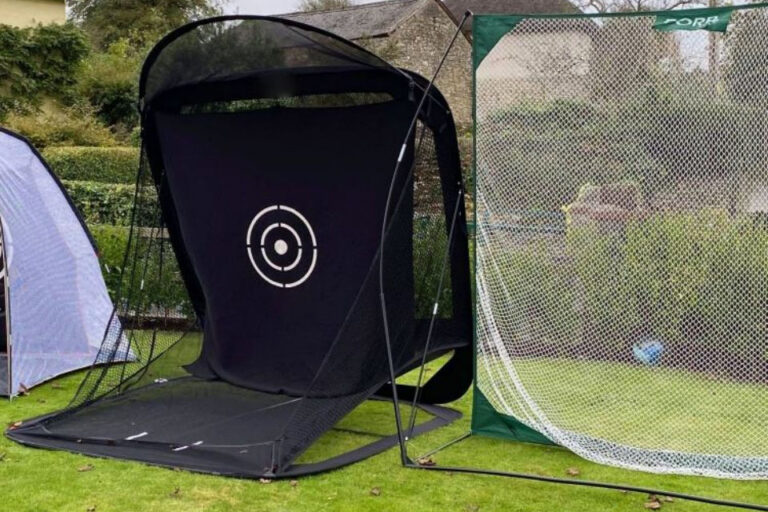
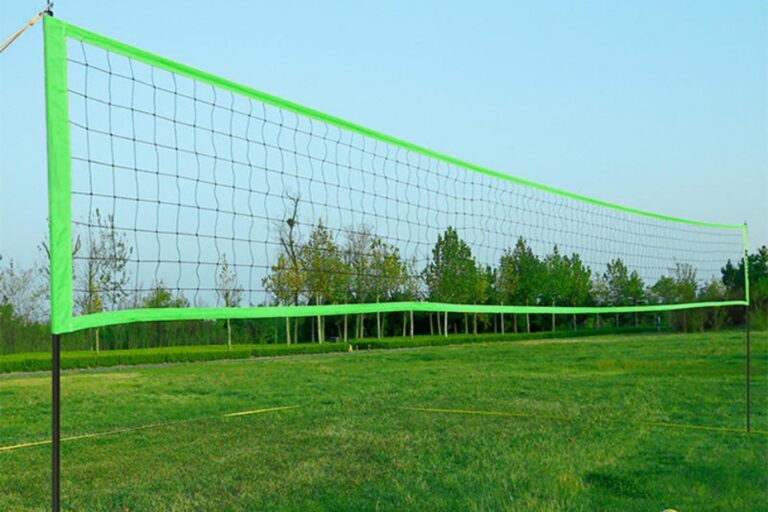
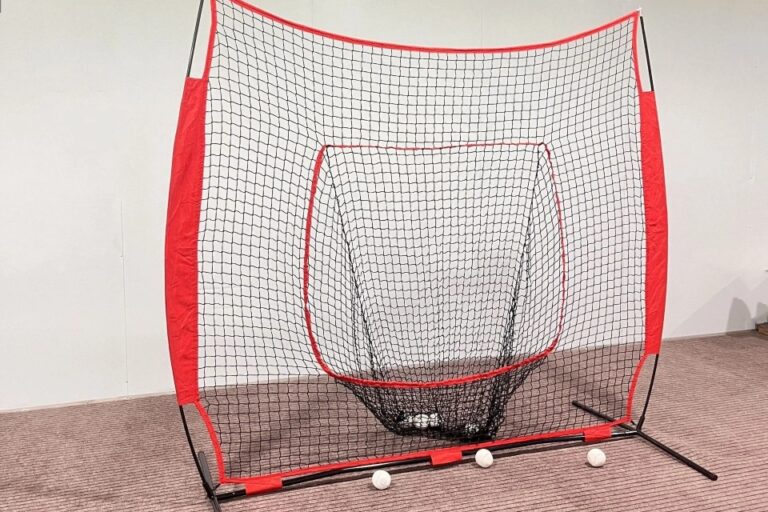
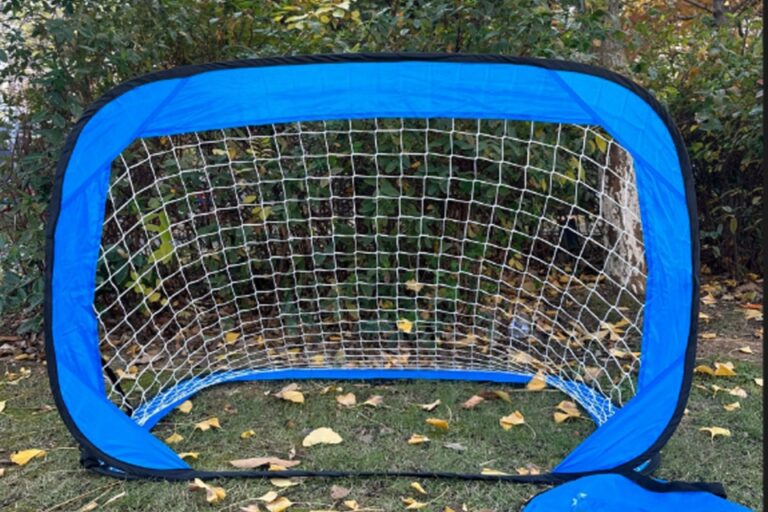
まずは算数から
ゴルフケージ、野球のバックストップ、ピックルボールのネットシステム、あるいはラクロスゴールを「単なるスポーツ用具」だと考えている買い手は、すでにリスクにさらされています。なぜなら、米国税関はあなたのミスを容赦なく厳しく扱うからです。 曖昧な商品説明は、HTSコード、関税請求書、第99章に基づくリスク、罰金、遅延、そして通関業者との非常に気まずい電話へとつながってしまうのです。.
その紙幣を食べるのは誰?
輸入プログラムが失敗する、あるありふれた理由を私は何度も目にしてきました。それは、生産開始前に誰も品目分類の責任を引き受けていなかったからです。営業チームがサプライヤーを選び、調達チームが単価を交渉し、工場がコンテナに荷積みを行いました。そして、ブローカーが「この製品は、結び目のある繊維ネットなのか、完成品のネットなのか、スポーツ用具なのか、スチールフレーム付きのセットなのか、それとも付属品なのか」と尋ねてきたのです。 沈黙。その沈黙は、大きな代償を伴う。.
スポーツ用ネットの輸入において、真の課題は「最も安い工場はどこか」ということではありません。むしろ、「このサプライヤーは、私が輸入している品目が何であるかを、CBP、USTR、そして私の通関業者が正当性を主張できる形で正確に証明できるか」という点が重要な問いなのです。“
この圧力は単なる理論上の話ではない。米国国勢調査局の報告によると、2024年に米国は $4389億 中国からの輸入額は、メキシコに次ぐ輸入元第2位となっている。これは、多くのスポーツ用ネットのサプライヤーが、依然として中国に依存度の高い繊維、金属フレーム、スポーツ用品のサプライチェーンの中に位置しているため、重要な意味を持つ。. 米国国勢調査局の貿易統計 その規模がはっきりと示されている。.
そして、2024年になってもワシントンの動きは収まる気配を見せなかった。2024年9月18日付の米国通商代表部(USTR)による『連邦官報』への公告により、第301条に基づく措置が修正され、その対象は以下のとおりとなった。 HTSUSの382の細目および7つの統計報告番号 14の製品グループにわたり、2024年の値上げは、以下の日付以降に申請された品目に適用されます。 2024年9月27日 そして、その後、以下に連動して増加する 2025年1月1日 そして 2026年1月1日. もう一度よく読んでみてください。関税リスクは今や、単なる商品リスクではなく、カレンダーリスクとなっているのです。. 連邦官報、2024年9月付 USTR通知
厳しい現実として、ほとんどのバイヤーはスポーツ用ネットの価格設定を管理できていません。彼らは単にそれに反応しているに過ぎないのです。.
分類が最優先
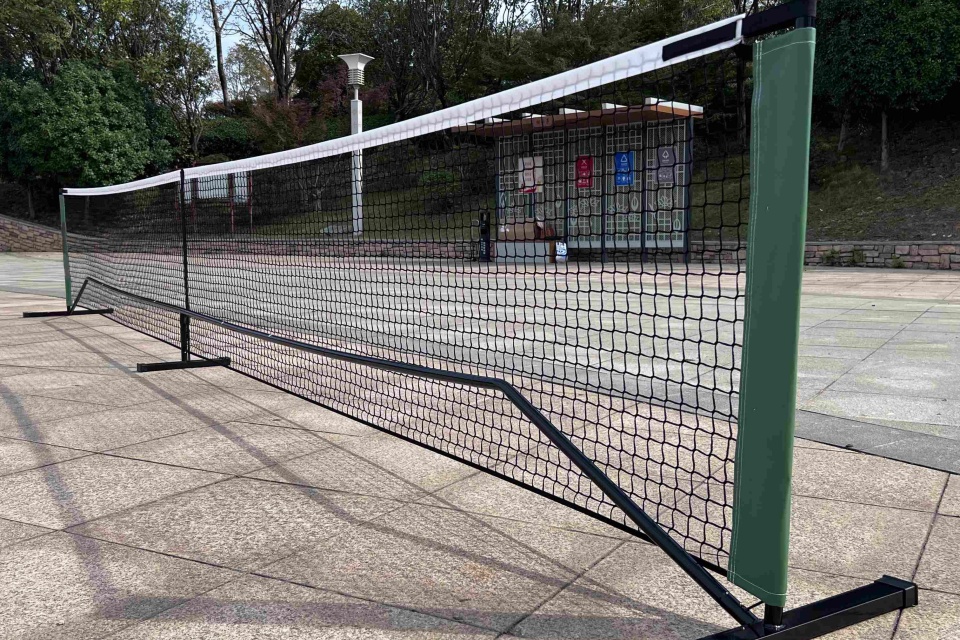
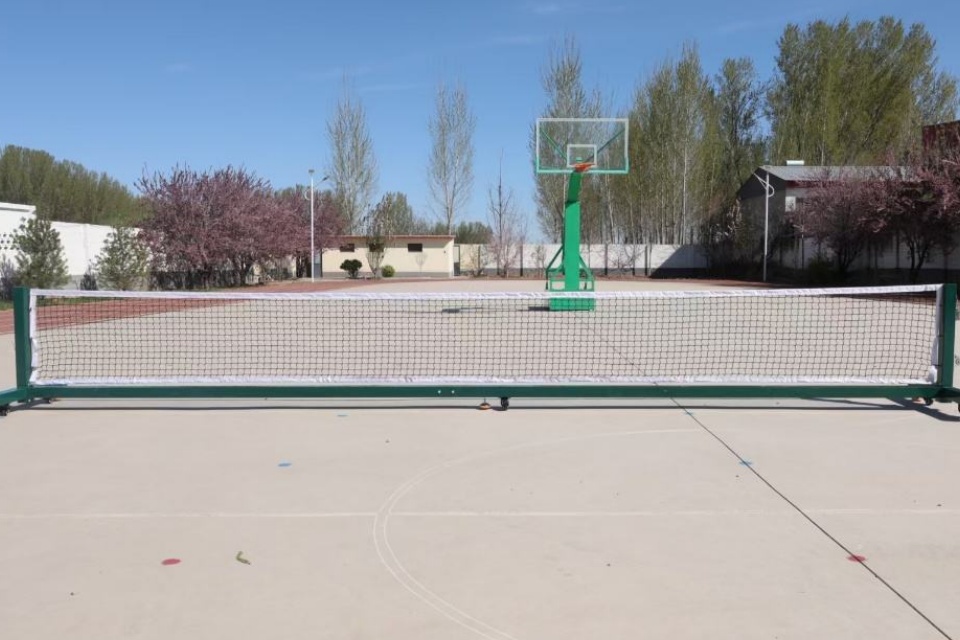
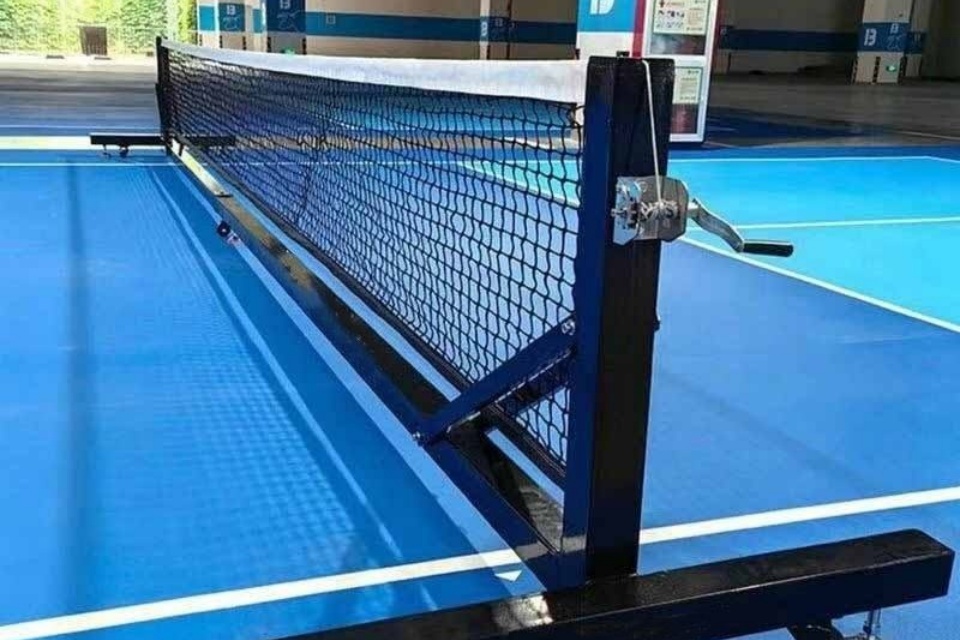
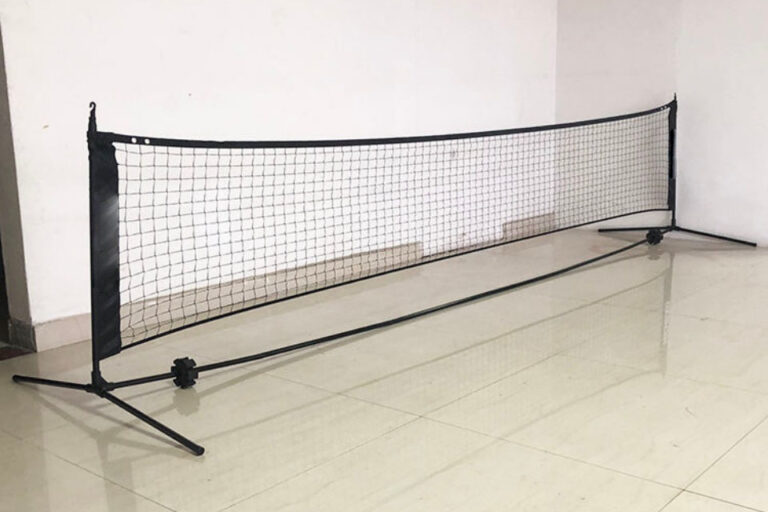
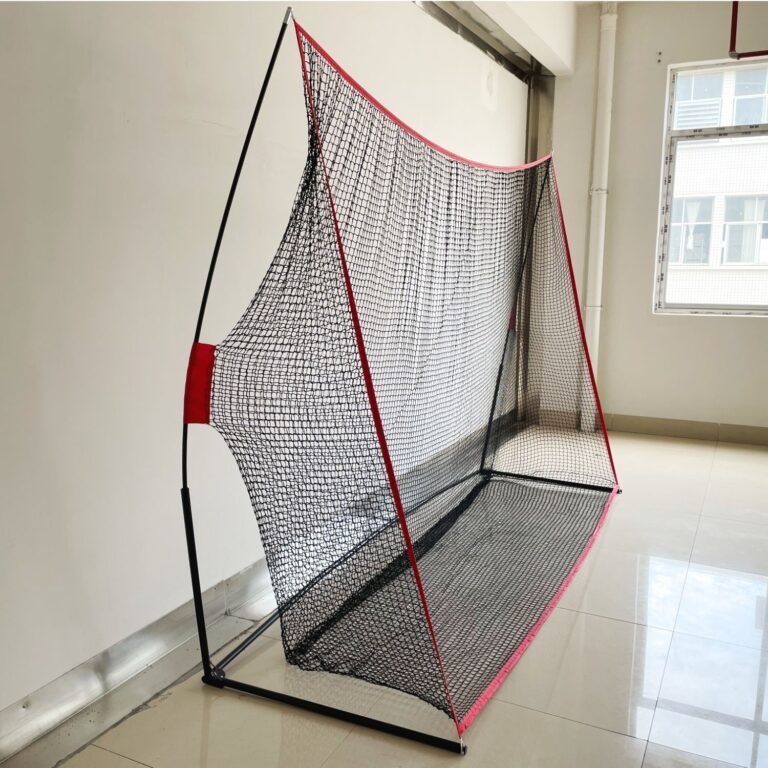
真面目な輸入業者は、発注承認の前にすべてのSKUをマッピングすべきです。A 携帯用ピックルボールネット スチールフレームの場合、交換用ネットのロールとは異なる適合性の問題が生じます。A 野球のバッティングケージ用ネット これは、本格的な野球トレーニング施設とは異なります。A ゴルフ打撃ケージ ポール、ターゲットシート、キャリーバッグ、フック、バンジーコードが付属している場合、キログラム単位で販売されている未加工のPEメッシュとは異なる分析結果となる可能性があります。.
そこで、スポーツ用ネットの輸入は厄介な問題を抱えることになります。素材が重要です。構造が重要です。用途が重要です。梱包が重要です。ネットが結び目ありか結び目なしかが重要です。製品がナイロン、ポリエステル(PET)、ポリプロピレン(PP)、それともポリエチレン(PE)であるかが重要です。ネットが単体で届くのか、それとも小売用トレーニングシステムの一部として届くのかが重要です。.
繊維製ネットの場合、輸入業者はしばしば次のような品目番号を調べることになります。 5608 ひも、コード、またはロープを結び目のある網状に編むために;; 6005 特定の縦編み生地については;; 6307 加工済みの繊維製品用;または 9506 スポーツ用具について。スポーツ用バリアやバッティングケージに使用されるネットに関する米国税関・国境警備局(CBP)の分類裁定では、特定のスポーツ関連の結び目入りナイロンネットについて、 HTSUS 5608.19.2090, 、公表されている関税率は 5% 従価税 その判決において。. CBP CROSS データベース また、購入者が「スポーツ用ネット」という表現を単一の汎用規格と解釈する前に、NY N065642の再版された規定文を確認しておく価値があります。.
第99章 暴露
しかし、分類はあくまで第一段階に過ぎません。.
第2層は第99章です。中国産品については、USITCの関税データによると、 5608.19.20 ~に関連して 9903.88.03, 、一般的に追加措置と関連付けられる第301条の規定、 25% 除外規定が適用されない限り、対象となる中国産製品には関税が課されます。. USITCのHTSコード「9903.88.03」の検索
つまり、ある製品は表面的には5%の関税品目のように見えても、第99章の適用後は30%の関税品目のように扱われることがあるのです。 商品取扱手数料、港湾維持費、通関手数料、陸送費、滞船料リスク、内陸運賃などを加算すると、寧波や青島で喜んでいた「純FOB価格」の見積もりが、まるで偽物のように見えてきます。.

輸入業者用作業表
以下は、スポーツ用ネットの発注を承認する前に私が参照する、輸入業者の作業用表です。.
| 製品タイプ | 関税問題の可能性 | サプライヤーに求めること | 無視した場合のリスク |
|---|
| 交換用バリアネット、バッティングケージ用ネット、安全ネットパネル | その構造によっては、5608などの繊維製網類の品目に分類される場合がある | 繊維の種類、結び目・編み構造、メッシュサイズ、デニール、縁の仕上げ、用途説明、写真 | HTSコードの誤りにより、スポーツ用ネットの輸入関税が過少納付されていた |
| ゴルフの打撃練習場およびシミュレーター用ブース | 繊維素材とフレーム部品が混在している場合、分類分析の結果が変わる可能性があります | 完全な部品表、フレームの材質、スクリーンの材質、部品別の梱包明細書 | 繊維製品とスポーツ用品の分類誤り |
| ピックルボール、テニス、バレーボール、バドミントンのシステム | 9506号に属するスポーツ用具、特にフレームやポールが付いたものは、対象となり得る。 | 組み立てマニュアル、製品写真、小売用パッケージ、対象となるスポーツ | 完全なネットワークシステム向けの誤ったデューティモデル |
| サッカー、ラクロス、ホッケー、アメリカンフットボールのゴール | 金属・プラスチック製のフレームとネットを組み合わせた「セット」の分析 | 鋼種、管径、正味繊維量、コーティング、SKU単位の請求書 | フレームおよびネット構成要素間のデューティリーク |
| マルチスポーツ用リバウンダーおよびターゲットトレーナー | 「使用」「ターゲットパネル」「リバウンド機能」「フレーム」が分類の要因となる可能性がある | 分解図、部品原価内訳、製品紹介動画 | ブローカーは、曖昧な請求書の記載内容から推測する |
| 5608.19.20に分類される中国産の繊維製ネット | 第301条第99章に基づく措置の対象となる可能性 | 原産地証明、HTS確認、除外審査 | 着陸コストが、当初予定の5%から、30%+に跳ね上がる可能性がある |
着荷コストの実情
具体的な数字で見てみましょう。.
申告された通関価格が $48,000 既製のスポーツ用ネットが入った容器1つ分。ベースでは 5% 義務、その義務とは $2,400. 中国産の製品が、以下の対象にも含まれる場合は、 9903.88.03 さらに 25%, 、それはまた別の $12,000. 総関税額: $14,400, (手数料や物流費を除く)。小売店舗12,000店舗の場合、それは $ 1.20 単位あたり 義務のみにおいて。.
それがマージンです。事務作業ではありません。.
2023年の国際貿易裁判所による判決において、 第301条に基づく事件について また、輸入業者が単に裁判所が中国への関税を撤廃するのを待てばよいという、根拠のない噂も払拭すべきである。裁判所は、より広範な訴訟が続く中、米国通商代表部(USTR)による差し戻し説明を受けて修正された「最終リスト3」および「最終リスト4」を支持した。. 米国国際貿易裁判所 判決要旨 23-35
私の意見としては、料金戦略が訴訟による救済に依存しているなら、それは料金戦略とは言えない。.
関税の管理方法
では、すべての発注書を法務メモのようなものにしてしまうことなく、スポーツ用ネットの輸入関税をどのように管理すればよいのでしょうか?
商品名による仕入れを停止する
まず、商品名に基づいて調達を行うのはやめましょう。「ゴルフネット」、「サッカーリバウンダー」、「マルチスポーツネット」などは、あくまでマーケティング上の名称に過ぎません。税関はこうした名称を重視しません。HTSコード候補、素材、原産地、構成部品、単価、サプライヤーの工場、および証明書類に基づいて、商品マスターを構築してください。その FSportsNetの全製品ラインナップ これは、SKU単位での管理がなぜ重要なのかを理解する上で参考になります。ゴルフネット、リバウンダー、サッカーゴール、ホッケーゴール、そしてマルチスポーツ用ネットシステムは、それぞれ異なる通関書類が作成されるからです。.
コンプライアンス・パッケージの請求
第二に、スポーツ用ネットのサプライヤーに対しては、入金前にコンプライアンス関連書類一式を提出するよう求めます。出荷後ではなく、入金前です。 この書類一式には、製品写真、梱包写真、繊維組成、フレームの構成、HS/HTSの推奨分類、部品表、原産地証明書、製造工程、および新疆産の糸や生地、あるいは強制労働に関連する原材料が含まれていないことを明記した署名入りの宣誓書を含める必要があります。また、生産地については市レベルまでの詳細も求めるべきです。.
製品ファミリーの分割
第三に、製品ファミリーを分割する。A 持ち運び可能なゴルフ練習ネット そして 耐久性のあるナイロン製ゴルフ用バリアネット 同じ買い手向けである可能性はありますが、これらは同じ輸入ファイルではありません。一方はトレーニング用のデータであり、もう一方は架空のネッティングに近いものかもしれません。これらを同一のデータとして扱うと、元帳に誤りが生じることになります。.
着荷価格の見積もり
第四に、単価ではなく総コストを提示してもらうこと。FOB価格で6%安いサプライヤーでも、関税、運賃、検査費用、関税還付の上限、遅延リスクなどを考慮すると、結果的に高くなる可能性があります。私は、「昨年と同じ」という言い訳に隠れる業者よりも、明確な書類を提示してくれる工場から購入したいと考えています。“
拘束力のある裁定の検討
第五に、販売量の多いSKUについては、拘束力のある裁定を検討してください。拘束力のある裁定によって、質の悪い製品が安くなるわけではありませんが、曖昧さを解消することはできます。野球用ネット、ピックルボール用セット、ラクロス用ゴール、あるいは屋外用防護ネットを繰り返しコンテナ単位で輸入している場合、裁定に基づく厳格な対応は、通関業者のその場しのぎの対応よりも効果的です。.
そして、確かに、サプライヤーの選定は依然として重要です。より正確な書類を必要とするバイヤーは、製品写真だけにとどまらず、メーカーが監査、部品追跡、およびSKUごとの書類作成に対応できるかどうかを確認すべきです。その 工場見学 そして カスタムスポーツネットサービス 関税管理は港ではなく生産段階から始まるため、これらのページは、このトピックと結びつけるのにふさわしい内部の根拠となります。.
スポーツ用ネットの貿易規制の次の段階では、不注意な輸入業者が罰せられることになる。勝者となるのは、カタログ価格が最も安い企業ではない。勝者となるのは、製品が何であるか、どこで製造されたか、どのような素材でできているか、そして申告されたHTSコードが正当である理由を証明できる企業である。.
それってつまらなそう。.
いいね。税関の仕事では、退屈なほど儲かるんだ。.
よくある質問
スポーツ用ネットの輸入とは何ですか?
スポーツ用ネットの輸入とは、野球、ゴルフ、ピックルボール、サッカー、テニス、バレーボール、ラクロス、ホッケー、アメリカンフットボールなどのスポーツで使用される、スポーツ用ネット、ネットシステム、バリア、ケージ、ゴール、リバウンダー、および交換用ネットパネルを国境を越えて購入することを指します。 これには、繊維製のネット単体だけでなく、フレーム、ポール、ターゲット、バッグ、フック、金具などを備えた完全なシステムが含まれる場合があります。.
ここで注意すべき点は、「スポーツ用ネット」というのは商業上の用語であり、関税分類ではないということです。ナイロン製のバッティングケージ用パネル、鉄骨製のホッケーゴール、ピックルボール用ネットシステムは、たとえ同じサプライヤーから販売されている場合でも、関税上の分類が異なる場合があります。.
スポーツ用ネットの関税はどのように算出されるのでしょうか?
スポーツ用ネットの関税は、商品の申告価格に対し、適切なHTSUS分類、原産国、基本関税率、および第301条に基づく関税などの第99章の追加措置を適用して算出されます。申告価格は通常、取引価格を基に算出され、その後、通関業者が関税、手数料、および適用される貿易救済措置を適用します。.
中国産の製品については、輸入業者は通常のHTS関税とセクション301に基づく関税の両方を確認する必要があります。基本関税率が5%の製品でも、追加の従価関税が課されると、価格が大幅に高くなる可能性があります。.
スポーツ用ネットの輸入には、一般的にどのHTSコードが用いられますか?
スポーツ用ネットの輸入において一般的に適用されるHTS分類には、結び目のある繊維製ネットの5608、特定の経編地の6005、繊維製完成品の6307、およびスポーツ用具の9506などが挙げられます。 適切な品目番号は、製品の構造、繊維組成、用途、構成部品、および当該品目がネットパネルとして輸入されるか、あるいは完成したスポーツシステムとして輸入されるかによって異なります。.
工場に単独でコードを選ばせてはなりません。輸入者(Importer of Record)には相当の注意義務があり、通関業者は推測ではなく証拠を必要としています。.
輸入業者は、スポーツ用ネットの輸入関税を合法的にどのように削減できるでしょうか?
輸入業者は、正しいHTS分類の適用、原産国の確認、自由貿易協定の適用要件の検討、異なる製品群の区分、繰り返し輸入されるSKUに対する拘束力のある裁定の申請、および申告されたすべてのコードを裏付けるサプライヤーの書類を整備することで、スポーツ用ネットの輸入関税を合法的に削減することができます。関税の削減は、請求書に基づくものではなく、コンプライアンスに基づいて行われるべきです。.
価値を過小評価してはいけません。原産地を誤って申告してはいけません。完全なスチールフレーム製のトレーニングシステムを、安っぽく聞こえるからといって「交換用ネット」などと呼んではいけません。.
中国製のスポーツ用ネットは、今でも輸入する価値があるのでしょうか?
中国製のスポーツ用ネットは、サプライヤーが製造管理体制がしっかりしており、価格競争力があり、信頼できる書類を揃えており、関税、運賃、コンプライアンスコストを吸収できる十分な利益幅がある場合には、依然として輸入する価値があります。セクション301による影響で経済性が大きく変わる可能性があるため、判断はFOB価格ではなく、着荷価格に基づいて行うべきです。.
大量購入を行う企業にとっては、デュアルソーシングの方が優れたモデルです。スピードと技術的な深みを確保するために中国での生産能力を維持しつつ、関税の計算上、その措置が妥当である場合には代替案を検討するというものです。.
スポーツ用ネットのサプライヤーは、どのような書類を提出すべきですか?
スポーツ用ネットのサプライヤーは、商業送り状、梱包明細書、部品表、繊維組成、フレーム材質の詳細、製品写真、梱包写真、原産地宣言、製造場所、HS/HTSの推奨分類、および耐紫外線性、引張強度、コーティング、安全性能に関する試験報告書などを提出する必要があります。 これらの記録は、通関業者が品目分類および原産地を立証する際に役立ちます。.
真剣な買い手にとっては、この資料はサプライヤーのオンボーディングプロセスの一環として用意されるべきものです。船舶が出航するまで待つようなことは、素人じみた対応です。.
結論
次回のコンテナ発注を行う前に、すべてのSKUについて、関税ファイルを作成してください。その内容には、材料、用途、HTS候補、原産地、第99章の審査、着岸価格モデル、およびサプライヤーからの証明を含めてください。製品ごとの調達サポートについては、以下を参照してください。 FSportsNet製品カタログ または、以下の方法を通じてチームまでご連絡ください FSportsNetのお問い合わせページ 関税の計算によって、利益率の行方が勝手に決まってしまう前に。.