スポーツ用ネットにおけるコンプライアンスが、単なる素材の仕様以上の意味を持つ理由 この売り込み話、以前にも聞いたことがある。.
あるサプライヤーが、高強度PEや UVパッケージ、デニール、結び目の構造、そして「耐候性」といった話題を口にし始めると、約5分間、その場にいた全員が、それらの仕様書の流行語さえあれば、スポーツ用ネット製品がリコールの対象にならず、規制当局の机に載ることもなく、安価な見積もりが非常に高額な一年へと変わるような怪我の報告記録から遠ざかるのに十分であるかのように振る舞う。 しかし、そうではない。程遠い。.
たった3つの言葉。「システムリスクは重要だ」。.
ここに醜い真実があります。ネットパネルだけでは、通常、全体像を捉えることはできません。スチール製のフェルールもその一因です。露出している先端部分もその一因です。 不安定な台座、誤った警告ラベル、欠落したロット番号、子供向けのカートンデザイン、再認定が行われなかった土壇場の部品交換――これらもすべて、物語の一部なのです。私の経験上、ブランドの評判を傷つけるのは、製品ページの見栄えの良いメイン写真ではなく、BOM(部品表)の退屈な隅っこにあるような部分なのです。.
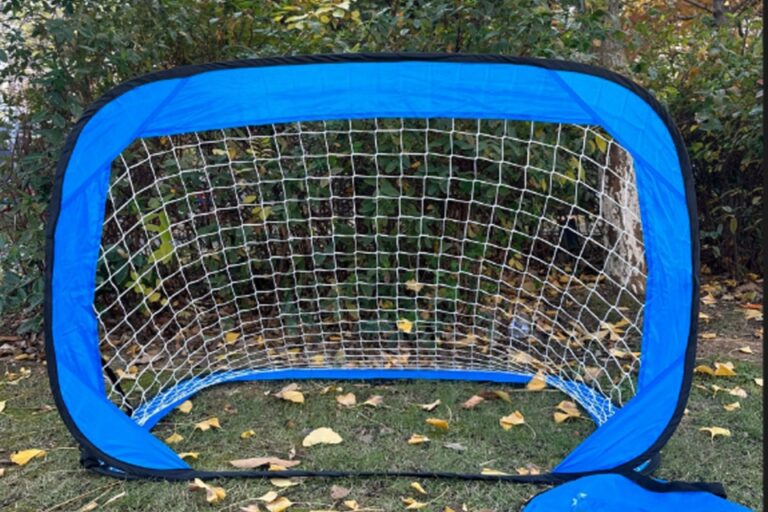
スポーツ用ネットの破損に潜む真のリスク すべてを物語る事例 そして、それがうまくいかなくなると、あっという間に事態は悪化する。最近の最も顕著な例は、 CPSCによる「Sport Nets 4×8 ポータブルサッカーゴール」に関する警告 . 2024年12月19日、CPSCは、金属製の先端が露出していることによる危険性を理由に、消費者に当該製品の使用中止を警告した。同機関によると、2023年4月、ワシントン州の高校生がその先端に落下し、致命的な脳損傷を負ったという。たった一つの部品。たった一つのミス。たった一つの死。(injuryfacts.nsc.org )
それは「単なる品質管理」などではありません。それは、コンプライアンス体制の全面的な崩壊です。.
規制環境が厳しくなっている理由 そして、その背景は緩和されるどころか、ますます厳しさを増している。全米安全評議会(NSC)によると、2024年にはスポーツやレクリエーション用具に関連する怪我で、440万人が救急外来で治療を受けたという。 一方、米国消費者製品安全委員会(CPSC)は、2024年7月にアマゾンに関する命令の中で、当該案件の対象となる危険な製品が40万点以上に上ると述べた。このことから、規制当局は従来の工場流通経路をはるかに超えて、製品が実際にどのように消費者の手元に届くのかという点に直接注目していることがうかがえる。(injuryfacts.nsc.org )
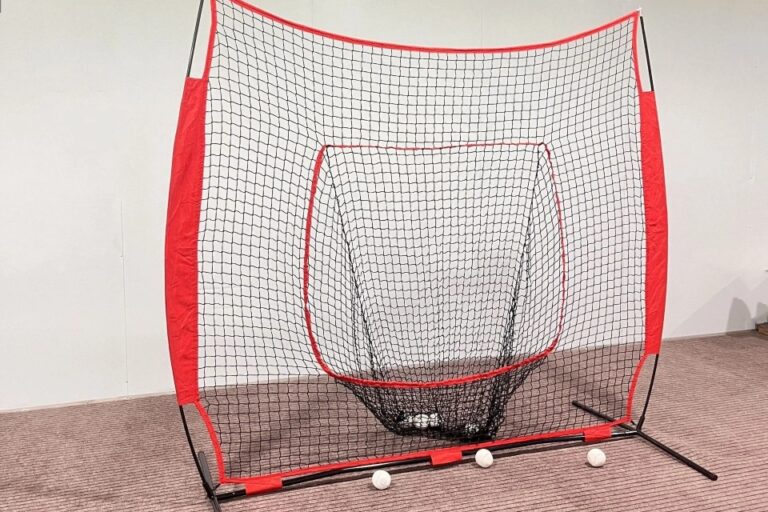
しかし、スポーツ用ネット業界では、いまだに同じ手抜きな過ちが繰り返されています。それは、「スポーツ用ネット」を一つのコンプライアンス分類として扱ってしまうことです。率直に言って、これはこの分野における最も愚かな習慣の一つだと私は考えています。 サッカーのゴール、ゴルフの練習用ケージ、そして持ち運び可能なピックルボール用ネットには、確かにすべてメッシュが使われているかもしれない。しかし、それらは同じ危険性プロファイルも、同じ故障メカニズムも、同じ規格への適合要件も共有していない。これら3つすべてに同じファイルをそのまま流用しているような人は、安全プログラムを運用しているとは言えない。彼らは単なる書類作成工場を運営しているに過ぎない。.
製品の分類は試験に先立って行われる ASTM F2950が重要な理由 サッカーのゴールを眺めてみてください。. サッカーゴールに関するASTM F2950規格 これは、総重量が40ポンドを超えるサッカーゴールに適用され、ASTMでは、その基準値を下回る小型のゴールについては別の安全上の懸念が生じるため、これに関する検討事項も設けられています。さらに、これに加えて 移動式サッカーゴールの取り扱いガイドライン , ……これらは、固定不良や保管上のミス、転倒などが原因で、依然として人が怪我をし続けているために存在するものです。ですから、メッシュ引張試験に合格したからといって、自立式のゴールシステムが安全だとは私には思えません。全くもってそうは思いません。(astm.org )
スポーツ専門チャンネルが子供向けコンテンツになる時 しかし、ここからがさらに厄介な点です。 製品の分類は、試験の予約よりも先に行われる。常にそうだ。16 CFR 1200.2によれば、児童用製品とは、主に12歳以下の児童を対象として設計または意図された製品を指し、その判断は、パッケージ、マーケティング、消費者の認識、サイズ、デザインなど、商業的なシグナルの全体像に基づく。 したがって、開発部門が「一般用途」と主張しても、パッケージのデザインが明らかに子供向けである場合、コンプライアンス部門は社内のスプレッドシートを盾に隠れることはできない。(ecfr.gov )
そして、製品が子供向け製品の範疇に入ると、必要な書類手続きはあっという間に増え続けます。 CPSCのガイダンスによると、子供向け製品には一般的に、第三者機関による試験、書面による「子供向け製品証明書(Children’s Product Certificate)」、および可能な限り製品やパッケージへの追跡情報の記載が求められます。これらの追跡ラベルは単なる飾りではありません。これがあるかどうかで、限定的な是正措置で済むか、あるいは所有するすべての倉庫やマーケットプレイスの出品において、手探りのパニック状態に陥るかが決まるのです。(CPSC.GOV )
ブランドが見落としがちなコンプライアンスリスク 化学物質に関する規制対応は、しばしば付属品の中に潜んでいる 化学? みんな、その重要性を過小評価しすぎだ。いつもそうだ。.
私の経験上、チームはメッシュの強度ばかりにこだわり、実際には実験室での不具合の原因となっている安価な周辺部品――印刷されたターゲットシート、プラスチック製のスリーブ、キャップ、クリップ、トリム、コーティング、コスト削減の過程で調達された風変わりな可撓性部品など――にはほとんど目を向けません。 子供向け製品については、0.009%を超える鉛含有表面コーティングが禁止されており、子供用玩具や育児用品においては、0.1%を超える特定のフタル酸エステル類の使用が禁止されています。厄介なのは、不合格の原因が、一見して明らかな部品ではなく、付属品にあることが多いという点です。(ecfr.gov )
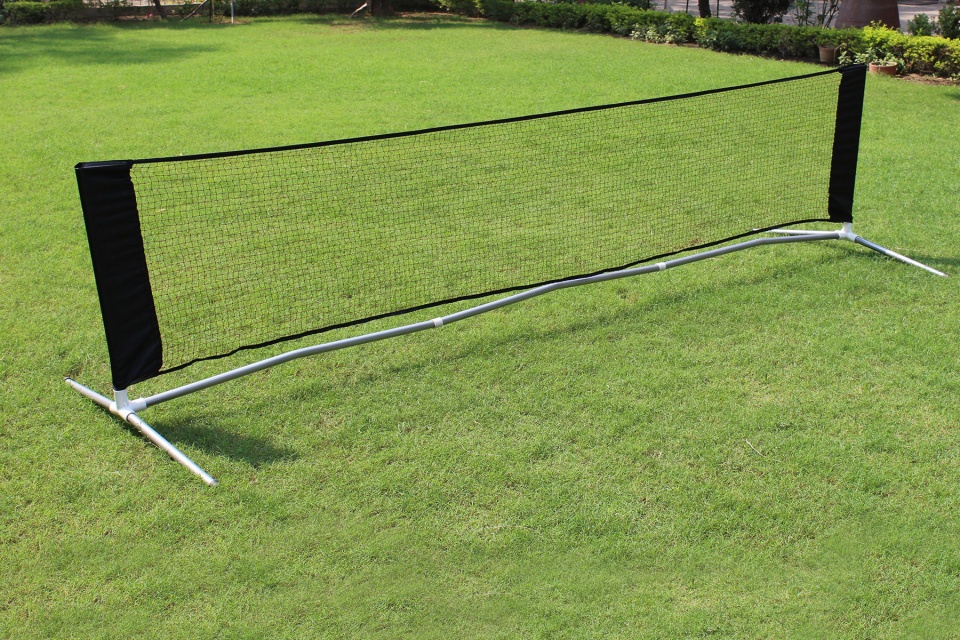
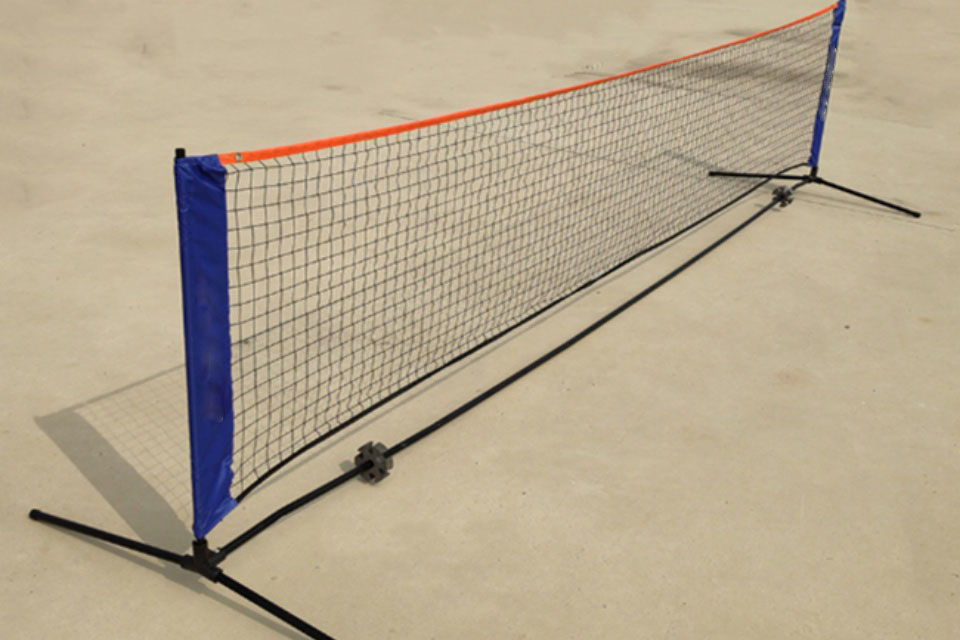
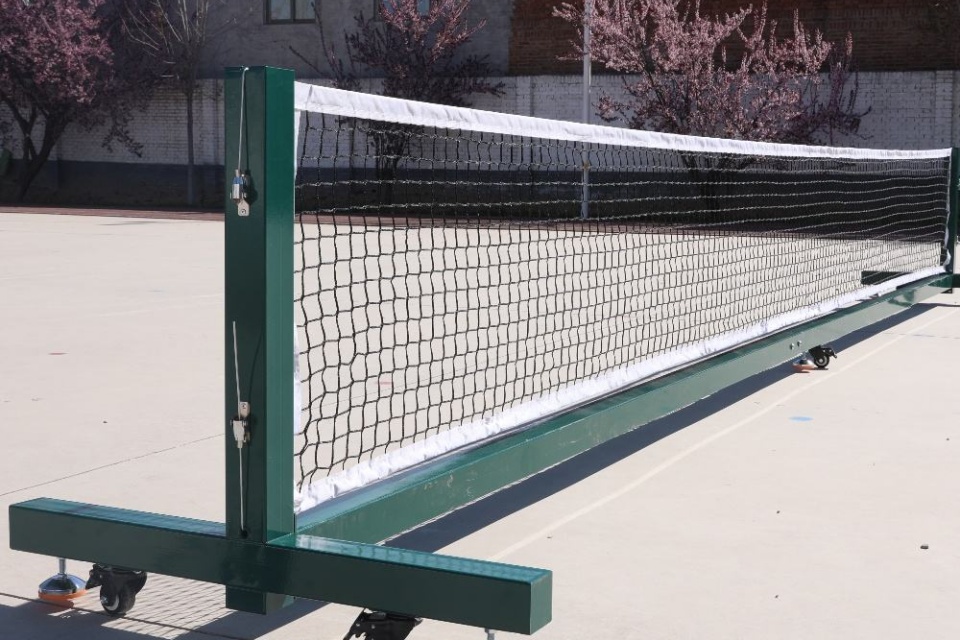
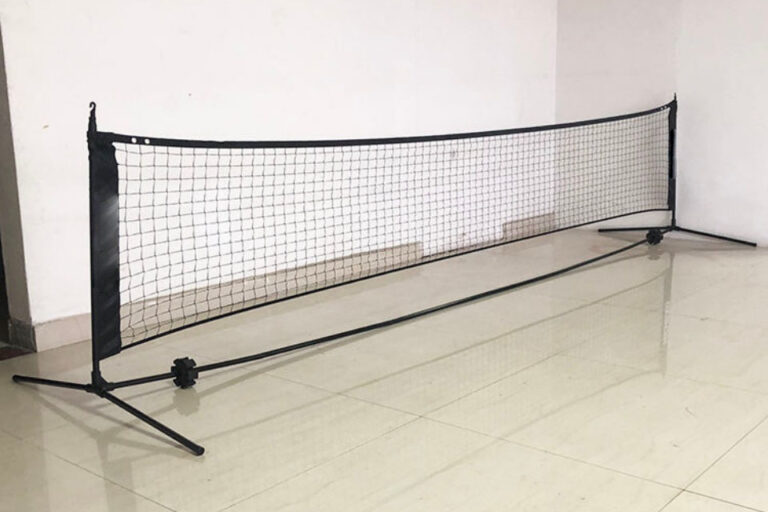
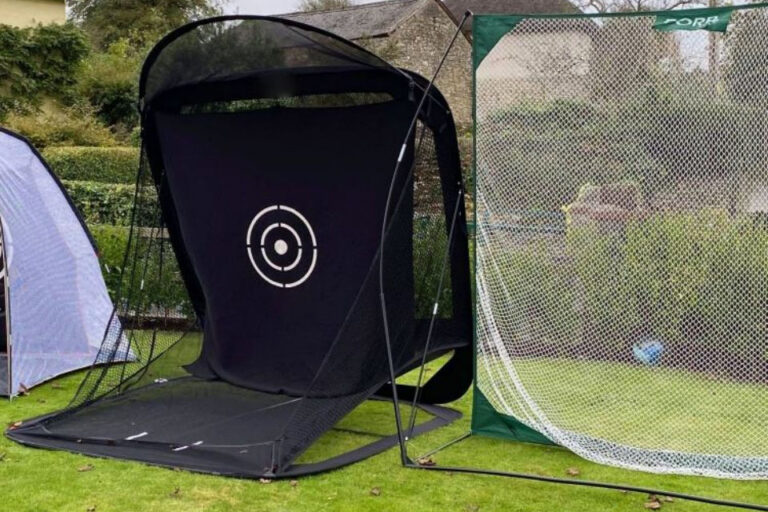
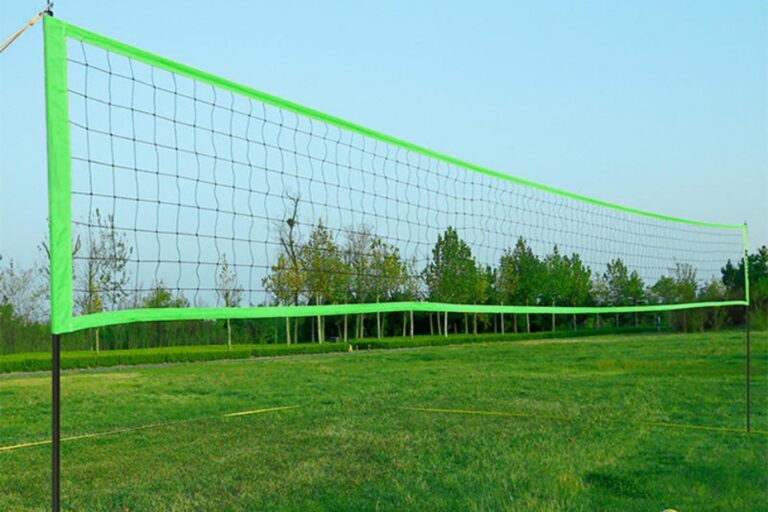
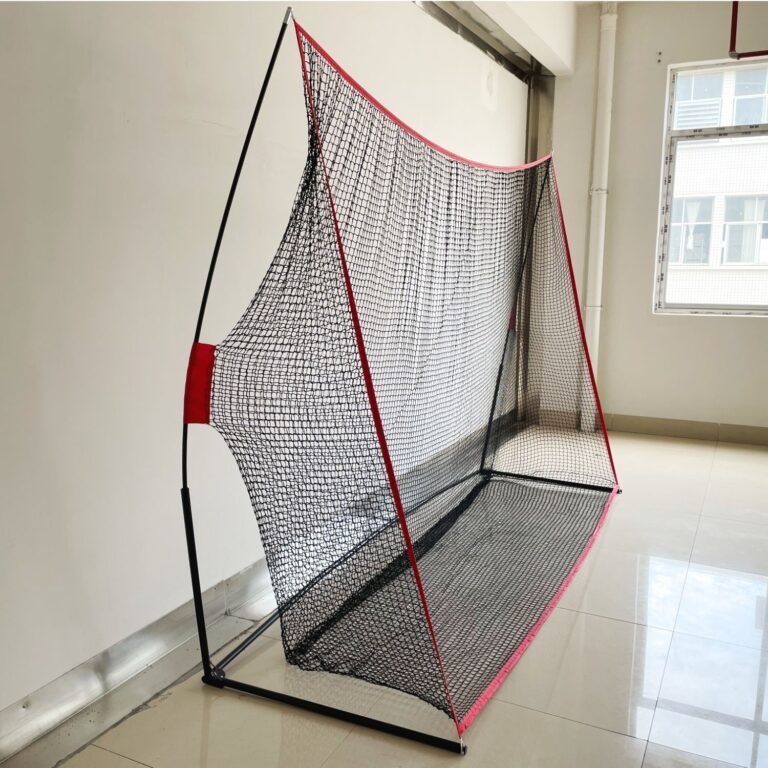
製品の種類によって、必要なコンプライアンス関連書類は異なります まさにそれが、~のコンプライアンス・ファイルが サッカーゴール・システム , ゴルフネットシステム , そして ネットシステム 互いにコピー&ペーストしてはいけません。サッカーゴールは、まず転倒、固定、突出、そしてフレームの安定性といった問題を抱えています。 ゴルフケージは、衝撃の封じ込め、反発挙動、継ぎ目の疲労、および囲いの形状に重点が置かれます。ピックルボールのシステムは、携帯性に関する問題——挟み込み箇所、組み立てミス、不安定な脚部、誤梱包された部品、警告表示の欠落——が現れるまでは、一見無害に見えます。装備が異なり、危険要因の組み合わせも異なるのです。.
なぜ「工場管理」が「営業トーク」よりも重要なのか しかし、買い手たちは依然として見栄えに惑わされてしまう。美しい写真。きれいに巻かれたロープ。兵士のように整然と並んだ粉体塗装のフレーム。まあいい。それでも私は、退屈な部分こそを点検したい。 鋼管ロットの入荷検査を見せてくれ。警告表示の図面における改訂管理を見せてくれ。CAPAの責任体制を見せてくれ。試験済みの基準サンプルと出荷された量産品が実際に同一のものかどうかを見せてくれ――この業界では、それが当然とは限らないのだから。だからこそ、私は次のようなページをより重視しているのだ。 工場見学と生産管理 そして スポーツネット製造サービス 洗練されたセールスコピーよりも。.
というのも、「プレミアム」というのはプロセスではなく、単なる販売用語だからです。.
実用的なコンプライアンスの枠組み コンプライアンス層 確認すべき事項 ファイルには何を記載すべきか ブランドがたいてい失敗する点 製品の分類 一般向けと子ども向け、使用環境、年齢区分 SKUマトリックス、使用目的に関するメモ、包装の確認 マーケティング部門は「子供」と言い、コンプライアンス部門は「大人」と言う“ 機械的安全性 突起部、転倒、固定具、溶接部、フレームの安定性、挟み込みの危険性 図面、検査記録、試験範囲、組立マニュアル 彼らはネットを試し、フレームを無視する 化学物質に関するコンプライアンス コーティング、プラスチック、インク、スリーブ、キャップ、ターゲットシート 材料宣言、試験報告書、適用除外要件 ある要素だけをテストし、残りの部分は当然のこととして扱ってしまう 表示および警告 年齢区分、誤用に関する警告、設置規則、メンテナンス点検 最終アートワーク、配置写真、修正履歴 別のSKUからコピーされた一般的な警告 トレーサビリティ バッチ/ロット識別、製造日、サプライヤーの対応付け 追跡コードシステム、ロット記録、リコール照会シート 影響を受けた生産ラインを隔離する方法がない 市販後の対応 苦情の受付、事案の優先順位付け、報告要件の審査 CAPA記録、リコール計画、第15条(b)のワークフロー 各チームは報告する代わりに、内部で議論している
市場リスクおよび市販後報告 また、販売チャネルに伴うリスクも軽視してはいけません。2024年7月、米国消費者製品安全委員会(CPSC)は、Amazonが「Fulfilled by Amazon」を通じて販売された40万点以上の危険なサードパーティ製品について、販売業者としての責任を負うと認定し、 この判決に関するロイターの報道 その意味するところはかなり明白だった。つまり、販売拠点との距離はもはやそれほど有効な盾とはならないということだ。もしスポーツ用ネットをオンラインで販売するなら、コンプライアンスに関する書類は、工場監査や販売代理店との友好的な話し合いだけでなく、プラットフォーム側の精査にも耐えられなければならない。(ロイター・ドット・コム )
報告の遅れがなぜ事態をさらに悪化させるのか そして、企業が最も嫌がる段階、つまり報告が待っています。CPSCによると、企業は、製品が安全規則に違反している可能性、重大な製品上の危険を引き起こす可能性のある欠陥を含んでいる可能性、あるいは重傷や死亡につながる不合理なリスクをもたらしている可能性を合理的に裏付ける情報を得てから24時間以内に報告しなければならないとしています。つまり? 社内のメールのやり取りが古びていく間、不都合な事実を隠し通すことは許されません。(CPSC.GOV )
実社会において、スポーツ用ネットの製品安全基準への準拠を確保する方法 では、パンフレット上の美辞麗句ではなく、現実の世界において、スポーツ用ネットの製品安全基準への準拠をどのように確保すればよいのでしょうか?私はまずSKUマップを作成します。マーケティング活動によって状況が曖昧になる前に、一般向け製品と子供向け製品を区別します。また、見栄えの整った展示室のサンプルではなく、出荷される実際の構成をテストします。 取扱説明書、梱包箱、製品ページ、マーケットプレイスの商品掲載情報において、すべて同じ内容が記載されるよう徹底します。バッチ単位までのトレーサビリティを確保します。また、苦情を単なるカスタマーサービスの雑音としてではなく、早期警告となるテレメトリ情報として扱います。.
それが仕事というものだ。たいていは華やかさとは無縁で、たいていは資金不足だが、それでも欠かせないものだ。.
よくある質問 スポーツ用ネットにおける製品安全コンプライアンスとは何ですか? スポーツ用ネットにおける製品安全コンプライアンスとは、ネット、フレーム、金具、付属品、ラベル、梱包、および販売上の主張が、製品が販売・使用される地域で適用される法的、機械的、化学的、およびトレーサビリティに関する要件を満たしていることを証明するための、文書化されたプロセスを指します。 平たく言えば、どのような規則が適用されるか、製品がどのように試験されたか、ロットごとにどのように追跡されているか、そして販売後に欠陥や怪我の報告があった場合にどのような対応が行われるかを示すことができるということです。(CPSC.GOV )
すべてのスポーツネットにASTM認証は必要なのでしょうか? いいえ、スポーツ用ネットは必ずしもASTM認証が必要というわけではありません。なぜなら、適用される要件は、梱包箱やウェブサイトの商品説明に記載されている「ネット」という一般的な言葉ではなく、実際の製品の種類、フレームの重量、対象となる使用者、および危険性のプロファイルによって決まるからです。例えば、, サッカーゴールに関するASTM F2950規格 これは40ポンドを超えるサッカーゴールに適用される一方、ASTMは40ポンド以下のゴールについては別の規格が必要であると別途特定している。(astm.org )
スポーツネットは、いつから子供向け商品になるのでしょうか? スポーツ用ネットは、主に12歳以下の子供向けに設計または意図されている場合、子供向け製品とみなされます。規制当局は、工場や調達チームが内部で用いる略語などではなく、パッケージ、ラベル、マーケティング、製品のサイズ、デザイン、および消費者の認識に基づいてその判断を下します。 つまり、子供向けに大々的に販売されている裏庭用トレーニング器具は、たとえ技術部門の担当者が依然としてそれを「一般用」と呼んでいたとしても、子供向け製品としての義務が生じる可能性があるということです。(ecfr.gov )
スポーツ用ネットの製造業者は、どのような書類を保管すべきでしょうか? スポーツ用ネットの製造業者は、各SKUについて、使用目的、適用される規格、試験報告書、証明書、警告表示、材料宣言、ロット番号、組み立て説明書、苦情記録、およびリコール手順を関連付けたコンプライアンスファイルを保管しておく必要があります。これにより、欠陥が発生した場合に、影響を受ける製品を迅速に特定し、その拡散を封じ込めることが可能になります。 子供向け製品の場合、そのファイルには通常、第三者機関による試験結果、CPC(コンプライアンス・プロダクト・カード)、および実行可能な範囲での製品および包装に関する追跡情報が追加されます。(CPSC.GOV )
スポーツ用ネットのブランドが犯す最大の過ちとは何でしょうか? スポーツ用ネットのメーカーが犯す最大の過ちは、メッシュが丈夫であることや、1回のサンプル試験に合格しただけで、基準を完全に満たしていると想定してしまうことです。しかし、実際のリスクは通常、システム全体に潜んでいます。具体的には、フレームによる危険、固定方法、ラベル表示、年齢区分、付属品の化学的性質、不十分なトレーサビリティ、そして事故発生後の報告の遅れなどが挙げられます。その CPSCによる「Sport Nets 4×8 ポータブルサッカーゴール」に関する警告 たった一つのむき出しの金属部分があるだけで、安全対策の取り組み全体が台無しになってしまうという、痛烈な教訓である。(injuryfacts.nsc.org )
カタログを眺めるだけでなく、サプライヤーの実力を試してみたいなら、まずは スポーツネット製品カタログ , に移動して 工場見学と生産管理 , 、そして次に コンタクトページ 本当に重要な質問を投げかけること:どのSKUが子供向けなのか?どの規格がどのモデルに対応しているのか?ロットコードの割り当て基準は何か?CAPAの責任者は誰か?不良ロットはどれくらいの速さで隔離できるのか?価格は重要だ。もちろん。しかし、製品を支える裏側の情報の方が、さらに重要だ。.