문의

How could I construct this multi-sport netting system, or does something similar already exist?

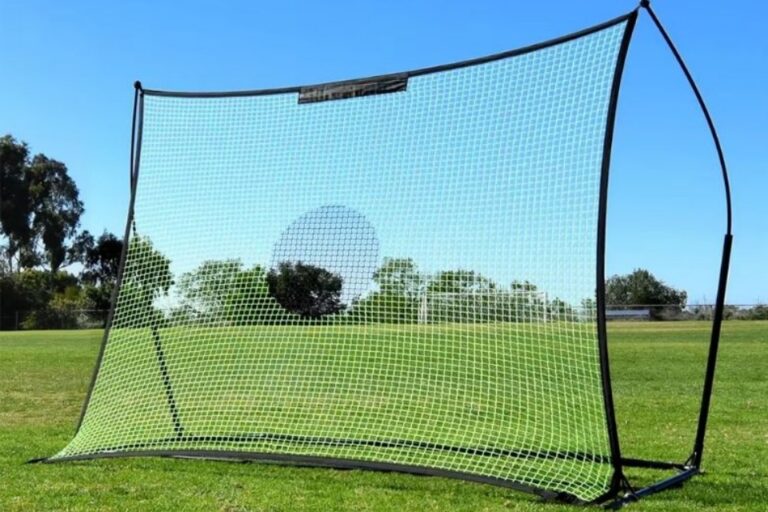
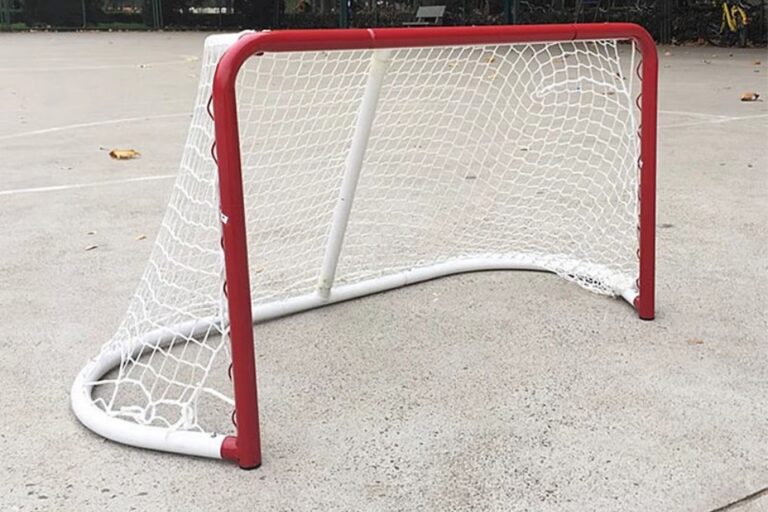
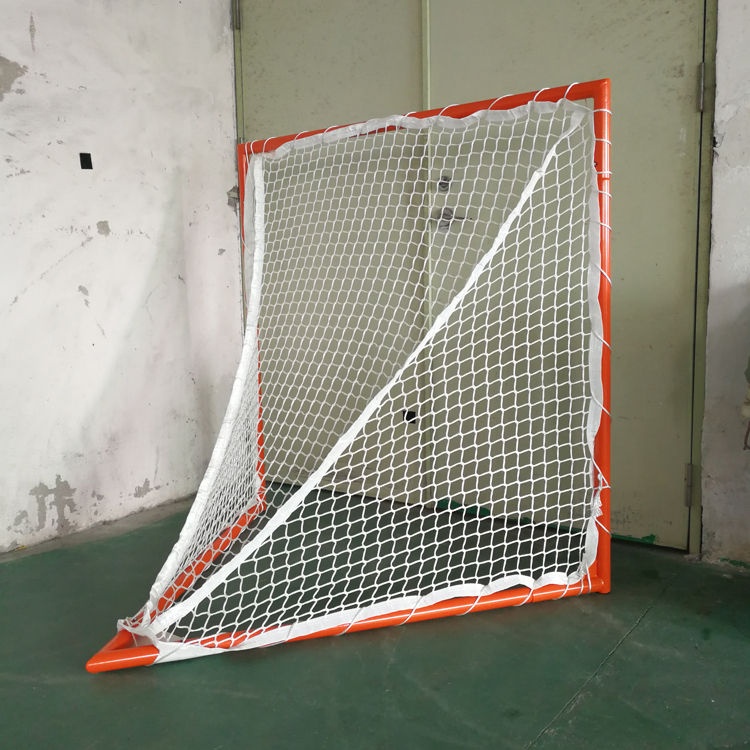
When people ask, “How could I construct this multi-sport netting system, or does something similar already exist?”, they usually mean one thing: stop balls from escaping without slowing down court changeovers.

The concept is simple:

  • Perimeter barrier netting to keep balls inside the footprint
  • Center divider net to split the space for two activities
  • Adjustable net height so you can go from tennis to soccer-tennis to volleyball without swapping hardware
  • Sometimes, retractable netting and even in-ground posts for a clean floor when the nets are “off”

The catch is that every “nice-to-have” adds complexity to the load path, tensioning, and maintenance. That’s why you’ll see plenty of products that cover parts of the wishlist, and far fewer that do the full “automated + retractable + variable height + perimeter + center divider” bundle.

If you want a practical baseline to start from, skim the catalog at FSPORTS 및 메인 제품 collection.

multi-sport netting system

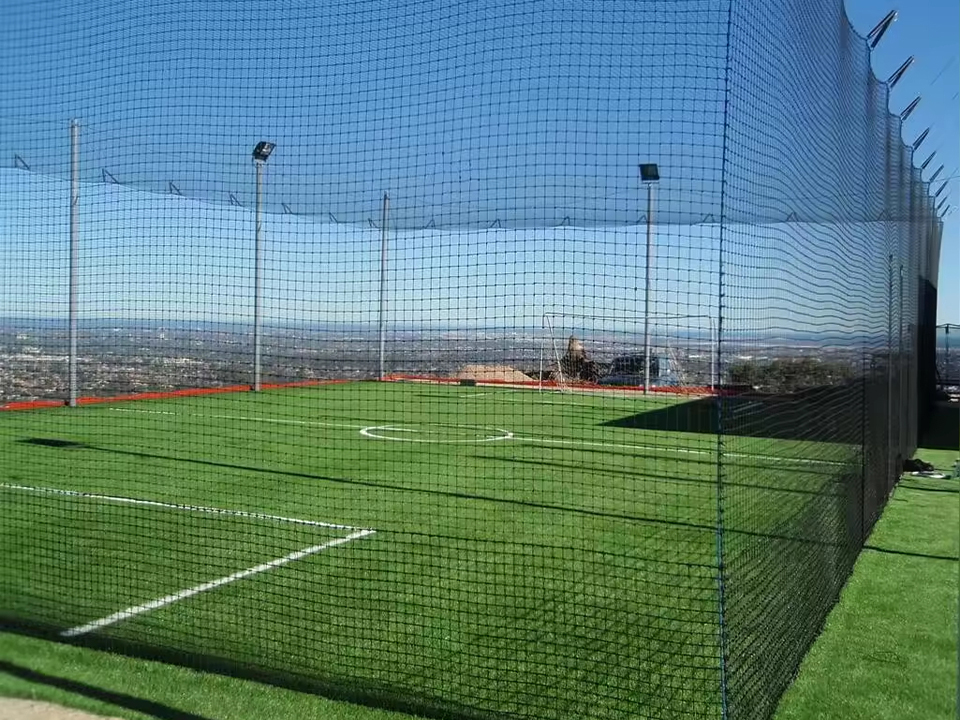
Perimeter barrier netting: ball containment and safety zoning

Perimeter nets solve three real problems that facility operators care about:

  1. Ball containment (less downtime chasing balls)
  2. Safety zoning (fewer “line-of-play” crossovers)
  3. Neighbor protection (cars, windows, adjacent courts)

Mesh size and “escape rate” mindset

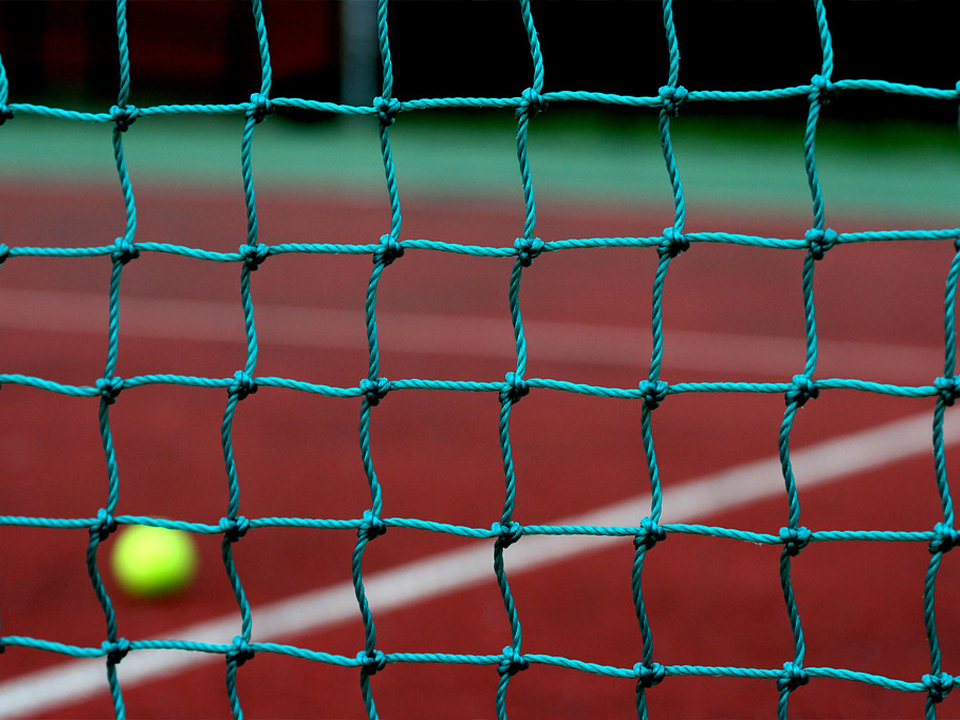
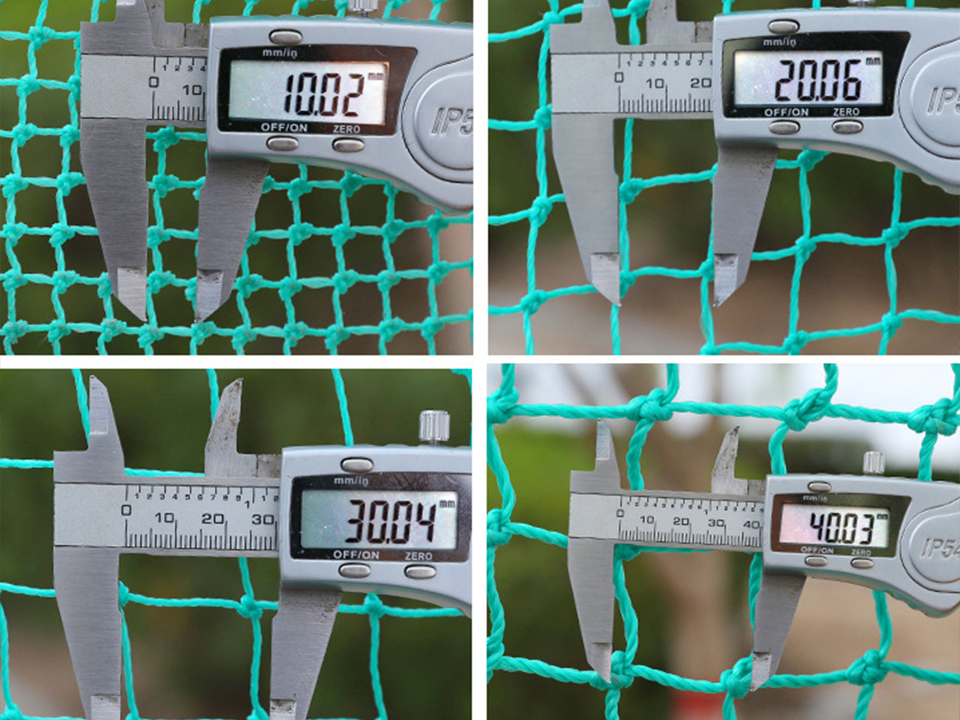
You don’t pick mesh by guessing. You pick it by the smallest projectile you must stop. Tennis pushes you toward a tighter opening than volleyball or soccer. That’s why many builds start with a tight perimeter and a more breathable divider.

A quick way to spec it:

Sport / projectileTypical net priorityMesh direction (rule of thumb)왜 중요한가
Tennis ballsContainment firstSmaller meshPrevents “squeeze-through” and ricochet escapes
PickleballsContainment + visibilitySmall-to-medium meshKeeps sightlines while limiting runaways
배구Separation firstMedium meshMostly prevents cross-court drift
Soccer drillsDurability firstMedium-to-large meshHandles higher mass impacts; larger area coverage

You’ll still confirm with a sample panel and real-world shots. That’s the fastest way to reduce callback risk.

For golf containment or side protection, a barrier-style product is often the right mental model (strong edges, easy mounting). See FSPORTS options like a 고강도 나일론 골프 방어망 (고리 및 번지 코드 포함).

multi-sport netting system

Center divider net: shared space without shared chaos

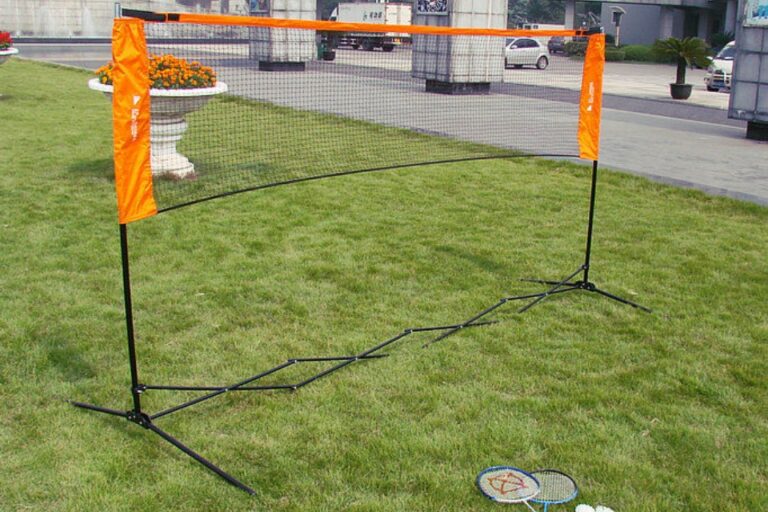
A center divider isn’t just “a net in the middle.” It’s a workflow tool. If staff can raise it fast, tension it cleanly, and store it without tangles, you win back court utilization.

Adjustable net height: pick “fixed positions” before you chase continuous adjustment

Most facilities don’t need infinite height control. They need two or three repeatable setpoints:

  • Low divider for casual play or kid programs
  • Mid height for pickleball/tennis separation
  • Higher setup for multi-use gyms or cross-training sessions

When you lock into setpoints, you can standardize:

  • Pole markings
  • Strap lengths
  • Tension targets
  • Staff training steps

That cuts changeover time and reduces “it feels loose” complaints.

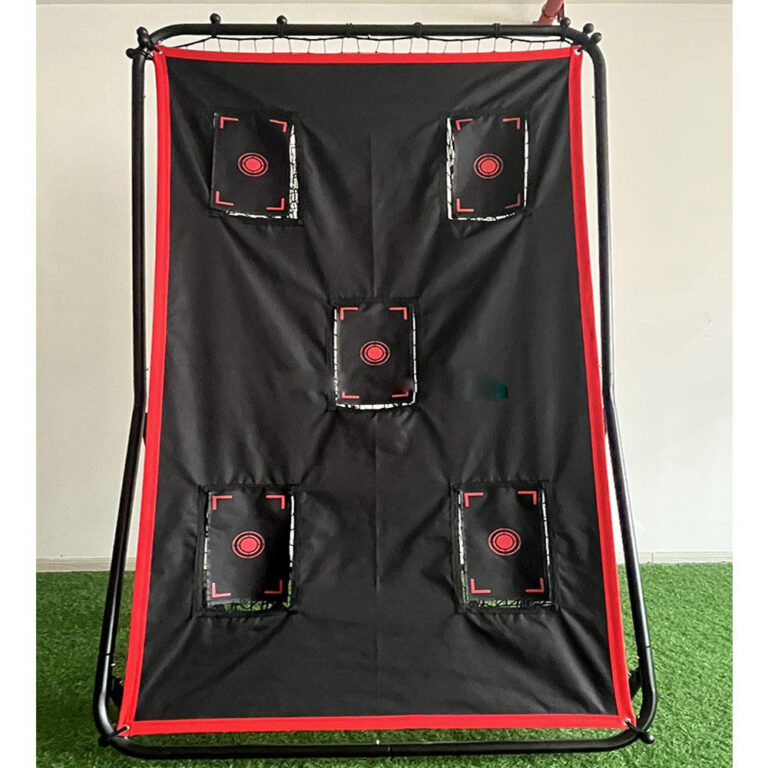
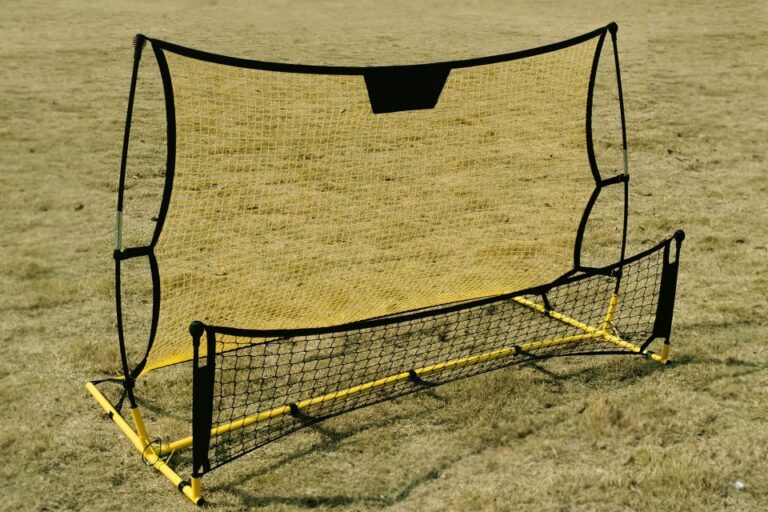
If you’re building a portable multi-sport divider today, start with a proven portable format and refine from there. A good reference point is an 롤링 베이스와 바퀴가 있는 조절 가능한 멀티 스포츠 네트.

Variable net height creates excess netting: tension and storage management

The awkward truth: when height changes, net length management becomes the job.

Net tension management: don’t let “extra fabric” ruin your setup

If the divider can drop, the net has to go somewhere. You’ve got three clean approaches:

  • Roll-up (net winds onto a tube)
  • Fold-and-capture (guided folds into a sleeve)
  • Track-and-stack (net slides along a top cable and parks)

If you ignore this, your net turns into a saggy curtain. Players complain about dead spots and weird rebounds. Staff starts “fixing it” with random knots. Your install slowly goes off-spec.

Practical build tip: design the system so tensioning happens in one motion. Think ratchet + tension bar 또는 winch + cable. This also makes it easier for resellers and installers to deliver consistent results across sites.

multi-sport netting system

Retractable netting and trench system: clean floors, real maintenance

When someone says “I want posts to retract into the ground,” they’re really asking for a trench system or a protected cavity.

Trench system: drainage, debris, and jam risk

Anything in the floor fights three enemies:

  • Water
  • Dirt/sand
  • Random debris (tape, leaves, grit)

So the design must include:

  • Drain path (and a way to inspect it)
  • Covers that don’t become trip hazards
  • Corrosion-resistant hardware
  • A service plan that staff can actually follow

This is why many facilities choose a simpler compromise: ground sleeves with removable poles, then store poles on a wall rack. It’s not as “invisible,” but it’s dependable and easier to service.

multi-sport netting system

Does something similar already exist: modular systems vs fully automated builds

The honest answer is “yes, parts exist,” and “the full dream setup is usually custom.”

Here’s how most buyers land it:

Modular portable net systems: fast changeovers, low facility disruption

Use portable frames, marked height points, and accessory kits. This fits:

  • Schools
  • 커뮤니티 센터
  • Pop-up events
  • Multi-court clubs that need flexibility

Examples in the FSPORTS lineup that match this portable logic include:

Perimeter + divider hybrid: fixed containment, flexible center

This is a sweet spot for venues that run leagues and lessons all day:

  • 설치 perimeter barrier netting as the permanent containment layer
  • Keep the center divider as the flexible element (portable or sleeve-mounted)

For golf training bays or mixed simulator spaces, you can also adapt enclosure concepts like a 프로 골프 시뮬레이터 인클로저 임팩트 화면 설정.

Design decision table: what to build, and what you’ll trade off

Build route최상의 대상장점Tradeoffs you must plan for
Portable adjustable divider + portable accessoriesClubs, schools, event rentalsFast setup, no floor work, easy expansionNeeds disciplined storage; casters and joints take wear
Fixed perimeter barrier netting + portable dividerBusy facilities with mixed programmingStrong containment, cleaner traffic flowPerimeter install planning; sightline and access gates matter
Ground sleeves + removable postsPermanent courts that still need flexibilityClean floor when poles are removed, service-friendlyYou still store poles; staff must follow a routine
Fully retractable in-ground + variable heightHigh-end venues with strict aestheticsCleanest lookHighest install complexity; trench maintenance becomes real work

No route is “perfect.” The right pick depends on how many changeovers you run per day and how much maintenance your team can realistically handle.


Real-world use cases: where multi-sport netting pays back

School gym scheduling: stop the “reset tax”

If a gym flips from PE to after-school training to weekend rentals, the hidden cost is labor and downtime. A consistent netting system reduces:

  • Setup time
  • Equipment damage from rushed handling
  • Safety incidents during transitions

Retail and e-commerce bundles: easier merchandising, cleaner SKU strategy

For B2B retailers and e-commerce sellers, multi-sport netting sells better when it’s packaged as a 시스템:

  • Frame + net + tensioning + carry bag
  • Replacement net SKUs for repeat sales
  • Private label options for brand control

That’s where FSPORTS fits naturally: we manufacture 자외선 차단, 고강도 충격 방지 그물 in standard and made-to-order sizes, and we support bulk wholesale and OEM/ODM programs for distributors, specialty stores, and online retailers.

Training facilities: reduce “ball chase,” increase reps

When balls stay in the zone, coaches get more reps per minute. That’s not theory. It’s throughput. More reps means higher perceived value, better retention, and smoother session flow.

A strong starting point for golf-style containment is a cage format such as the 실내외 사용이 가능한 프로페셔널 골프 연습장 네트.

OEM/ODM sports netting: how to spec it without headaches

If you’re sourcing for resale, don’t begin with “make it strong.” Begin with a short spec sheet:

  • Sport list and smallest projectile
  • Indoor/outdoor exposure (UV, wind, salt air)
  • Net edge finishing (rope border, webbing, grommets)
  • Mounting method (hooks, bungees, sleeves, straps)
  • Target lifecycle and replacement strategy

Then you can scale it: consistent QC targets, stable materials, and packaging that survives warehouse handling.

That’s the boring part. It’s also the part that prevents returns.

Bottom line: build what’s maintainable, then upgrade what’s visible

If you want the cleanest, fully retractable multi-sport netting system, you can build it. Just know you’re signing up for a trench system mindset: drainage, debris control, and regular service.

If you want something that works every day with minimal drama, start modular: perimeter containment + a height-adjustable divider with repeatable setpoints. You’ll keep the space flexible, protect the surroundings, and cut changeover pain.

When you’re ready to turn that concept into a sellable product line—or a facility-wide rollout—FSPORTS can support custom builds, bulk orders, and private label programs through the catalog at fsportsnet.com.

댓글 남기기

댓글