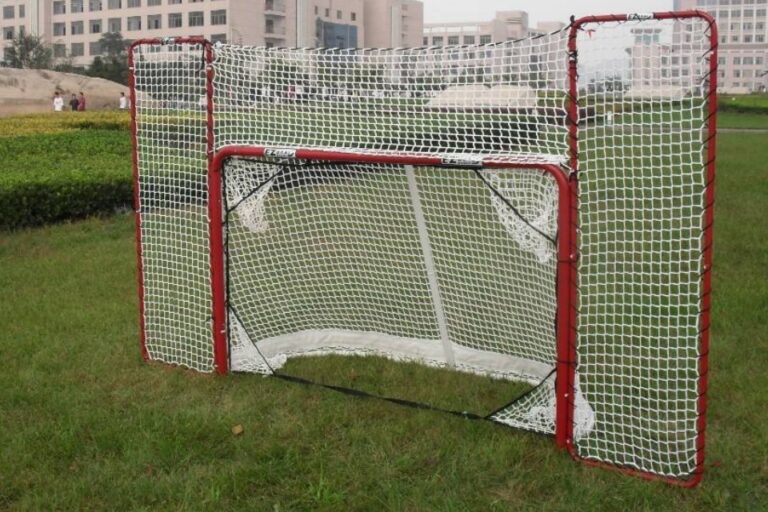
When bulk sports netting shipments miss the construction schedule by two weeks, nobody writes a dramatic report; the installer just burns labor hours, the GC starts sending clipped emails, the owner asks why the field can’t open, and the procurement team pretends the forwarder “had a delay” instead of admitting the purchase order was never tied to the site sequence. Who really owns that failure?
I’ll say the unpopular part first: most sports netting logistics problems are not freight problems. They are planning problems wearing a freight jacket.
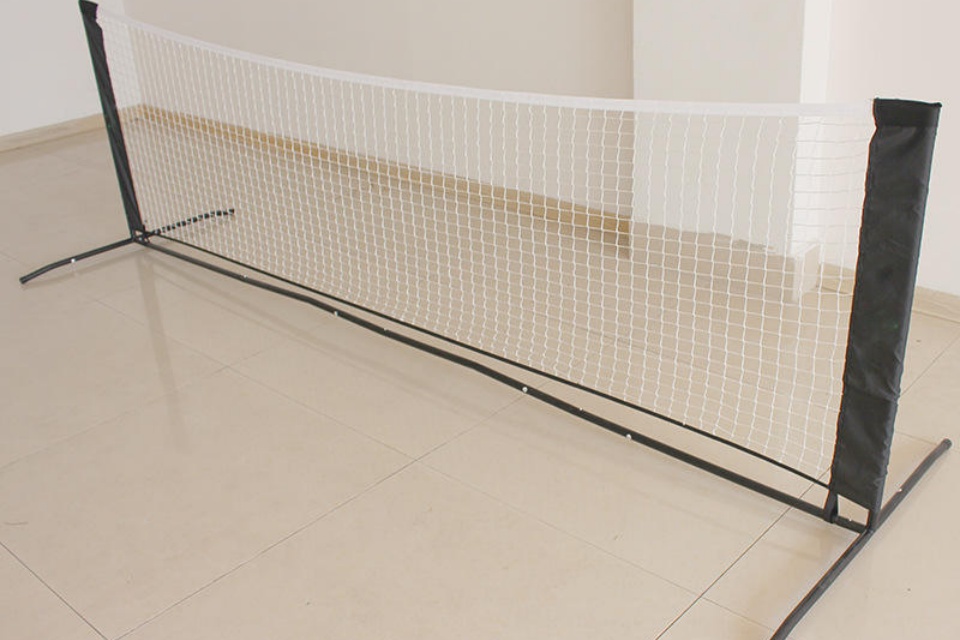
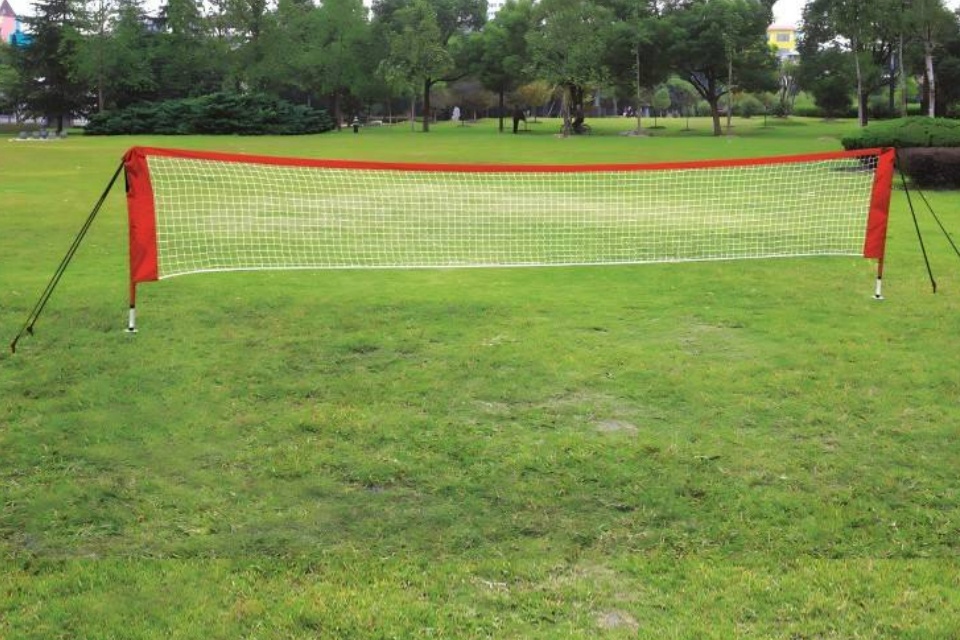
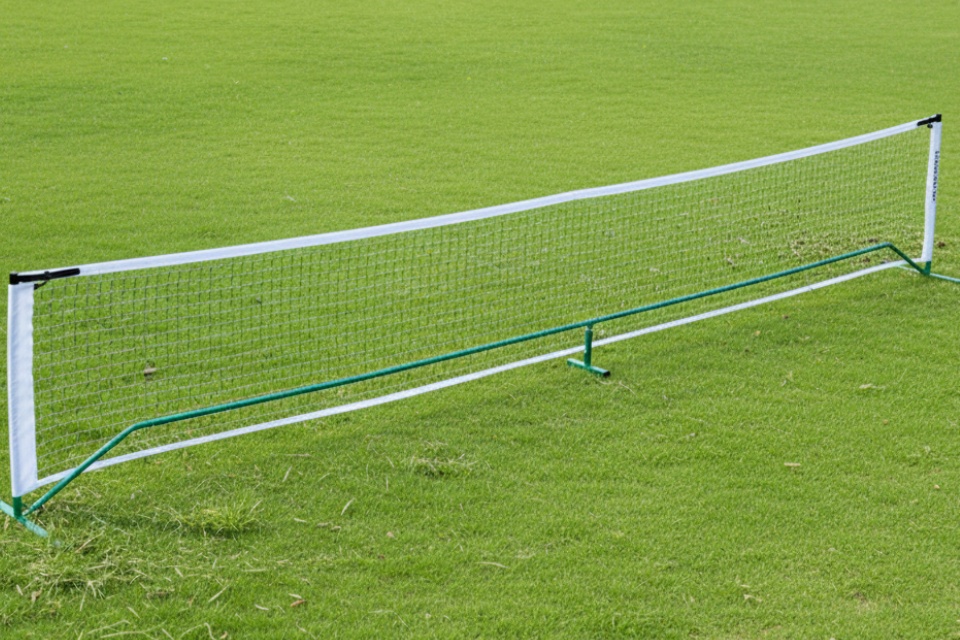
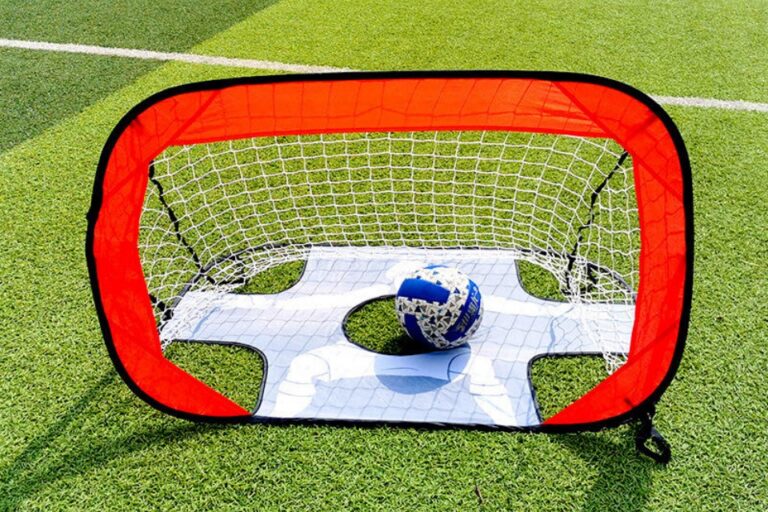
A 40-foot container of baseball backstop netting, golf barrier netting, pickleball systems, soccer goals, and multi-sport net systems is not “inventory.” It is a construction milestone. If your netting lands before the posts are plumb, it becomes expensive clutter. If it lands after turf, fencing, lighting, or final inspection, it becomes a schedule weapon used against you.
The market is not forgiving either. The U.S. Census Bureau’s December 2024 construction spending report put 2024 U.S. construction value at $2.154 trillion, 위로 6.5% from 2023, which means more projects fighting for the same dock appointments, drivers, warehouses, crews, and install windows. (Census.gov) In Europe, Eurostat reported that annual average construction production in 2024 fell 0.9% in the euro area 및 1.3% in the EU, which sounds soft until you realize weaker volume often comes with tighter budgets, more scrutiny, and less tolerance for rework. (유럽 위원회)
So the real question is not “When can the supplier ship?” The question is: When can the site absorb the shipment without turning it into damage, delay, or demurrage?
Treat Netting As A Predecessor, Not A Finish Item
Sports facility construction materials sit in a strange category. They look light. They aren’t.
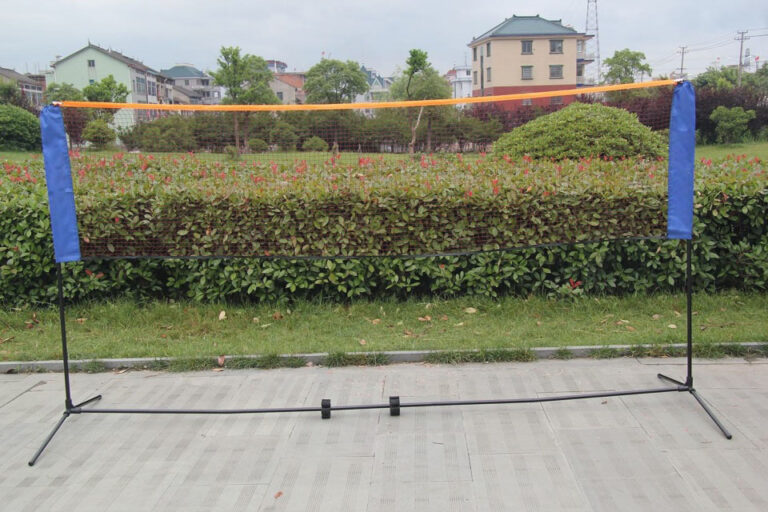
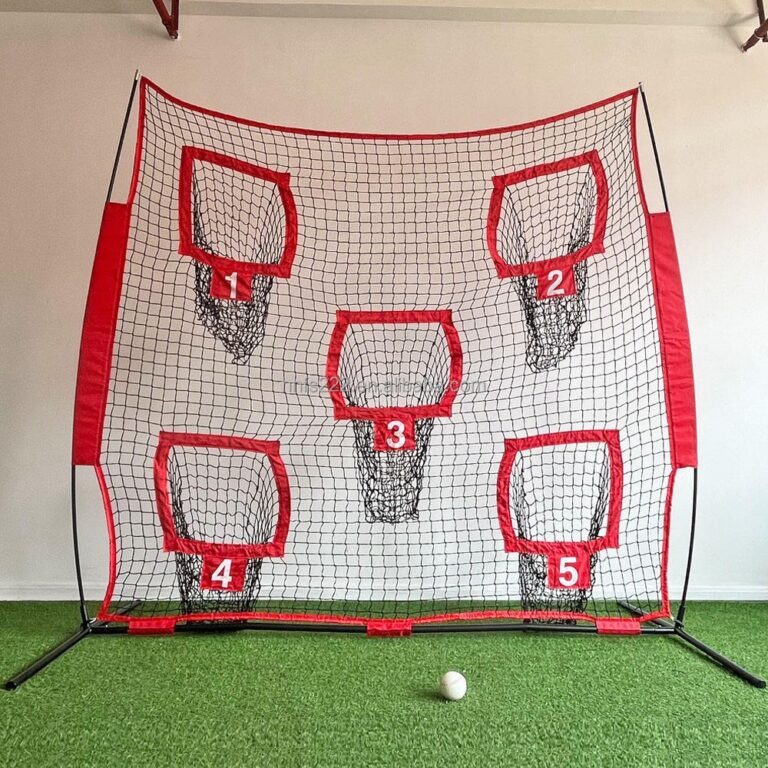
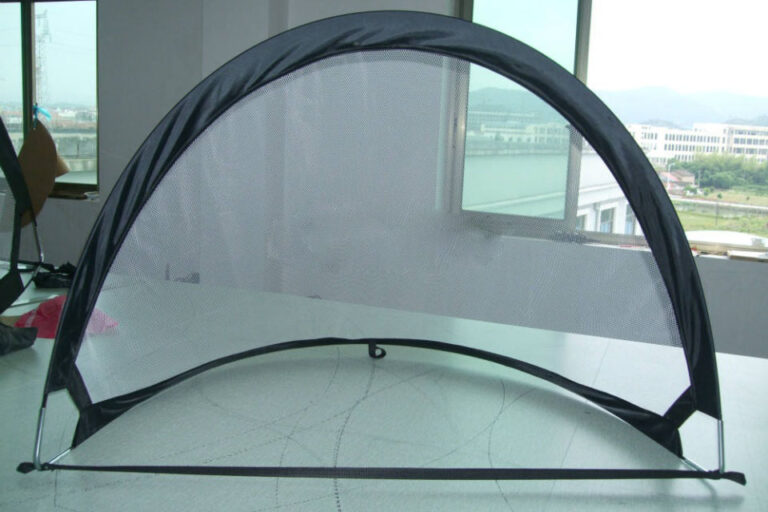
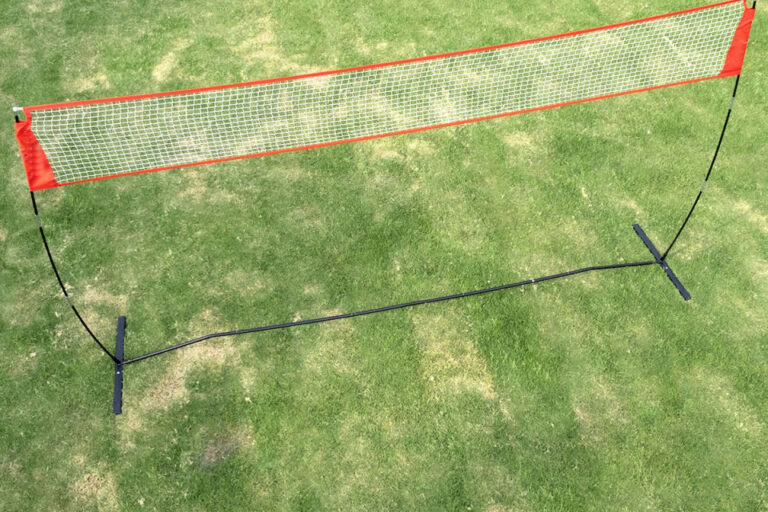
A single project may include HDPE barrier netting, knotless nylon panels, steel frames, winch cables, bungee cords, hooks, sleeves, padding, labeled cartons, custom dimensions, and mixed SKUs across baseball, golf, tennis, pickleball, football, and lacrosse. That is why I’d rather see buyers build the order from a broad sports facility construction materials catalog than chase one-off quotes from three factories with three packing styles.
Here’s the hard truth: construction schedule coordination should start before the netting is cut, not after the goods are packed.
For a US or EU project, I would force the supplier, freight forwarder, GC, and installer to agree on five dates:
Drawing approval date
Production release date
Cargo-ready date
Port arrival or airport arrival date
Site-ready receiving date
Miss one, and the rest become fiction.
The Dirty Risk: Bulk Netting Delivery Is Mostly About Packaging Discipline
Bad packaging is a schedule delay with cardboard around it.
For bulk netting delivery, I want carton-level labels that match the installation sequence: “Field 1 left-field backstop,” “Court 3 pickleball center net,” “Golf bay 04 impact panel,” not vague factory marks like “Net-01.” A tired site crew will not decode your packing list at 4:30 p.m. in rain.
And yes, I care about the boring details: carton count, gross weight, net weight, pallet height, moisture protection, corner guards, and spare hardware bags. The installer cares even more once the lift gate drops.
US And EU Construction Logistics Are Not The Same Animal
In the US, the biggest traps are ISF filing, inland trucking, detention, union or restricted site receiving rules, and fragmented jobsite communication. CBP says the Importer Security Filing “10+2” rule applies to import cargo arriving by vessel, and noncompliance can lead to penalties. (U.S. Customs and Border Protection)
In the EU, the trap is data accuracy before arrival. The European Commission describes Import Control System 2 as an advance cargo information system requiring safety and security data through Entry Summary Declarations for goods entering or transiting the EU. (Taxation and Customs Union)
That means “we’ll fix the paperwork later” is not a logistics strategy. It is a confession.
HTS or HS classification also needs adult supervision. Netting may be treated differently depending on whether it is raw netting, a finished sports set, a goal, a framed training system, or a mixed kit. A baseball batting cage net, a portable pickleball net system, and a steel hockey goal with netting do not create the same customs conversation. Ask the broker before the commercial invoice is issued.
Build The Schedule Backward From Install, Not Forward From Factory
Most procurement teams schedule forward. Factory says 35 days production, freight says 28 days ocean transit, buyer adds a week, everyone smiles.
That is amateur math.
I prefer backward scheduling. Start with the install date and subtract:
3–5 working days for site receiving, inspection, and staging
2–7 days for drayage, customs release, and local delivery
3–10 days for port variability
25–45 days for ocean freight depending on lane
5–10 days for consolidation, export docs, and loading
20–45 days for production depending on custom size, material, and order mix
For air freight, the transit time shrinks but the error cost rises. Air is not a cure for bad planning; it is a tax on late decisions.
The 2024 freight market proved that point. Reuters reported that Red Sea diversions brought back vessel backups, higher ocean rates, and empty container shortages during peak shipping season, while Maersk said disruptions had spread beyond Far East–Europe routes into its wider network. Reuters’ May 2024 shipping report 및 July 2024 Maersk coverage should be required reading for anyone promising “normal” lead times on cross-border sports netting supply chain work. (Reuters)
The Site Receiving Window Is Where Plans Go To Die
A shipment can clear customs and still fail.
I’ve seen projects where the product arrived on time, then sat because the site had no forklift, no crew, no laydown space, no appointment, or no one willing to sign for 87 cartons at 7:15 a.m. That is not a freight delay. That is bad field coordination.
Before shipping, confirm:
Dock or curbside delivery
Forklift or pallet jack availability
Lift gate requirement
Maximum truck size allowed near the site
Union labor or restricted unloading rules
Laydown area dimensions
Weather exposure limits
Weekend or after-hours restrictions
Name and mobile number of the receiving lead
The Port of Baltimore collapse in March 2024 showed how quickly assumptions can break. Reuters reported that the closure created logistics headaches but was unlikely to trigger a full national supply chain crisis because other East Coast ports could absorb cargo. That is exactly the lesson: smart projects have rerouting options before the disruption, not after it. The Baltimore case was not about sports netting specifically, but the principle applies brutally well to construction cargo. (Reuters)
Demurrage and detention are where schedule laziness becomes line-item pain.
The Federal Maritime Commission’s 2024 rule on detention and demurrage billing practices took effect on May 28, 2024, with invoice timing and billing requirements aimed at improving fairness and transparency. The FMC said vessel-operating common carriers and marine terminal operators must issue detention and demurrage invoices within specified timeframes, and the rule came out of the Ocean Shipping Reform Act environment. Read the FMC announcement. (Federal Maritime Commission)
But regulation won’t save a sloppy consignee.
If a container of sports netting arrives and the site cannot unload it, storage charges do not care that your project manager is “checking with the superintendent.” The clock runs.
What I Would Put In The Purchase Order
A serious PO for bulk sports netting shipping should include more than price and quantity. It should contain logistics language.
Include:
Required cargo-ready date
Latest acceptable delivery date
Incoterms, preferably discussed before quoting
Packaging standard and carton labeling format
Photo documentation before shipment
Palletization requirements
Spare hardware percentage
Commercial invoice language
HS/HTS review responsibility
Penalty or escalation process for missed documentation
Contact chain for supplier, forwarder, broker, GC, and installer
For buyers who need a supplier conversation rather than a blind checkout, I’d use a direct project channel like contacting the sports netting logistics team and ask for packing photos, production capacity, export experience, and carton-sequence planning. A supplier that cannot answer those questions clearly should not be trusted with a construction-tied shipment.
The Factory Question Nobody Asks Soon Enough
Can the factory pack for installation?
That one question separates professional supply from cheap product movement. A factory that understands field sequencing can mark cartons by court, field, bay, or goal type. A factory that only thinks in SKU numbers will dump a puzzle on your installer.
This is where source visibility matters. A factory tour and production review is not marketing fluff if you use it properly. Look for cutting tables, sewing consistency, frame packing, hardware segregation, QC stations, labeling discipline, and export carton handling. Pretty product photos do not prove bulk shipment readiness.
My Strong Rule: Never Let Netting Arrive “Just In Time”
Just-in-time sounds efficient. On construction sites, it often means “one disruption away from failure.”
For US projects, I like netting onsite or in a local warehouse 5–10 working days before installation. For EU projects involving cross-border movement, city restrictions, or multiple member states, I prefer 7–14 working days. For custom outdoor systems, I add more buffer because replacement panels are rarely available instantly.
Netting is cheaper to stage than labor is to waste.
자주 묻는 질문
How early should bulk sports netting shipments be booked before installation?
Bulk sports netting shipments should usually be booked 8 to 14 weeks before the required install date, with material approval, carton labeling, customs data, and site receiving windows locked before production starts because corrections made in transit are expensive, slow, and often impossible. For custom outdoor netting, large baseball facilities, golf cages, or multi-court pickleball projects, I’d rather see 12–16 weeks than a heroic rush order.
What is the biggest mistake in coordinating sports netting deliveries with construction schedules?
The biggest mistake is treating sports netting as a final accessory instead of a scheduled construction input tied to posts, fencing, turf, lighting, access roads, and inspection dates. When buyers order late or ship without site sequencing, installers lose hours sorting cartons, owners lose opening dates, and suppliers get blamed for planning failures they did not create.
Should sports netting for US and EU projects ship by ocean or air?
Ocean freight is usually the best option for bulk sports netting shipments because netting and frames often have bulky dimensions, mixed cartons, and lower value density than electronics or medical goods. Air freight only makes sense when the delay cost exceeds the freight premium, the shipment is small enough to handle cleanly, and customs documents are already correct.
What documents are needed for US EU construction logistics?
US and EU construction logistics usually require a commercial invoice, packing list, bill of lading or airway bill, origin details, buyer and consignee data, HS or HTS classification, and advance cargo security filings. US vessel imports may involve ISF “10+2,” while EU shipments require accurate safety and security data under ICS2 before arrival.
How can contractors prevent damage or loss during bulk netting delivery?
Contractors can prevent damage or loss by requiring palletized cartons, waterproof wrapping, zone-based labels, hardware bags packed by assembly area, pre-shipment photos, and a receiving checklist signed at delivery. The best practice is simple: make the packaging match the installation sequence, because the jobsite is not a clean warehouse with unlimited time.
결론
Bulk sports netting shipping is not hard because netting is mysterious. It is hard because construction schedules punish vague promises.
We should stop asking suppliers only, “What is your price?” Ask them how they pack, label, document, stage, photograph, and recover when the vessel changes. Ask the GC when the site can actually receive. Ask the broker whether the invoice language is clean. Ask the installer what carton sequence saves labor.
Then put those answers in writing.
For project buyers coordinating sports netting logistics across the US and EU, start with the product family, confirm the build schedule, and force the shipment plan to serve the construction schedule—not the other way around. When the order involves mixed sports, custom sizes, or outdoor installation, use the full FSPORTS sports netting product range or speak with the team through the project contact page before the schedule becomes a claim.