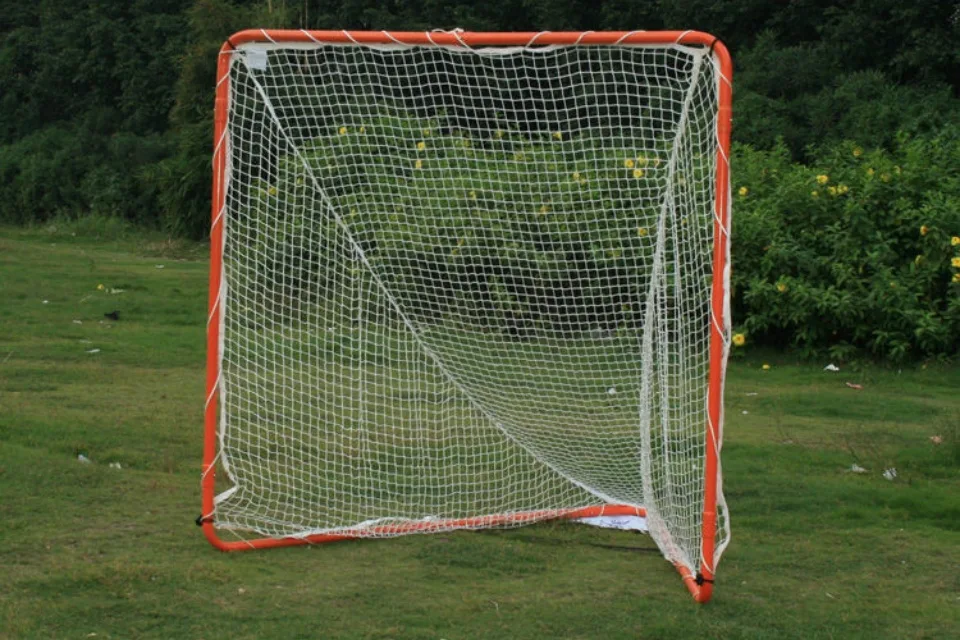
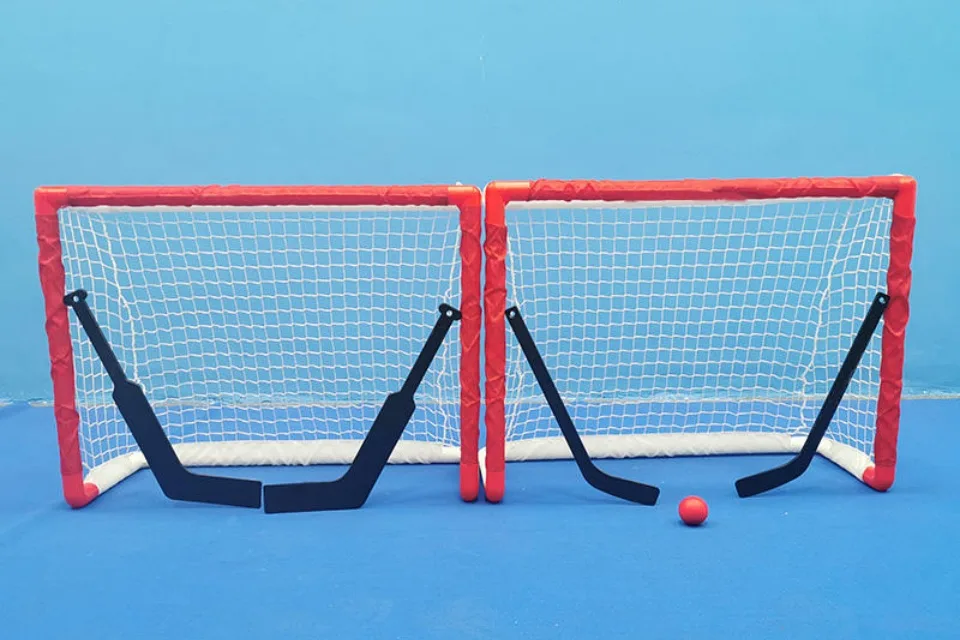
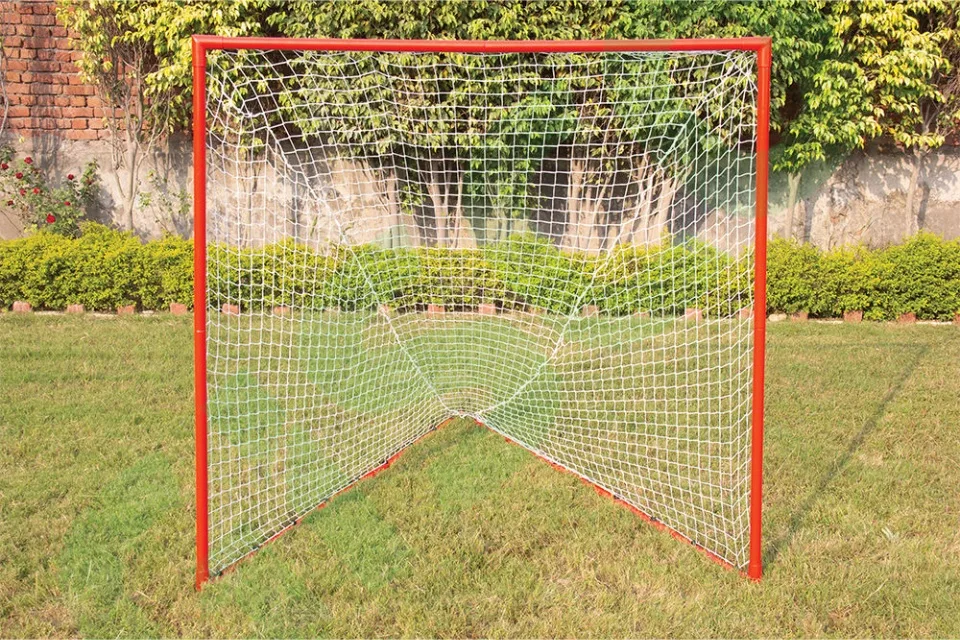
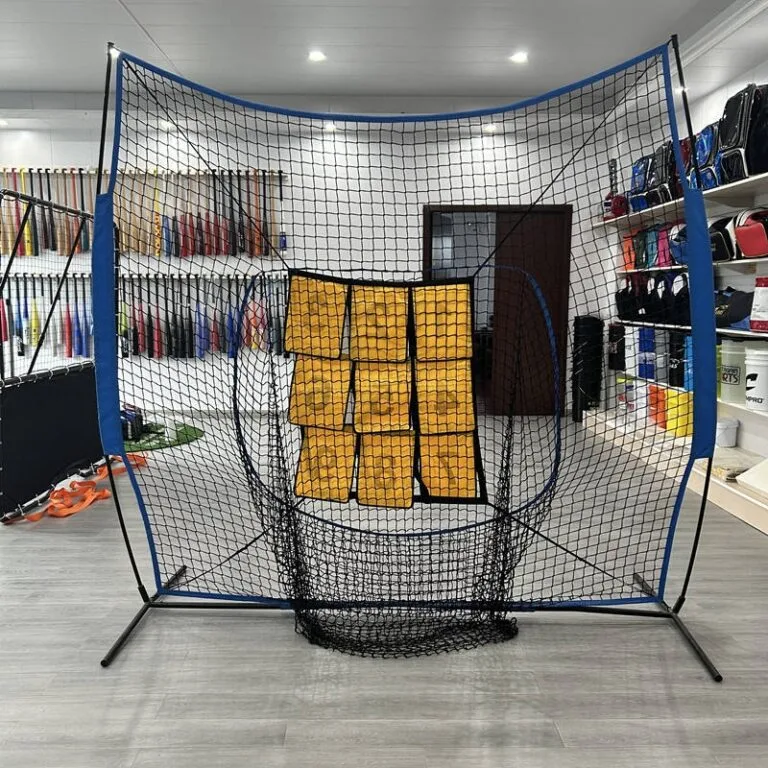
أخبرنا بما تريد تطويره. تدعم FSPORTS مشاريع تصنيع المعدات الأصلية (OEM) وتصنيع التصميم الأصلي (ODM)، والعلامات التجارية الخاصة، ومشاريع الشبكات الرياضية المخصصة بناءً على منتجك الحالي أو الرسم الهندسي أو العينة أو الصورة أو متطلبات الاستخدام.
يرجى إطلاعنا على نوع المنتج، والأبعاد، والكمية المطلوبة، والوجهة، وأي متطلبات معروفة تتعلق بالشبكة، أو المادة، أو الإطار، أو المكونات المعدنية، أو الشعار، أو التغليف. إذا لم تكن المواصفات كاملة بعد، فيرجى إرسال ما لديك وسنقوم بمراجعة التفاصيل المتبقية قبل تقديم عرض الأسعار.
ما هي أفضل شبكة لأهداف كرة القدم وأهداف كرة القدم الأمريكية؟
يبدأ معظم المشترين من المكان الخاطئ
معظم المشترين يعتمدون على التخمين.
ينظرون إلى اللون، وسماكة الخيط، وربما صورة للمنتج ملتقطة من مسافة عشرة أقدام، ثم يشترون أي شيء يبدو “متينًا”؛ وهكذا ينتهي الأمر بمضارب جيدة تمامًا إلى استبدال الشباك قبل الأوان، أو مواجهة مشكلة الترهل، أو اكتشاف أن الحزمة الرخيصة المكونة من الإطار والشبكة لم تُصمم أصلًا لتحمل الظروف القاسية في الهواء الطلق. لماذا يستمر الناس في الشراء بناءً على الانطباع الأول بدلاً من مراعاة احتمالات الفشل؟
الإجابة المختصرة: ما هي طريقة المقاصة الأفضل عادةً؟
سأعطيك إجابة صريحة. بالنسبة لمعظم التركيبات الخارجية، فإن أفضل شبكة مرمى كرة قدم هي شبكة مرمى مصنوعة من البولي إيثيلين عالي الكثافة (HDPE) ومقاومة للأشعة فوق البنفسجية, ، لا سيما في التركيبات السوداء أو تلك التي تم تثبيتها بشكل سليم، لأن الأداء في الهواء الطلق يتحدد عادةً بتأثيرات أشعة الشمس والتعرض للماء وسوء الصيانة، قبل أن يتحدد بنعومة المنتج في صالات العرض أو الصفات التسويقية. تصف شركة «سابك» (SABIC) البولي إيثيلين عالي الكثافة (HDPE) بأنه مقاوم للعوامل الجوية والأشعة فوق البنفسجية والتغيرات في درجات الحرارة للاستخدام في الأماكن المفتوحة، في حين تُظهر البيانات الفنية الخاصة بالنايلون الصادرة عن شركة «توراي» (Toray) امتصاصًا ملحوظًا للرطوبة في درجات النايلون في ظل الظروف الجوية العادية؛ كما أن معيار 2024 TN-47 الصادر عن معهد الأنابيب البلاستيكية (Plastics Pipe Institute)، على الرغم من أنه ليس معيارًا شائعًا، إلا أنه يُعد معيارًا مفيدًا للبوليمرات؛ لأن مركبات البولي إيثيلين الأسود وفقًا لمعيار ASTM D2513 الفئة C، التي تحتوي على أسود كربوني متناثر جيدًا بنسبة تتراوح بين 2% و3%، تُعامل على أنها مستقرة ضد الأشعة فوق البنفسجية لمدة لا تقل عن 10 سنوات دون الحاجة إلى اختبارات إضافية. وهذا هو النوع من المؤشرات الهندسية التي آخذها على محمل الجد. ملف تعريفي عن البولي إيثيلين عالي الكثافة (HDPE) من شركة «سابك», بيانات شركة «توراي» المتعلقة بالنايلون, و PPI TN-47 تستحق أن تكرس لها وقتك. (sabic.com)
الحقيقة المرة: المبلغ الصافي لا يمثل سوى نصف قيمة الشراء
ولكن ها هي الحقيقة المرة التي أرى أنها تُتجاهل دائمًا: القيمة الصافية لا تمثل سوى نصف سعر الشراء.
فحتى لو كانت الشبكة جيدة، فإن المرمى السيئ يظل شراءً سيئًا، والأدلة الحديثة المتعلقة بالسلامة تجعل من المستحيل تجاهل ذلك. في 19 ديسمبر 2024، حذرت لجنة سلامة المنتجات الاستهلاكية الأمريكية المستهلكين من استخدام مرمى كرة قدم محمول مقاس 4×8 بعد وقوع حادث مميت في أبريل 2023 في ولاية واشنطن تضمن وجود طرف معدني مكشوف؛ ينص برنامج جودة المرمى التابع للفيفا على أن معايير المرمى الحديثة تتعلق بالمتانة، والاتساق، وجودة الشبكة، والسلامة العامة؛ كما ينص دليل القواعد الحالي للرابطة الوطنية لرياضة الجامعات (NCAA) على أن المرمى يجب أن يكون مثبتًا أو مؤمنًا أو مزودًا بثقل موازن، مع تثبيت الشبكات بإحكام وخلوها من أي فتحات قبل بدء اللعب. إذا كنت تعتقد أن “رخيص ولكنه جيد” هي استراتيجية، فاقرأ تحذير CPSC, ، الاتحاد الدولي لكرة القدم (FIFA) برنامج الجودة لأهداف كرة القدم, ، ورابطة NCAA قواعد كرة القدم لعام 2024-2025. (cpsc.gov)
متى يظل استخدام النايلون خيارًا منطقيًّا
إذن، متى يكون النايلون هو الخيار الأفضل؟
عندما تتغير المتطلبات. لا يزال للنايلون مكانته عندما تريد ملمسًا أكثر فخامة، ومظهرًا أكثر تقليدية، ومادة أقوى تحت الضغط، خاصة في البيئات التي يتم فيها تخزين الشبكة أو تدويرها أو حمايتها بدلاً من تركها في الهواء الطلق على مدار اثني عشر شهرًا في السنة. لكن امتصاص الرطوبة في النايلون ليس مجرد خطأ بسيط؛ تشير شركة «توراي» إلى أن معدل امتصاص الماء عند التوازن يبلغ 3.5% للنايلون 6 و2.5% للنايلون 66 في الظروف الجوية العادية، وهذا بالضبط هو السبب الذي يجعلني لا أوصي باستخدام النايلون غير المعالج كخيار افتراضي للمدارس والحدائق البلدية والمرافق المجتمعية الخارجية التي تفتقر إلى صيانة منظمة. في تلك الأماكن، أفضل اختيار المادة «المملة» التي تدوم طويلاً. (plastics.toray)
شبكات كرة القدم غير المربوطة مقابل الشبكات المربوطة
ونعم،, شبكة كرة قدم خالية من العقد عادةً ما يكون المنتج الأفضل.
أنا أفضل الشباك الخالية من العقد لأنها توفر عرضًا أنيقًا للكرة، ومظهرًا أكثر رقيًّا، وحجمًا بصريًّا أقل عند نقاط التقاطع. لكنني لا أبالغ في الإشادة بها. ففي الملاعب العامة الوعرة، أو أكاديميات التدريب التي تتعرض للاستخدام المكثف، أو المنشآت المشتركة متعددة المستخدمين حيث تتعرض الشبكة للسحب والالتصاق، وتُعامل عمومًا كأنها معدات مستأجرة، قد تكون الشبكة المصنوعة من البولي إيثيلين عالي الكثافة (HDPE) ذات العقد، والتي تتميز بجودة صنعها، هي الخيار التجاري الأكثر ذكاءً. المظهر الجميل أمر جيد، لكن دورات الاستبدال أفضل.
كيفية تقييم أنظمة الأهداف المتكاملة
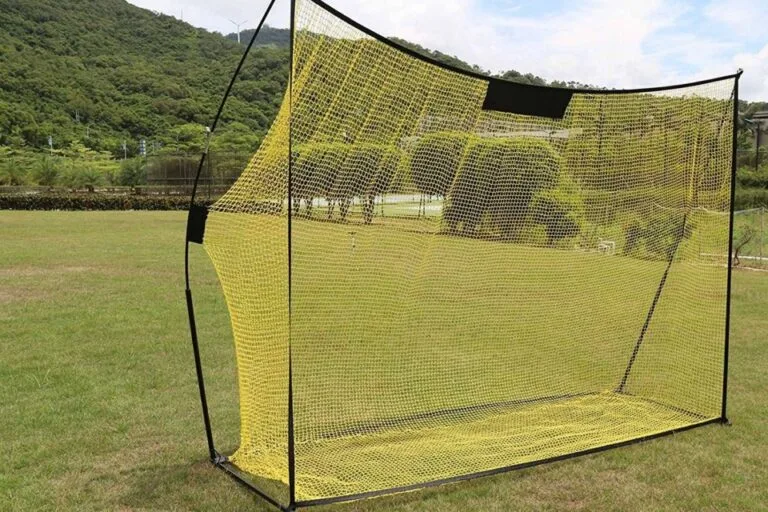
إذا كنت تبحث عن أنظمة كاملة بدلاً من وحدات التخزين (SKU) المخصصة للشبكة فقط، فابدأ بمقارنة العلامات التجارية نطاق مرمى كرة القدم مع نطاق مرمى كرة القدم, ، لأن عبارة “شبكات أهداف كرة القدم” قد تشير إلى معنيين مختلفين تمامًا في محركات البحث: من ناحية، أهداف كرة القدم التقليدية، ومن ناحية أخرى، شبكات الهدف المستخدمة في تمريرات أو رمي الكرة في كرة القدم الأمريكية. وبالنسبة للتركيبات الخارجية على مدار العام، سأقوم أيضًا بمراجعة النطاق الأوسع خيارات شبكات الرياضات الخارجية واستخدام نظام متكامل مثل هذا هدف كرة قدم محمول شديد التحمل مع إطار شبكي مقاوم للعوامل الجوية كمعيار مرجعي لما يجب أن تكون عليه المواصفات الجادة المخصصة للأنشطة الخارجية. إذا كان الطلب مخصصًا أو من نوع OEM، فإن المناقشة الحقيقية يجب أن تدور حول خدمات صناعة الشبكات حسب الطلب, ، وليس في سباق نحو أقل عرض سعر.
مصفوفة الشراء التي أثق بها فعلاً
إليكم مصفوفة الشراء التي أثق بها فعلاً.
حالة الاستخدام
أفضل خيار للشبكات
لماذا سأشتريه
حيث يتكبد المشترون خسائر فادحة
ملعب كرة قدم عام في الهواء الطلق
BPE عالي الكثافة (HDPE) المقاوم للأشعة فوق البنفسجية
أكثر ملاءمة للتعرض لأشعة الشمس والمطر، ولا تتطلب صيانة كثيرة
اختيار النايلون لأنه “يمنح إحساسًا بالفخامة”
هدف في مباراة مدرسية أو جامعية
BHDPE عالي الجودة أو نايلون مقاوم للتلف
تُعد طريقة عرض المباراة أمرًا مهمًا، لكن الموثوقية لا تزال هي السائدة
تجاهل التثبيت والربط وسلامة الهيكل
صالة كرة قدم صالات أو مساحة تدريب مغطاة
النايلون أو البولي إيثيلين عالي الكثافة (HDPE) غير المربوط
انخفاض الضغط الناتج عن الأشعة فوق البنفسجية، والمظهر وطريقة التعامل هي العوامل الأكثر أهمية
الإفراط في تحديد معايير المتانة في الهواء الطلق التي لا تحتاج إليها
أكاديمية تشهد حالات إساءة معاملة كثيرة أم حديقة بلدية
BPE معقود
منطق بديل تجاري أقل تكلفة وأكثر عملية وأسهل
شراء شباك فاخرة خالية من العقد للاستخدام في البيئات القاسية
هدف كرة القدم الأمريكية أو إطار الرمي
شبكة جيبية أو شبكة هدف عالية التحمل مصنوعة من البولي إيثيلين (PE) أو البولي إيثيلين عالي الكثافة (HDPE)
تكافئ الضربات المتكررة عالية السرعة المتانة والتحمل في الظروف الجوية
التعامل مع شباك التدريب كما لو كانت شباك المرمى في المباريات
خلاصة القول
خلاصة القول لدي بسيطة: يُعد البولي إيثيلين عالي الكثافة (HDPE) الخيار الفائز بشكل افتراضي، بينما يُعد النايلون الخيار المتخصص، أما الخيار «بدون عقد» فهو خيار يتعلق بالمظهر النهائي، وليس معجزة في المتانة. ويتوافق هذا الحكم مع المعايرات الحالية الخاصة بسلامة المرمى الصادرة عن الاتحاد الدولي لكرة القدم (FIFA) والرابطة الوطنية لرياضة الجامعات (NCAA)، ومع بيانات الرطوبة الخاصة بالنايلون الصادرة عن شركة «توراي»، ومع الاستخدامات الخارجية الأوسع نطاقًا للبولي إيثيلين عالي الكثافة (HDPE). (inside.fifa.com)
القواعد ليست غامضة
والأمر الآخر الذي يجب على المشترين الجادين التوقف عن فعله هو التظاهر بأن القواعد غامضة. فهي ليست كذلك. تنص القاعدة 1.10 للاتحاد الوطني لرياضة الجامعات (NCAA) على أن الشباك يجب أن تكون مثبتة على القوائم والعوارض، ومثبتة خلف كل مرمى، ومدعومة بشكل صحيح، وخالية من الثقوب أو الفتحات التي قد تسمح للكرة بالخروج؛ كما يشير دليل المقارنة الصادر عن الاتحاد الوطني للرياضة المدرسية (NFHS) لعام 2024-2025 إلى أن شبكات المرمى إلزامية في سياق المدارس الثانوية، في حين أن نص قوانين الاتحاد الدولي لكرة القدم (IFAB/FIFA) يسمح باستخدام الشبكات شريطة أن تكون مدعومة بشكل صحيح وألا تعيق حركة حارس المرمى. بعبارة أخرى، “جيد بما فيه الكفاية” ليس معيارًا احترافيًّا. دليل كرة القدم الصادر عن الاتحاد الوطني للرياضة المدرسية (NFHS) لعام 2024-2025 وقد أوضح كل من ذلك ودليل قواعد الرابطة الوطنية لرياضة الجامعات (NCAA) ذلك بوضوح. (ncaaorg.s3.amazonaws.com)
الإجابة النهائية: ما هي أفضل شبكة مرمى لكرة القدم؟
إذن، ما هي أفضل شبكة مرمى كرة القدم، حقًّا؟
بالنسبة لمعظم المشترين، فإن الأمر هو شبكة مرمى كرة القدم المصنوعة من البولي إيثيلين عالي الكثافة (HDPE) والمقاومة للأشعة فوق البنفسجية، ويفضل أن تكون من مورد قادر على إثبات وجود رقابة موثوقة على المواد، وتصميم مناسب للربط، والتزام بمعايير السلامة الخاصة بالإطار. ليست الأكثر نعومة. وليست الأجمل. بل هي الأفضل.
الأسئلة الشائعة
ما هي أفضل شبكة لأهداف كرة القدم الخارجية؟
أفضل شبكة تُستخدم في مرمى كرة القدم في الهواء الطلق هي عادةً شبكة HDPE المقاومة للأشعة فوق البنفسجية، لأنها أكثر ملاءمةً للتعرض المطول لأشعة الشمس والمطر والتغيرات في درجات الحرارة، مع توفير القوة والعملية اللتين تحتاج إليهما معظم المدارس والأندية والمرافق البلدية لضمان عمر خدمة طويل وتقليل احتياجات الصيانة. ولن أحيد عن هذا الإعداد الافتراضي إلا إذا كان الهدف هو استخدام السيارة في الأماكن المغطاة في الغالب، أو تخزينها بشكل متكرر، أو إذا كان المشتري يرغب صراحةً في مظهر فاخر يلائم أيام المباريات مع توقعات أعلى فيما يتعلق بدقة التحكم. (sabic.com)
هل يُعد البولي إيثيلين عالي الكثافة (HDPE) أفضل من النايلون في صناعة شبكات مرمى كرة القدم؟
يُعتبر البولي إيثيلين عالي الكثافة (HDPE) عمومًا خيارًا أفضل من النايلون في صناعة شبكات مرمى كرة القدم عندما يكون المنتج معرضًا للظروف الخارجية، وذلك لأن البولي إيثيلين عالي الكثافة يُستخدم على نطاق واسع لمقاومته للعوامل الجوية والأشعة فوق البنفسجية والرطوبة، في حين أن النايلون يمتص كمية أكبر من الرطوبة، ويكون اختياره أكثر ملاءمةً عندما يكون المظهر أو ملمس المنتج أو الأداء المتخصص أكثر أهمية من قدرته على تحمل التعرض للعوامل الخارجية. أعلم أن بعض المشترين ما زالوا يفضلون النايلون تلقائيًّا لأنه يبدو أكثر “احترافية”، لكن هذا غالبًا ما يكون رد فعل تلقائيًّا مرتبطًا بالعلامة التجارية، وليس حسابًا يستند إلى دورة الحياة. (sabic.com)
ما الفرق بين شبكات كرة القدم الخالية من العقد وشبكات كرة القدم ذات العقد؟
تتميز شبكات كرة القدم الخالية من العقد بتصميم شبكي أكثر نعومة وأناقة، وغالبًا ما يتم اختيارها لجمال مظهرها وملمسها، في حين أن شبكات كرة القدم المربوطة تتميز بتصميم أكثر متانة وثقلًا من الناحية البصرية، ولا يزال العديد من المشترين يفضلونها للاستخدام المجتمعي الذي يتسم بكثرة الإساءة، ولأسباب اقتصادية تتعلق بسهولة استبدالها. أفضل استخدام الأنابيب الخالية من العقد في التركيبات عالية الجودة، لكنني ما زلت أثق في أنابيب HDPE المُعقودة عندما يكون المكان عامًّا، والجدول الزمني شاقًّا، ولا أحد يعتني بالمعدات بعناية.
متى يجب استبدال شبكة المرمى؟
يجب استبدال شبكة المرمى عندما تظهر ثقوب في الشبكة، أو فتحات متسعة، أو نقاط تثبيت معطوبة، أو تآكل واضح، أو فقدان الدعم المناسب الذي يؤدي إلى خروج الكرة أو تباين أداء الشبكة؛ لأن المشكلة في تلك المرحلة لم تعد مجرد مشكلة شكلية، بل أصبحت مشكلة تشغيلية، وأحيانًا تتعلق بالسلامة. اللغة التي تستخدمها الرابطة الوطنية لرياضة الجامعات (NCAA) صارمة في هذا الشأن لسبب وجيه: فالشبكات المعيبة ليست مجرد تفصيل بسيط قبل بدء المنافسة. (ncaaorg.s3.amazonaws.com)
هل للإطار نفس أهمية الشبكة؟
يُعد الإطار مهمًا بقدر أهمية الشبكة على الأقل، لأن التثبيت، والثبات، وتصميم نقاط التثبيت، وخلو الهيكل من المكونات الخطرة هي العوامل التي تحدد ما إذا كان المرمى آمنًا للاستخدام أم لا؛ في حين أن الشبكة الممتازة لا يمكنها تعويض عيوب الهيكل السيئ التصميم أو الذي يعاني من سوء الصيانة. ينبغي أن يضع تحذير لجنة سلامة المنتجات الاستهلاكية (CPSC) لعام 2024 حدًا لهذا الجدل بالنسبة لأي مشترٍ جاد. (cpsc.gov)
الخاتمة
إذا كنت تبحث عن منتجات لنادٍ أو مدرسة أو موزع أو برنامج تصنيع المعدات الأصلية (OEM)، فتوقف عن البحث عن الصفات وابدأ في البحث عن مقاومة الأعطال. تصفح مجموعة أهداف كرة القدم, قارنها مع تشكيلة مرمى كرة القدم, ، وإذا كنت بحاجة إلى مقاسات مخصصة أو أنماط تثبيت أو دعم للإنتاج بالجملة، فانتقل بالمحادثة إلى الخدمات أو صفحة الاتصال. وهنا تبدأ عمليات الشراء الجادة.