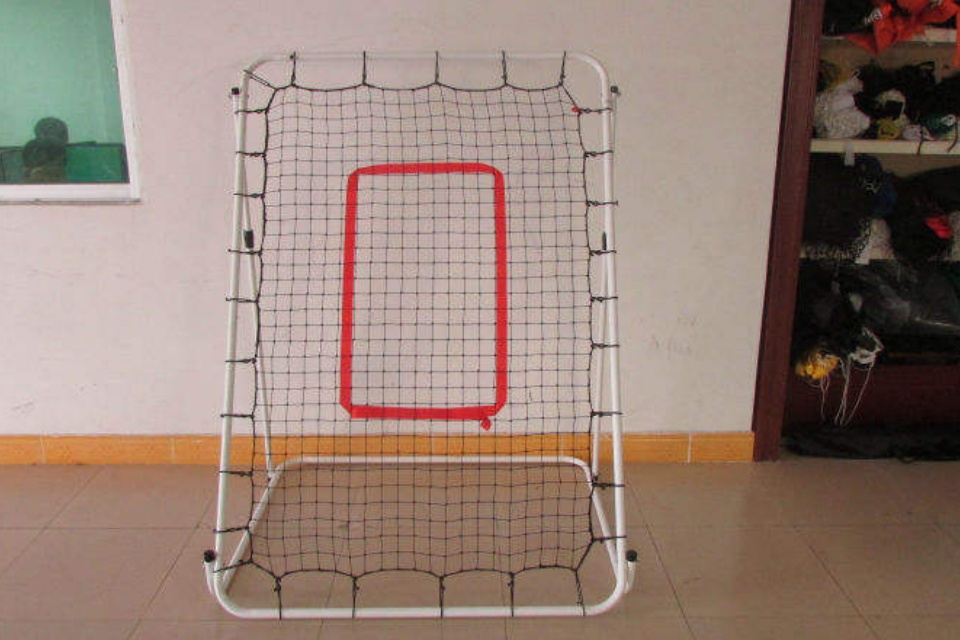
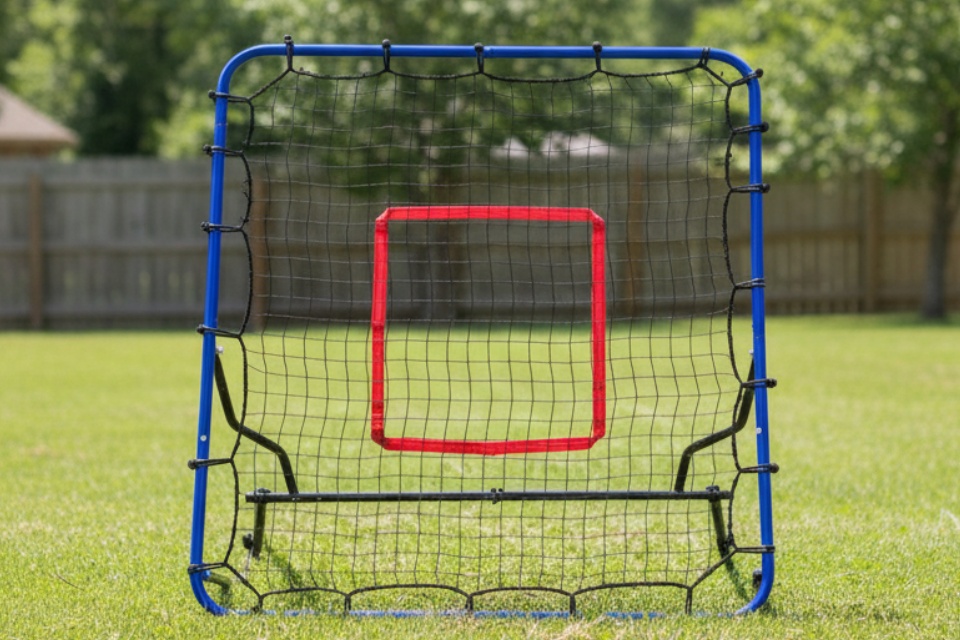
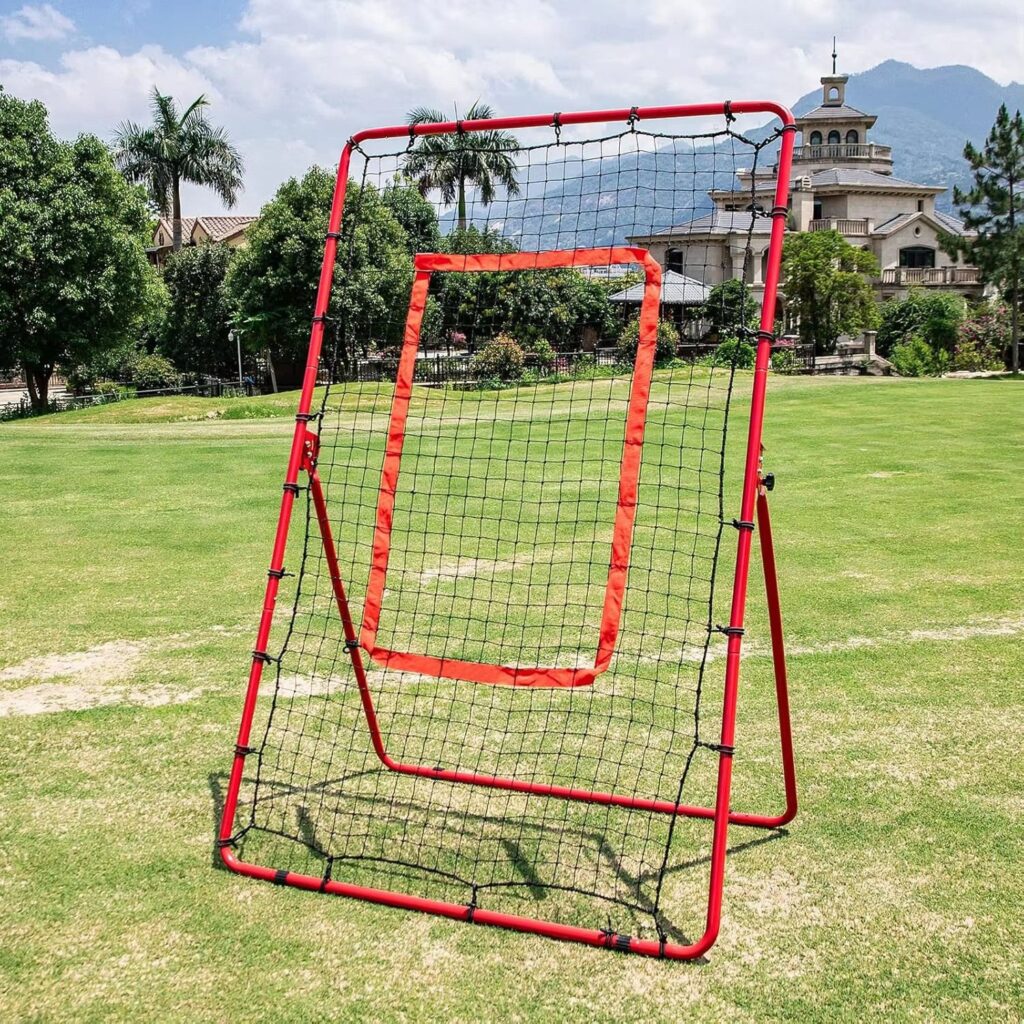
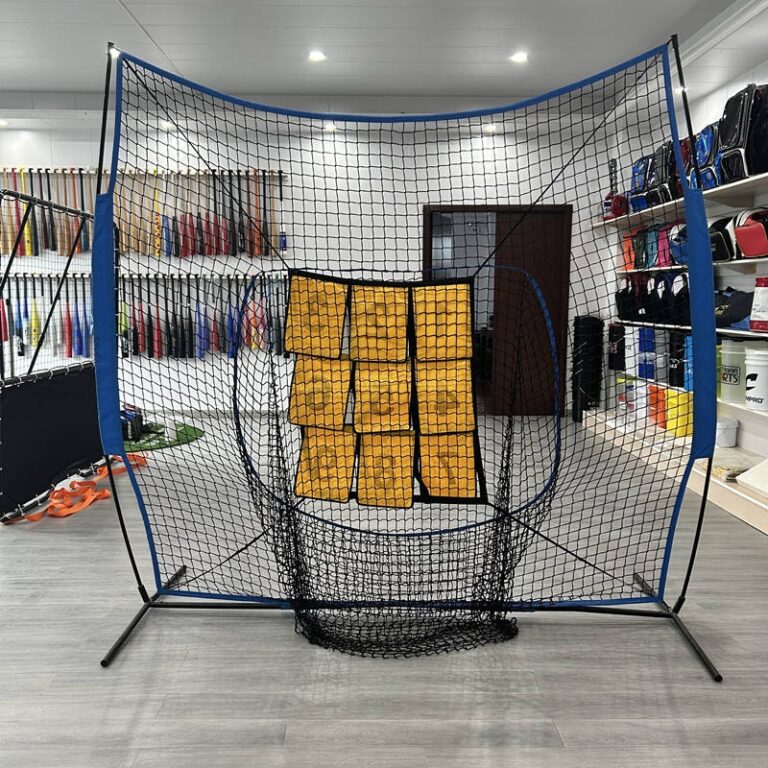
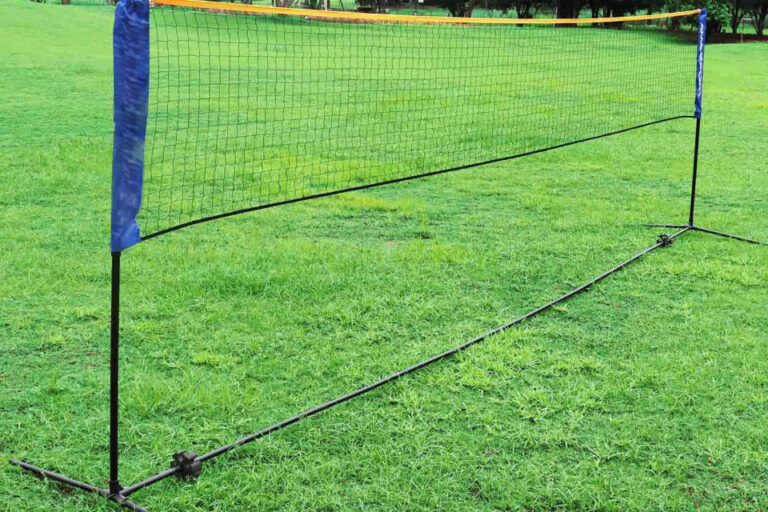
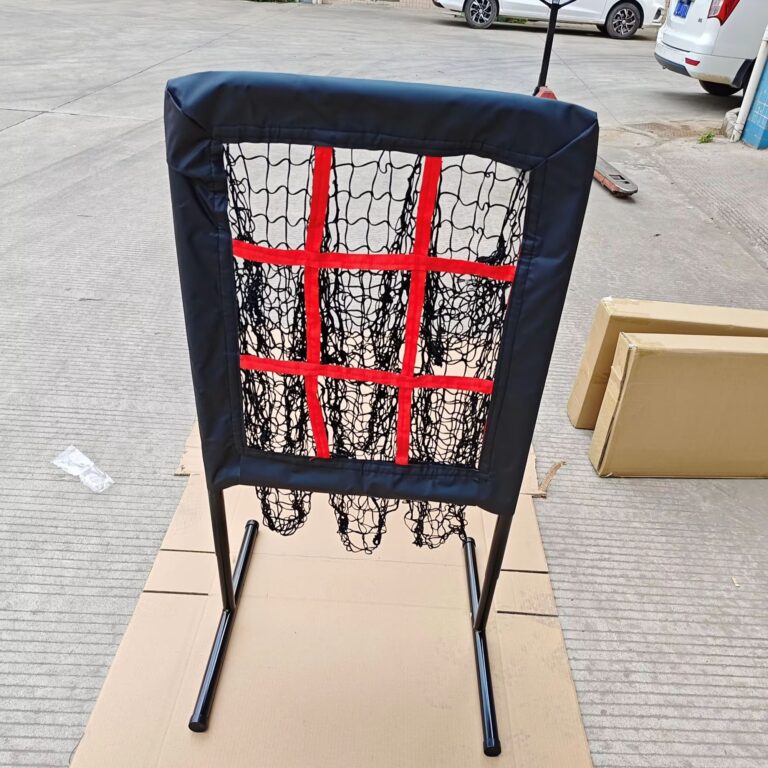
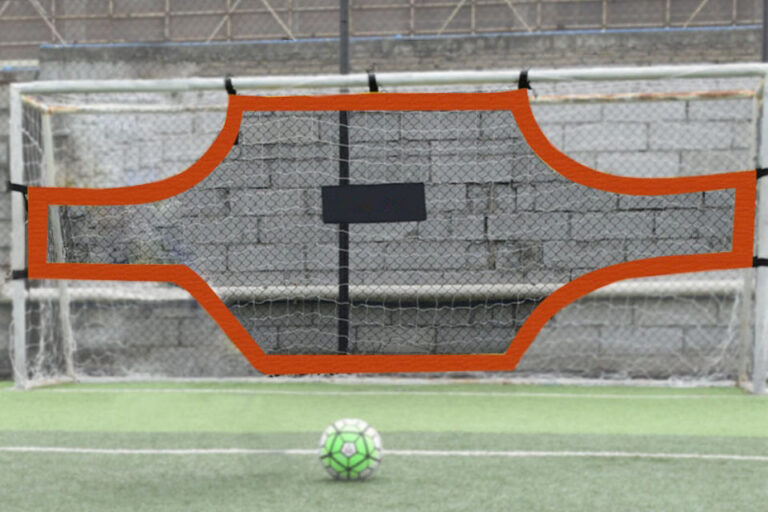
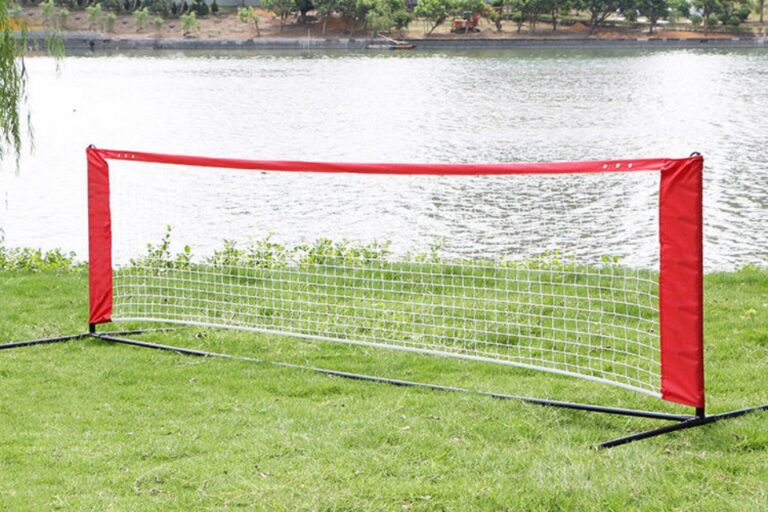
أخبرنا بما تريد تطويره. تدعم FSPORTS مشاريع تصنيع المعدات الأصلية (OEM) وتصنيع التصميم الأصلي (ODM)، والعلامات التجارية الخاصة، ومشاريع الشبكات الرياضية المخصصة بناءً على منتجك الحالي أو الرسم الهندسي أو العينة أو الصورة أو متطلبات الاستخدام.
يرجى إطلاعنا على نوع المنتج، والأبعاد، والكمية المطلوبة، والوجهة، وأي متطلبات معروفة تتعلق بالشبكة، أو المادة، أو الإطار، أو المكونات المعدنية، أو الشعار، أو التغليف. إذا لم تكن المواصفات كاملة بعد، فيرجى إرسال ما لديك وسنقوم بمراجعة التفاصيل المتبقية قبل تقديم عرض الأسعار.
معايير السلامة الخاصة بتركيب الشبكات في المنشآت الرياضية
لماذا تنتشر المواصفات السيئة
المواصفات السيئة تنتشر.
لقد رأيت هذا يحدث أكثر من مرة: يقوم مدير منشأة ما بأخذ ورقة مواصفات قديمة من مشروع سابق، ويستبدل اسم الموقع فيها، ثم يرسلها إلى ثلاثة موردين، فيتلقى ثلاثة عروض أسعار متباينة للغاية، ومع ذلك يظل يعتقد أن أقل سعر هو بطريقة ما “السعر السائد في السوق” فيما يتعلق بالسلامة. ثم تبدأ قائمة المهام المتبقية. ثم تبدأ الأعذار. ثم يدرك المالك أن الشبكة كانت هي الجزء الرخيص طوال الوقت.
إنه يعمل. عادةً.
لكن كلمة “عادةً” هي ما يتسبب في وقوع الناس في الفخ في هذا المجال من الصناعة. وها هي الحقيقة المرة: يُعامل تركيب شبكات المرافق الرياضية وكأنه شراء سلع غير معمرة، في حين أن المخاطر الحقيقية تكمن في خصائص المقذوفات، ومسافات الأعمدة، وأحمال الكابلات، والتآكل الناتج عن الأشعة فوق البنفسجية، وإجراءات السلامة من الحرائق، وهندسة الزوايا، وتلك الميزات الغريبة الصغيرة الخاصة بالموقع التي يحب مندوبو المبيعات تجاهلها حتى تصبح مراجعة العروض أمرًا صعبًا. لماذا لا يزال المشترون يتظاهرون بأن الأمر يقتصر على الشبكة + الأعمدة + العمالة؟
أكبر كذبة في القطاع بشأن معايير السلامة
وكلا — أعتقد بصراحة أن هذا هو المكان الذي يخدع فيه السوق نفسه. لا يوجد دليل قواعد عالمي صغير ومحدد يُسمى “قانون شبكات الحماية الرياضية”. هذا الخيال غير موجود. ما تفعله الفرق المختصة فعليًّا هو تراكم المتطلبات: معايير ASTM العامة للرياضة والترفيه، والمراجع الخاصة بالرياضات المحددة حيثما وجدت، وإرشادات التركيب مثل ASTM F2184 لشبكات الحماية في لعبة البينتبول، وطرق التقييم مثل ASTM F2278، واختبار انتشار اللهب وفقًا لمعيار NFPA 701 للمواد النسيجية ذات الصلة، وتوجيهات الاتحادات الرياضية، والتصميمات الهندسية المعتمدة محليًّا. تراكم فوضوي. تراكم حقيقي. معايير ASTM الخاصة بالرياضة, ASTM F2184, ASTM F2278, و NFPA 701 كل ذلك يقودك إلى نفس النتيجة: إذا كان المُركِّب لا يفهم لغة الهندسة، فمن المرجح أنه يقتبس فقط من النصوص الجاهزة. وهذا لا يكفي.
بيانات الإصابات التي يجب ألا يتجاهلها المشترون
الأرقام مهمة.
كما أن الصورة العامة للإصابات لا تتحسن هي الأخرى، ولا أعتقد أن عددًا كافيًا من المشغلين يرغبون في الاعتراف بذلك. يقول المجلس الوطني للسلامة إن الإصابات الرياضية والترفيهية زادت بنسبة 17% في عام 2024، بعد ارتفاعها بنسبة 2% في عام 2023، وأن 4.4 مليون شخص تلقوا العلاج في أقسام الطوارئ في عام 2024 بسبب إصابات تتعلق بالمعدات الرياضية والترفيهية. بالتأكيد، لا تحل الشبكات مشكلة كل أنواع الإصابات. هذا أمر بديهي. ولكن إذا كان احتواء المقذوفات جزءًا من مخاطر نشاطك — وهو كذلك بالتأكيد في رياضات البيسبول والجولف واللاكروس والهوكي، وحتى في بعض ملاعب التدريب — فإن هذه الأرقام يجب أن تدفعك إلى إعادة النظر في كل المواصفات غير الدقيقة التي وافقت عليها. حقائق حول الإصابات لعام 2024 الصادرة عن المجلس الوطني للسلامة.
كيف غيّر البيسبول النقاش الدائر حول الشبكات
وماذا عن البيسبول؟ لقد انتقل البيسبول بالفعل.
في ديسمبر 2022، أعلنت رابطة البيسبول الرئيسية (MLB) والسيناتور ديك دوربين أن جميع أندية دوري التطوير الاحترافي ستحتاج إلى شبكات حماية واسعة النطاق، على أن تغطي المساحة من عمود الفاول إلى عمود الفاول ما لم يجعل تصميم الملعب ذلك غير ضروري، بالإضافة إلى متطلبات موحدة للارتفاع خلف لوحة المنزل وصولاً إلى كل مقعد للاعبين. كانت تلك هي الإشارة. وبحلول عام 2024، كانت الأندية لا تزال تسعى إلى المزيد: فقد وسّع نادي “بولينغ غرين هوت رودز” نطاق الشبكات ليشمل أعمدة الفاول، ووسّع نادي «جريت ليكس لونز» نطاق التغطية ليشمل مناطق الإحماء، مؤكدين في الوقت نفسه أن نظام الكيفلار الخالي من العقد الذي يستخدمونه يوفر معدل رؤية يبلغ 97%. وهذا ليس مجرد تجميل للواجهة. بل هو اعتراف من السوق بأكمله بأن النموذج القديم المتمثل في «الوقوف خلف لوحة المنزل والدعاء» قد انتهى. إعلان MLB بشأن متطلبات الشبكات الواقية, تحديث «هوت رودز 2024», تمديد عقد فريق «جريت ليكس لونز» لعام 2024.
هذا التغيير مهم لأن المشترين ما زالوا يرتكبون نفس الخطأ المبتدئ: يسألون، “ما هو الارتفاع القياسي؟” هذا سؤال خاطئ. يبدو سؤالًا ذكيًّا، لكنه ليس كذلك. السؤال الصحيح هو، “ما هو نطاق المخاطر هنا؟” إنه أمر مختلف تمامًا.
المشتريات العامة تتسم بمزيد من الدقة مقارنة بالمشترين من القطاع الخاص
لنأخذ المشتريات العامة كمثال. قد يبدو الأمر أقل بريقًا، لكن بصراحة، غالبًا ما يضع المشترون التابعون للبلديات مواصفات أفضل من تلك التي تضعها النوادي الخاصة. فعلى سبيل المثال، لم يكتفِ طلب تقديم العروض الصادر عن مدينة أوغدن لعام 2024 بشأن شبكات الحماية الرياضية في ملعب “4th Street Ball Field” بطلب «شبكات متينة» وترك الأمر عند هذا الحد. بل طلبت مادة محمية من الأشعة فوق البنفسجية، ورسومات هندسية مختومة، والامتثال لمعايير أحمال الرياح والثلوج المحلية، وتصميمًا يمنع فعليًّا الكرات الشاردة من دخول الملعب. كما طلبت ارتفاعًا لا يقل عن 20 قدمًا وحددت استخدام شبكة BSSNUC Ultra Cross Knotless Dyneema® UHMWPE. هذه هي المشتريات الناضجة. طلب تقديم العروض لعام 2024 الصادر عن مدينة أوغدن
شبكات الجولف هي أمر مختلف تمامًا
أما رياضة الجولف فهي أكثر تعقيدًا — لأن هندسة مسار الكرة تتعقد بسرعة، كما أن المصطلحات التسويقية المتعلقة بـ«احتواء» الكرات في الجولف غالبًا ما تكون محض خيال. في مابل غروف، مينيسوتا، أيد الموظفون منح ترخيص مشروط لجزء من شبكة واقية يبلغ ارتفاعه 20 قدمًا لأن كرات الجولف كانت تسقط بانتظام في إحدى الساحات، وكانت العديد منها تصطدم بالمنزل كل عام. نمط وقائع بسيط. تأثير حقيقي على الجيران. ثم انظر إلى تحليل لجنة تخطيط العاصمة الوطنية لعام 2024 بشأن روك كريك بارك: خيار واحد لميدان التدريب على الضرب، يقع على منحدر صاعد ويأخذ شكل حوض، لم يتطلب شبكات احتواء كبيرة بخلاف حاجز صغير للمشاة يبلغ ارتفاعه 10 أقدام، في حين أن البديل الواقع على منحدر هابط قد يتطلب شبكات يبلغ ارتفاعها 150 قدمًا أو أكثر، وربما حوالي 200 قدم. نفس الرياضة. إجابة مختلفة تمامًا. حزمة التخطيط الخاصة بمدينة مابل غروف, تحليل NCPC لروك كريك
لذلك، عندما يخبرني أحدهم أنه يمتلك “مواصفات جولف قياسية”، عادةً ما أتوقف عن الاستماع.
ما هي العوامل التي تحدد معايير شبكات الرياضة الحقيقية فعليًّا؟
من واقع خبرتي، لا تصبح معايير السلامة الخاصة بشبكات الملاعب الرياضية حقيقية إلا عندما ترتبط بالمخاطر الفعلية: سرعة الكرة، وزاوية الإطلاق، ومسافة الارتداد، والانحدار، وخط التعرض، والحمل على الأعمدة، وتدلي الكابلات، ووضوح الشبكة، ودورات الصيانة. أما كل ما عدا ذلك فهو مجرد كلام في الكتيبات الترويجية. ولهذا السبب فإن أي شخص يرغب في شراء أنظمة شبك البيسبول, حلول شبكات الجولف, ، أو حقيقي نظام شبكات متعددة الرياضات ينبغي أن يُلزم كل مقدم عرض بالإجابة على نفس الأسئلة الهندسية الصعبة قبل مقارنة الأسعار. وإلا، فإنك لا تقارن نطاق العمل، بل تقارن القصص.
أستخدم الآن معيارًا بسيطًا — ربما يكون فظًّا بعض الشيء، لكنه فعال. هل ستصمد هذه المواصفات أمام ضربة كرة “درايفر” مائلة في يوم عاصف، أو ضربة قوية غير صحيحة من مضرب ألومنيوم، أو شكوى تتعلق بخط الرؤية وفقًا لقانون الأمريكيين ذوي الإعاقة (ADA)، أو محامي المدعي الذي يجيد قراءة المستندات المقدمة؟ إذا كان الجواب «على الأرجح»، فإن المواصفات لم تكتمل بعد.
الإجابات الضعيفة مقابل الإجابات التي يمكن الدفاع عنها
سؤال متعلق بالمواصفات
إجابة ضعيفة
إجابة يمكن الدفاع عنها
ما هو الارتفاع المناسب للشبكة؟
“هذا هو الارتفاع المعتاد لدينا.”
يعتمد الارتفاع على سرعة الكرة وزاوية الإطلاق والانحدار والانزياح للخلف والتعرض المجاور.
ما هي المادة التي ينبغي أن نستخدمها؟
“شبكة سوداء شديدة التحمل.”
يتم اختيار الألياف، والخيوط، ونمط العقد، وسلوكها تحت الأشعة فوق البنفسجية، ودرجة ظهورها، ومعدل استطالة كل منها بما يتناسب مع الرياضة وموقع الممارسة.
ما الذي يدعم هذا النظام؟
“أعمدة فولاذية.”
يتم اعتماد الأعمدة والأساسات ومسارات الكابلات المصممة هندسيًا لتتحمل أحمال الرياح والثلوج المحلية.
ماذا عن مخاطر الحرائق داخل المباني؟
“لا بأس بالبقاء في الداخل.”
تُرفق الأنظمة المصنوعة من المنسوجات بالوثائق ذات الصلة بانتشار اللهب، مثل وثائق NFPA 701، عند الاقتضاء.
كيف نحافظ على الرؤية؟
“سيعتاد المشجعون على ذلك.”
يُنظر إلى الرؤية باعتبارها مؤشرًا للأداء، وليست مجرد أمر ثانوي.
ماذا يحدث بعد يوم الافتتاح؟
“هناك ضمان.”
توجد خطة للفحص وإعادة الشد والإصلاح والاستبدال، مرفقة بميزانية.
الصيانة جزء من عملية التركيب
وهذا الجانب يُتجاهل باستمرار: فالصيانة جزء لا يتجزأ من عملية التركيب، سواء اعترف العرض بذلك أم لا. نظام الشبكة ليس أصلًا يدوم إلى الأبد. إنه أصل قابل للتلف. والتظاهر بخلاف ذلك هو ما يؤدي في النهاية إلى أن يواجه المالكون حوافًا مهترئة، وأربطة فضفاضة، وأليافًا متكلسة بسبب التعرض للأشعة فوق البنفسجية، ومشاكل في شد الزوايا لم يخصص لها أحد ميزانية. تشير الملاحظات الاستشارية الخاصة بالجولف الصادرة عن إدارة متنزهات بورتلاند في فبراير 2024 إلى إصلاحات لشبكات مضمار التدريب. وتُظهر وثائق رأس المال للسنة المالية 23-24 لمدينة ساوث باسادينا مشروعًا مخصصًا لاستبدال شبكات ملاعب الغولف ومناطق التدريب، بميزانية تبلغ حوالي $730,593، ومخصصة لأعمال التصميم بموجب أوامر العمل. هذا هو مسار الأموال. يخصص المشغلون الحقيقيون ميزانية للاستبدال لأنهم يعلمون أن هذه الأنظمة تتقادم بمرور الوقت. ملاحظات الصيانة في بورتلاند, برنامج الاستثمار في جنوب باسادينا
وهذا يقودني إلى الخطأ الذي يرتكبه المشترون والذي أكرهه أكثر من غيره: الخلط بين عبارة “اجتاز الفحص اليوم” وعبارة “سيظل آمنًا لسنوات”. فهما ليسا نفس الشيء. ولا حتى قريبان من بعضهما.
ما الذي يجب أن يطالب به المشترون من البائعين
إذا كنت تريد أفضل معايير تركيب الشبكات للمرافق الرياضية، فتوقف عن مطالبة الموردين باستخدام مصطلحات عامة مثل “مخصصة للاستخدام الشاق”، وابدأ في إجبارهم على التحدث بتفاصيل محددة — مثل نوع الألياف، وبنية الشبكة، وحجم الفتحات، والمسافة بين الأعمدة، وافتراضات الأساسات، وسرعة الرياح المحددة في التصميم المحلي، والمفاضلات المتعلقة بالرؤية، وتواتر عمليات الفحص الموثقة. ابدأ بـ«الملاءمة للاستخدام» منتجات الشبكات الخارجية. ثم أصر على أن يكون ذلك فعليًّا خدمات التركيب وتركيب الشبكات حسب الطلب. وأي إجراء أقل صرامة من ذلك ما هو إلا مسرحية شكلية في مجال المشتريات تُقدَّم على أنها إجراءات العناية الواجبة.
الأسئلة الشائعة
ما هي معايير السلامة الخاصة بتركيب الشبكات في المنشآت الرياضية؟
معايير السلامة الخاصة بتركيب الشبكات في المنشآت الرياضية هي مجموعة متكاملة من المتطلبات المتعلقة بالهيكل والمواد والتشغيل والرؤية والأداء في حالات الحريق، والتي تُستخدم لضمان أن نظام الشبكة يصد الجسم المتطاير المستهدف، ويتحمل ظروف الأحمال المحلية، ويحمي الأشخاص والممتلكات المجاورة، ولا يخلق مخاطر جديدة بسبب ضعف التصميم أو سوء التثبيت أو سوء الصيانة. بعبارة بسيطة، لا يقتصر الأمر على خانة واحدة في قائمة التحقق. بل هو مجموعة معايير متعددة المستويات — تشمل مراجع ASTM، والمتطلبات الهندسية المحلية، وقواعد الاتحادات الرياضية، وحيثما ينطبق ذلك، وثائق مقاومة الحريق الخاصة بالمنسوجات مثل NFPA 701. إذا تحدث المُركِّب عن الشبكة فقط دون أن يتطرق إلى الهيكل، فهذا مؤشر على وجود مشكلة.
ما هو الارتفاع المناسب لشبكات الأمان في المنشآت الرياضية؟
يجب أن يعتمد ارتفاع شبكة الأمان على سرعة المقذوفات، وزاوية الإطلاق، وانحدار الموقع، ومسافة التراجع، ومدى تعرض الاستخدامات المجاورة، والمنطق الهيكلي للموقع؛ لأن الأمثلة العامة الحديثة تُظهر أن مشروعًا ما قد لا يحتاج سوى إلى حاجز متواضع لحماية المشاة، في حين قد يتطلب مشروع آخر ارتفاعات احتواء تصل إلى 150 قدمًا أو أكثر. ولهذا السبب لا أثق في الإجابات الجاهزة. فقد حلت حاجز الجولف الموسمي الذي يبلغ ارتفاعه 20 قدمًا في مابل غروف مشكلة إزعاج متكررة، في حين أظهر تحليل مدى 2024 في روك كريك كيف أن تغير التضاريس يمكن أن يدفع الحل نحو ارتفاع يتراوح بين 150 و200 قدم. حزمة التخطيط الخاصة بمدينة مابل غروف, تحليل NCPC لروك كريك
ما هي أفضل مادة لتركيب شبكات الحماية في المنشآت الرياضية؟
أفضل مادة لتركيب شبكات المرافق الرياضية هي تلك التي تتوافق قوتها المختبرة، ومقاومتها للأشعة فوق البنفسجية، وخصائص الاستطالة، وأداء الرؤية، ووثائق السلامة الخاصة بالتطبيق مع نوع الرياضة، وهندسة الموقع، وبيئة التشغيل — بدلاً من الاكتفاء بتقديم الخيط الأكثر سمكًا أو أقل عرض سعر مبدئي. هذا الجواب يزعج الناس لأنه ليس واضحًا ومحددًا. لكنها الحقيقة. لقد حددت شركة أوغدن استخدام مادة Dyneema® UHMWPE لسبب معين، كما سلط فريق «جريت ليكس لونز» الضوء على رؤية شبكة الكيفلار الخالية من العقد لسبب معين أيضًا. اختيار المادة ليس مسألة أسلوب — بل هو هندسة الأداء. طلب تقديم العروض لعام 2024 الصادر عن مدينة أوغدن, تمديد عقد فريق «جريت ليكس لونز» لعام 2024
هل تحتاج المنشآت الرياضية الداخلية إلى وثائق منفصلة خاصة بالحماية من الحرائق فيما يتعلق بالشبكات؟
غالبًا ما تحتاج المنشآت الرياضية الداخلية إلى وثائق منفصلة خاصة بمقاومة الحريق للشبكات المصنوعة من الأقمشة، لأن قدرة النظام على إيقاف الكرة لا علاقة لها بمدى استيفاء المادة لمتطلبات انتشار اللهب المعمول بها، وعادةً ما يعامل مراجعو التراخيص وشركات التأمين ومديرو المخاطر هاتين المسألتين على أنهما مسألتان منفصلتان تمامًا. وهنا تكمن خطورة المواصفات المكتوبة على عجل. فقد تكون الشبكة “قوية بما يكفي” ومع ذلك تكون غير مناسبة للمبنى. ولهذا السبب أتعامل مع NFPA 701 إتمام الإجراءات الورقية كجزء من النطاق الأساسي، وليس كمهمة إدارية لاحقة.
كم مرة يجب فحص شبكات الحماية الرياضية بعد تركيبها؟
يجب فحص الشبكات الرياضية بشكل دوري بعد تركيبها؛ لأن التعرض للأشعة فوق البنفسجية، وفقدان الشد، والظواهر الجوية، وتآكل الحواف، وتآكل المكونات المعدنية، وأنماط الاستخدام اليومي، كلها عوامل تؤدي إلى تغيير تدريجي في أداء النظام، مما يعني أن الشبكة التي بدت في حالة مقبولة عند التسليم قد تصبح مصدر خطر قبل أن يلاحظها أحد بالعين المجردة بوقت طويل. بصراحة، هذا هو المكان الذي يتكاسل فيه المالكون. وتُظهر السجلات العامة هذا النمط بالفعل: فقد كانت مدينة بورتلاند تقوم بإصلاح شبكات ملاعب الرماية في أوائل عام 2024، بينما خصصت مدينة ساوث باسادينا ميزانية لمشروع استبدال كامل بدلاً من التظاهر بأن البنية القديمة ستدوم إلى الأبد. ملاحظات الصيانة في بورتلاند, برنامج الاستثمار في جنوب باسادينا
الخاتمة
لا يقتصر الأمر على بيع حزمة شبكات الأمان فحسب. بل يتم تصميمها هندسيًّا، وشدها، وفحصها، ثم إعادة فحصها مرة أخرى. إذا كنت ترغب في مراجعة مخصصة لموقع معين — أو تريد ببساطة أن يتوقف أحدهم عن التحدث بشكل عام ويتناول الأمر بأرقام حقيقية — فأرسل الرسومات إلينا جهة الاتصال في FSports وإلزام البائع بإثبات كفاءة النظام قبل أن تغادر الكرة الأولى الملعب.