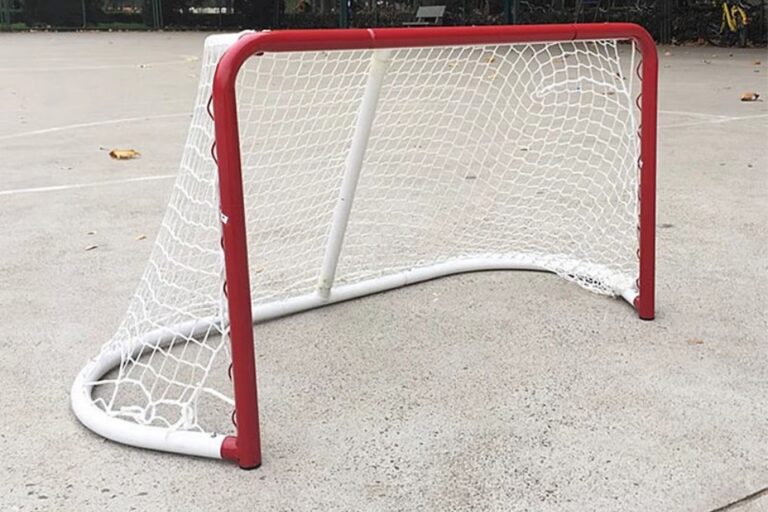
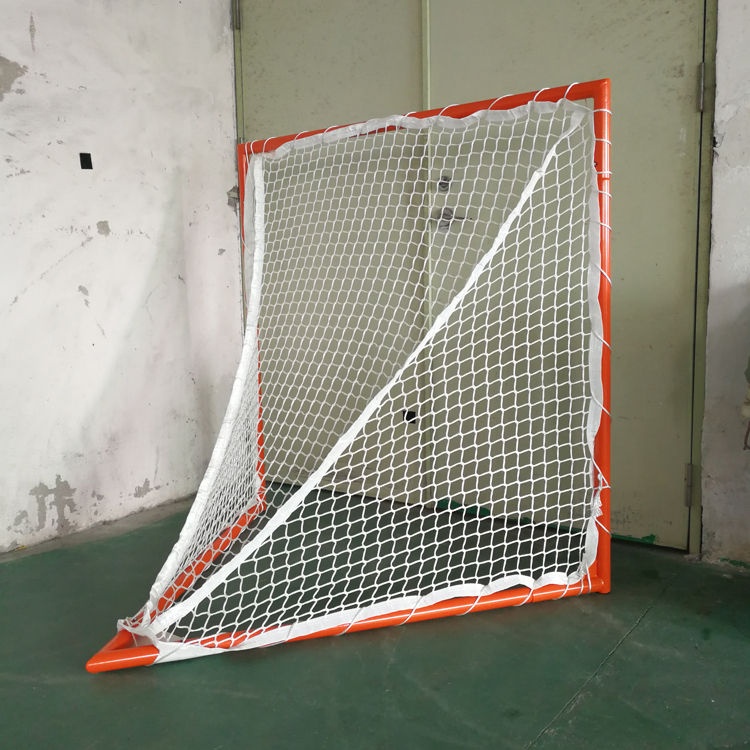
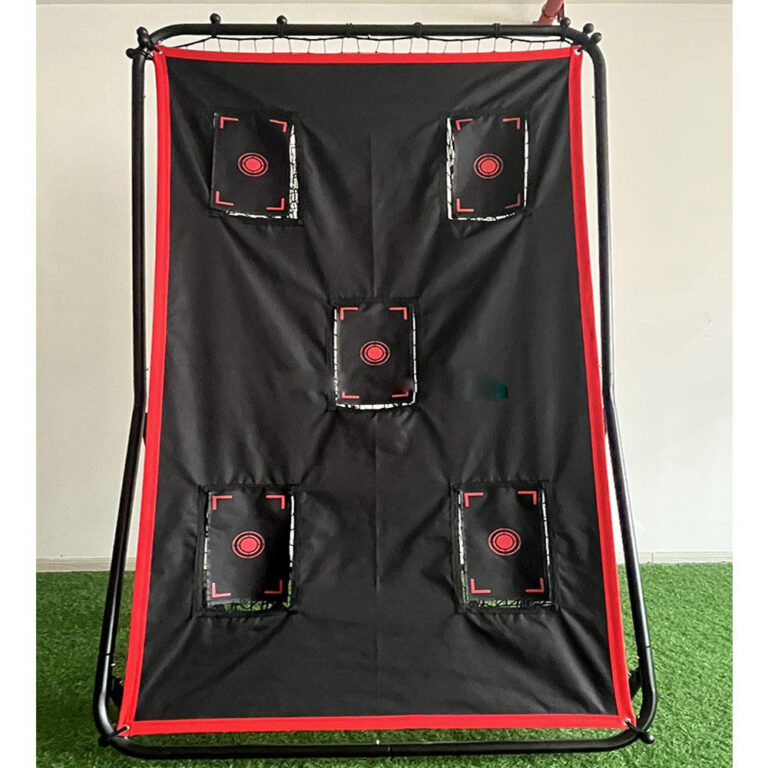
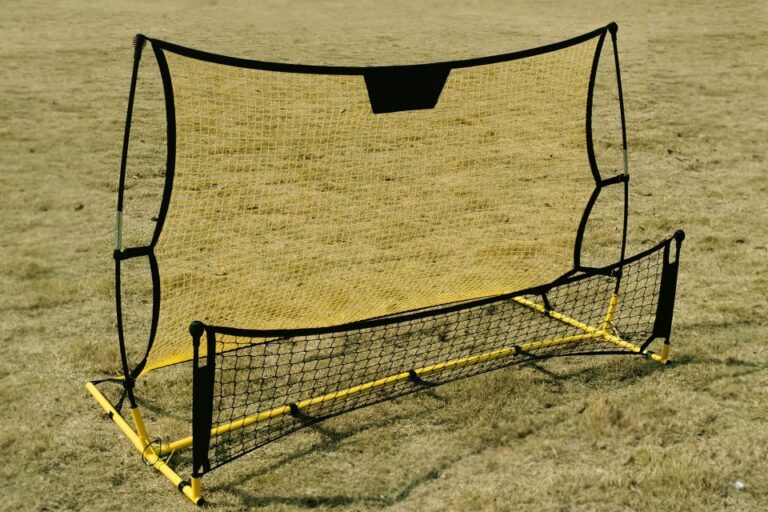
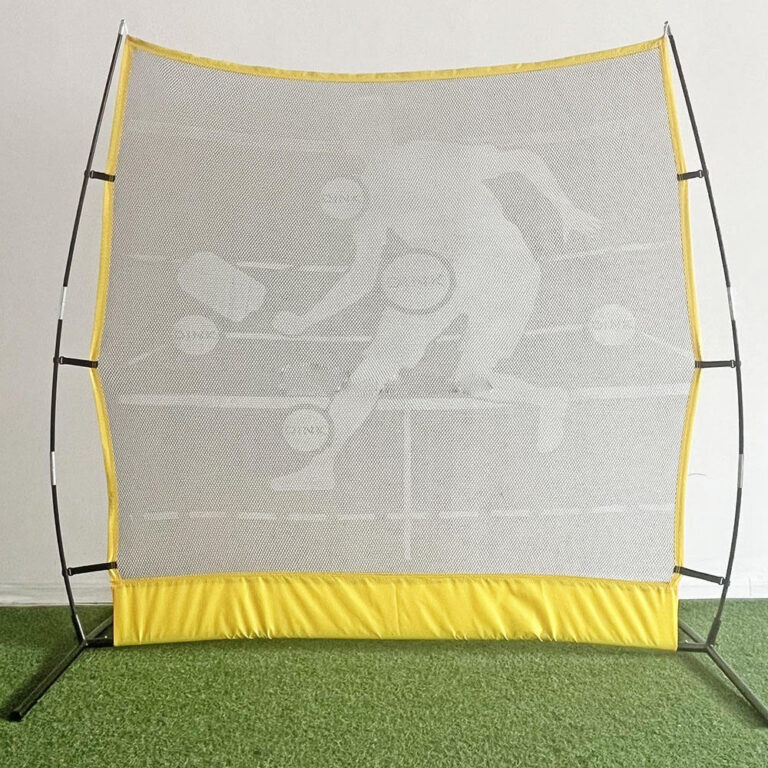
Dites-nous ce que vous souhaitez développer. FSPORTS prend en charge les projets OEM/ODM, les marques de distributeur et les projets de filets de sport sur mesure, à partir de votre produit existant, d'un plan, d'un échantillon, d'une photo ou de vos exigences d'application.
Veuillez nous communiquer le type de produit, ses dimensions, la quantité souhaitée, la destination, ainsi que toutes les exigences connues concernant la maille, le matériau, l'armature, la quincaillerie, le logo ou l'emballage. Si votre cahier des charges n'est pas encore complet, envoyez-nous les informations dont vous disposez ; nous pourrons examiner les détails restants avant de vous établir un devis.
Filets de sport sur mesure : les informations essentielles que les acheteurs doivent vérifier
Pourquoi les filets de sport sur mesure ne donnent pas toujours satisfaction
Masquer les caractéristiques techniques.
C’est ce que j’ai appris en voyant des acheteurs valider l’achat de filets de sport sur mesure sur la base d’un joli PDF, d’une photo de produit soignée et d’une expression trompeuse : “ haute résistance ”. Ça semble rassurant. Mais ça ne veut presque rien dire.
Mais voici la triste vérité : un filet échoue généralement sur les détails les plus banals. La corde de bordure. L’espacement des mousquetons. La protection contre les UV. Le calibre de la ficelle. La marge de fléchissement. La façon dont le panneau est accroché au cadre. Personne ne s’enthousiasme pour ces détails lors d’une réunion commerciale, et pourtant ce sont eux qui déterminent si le produit résistera à une saison des pluies, à un week-end de compétition ou à un ado qui s’en servira comme d’un appareil de gym.
Ce n'est pas très glamour. C'est de la pêche au filet.
Si vous achetez des filets de sport sur mesure pour une école, un club, un centre d’entraînement, une gamme de distribution, une fiche produit sur Amazon ou un terrain municipal, ne les considérez pas simplement comme “ un filet ”. Considérez-le plutôt comme un système de contrôle des projectiles qui doit faire face aux balles, aux palets, au vent, à la pluie, à un mauvais stockage, à des coins surchargés, à des crochets en zinc de mauvaise qualité et à des notices de montage rédigées à la va-vite par quelqu’un qui ne s’est jamais tenu à côté d’une cage de frappe pendant une séance d’entraînement à la batte en conditions réelles.
Et oui, je ne suis pas tout à fait impartial sur ce point. Je pense sincèrement que la plupart des mauvaises commandes en ligne sont déjà vouées à l'échec avant même que la production ne commence.
Pas lors de l'installation.
À propos de la citation.
La première question ne porte pas sur la taille
Je sais. Tout le monde commence par les dimensions. La largeur, la hauteur, et peut-être la couleur si un responsable des achats a envie de faire preuve d'originalité.
Mauvais ordre.
Pour passer une commande sérieuse de filet sur mesure, il faut commencer par se poser quatre questions : qu’est-ce que cet objet est censé arrêter ? À quelle vitesse se déplace-t-il ? À quelle fréquence sera-t-il heurté ? Et qu’est-ce qui retient la charge au moment de l’impact ? Si le fournisseur ne pose pas ces questions — ou ne laisse pas au moins la place de les aborder —, vous achetez probablement un simple rectangle, et non un filet fonctionnel.
Choisir le réseau adapté au cas d'utilisation
J'ai vu un jour un acheteur comparer un filet de frappe pliable pour jardin à un panneau de cage de niveau professionnel, comme si les deux pouvaient être mis dans la même cellule d'un tableur. Même sport. Fonctionnalités complètement différentes. C'est comme ça qu'on gaspille les budgets.
En baseball et en softball, l'usage prévu prime avant tout. Un filet pliable pour jardin n'est pas le même produit qu'un filet de cage de frappe pour le baseball conçus pour les entraînements répétés au lancer, à la frappe et en équipe. Le golf est encore plus exigeant : les chips, les drives en pleine puissance, les impacts sur simulateur et le confinement périphérique sollicitent tous les filets de manière différente, même si la photo du produit semble ne montrer aucun dommage. Si vous utilisez des balles de golf lancées à pleine vitesse, commencez par filets et cages de protection pour le golf au lieu de faire comme si tous les “ filets de golf ” devaient être classés dans la même catégorie.
En bref ?
C'est l'utilisation qui détermine les spécifications.
La sécurité et la responsabilité ne sont pas des questions secondaires
Mais les acheteurs continuent de considérer la sécurité comme un élément accessoire. Une simple case à cocher. Un point dont on s’occupera “ plus tard ”.
C’est imprudent. En décembre 2024, la Commission américaine de sécurité des produits de consommation (CPSC) a averti les consommateurs de cesser d’utiliser certains buts de football portables « Sport Nets 4×8 » en raison d’un risque d’empalement et d’un décès signalé, ce qui nous rappelle cruellement que les produits à mailles peuvent présenter des défaillances au niveau des extrémités exposées, des cadres, de l’assemblage et des fixations — et pas seulement à cause d’un tissu déchiré. Avertissement du CPSC. L'ASTM publie également des normes relatives au sport et aux loisirs, qui portent sur l'évaluation, les essais, le montage et l'utilisation des équipements, ce qui est important lorsqu'un acheteur ne se contente pas d'un simple devis « à prix cassé » Normes ASTM relatives aux sports et aux loisirs. Et si quelqu’un dans cette salle pense que les balles égarées font “ simplement partie du sport ”, renvoyez-le à l’affaire Fletcher c. The Links at Brunello, 2023 NSSM 14, où des balles de golf égarées ont donné lieu à un litige pour dommages matériels touchant un bardage et un camion Résumé de l'affaire de la balle de golf égarée.
Donc non, la question des “ meilleurs filets de sport sur mesure ” ne se résume pas à savoir qui propose le catalogue le plus attrayant.
C'est une question de visibilité.
La fiche technique doit servir à quelque chose
Maillage
Commencez par la maille. Pas la couleur. Pas le “ haut de gamme ”. La maille.
La taille des mailles doit être inférieure à celle du plus petit objet que le filet doit retenir, ce qui semble d’une évidence criante jusqu’à ce que l’on voie une balle de golf se faufiler entre des mailles trop espacées ou qu’un palet déchiquette le tiers inférieur d’un panneau. Les balles de baseball, de softball, de lacrosse, de golf, les palets de hockey, les balles de pickleball, les balles de tennis et les volants de badminton ne se comportent pas sagement. Elles trouvent les points faibles. Elles le font toujours.
Le pickleball en est un bon exemple. Ce sport ne nécessite généralement pas de filets ultra-résistants, mais il exige des dimensions précises, des cadres stables et une installation conforme aux normes du terrain. A système de filet de pickleball portable Cela relève d'un argumentaire de vente différent de celui d'un filet de protection à fort impact ou d'une cage de golf.
Un métier différent. Un réseau différent.
Choix des matériaux
C'est dans la section « Matériel » que se cachent les citations vagues.
Le nylon offre une excellente absorption des chocs, même s’il peut absorber l’eau et se déformer davantage que ne s’y attendent les acheteurs. Le polyester est généralement préférable en extérieur, où la résistance aux UV et une faible élasticité sont des critères importants. Le PEHD (polyethylène haute densité) est très répandu dans les filets de protection d’extérieur car il est pratique, résistant aux intempéries et économique. Dyneema ou UHMWPE ? Excellent rapport résistance/poids. Ce n’est toutefois pas un matériau que je choisirais sans réfléchir pour un filet d’entraînement scolaire standard, à moins que le projet ne l’exige réellement.
D'après mon expérience, les acheteurs apprécient beaucoup l'expression “ qualité professionnelle ”, car elle leur semble précise.
Ce n'est pas le cas.
Mauvaise formulation de la citation
Si le fournisseur n'est pas en mesure de préciser le nom du polymère, le diamètre de la ficelle, la taille des mailles, le type de nœud, la finition des bords et le traitement anti-UV, cela signifie que vous ne disposez pas d'un cahier des charges.
Tu as un certain charme.
Et les ondes ne pourront pas arrêter une balle frappée en ligne droite, maintenir en place un panneau de toit qui s'affaisse, ni empêcher une balle de golf d'atterrir sur le parking.
Liste de contrôle pour l'achat de filets de sport sur mesure
Détails de l'acheteur à confirmer
Pourquoi est-ce important ?
Signal de cotation erroné
Meilleure exigence
Dimensions finales
Les panneaux en filet sur mesure peuvent rétrécir, s'étirer ou tomber différemment après la bordure.
“ Environ ” sans aucune tolérance
Vérifiez la largeur, la hauteur, la profondeur et la tolérance en pouces ou en cm
Taille des mailles
Arrête les balles, palets ou volants les plus petits
Nom du sport uniquement
Précisez la taille des mailles, par exemple 1 pouce, 1,75 pouce, 4 pouces ou une valeur spécifique au projet
Matériau
Permet de contrôler la résistance aux UV, l'absorption d'eau, l'élasticité et le comportement aux chocs
“ Filet ultra-résistant ”
Nylon, polyester, PEHD ou UHMWPE, clairement indiqués
Ficelle / corde
Influence la résistance aux chocs et à l'abrasion
Pas de denier, de nombre de brins, de calibre ni de diamètre
Vérifier le diamètre de la ficelle, ainsi que le type de fabrication (tressée, nouée ou sans nœuds)
Finition des bords
Empêche les déchirures au niveau des agrafes, des crochets et des points de fixation des câbles
Bord brut ou “ cousu ” de manière imprécise”
Bordure en corde, sangle, coins renforcés, espacement des œillets
Matériel
De nombreuses défaillances surviennent au niveau des mousquetons, des cordes élastiques, des poteaux et des ancrages
Devis exclusivement en ligne masquant les pièces jointes nécessaires
Vérifier les crochets, les mousquetons, les sangles élastiques, les câbles, les tendeurs et les sacs de sable
Environnement d'installation
Le vent, les rayons UV, la pluie, l'air salin et les règles de sécurité incendie en intérieur modifient les spécifications
Aucune question sur le site ne sera posée
Préciser : utilisation à l'intérieur ou à l'extérieur, exposition côtière, type de cadre, points de fixation
Plan de remplacement
Les zones soumises à de forts chocs s'usent plus rapidement que les panneaux supérieurs
Modèle monobloc uniquement
Panneau de protection remplaçable ou configuration modulaire des panneaux
Le filet de protection sportif est un système, pas une simple bâche
Passons maintenant aux filets de protection pour installations sportives. C'est là que le discours commercial devient ambigu.
Un panneau de barrière ne constitue pas automatiquement un système de barrière. Un véritable système doit tenir compte de la vitesse de la balle, de l’angle de tir, de la hauteur de la clôture, de la distance de recul, de la charge due au vent, de l’espacement des poteaux, de la tension des câbles, des points d’accès, de l’abrasion du bord inférieur, ainsi que du technicien d’entretien qui se retrouvera coincé à l’inspecter après les tempêtes.
Une barrière installée le long d'un practice de golf, une barrière anti-foul-ball de baseball et un rideau de séparation dans une école peuvent tous être désignés sous le nom de « Sports Netting Systems ». Très bien. Mais ils ne devraient pas être construits de la même manière.
Pour les installations de loisirs à usage mixte, systèmes de filets multisports peuvent se justifier. Elles sont utiles lorsque l’application est modulable, portable et qu’elle n’est pas soumise à des sollicitations constantes à grande vitesse. Mais si le terrain est exposé à des chocs répétés — tirs puissants, swings à pleine puissance, frappes en situation réelle, utilisation intensive de clubs —, je préfère opter pour une conception spécifique au sport concerné plutôt que pour une solution universelle.
Les produits universels sont très pratiques.
Des performances d'impact universelles ? En général, ce n'est qu'un argument de vente.
Les dimensions sur mesure peuvent aggraver la situation
Voici ce que les acheteurs n'aiment pas entendre : les dimensions sur mesure peuvent augmenter les risques.
Une portée plus longue ? Un meilleur maintien sur les bords. Un panneau plus haut ? Le vent se met à souffler. Un filet plus lourd ? La charge sur le cadre change. Un espacement plus large entre les fixations ? La force se concentre là où vous le souhaitez le moins. L’ajout de clips et de coins renforcés n’est pas un simple argument de vente décoratif ; c’est ainsi que la charge est répartie, au lieu d’être concentrée sur un seul œillet surmené.
C'est là que l'approche consistant à “ simplement agrandir ” devient coûteuse.
Rapide.
Télécharger le dessin
Demandez un croquis avant la production. Pas un rendu 3D surréaliste avec de fausses ombres. Un simple croquis.
Dimensions. Type de bordure. Espacement des fixations. Orientation des panneaux. Emplacement de la porte ou du chevauchement. Espacement des œillets. Toute ouverture d'accès. Si la commande concerne des établissements, des écoles, des clubs ou la revente B2B, veuillez vérifier services de filets de sport sur mesure avant de traiter la commande comme un achat en un clic.
Un simple schéma permet d'éviter les discussions par la suite.
Rien que ça, ça vaut le coup.
Conseils d'achat spécifiques à chaque sport
Filet de cage de frappe pour le baseball
Pour les filets de cage de frappe de baseball, ne prenez pas les mesures comme si vous deviez décorer une pièce. Prenez-les en partant du principe que le cadre va vous jouer des tours.
Vérifiez la longueur, la largeur et la hauteur de la cage par rapport au cadre, et non par rapport au ruban adhésif au sol. Demandez si le filet est suspendu à l’intérieur ou à l’extérieur du cadre. Vérifiez l'affaissement du toit. Vérifiez le type d'entrée : porte, chevauchement, poulie, rideau de séparation ou configuration avec zone cible. Le meilleur filet de cage de frappe n'est généralement pas le plus épais. C'est celui qui s'adapte correctement, absorbe les chocs et ne présente pas de points d'accrochage où le bord s'abîme rapidement.
Filet de protection pour le golf
Pour les filets d'impact de golf, la distance d'impact est un facteur déterminant. Si vous placez le filet trop près derrière une feuille cible, vous créez une zone de punition concentrée. Même balle. Même swing. Même endroit malmené. Encore et encore.
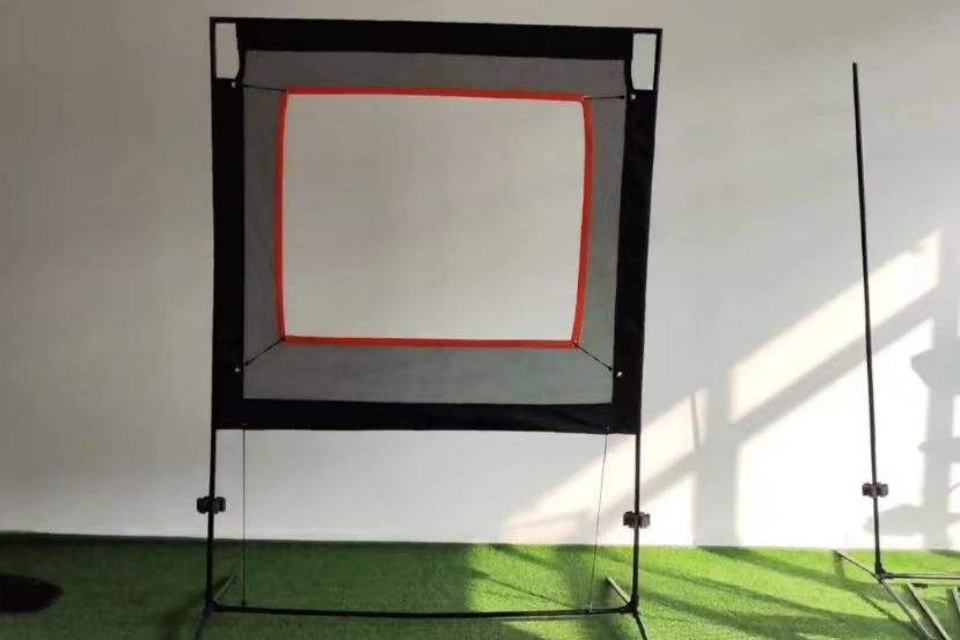
Les balles de golf filent à toute vitesse, et les cages d'entraînement en salle ou les simulateurs peuvent se transformer en machines à impacts répétitifs. S'il s'agit d'un simulateur ou d'une cage d'entraînement pour swing complet, un produit tel que cage de frappe de golf professionnel net est plus conforme à la logique d'achat qu'un filet de rattrapage générique destiné au jardin.
Ne lésinez pas sur ce point.
Vous comprendrez pourquoi.
Autres filets et cadres de sport
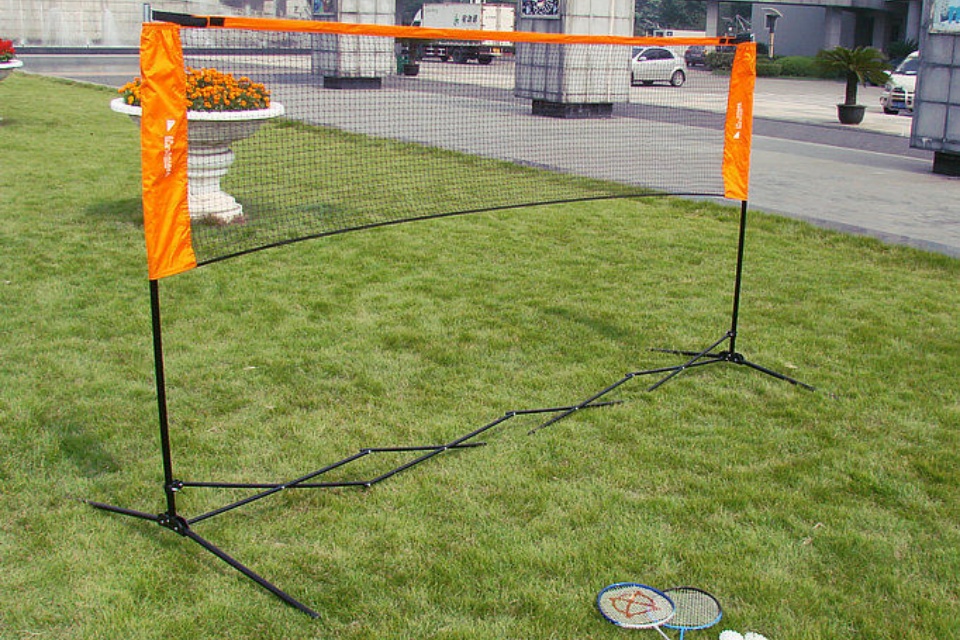
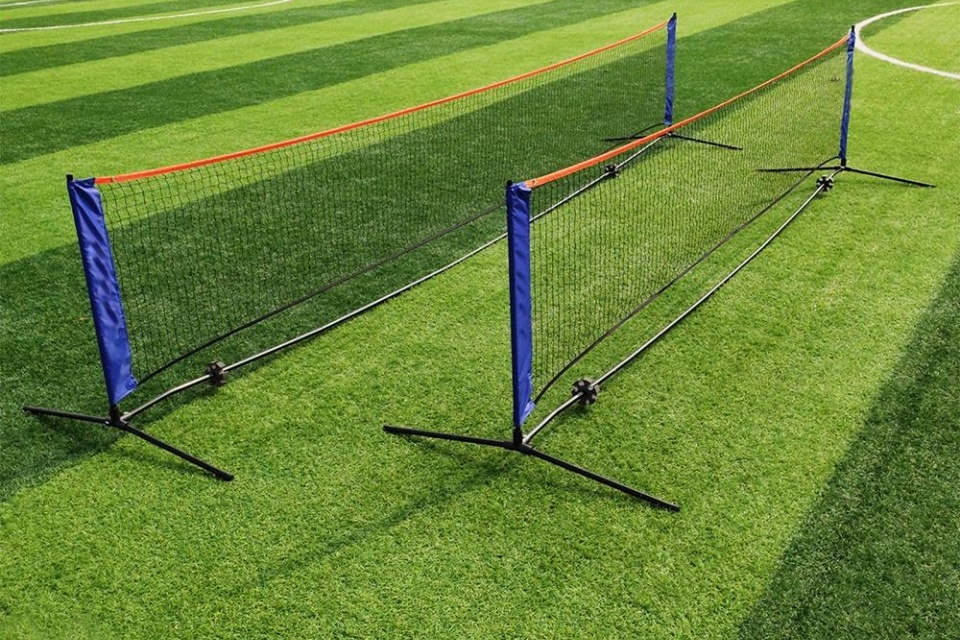
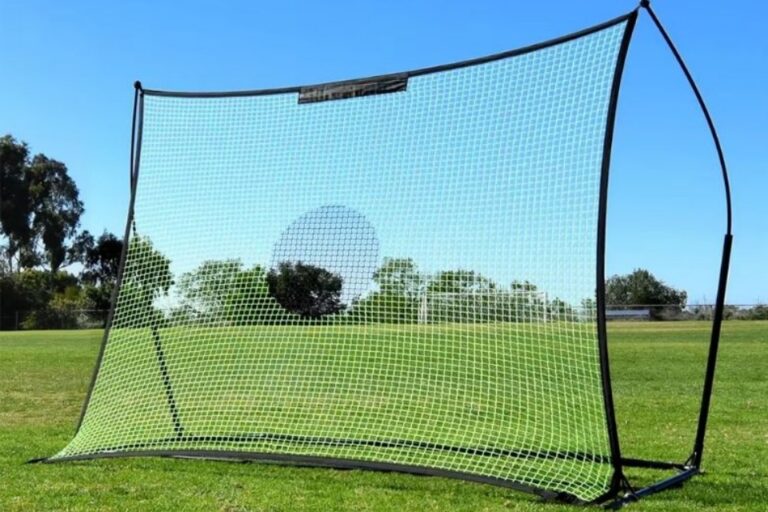
En ce qui concerne le football, la crosse, le hockey, le tennis, le badminton, le volley-ball et les produits de type « rebounder », le cadre peut abîmer le filet. Ou bien le filet peut abîmer le cadre. Parfois, les deux.
Les coins s’usent. Les sangles élastiques sont trop tendues. Les poteaux se tordent. Les panneaux inférieurs traînent par terre. On confond souvent “ portable ” avec “ à laisser dehors toute l’année ”, ce qui n’est pas la même chose. Un filet portable est un format pratique, pas un gage d’immortalité à l’épreuve des intempéries.
Maintenance et confirmation finale
L'entretien, c'est cette dépense que personne ne veut inclure dans le budget initial.
Inspectez les panneaux inférieurs, les fixations d’angle, les zones fragilisées par les UV, les crochets rouillés, les bordures de corde effilochées, les mailles distendues et tout endroit où le filet frotte contre du métal. Remplacez les points faibles avant qu’ils ne cèdent, et non après qu’un ballon se soit retrouvé dans un parking ou ait brisé la fenêtre d’un voisin. Le Conseil national de la sécurité a signalé que les blessures liées au sport et aux loisirs avaient augmenté de 17% en 2024, après des hausses en 2023, 2022 et 2021 ; la situation en matière de risques liés au sport et aux loisirs ne s'apaise donc pas vraiment. Faits sur les blessures du NSC.
Les filets ne résoudront pas tous les problèmes.
Mais c’est l’un des rares paramètres physiques qu’un acheteur peut choisir avant même que la première balle ne soit frappée.
Avant de valider la production, envoyez un dernier e-mail de confirmation. Précisez-y tous les détails : dimensions finales, discipline sportive, type de balle ou de palet, utilisation en intérieur ou en extérieur, fréquence d'utilisation prévue, matériau, maillage, bordure, quincaillerie, emballage, étiquetage, délai de livraison et garantie. Demandez au fournisseur de confirmer ces informations par écrit.
Ennuyeux ? Absolument.
Utile ? Tout à fait.
FAQ
Quels éléments les acheteurs doivent-ils vérifier avant de commander des filets de sport sur mesure ?
Avant de commander un filet de sport sur mesure, les acheteurs doivent vérifier les dimensions finales, la taille des mailles, le matériau, la résistance du fil, la finition des bords, les fixations, l'environnement d'installation et le sport auquel il est destiné, car ces détails déterminent si le filet retient correctement les projectiles, s'adapte au cadre, résiste à une utilisation répétée et évite toute défaillance prématurée.
Ensuite, demandez un schéma ou une fiche technique. Je ne fais pas confiance à la mention “ haute résistance ” tant qu’elle n’est pas accompagnée des noms précis des matériaux, des données relatives à la maille et de la construction des bords.
Quel est le meilleur matériau pour les filets de sport sur mesure ?
Le choix du meilleur matériau pour les filets de sport sur mesure dépend du niveau d'impact, de l'exposition aux intempéries, de la résistance à l'étirement et du budget. Le nylon est souvent utilisé pour ses propriétés d'absorption des chocs, le polyester est privilégié pour sa résistance aux UV en extérieur, le PEHD (polyéthylène haute densité) est couramment utilisé pour les applications de barrière, tandis que le PEHVM (polyéthylène ultra-haut poids moléculaire) est réservé aux projets haut de gamme exigeant une résistance élevée et une grande légèreté.
Pour la plupart des acheteurs de matériel de sport en plein air, c'est avec le polyester ou le PEHD traité que les discussions sérieuses commencent. Pour les frappes en salle et les impacts répétés, le nylon a toutefois encore sa place.
Comment choisir la bonne taille de mailles pour des panneaux de filet sur mesure ?
La taille de maille appropriée pour les panneaux de filet sur mesure doit être inférieure à celle de la plus petite balle, du plus petit palet, de la plus petite volée ou du plus petit objet que le filet doit retenir, car les classifications sportives ne tiennent pas compte à elles seules des installations à usages mixtes, des variations d’entraînement, des angles d’impact inhabituels ou des projectiles plus petits pouvant pénétrer dans la même zone.
Une balle de golf, une balle de lacrosse, une balle de baseball, une balle de pickleball et une rondelle de hockey présentent toutes des points faibles différents. Choisissez le filet en fonction de l’objet, et non du nom de la catégorie.
Les filets de protection pour terrains de sport et les systèmes de filets pour terrains de sport sont-ils la même chose ?
Les filets de protection pour installations sportives constituent généralement un élément d'un système de filets sportifs plus vaste pouvant inclure des poteaux, des câbles, des ancrages, des cadres, des clips, des sangles élastiques, des portillons et des accès d'inspection ; c'est l'ensemble du système qui détermine la tension, la stabilité, la couverture, la répartition des charges et la sécurité à long terme.
Cette différence a son importance en termes de prix. Un panneau de bonne qualité monté sur un châssis de mauvaise qualité reste une installation médiocre.
Que doivent vérifier les acheteurs avant d'acheter un filet pour cage de frappe de baseball ?
Les acheteurs doivent vérifier la longueur, la largeur et la hauteur de la cage, la position du cadre, l’affaissement du toit, le type d’entrée, le mode de fixation du filet, la résistance de la ficelle, ainsi que la nécessité éventuelle d’un panneau de protection remplaçable, car le filet d’une cage d’entraînement de baseball subit des chocs répétés et concentrés qui mettent en évidence un mauvais ajustement et une mauvaise répartition des forces.
Mesurez le châssis à deux reprises. Vérifiez ensuite si le fournisseur propose un devis uniquement pour la structure nue ou pour l’ensemble complet de la cage.
En quoi les filets anti-impact pour le golf se distinguent-ils des filets de sport classiques ?
Les filets d'impact pour le golf sont conçus pour absorber les impacts répétés de balles de golf lancées à grande vitesse, souvent dans des espaces intérieurs restreints ou des cages où les impacts se concentrent sur une seule zone cible, tandis que les filets de sport classiques sont généralement destinés à retenir des projectiles plus lents, plus légers ou dont les impacts sont moins répétés.
La position de départ au golf n'est pas le moment d'économiser quelques dollars sur du matériel de qualité douteuse.
Conclusion
Prêt à définir les dimensions du filet avant que l'usine ne le découpe ? Commencez par le modèle complet Gamme de produits « Sports Net », cochez la catégorie sportive correspondante, puis utilisez le page de contact pour confirmer par écrit le matériau, le maillage, les dimensions, les éléments de fixation et les conditions d'installation.