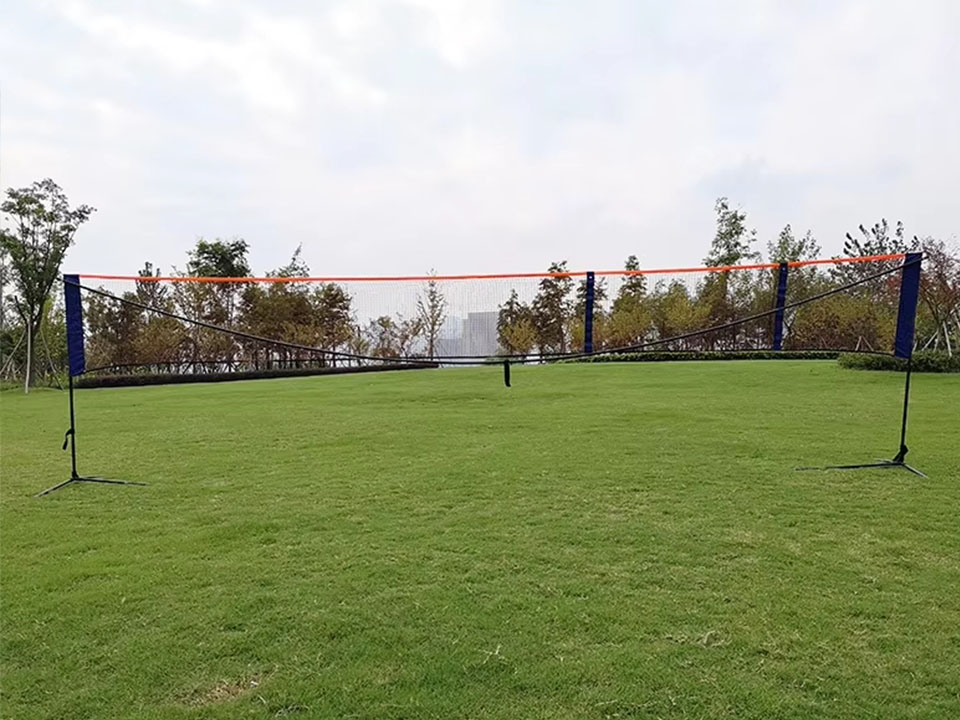
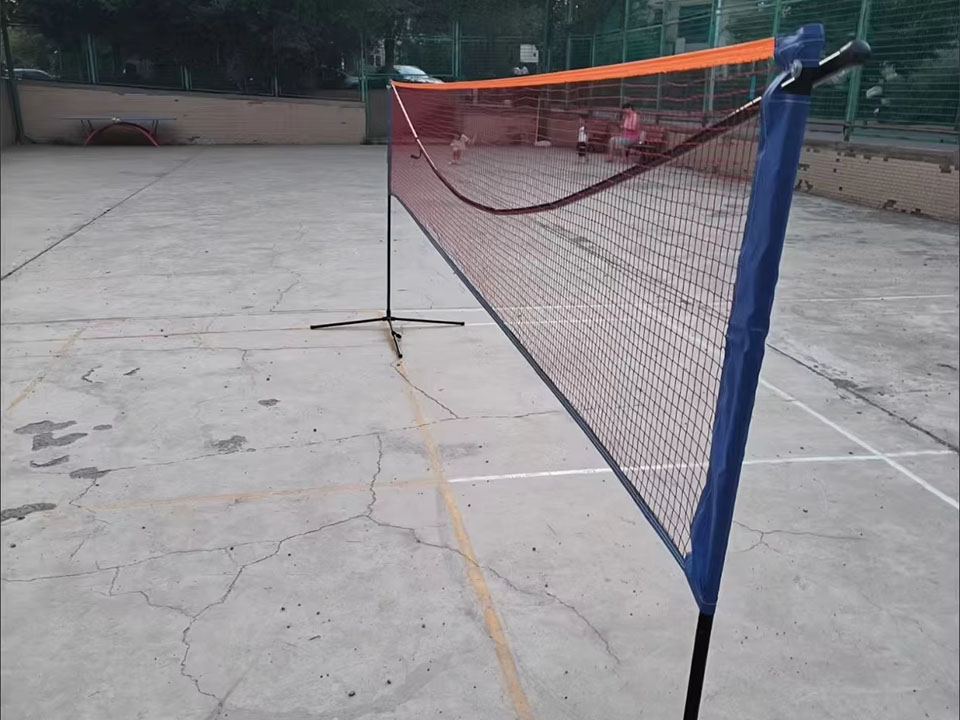
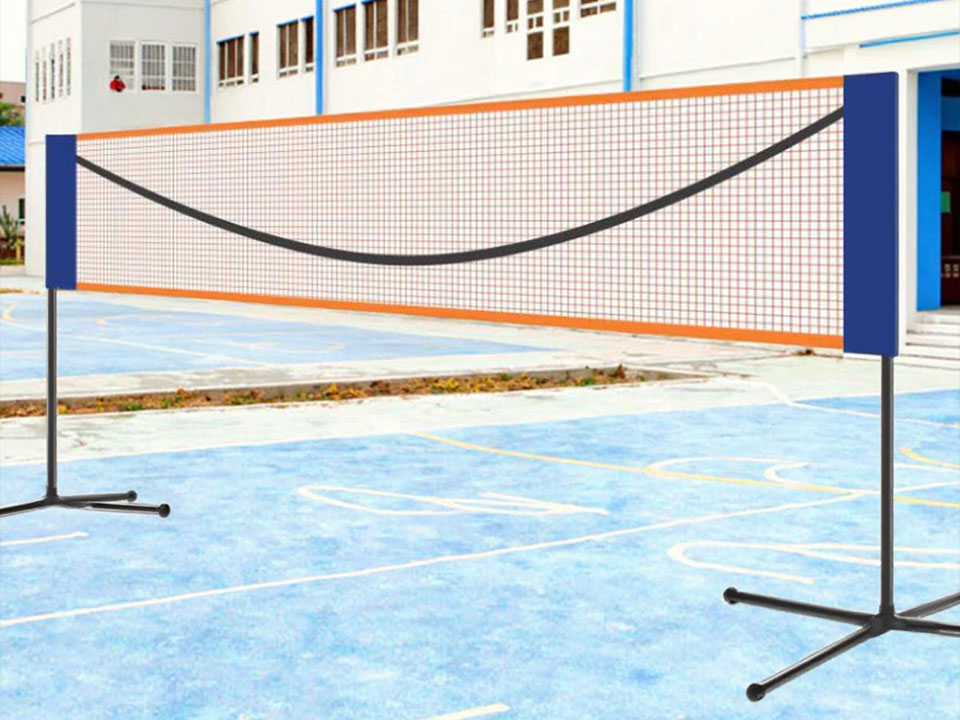
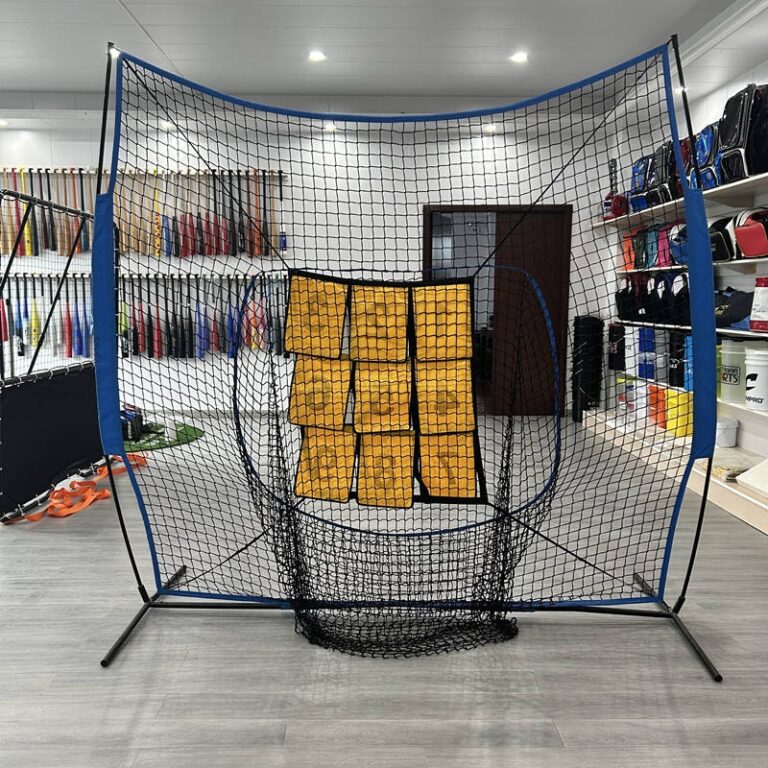
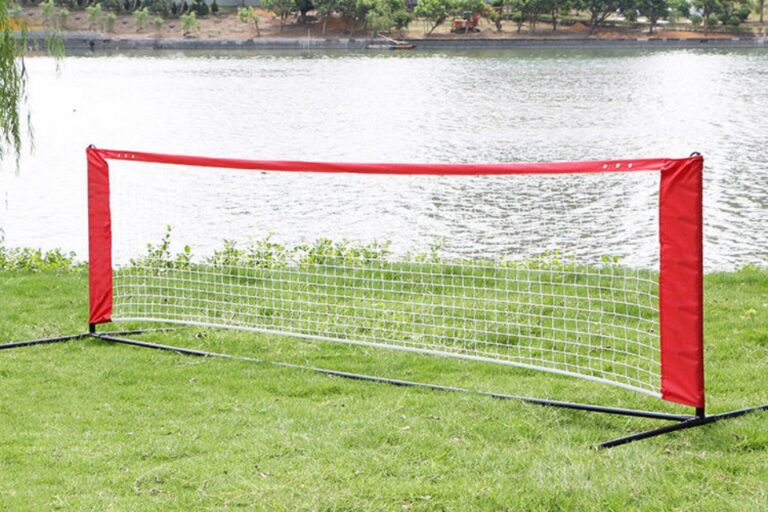
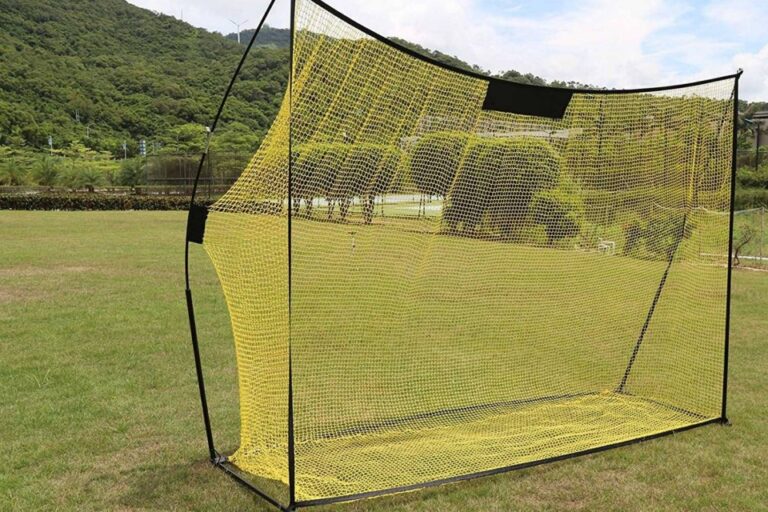
Diteci cosa desiderate realizzare. FSPORTS offre supporto per progetti OEM/ODM, a marchio privato e reti sportive personalizzate, basati su prodotti già esistenti, disegni, campioni, foto o specifiche applicative.
Indicateci il tipo di prodotto, le dimensioni, la quantità richiesta, la destinazione e qualsiasi requisito noto relativo alla rete, al materiale, al telaio, alla ferramenta, al logo o all’imballaggio. Se le vostre specifiche non sono ancora complete, inviateci ciò che avete a disposizione e provvederemo a esaminare i dettagli rimanenti prima di formulare il preventivo.
Se avete mai montato una rete da pallavolo “da torneo” che si affloscia al centro, si attorciglia all'antenna o si sfilaccia dopo qualche weekend, sapete già la verità: l'etichetta non conta. Contano invece le specifiche e la costruzione.
Questa guida spiega cosa controllare, come adattare la rete al vostro caso d'uso reale (serate in discoteca, palestre scolastiche, eventi in spiaggia, noleggi) e come evitare i soliti grattacapi degli acquirenti. Vi mostrerò anche come FSPORTS si inserisce nel caso in cui abbiate bisogno di taglie personalizzate, di ordini all'ingrosso o di OEM/ODM per il vostro marchio. FSPORTS homepage quando si è pronti per l'approvvigionamento.
Altezza e misure della rete da pallavolo da torneo
La qualità da torneo inizia con “specifiche regolamentari”. Se sbagliate questi termini, non vi salverà nient'altro.
Ecco i numeri fondamentali su cui si basano i principali libri di regole:
Parola chiave specifica
Specifiche tipiche dei tornei
Cosa controllare al momento dell'acquisto
Tipo di fonte
Altezza della rete maschile
2,43 m
L'altezza deve misurare correttamente al centro e corrispondere su entrambi i lati.
Regolamenti FIVB/USAV
Altezza della rete femminile
2,24 m
Stessa situazione: misura del centro, linea superiore stretta, nessun avvallamento centrale.
Regolamenti FIVB/USAV
Lunghezza netta
9.50-10.00 m
Lunghezza sufficiente per un tensionamento pulito su pali standard
Regolamenti FIVB/USAV
Larghezza netta
~1.00 m
Il frontale della rete a tutta altezza aiuta a garantire coerenza e visibilità
Regolamenti FIVB/USAV
Dimensione della maglia
10 cm (4 in)
Maglia quadrata uniforme; evitare aperture allungate e irregolari.
Regolamenti FIVB/USAV
Lunghezza dell'antenna
1.80 m
Tasca o sistema di fissaggio dell'antenna adeguato, stabile e visibile
Regolamenti FIVB/USAV
Suggerimenti per l'installazione della rete da pallavolo
È possibile acquistare una rete perfetta e ottenere comunque una cattiva “sensazione di gioco” se il personale addetto al setup si affretta. Ecco cosa si fa di solito per risolvere rapidamente il problema:
Misurare prima al centro. L'abbassamento del centro è un killer silenzioso. Se il centro si abbassa, i battitori lo sentono subito.
Tensione prima della messa a punto. Stringere il cavo superiore, quindi regolare le cinghie laterali e i lacci inferiori.
Partita su entrambi i lati. Se una delle due parti è più forte, gli arbitri e i giocatori se ne accorgeranno nel giro di pochi minuti.
Se si organizzano eventi frequenti, la ripetibilità della configurazione è importante quanto la rete stessa.
Antenne, bande laterali e visibilità della rete da pallavolo
Una rete da torneo deve essere “ref-ready”. Ciò significa che l'attrezzatura di delimitazione non deve sembrare improvvisata.
Concentratevi su questi dettagli:
Tasche per antenne che non si aprono. Un montaggio allentato dell'antenna si traduce in chiamate fuori campo traballanti.
Bande laterali che rimangono dritte. I nastri laterali larghi e rigidi aiutano la rete a mantenere un bordo pulito.
Marcature ad alto contrasto. I giocatori seguono il bordo nella visione periferica. Semplificare le cose.
Per le corsie di allenamento o di riscaldamento in palestra, una soluzione di riscaldamento dedicata può ridurre l'usura quotidiana della rete da gioco principale. Se si eseguono programmi che richiedono ripetizioni e ripristini rapidi, si consiglia di utilizzare una rete di riscaldamento dedicata. rete per il riscaldamento della pallavolo più facile da spostare e mettere in scena.
Rete da pallavolo in Kevlar e cavo d'acciaio
Le persone amano discutere sul materiale della TV via cavo. Non pensateci troppo. Scegliete in base all'uso che farete della rete.
Kevlar (o fibra simile ad alta resistenza): maneggevolezza, rapidità di installazione, minor rischio di attorcigliamenti, ideale per i club e gli eventi ricorrenti in cui il personale ruota.
Cavo d'acciaio: durevole e sicuro, spesso preferito nei casi in cui il furto o la manomissione sono un problema reale, ma può richiedere più tempo per l'installazione e richiede una gestione più sicura.
Se la vostra rete si sposta tra parchi, spiagge e campi pop-up, vorrete un'attrezzatura che non vi dia problemi. Un concetto multi-campo come un sistema di rete da pallavolo portatile a quattro vie per spiaggia e parco può ridurre la “drammaticità degli eventi”, perché consente di costruire più rapidamente un layout giocabile e di mantenere il flusso dei gruppi.
Aste laterali, tasselli e controllo della forma della rete
Ecco cosa sfugge alla maggior parte degli acquirenti: la superficie della rete deve rimanere rettangolare sotto tensione. Se “barrisce” verso l'interno, si ottiene una linea superiore molliccia e un allineamento dell'antenna approssimativo.
Cercate caratteristiche di controllo della forma come:
Tasche laterali con aste/tavolini per mantenere dritti i bordi verticali
Cuciture angolari rinforzate dove si concentrano i carichi di tensione
Nastro superiore rigido che non si muove sotto sforzo
Questo aspetto è ancora più importante per gli allenamenti ad alto volume, in cui la palla colpisce spesso il nastro. Se si eseguono linee di battuta o esercitazioni di ricezione del servizio, aggiungere una stazione di rimbalzo in modo che gli atleti possano fare ripetizioni senza distruggere la rete da gioco. A rimbalzatore da pallavolo regolabile per impieghi gravosi con struttura in acciaio è utile in questo caso perché sopporta i maltrattamenti mentre la rete principale rimane pulita per il giorno della partita.
Rete da pallavolo per esterni Resistenza ai raggi UV, drenaggio dell'acqua e corrosione dell'hardware
I campi all'aperto sono brutali. Il sole brucia il nastro adesivo. La sabbia sbriciola le cuciture. La pioggia inzuppa il bordo e aggiunge peso.
Se la vostra rete “da torneo” vive all'aperto, datevi delle priorità:
Reti e nastri resistenti ai raggi UV in modo che le fibre non diventino gessose e deboli
Design adatto all'acqua in modo che il nastro superiore non rimanga pesante dopo la pioggia
Hardware consapevole della corrosione perché il metallo a basso costo diventa brutto in fretta
Per i campionati di beach o i dipartimenti dei parchi, è necessario anche un sistema che tenga sotto controllo le palle vaganti. Si tratta di un vero e proprio problema per i clienti: le palline che volano negli altri campi da gioco compromettono il flusso e scatenano le lamentele. Una soluzione come un rete da pallavolo per esterni con sistema di recupero delle palline fa sentire il campo più “gestito”, soprattutto durante le cliniche e i campi.
Compatibilità del sistema di reti da pallavolo e rapidità di installazione
La rete da torneo non significa “la migliore rete del mondo”. Significa “la rete giusta che si adatta ai vostri pali, al vostro pavimento e alla vostra squadra”.”
Prima di acquistare, confermate:
Distanza tra i pali e disposizione del campo (manicotti interni vs basi portatili)
Metodo di tensionamento (verricello, sistema di cinghie o trazione a fune)
Imbottitura e aspettative di sicurezza per palestre scolastiche e centri comunitari
Se avete bisogno di un sistema che funzioni in spazi diversi, una base stabile è di grande aiuto. A rete da pallavolo portatile regolabile con base ponderata possono risolvere il classico problema: una tensione decente senza ancoraggi permanenti e meno oscillazioni quando il pavimento della palestra diventa scivoloso.
Acquisto per club, scuole e rivenditori: Bulk, OEM/ODM e marchi privati
Se state acquistando per un programma o per la rivendita, il vostro vero KPI non è “è bello fuori dalla scatola”. È: rimane coerente tra le varie spedizioni e riduce i resi.
È qui che la mentalità del produttore batte quella del mercato.
FSPORTS si posiziona come un produttore di reti sportive premium in Cina, Il mix di prodotti riflette questa caratteristica: reti resistenti ai raggi UV e ad alto impatto, oltre a misure standard e su ordinazione per diversi sport. Questo è importante per gli acquirenti di pallavolo che hanno bisogno di:
Opzioni OEM/ODM (il vostro logo, la vostra confezione, la vostra scheda tecnica)
Fornitura all'ingrosso di prodotti sfusi con cuciture, maglie e nastri uniformi
Richieste personalizzate per layout di campo speciali, corsie di allenamento o SKU multisport
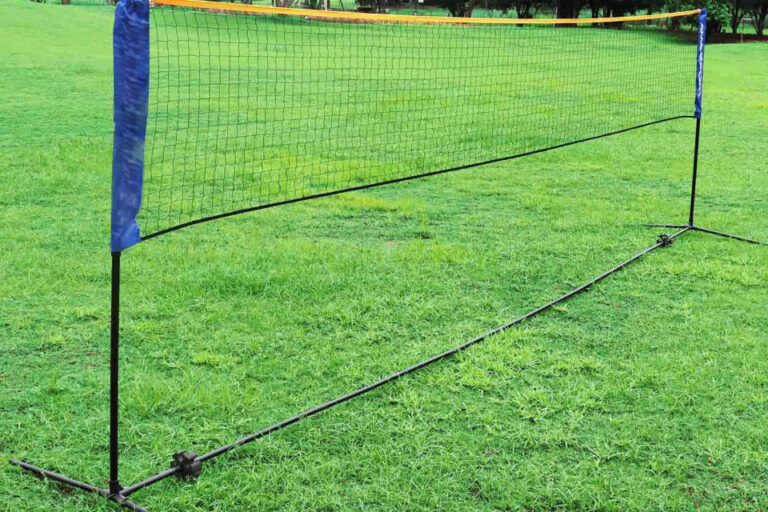
Se si sta costruendo un catalogo, si parte dall'elemento Pagina dei prodotti FSPORTS e scegliete i formati più adatti al vostro pubblico. Ad esempio, i rivenditori di prodotti multisport spesso ottengono risultati migliori con sistemi flessibili come un sistema di reti regolabili per badminton, pallavolo e tennis perché copre un maggior numero di richieste “da cortile” senza confondere gli acquirenti.
Lista di controllo rapida per le reti da pallavolo da torneo
Utilizzatelo come un controllo pre-volo prima di impegnarvi.
Altezza e misure del torneo: 2,43 m da uomo, 2,24 m da donna, lunghezza/larghezza della rete corretta, dimensioni delle maglie coerenti
Controllo della tensione: cavo superiore che tiene, nastro che non si arrotola, angoli che non si allungano
Controllo della forma: aste laterali/taglienti o struttura equivalente per mantenere i bordi dritti
Durata all'aperto (se necessario): Resistenza ai raggi UV, gestione dell'acqua, hardware sensibile alla corrosione
Adattamento alle operazioni: compatibile con i vostri pali o basi, installazione rapida, manipolazione sicura
B2B (se si rivende): Disponibilità per OEM/ODM, coerenza dei lotti, riduzione dei ticket dei clienti “perché è diverso?
Se volete ottenere risultati da torneo senza dover badare all'attrezzatura, scegliete la rete come se steste organizzando un evento, non come se steste comprando un giocattolo. Quando siete pronti a scegliere i materiali, il marchio o le forniture all'ingrosso, potete costruire una linea di prodotti pulita intorno a FSPORTS, a partire dal loro sito e scalare da lì.