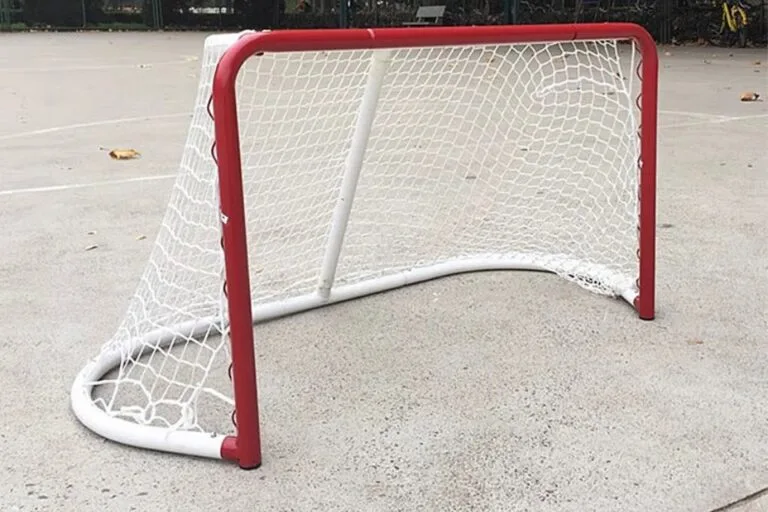
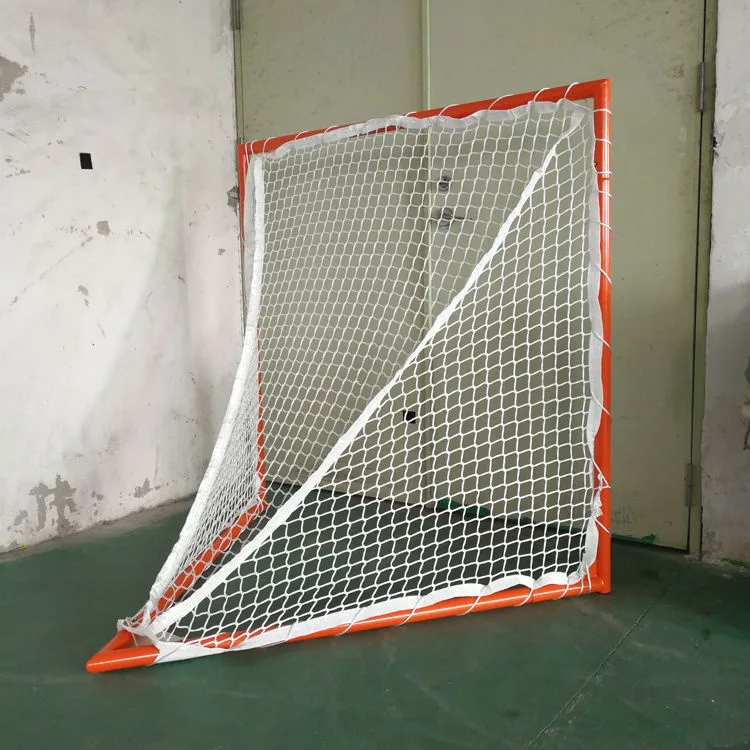
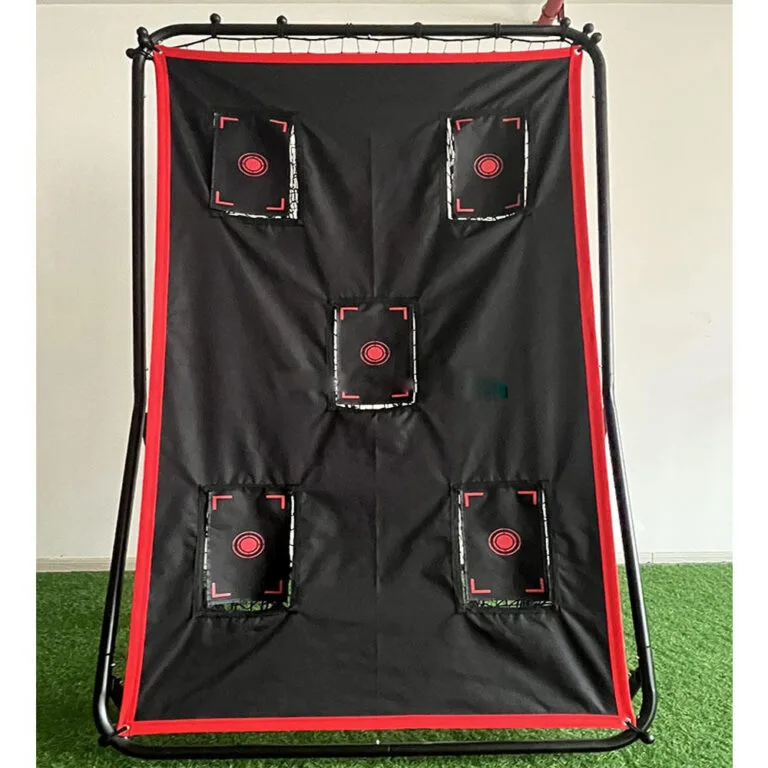
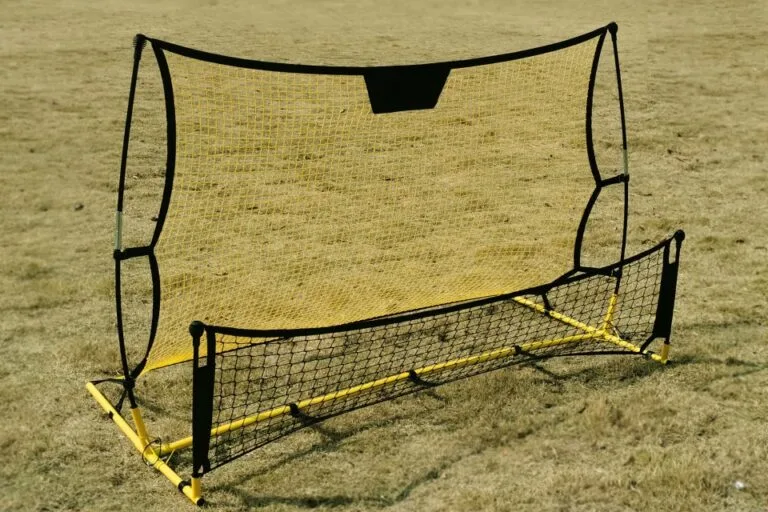
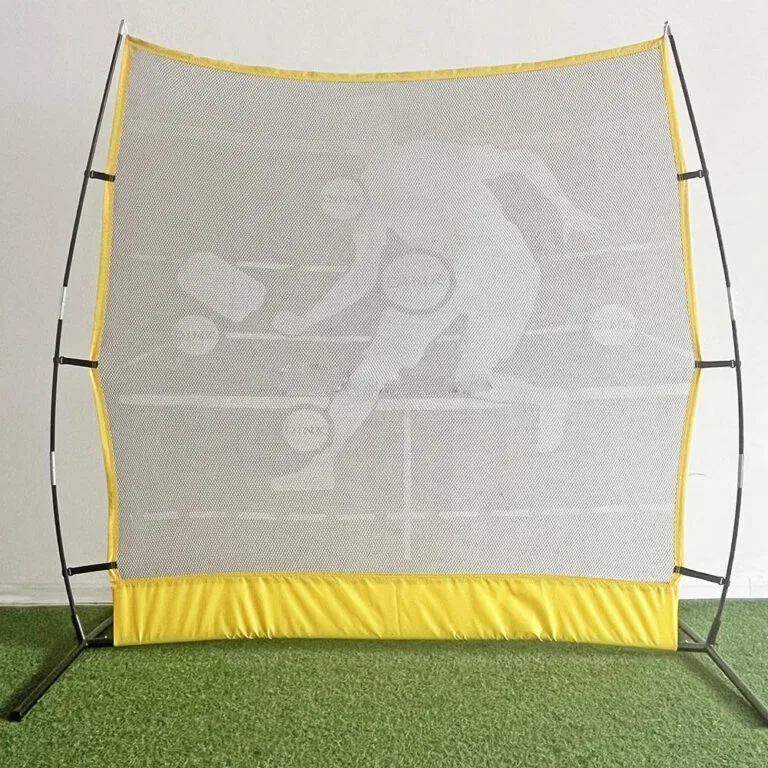
Diteci cosa desiderate realizzare. FSPORTS offre supporto per progetti OEM/ODM, a marchio privato e reti sportive personalizzate, basati su prodotti già esistenti, disegni, campioni, foto o specifiche applicative.
Indicateci il tipo di prodotto, le dimensioni, la quantità richiesta, la destinazione e qualsiasi requisito noto relativo alla rete, al materiale, al telaio, alla ferramenta, al logo o all’imballaggio. Se le vostre specifiche non sono ancora complete, inviateci ciò che avete a disposizione e provvederemo a esaminare i dettagli rimanenti prima di formulare il preventivo.
Reti sportive su misura: dettagli fondamentali che gli acquirenti devono verificare
Perché le reti sportive su misura possono rivelarsi un fallimento
Nascondi specifiche.
È quello che ho imparato dopo aver visto gli acquirenti scegliere le reti sportive personalizzate basandosi su un bel PDF, una foto nitida del prodotto e una frase ingannevole: “per uso intensivo”. Sembra rassicurante. Ma in realtà non significa quasi nulla.
Ma ecco la cruda verità: una rete di solito fallisce proprio nei dettagli più banali. La corda perimetrale. La distanza tra i ganci. La protezione dai raggi UV. Il calibro del filo. Il margine di cedimento. Il modo in cui il pannello è fissato al telaio. Nessuno si entusiasma per questi dettagli durante una riunione di acquisto, eppure sono proprio questi a determinare se il prodotto resisterà a una stagione delle piogge, a un weekend di torneo o a un adolescente che lo usa come attrezzo da palestra.
Non è affatto affascinante. È solo pesca con le reti.
Se state acquistando reti sportive su misura per una scuola, un club, un centro di allenamento, una linea di distribuzione, un'inserzione su Amazon o un campo comunale, non consideratele semplicemente come “una rete”. Consideratela piuttosto come un sistema di controllo dei proiettili che deve far fronte a palloni, dischi, vento, pioggia, condizioni di stoccaggio inadeguate, angoli sovraccarichi, ganci di zinco di scarsa qualità e istruzioni di montaggio affrettate scritte da qualcuno che non si è mai trovato accanto a una gabbia di battuta durante un allenamento di battuta dal vivo.
E sì, su questo punto sono di parte. Credo sinceramente che la maggior parte degli ordini online scadenti sia già destinata al fallimento prima ancora che inizi la produzione.
Non durante l'installazione.
Riguardo al preventivo.
La prima domanda non riguarda le dimensioni
Lo so. Tutti partono dalle dimensioni. Larghezza, altezza, magari anche il colore, se qualcuno dell’ufficio acquisti ha voglia di sbizzarrirsi.
Ordine errato.
Un ordine serio per una rete su misura parte da quattro domande: cosa deve fermare questo oggetto, a che velocità si muove, con quale frequenza verrà colpito e cosa trattiene il carico al momento dell’impatto? Se il fornitore non pone queste domande — o almeno non lascia spazio a tali considerazioni — probabilmente state acquistando un semplice rettangolo, non una rete funzionante.
Adattare la rete al caso d'uso
Una volta ho visto un acquirente mettere a confronto una rete da baseball pieghevole da giardino con un pannello da gabbia da campo professionale, come se fossero due voci da inserire nella stessa cella di un foglio di calcolo. Stesso sport. Funzioni completamente diverse. È così che si sprecano i budget.
Nel baseball e nel softball, l’uso previsto è fondamentale più di ogni altra cosa. Una rete pieghevole da giardino non è lo stesso prodotto di rete per gabbia di battuta da baseball progettate per ripetuti lanci, battute e allenamenti di squadra. Il golf è ancora più impegnativo: il chipping, i drive a pieno swing, gli impatti sul simulatore e il contenimento perimetrale mettono a dura prova le reti in modi diversi, anche quando la foto del prodotto sembra mostrare un risultato impeccabile. Se si utilizzano palline da golf lanciate a piena velocità, è consigliabile iniziare con reti e gabbie di protezione per il golf invece di fingere che tutte le “reti da golf” debbano essere messe nello stesso cestino.
In breve?
È l'uso a determinare le specifiche.
La sicurezza e la responsabilità non sono questioni secondarie
Eppure gli acquirenti continuano a considerare la sicurezza come un elemento secondario. Una semplice casella da spuntare. Una voce da rimandare a più tardi.
È un comportamento imprudente. Nel dicembre 2024, la Commissione statunitense per la sicurezza dei prodotti di consumo (CPSC) ha avvertito i consumatori di smettere di utilizzare alcune porte da calcio portatili Sport Nets 4×8 a causa del rischio di impalamento e di un decesso segnalato, il che ci ricorda in modo crudo che i prodotti con rete possono presentare difetti legati alle estremità esposte, ai telai, al montaggio e alla ferramenta, non solo a causa del tessuto strappato Avviso del CPSC. L’ASTM pubblica inoltre norme relative allo sport e alle attività ricreative che riguardano la valutazione, il collaudo, il montaggio e l’uso delle attrezzature, aspetti importanti quando un acquirente desidera qualcosa di più di un semplice preventivo da “cestino delle occasioni” Norme ASTM relative allo sport e alle attività ricreative. E se qualcuno dei presenti ritiene che le palline vaganti siano “semplicemente parte dello sport”, gli si indichi il caso Fletcher contro The Links at Brunello, 2023 NSSM 14, in cui alcune palline da golf fuori controllo hanno causato danni alla proprietà, interessando il rivestimento esterno di un edificio e un camion Sintesi del caso della pallina da golf smarrita.
Quindi no, la domanda sulle “migliori reti sportive personalizzate” non riguarda chi ha il catalogo più accattivante.
È una questione di visibilità.
La scheda tecnica deve svolgere un lavoro concreto
Dimensione delle maglie
Inizia dalla rete. Non dal colore. Non dal “premium”. La rete.
L’apertura delle maglie deve essere più piccola dell’oggetto più piccolo che la rete deve trattenere, cosa che sembra fin troppo ovvia finché non si vede una pallina da golf infilarsi tra le maglie troppo distanziate o un disco da hockey sfondare il terzo inferiore di un pannello. Le palle da baseball, da softball, da lacrosse, da golf, i dischi da hockey, le palline da pickleball, da tennis e i volani non si comportano da gentili. Trovano sempre i punti deboli. Lo fanno sempre.
Il pickleball ne è un ottimo esempio. Di solito non richiede una rete particolarmente resistente, ma necessita di dimensioni precise, telai stabili e un allestimento adeguato al campo. A sistema di reti da pickleball portatile richiede un approccio di vendita diverso rispetto a una rete di protezione ad alto impatto o a una gabbia da golf.
Lavoro diverso. Rete diversa.
Scelta dei materiali
"Materiale" è il posto dove si nascondono le citazioni vaghe.
Il nylon offre un ottimo assorbimento degli urti, anche se può assorbire acqua e deformarsi più di quanto gli acquirenti si aspettino. Il poliestere è solitamente più indicato per l’uso all’aperto, dove la resistenza ai raggi UV e una minore elasticità sono fattori importanti. L’HDPE è molto diffuso nelle reti di protezione per esterni perché è pratico, resistente alle intemperie ed economico. Dyneema o UHMWPE? Ottimo rapporto resistenza/peso. Tuttavia, non è un materiale che specificerei con leggerezza per una normale rete da allenamento scolastica, a meno che il progetto non ne abbia realmente bisogno.
In base alla mia esperienza, gli acquirenti apprezzano molto l'espressione “di livello commerciale” perché la trovano precisa.
Non è così.
Linguaggio inappropriato nelle citazioni
Se il fornitore non è in grado di indicare il tipo di polimero, il diametro dello spago, la dimensione delle maglie, il tipo di nodo, la finitura dei bordi e il trattamento UV, significa che non disponete di una specifica tecnica.
Hai un certo fascino.
E le vibrazioni non fermeranno una palla battuta in linea retta, non sosterranno un pannello del tetto che sta cedendo, né impediranno a una pallina da golf di finire nel parcheggio.
Lista di controllo per l'acquisto di reti sportive personalizzate
Dettagli dell'acquirente da confermare
Perché è importante
Segnale di quotazione errato
Requisiti migliori
Dimensioni finali
I pannelli in rete personalizzati possono restringersi, allungarsi o pendere in modo diverso dopo la rifinitura
“Circa” senza margine di tolleranza
Confermare larghezza, altezza, profondità e tolleranza in pollici o cm
Dimensione della maglia
Ferma anche la pallina, il disco o il volano più piccoli
Solo il nome dello sport
Specificare l'apertura della maglia, ad esempio 1 pollice, 1,75 pollici, 4 pollici o un valore specifico per il progetto
Materiale
Regola la durata ai raggi UV, l’assorbimento d’acqua, l’elasticità e la resistenza agli urti
“Rete per impieghi gravosi”
Nylon, poliestere, HDPE o UHMWPE, indicati chiaramente
Spago / cordicella
Influisce sulla resistenza agli urti e all'abrasione
Nessun dato relativo a densità, numero di fili, spessore o diametro
Verificare il calibro dello spago e il tipo di lavorazione (intrecciata, annodata o senza nodi)
Finitura a bordo
Previene lo strappo in corrispondenza di clip, ganci e punti di fissaggio dei cavi
Bordo grezzo o “cucito” in modo approssimativo”
Bordo in corda, fettuccia, angoli rinforzati, spaziatura degli occhielli
Hardware
Molti incidenti si verificano in corrispondenza di moschettoni, corde elastiche, pali e ancoraggi
Preventivo esclusivamente online che nasconde la necessità di allegati
Verificare ganci, moschettoni, corde elastiche, cavi, tenditori, sacchi di sabbia
Ambiente di installazione
Il vento, i raggi UV, la pioggia, l'aria salina e le norme antincendio per gli ambienti interni modificano le specifiche tecniche
Nessuna domanda sul sito
Verificare se si tratta di un ambiente interno o esterno, l’esposizione costiera, il tipo di telaio e i punti di fissaggio
Piano di sostituzione
Le zone soggette a forte impatto si consumano più rapidamente rispetto ai pannelli superiori
Solo modello monopezzo
Pannello di protezione sostituibile o struttura modulare
La rete di protezione per impianti sportivi è un sistema, non un semplice telo
E ora, le reti di protezione per impianti sportivi. È qui che il linguaggio commerciale diventa ambiguo.
Un pannello di protezione non equivale automaticamente a un sistema di protezione. Un vero e proprio sistema deve tenere conto della velocità della palla, dell’angolo di lancio, dell’altezza della recinzione, della distanza di arretramento, del carico del vento, della distanza tra i pali, della tensione dei cavi, dei punti di accesso, dell’abrasione del bordo inferiore e dell’addetto alla manutenzione che si ritroverà a doverlo controllare dopo i temporali.
Una barriera per un campo pratica da golf, una barriera per le palle fuori campo nel baseball e una tenda divisoria per una scuola possono tutte essere definite “Sports Netting Systems”. Va bene. Ma non dovrebbero essere costruite allo stesso modo.
Per le strutture ricreative a uso misto, sistemi di reti multisport possono avere senso. Sono utili quando l’attrezzatura è regolabile, trasportabile e non è sottoposta a un uso intensivo e costante ad alta velocità. Ma se il campo è soggetto a impatti ripetuti — tiri potenti, swing completi, battute dal vivo, uso intensivo delle mazze — preferirei un modello specifico per lo sport in questione piuttosto che una soluzione universale.
I prodotti Universal sono pratici.
Prestazioni da urto universali? Di solito è solo una trovata di marketing.
Le dimensioni personalizzate possono peggiorare la situazione
Ecco la parte che agli acquirenti non piace sentire: le dimensioni personalizzate possono aumentare il rischio.
Campata più ampia? Maggiore sostegno sui bordi. Pannello più alto? Il vento inizia a farsi sentire. Rete più pesante? Il carico sul telaio cambia. Distanza tra i punti di fissaggio più ampia? La forza si concentra proprio dove meno lo vorresti. Un numero maggiore di clip e angoli rinforzati non sono semplici elementi decorativi per aumentare le vendite; sono il modo in cui il carico viene distribuito, invece di gravare su un unico occhiello sottoposto a forte sollecitazione.
È proprio qui che il semplice “basta ingrandirlo” diventa costoso.
Veloce.
Scarica il disegno
Chiedete un disegno prima della produzione. Non un rendering 3D patinato con ombre finte. Un disegno semplice.
Dimensioni. Tipo di bordatura. Distanza tra i fissaggi. Orientamento del pannello. Posizione della porta o della sovrapposizione. Distanza tra gli occhielli. Eventuali aperture di accesso. Se l'ordine è destinato a strutture, scuole, club o alla rivendita B2B, verificare servizi di reti sportive personalizzate prima di trattare l'ordine come un acquisto con un solo clic.
Un semplice disegno evita discussioni in seguito.
Già solo questo vale la pena.
Note per l'acquisto relative a specifici sport
Rete per gabbia di battuta di baseball
Per le reti delle gabbie di battuta da baseball, non misurare come se dovessi arredare una stanza. Misura come se la struttura stesse per tradirti.
Verificate la lunghezza, la larghezza e l'altezza della gabbia in base al telaio, non al nastro adesivo sul pavimento. Chiedete se la rete è appesa all'interno o all'esterno del telaio. Controlla l’eventuale cedimento del tetto. Verifica il tipo di ingresso: porta, sovrapposizione, carrucola, tenda divisoria o configurazione a zona di battuta. La migliore rete per gabbia di battuta di solito non è quella più spessa, bensì quella che si adatta correttamente, assorbe gli urti e non presenta punti di impigliamento dove il bordo viene letteralmente divorato.
Rete di protezione per il golf
Per le reti da golf, la distanza di impatto è fondamentale. Se si posiziona la rete troppo vicino al bersaglio, si crea una zona di impatto concentrata. Stessa palla. Stesso swing. Stesso punto colpito. Ancora e ancora.
Le palline da golf viaggiano veloci, e le gabbie al coperto o i simulatori possono trasformarsi in macchine che generano impatti ripetitivi. Se il progetto riguarda un simulatore o una gabbia per il full swing, un prodotto come un rete professionale per gabbia da golf è più in linea con la giusta logica di acquisto rispetto a una generica rete da giardino.
Non lesinare su questo.
Capirai perché.
Altre reti e telai per sport
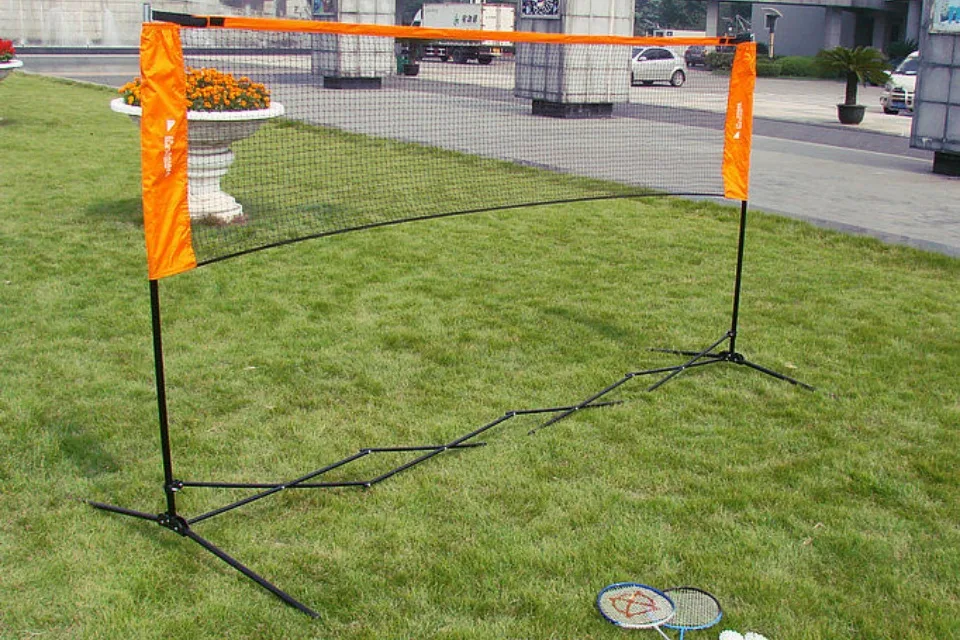
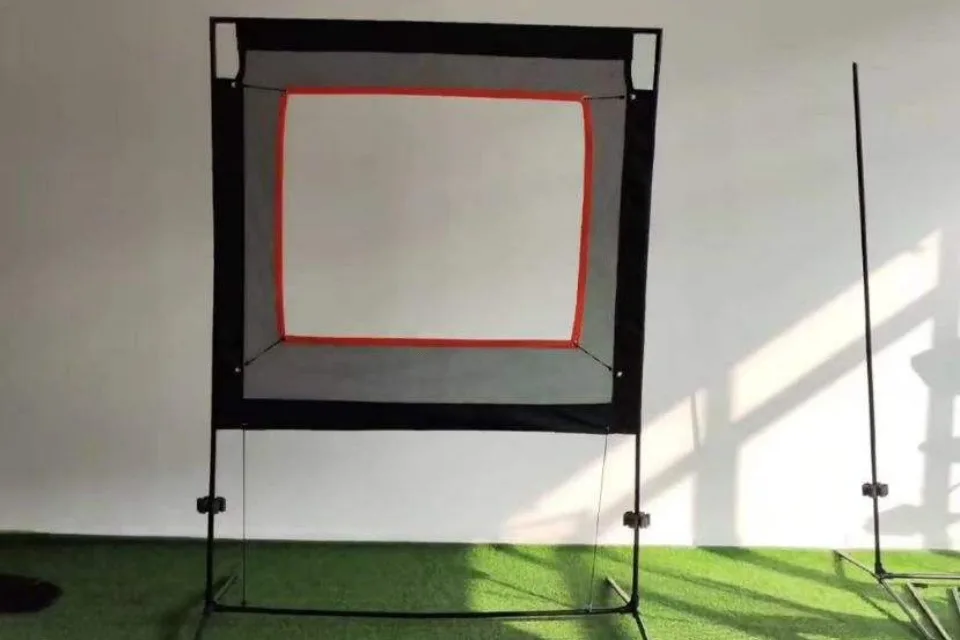
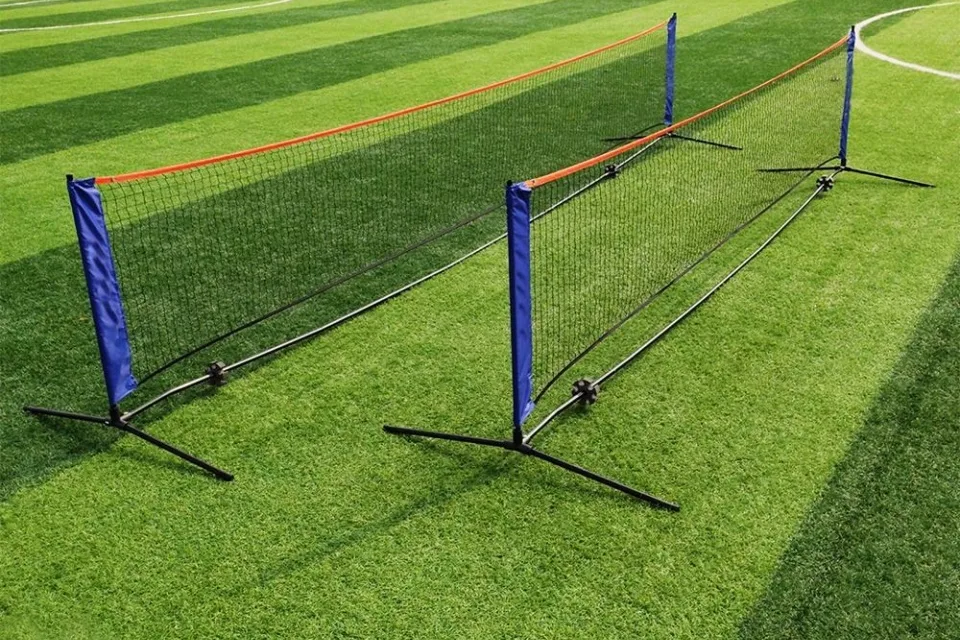
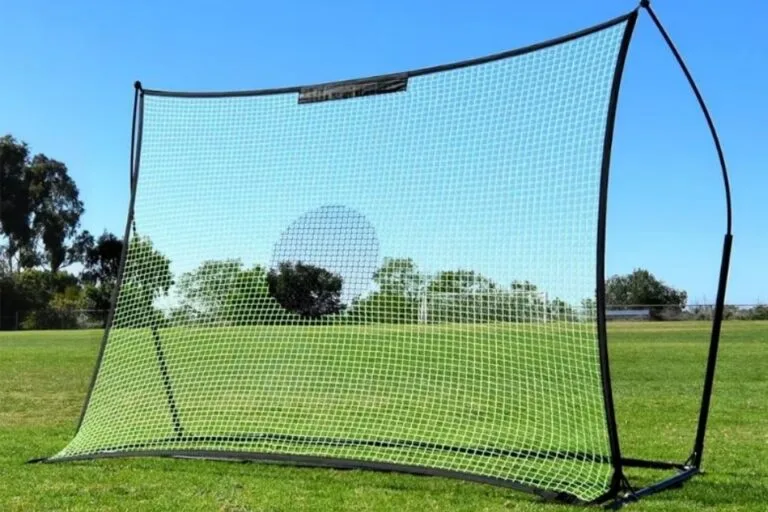
Nel caso dei prodotti per il calcio, il lacrosse, l’hockey, il tennis, il badminton, la pallavolo e i rebounder, il telaio può rovinare la rete. Oppure la rete può rovinare il telaio. A volte entrambi.
Gli angoli si consumano. Le corde elastiche vengono tese eccessivamente. I pali si piegano. I pannelli inferiori strisciano per terra. Il termine “portatile” viene scambiato per “lascialo fuori tutto l’anno”, ma non è la stessa cosa. Una rete portatile è un formato pratico, non un certificato di immortalità a prova di intemperie.
Manutenzione e conferma definitiva
La manutenzione è quella voce di spesa che nessuno vuole inserire nel bilancio iniziale.
Controllate i pannelli inferiori, i fissaggi angolari, le sezioni rese fragili dai raggi UV, i ganci arrugginiti, i bordi delle corde sfilacciati, la rete allungata e qualsiasi punto in cui la rete sfrega contro il metallo. Sostituite i punti deboli prima che si verifichi un cedimento, non dopo che una palla è finita in un parcheggio o nella finestra di un vicino. Il Consiglio Nazionale per la Sicurezza ha segnalato che gli infortuni legati allo sport e alle attività ricreative sono aumentati del 17% nel 2024, dopo gli aumenti registrati nel 2023, 2022 e 2021; pertanto, il quadro dei rischi legati allo sport e alle attività ricreative non sembra affatto in via di miglioramento. Dati sugli infortuni dell'NSC.
La rete non risolverà tutti i problemi.
Ma è uno dei pochi aspetti fisici che un acquirente può specificare prima ancora che venga tirata la prima palla.
Prima di approvare la produzione, invia un’ultima e-mail di conferma. Includi tutti i dettagli: dimensioni finali, disciplina sportiva, tipo di palla o disco, uso al chiuso o all’aperto, frequenza prevista, materiale, rete, bordatura, componenti metallici, imballaggio, etichettatura, tempi di consegna e garanzia. Chiedi al fornitore di confermare tutto per iscritto.
Noioso? Assolutamente sì.
Utile? Molto.
Domande frequenti
Quali dettagli dovrebbero verificare gli acquirenti prima di ordinare reti sportive personalizzate?
Prima di ordinare una rete sportiva personalizzata, gli acquirenti dovrebbero verificare le dimensioni finali, la dimensione delle maglie, il materiale, la resistenza del filo, la finitura dei bordi, gli accessori, l’ambiente di installazione e lo sport a cui è destinata, poiché tali dettagli determinano se la rete è in grado di trattenere il proiettile previsto, se si adatta al telaio, se resiste a un uso ripetuto e se evita guasti prematuri.
Dopodiché, chiedi un disegno tecnico o una scheda tecnica. Non mi fido della dicitura “per impieghi gravosi” a meno che non sia accompagnata dai nomi effettivi dei materiali, dai dati relativi alla maglia e dalla descrizione della struttura dei bordi.
Qual è il materiale migliore per le reti sportive su misura?
La scelta del materiale più adatto per le reti sportive su misura dipende dal livello di impatto, dall’esposizione agli agenti atmosferici, dalla tolleranza all’allungamento e dal budget: il nylon viene spesso utilizzato per l’assorbimento degli urti, il poliestere è preferito per la sua stabilità ai raggi UV all’aperto, l’HDPE è comunemente impiegato nelle applicazioni di barriera, mentre l’UHMWPE è riservato a progetti di alta qualità che richiedono elevata resistenza e leggerezza.
Per la maggior parte degli acquirenti di articoli per l'uso all'aperto, il poliestere o l'HDPE trattato rappresentano il punto di partenza per una discussione seria. Per l'uso in ambienti chiusi e in caso di impatti ripetuti, il nylon può comunque dimostrare il proprio valore.
Come faccio a scegliere la dimensione delle maglie giusta per i pannelli in rete personalizzati?
La dimensione delle maglie dei pannelli di rete personalizzati deve essere inferiore a quella della palla, del disco, della navetta o dell’oggetto più piccolo che la rete deve trattenere, poiché le sole denominazioni sportive non tengono conto degli impianti ad uso misto, delle diverse modalità di allenamento, degli angoli di impatto insoliti o dei proiettili più piccoli che potrebbero entrare nella stessa area.
Una pallina da golf, una pallina da lacrosse, una palla da baseball, una pallina da pickleball e un disco da hockey presentano tutti diversi punti deboli. Abbina la rete all’oggetto, non al nome della categoria.
Le reti di protezione per impianti sportivi e i sistemi di reti per impianti sportivi sono la stessa cosa?
Le reti di protezione per impianti sportivi costituiscono solitamente una componente di un sistema più ampio di reti sportive che può includere pali, cavi, ancoraggi, telai, morsetti, corde elastiche, cancelli e punti di accesso per l’ispezione; è l’intero sistema a determinare la tensione, la stabilità, la copertura, la distribuzione del carico e la sicurezza a lungo termine.
Questa differenza è importante quando si tratta di quotazioni. Un pannello di buona qualità montato su un telaio scadente rimane comunque una soluzione scadente.
Cosa dovrebbero verificare gli acquirenti prima di acquistare una rete per gabbia di battuta da baseball?
Gli acquirenti dovrebbero verificare la lunghezza, la larghezza e l'altezza della gabbia, la posizione del telaio, l'inclinazione del tetto, il tipo di ingresso, il metodo di fissaggio della rete, la resistenza del cordino e se la gabbia necessita di un pannello antiurto sostituibile, poiché la rete delle gabbie da baseball subisce ripetuti colpi concentrati che mettono in evidenza un montaggio non corretto e una distribuzione inadeguata delle forze.
Misurate il telaio due volte. Verificate poi se il fornitore sta preventivando solo la struttura nuda o l'intero sistema di gabbia.
Cosa distingue le reti Golf Impact dalle normali reti sportive?
Le reti antiurto per il golf sono progettate per assorbire i ripetuti impatti ad alta velocità delle palline da golf, spesso in ambienti chiusi o in gabbia di dimensioni ridotte dove l’impatto si concentra in un’unica zona bersaglio, mentre le normali reti sportive devono solo resistere a impatti più lenti, più leggeri o meno ripetitivi.
Quando si tratta di un set da golf completo, non è il caso di risparmiare qualche dollaro su materiale di dubbia qualità.
Conclusione
Sei pronto a definire le dimensioni della rete prima che la fabbrica la tagli? Inizia con la versione completa gamma di prodotti Sports Net, selezionare la categoria sportiva corrispondente, quindi utilizzare il pagina di contatto per confermare per iscritto il materiale, la maglia, le dimensioni, la ferramenta e le condizioni di installazione.