スポーツゴール(ラクロス、ホッケー、サッカー)や大きなフレームシステム(ゴルフケージ、バリアネット)を出荷する場合、破損は通常3つの原因から起こります: インパクト, クラッシュ, そして カートンの中で動く部品. .包装の選択集合 対 ノックダウン(KD)キット-どのリスクと戦うかを決める。.
FSPORTS(中国の高級スポーツネットメーカー)は、毎日このような状況を目の当たりにしています。 カスタム、バルク卸売、OEM / ODM 小売店、流通業者、eコマース販売者向けギア。まずは FSPORTSサイト そして完全版を閲覧する 製品カタログ スマートなパッケージングを必要とするフレーム+ネットのセットアップ用。.
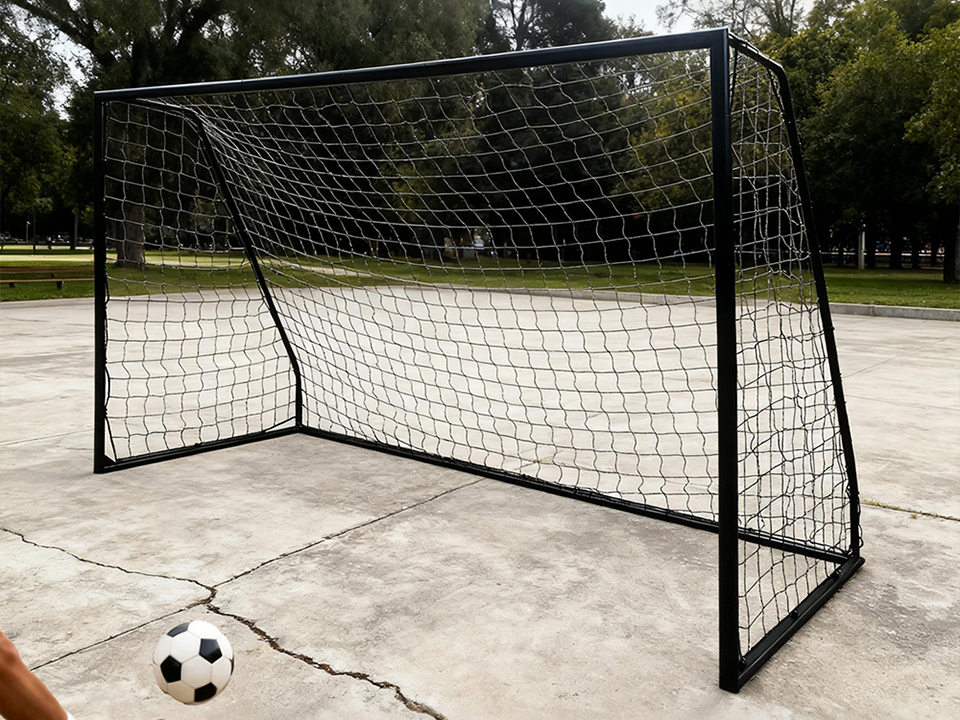
組み立て式ゴールとノックダウン式キットの比較:輸送ダメージのトレードオフ
これが明白な真実だ: 組み立てられた出荷が顧客の組み立て問題を削減, しかし、彼らは 輸送中の破損リスクを高める なぜなら、パッケージが大きくなり、叩いたり、傾けたり、つぶしたりしやすくなるからだ。KDキットは通常 よりタイトで安全な船, しかし、それは可能だ。 部品の欠品/組み立て間違い」による返品 キッティングをコントロールしなければ.
組み立てゴールとノックダウン・キットの決定マトリックス
| 決定要因 | 組み立てられたゴール | ノックダウンキット(KD) | 実際の輸送における意味 |
|---|
| ボックスのサイズと “キューブ” | より高い | より低い | 大きなパックは、ネットワークのタッチポイントが増える(ヒットされるチャンスが増える)。. |
| 耐衝撃性と耐落下性 | ハーダー | より簡単に | KDでは、発泡スチロールや仕切り板を使ってパーツを分離することができる。. |
| 耐クラッシュ性(スタッキング) | ハーダー | より簡単に | 背の高い/不恰好なカートンは、構造を追加しない限り、より速く潰れる。. |
| “「部品欠落」のリスク | より低い | より高い | KDは厳重なキッティングを必要とする:ハードウェアバッグ、ラベル、カウントチェック。. |
| 顧客設定時間 | 低い | ミディアム | 小売業者は “すぐにプレーできる ”ことを好むが、へこんだフレームは嫌う。. |
| 返品とRMA | 組立ミスによる低下 | 輸送中の破損を防ぐ(正しく梱包された場合) | リターンの最大の原動力を減らす道を選ぶ。. |
組み立てられた貨物は固定が必要
組み立てられたゴールを出荷する場合、あなたの仕事は簡単だ: フレームを動かさない. .少し動いただけで、ペンキが擦れ、角が曲がり、ネットの紐が破れる。.
カートン内でフレームを固定する
- でゴールを固定する。 エンドキャップ+サイドブロック だから滑らない。.
- 箱は袋ではなく「固定具」のように扱う。箱を揺すって動きを感じるようであれば、それは破損を招いていることになる。.
- ネットがノコギリのようにならないようにする。ネットが緩んでいると、振動でコーティングを傷つけることがある。.
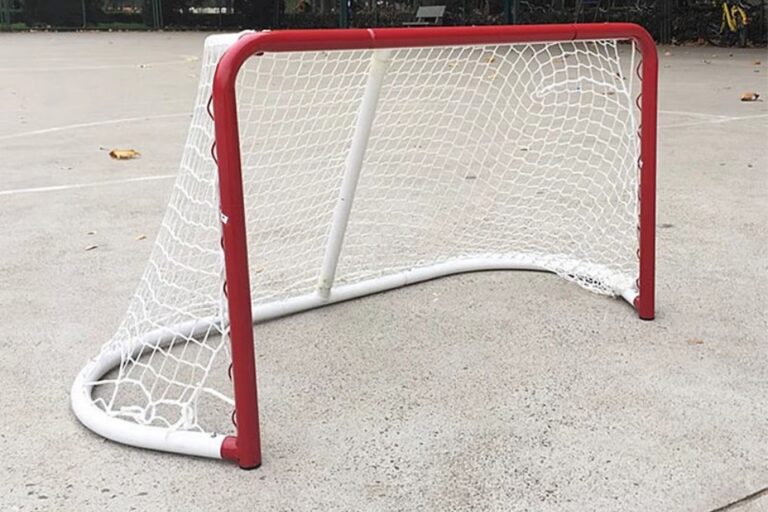
使用例 完成品の出荷 プロ用72×48スチール・ホッケー・ゴール プロショップやトレーニング施設に。箱から出せば高級そうに見えるが、そのように届くには強力な内部ブロックも必要だ。.
コーナー保護と表面保護
組み立てられたゴールは、まずコーナーでヒットされる。追加:
- コーナーガード (コーナークラッシュは典型的なキャリアの傷跡である)。.
- エッジラップ チューブのへこみ止め.
- A 表面バリア テープやストレッチラップがコーティングされた金属に触れる前に。.
突出した脚を取り除き、“ブレークポイント ”を分割する”
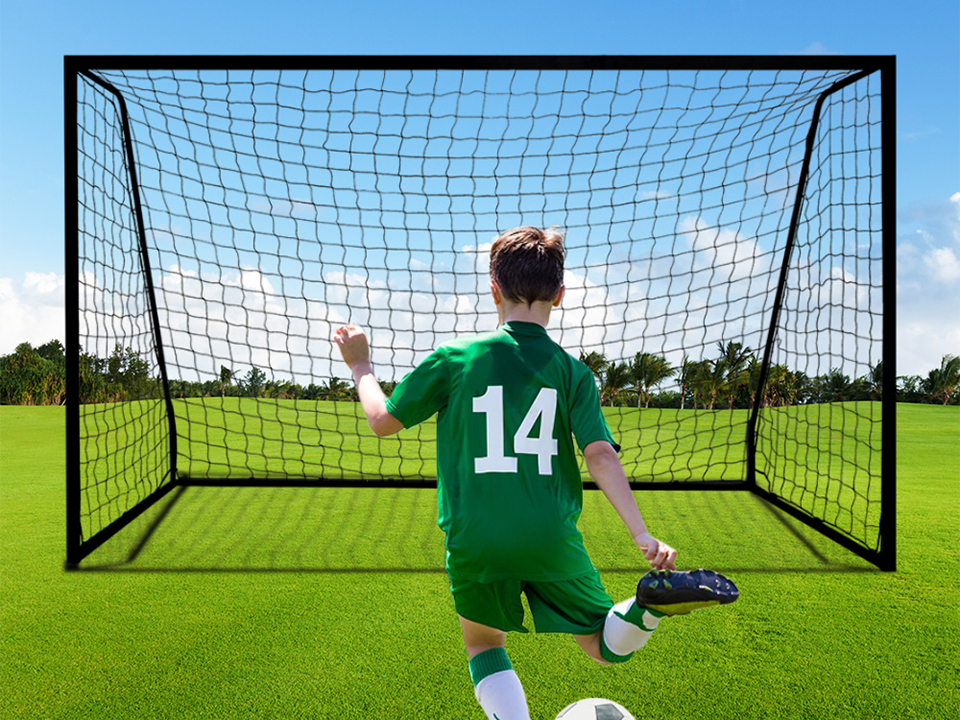
KDは、脚、サポートバー、支柱、そして「出っ張り」のある形状など、折れるのが好きなパーツを取り外すと最もうまくいく。.
壊れやすい突起物をKDキットに入れる
- 切り離す フット&サイドサポート だから、レバーのようには動かない。.
- 長いチューブを束ねることで、ばらばらの棒ではなく、1つの硬いユニットのように振る舞うようにする。.
使用例 ある学区は、複数の注文を出す。 頑丈なポータブル・サッカーゴール 圃場向け。KD フォーマットは、カートンでよりきれいに出荷でき、パレットでの積み重ねも容易です。.
個包装により、部品同士のケンカを防ぐ
KDが勝つのは、“パーツ同士のダメージ ”を止めた場合だけだ。金属管が擦れることは傷に等しい。ハードウェアのバウンドはへこみに等しい。.
部品の分離、包装、隔離
- でチューブを包む。 フォームスリーブ または段ボール。.
- 追加 ディバイダー 部品がぶつからないように。.
- ネットは密封できる内袋に入れ、清潔に保ち、引っかからないようにする。.
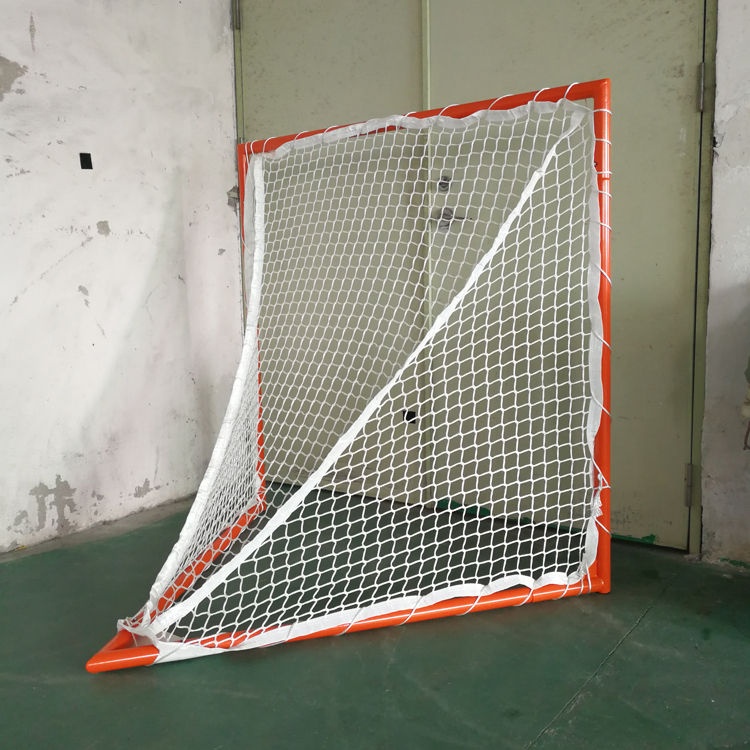
使用例 小売業者がドロップシッピングする。 プロ用フルサイズ・ラクロス・ゴール を直接お客様にお届けします。仕切りのあるKDカートンは、角の曲がりを減らし、ネットをきれいに保つ。.
ボイドスペースを減らして “箱鳴り ”を止める”
空きスペースはサイレントキラーだ。空きスペースが多すぎると、荷物がマラカになってしまう。.
実際に機能する空洞充填戦略
- “詰め込みと希望 ”ではない。築く 固定コンパートメント.
- 重量がかかる部分(コーナー下部やスパンの長い部分)には、密度の高い支柱を使用する。.
- 落下がトルクを増幅しないよう、重いものは中央に置く。.
現実世界のヒント: もしあなたの顧客が箱を運ぶときに部品がずれる音を聞けば、おそらくあなたは返品チケットでそのことを聞くだろう。.
カートンの強度と内部構造は、余分なテープよりも重要である。
テープは弱いカートンを固定しない。フレームとゴールには、カートンには以下が必要だ。 スタック強度 そして 耐パンク性.
構造優先のパックアウトを使う
- 必要な場合はダブルウォールスタイルにする(特に長いカートン)。.
- 長いチューブを通すための内部 “スパイン ”または波形レール。.
- 端部の補強(ハブやLTLターミナルでは端部の衝撃がよく起こる)。.
ハードウェアのキッティングにより「部品不足」による返品を削減
KDキットが失敗するのは、製品が悪いからではない。顧客が完成させることができないから失敗するのだ。.
ハードウェア・パックをフールプルーフにする
- 1ゴールにつき1袋:ボルト、クリップ、バンジー、アンカー。.
- 部品のチェックリストと視覚的なラベル(「バッグA」、「バッグB」)。.
- 金物袋をカートンの内側に取り付け、漂流しないようにする。.
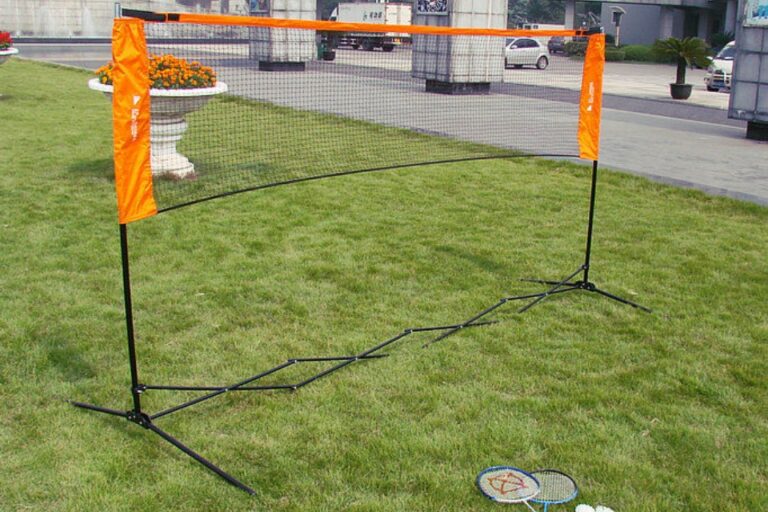
使用例 を購入するチーム。 ポータブルネットシステム 迅速なセットアップが期待できる。タイトなキッティングは、「ネジがない」という怒りのメールを防ぐ。.
ISTA試験の考え方:落下、振動、圧縮
派手な言葉は必要ない。必要なのは、キャリアが行うことを模倣した、再現可能なテストルーチンだ。.
規模を拡大する前にテストすべきこと
- ドロップエッジ、コーナー、フラットドロップ。.
- 振動トラックの動きをシミュレートする。.
- 圧縮特に倉庫や流通業者のレーンでは、積み重ねられたカートンが使用される。.
両方の梱包形態(組み立て済みとKD)でテストを行う。外観上の損傷が少なく、緩みが少ない方を採用する。.
LTL貨物とパレタイゼーションによるハンドリング・ヒットの削減
大量注文を流通業者に出荷する場合、LTLでは余計な手間がかかります(クロス・ドック、フォークリフト、ターミナル・スタック)。パレタイゼーションはその混乱を解消します。.
バルク卸売および流通業者用レーンのパレタイズ
- ストラップとストレッチラップ、コーナーボード付き。.
- フォークリフトによるパンクを減らすため、カートンを四角くきっちりと保管する。.
- そうでなければ、とにかくキャリアはスタックする。.
シナリオ別パッケージング・プレイブック
| 配送シナリオ | ベスト・フォーマット | なぜうまくいくのか | 何を加えるか |
|---|
| DTC小包(単品、eコマース) | KD | 適切なサイズのカートンが衝撃と粉砕のリスクを低減 | 仕切り、固定キッティング、コーナーガード |
| 小売ドロップシッピング(ブランドの評判が重要) | KDまたはSKD | ダメージが少なく、「へこんで届いた」という苦情が少ない。 | きれいなネットバッグ、傷防止、ラベル付き部品 |
| プロショップ/トレーニング施設(迅速なセットアップを望む) | アセンブルまたはSKD | 組立時の摩擦が少なく、フロアレディが早い | 固定ブロック、エッジプロテクション |
| 卸売業者/卸売パレット | KD | キューブとパレットの効率向上 | パレットストラップ、コーナーボード、スタック強度 |
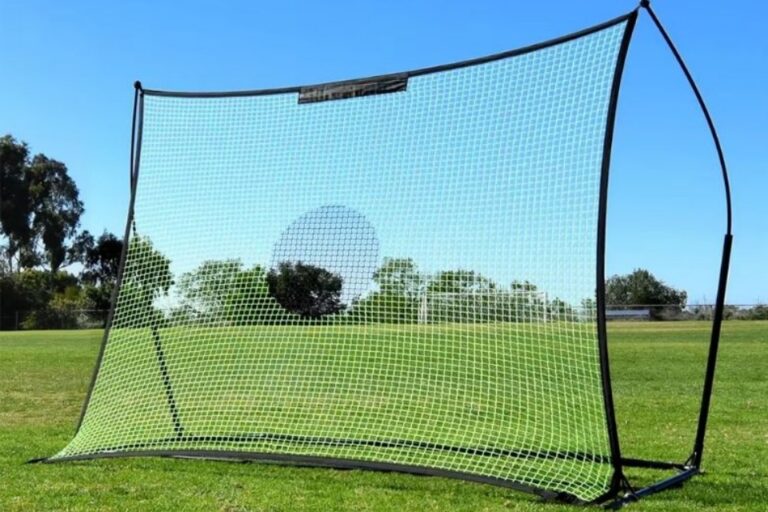
| ビッグフレームシステム(ケージ、バリアネット) | KD | 長い部品をより安全に分離して出荷 | チューブ結束、パンクガード、強化エンド |
FSPORTSの被害軽減プランの位置づけ
店舗、専門小売店、eコマース販売業者、卸売業者、OEM顧客など、B2Bバイヤー向けの製品ラインを構築する場合、パッケージングは製品の一部となります。FSPORTSのサポート カスタム仕様、大量生産、OEM/ODM, そうすることで、サポートの受信トレイを混乱に陥れることなく、実際の輸送レーンを生き抜くパックアウトを標準化することができる。.
より大きなフレームのセットアップの場合は、次のようなオプションをチェックしてください。 プロ用ゴルフケージ 包装が長い部品をきれいに管理しなければならない場合。施設周辺の保護には フックとバンジーコード付きナイロンゴルフバリアネット も、きちんとしたキッティングと引っ掛かりのない梱包が重要な例である。.
- 不満のトップが 曲がったフレームとへこんだコーナー, 無駄のないKDと、ストラクチャーを使ったコントロールの動き。.
- 不満のトップが 部品欠品と “組み立て不可 ”チケット, リーンアッセンブル、またはSKDを使用し、イモビライゼーションとコーナープロテクションで固定する。.
損害の減少、RMAの減少、そして購入者の満足度向上であり、それがeコマースの一顧客であろうと、一度にパレットを注文するディストリビューターであろうと同じである。.