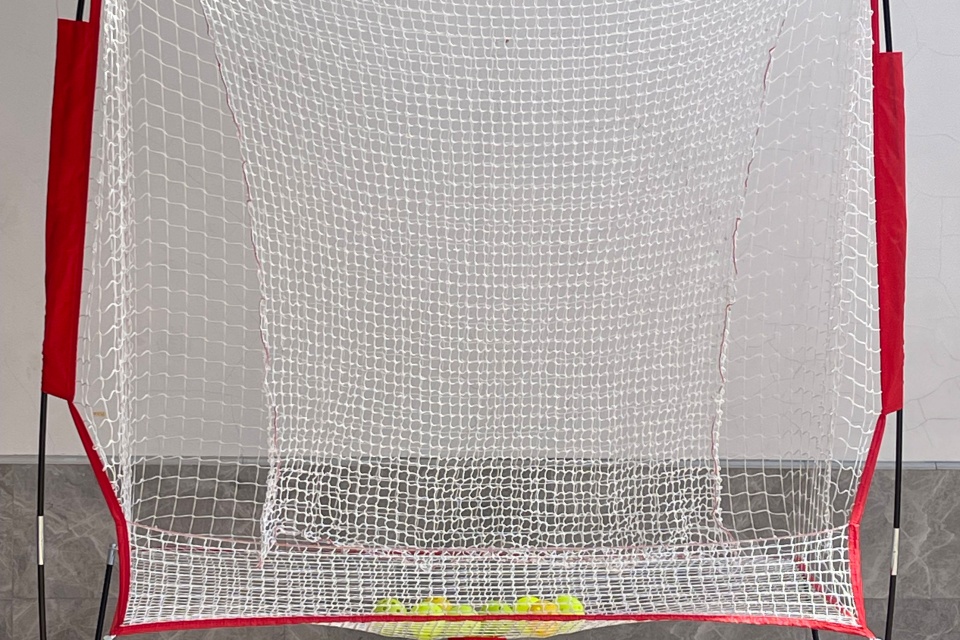
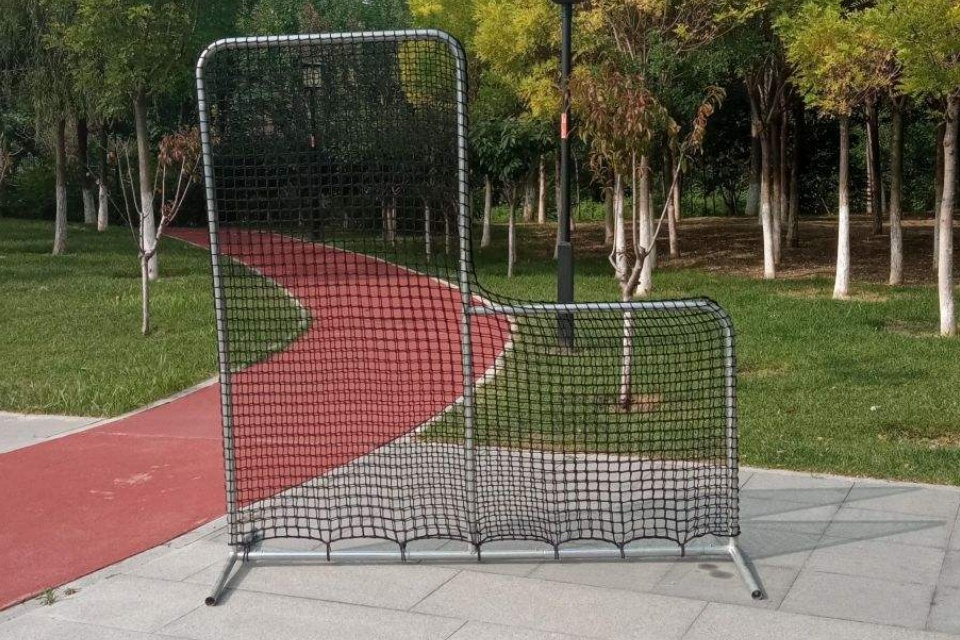
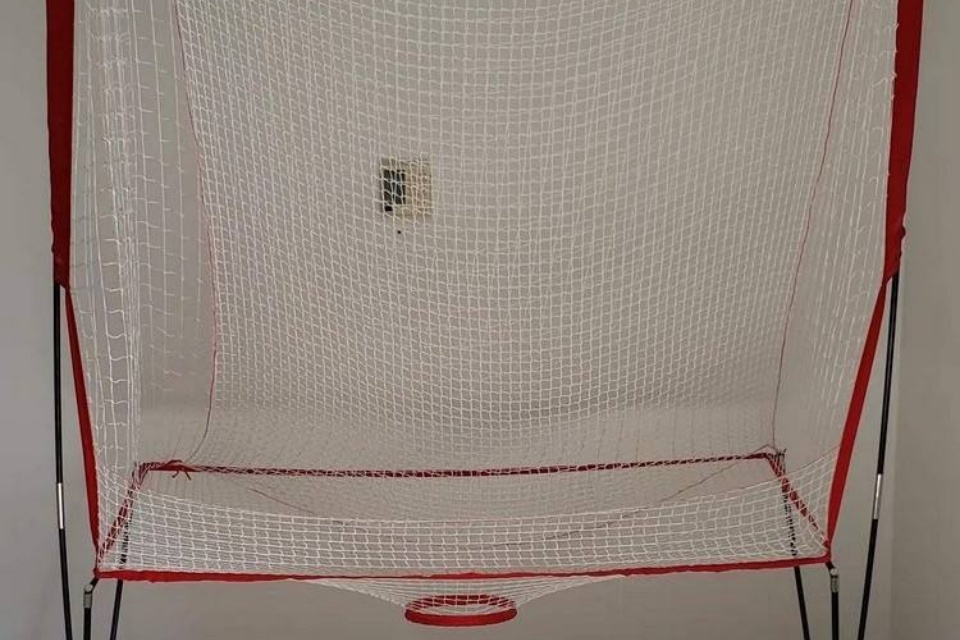
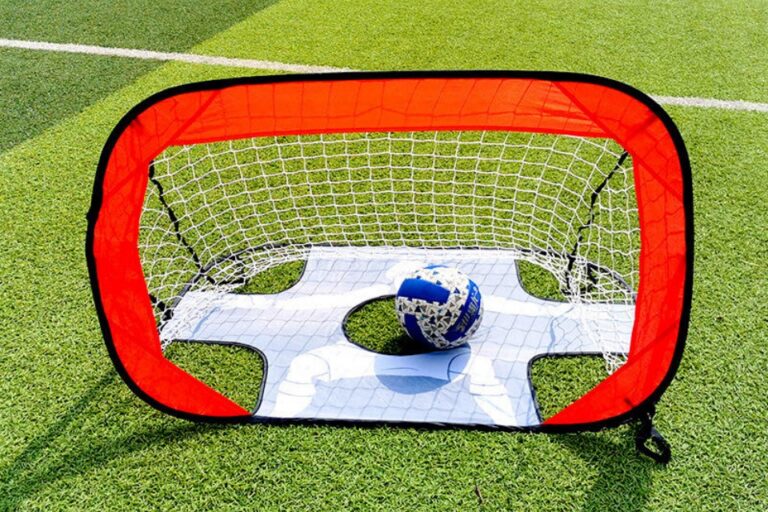
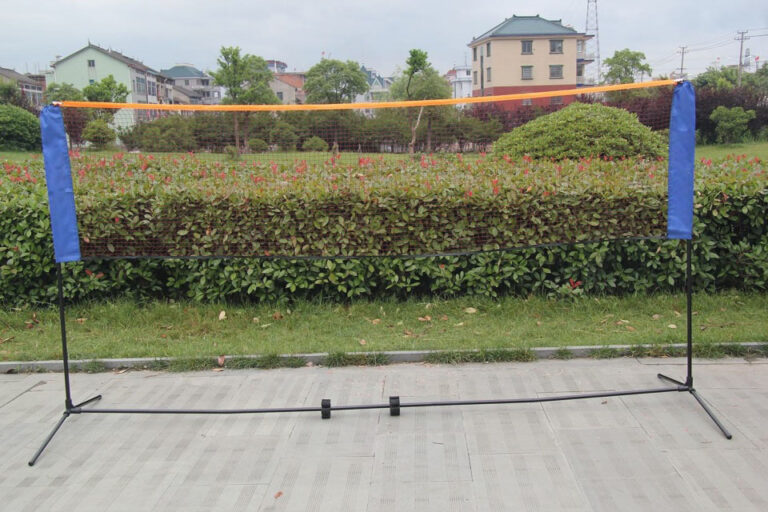
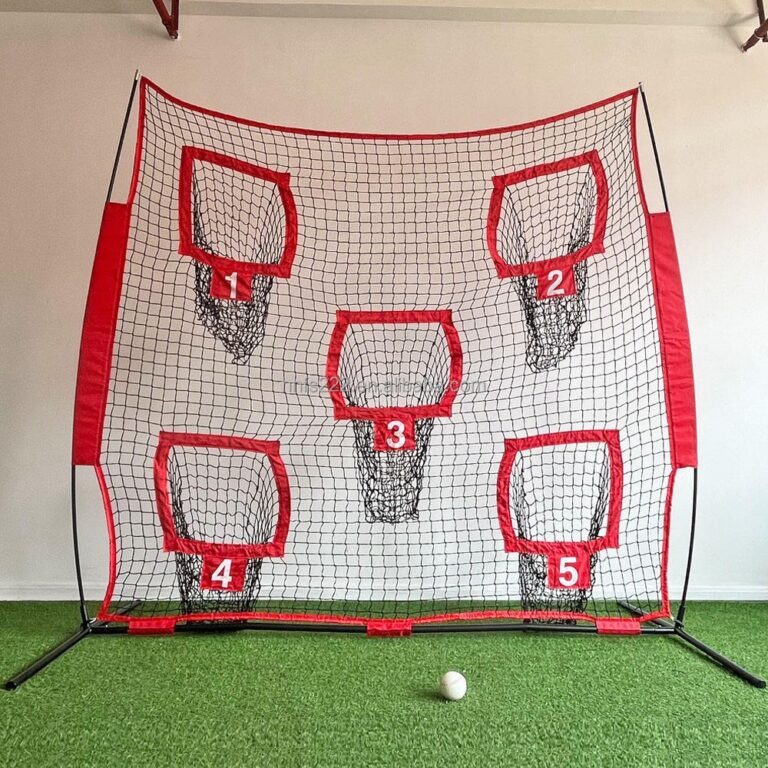
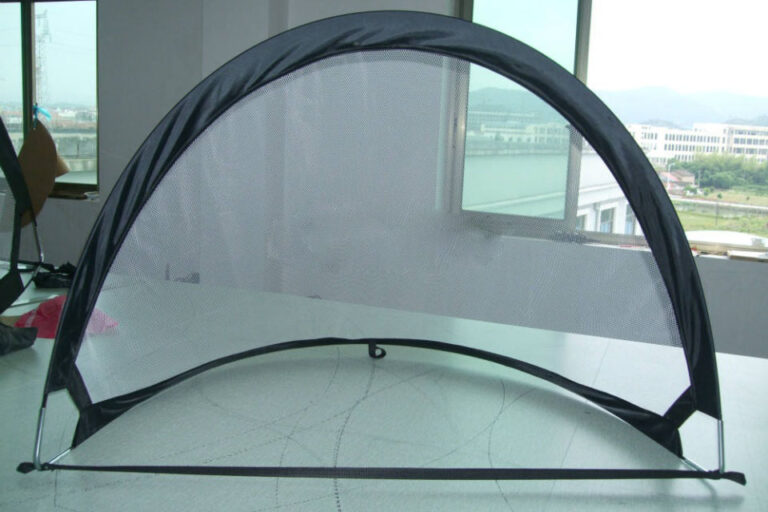
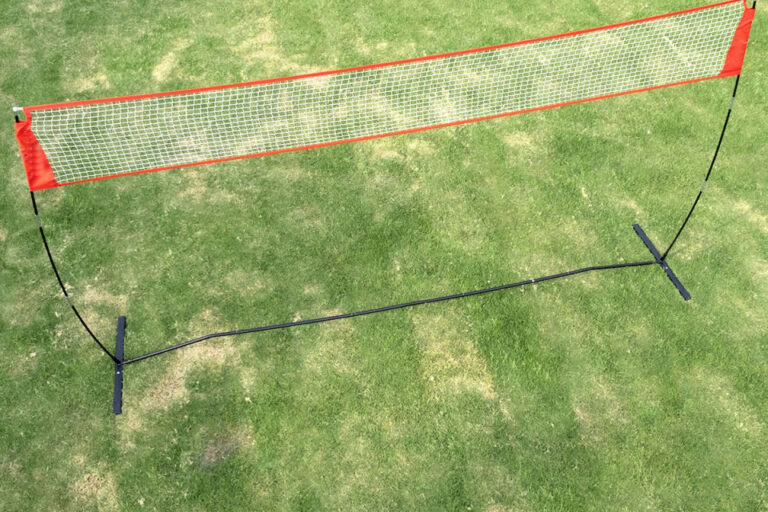
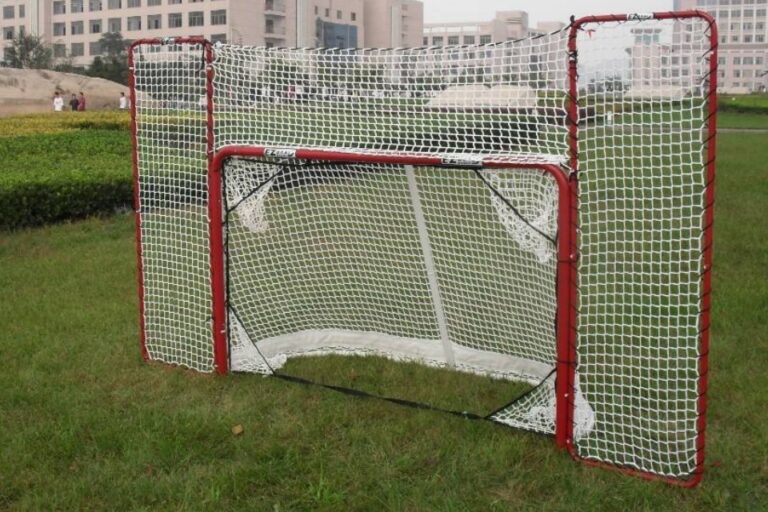
It had that clean, showroom look procurement people seem to love: neat mesh, tidy black finish, no ugly hardware, no scary numbers printed anywhere. But the corner binding was flimsy, the hook spacing was lazy, and the whole panel had that “this will be somebody else’s problem after installation” feeling.
I’ve seen that movie before.
Here’s the ugly truth: safety netting rarely fails because the buyer didn’t care. It fails because the buyer was handed three vague product-page phrases — “heavy duty,” “weatherproof,” “professional grade” — and nobody forced the harder questions about mesh opening, border rope, UV package, load path, abrasion points, anchor spacing, or post-impact inspection.
That’s where the trouble starts.
Safety netting isn’t just fabric with holes in it. Not if it’s being used properly. It’s a force-management system pretending to be simple, and that little disguise causes a lot of bad purchasing decisions.
The Risk Is Bigger Than The Product Photo
In 2023, the U.S. Bureau of Labor Statistics reported that construction accounted for 423 fatal falls, slips, and trips, with construction representing 47.8% of all fatal falls, slips, and trips that year. You can read the BLS fatal falls construction data. That’s not an abstract safety stat. That’s the cost of bad systems showing up in real bodies, real families, real investigations.
And OSHA doesn’t treat safety netting like some backyard accessory. Under OSHA 29 CFR 1926.502 safety net criteria, safety nets have to be installed as close as practical below the working surface, never more than 30 ft / 9.1 m below it. Mesh openings can’t exceed 36 sq in or be longer than 6 in / 15 cm on any side. Border rope must carry a minimum breaking strength of 5,000 lb / 22.2 kN.
That number matters.
So does the rope.
And yet, outside regulated construction, people get weirdly relaxed. They’ll compare protective netting by color, square footage, and price, then act surprised when the net behaves exactly like an underspecified piece of mesh under stress.
Start With The Hazard, Not The Net
But not every net is a fall-arrest net. That’s where buyers get tangled up.
A golf barrier, a baseball backstop, a lacrosse containment screen, a pickleball divider, a warehouse debris net, and a perimeter safety barrier can all be described as protective netting, but they don’t share the same load pattern. One catches fast projectiles. One stops falling objects. One separates people from an active area. One just needs to survive weather and repeated abuse from users who won’t read a sign.
Different job.
Different net.
A golf ball is small, fast, and obnoxious. A baseball is easier to see, but it hits hard and punishes weak edges. A lacrosse ball has that nasty dense thump that makes cheap panels twitch. Falling debris doesn’t hit politely at all; it tumbles, cuts, snags, and sometimes dumps load into one miserable corner instead of spreading it evenly across the panel.
So when somebody asks, “What’s the best netting for safety barriers?” I usually ask the question nobody wants to answer first: best against what?
Golf Barrier Netting
If you’re building a golf impact zone, don’t pretend ordinary outdoor mesh is enough just because it’s black and looks serious. You need side-spray control, shank coverage, repeat-impact tolerance, a smart hanging method, and enough give in the system to absorb energy without turning the frame into a tuning fork.
A purpose-built 고강도 나일론 골프 방어망 (고리 및 번지 코드 포함) makes sense because the hardware and perimeter setup are part of the performance. Not decoration.
Baseball and Softball Barrier Netting
For baseball or softball practice areas, I’m even less forgiving.
Corners matter. Edge binding matters. Frame stability matters. Rebound behavior matters. A panel that stops the first dozen hits but starts creeping, sagging, or tearing around the attachment points is not “mostly fine.” It’s already telling you the spec was weak.
A heavy-duty baseball practice barrier net is a better fit than generic mesh stretched across a frame and cinched down with whatever zip ties were in the maintenance room.
I hate zip-tie engineering.
Everyone uses it.
Construction Safety Netting Is A Different Animal
For construction, the stakes get sharper fast. OSHA’s construction guidance says workers exposed to vertical drops of 6 ft / 1.8 m or more need fall protection before work starts, and safety net systems are one recognized option alongside guardrails and personal fall arrest systems. The OSHA safety net systems guide also lays out outward net extension distances of 8 ft, 10 ft, and 13 ft, depending on the drop distance from the working level to the net.
That’s not trivia. That’s geometry with consequences.
I frankly believe one of the laziest phrases in this market is “general purpose safety netting.” General purpose might be fine for a dust cover. Maybe. But it’s not fine when the net is expected to stop a falling worker, a line-drive baseball, a golf ball, a dropped tool, wind-blown debris, or a crowd drifting toward a hazard zone.
The use case comes first.
Always.
Material Choice: HDPE, Nylon, Polyester, PP
Material matters, but material alone doesn’t save you.
HDPE is usually the outdoor workhorse when weather, moisture, and UV exposure are part of the job — assuming it’s actually UV-stabilized and not just called “outdoor” because someone in marketing got ambitious. Nylon / polyamide gives better stretch and energy absorption, which is why it shows up in serious sports netting and impact containment. 폴리에스터 helps when dimensional stability and sag control matter. PP / polypropylene is light and cheap, and sometimes that’s enough, but I wouldn’t trust it blindly in harsh sun or abrasive zones without real formulation data.
And no, thick twine doesn’t automatically mean a better net.
That myth refuses to die.
A fat twine with poor UV stabilization, sloppy knots, bad edge binding, cheap clips, and lazy tensioning can underperform a thinner, better-engineered panel with a clean rope border, smarter mesh geometry, and proper anchor spacing. I’ve watched “heavy-duty” nets sag like wet laundry because the system had no load path worth defending.
You don’t want bulk.
You want behavior.
Liability Shows Up After The Failure
The May 2024 OSHA case against OJR Construction is the kind of enforcement release that should make safety managers uncomfortable in a useful way. OSHA said the contractor willfully exposed employees to fall hazards by not providing a safety net, personal fall arrest, or guardrail systems; the agency proposed $88,721 in penalties after a fatality investigation. Here’s the OSHA OJR Construction enforcement release.
That one lands hard.
Because once a barrier fails — or was never installed — the conversation changes. Nobody cares how much money the cheap option saved. They care who approved it, who inspected it, and who ignored the warning signs.
Mesh Size Is Not A Guessing Game
Let’s talk mesh size, because this is where a lot of buying conversations go soft.
“Small mesh” means nothing. “Standard mesh” means even less. Mesh size has to be smaller than the object being contained, with allowance for stretch, deflection, impact angle, aging, and the fact that real users do dumb things to equipment.
That last part isn’t a joke. Schools, parks, clubs, and training facilities are brutal environments for protective mesh netting because people climb it, pull it, drag frames around, hang bags on it, leave it outside during storms, and then act offended when the net looks tired.
For multi-use outdoor facilities, I’d rather start broad and narrow down from a proper product category than force one net to do six jobs badly. Looking through outdoor net solutions is more sensible than picking the first black mesh panel that looks close enough.
Close enough gets expensive.
Eventually.
Sports Facilities Need Purpose-Built Barriers
라크로스 백스톱 네트
A lacrosse backstop is a good example of why “just use a net” is bad advice. It needs height, lateral capture, frame stability, repeat-hit tolerance, and enough give to absorb shots without throwing every rebound into chaos.
A 안정적인 강철 프레임의 헤비 듀티 라크로스 백스톱 네트 fits that conversation better than generic barrier netting tied onto whatever posts happen to be standing nearby.
Golf Cage Netting
Golf cages are sneaky. People obsess over the back panel, but side containment is where bad shots humiliate the design. The frame matters. The target sheet matters. The lower gap matters. The corners matter more than most people want to admit.
A 프로 골프 타격 케이지 네트 is built around that reality instead of pretending every golfer hits perfect center-face shots.
그렇지 않습니다.
I don’t either.
Be Suspicious Of “Industrial” Claims
Now, if every product is being called “industrial safety netting,” I’d slow down.
Industrial should mean abrasion tolerance, exposure planning, maintenance reality, equipment proximity, documented performance, and hardware that won’t quit before the mesh does. It may mean reinforced borders, replaceable panels, fire-behavior data, high-visibility edging, chemical tolerance, or corrosion-compatible components.
It does not mean “black netting that looks serious.”
That phrase gets abused constantly.
From my experience, the supplier conversation tells you more than the product title. Ask about knotless versus knotted construction. Ask why they’d use nylon instead of HDPE, or HDPE instead of polyester. Ask what the edge finish is. Ask how the panel should be tensioned. Ask what usually fails first.
If the answer is just “heavy duty,” you’ve learned enough.
For custom jobs, the supplier’s production and service capability matters. The 공장 투어 및 custom service options are worth checking because custom sizing, edge treatment, and hardware compatibility can decide whether a safety barrier works cleanly or becomes a maintenance headache.
And yes, inspection logs are boring.
Keep one anyway.
Safety Netting Selection Table
Selection Factor
What To Ask
Bad Answer
Better Specification
Hazard type
Is it fall arrest, ball containment, debris control, or access separation?
“General safety netting”
Named use case: construction safety netting, golf barrier netting, baseball backstop netting
재료
HDPE, nylon, polyester, or PP?
“Plastic net”
UV-stabilized HDPE for outdoor barriers; nylon for high-impact sports use
메시 크기
What object must the net stop?
“Standard mesh”
Mesh smaller than projectile or debris, with deformation allowance
Strength
What is the breaking strength?
“Heavy duty”
Documented load rating, border rope rating, and test method
가장자리 마감
How is the perimeter reinforced?
Raw cut edge
Bound edge, rope border, webbing, grommets, hooks, or bungee-ready perimeter
Cable, frame, hooks, bungees, carabiners, or engineered anchor points
Inspection
How often is it checked?
“When it looks bad”
Weekly or scheduled inspections depending on application and risk
Notice the pattern? The better answer is specific. Annoyingly specific. That’s good.
A proper netting spec should feel a little fussy because the real world is fussy. Wind loads don’t care about your budget meeting. UV doesn’t care about “temporary installation.” A baseball doesn’t care that the net was “rated heavy duty” in a product title. And a worker falling into a net certainly doesn’t care that someone saved 12% on material cost.
Installation Is Where Good Netting Gets Ruined
Installation is where the pretty drawing meets pain.
Hang a panel too tight and the shock can run straight into the frame or anchor points. Hang it too loose and you create sag pockets, excessive travel, and ugly containment gaps. Skip abrasion protection at contact points and the net slowly saws itself to death. Use cheap clips and the mesh may survive while the hardware quits first, which is embarrassing and dangerous in equal measure.
That’s the quiet part: the net is often stronger than the installation.
So don’t just order netting. Specify the attachment method. Cable, hooks, bungees, carabiners, rope border, grommets, frame spacing, bottom clearance, side overlap, and replacement access. All of it.
Maintenance isn’t optional either. UV makes fibers brittle. Abrasion cuts yarns. Water finds weak hardware. Repeated projectile impact distorts mesh. Storms shift frames. People modify things because “it was only temporary,” which is usually the first sentence in the biography of a failed safety system.
OSHA expects safety nets in regulated construction contexts to be inspected at least weekly and after events that could affect integrity. That same habit belongs in sports and facility management. Weekly visual check. Monthly hardware check. Post-storm check. Post-impact check. Replace damaged panels before they become evidence.
Harsh?
Maybe.
But I’d rather defend an inspection log than explain why nobody noticed the corner had been tearing for three months.
자주 묻는 질문
What is safety netting?
Safety netting is a protective mesh system designed to catch, contain, separate, or reduce contact between people, projectiles, debris, tools, equipment, animals, or restricted areas. The right safety netting depends on hazard type, mesh size, material strength, edge reinforcement, UV exposure, installation method, and inspection schedule.
In plain English, it’s a barrier that has to do real work. Not just hang there. If the net can’t handle the thing it’s supposed to stop — or the way that thing hits — it’s the wrong net.
How do I choose protective netting?
Protective netting should be chosen by identifying the hazard first, then matching mesh opening, material, breaking strength, edge finish, UV treatment, and mounting hardware to that exact risk. A net for golf balls, baseballs, falling debris, construction fall protection, or access control should never be selected by size alone.
Write the failure scenario before buying. “Outdoor nylon barrier netting for repeated golf-ball impact” is useful. “Strong net, black, 20 feet” is not. That’s how people end up improvising.
What is the best netting for safety barriers?
The best netting for safety barriers is the product that fits the actual hazard: UV-stabilized HDPE for many outdoor separation barriers, nylon for high-impact sports containment, polyester for dimensional stability, and certified safety net systems for regulated fall-protection applications. There is no single best net for every barrier.
I know that answer frustrates buyers. Still true. “Best” depends on object size, impact speed, exposure, deflection room, frame design, inspection habits, and what happens if the system fails on a bad day.
Is construction safety netting different from sports netting?
Construction safety netting is different from sports netting because it may need to meet fall-protection rules, installation clearances, border-rope strength, mesh-opening limits, inspection records, and competent-person oversight. Sports netting is usually engineered for projectile containment, rebound control, repeated impact, visibility, and long-term facility use.
A golf cage net can be excellent and still be totally wrong for fall arrest. A construction safety net can satisfy a jobsite requirement and still be useless for stopping small balls. Similar shape. Different job.
What mesh size should safety barrier netting use?
Safety barrier netting should use a mesh size smaller than the object it must contain, while accounting for stretch, impact angle, deformation, and long-term wear. OSHA fall-protection rules include maximum mesh-opening limits, but sports and debris applications often need tighter mesh than construction safety net systems.
Don’t guess here. Golf balls, baseballs, lacrosse balls, pucks, small tools, and debris fragments all behave differently. If the object can pass through, wedge through, or stretch the opening under impact, the mesh is wrong.
How often should safety netting be inspected?
Safety netting should be inspected on a fixed schedule and after impacts, storms, relocations, repairs, abnormal loading, or visible damage. In OSHA-regulated construction safety net systems, inspections are required at least weekly for wear, damage, and deterioration, and defective components must be removed from service.
For sports facilities and outdoor barriers, I’d still keep a written log. Look at corners first. Then borders, hooks, knots, mesh stretch, rusted hardware, sag, cuts, abrasion points, and frame movement. Corners talk.
결론
Don’t buy safety netting from a photo.
Buy it backward — from the hazard, from the impact, from the worst user, from the dumbest likely mistake, from the weather, from the maintenance schedule, from the question nobody wants to ask in the meeting: “What happens if this fails?”
For custom sizing, sports barrier projects, outdoor protective mesh netting, or product guidance, contact the team through FsportsNet’s contact page and ask for a recommendation based on your actual hazard, not just your opening size.