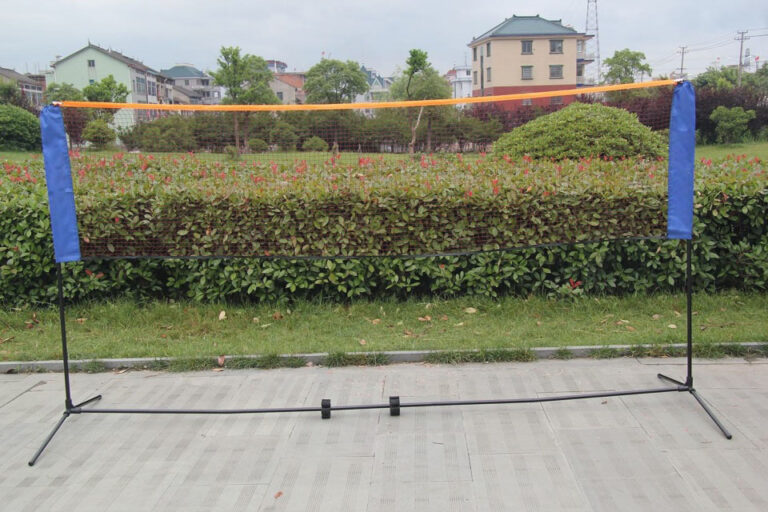
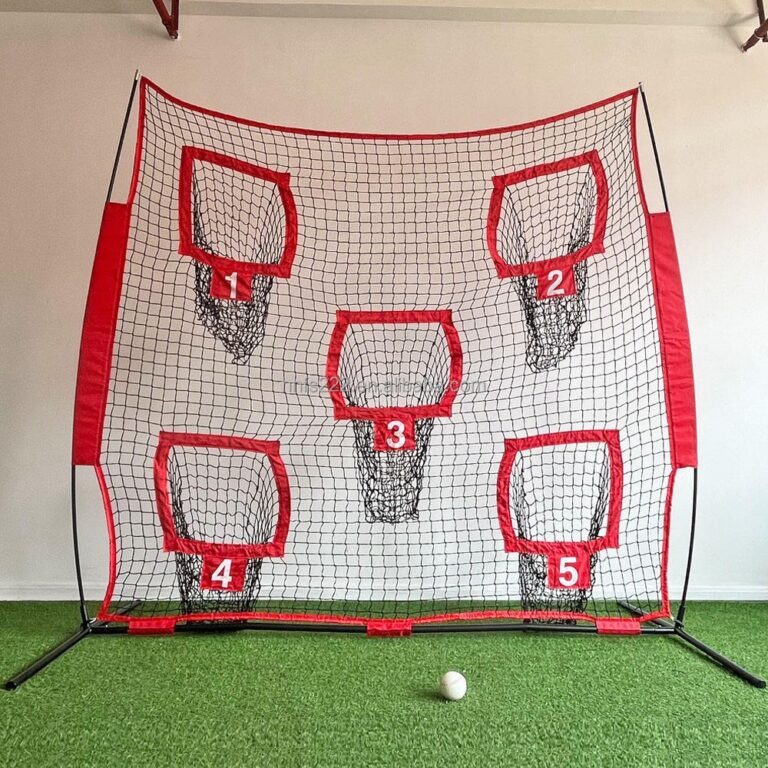
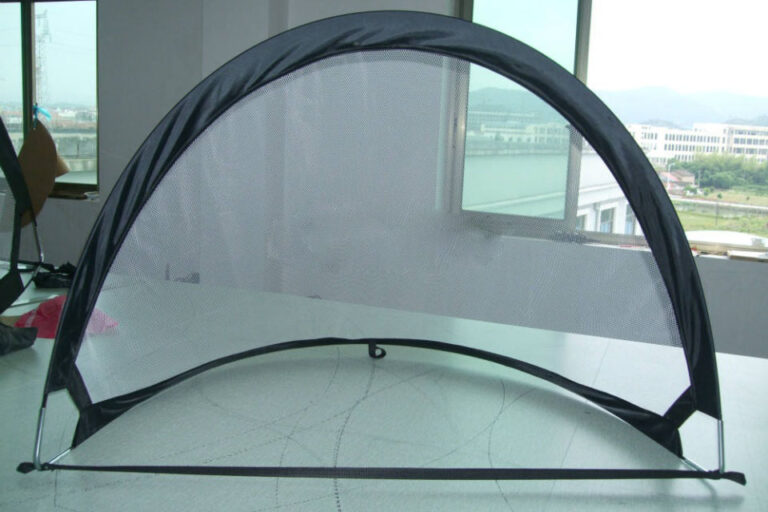
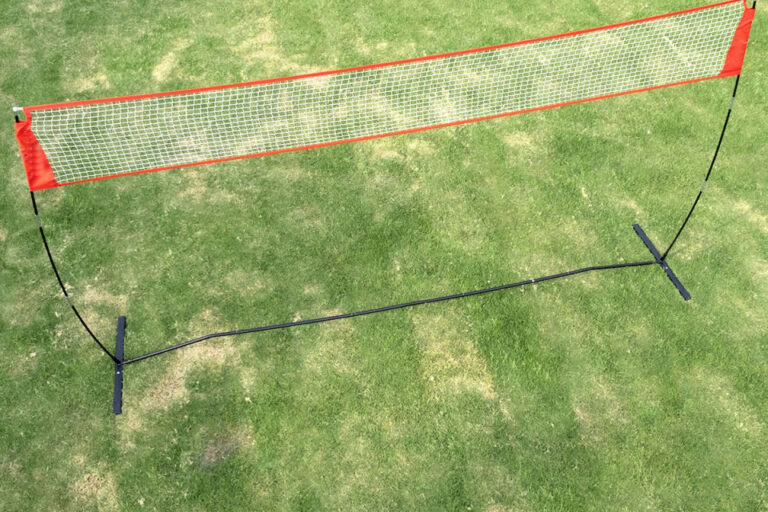
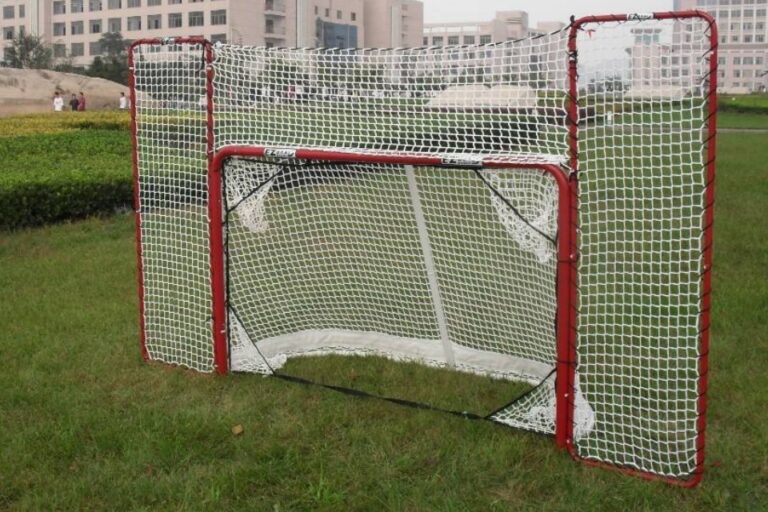
Начните свой проект по производству спортивных сеток по схеме OEM/ODM
Расскажите нам, что вы хотите разработать. Компания FSPORTS реализует проекты по производству спортивных сеток по схемам OEM/ODM, под частной торговой маркой и по индивидуальному заказу на основе вашего существующего продукта, чертежа, образца, фотографии или требований к применению.
Сообщите нам тип изделия, размеры, планируемый объем заказа, пункт назначения, а также все известные требования к сетке, материалу, каркасу, фурнитуре, логотипу или упаковке. Если ваши технические требования пока не полностью сформированы, пришлите нам то, что у вас есть, и мы сможем уточнить остальные детали перед составлением коммерческого предложения.
Индивидуальная настройка спортивных сеток: адаптация к потребностям вашего объекта
It fails there
I once watched a facility manager point at a torn batting cage panel and say, “It was rated heavy-duty.” Sure. Heavy-duty for what?
That’s the part nobody wants to say out loud. Custom sports netting gets sold like fabric. Width, height, color, ship date. Nice and tidy. But the real job is messier: ball speed, mesh aperture, twine gauge, UV load, anchor spacing, ceiling height, abrasion points, rebound angle, and the weird stuff athletes do when nobody’s watching.
Kids climb it. Coaches yank it. Golfers shank into it. Baseballs chew through one hot spot for months.
Here’s the ugly truth: most facilities don’t have a netting problem. They have a specification problem that got disguised as a purchasing decision because someone needed three quotes before Friday.
I frankly believe that’s how a lot of bad sports facility netting enters the world.
The real test
The demand side isn’t slowing down. The NFHS High School Athletics Participation Survey reported 8,062,302 high school sports participants in 2023-24, the first time the number crossed eight million. More bodies. More reps. More balls flying into places they shouldn’t.
The injury data is even harder to ignore. The National Safety Council’s 2024 sports and recreation injury data says 4.4 million people were treated in emergency departments for injuries involving sports and recreational equipment in 2024. No, netting doesn’t solve all of that. But bad containment absolutely makes a facility harder to defend.
The best sports netting for facilities isn’t the one with the prettiest product photo. It’s the one that understands how the building gets abused at 6:45 p.m. on a packed weeknight, when a travel team is hitting in lane three and someone’s little brother is standing too close to the rebounder.
A baseball training tunnel wants one thing. A golf simulator bay wants another. A pickleball club with rolling frames has a different failure pattern. A school gym divider? Different again. If a vendor treats all those projects as “sports netting,” I’d be nervous.
Baseball, golf, and impact zones
For baseball and softball spaces, start with impact frequency and strike-zone concentration. That’s where the net dies first—not evenly across the panel, but in the same tired pocket where every hitter lives. A serious buyer should look at dedicated baseball net options before pretending a generic barrier panel can survive cage work.
Golf is nastier than people think. Smaller projectile, high velocity, ugly spin, and shank zones that punish sidewalls. For indoor bays, range barriers, or garage-style hitting stations, purpose-built сетчатые системы для гольфа make more sense than guessing with wide-mesh utility netting.
And then there’s head-impact exposure. The CDC’s HEADS UP sports and recreation data reports that roughly 7 out of 10 emergency department visits for sports- and recreation-related TBIs and concussions are among children 17 and under. Again, a net isn’t a concussion protocol. But reducing loose-ball chaos and cross-play collisions matters.
Portable is not always safe
But don’t confuse “portable” with safe.
Portable means movable. Sometimes convenient. Sometimes flimsy. Sometimes a headache with wheels.
The U.S. Consumer Product Safety Commission’s 2024 warning on Sport Nets 4×8 portable soccer goals mentioned an exposed metal tip hazard, one reported death, and products sold online for $43 to $150. That wasn’t just “a soccer net issue.” That was a system issue—poles, tips, assembly behavior, and cheap hardware living together badly.
The CPSC also publishes guidelines for movable soccer goals, and every school, club, park district, and rec buyer should read them before ordering anything with a frame.
How to customize sports netting without buying junk
Start with the sport. Then stop thinking only about the sport.
“Baseball net” or “pickleball net” is just the label on the box. The real spec lives in the boring details: mesh opening, denier, knot style, border rope, selvage, webbing, snap hooks, bungee tension, post spacing, pulley path, bottom ballast, and whether staff can actually take the thing down without swearing.
They will swear.
From my experience, custom athletic netting should be quoted only after the supplier understands five things: projectile, velocity, usage hours, exposure, and mounting. Miss one, and you’re shopping by vibes.
What is the installed height, post spacing, and local wind exposure?
Pickleball or tennis court
Ball containment, portability, frame stability
PE or polyester netting with steel/aluminum frame
Buying weak frames with decent mesh
Is the frame strong enough for daily public use?
Lacrosse or hockey training
High impact, rebound behavior, frame safety
Heavy-duty net and reinforced seams
Focusing only on net face
Are corners, sleeves, and fasteners protected from impact?
Material, edge, and outdoor use
Material talk gets abused by sales pages. HDPE—high-density polyethylene, often represented chemically as (C₂H₄)n—is a common outdoor workhorse because it can handle UV exposure better when properly stabilized. Nylon, including PA6 and PA6,6 families, brings strength and give. Polyester has its own place, especially around moisture-sensitive applications and certain impact-screen setups.
But fiber alone doesn’t save you.
A beautiful net with cheap edge binding is still a weak net. A strong panel rubbing against raw steel will lose. A $900 cage hung with lazy tension can perform worse than a cheaper one installed by someone who knows load paths.
The edge is where the truth lives.
That’s where I look first: rope border, grommet spacing, clip points, lacing cord, hook quality, sleeve stitching, bottom gap, and the first six inches around any hard contact point. The center of the net is for brochure photos. The perimeter pays the bills.
For multi-sport spaces, don’t buy the fantasy that one net does everything perfectly. It doesn’t. But a well-planned многофункциональная система спортивных сеток can work if you design around the nastiest projectile first.
Outdoor facilities need a different mindset. Rain, UV, wind, sand, ice, turf infill—pick your poison. If the installation sits outside, outdoor netting products need proper UV stabilization, smart post spacing, reinforced edges, and easy inspection access.
And honestly, I like seeing how suppliers build. Not just what they claim. A экскурсия по заводу can tell you whether “custom” means real fabrication capability or someone cutting rectangles in the back and hoping the stitching holds.
My hard rule for facility buyers
Don’t buy custom sports netting from dimensions alone.
Width and height are not a spec. They’re a sketch.
Send photos. Send the ugly corners. Show the low beam, the weird wall pad, the door swing, the ceiling joist, the light fixture with one dent in it. Tell the supplier whether the net will be moved daily, rolled weekly, left in the sun, hit by baseballs, hit by golf balls, or abused by bored teenagers.
That last one matters.
A 70-foot baseball tunnel with 12-foot ceilings and daily team traffic isn’t the same as a backyard hitting net. A golf practice cage for right-handed adults isn’t the same as a mixed bay where lefties, juniors, and first-timers spray balls sideways.
Price matters, obviously. Nobody has unlimited budget.
But cheap can get expensive. Downtime, repairs, labor, angry renters, scratched floors, damaged lights, broken windows, insurance questions, replacement panels—those costs don’t show up in the first quote.
What a good spec should include
A good sports facility netting spec should include sport type, net dimensions, mesh size, cord rating, material, color, border construction, rope or webbing type, attachment method, panel layout, access openings, overlap zones, frame type, anchoring method, storage method, and inspection schedule.
Too much?
Maybe. But guessing is worse.
Buyers comparing изделия из спортивной сетки across baseball, golf, pickleball, soccer, volleyball, tennis, badminton, hockey, lacrosse, and rebounder categories shouldn’t collect links like trading cards. They should narrow the field until only the right system is left.
For custom work, pressure-test the quote with blunt questions:
Can the mesh stop the smallest ball in the facility?
Is the impact zone replaceable, or are you replacing the whole panel when one hot spot dies?
Are the hooks, bungees, poles, and exposed tips safe when used by tired staff and impatient players?
Will the material survive UV, rain, humidity, turf grit, or indoor condensation?
Can staff inspect it without renting a lift every time?
Именно здесь custom sports netting for facilities should earn the premium. Not by saying “custom size.” By engineering around the way the facility actually works.
Вопросы и ответы
What is custom sports netting?
Custom sports netting is a made-to-fit containment or training system designed around a facility’s sport type, dimensions, projectile speed, material exposure, mounting structure, and user behavior. It can include net panels, frames, ropes, sleeves, hooks, bungees, barriers, rebounders, cages, goal nets, and installation hardware built for a specific athletic environment.
In regular facility language, it’s the difference between “we bought a net” and “we solved a containment problem.” Real customization considers mesh aperture, twine gauge, border reinforcement, UV exposure, frame geometry, strike zones, and storage.
How do I choose the best sports netting for facilities?
The best sports netting for facilities is selected by matching the net’s mesh size, material, reinforcement, frame, anchoring, and installation method to the fastest ball, heaviest use pattern, and harshest environmental condition in the space. The safest choice is usually sport-specific first, then adjusted for real facility constraints.
Don’t start with the easiest sport. Start with the meanest one. Baseball, golf, lacrosse, and hockey expose weak specs faster than pickleball or badminton. Once the hardest-use case is covered, the rest gets cleaner.
What material is best for sports facility netting?
The best material for sports facility netting depends on impact level, weather exposure, abrasion, and installation type: HDPE is often favored outdoors for UV resistance, nylon is widely used for strength and elasticity, and polyester can perform well in moisture-sensitive or screen-adjacent applications. Material choice must be paired with the correct mesh and border design.
I don’t buy material claims in isolation. A strong fiber with bad stitching is still a bad system. The rope border, selvage, grommets, clips, contact points, and tensioning method matter too.
How often should custom athletic netting be inspected?
Custom athletic netting should be inspected before heavy-use seasons, after storms or facility changes, and on a regular schedule based on traffic volume, sport type, and exposure. High-use commercial facilities should check borders, attachment points, frames, impact zones, sagging, abrasion, UV damage, and hardware movement far more often than casual backyard users.
Look with your hands, not just your eyes. Rub the edge. Tug the clips. Check the bottom gap. Find the fuzzy abrasion spots. If a frame rocks, a rope slips, or a bungee looks cooked, don’t wait.
Can one net work for multiple sports?
One net can work for multiple sports when the system is designed around the smallest ball, highest speed, strongest impact, and most demanding installation condition among those sports. Multi-sport netting works best for controlled environments, but it becomes risky when buyers ignore sport-specific impact patterns and assume every ball behaves the same.
A shared gym divider can handle plenty of normal activity. But once you add golf shots, baseball hitting, lacrosse work, or hockey-style impact, the spec changes. Multi-use isn’t magic. It’s compromise with math behind it.
What information should I provide before ordering tailored sports netting?
Before ordering tailored sports netting, provide facility dimensions, photos, sport list, expected usage hours, athlete age groups, projectile types, indoor or outdoor exposure, ceiling or post mounting options, storage needs, and any nearby spectators, lights, windows, walls, vehicles, or walkways. Better information produces a safer and more accurate netting design.
Send the annoying details. Especially those. The crooked wall, low ceiling beam, wind tunnel, bleacher line, door behind the cage, and window nobody wants to admit is in the danger zone. That’s where real design happens.
Заключение
Custom sports netting isn’t about making a facility look polished. It’s about making the space behave when athletes, weather, hardware, and repetition start grinding on the system.
Measure honestly. Spec the worst-case hit. Question the hardware. And when the facility needs more than a stock panel, start with Fsportsnet’s custom sports netting services and ask for a build that fits the way people actually play.