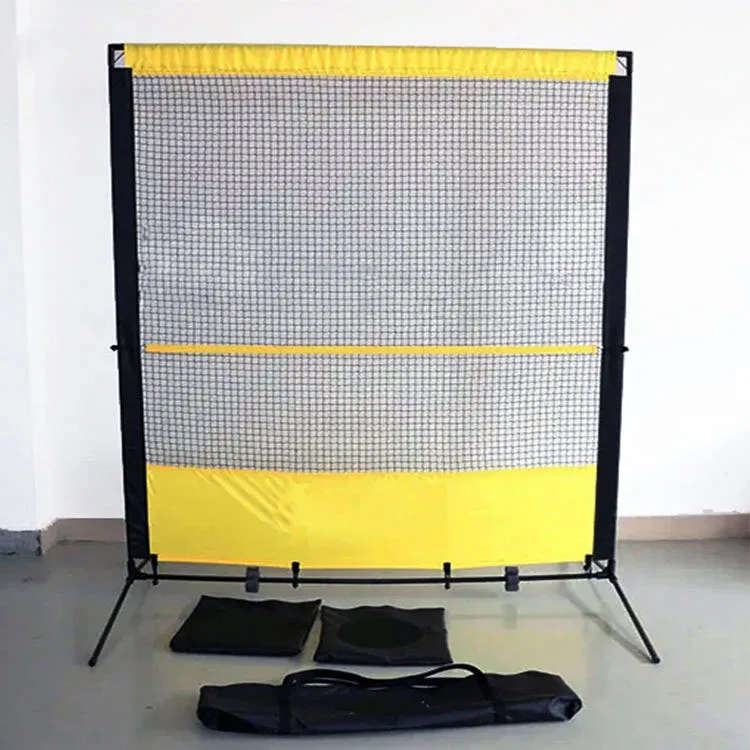
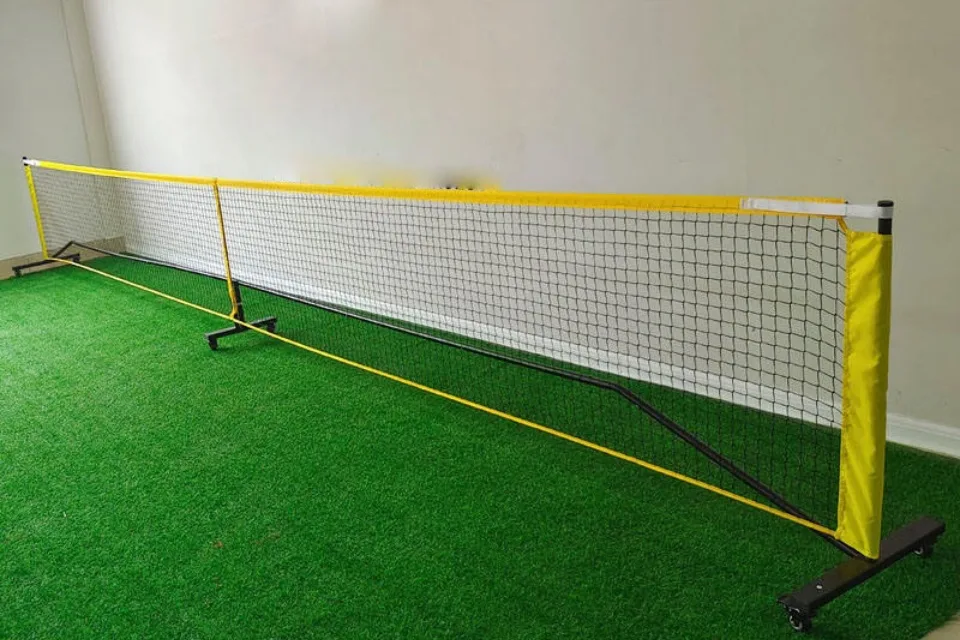
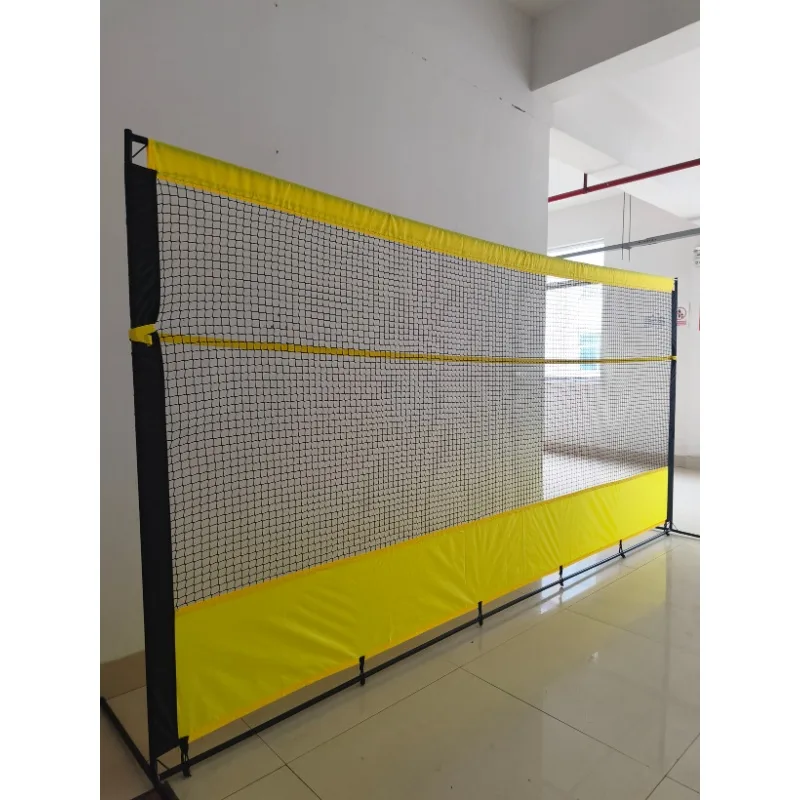
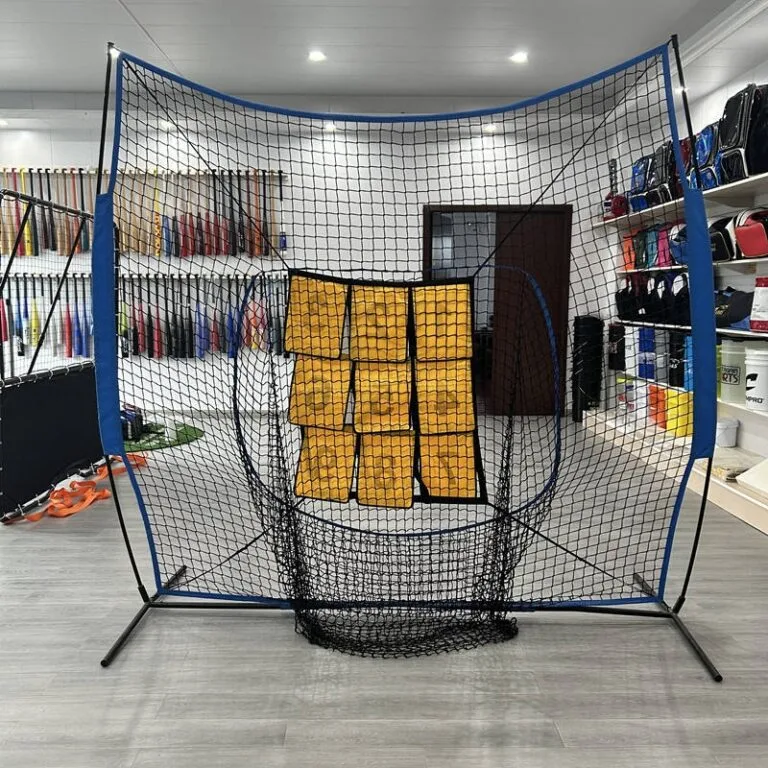
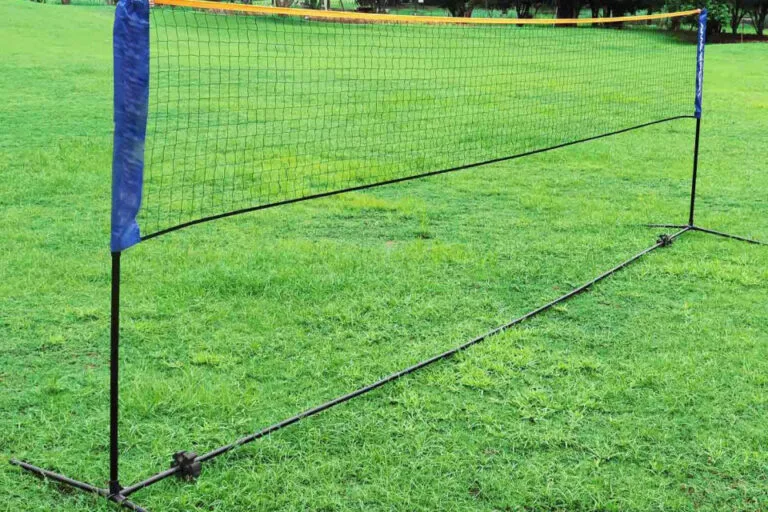
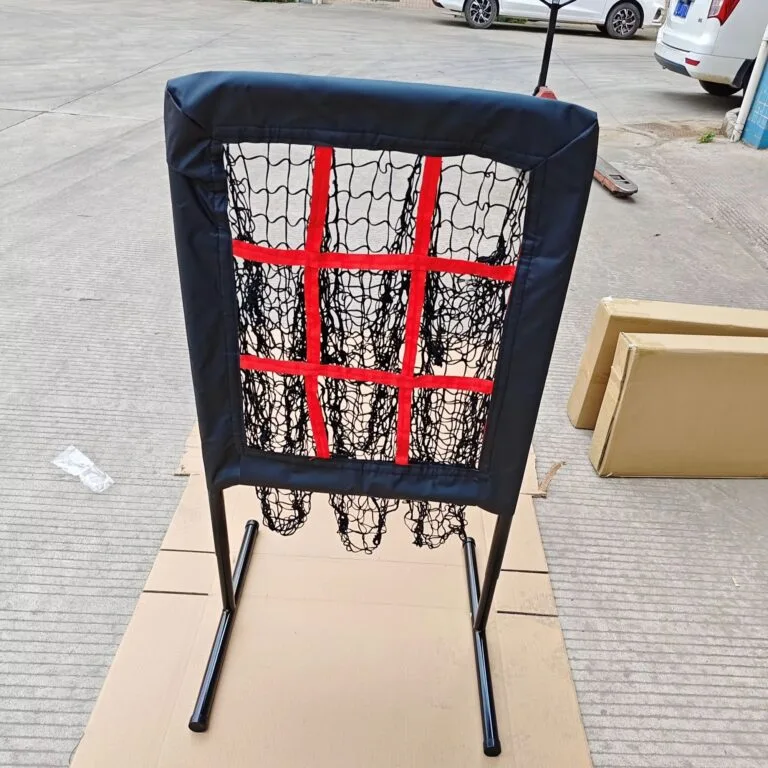
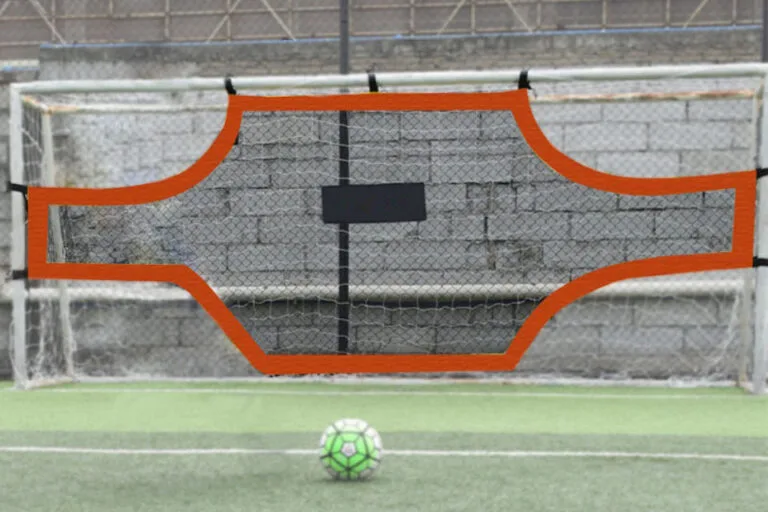
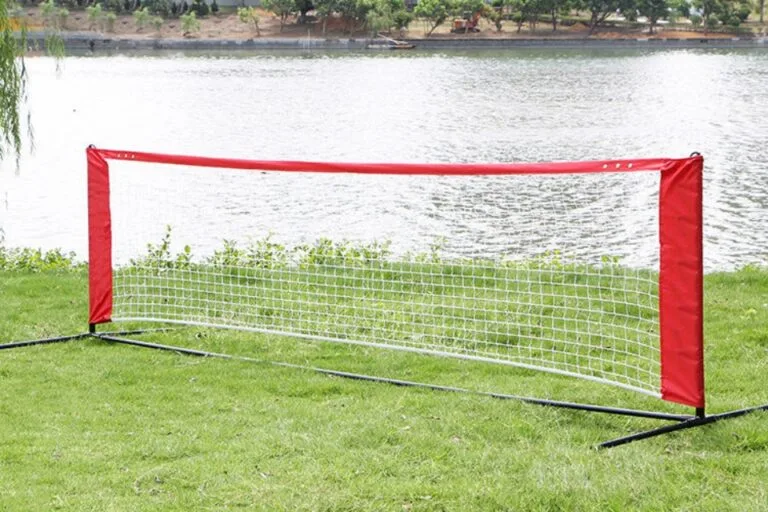
أخبرنا بما تريد تطويره. تدعم FSPORTS مشاريع تصنيع المعدات الأصلية (OEM) وتصنيع التصميم الأصلي (ODM)، والعلامات التجارية الخاصة، ومشاريع الشبكات الرياضية المخصصة بناءً على منتجك الحالي أو الرسم الهندسي أو العينة أو الصورة أو متطلبات الاستخدام.
يرجى إطلاعنا على نوع المنتج، والأبعاد، والكمية المطلوبة، والوجهة، وأي متطلبات معروفة تتعلق بالشبكة، أو المادة، أو الإطار، أو المكونات المعدنية، أو الشعار، أو التغليف. إذا لم تكن المواصفات كاملة بعد، فيرجى إرسال ما لديك وسنقوم بمراجعة التفاصيل المتبقية قبل تقديم عرض الأسعار.
هذه هي الحقيقة المزعجة التي لا تدركها معظم فرق المشتريات إلا بعد أن تبدأ أول شبكة حماية من كرات البيسبول المتشققة بفعل الأشعة فوق البنفسجية، أو نظام كرة البيكلبول المترهل، أو قفص الجولف “ذو الجودة التجارية” في التخلص من أليافه بعد ستة أشهر من الاستخدام. يبدو المنتج بسيطًا: شبكة، وحبل، وخياطة، وإطار، وحقيبة، وربما فولاذ مطلي بالمسحوق. لكن مخاطر هذا المنتج ليست بسيطة على الإطلاق. فالشبكة الرياضية تقع بين الرياضيين، والكرات، والمتفرجين، والزجاج، والمركبات، وأحيانًا الدعاوى القضائية.
إذن، ما الذي تشتريه حقًّا؟
أنت لا تشتري “شبكة” فحسب. بل تشتري سعة تحميل مُثبتة، ومقاومة للأشعة فوق البنفسجية، ومقاومة للتآكل، وثباتًا في الأبعاد، ومكونات آمنة، وخياطة متكررة، وموردًا مستعدًا لتقديم الوثائق التي تدعم كل ادعاء. هذا هو الفرق بين معدات الهوايات المتوفرة في متاجر التجزئة و شبكات رياضية تجارية التي توجد في المدارس والنوادي ومراكز التدريب والمتنزهات والمخيمات والمنشآت الرياضية التجارية.
ما الذي تعنيه عبارة “شبكات رياضية معتمدة” حقًّا؟
سأكون صريحًا: عبارة “شبكات رياضية معتمدة” غالبًا ما تكون غامضة. فبعض الموردين يقصدون أن المصنع حائز على شهادات ISO. والبعض الآخر يقصد أن الخيوط مصحوبة بتقرير اختبار. والبعض يقصد أن الإطار يفي بمعيار خاص برياضة معينة. والبعض الآخر لا يقصد شيئًا على الإطلاق. ومهمتك هي التمييز بين هذه الحالات الأربع قبل أن ترسل دفعة مقدمة.
هناك سبب يدعو السوق إلى الشعور بالقلق الشديد. إن المجلس الوطني للسلامة أفادت التقارير أن 4.4 مليون شخص تلقوا العلاج في أقسام الطوارئ بالولايات المتحدة في عام 2024 جراء إصابات ناجمة عن استخدام معدات رياضية وترفيهية، وهو ما يمثل زيادة بنسبة 17% مقارنة بعام 2023. ولا يعني ذلك أن الشبكات هي التي تسببت في تلك الإصابات، لكنه يثبت أن بيئة العمل قاسية ومزدحمة وتتعرض لمخاطر قانونية. (injuryfacts.nsc.org)
والبيانات الأكثر تحديدًا لا تقل إثارة للقلق. فقد أشار تقرير NEISS لعام 2023 الصادر عن لجنة سلامة المنتجات الاستهلاكية (CPSC) إلى ما يقدر بـ 212,423 إصابة في أقسام الطوارئ مرتبطة بكرة القدم، و139,940 إصابة في رياضتي البيسبول والكرة اللينة، و263,585 إصابة في كرة القدم الأمريكية، و54,904 إصابة في الكرة الطائرة، و40,948 إصابة في الهوكي في ذلك العام. إذا كان موجز التوريد الخاص بك يشمل الاستخدام في رياضات متعددة، فأنت تشتري منتجات ضمن فئات التأثير، وليس مجرد فئات المنتجات. (cpsc.gov)
ابدأ بالتطبيق، لا بالسعر
ابدأ بالاستخدام، لا بالسعر.
لا ينبغي أن تشترك «قفص التدريب التجاري للجولف»، و«نفق الضرب في لعبة البيسبول»، و«شبكة الفصل في لعبة البيكلبول»، و«شبكة مرمى كرة القدم»، و«لوحة الارتداد» في نفس ورقة المواصفات. وإذا ما حاول أحد الموردين الترويج لشبكة واحدة تناسب كل هذه الاستخدامات، فإنني عادةً ما أعتبر ذلك «إشارة تحذير». فالقوانين الفيزيائية تختلف. وسرعة الكرة تختلف. كما يختلف التعرض للعوامل الجوية. ويختلف شد الإطار. ويختلف نمط الفشل.
على سبيل المثال، مشترٍ تجاري يبحث عن شبكة قفص الجولف وشبكة الحواجز ينبغي أن تستفسر عن ألواح الصدمات، ونوع العقد، ومقاومة الأشعة فوق البنفسجية، ومناطق الاستبدال. عندما تقوم مدرسة بطلب قفص التدريب على الضرب في لعبة البيسبول وشبكات الحماية الخلفية يجب أن يراعي التآكل عند حواف الحبال، وتشوه الشبكة المربعة، وتقوية الدرزات. عند قيام مشترٍ في مجال الأنشطة الترفيهية بمقارنة أنظمة شبكة كرة المخلل ينبغي فحص ثبات الإطار، وانحناء الوسط، ومتانة العجلات، والتآكل الناتج عن التجميع المتكرر.
هذا هو البحث عن الموردين. وليس مجرد تصفح.
أسئلة يجب طرحها على موردي الشبكات التجارية
ينبغي أن تشير عبارة “موردو الشبكات التجارية” إلى الموردين القادرين على الإجابة عن الأسئلة الصعبة. ما هو قطر الخيط؟ هل هو مصنوع من البولي إيثيلين عالي الكثافة (HDPE) أم البوليستر أم النايلون أم البولي بروبيلين؟ هل هو معقود أم غير معقود؟ ما هو حجم فتحة الشبكة بالمليمترات؟ ما هي طريقة اختبار الأشعة فوق البنفسجية التي تم استخدامها؟ ما هي الكمية الدنيا للطلب بالنسبة للشبكات المصنوعة حسب الطلب، وليس فقط المنتجات المدرجة في الكتالوج؟ هل يمكن للمورد تقديم تقرير اختبار على مستوى الدفعة، أم يقتصر الأمر على ملف PDF مصقول؟
يجب أن تتضمن مجموعة المستندات، كحد أدنى، تركيبة المواد، وبيانات قوة الشد أو قوة الكسر، وأدلة على مقاومة الشيخوخة الناتجة عن الأشعة فوق البنفسجية للشبكات المخصصة للاستخدام الخارجي، ومواصفات طلاء الإطار في حالة احتوائه على معدن، ورسومات المنتج مع الأبعاد، وتفاصيل اختبار السقوط للتغليف الخاص بالشحنات السائبة، وضمان مكتوب يحدد الاستثناءات. بالنسبة للمعدات المخصصة للشباب أو للاستخدام العام، يجب إضافة ملصقات تحذيرية، وتعليمات التجميع، وتعليمات التثبيت، ومعلومات حول توفر قطع الغيار.
إليكم الرأي الصريح في هذا المجال: المورد الذي لا يمتلك قطع غيار ليس مورداً تجارياً. إنه مجرد بائع للصناديق.
دروس في السلامة مستفادة من حوادث حقيقية في شبكة «ريال سبورتس»
يُعد التحذير الذي أصدرته لجنة سلامة المنتجات الاستهلاكية (CPSC) في ديسمبر 2024 بشأن أهداف كرة القدم المحمولة من طراز «Sport Nets 4×8» من الحالات التي ينبغي على المشترين الاحتفاظ بها في ملفات المشتريات الخاصة بهم. وذكرت لجنة سلامة المنتجات الاستهلاكية (CPSC) أن طرفًا معدنيًّا مكشوفًا يشكل خطرًا بالطعن، واستشهدت بحادث مميت وقع عام 2023 وتورط فيه طالب في المدرسة الثانوية، وأشارت إلى أن المرمى بيعت عبر الإنترنت بسعر يتراوح بين $43 و$150، وقالت إن الشركة المصنعة رفضت إجراء عملية سحب للمنتج. وهذا ليس درسًا نظريًّا في الامتثال. هذا ما يحدث عندما تنهار عمليات مراجعة التصميم، ومراجعة المخاطر، والمسؤولية بعد البيع. (cpsc.gov)
في كرة القدم، تعتبر المعايير أكثر أهمية من النصوص التسويقية. تغطي المواصفة ASTM F2950-14(2021) متطلبات السلامة والأداء الخاصة بأهداف كرة القدم التي يزيد وزنها عن 40 رطلاً، وتهدف إلى الحد من الإصابات والوفيات. إذا كنت تبحث عن مورد أهداف كرة القدم وشبكات المرمى, ، لا تسأل: “هل هذا آمن؟” بل اسأل عما إذا كانت المتطلبات ذات الصلة المتعلقة بالإطار والتثبيت ووضع العلامات والتركيب موثقة بالنسبة لهذا الطراز بالذات. (astm.org)
لا تزال الإرشادات القديمة الصادرة عن لجنة سلامة المنتجات الاستهلاكية (CPSC) بشأن أهداف كرة القدم المتحركة تستحق القراءة، لأن أنماط الحوادث لم تتغير: أهداف غير مستقرة، وتثبيت غير سليم، والتسلق، والرياح، والإهمال في التخزين. تشير لجنة سلامة المنتجات الاستهلاكية (CPSC) إلى أن المرمى المتحركة في العديد من الحوادث كان وزنها يتراوح بين 150 و500 رطل، وأن التثبيت السليم أو استخدام ثقل موازن يقلل بشكل كبير من خطر الانقلاب. وينبغي أن يؤثر ذلك على صياغة طلب عرض الأسعار الخاص بك. (cpsc.gov)
قائمة مراجعة لتوريد الشبكات الرياضية التجارية
التحقق من المصادر
ما الذي يجب أن تطلبه
لماذا هذا مهم؟
العلم الأحمر
هوية المادة
HDPE، النايلون، البوليستر، PP، تفاصيل الطلاء
يتصرف كل بوليمر بشكل مختلف عند التعرض للأشعة فوق البنفسجية والرطوبة والتآكل
“مواد عالية الجودة” دون ذكر اسم البوليمر
حجم الشبكة
الفتحة الدقيقة للشبكة بالمليمتر أو البوصة
يتحكم في احتواء الكرة، ووضوح رؤيتها، ووزنها
يتم توفير مقاس شبكي واحد لكل رياضة
قوة الكسر
تقرير الاختبار حسب الدفعة أو مجموعة المواد
يوضح ما إذا كانت الشبكة قادرة على تحمل الصدمات المتكررة
يكتفي المورد باستخدام عبارة “للخدمة الشاقة” فقط
مقاومة الأشعة فوق البنفسجية
أدلة اختبار الشيخوخة الناتجة عن الأشعة فوق البنفسجية أو الاستخدام في الهواء الطلق
تتلف الشباك الخارجية بسبب أشعة الشمس قبل أن تتلف بسبب الصدمات
لا توجد بيانات عن الأشعة فوق البنفسجية للشبكات الخارجية
تشكل الإطارات خطرًا للإصابة عندما تكون مصممة بشكل سيئ
أطراف حادة، أغطية مفقودة، دليل تجميع غير واضح
ادعاء الامتثال
المعيار المحدد، النطاق، رقم الطراز
يجب أن تتطابق الشهادة مع المنتج بالضبط
“معتمد” بدون رقم شهادة
إثبات الشحن بالجملة
مواصفات الكرتون، مخطط المنصة النقالة، قائمة قطع الغيار
شبكات التوزيع بالجملة للمنتجات الرياضية تواجه صعوبات في مجال الخدمات اللوجستية أيضًا
لا توجد قطع غيار أو اختبارات للعبوات الكرتونية
لا تسيء استخدام معايير السلامة
تحذير واحد بشأن إدارة السلامة والصحة المهنية (OSHA): لا تسيء استخدام مصطلحات OSHA لجعل شبكة الألعاب الرياضية تبدو أكثر أمانًا مما هي عليه في الواقع. تتضمن قواعد OSHA الخاصة بشبكات الأمان للحماية من السقوط متطلبات مثل ألا تتجاوز فتحات الشبكة 36 بوصة مربعة وأن تبلغ قوة الكسر الدنيا للحبل/الشريط المحيطي 5,000 رطل، لكن هذه القواعد تنطبق على أنظمة حماية العمال من السقوط، وليس على شبكات كرة الرياضة العادية. ومع ذلك، فإنها توضح كيف تعمل لغة السلامة الحقيقية: أرقام دقيقة، وحالات استخدام محددة، وقواعد التفتيش، والسجلات. (osha.gov)
هذه هي العقلية التي تريدها من المورد.
كيفية قراءة عرض أسعار الصافي التجاري
عندما أراجع عرض أسعار لشبكات تجارية، أبحث عن الدقة في التفاصيل أولاً، ثم السعر ثانيًا. عادةً ما تبدو أفضل عروض الأسعار مملة بعض الشيء: البوليمر، ووحدة الدنيير أو سماكة الخيط، وحجم الشبكة، والأبعاد النهائية، والتفاوت المسموح به، ونوع الحواف، وحزمة الحماية من الأشعة فوق البنفسجية، واللون، والمعدات، والحد الأدنى لكمية الطلب، ومدة التسليم، وحجم الكرتون، وموعد تقديم العينات، وشروط الدفع، وفترة الفحص. المملة جيدة. فالمملة تعني أن المصنع يعرف جيدًا ما يصنعه.
إن تقديم عرض أسعار غير دقيق قد يكلفك الكثير لاحقًا.
الموافقة على العينات قبل الطلبات بالجملة لشبكات الرياضة
بالنسبة للشبكات الرياضية المخصصة والمنتجة بكميات كبيرة، اطلب من المورد الخضوع لعملية تتضمن ثلاث عينات. أولاً، اطلب عينة صغيرة من المادة أو لوح شبكي. ثانياً، وافق على عينة ما قبل الإنتاج مع هيكل الحواف الكامل والتجهيزات. ثالثًا، اشترط الحصول على عينة نهائية مختومة قبل البدء في الإنتاج الضخم. إذا كان المنتج يتضمن إطارات من الفولاذ أو الألياف الزجاجية، فقم بتصوير كل موصل وغطاء ولحام ومسمار وحافة مكشوفة قبل الموافقة.
أفضل الشباك الرياضية التجارية ليست دائمًا الأكثر سمكًا. وهذه حقيقة صعبة أخرى. فالخيوط ذات القطر الكبير قد تزيد من الوزن، وتسبب الترهل، وترفع تكلفة الشحن، وتزيد من حمل الرياح. وقد تعتمد الشبكة الأفضل على استخدام البوليمر المناسب، والتحكم الدقيق في الأبعاد، والحواف المقواة، والعقد النظيفة أو التصميم الخالي من العقد، والمناطق القابلة للاستبدال المعرضة للصدمات الشديدة. بالنسبة للمنشآت، فإن تكلفة دورة الحياة تفوق سعر الوحدة.
شبكة من طراز $22 يتم استبدالها مرتين في الموسم ليست أرخص من شبكة من طراز $39 تدوم لمدة عامين.
شفافية الموردين والتحقق من المصانع
استخدم شفافية المورد كمعيار لفرز الموردين. فالمصنع الحقيقي يجب أن يكون على استعداد لعرض عمليات الإنتاج، والخياطة، وتجميع الهياكل، والتعبئة، والفحص. ولهذا السبب، فإن صفحات مثل جولة في المصنع تُعدّ الصور أكثر أهمية مما يعترف به معظم المشترين. ليس لأن الصور تثبت كل شيء، فهي لا تفعل ذلك. لكنها تساعدك على طرح أسئلة أفضل: ما هي الآلات المستخدمة في تصنيع الشبك؟ أين يتم طلاء الإطارات بالمسحوق؟ أين تجري عملية الفحص النهائي؟ من الذي يوافق على الشحن قبل إغلاق الصناديق؟
لإجراء مقارنة شاملة بين الفئات، ابدأ بالقائمة الكاملة مجموعة منتجات شبكة الرياضة التجارية, ، ثم قم بتحديد البحث حسب الرياضة ومستوى المخاطرة. تعد المنتجات متعددة الاستخدامات مناسبة للتدريب والمعسكرات والمشترين الترفيهيين، لكن شبكة حماية البيسبول، وقفص التدريب على الجولف، ومرمى اللاكروس، وهدف التسديد في الهوكي، يجب أن يكون لكل منها معايير الأداء الخاصة بها.
الأسئلة الشائعة
ما هي الشباك الرياضية التجارية المعتمدة؟
الشبكات الرياضية التجارية المعتمدة هي منتجات شبكية رياضية مدعومة بأدلة موثقة تتعلق بالمواد أو السلامة أو الأداء أو التصنيع، وذلك لغرض استخدام محدد، مثل مرمى كرة القدم، أو أقفاص الجولف، أو حواجز البيسبول، أو شبكات الارتداد، أو أنظمة تقسيم الملاعب. ويجب أن ترتبط كلمة “معتمدة” دائمًا باختبار محدد أو معيار معين أو تقرير دفعة أو عملية تفتيش محددة.
بعبارة بسيطة، لا تقبل كلمة “معتمد” كصفة زخرفية. اسأل: من الذي اعتمده؟ وما هي المعايير التي تم اختباره وفقًا لها؟ وفي أي تاريخ؟ ولأي طراز؟ وفي أي نطاق؟.
كيف يمكنني الحصول على شبكات رياضية للمدارس أو الأندية أو المرافق العامة؟
لشراء شبكات رياضية للمدارس أو الأندية أو المرافق العامة، يجب البدء بتحديد الرياضة، ومستوى الصدمات، والفئة العمرية، وما إذا كانت الشبكة ستُستخدم في الأماكن المغلقة أم المفتوحة، وطريقة التركيب، والمخاطر المتعلقة بالسلامة، قبل مقارنة الموردين. ثم اطلب الرسومات، وتقارير المواد، وبيانات الأشعة فوق البنفسجية، ومواصفات الإطار، وملصقات التحذير، والعينات، وشروط الضمان، ودعم قطع الغيار.
لا ينبغي أن يكون الشراء من الأسواق العامة مجالاً للبحث عن أرخص عرض. ضع وثائق السلامة وقطع الغيار في طلب عرض الأسعار قبل التفاوض على السعر.
ما هي أفضل مادة لصناعة الشباك الرياضية التجارية؟
يعتمد اختيار أفضل مادة لشبكات الرياضة التجارية على نوع الرياضة، ودرجة التعرض للعوامل الخارجية، ومستوى الصدمات المتوقعة؛ لكن البولي إيثيلين عالي الكثافة (HDPE)، والبوليستر، والنايلون، والبولي بروبيلين تُعد خيارات شائعة تتميز بمستويات قوة مختلفة. وغالبًا ما تتطلب شبكات الحواجز الخارجية استخدام بوليمرات مقاومة للأشعة فوق البنفسجية، في حين قد تحتاج شبكات التدريب المعرضة لصدمات قوية إلى خيوط أقوى، وحواف مُعززة، ومقاومة أفضل للتآكل.
لا تشترِ المنتج بناءً على اسم المادة وحدها. فقد تتفوق شبكة مصنوعة من البولي إيثيلين عالي الكثافة (HDPE) جيدة التصنيع على شبكة نايلون ضعيفة إذا كانت بنية الشبكة وحمايتها من الأشعة فوق البنفسجية وتصميم حوافها أفضل.
ما الأسئلة التي يجب أن أطرحها على موردي الشباك التجارية قبل تقديم طلب شراء بالجملة؟
قبل إجراء الطلبات بالجملة، اطلب من موردي الشبكات التجارية الحصول على المعلومات التالية: الحجم الدقيق للعيّنة، وقطر الخيط، ونوع البوليمر، والأبعاد النهائية، والتفاوت المسموح به، وتصميم الحواف، وتفاصيل المكونات المعدنية، وتقارير الاختبار، وموعد تسليم العينات، ومدة الإنتاج، ومواصفات الكرتون، وشروط الضمان، وتوافر قطع الغيار. يجب على المورد الجاد أن يقدم إجاباته بالأرقام والوثائق والرسومات الخاصة بكل طراز.
أسرع طريقة لكشف المورد الضعيف هي طلب الإجابة نفسها بثلاث طرق: الرسم، والعينة، والمواصفات المكتوبة. وإذا تباينت هذه الإجابات، فتوقف قليلاً.
هل شبكات الرياضة بالجملة أرخص عند شرائها من المصانع؟
عادةً ما تكون شبكات الرياضة بالجملة أرخص عند شرائها من المصانع، شريطة أن يكون لدى المشتري مواصفات واضحة، وحجم طلب ثابت، وقواعد فحص واقعية، ووقت كافٍ لأخذ العينات، والإنتاج، والتخطيط للشحن. وتصبح أسعار المصانع محفوفة بالمخاطر عندما يتجاهل المشترون اختبار المنتج، أو يهملون جودة التغليف، أو يقبلون ادعاءات غامضة بـ“الدرجة التجارية” دون أدلة على مستوى الطراز.
تتلاشى الوفورات الناتجة عن الحد الأدنى للطلب بسرعة عندما تصل الصناديق الكرتونية بشبكة غير صحيحة، أو بدرزات ضعيفة، أو مع قطع معدنية مفقودة، أو بدون قطع غيار. ولا يمكن أن تعوض تكلفة الشحن الرخيصة عن المواصفات السيئة.
هل أنت مستعد لشراء شبكات رياضية تجارية معتمدة؟
هل تبحث عن مورد يمكنه مناقشة الشباك والإطارات والعينات والإنتاج بالجملة دون أن يتذرع بلغة الكتالوجات الغامضة؟ اطّلع على فئات المنتجات، وقارن بين الخيارات المخصصة لكل رياضة، ثم اتصل بأحد المتخصصين في شبكات الحماية مع الرياضة المستهدفة، والحجم، والكمية، وبيئة التركيب.