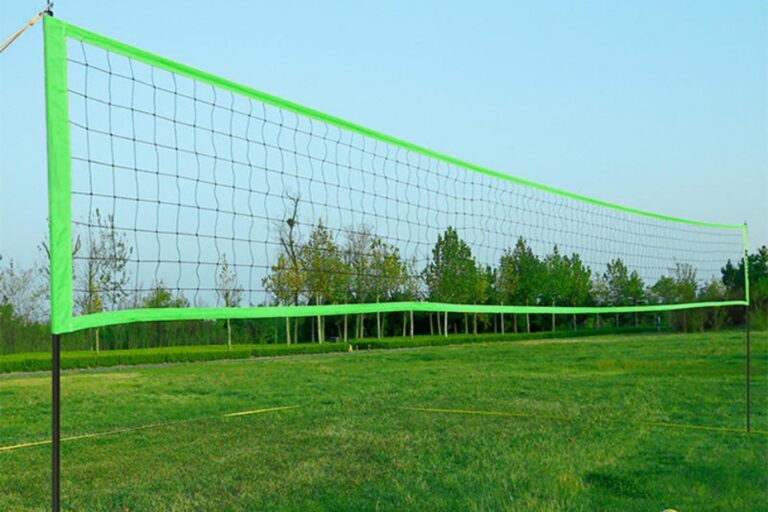
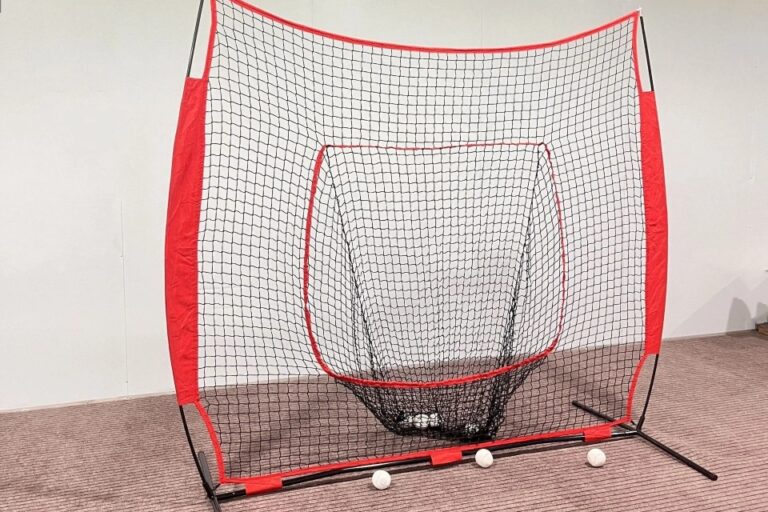
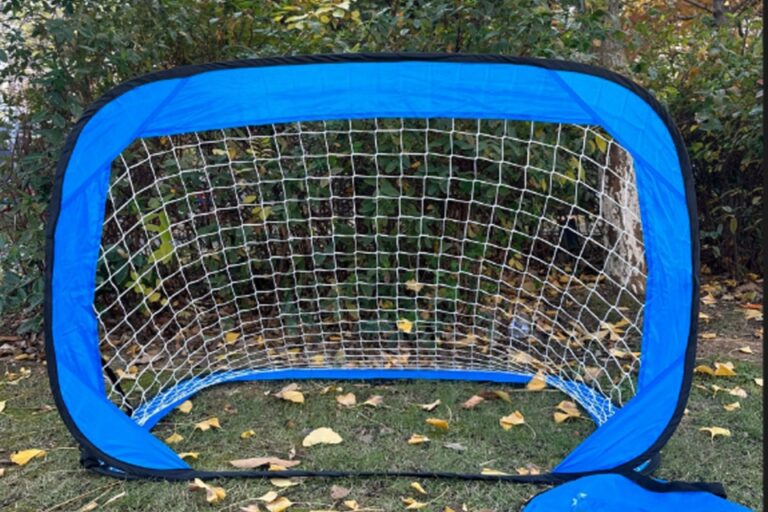
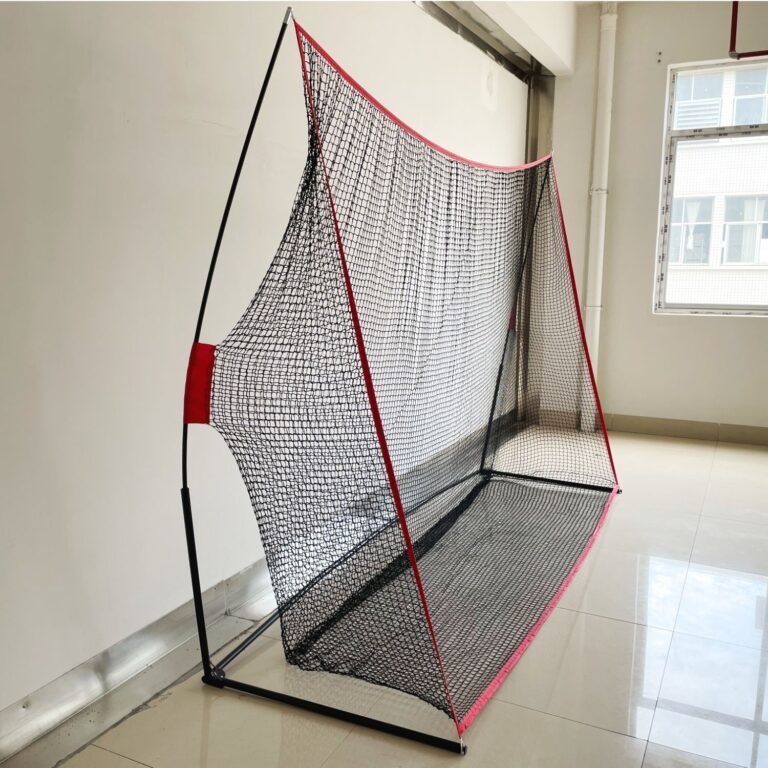
Diteci cosa desiderate realizzare. FSPORTS offre supporto per progetti OEM/ODM, a marchio privato e reti sportive personalizzate, basati su prodotti già esistenti, disegni, campioni, foto o specifiche applicative.
Indicateci il tipo di prodotto, le dimensioni, la quantità richiesta, la destinazione e qualsiasi requisito noto relativo alla rete, al materiale, al telaio, alla ferramenta, al logo o all’imballaggio. Se le vostre specifiche non sono ancora complete, inviateci ciò che avete a disposizione e provvederemo a esaminare i dettagli rimanenti prima di formulare il preventivo.
Comprendere il marchio CE e la sua importanza per le reti sportive europee
Most suppliers bluff.
I’ve sat through enough factory calls, late-night WhatsApp threads, and “don’t worry, we have CE” sales pitches to know the pattern: somebody waves a badge, somebody else nods, and nobody actually answers the only question that matters—which EU rule applies to this exact sports net, goal, or rebounder, and can the paperwork survive a customs check, a buyer audit, or a nasty injury claim six months later?
That’s the mess.
And here’s the ugly truth: a lot of the industry still talks about CE Marking like it’s a universal passport for anything made of mesh, steel tube, and optimism. It’s not. The EU’s own guidance says CE marking is required only for products covered by specific harmonised legislation, and if a product falls outside those rules, the CE mark shouldn’t be slapped on at all. Not “optional.” Not “nice to have.” Not “our factory usually does it.” It’s a legal classification issue, full stop. europa.eu
So what happens in the real world?
Well, a buyer asks for “CE certification for netting,” a seller says yes, somebody downloads a generic certificate with too many logos on it, and the commercial team moves on. I frankly believe that’s one of the dirtiest little habits in the sports equipment trade, because the phrase itself is often mush. The European Commission is very clear: CE marking is a manufacturer’s declaration of conformity where the law requires it, not some Brussels-issued gold star. There is no magical central office stamping “approved” across every sports net shipped into Europe. single-market-economy.ec.europa.eu
Questa parte è importante.
But what matters even more—especially now—is the stuff people skip because it’s less marketable: technical files, traceability, installation warnings, test reports, economic operator details, batch controls, and whether the product is being sold under a CE regime or under broader product-safety law. That second bucket is where many sports nets live, and it got sharper teeth when the General Product Safety Regulation started applying from 13 December 2024.
And yes, enforcement has real teeth now.
The European Commission’s 2024 Safety Gate report logged 4,137 alerts—a record, and almost double the 2022 total—which tells me regulators are not in a forgiving mood anymore, especially when importers, platforms, and manufacturers can’t line up their documentation with the product that’s actually on the ground.
That number sticks.
So when I hear a supplier say, “Our sports netting is CE-certified for Europe,” my next reaction isn’t confidence. It’s suspicion. I want to know the legal route, the standard, the test house, the technical file index, the declaration trail, and the responsible operator inside the EU if the category requires one. Anything less feels like brochure compliance—pretty in a PDF, useless in a real dispute.
The question buyers keep getting wrong
Buyers often start with the badge.
From my experience, that’s backwards. The better question is: what exactly am I buying? A plain training net? A full-size steel football goal? A rebounder with moving parts? A practice frame with electrical accessories? Those products don’t necessarily sit in the same regulatory bucket, even if they all get dumped into a catalog under “sports netting.”
A serious supplier should be able to say, calmly and without verbal tap-dancing, whether CE marking applies to that exact model, which EU rules were assessed, which standards were used in design and testing, and what evidence sits behind the claim. If they can’t do that on a live call, odds are the back office is duct tape and guesswork.
Where CE Marking actually matters
Now, let me be blunt.
CE Marking absolutely matters in Europe. It just doesn’t matter in the lazy, one-size-fits-all way half the internet pretends it does. The EU says the mark belongs on products covered by relevant harmonised legislation—and products outside those categories shouldn’t carry it just because a sales rep thinks it “helps customs.” That shortcut can backfire badly. europa.eu
That’s the legal edge.
And for sports netting, the edge gets fuzzy fast unless somebody in the chain actually understands classification. A freestanding goal with anchoring issues, a net-and-frame rebounder, a simple replacement net, and a system with powered accessories are not automatically treated the same. Same customer maybe. Same warehouse maybe. Same compliance route? Not necessarily.
That’s why I don’t buy slogan-heavy claims.
I buy document discipline. Show me the conformity reasoning. Show me the construction file. Show me warnings that actually match the product geometry. Show me the user instructions. Show me batch traceability. Show me the EU-facing operator details when they’re needed. The Commission has made it plain that manufacturers carry the burden for conformity, documentation, declarations where applicable, and proper marking. Importers and distributors aren’t off the hook either. single-market-economy.ec.europa.eu
The standards pros actually talk about
Here’s where the conversation gets more interesting.
People outside the trade say “European sports netting standards” like it’s one neat handbook. It isn’t. It’s a patchwork of sport-specific standards, test methods, dimensional expectations, and safety requirements tied to the product category. And yes—this is where the real operators separate themselves from the Alibaba wallpaper crowd.
Standards first.
For football goals, BS EN 748 is the obvious reference point. The FA’s own guidance leans directly on EN 748 when talking about safe design, installation, inspection, maintenance, and use of goalposts. That’s not a random detail. If you’re sourcing football goal systems into Europe and nobody on the supplier side can discuss EN 748 without reading from a screen, that’s a red flag with floodlights on it. thefa.com
Same pattern elsewhere.
Volleyball equipment is tied to EN 1271, and the wider equipment family also pulls in things like EN 1510 for tennis and EN 749 for handball goals. In other words, a seller talking vaguely about “EU sports net standards” without naming the actual EN reference is usually winging it.
That’s not expertise.
That’s sales theater.
And if a supplier is confident enough to open up its manufacturing and support services or even show buyers a tour della fabbrica, I take that as a better signal than some random CE logo floating near the footer. Transparency isn’t proof by itself—but it’s usually a sign the supplier knows buyers will ask harder questions.
One case that should sober people up
A lot of compliance talk stays abstract until somebody gets hurt.
Then it gets very real, very fast, and the jargon suddenly looks thin. In December 2024, the U.S. Consumer Product Safety Commission warned consumers to stop using Sport Nets 4×8 portable soccer goals because exposed metal tips at the top of the vertical poles posed an impalement hazard during normal play; the agency said one death had been reported. cpsc.gov
That’s brutal.
Different jurisdiction, sure. Same engineering reality. Exposed hardware, poor geometry, weak protective design, bad anchoring logic, sloppy user instructions—those things don’t care whether the shipment is going to Rotterdam, Felixstowe, or Long Beach. They fail the same way. Bodies notice.
Which is why I keep coming back to the same point: a smart buyer shouldn’t obsess over the mark in isolation. They should obsess over the whole compliance stack. Standards alignment. Physical design. Installation risk. Traceability. Warnings. Recall readiness. The mark, where it legally applies, is just one visible tile in a much larger mosaic—and yes, that’s about the only time I’ll tolerate a pretty metaphor in this subject.
What a serious buyer should ask for
The list is boring.
That’s exactly why it works. Ask for the dull stuff and watch the pretenders sweat. Ask for the test reports. Ask for material data. Ask for the instruction manual. Ask how the net attaches under dynamic load. Ask about frame-wall thickness, anchoring method, UV resistance, label content, packaging traceability, and who owns the technical file. Procurement people sometimes call this “paper chasing.” I call it margin protection.
Here’s the cleaner breakdown:
Buyer question
Weak supplier answer
Strong supplier answer
Perché è importante
Is this product CE-marked?
“Yes, of course.”
“Here is the applicable legislation, and here is why CE is or is not required.”
The EU says CE applies only where harmonised law requires it. (europa.eu)
Can you prove compliance?
“We passed inspection.”
“Here are the test reports, technical documentation, and declaration where applicable.”
“We have recall, traceability, and Safety Business Gateway procedures.”
GPSR and Safety Gate have raised the enforcement standard. (trade.ec.europa.eu)
My view, for what it’s worth
I don’t think the market has a CE problem.
I think it has a truthfulness problem. Suppliers know buyers want simple compliance language, so they compress a messy legal and technical process into two tidy letters and hope nobody asks what sits behind them. Sometimes there’s substance there. Sometimes it’s smoke.
And I’ve seen both.
The best manufacturers don’t panic when you ask hard questions. They don’t hide behind a salesperson. They don’t send a certificate with no model traceability and call it a day. They walk through the classification. They explain whether CE applies. They point to the relevant EN standard. They produce the technical evidence. They know what GPSR changed. They can actually talk shop.
That’s who you buy from.
Not because they sound polished. Frankly, polish can be a warning sign. The good ones usually sound a little operational—they mention weldments, mesh spec, frame gauge, anchor kits, warning decals, carton labels, revision control, and document packs. That’s factory-floor language. Real language.
And that’s what European buyers should reward.
Domande frequenti
Is CE marking mandatory for sports netting in Europe?
CE marking is mandatory for sports netting in Europe only when the exact product falls under an EU harmonisation law that requires it; if the product is outside those rules, the CE mark should not be applied, even though the product must still meet general safety obligations. (europa.eu)
That’s the key split people miss. Some sports net products may need CE marking because of the legislation they fall under, while others still need to be safe, traceable, and properly documented without carrying the mark at all.
What is the difference between CE marking and general product safety compliance?
CE marking is a manufacturer’s legal declaration that a product meets all applicable EU requirements under specific harmonised legislation, while general product safety compliance is the broader duty to place only safe consumer products on the EU market even when no CE regime applies. (single-market-economy.ec.europa.eu)
Put less politely: CE is not the whole compliance story. GPSR widened the focus onto traceability, recalls, operator accountability, and safe market placement—even for products that don’t live inside a CE-marking framework.
Which documents should buyers request for sports netting compliance?
The core compliance file for sports netting should include the applicable legislation assessment, product specifications, test reports against relevant EN standards, technical documentation, traceability details, installation and warning instructions, and an EU declaration of conformity when the product is in a CE-marked category. (europa.eu)
I’d also ask for the unglamorous extras: carton label samples, batch codes, importer details, revision-controlled manuals, and the contact details of the EU-side operator where the rules make that necessary.
Which EN standards are most relevant to European sports netting?
The most relevant EN standards depend on the sport and product type, but common examples include EN 748 for football goals, EN 1271 for volleyball equipment, EN 1510 for tennis equipment, and EN 749 for handball goals, each focused on functional and safety requirements. (knowledge.bsigroup.com)
So no—there isn’t one master “sports netting” standard covering everything from soccer goals to training rebounders. Buyers need the standard matched to the exact model, the actual use case, and the real-world risk profile.
Why are European buyers paying more attention to documentation now?
European buyers are paying more attention to documentation because GPSR now applies across the EU, Safety Gate logged a record 4,137 alerts in 2024, and customs are increasing product-compliance controls, including refusals for goods deemed non-compliant or dangerous before they fully enter the market. (trade.ec.europa.eu)
And buyers have learned the expensive way that paperwork isn’t just paperwork. It affects customs clearance, liability exposure, insurance comfort, distributor confidence, and whether a product line can stay on the market when scrutiny shows up.
If you’re sourcing for Europe and want something more useful than a logo on a quote sheet, review the product line, compare model specs, and then contatta il team for model-level compliance documents before you commit the PO.