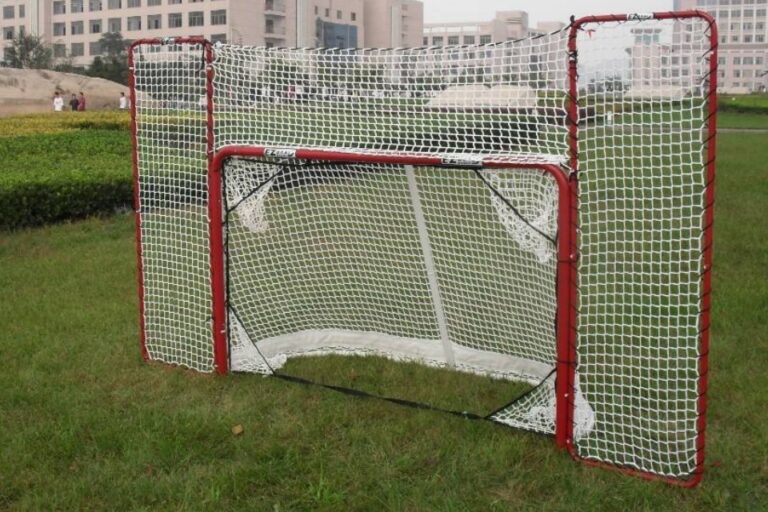
보통 사람들은 견적 요청서에 적을 수 있는 깔끔한 숫자 하나를 원하며, 그걸로 일을 끝내고 일상으로 돌아가고 싶어 합니다. 하지만 현실에서 그물 설치가 그렇게 간단하게 이루어지지는 않습니다. 특히 설치된 그물이 실제 공의 속도, 날씨, 반복되는 충격, 그리고 코치와 아이들, 시설 관리자들이 사용하기 시작하는 순간부터 나타나는 온갖 기상천외한 남용을 견뎌내야 한다면 더욱 그렇습니다. 그런 환상은 금세 사라집니다.
세 단어. 아니.
솔직히 말해서, 업계가 이 문제를 필요 이상으로 복잡하게 만들고 있다고 생각합니다. 판매 설명서에는 “헤비 듀티”, “상업용 등급”, “프로급” 같은, 카탈로그에나 나올 법한 화려한 수식어들이 난무하지만, 진짜 핵심 질문은 무시된 채 그대로 남아 있습니다. 바로, 패널을 터무니없이 비싼 돛으로 만들지 않으면서도 발사체를 막아낼 수 있는 개구부 크기는 얼마인가 하는 것입니다.
그게 바로 싸움입니다.
제 경험상, 구매자들은 대개 구매 의도 자체에서는 실패하지 않습니다. 사양 논리에서 실수를 저지릅니다. 탄환 직경, 충격 분포, 그물 기능 대신 스포츠 브랜드만 보고 제품을 고르기 때문인데, 그 결과 골프 프로젝트에 축구장 같은 개구부가 생기거나, 표준 대형 공 레이아웃으로 더 적은 비용과 번거로움 없이 해결할 수 있었던 곳에 과도하게 설계된 마이크로 메쉬 패널이 설치되는 일이 발생합니다.
그런데도 그들은 놀란 척하죠.
불편한 진실은 이렇습니다. 스포츠용 그물망의 ‘보편적인 이상적인’ 메쉬 크기는 존재하지 않습니다. 오직 막고자 하는 물체, 하루에 받는 충격 횟수, 그리고 그물이 사용되는 용도(골대 전면, 백스톱, 칸막이, 케이지 벽, 또는 주변 차단벽 등)에 맞는 적절한 메쉬 크기만 있을 뿐입니다.
완전히 다른 존재들이다.
종목별 권장 메쉬 크기
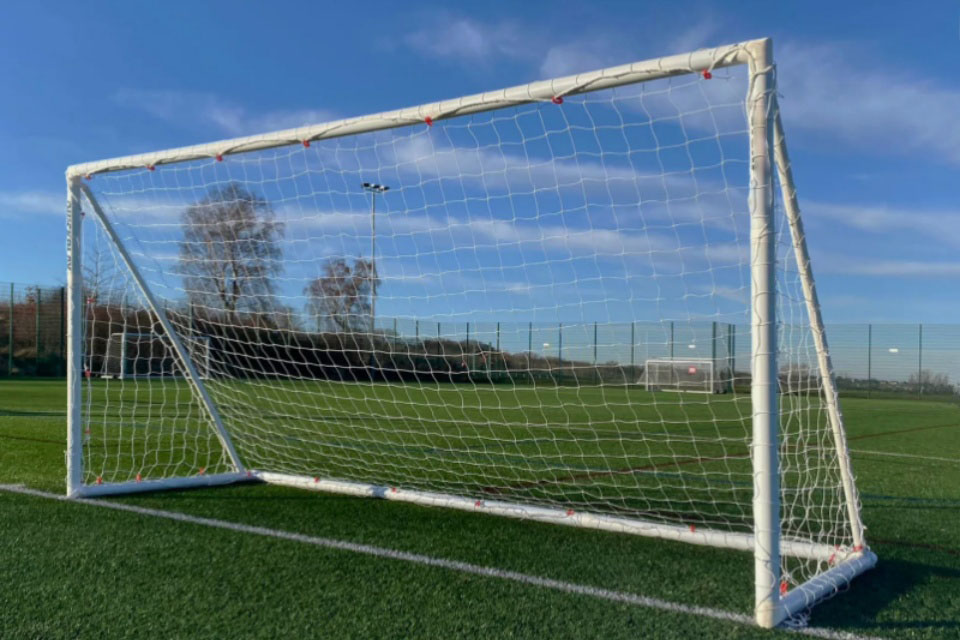
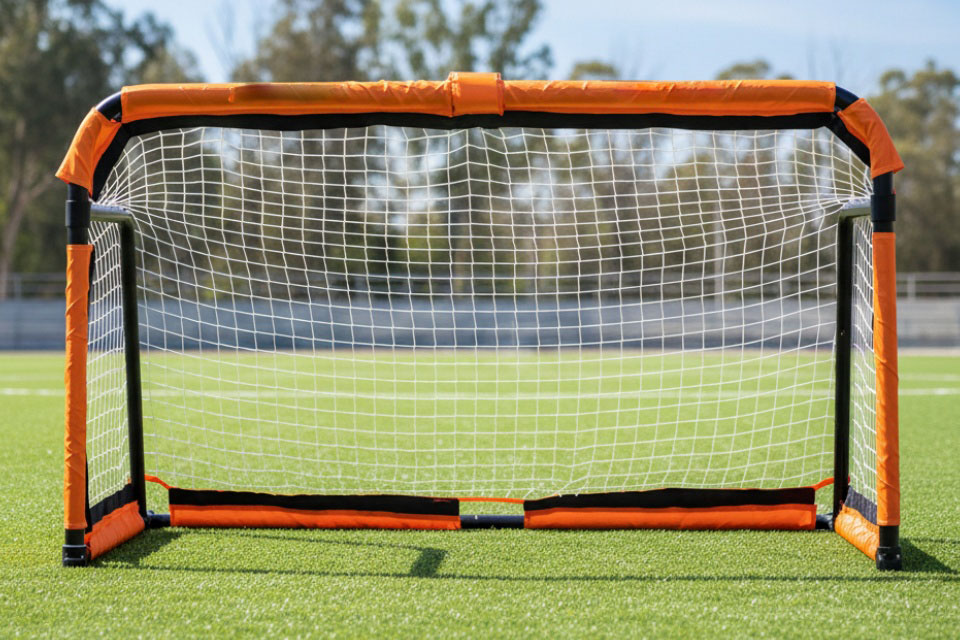
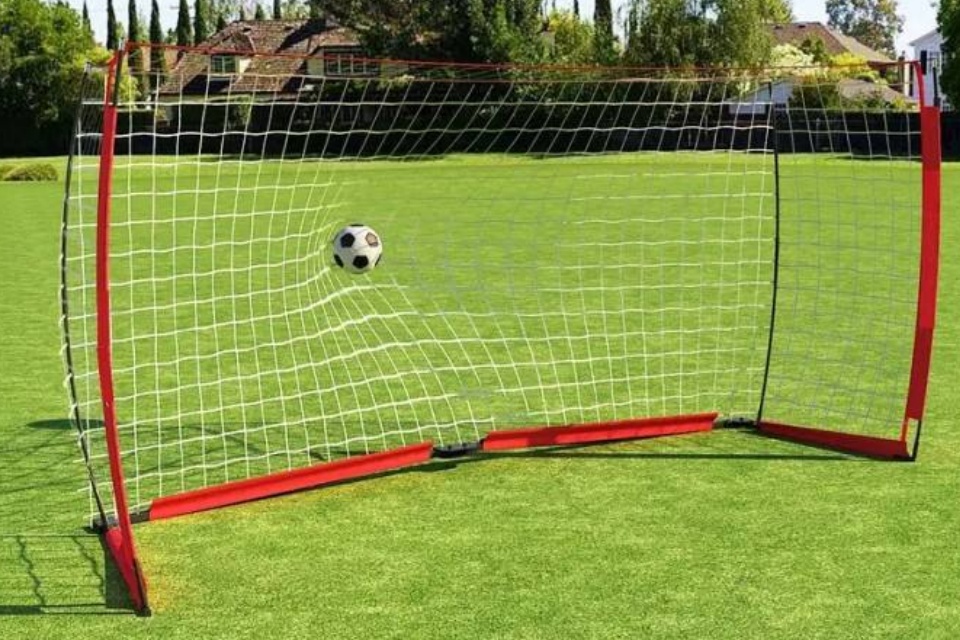
골프의 경우, 저는 3/4인치에서 1인치 사이를 유지합니다. 야구와 소프트볼의 경우, 1 3/4인치에서 2인치 사이가 합리적인 중간값입니다. 테니스, 피클볼, 라크로스, 하키의 경우, 일반적으로 충격 부하와 반동 표면인지 완전한 차단 기능인지에 따라 1인치에서 2인치 사이를 선택합니다. 축구, 배구, 미식축구 골대는 어떨까요? 공이 개구부보다 훨씬 크기 때문에 4인치에서 5인치 사이면 대개 충분합니다. 개구부를 너무 작게 만드는 건 종종 보여주기식일 뿐이니까요.
이는 단순한 의견이 아닙니다. 공의 크기는 공개되어 있으며 지극히 명확합니다. 골프공의 지름은 최소 1.680인치여야 하고, 야구공의 둘레는 9~9 1/4인치, 테니스공은 2.57~2.70인치, 피클볼은 2.874~2.972인치, 축구공은 둘레가 68~70cm, 라크로스 공은 둘레가 19.69~20.32cm, 아이스하키 퍽은 지름이 3인치여야 합니다. (usga.org)
시장 수요와 부적절한 사양이 계속 발생하는 이유
수요도 줄어들 기미가 보이지 않습니다. 로이터는 2024년 7월, 미국의 피클볼 참가자 수가 2022년부터 2023년까지 52% 급증했다고 보도했으며, 반면 USTA의 2024년 참여 보고서에 따르면 2023년 미국 테니스 선수는 2,380만 명에 달했으며 연간 경기 횟수는 5억 2,700만 회에 이르렀습니다. 선수 수가 늘어나고, 훈련 코트가 늘어나며, 학교들은 서둘러 장비를 조달하고, 클럽들은 다목적 코트를 급조해 내고 있다. 바로 이때 부실한 사양이 뒷문으로 슬그머니 들어오는 법이다. (reuters.com)
하지만 참여율 수치는 전체 이야기의 절반에 불과하다. 부채 측면은 훨씬 더 암울한데, 업계는 이 사실을 인정하기를 꺼린다. 2024년 IU 인디애나폴리스 스포츠의 법적 측면 저널 분석 1,561건의 골프장 과실 소송을 검토한 결과, 조사 대상에 해당하는 133건을 확인했으며, 적절한 완충 구역이 마련되어 있었다면 그중 85건은 예방할 수 있었을 것이라고 밝혔다. 이와는 별도로, 미국은. CPSC, 4×8 휴대용 축구 골대에 대한 경고 이는 구매자가 메쉬 크기를 고정 방식, 프레임 구조, 부속품과 분리해서 생각해서는 안 된다는 점을 상기시켜 줍니다. (journals.indianapolis.iu.edu)
그게 중요합니다.
제가 실제로 최적의 메쉬 크기를 평가하는 방법
그래서 누군가 스포츠용 그물의 최적 메쉬 크기를 물어보면, 저는 “스포츠”라는 말부터 꺼내지 않습니다. 대신 훨씬 더 까다로운 질문부터 던집니다. ‘이 그물이 확실하게 막아내야 할 가장 작은 물체는 무엇인가, 그 물체의 이동 속도는 어느 정도인가, 그리고 반복적인 충격이 가해지는 부위는 어디인가?’ 이것이야말로 견적서에 명시되어 있든 없든 간에 진정한 사양서입니다.
골프 네트 시스템
구매하신다면 골프 네트 시스템, 지나치게 큰 개구부는 절대 만들지 마세요. 골프공은 작고 밀도가 높으며 무자비하기 때문이죠. 개구부 크기를 대충 결정하기만 해도 공이 뚫고 지나가거나, 헛되이 통과하거나, 아슬아슬하게 빗나가는 등의 불만이 쏟아질 테고, 설치자가 창고에서는 패널이 “제대로 보였는데”라고 맹세하더라도 어쩐지 그 책임이 당신에게 돌아오게 될 것입니다.
골프는 게으름을 용서하지 않는다.
베이스볼 넷 시스템즈
야구는 다릅니다. 더 쉬운 게 아니라, 그냥 다릅니다. 야구 네트 시스템, 1 3/4인치에서 2인치 크기의 메쉬가 가장 이상적인 선택인 경우가 많습니다. 이는 공을 잘 잡아주면서도 패널에 불필요한 무게, 공기 저항, 조작상의 문제를 유발하지 않기 때문인데, 이러한 문제들은 더 큰 케이지 런, L자형 스크린 주변부, 또는 타격 레인을 반복적으로 혹사시킬 때 분명히 느껴지게 됩니다.
코트용 그물 대 격리용 그물
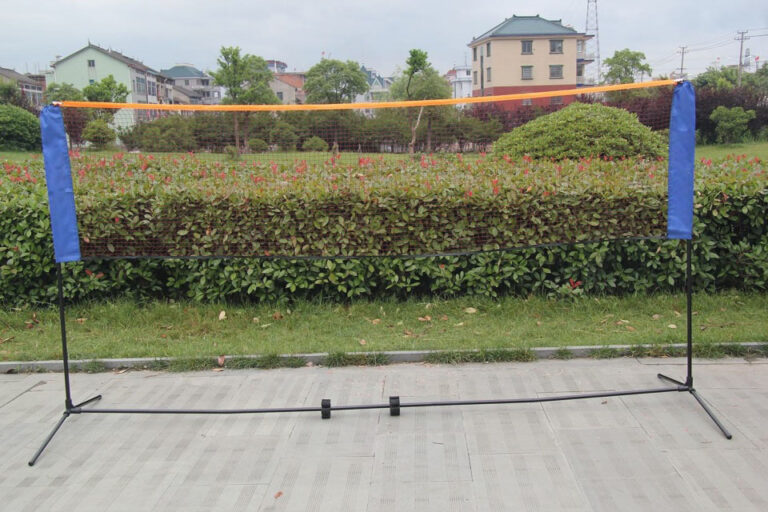
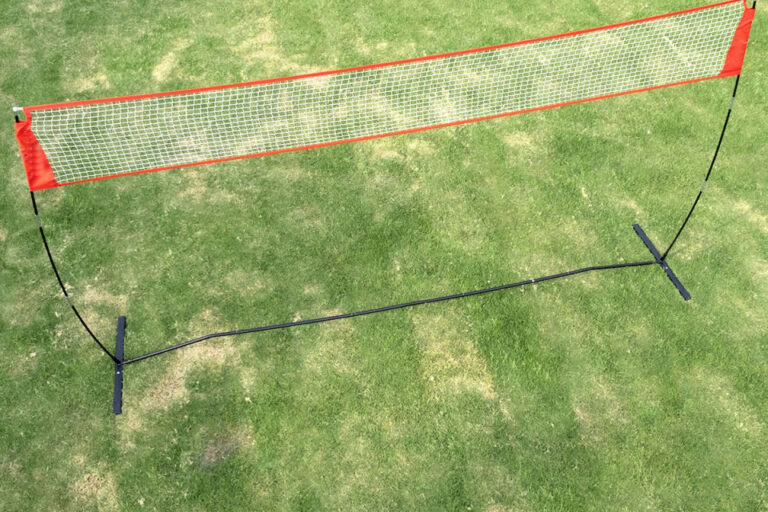
그리고 제가 끊임없이 목격하는 구매자들의 실수 중 하나는 게임용 그물과 격리용 그물을 혼동하는 것입니다. A 피클볼 네트 시스템 또는 테니스 네트 설치 이는 코트 주변 차단용 그물망과는 전혀 다른 것입니다. 설령 구매 담당자가 이 두 가지를 하나의 예산 항목에 묶어 놓고 “코트 네팅”이라고 부른다고 해도 말입니다.”
그 지름길은 꽤 아파.
다목적 스포츠 시설
하지만 복합 용도 프로젝트에서는 상황이 정말 복잡해집니다. 모두가 단일 SKU, 단일 자재 명세, 명확한 단일 발주서, 단일 공급업체, 간단한 단일 해답을 원하기 때문인데, 이는 대개 잘못된 본능입니다. 해당 시설에서 축구, 피클볼, 골프를 모두 운영한다고 해도, 축구가 가장 주목받는 종목이라는 이유만으로 사양서를 축구부터 시작해서는 안 됩니다. 가장 작은 투사체가 바닥의 방호 등급을 결정하기 때문에, 사양서는 골프부터 시작해야 합니다.
항상 가장 작아.
저는 정반대의 상황이 벌어지는 것도 본 적이 있습니다. 한 구단이 다목적 스포츠용 그물 복합 시설 내에서 가장 눈에 띄는 시각적 요소를 기준으로 삼았지, 경기 중 사용되는 가장 작은 물체를 기준으로 삼은 것이 아니었는데, 6개월 뒤에는 구역을 개조하거나 보조 커튼을 설치하거나 “장력으로 문제를 해결”하려고 애쓰고 있습니다. 그런 방법은 거의 효과가 없습니다. 장력은 처짐을 잡아줄 뿐, 부적절한 개구부 크기는 해결해 주지 못합니다.
실용적인 스포츠 그물 크기 안내서
저는 여전히 공식적인 제품 치수를 기준점으로 삼고 있습니다—단, 어디까지나 기준점일 뿐입니다. 실제 설치 과정에서는 중심에서 벗어나거나, 악천후 속에서, 피곤한 직원들이, 부실한 고정 장치로, 복합 용도 부지에서 작업이 이루어지기 마련인데, 이런 상황들은 세련되게 다듬어진 브로셔의 렌더링에는 전혀 나타나지 않기 때문입니다. 그래서 저는 멋을 부리기보다는 실용적인 쪽을 택하고 싶습니다. (usga.org)
스포츠 / 활용 사례
물체 크기 참고 자료
권장 메쉬 구멍 크기
나의 견해
골프용 방호망 / 케이지
골프공의 최소 직경: 1.680인치
3/4인치에서 1인치
Best for true containment; anything looser starts flirting with failure
Baseball / softball backstop or cage
Baseball circumference 9 to 9 1/4 in
1 3/4 in to 2 in
The safest all-around commercial choice
Pickleball containment netting
Ball diameter 2.874 to 2.972 in
1 in to 1 1/2 in
Cleaner containment, less chance of odd wedge-through behavior
Tennis practice / barrier netting
Ball diameter 2.57 to 2.70 in
1 3/4 in to 2 in
Plenty tight enough without overbuilding
Lacrosse backstop / rebound face
Ball circumference 19.69 to 20.32 cm
1 1/2 in to 2 in
Good balance of stop power and durability
Hockey goal / shooting screen zones
Puck diameter 3 in
1 1/2 in to 2 in
Fine for puck control; twine and edge finish matter a lot
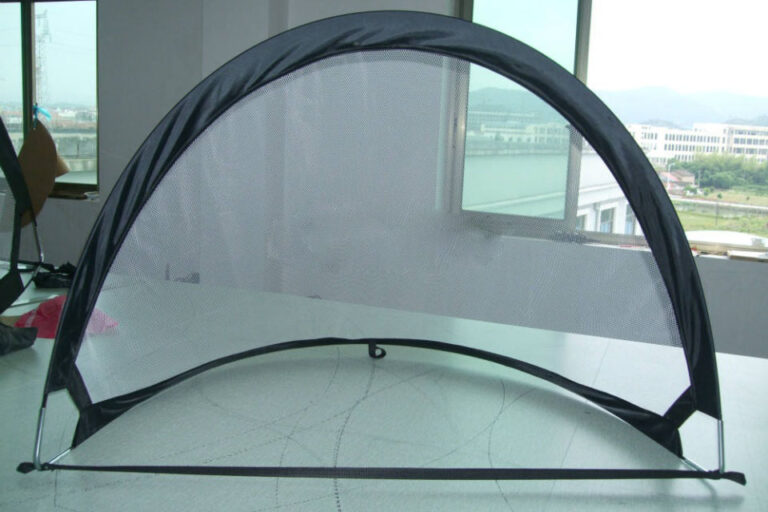
Soccer / football goals
Soccer circumference 68 to 70 cm
4 in to 5 in
Wide openings are normal and efficient
Volleyball / recreational multi-sport nets
Volleyball circumference 65 to 67 cm
4 in to 4 3/4 in
Go smaller only if another sport forces it
Why Smaller Mesh Isn’t Always Better
But let me say the unpopular bit plainly: smaller mesh is not automatically “better.” On a golf cage, sure, tighter openings make sense. On a soccer surround, ultra-tight mesh can be a dumb spec—it adds weight, grabs wind, blocks sightlines, and inflates the BOM without giving you a meaningful containment win when the ball is already huge relative to the opening. That’s not premium. That’s overbuilding. (theifab.com)
And smaller openings can create their own headaches. More material. More sail effect. More edge stress. More cost in freight and handling. People forget that netting isn’t floating in theory-space; it’s hanging on posts, cables, frames, and anchors that all start feeling the punishment once you overcook the spec.
The frame knows.
What Buyers Miss Beyond Mesh Opening Size
Which is why I don’t like talking about mesh size in isolation. Twine gauge matters. Material matters. Knot type matters. UV package matters. Border rope matters. Clip spacing matters. If the install is outdoors, weather is basically a silent business partner—and an unforgiving one.
여기에서 outdoor barrier netting solution projects go sideways. Not in the quote. Not at install. Later—when UV has been chewing through the yarn, the wind has been loading the panel every afternoon, and the high-impact lane has turned one innocent-looking zone into a failure point. People call that “unexpected wear.” I call it predictable.
My Rule Set for Choosing Sports Netting Mesh Size
So here’s my rule set, stripped down and a little rude.
Match the Opening to the Smallest Projectile
Match the opening to the smallest projectile, with margin. Not barely smaller. Not “probably okay.” With margin.
Size the Net to the Actual Job
Size the net to the job, not the product category. A goal net isn’t a backstop. A divider isn’t a hitting cage. A rebound face isn’t a perimeter curtain.
Split the Build When Necessary
Split the build if the site justifies it. One conservative spec across every area feels efficient on paper, but it often burns money where you don’t need the density and still underperforms where you do. I’d rather pair 축구 골 시스템 with a tighter outdoor barrier netting solution near golf or baseball zones than force a single overcooked spec across the whole site.
And yes—budget matters. It always does. But false economy is still false economy, even when it’s wrapped in a “standardized procurement” memo. Buy the right net once, or buy the wrong net twice. I’ve watched people learn that lesson the expensive way.
자주 묻는 질문
야구용 그물망에는 어떤 메쉬 크기가 가장 적합할까요?
Baseball netting works best with roughly 1 3/4-inch to 2-inch mesh because a regulation baseball measures 9 to 9 1/4 inches in circumference, and that opening reliably stops the ball without the extra wind load, weight, and cost that come with going unnecessarily tight for no real performance gain. In batting tunnels and backstop runs, I care just as much about twine gauge, seam finish, and how the impact zones are distributed as I do the opening itself. (content.mlb.com)
골프용 그물망에는 어떤 메쉬 크기가 가장 적합할까요?
Golf netting works best with 3/4-inch to 1-inch mesh because a golf ball must be at least 1.680 inches in diameter, and golf impact is unforgiving; once the opening gets too generous, you are no longer debating efficiency, you are gambling with containment. From my experience, golf is the category where lazy sizing gets exposed quickest—and usually in a way everybody notices immediately. (usga.org)
하나의 메쉬 크기로 다양한 종목에 사용할 수 있는 그물을 만들 수 있을까요?
One mesh size can work for multi-sport netting only when it is chosen around the smallest projectile used in the space, because a mixed-use facility is governed by the thing most likely to escape, not the thing most likely to headline the brochure or dominate the booking calendar. That’s why golf and baseball often end up driving the spec, even when they’re not the biggest revenue line on the site. (usga.org)
메쉬가 작을수록 스포츠용 그물이 더 좋은 것일까요?
Smaller mesh does not always mean a better sports net, because performance depends on matching the opening to the object size and impact pattern while keeping weight, airflow, sightlines, and frame load in balance; overly tight mesh in large-ball sports often adds cost and stress without adding real containment value. I’ve seen more than one “premium” quote where the tiny opening was really just a sales trick for padding the numbers. (theifab.com)
결론
So, no—I wouldn’t shop this by thumbnail, category badge, or whatever phrase the catalog team slapped on the hero image. Start with the smallest projectile, decide whether you need a goal net or true containment, and then get honest about load, weather, and repetition. When you’re ready to spec something that’ll actually hold up, contact the FSports team or look through the wider product range before you lock yourself into the wrong build.