


Blogues

Import Documentation & Customs: Timeline, Procedures & Form 4664
Customs is a paperwork filter before it is a logistics process. This guide breaks down the import documentation stack, the real customs timeline, and why “Form 4664” needs a fact-check before anyone files it.
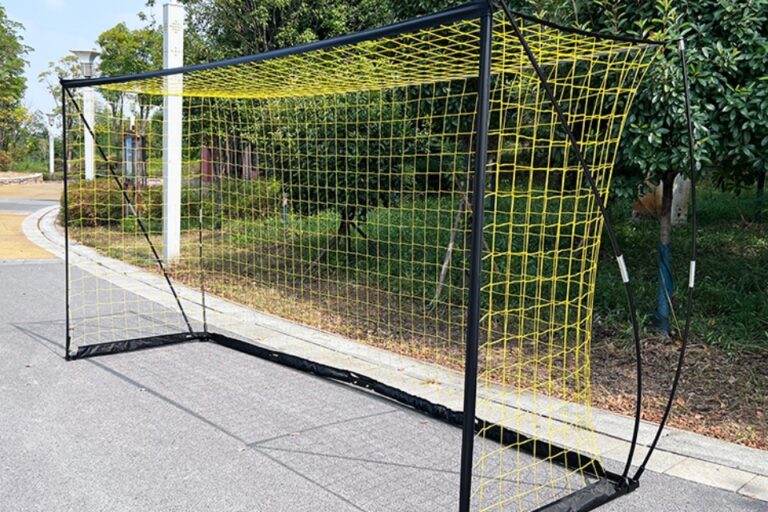
Customization & Color: Custom Dyes, Black, White & Visual Options
Black and white are the safe defaults because they are easy to source, easy to replace, and hard to mess up. Custom colors can look fantastic, but only when the buyer understands where color belongs, what it costs, and how fast the schedule can slip.

Permanent Vs. Modular Netting: Installation, Cost & Flexibility
Permanent netting usually wins when your layout never moves and your risk profile stays high every day. Modular netting earns its keep when reconfiguration speed, staffing reality, and multi-use scheduling matter more than brute permanence.
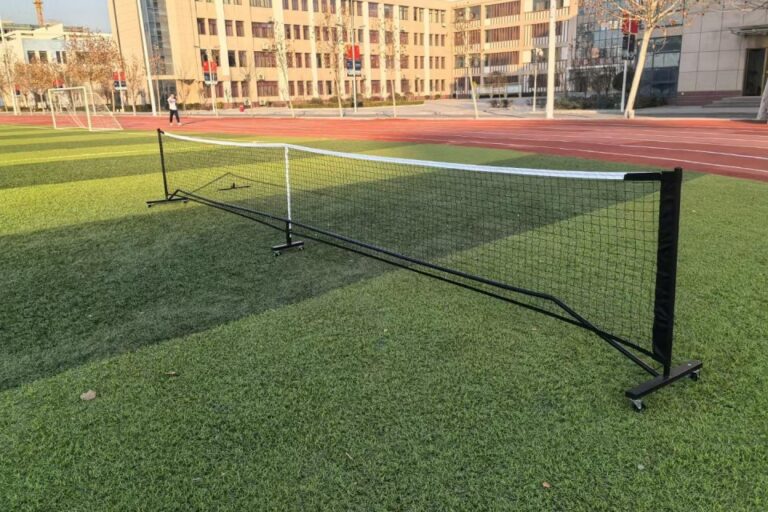
Supply Chain Resilience: Backup Suppliers & Long-Term Contract Strategy
Most supplier strategies fail for one boring reason: buyers confuse low unit cost with low risk. This piece shows when backup suppliers save margin, when long-term contracts make sense, and when both become expensive theater.

Nearshoring Sports Equipment: How Local Sourcing Reduces Tariffs
Nearshoring sports equipment is not a slogan. It is a tariff, freight, and working-capital decision that rewards buyers who understand origin rules and punishes buyers who only compare ex-works quotes.

Environmental Performance: Temperature, Weight & Elasticity Factors
Most buyers pick netting by size, price, or twine thickness and miss the variables that actually decide service life. Temperature swings, material weight, and elasticity change how outdoor nets stretch, sag, absorb impact, and fail.

Facility Sizing Calculator & Guide
Most sizing mistakes are not math mistakes. They are procurement mistakes disguised as optimism, and this guide shows you how to stop making them. We break down the real inputs behind sports netting estimates, show where buyers get burned, and give you a practical model you can use before you place a PO.

Tariff Types Explained: Section 301, Section 232 & Rate Hedging
Section 301 and Section 232 are not interchangeable, and treating them that way is how importers lose margin without noticing until the quarter closes. This guide explains the difference, shows the 2024 evidence, and lays out practical rate hedging moves that actually matter.
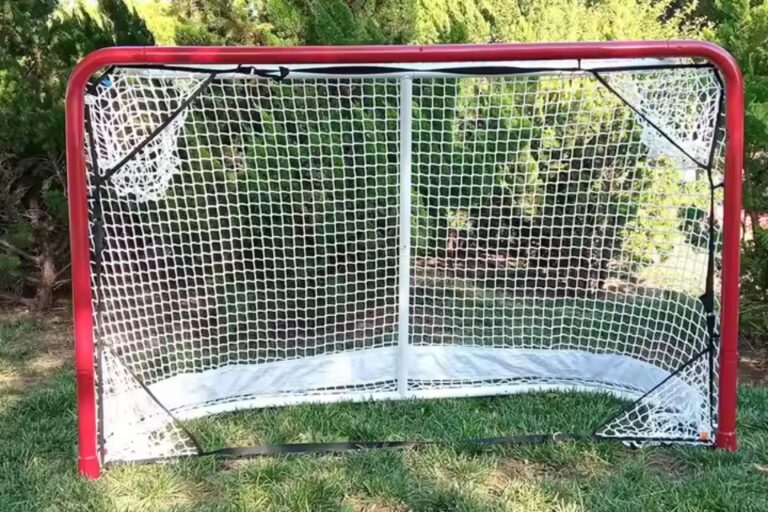
Opções de borda de corda: Vinil, Corda, Corda torcida e Corda com núcleo de chumbo
Most buyers treat the border like trim. They shouldn’t. This guide breaks down which rope border types actually hold up, which ones sag, and where lead core belongs if you care about performance more than catalog language.
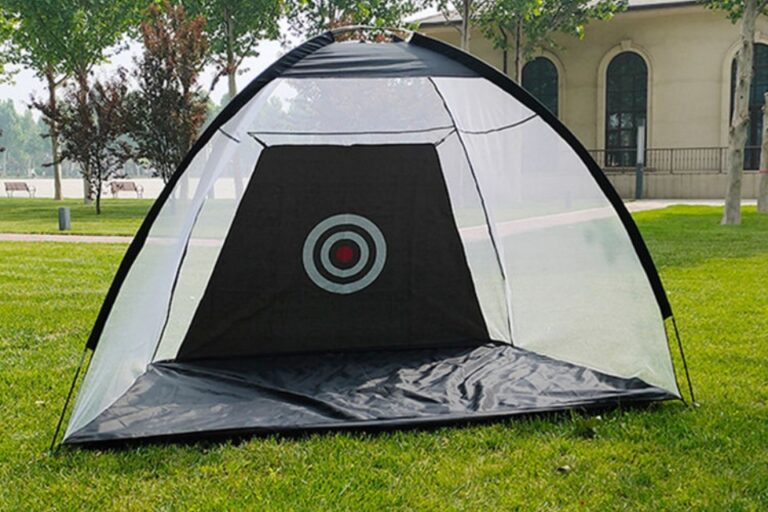
Dimensões e espaçamento do campo: Altura, distância e normas de disposição
A maioria dos campos de ténis “de tamanho normal” só o são no papel. Este guia descreve as dimensões reais do campo de ténis, o espaçamento, a altura do teto e as normas de disposição que separam um campo jogável de um erro dispendioso.
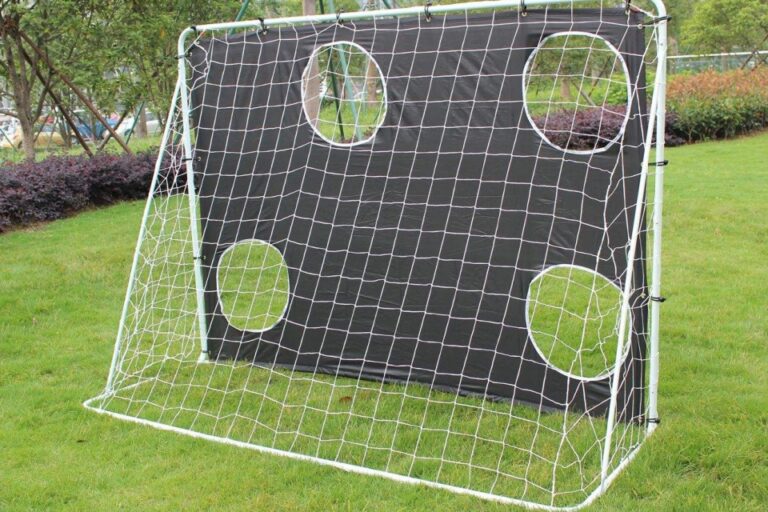
Lidar com problemas de importação: Atrasos na alfândega, atrasos na entrega e litígios de qualidade
Os problemas de importação raramente começam no porto. Geralmente começam no contrato, na folha de especificações ou na fantasia do comprador de que um processo fraco produzirá de alguma forma um carregamento limpo. Este guia explica o que fazer quando a alfândega bloqueia a carga, as entregas falham ou as mercadorias chegam erradas, danificadas ou claramente abaixo das especificações.
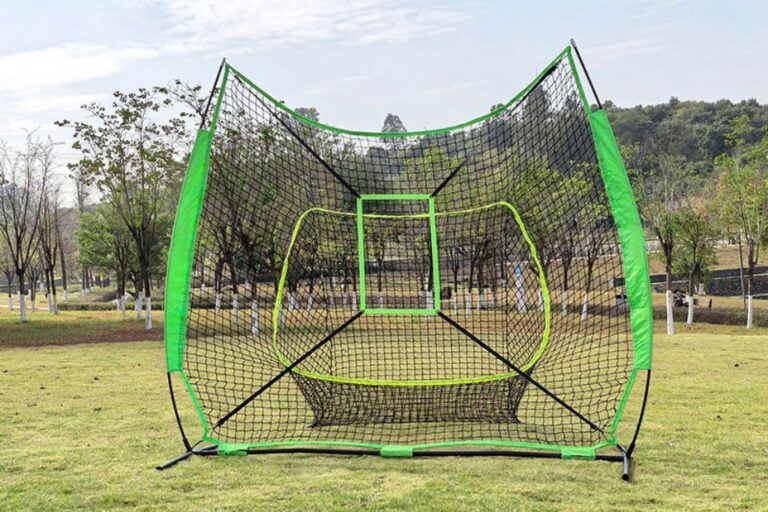
Reduzir os direitos aduaneiros: Códigos Hs, acordos de comércio livre e draubaque de direitos
A maior parte dos importadores não é esmagada pelos direitos aduaneiros porque as taxas são “injustas”. São esmagados porque a classificação é desleixada, os ficheiros de origem são escassos e o drawback é tratado como dinheiro grátis.