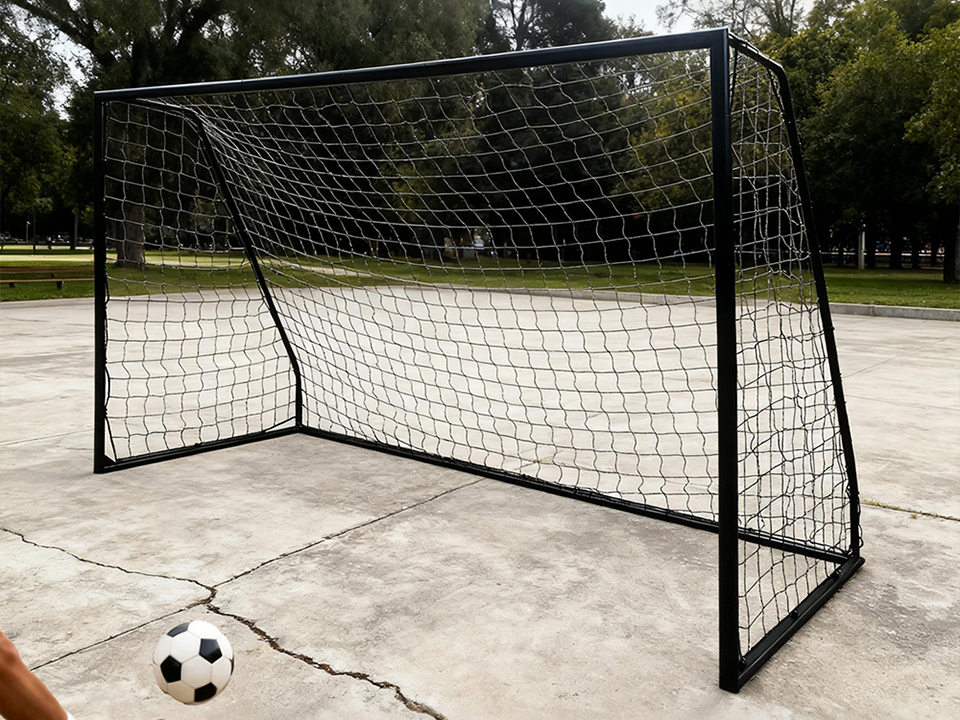
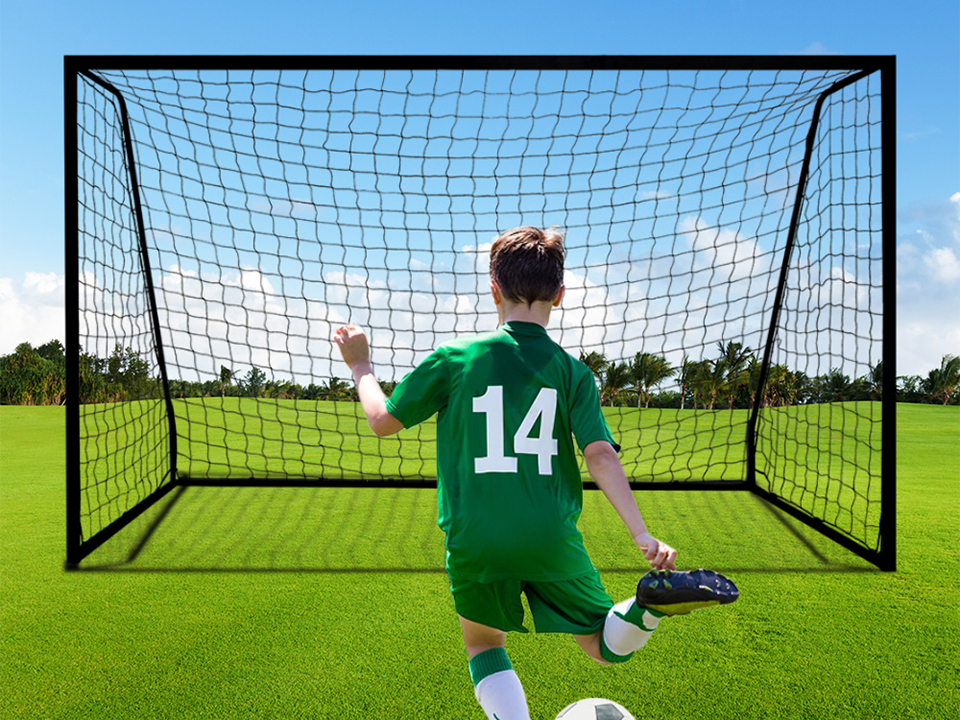
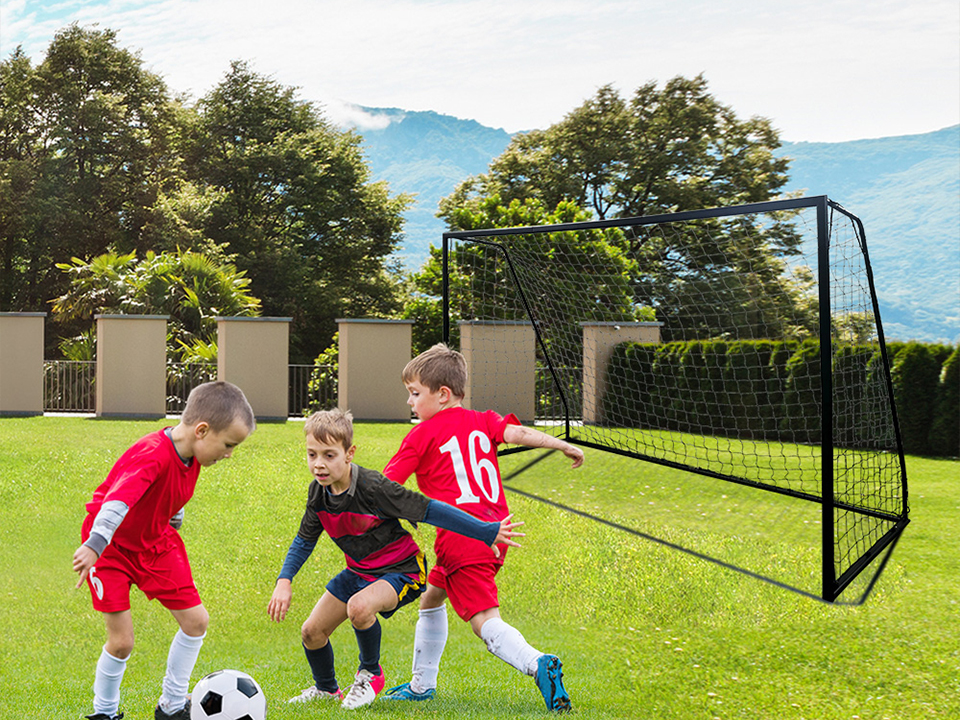
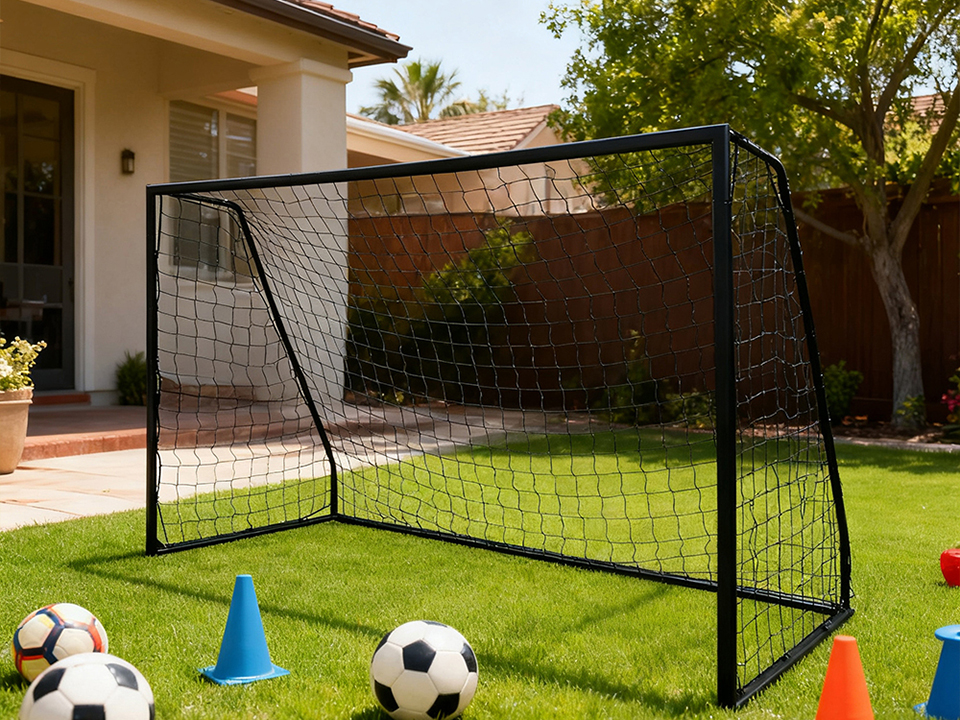
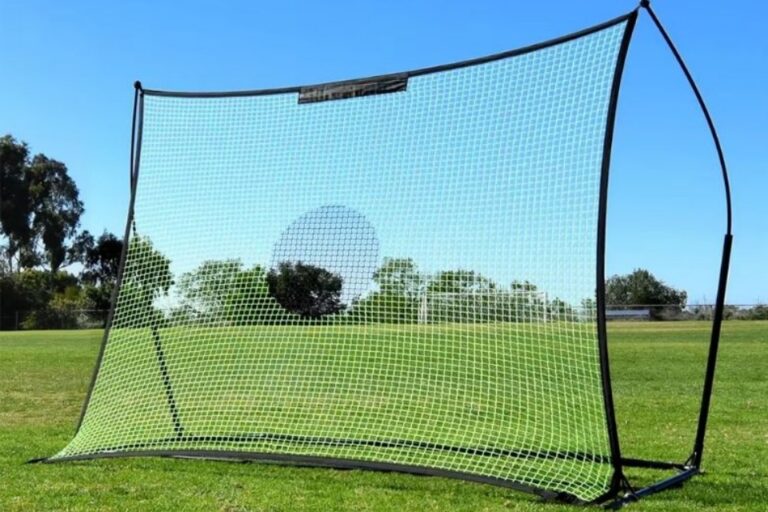
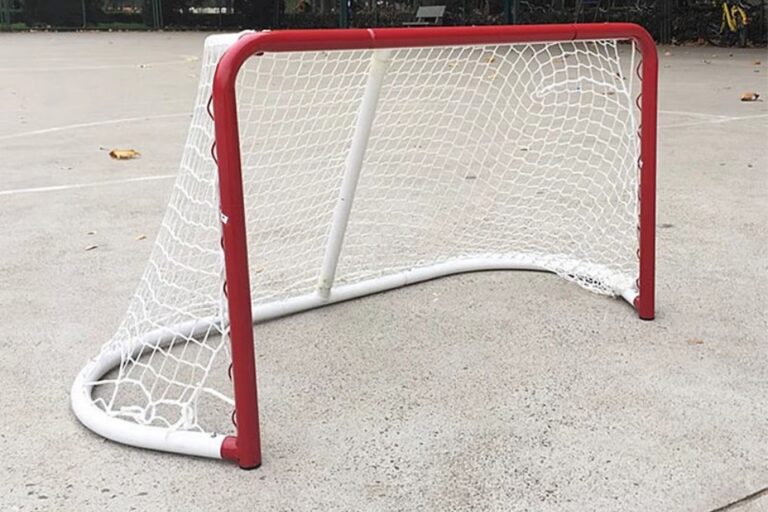
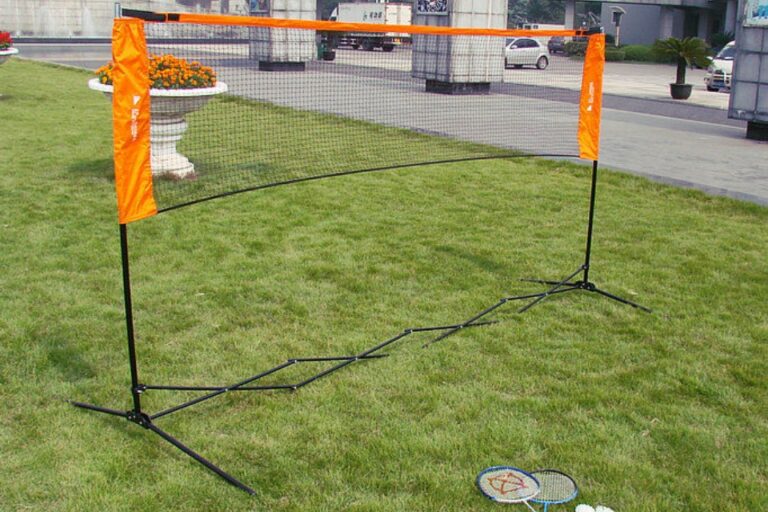
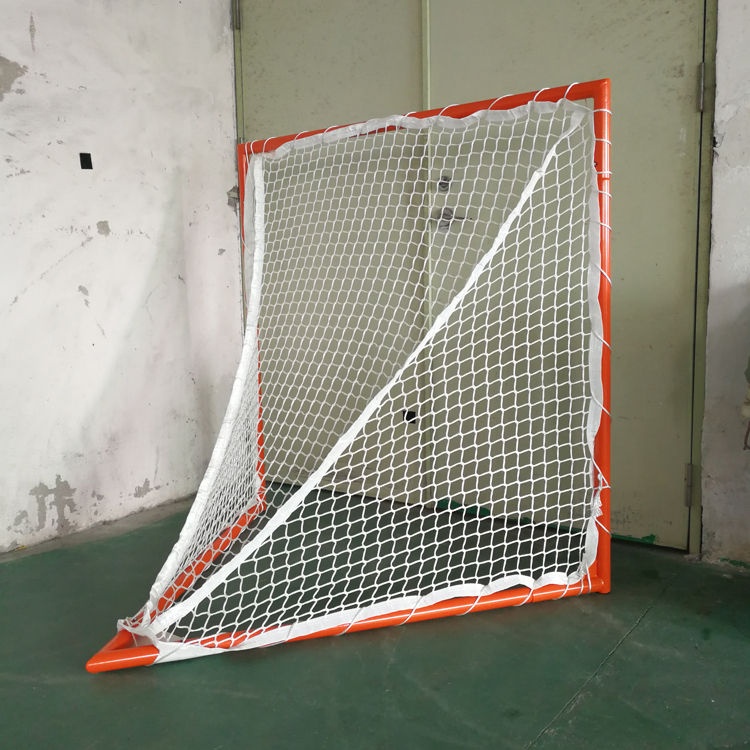
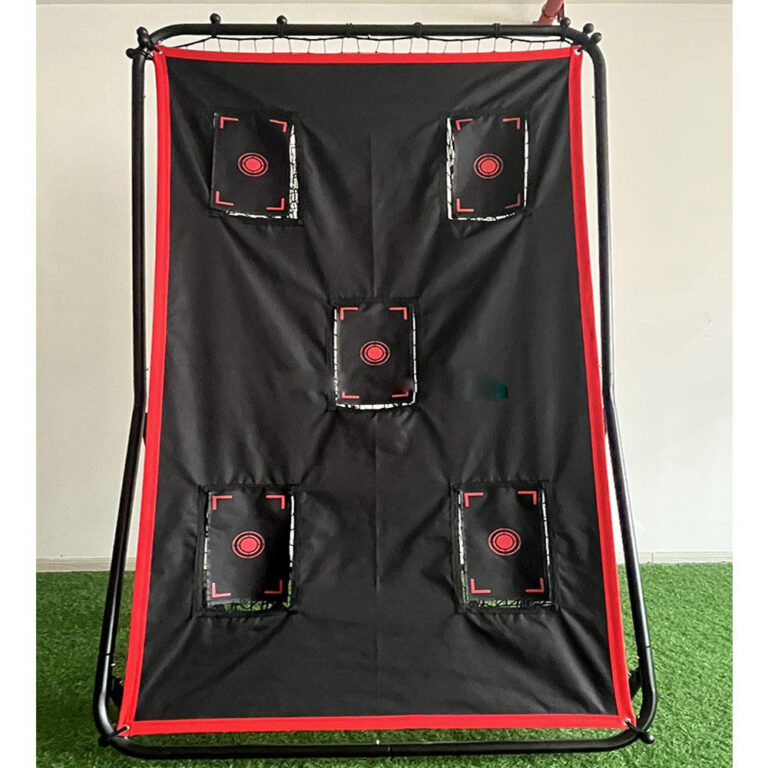
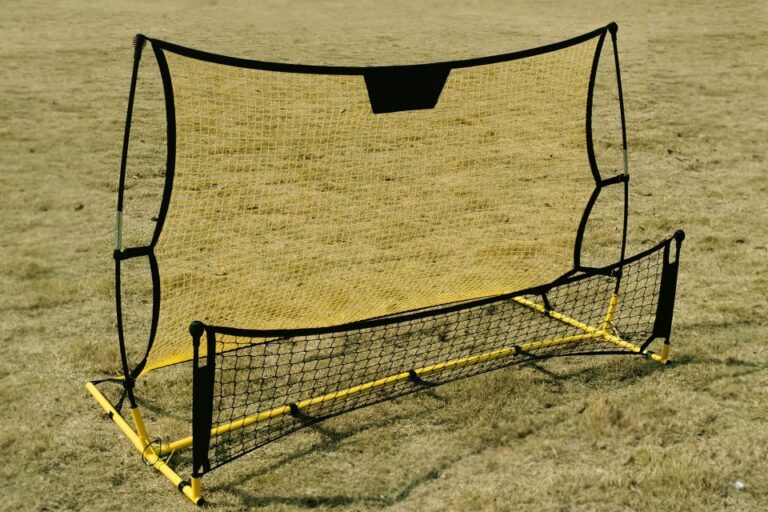
Diteci cosa desiderate realizzare. FSPORTS offre supporto per progetti OEM/ODM, a marchio privato e reti sportive personalizzate, basati su prodotti già esistenti, disegni, campioni, foto o specifiche applicative.
Indicateci il tipo di prodotto, le dimensioni, la quantità richiesta, la destinazione e qualsiasi requisito noto relativo alla rete, al materiale, al telaio, alla ferramenta, al logo o all’imballaggio. Se le vostre specifiche non sono ancora complete, inviateci ciò che avete a disposizione e provvederemo a esaminare i dettagli rimanenti prima di formulare il preventivo.
Qual è il modo migliore per imballare e spedire gli obiettivi assemblati rispetto ai kit smontati per ridurre i danni?
Se spedite porte sportive (lacrosse, hockey, calcio) o sistemi a telaio di grandi dimensioni (gabbie da golf, reti a barriera), i danni sono solitamente dovuti a tre fattori: impatto, cotta, e parti in movimento all'interno del cartone. La vostra scelta di imballaggio.assemblato vs kit knock-down (KD)-decide quale rischio combattere.
FSPORTS (produttore di reti sportive di prima qualità in Cina) lo vede ogni giorno perché costruisce personalizzati, all'ingrosso e OEM/ODM per rivenditori, distributori e venditori online. È possibile iniziare dal Sito FSPORTS e sfoglia l'intera catalogo prodotti per le configurazioni telaio + rete che necessitano di un imballaggio intelligente.
Obiettivi assemblati o kit smontati: compromessi sui danni da trasporto
Ecco la pura verità: le spedizioni assemblate tagliano i problemi di assemblaggio dei clienti, ma sono aumentare il rischio di danni da transito perché il pacchetto è più grande e più facile da colpire, rovesciare o schiacciare. I kit KD di solito nave più stretta e sicura, ma possono creare restituzioni di “parti mancanti/assemblaggio errato se non si controlla il kitting.
Matrice decisionale per obiettivi assemblati vs. kit di montaggio
Fattore decisionale
Obiettivi assemblati
Kit di abbattimento (KD)
Cosa significa in termini di spedizione reale
Dimensioni della scatola e “cubo”
Più alto
Più basso
I pacchi più grandi hanno più punti di contatto nella rete (più possibilità di essere colpiti).
Resistenza agli urti e alle cadute
Più duro
Più facile
KD consente di isolare le parti con schiuma e divisori.
Resistenza allo schiacciamento (impilamento)
Più duro
Più facile
I cartoni alti e scomodi si schiacciano più velocemente, a meno che non si aggiunga una struttura.
“Rischio ”Parti mancanti
Più basso
Più alto
KD ha bisogno di un kitting stretto: sacchetti di ferramenta, etichette, controlli di conteggio.
Tempo di configurazione del cliente
Basso
Medio
I rivenditori amano il “ready-to-play”, ma odiano i telai ammaccati.
Resi e RMA
Inferiore agli errori di assemblaggio
Inferiore ai danni da trasporto (se imballato correttamente)
Scegliete il percorso che riduce il vostro principale fattore di rendimento.
Le spedizioni assemblate devono essere immobilizzate
Se spedite un obiettivo assemblato, il vostro compito è semplice: non lasciare che il telaio si muova. Un po' di movimento si trasforma in sfregamento della vernice, angoli piegati e lacci della rete strappati.
Immobilizzare il telaio all'interno del cartone
Bloccare l'obiettivo con tappi di chiusura + blocchi laterali in modo che non possa scivolare.
Trattate la scatola come un “oggetto”, non come un sacchetto. Se si riesce a scuotere la scatola e a percepire un movimento, si sta rischiando un danno.
Evitare che la rete si comporti come una sega. Una rete allentata può abradere i rivestimenti durante le vibrazioni.
Caso d'uso: spedizione di un prodotto completamente costruito porta da hockey professionale in acciaio 72×48 a un negozio di articoli sportivi o a una struttura di allenamento. Sembra un prodotto di alta qualità, ma ha bisogno di un forte blocco interno per arrivare in questo modo.
Protezione degli angoli e delle superfici
Le porte assemblate vengono colpite prima sugli angoli. Aggiungere:
Protezioni d'angolo (lo schiacciamento dell'angolo è una classica cicatrice da portatore).
Avvolgimento del bordo sui tubi per evitare ammaccature.
A barriera superficiale prima che il nastro o l'involucro elastico tocchino il metallo rivestito.
Rimuovere le gambe sporgenti e dividere i “punti di rottura”.”
Il KD funziona meglio quando si rimuovono le parti che amano rompersi: piedi, barre di supporto, montanti e qualsiasi geometria “sporgente”.
Mettere le sporgenze fragili in un kit KD
Staccare piedi e supporti laterali in modo che non si comportino come leve.
Impacchettare i tubi lunghi in modo che si comportino come un'unità rigida, non come bastoncini sciolti.
Caso d'uso: un distretto scolastico ordina più porte da calcio portatili per impieghi gravosi per i campi. Il formato KD viene spedito in cartoni più puliti e si impila meglio sui pallet.
L'involucro individuale impedisce alle parti di combattersi l'una con l'altra
KD vince solo se si evita il “danno da parte a parte”. Lo sfregamento dei tubi metallici equivale a graffi. L'hardware che rimbalza equivale ad ammaccature.
Separare, avvolgere e isolare i componenti
Avvolgere i tubi in maniche in schiuma o involucro ondulato.
Aggiungi divisori in modo che le parti non si scontrino.
Mettete la rete in un sacchetto interno sigillato in modo che rimanga pulita e non si impigli.
Ridurre lo spazio vuoto per evitare il “rumore della scatola”.”
Lo spazio vuoto è un killer silenzioso. Troppo spazio vuoto trasforma un pacchetto in una maraca.
Strategia di riempimento del vuoto che funziona davvero
Non “imbottire e sperare”. Costruire scomparti fissi.
Utilizzare supporti densi nei punti in cui il peso è maggiore (angoli inferiori e campate lunghe).
Mantenete gli oggetti pesanti al centro, in modo che le cadute non amplifichino la coppia.
Indizio del mondo reale: se il cliente sente lo spostamento dei pezzi quando trasporta la scatola, probabilmente lo sentirà in un biglietto di ritorno.
La resistenza del cartone e la struttura interna contano più del nastro adesivo extra
Il nastro adesivo non risolve i cartoni deboli. Per le cornici e gli obiettivi, il cartone deve forza della pila e resistenza alla perforazione.
Usare un pack-out prima della struttura
Stile a doppia parete dove necessario (soprattutto per i cartoni lunghi).
Binari interni o ondulati per lunghe tratte di tubo.
Estremità rinforzate (gli urti alle estremità sono frequenti negli hub e nei terminal LTL).
Il kitting dell'hardware riduce i resi per “pezzi mancanti
I kit KD non falliscono perché il prodotto è scadente. Falliscono perché il cliente non riesce a completare la costruzione.
Rendere il pacchetto hardware a prova di errore
Un sacchetto sigillato per ogni obiettivo: bulloni, clip, bungee, ancoraggi.
Una lista di controllo dei pezzi e un'etichetta visiva rapida (“Borsa A”, “Borsa B”).
Fissare il sacchetto della ferramenta all'interno del cartone in modo che non possa andare alla deriva.
Mentalità dei test ISTA: caduta, vibrazione, compressione
Non servono parole fantasiose. È necessaria una routine di test ripetibile che imiti ciò che fanno i trasportatori.
Cosa testare prima di scalare
Goccia: bordi, angoli e gocce piatte.
Vibrazioni: simulare il movimento del camion (in questo modo si trovano velocemente i punti di sfregamento).
Compressione: cartoni impilati, soprattutto per le corsie dei magazzini e dei distributori.
Eseguite il test su entrambi i formati di imballaggio (assemblato e KD). Tenete quello che sopravvive con meno danni estetici e meno parti allentate.
Il trasporto LTL e la pallettizzazione riducono le spese di movimentazione
Quando si spediscono ordini di grandi quantità ai distributori, il trasporto LTL aggiunge ulteriori elementi (cross-dock, carrelli elevatori, accatastamento nei terminal). La pallettizzazione riduce il caos.
Pallettizzazione per le corsie di vendita all'ingrosso e di distribuzione di prodotti sfusi
Avvolgimento a strappo e con tavole angolari.
Mantenere i cartoni squadrati e stretti per ridurre le forature del carrello elevatore.
Etichettare “Non impilare” solo se si è in grado di supportarlo con una struttura; altrimenti, i vettori impilano comunque.
Libro di giochi per l'imballaggio in base allo scenario
Scenario di spedizione
Miglior formato
Perché funziona
Cosa aggiungere
Pacco DTC (unità singola, ecom)
KD
Un cartone di dimensioni adeguate riduce il rischio di impatto e di schiacciamento
Divisori, kit fissi, protezioni angolari
Consegna al dettaglio (la reputazione del marchio è importante)
KD o SKD
Minori danni, meno reclami per “l'arrivo ammaccato”.
Borsa in rete pulita, prevenzione dei graffi, parti etichettate
Pro shop / struttura per l'allenamento (vuole un allestimento veloce)
Assemblato o SKD
Meno attrito nell'assemblaggio, più veloce preparazione del pavimento
Blocchi di immobilizzazione, protezione dei bordi
Distributore / pallet all'ingrosso
KD
Migliore efficienza di cubi e pallet
Cinghia per pallet, tavole angolari, resistenza della pila
Sistemi a telaio grande (gabbie, reti a barriera)
KD
I pezzi lunghi vengono spediti separati in modo più sicuro
Fasciatura dei tubi, protezioni contro le forature, estremità rinforzate
Dove si inserisce FSPORTS nel piano di riduzione del danno
Se state costruendo una linea di prodotti per acquirenti B2B - negozi, rivenditori specializzati, venditori elettronici, grossisti e clienti OEM - l'imballaggio diventa parte del prodotto. FSPORTS supporta specifiche personalizzate, produzione in serie e OEM/ODM, in modo da poter standardizzare un pack-out che sopravviva alle rotte di spedizione reali, senza trasformare la casella di posta elettronica dell'assistenza in una confusione.
Per le configurazioni con cornici più grandi, verificare opzioni come un rete professionale per gabbia da golf dove l'imballaggio deve gestire in modo pulito componenti lunghi. Per la protezione perimetrale delle strutture, un rete barriera da golf in nylon con ganci e corde elastiche è un altro esempio di come sia importante l'accoppiamento preciso e l'imballaggio senza intoppi.
Rapido spunto: scegliete il formato che uccide il vostro maggiore fattore di rendimento.
Se la vostra principale lamentela è telai piegati e angoli ammaccati, KD snello e controllo del movimento con la struttura.
Se la vostra principale lamentela è parti mancanti e biglietti “non assemblabili, magro assemblato o SKD, quindi bloccarlo con l'immobilizzazione e la protezione angolare.
In ogni caso, l'obiettivo è lo stesso: meno danni, meno RMA e acquirenti più soddisfatti, sia che si tratti di un singolo cliente ecom che di un distributore che ordina pallet alla volta.