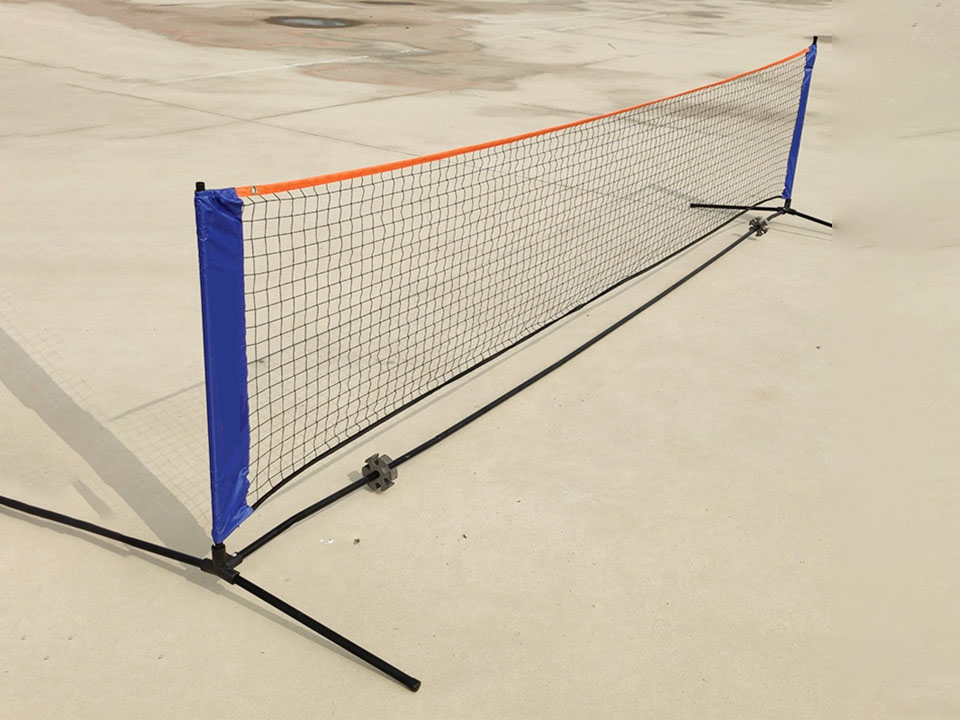
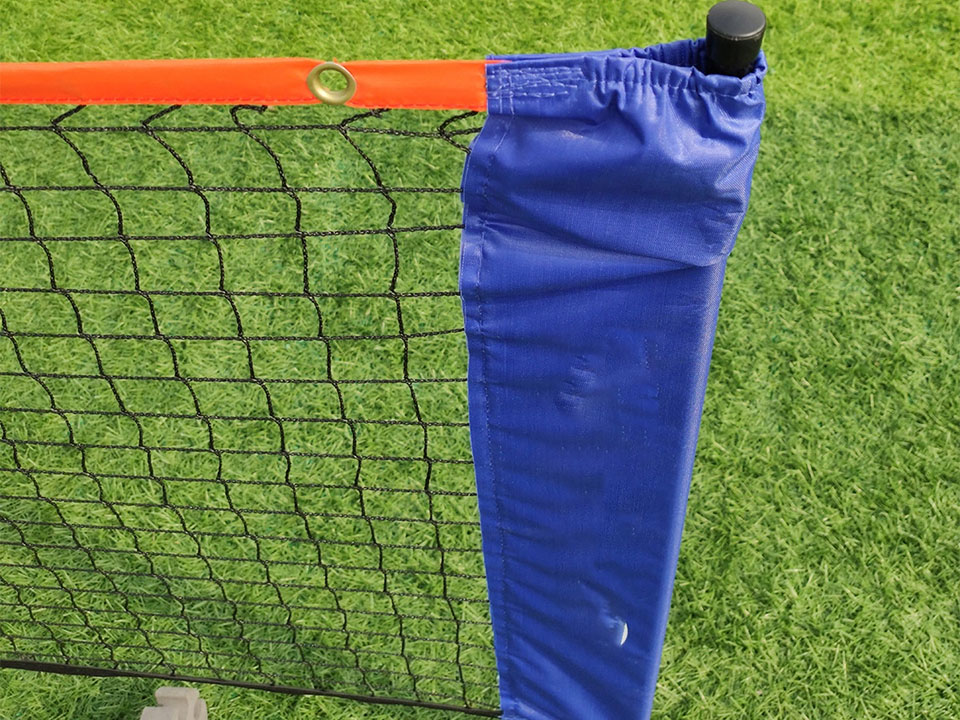
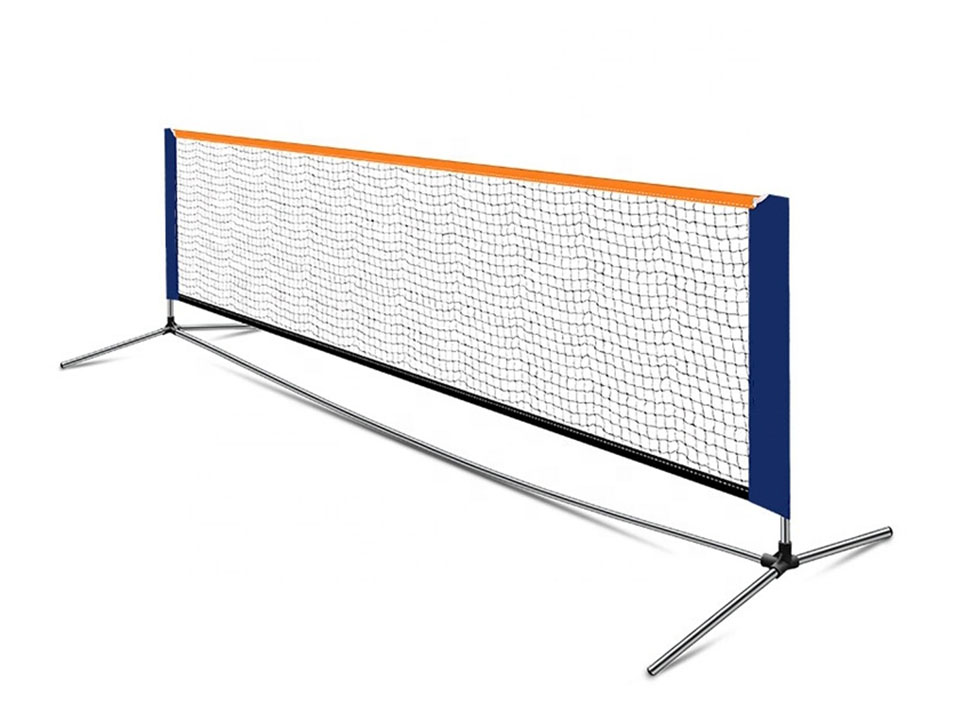
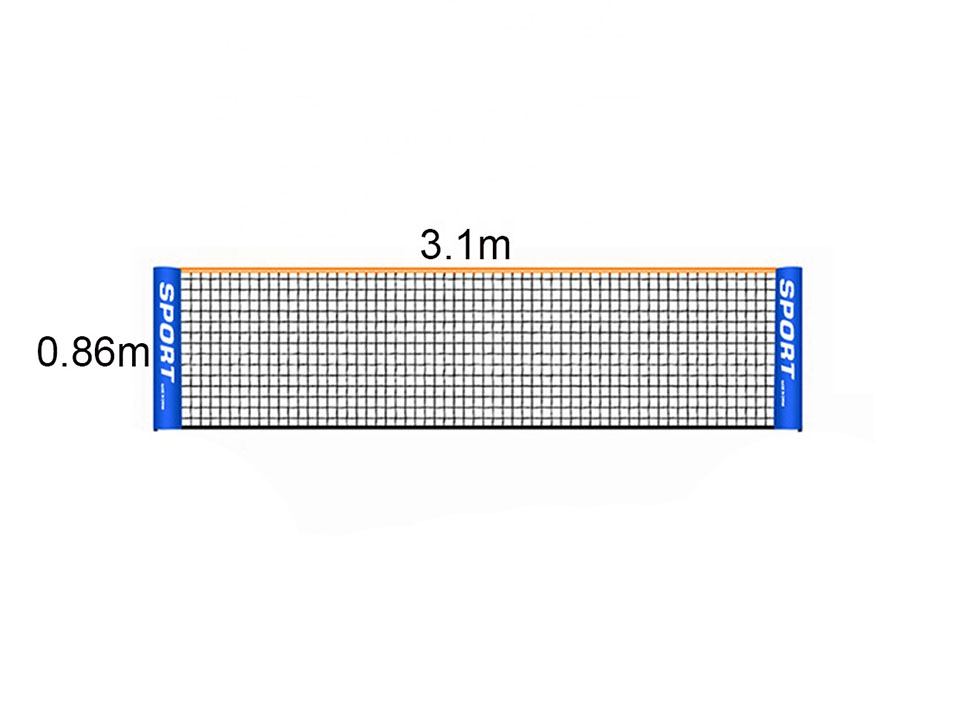
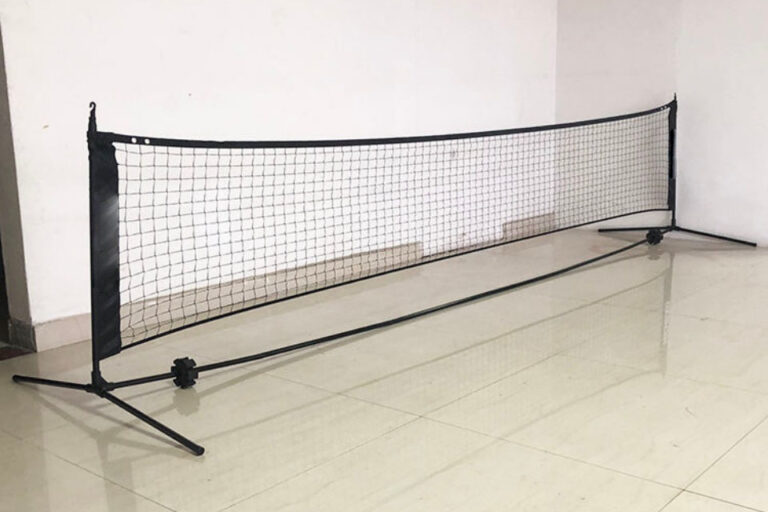
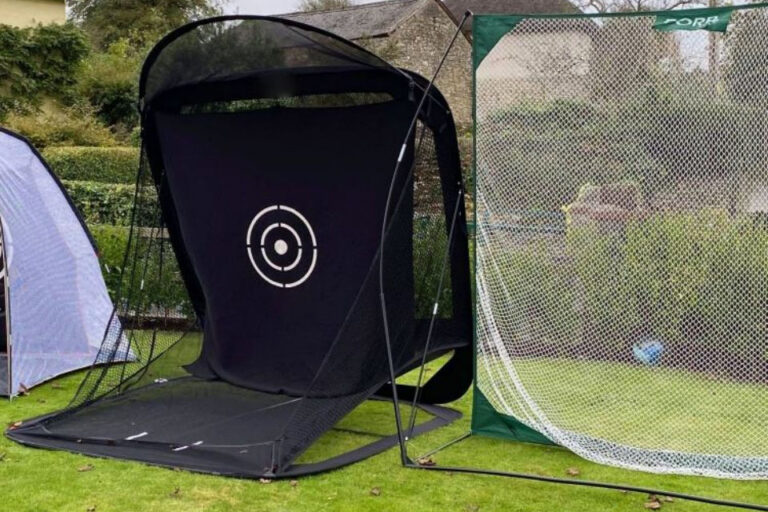
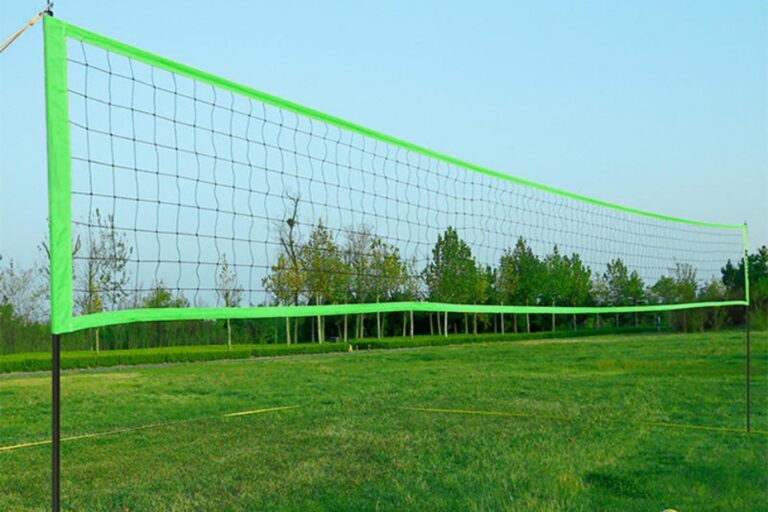
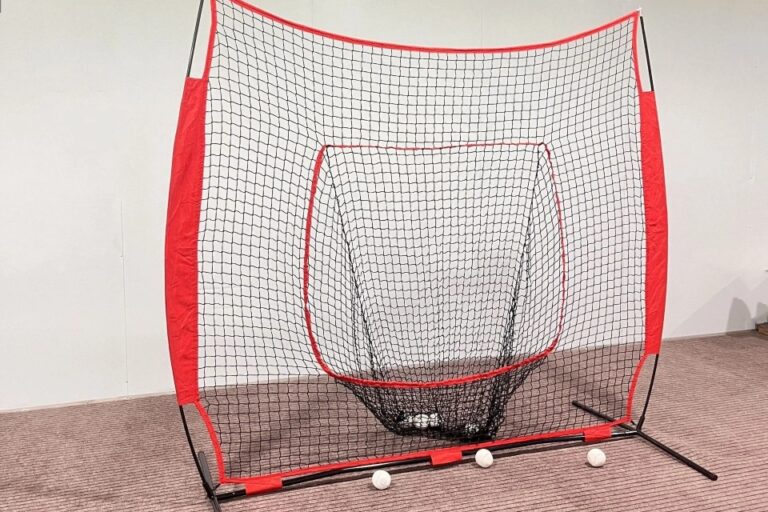
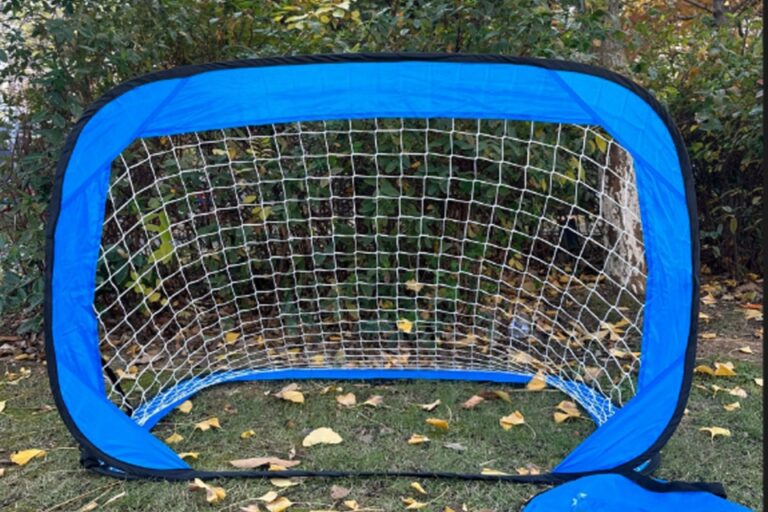
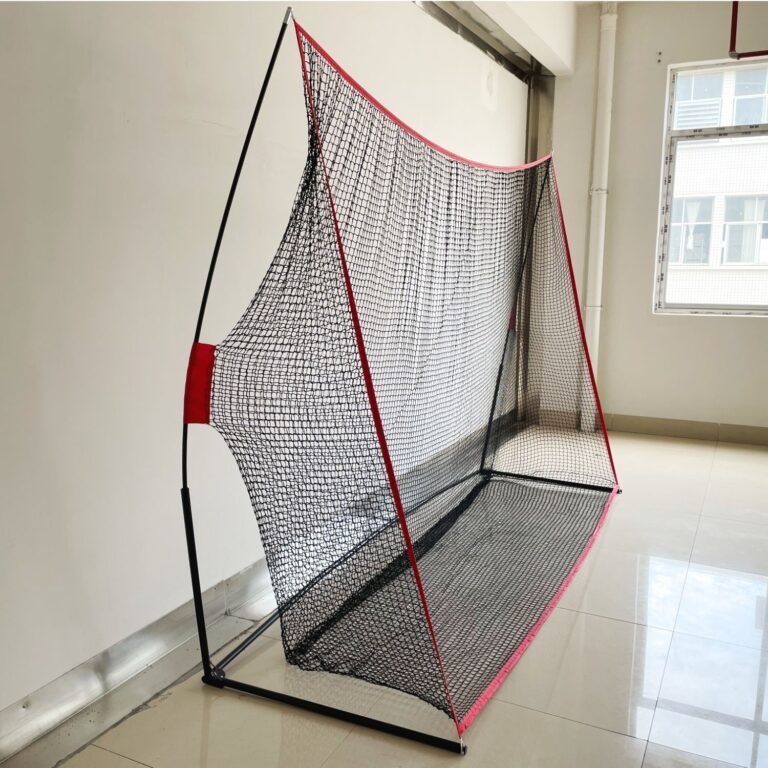
Diga-nos o que pretende desenvolver. A FSPORTS apoia projetos OEM/ODM, de marca própria e de redes desportivas personalizadas, com base no seu produto, desenho, amostra, fotografia ou requisitos de aplicação existentes.
Indique o tipo de produto, as dimensões, a quantidade pretendida, o destino e quaisquer requisitos conhecidos relativos à malha, ao material, à estrutura, aos acessórios, ao logótipo ou à embalagem. Se as suas especificações ainda não estiverem completas, envie-nos o que tiver e poderemos analisar os restantes detalhes antes de emitirmos o orçamento.
Porque é que os programas para jovens precisam de designs de balizas de lacrosse mais seguros
O lacrosse juvenil parece simples no papel. Colocar duas balizas, fazer exercícios e fazer um jogo de treino. Na vida real, as operações de campo tornam-se confusas rapidamente. Os miúdos chegam cedo. Os voluntários fazem malabarismos com cones, pinnies e uma centena de perguntas. Alguém faz rolar uma baliza por um parque de estacionamento para “poupar tempo”. É nessa altura que as pequenas escolhas de design começam a fazer um grande trabalho.
A conceção de balizas de lacrosse mais seguras não tem a ver com tornar o equipamento “sofisticado”. Trata-se de reduzir as formas como um dia de treino normal pode correr mal.
Prevenção de capotamento de balizas de lacrosse
As balizas portáteis são convenientes, mas a conveniência cria uma lacuna de risco. Uma baliza que é fácil de mover é também mais fácil de deslocar, bater ou tombar se não estiver segura.
Balizas de lacrosse portáteis e comportamento das crianças
Não é preciso que as crianças se “portem mal” para que os problemas apareçam. Um guarda-redes encosta-se ao quadro depois de uma jogada. Dois jogadores agarram-se à trave enquanto brincam. Um irmão mais novo pendura-se na rede. Demora segundos.
É por isso que a “prevenção de capotamento” deve estar no topo da lista de verificação do seu equipamento, mesmo ao lado dos capacetes e dos protectores bucais. Se a baliza pode tombar, alguém acabará por testá-la. Não de propósito. Só porque são miúdos.
Bases mais pesadas e geometria estável da estrutura
Um objetivo mais seguro começa com uma estabilidade que se pode sentir no momento em que se toca nele:
Uma base que não patina na relva
Uma estrutura que não balança quando a bola bate com força
Um design que se mantém plantado mesmo quando a equipa de campo está com pressa
Se estiver a redigir um caderno de encargos de aquisição, indique a estabilidade como um requisito não negociável. Isto mantém o seu registo de riscos limpo e o seu pessoal fora do modo de “controlo de danos”.
Sistemas de ancoragem e de contrapeso
A maioria dos programas não falha porque “não se importa”. Falham porque a ancoragem demora tempo, os pivôs não estão por perto ou as instruções estão no e-mail de alguém da temporada passada.
Assim, a melhor configuração torna a ancoragem difícil de saltar.
Âncoras de solo na relva e pesos em superfícies duras
O seu local muda a solução:
Os campos de relva suportam normalmente ancoragens no solo
Os campos duros e os pavimentos interiores necessitam normalmente de pesos ou de contrapesos
Isto parece óbvio, mas é onde muitos incidentes começam. As pessoas utilizam o método errado para a superfície porque é o que têm na bagageira.
Pontos de ancoragem incorporados e kits completos
Se quiser resultados mais seguros, inclua o “secure it” no hardware, não na esperança.
Procurar (ou especificar):
Pontos de ancoragem claros que não requerem improvisação com corda
Compatibilidade com sacos de areia ou sistemas de pesos
Uma rotina simples que o seu pessoal pode repetir sem pensar
Se estiver a adquirir equipamento para vários locais, normalize o método de ancoragem em todos os campos. Os seus treinadores vão agradecer-lhe e a sua equipa de operações vai deixar de brincar à caça ao tesouro.
Remoção de redes e gestão da carga de vento
O vento parece inofensivo até transformar uma rede numa vela. Se alguma vez viu um golo “andar” por um campo durante uma tarde de rajada de vento, já percebeu.
A carga de vento como fator de risco oculto
Aqui está a parte sorrateira: a carga de vento não aparece durante a conversa de segurança. Aparece quando o treino termina, quando todos se vão embora e quando a baliza fica apagada durante a noite.
É por isso que tanto os projectos mais seguros como as rotinas mais inteligentes são importantes.
Remoção rápida da rede e modos de armazenamento inteligentes
Os programas que funcionam sem problemas normalmente fazem uma destas coisas:
Retirar as redes quando as balizas não estiverem a ser utilizadas
Armazenar os objectivos numa área protegida
Utilizar os apoios para que os remates não forcem os golos em locais estranhos
Se necessitar de uma forma limpa de controlar o espaço atrás da prega, a combinação de balizas com um travão de fundo pode reduzir o caos durante as sessões de tiro. Uma opção dedicada como um rede de apoio para lacrosse resistente com uma estrutura de aço estável pode ajudá-lo a manter as bolas dentro dos limites e a manter o exercício em movimento.
Lista de verificação da inspeção do equipamento para o lacrosse juvenil
Muitos dos “problemas de equipamento” são na realidade “problemas de processo”. A solução é aborrecida, mas funciona: uma rotina de inspeção repetível.
Controlo das ferragens e pontos de fixação da rede
A sua visita semanal deve demorar alguns minutos:
Verificar se as juntas e os parafusos estão soltos
Verificar se os pontos de fixação da rede estão desgastados
Verificar se os cabos ou elásticos estão desgastados
Praticar configurações que reduzam o caos arriscado
Muitos dos problemas de “segurança da baliza” acontecem porque os treinos são apertados. Os jogadores enchem a dobra. As bolas fazem ricochete no trânsito. Os treinadores deslocam a baliza para criar espaço.
Adicione ferramentas de formação que mantenham os representantes organizados:
Segue-se uma forma prática de apresentar o caso aos diretores, escolas e compradores. É específico e parece-se com um dossier de compras.
Título do argumento
O que deve fazer
O que previne
Tipo de fonte que pode citar internamente
Prevenção de capotamento para balizas de lacrosse portáteis
Exigir sempre armações estáveis + instalação ancorada
Eventos de dicas durante o comportamento normal das crianças
Rótulos/manuais de segurança do fabricante + registos de incidentes do programa
Sistemas de ancoragem e de contrapeso
Normalizar as âncoras/pesos por tipo de superfície
“Dias ”Esquecemo-nos das âncoras"
SOP das operações no terreno + procedimentos de verificação do equipamento
Remoção de redes e gestão da carga de vento
Retirar as redes ou guardar as balizas de forma segura quando não estão a ser utilizadas
Metas que se deslocam/giram com rajadas de vento
Observações do pessoal do sítio + política de armazenamento sazonal
Lista de verificação da inspeção do equipamento
Controlos semanais dos parafusos, das juntas e do desgaste da rede
Falhas a meio da prática
Registos de manutenção + assinatura da lista de verificação do técnico
Especificações de aquisição de segurança desde a conceção
Comprar objectivos como um sistema (quadro + rede + ancoragem + fluxo de treino)
Comportamento inseguro conduzido pelo caos
Especificações de aquisição + análise da gestão de riscos
Compras a granel, OEM/ODM e consistência do programa
Se é um retalhista, distribuidor ou um operador de comunicações electrónicas que faz o cumprimento, a consistência é a sua margem. Se é um comprador de um distrito escolar, a consistência é a sua conformidade.
É aí que um fornecedor como FSPORTS se encaixa naturalmente. O sítio posiciona-se como “Fabricante de redes desportivas de qualidade superior Top 1 na China,” e concentra-se em redes resistentes aos raios UV e de elevado impacto em tamanhos padrão e por encomenda. Isto corresponde ao que os compradores B2B procuram: qualidade repetível, prazos de entrega limpos e menos surpresas.
Redes de substituição e ferramentas de formação para que os programas não tenham de se “desenrascar” quando o equipamento se desgasta
O OEM/ODM também é importante neste domínio. Quando os seus clientes utilizam vários campos, querem sempre o mesmo estilo de fixação, a mesma especificação de rede e a mesma embalagem. Isto reduz os pedidos de assistência e simplifica as encomendas.
Cenários práticos no terreno com que os programas para jovens lidam todas as semanas
A correria pós-escolar: Os treinadores preparam-se rapidamente, as crianças chegam cedo e o golo sai antes das âncoras. Um design mais seguro torna a ancoragem rápida e óbvia.
Fim de semana de torneio: Os voluntários vão rodando. Alguém novo move a baliza da “maneira mais fácil”. Quadros fortes e procedimentos consistentes reduzem a possibilidade de uma má decisão.
Instalações partilhadas: O futebol, a educação física e o lacrosse tocam todos na mesma área de armazenamento. O equipamento normalizado e um SOP de arrumação claro evitam que as balizas se tornem um perigo perdido.
Se quiser criar um programa mais seguro, não confie em pessoas perfeitas. Construa um sistema que funcione com pessoas reais em campos reais.