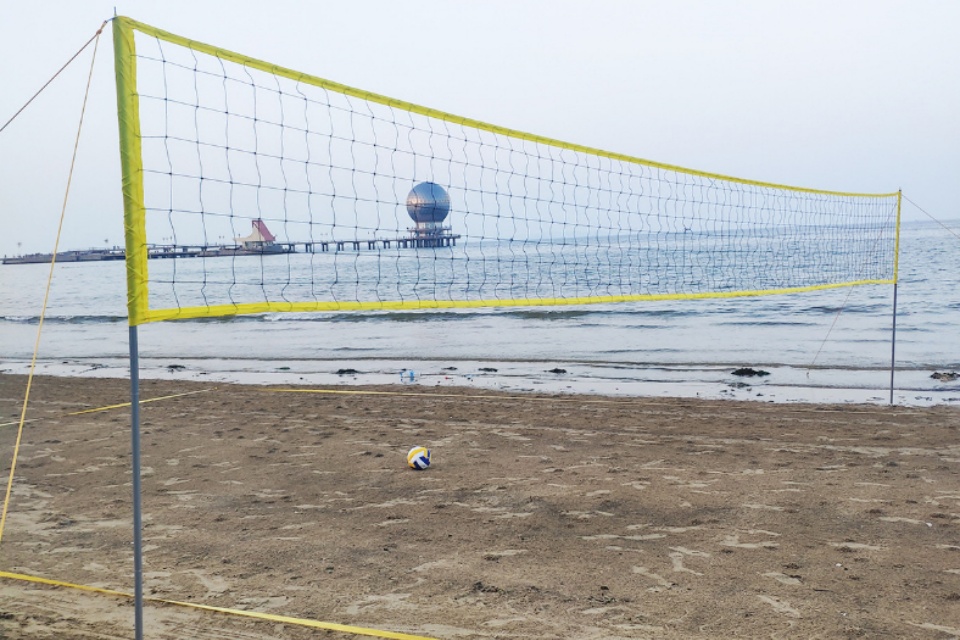
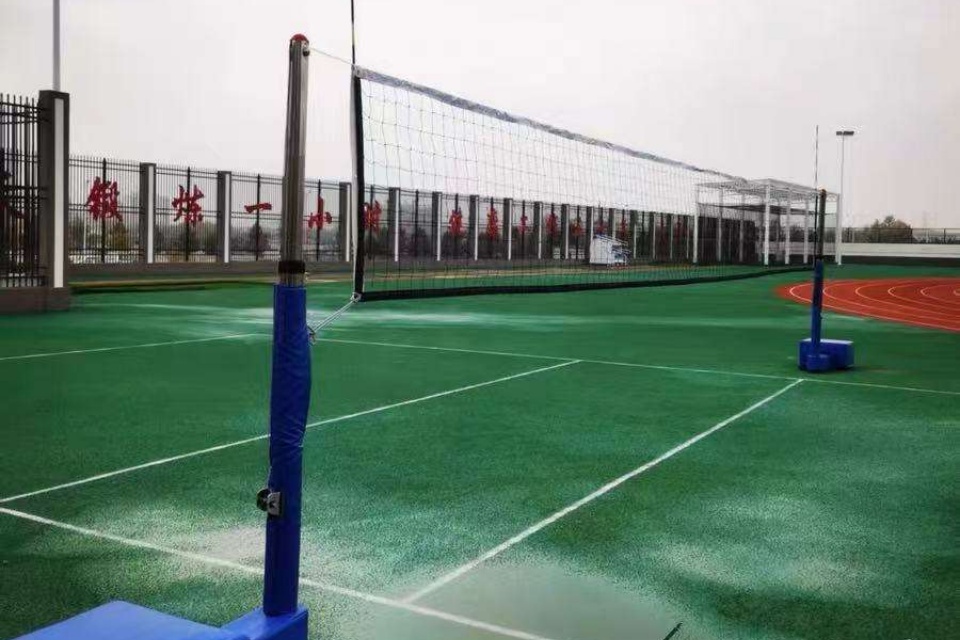
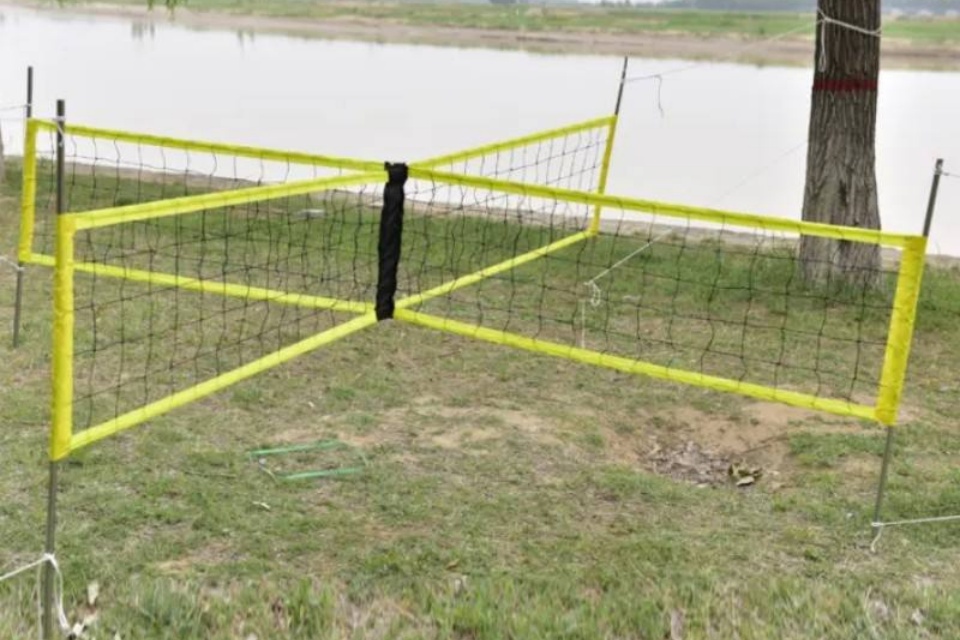
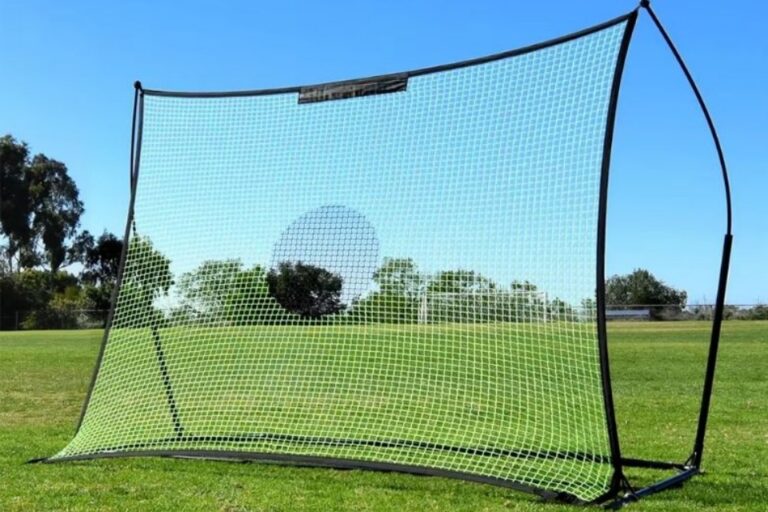
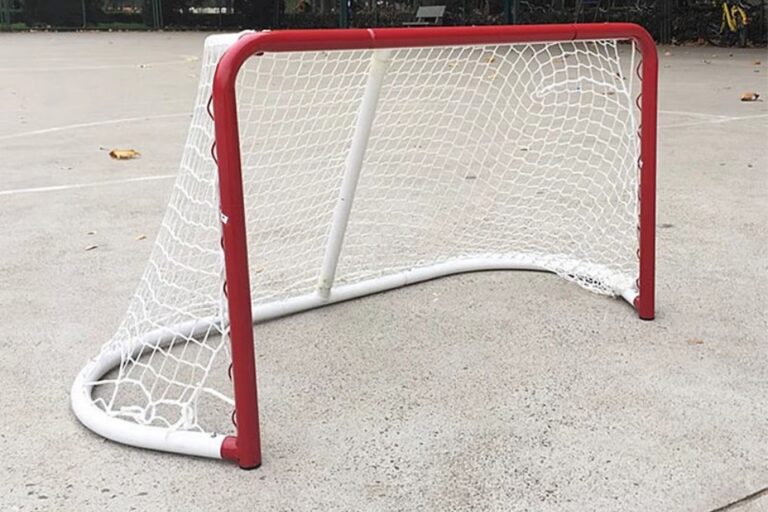
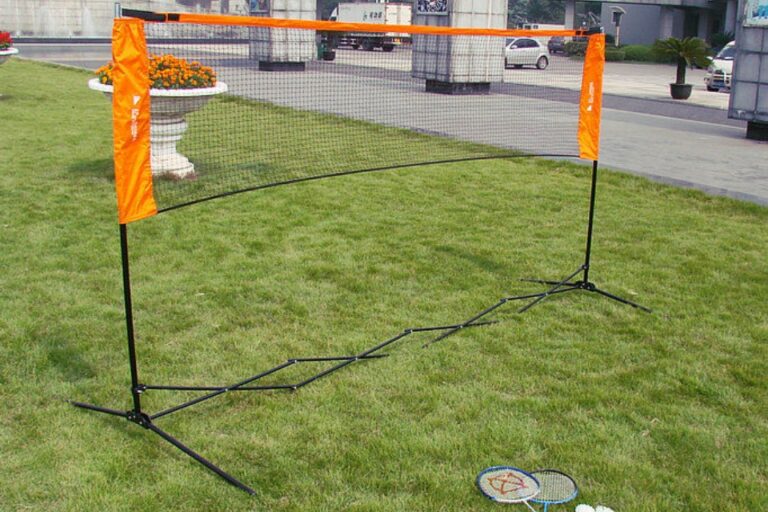
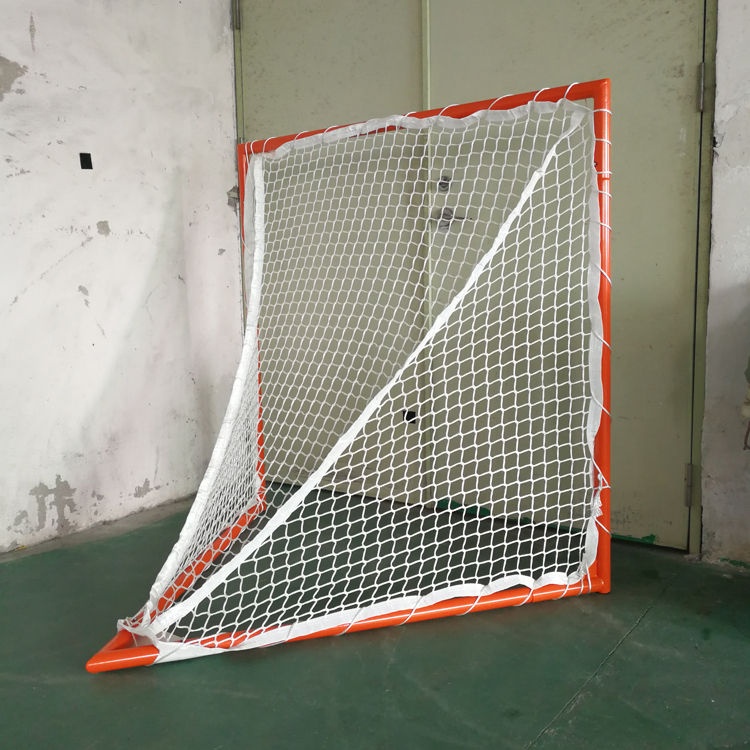
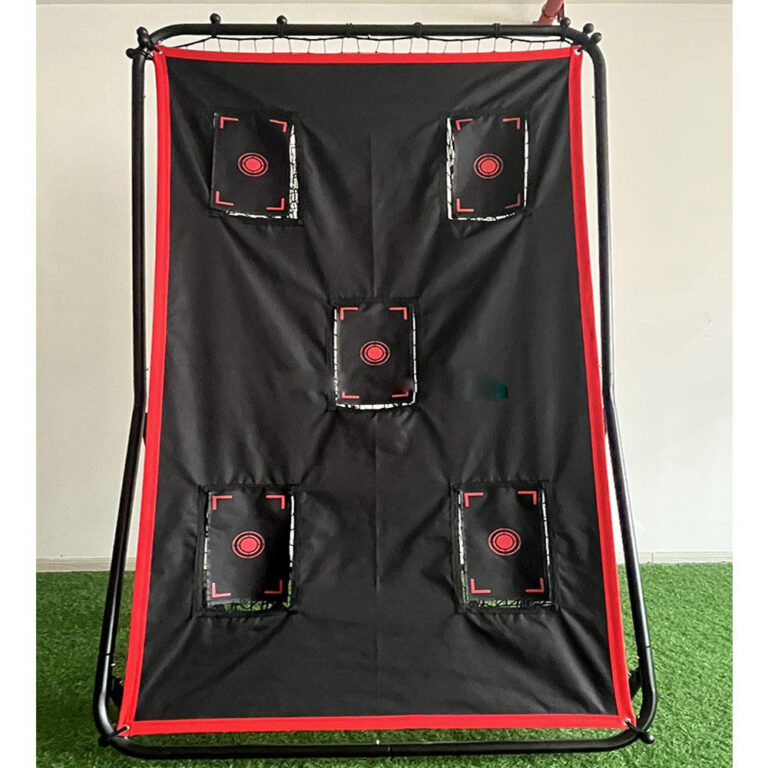
Diga-nos o que pretende desenvolver. A FSPORTS apoia projetos OEM/ODM, de marca própria e de redes desportivas personalizadas, com base no seu produto, desenho, amostra, fotografia ou requisitos de aplicação existentes.
Indique o tipo de produto, as dimensões, a quantidade pretendida, o destino e quaisquer requisitos conhecidos relativos à malha, ao material, à estrutura, aos acessórios, ao logótipo ou à embalagem. Se as suas especificações ainda não estiverem completas, envie-nos o que tiver e poderemos analisar os restantes detalhes antes de emitirmos o orçamento.
I’ve sat through enough factory calls to know the script by heart: glossy PDF, suspiciously clean workshop photos, a rep saying “premium” every nine seconds, and a quote that looks fantastic right up until you ask about twine denier, UV package, mesh aperture, border rope build, tube wall thickness, or whether the frame finish is actual powder coat instead of paint that starts chalking after one wet season. Then the air changes. Fast.
And that’s the tell.
I frankly believe buyers get burned for one reason more than any other—they mistake a smooth sales process for a competent production system, which sounds small until the first container lands late, the knotting is off, the selvage starts loosening, or the net sags because somebody shaved cost out of the rope edge and hoped nobody would clock it before installation. It happens. Constantly.
But price still hypnotizes people.
When a category gets hot, the market fills up with middlemen wearing manufacturer costumes, a few decent factories get buried in the noise, and buyers start comparing quotes that are nowhere near apples-to-apples because one supplier priced nylon 66, another slipped in PE, and a third quietly changed the stitch count without saying a word. Same game. Different costume.
That’s why I don’t trust adjectives. I trust build sheets, QC sheets, and shipping proof.
If I ask whether the net is nylon 6, nylon 66, PE, or HDPE, whether the mesh opening is 19 mm or 45 mm, whether the rope border is wrapped, stitched, heat-sealed, or webbed, and whether the steel bits have any salt-spray history at all, I’m not fishing for conversation. I’m checking whether the supplier actually knows their own kit. If they dodge? I’m done.
Demand spikes make supplier screening harder
And demand spikes make this worse.
According to the Relatório sobre a Situação do Pickleball em 2024, pickleball participation grew 51.8% from 2022 to 2023 and 223.5% in three years, which is exactly the kind of growth curve that attracts serious capacity, copycat product pages, rushed tooling, and a whole lot of suppliers who can talk about “market opportunity” but can’t explain why one portable system racks sideways under repeated teardown cycles. That’s the mess. (sfia.org)
Here’s the ugly truth: the best sports netting suppliers are usually the least theatrical. They don’t lean on fluffy copy. They hand over documents. Real ones. Material specs, inspection checkpoints, carton marks, weld details, yarn details, lead-time logic, replacement-part availability, and the sort of production evidence that can survive a skeptical buyer who’s seen a few blown orders in their time.
Most can’t.
Why compliance and safety matter before price
And buyers hate hearing this, but commercial sports netting should be filtered through liability first, aesthetics second, and price third—because once a product crosses into school, contractor, municipal, or club use, the argument stops being “does it look good” and turns into “who owns the mess when the product fails and somebody starts pulling emails?” That’s procurement reality.
Standards are not optional
The standards piece matters more than people admit. The NCAA approved a rule requiring at least a 3-foot fence or protective netting on the field side of baseball dugouts, with Division I compliance by January 1, 2024 and Divisions II and III by January 1, 2025. For soccer goals, ASTM F2950-14(2021) exists because goal safety isn’t optional decoration; it applies to goals over 40 lb and superseded older soccer-goal specifications. If a supplier doesn’t know that offhand—or at least know where to find it without bluffing—I start mentally moving them into the “no” pile. Immediately. (ncaa.org)
Real-world failures are the real warning sign
Want a nastier example?
In December 2024, the Aviso da Comissão de Segurança dos Produtos de Consumo dos EUA sobre as balizas de futebol portáteis Sport Nets 4×8 laid it out with brutal clarity: exposed metal tip, one reported death tied to a 2023 incident in Washington State, retail pricing as low as $43, and a manufacturer that the CPSC said refused to conduct a recall. That’s not some abstract compliance lecture. That’s what failure looks like once it leaves the catalog and enters the public record. Ugly stuff. (cpsc.gov)
Cheap isn’t cheap after that.
I’ve watched sourcing teams spend weeks grinding a supplier down by cents per unit, only to lose all of it—and then some—on replacements, missed installs, expedited freight, damage control, and those painful internal calls where everyone suddenly talks like they were skeptical from the start. Funny how hindsight gets crowded.
Supply chain paperwork can still sink the order
But there’s another trap, and it’s quieter.
In May 2024, a Federal Register update to the UFLPA Entity List added 26 cotton traders or warehouse facilities after the U.S. government said it had reasonable cause to believe they sourced cotton from Xinjiang. No, sports netting isn’t a cotton basic. Obviously. But the broader message is the same: if your sports barrier netting suppliers can’t show coherent country-of-origin paperwork, upstream material information, and traceable documentation that doesn’t collapse under scrutiny, then you’re not buying reliability. You’re buying risk with a nicer invoice. (public-inspection.federalregister.gov)
How I actually vet sports netting suppliers
So how do I choose sports netting suppliers when the market is noisy and everyone sounds “experienced”?
Step 1: Check whether the supplier is a real maker
First, I try to figure out whether I’m dealing with a real maker, a trading shell, or one of those hybrid setups that handles the clean parts in-house and quietly farms out the messy bits to whoever has open machine time. On its own site, FSPORTS says its serviços de redes desportivas personalizadas are engineered for impact resistance, UV stability, and bulk production, while its visita à fábrica describes 20,800 m² of in-house operations with netting, cutting, sewing, hardware processing, electrostatic spraying, and packing under one roof. That sort of line-of-sight matters because sample quality and mass production quality often split apart right where visibility disappears. I’ve seen that movie. Too many times. (fsportsnet.com)
Step 2: Look for numbers, not slogans
Then I go hunting for specifics.
On its Página «Sobre nós», FSPORTS states that it was registered in 2005, operates a 20,800 sqm integrated factory, has 200+ skilled workers, has served 5,000+ B2B clients, exports about $10 million annually, and runs under ISO 9001, ISO 14001, and amfori BSCI audit frameworks. Good. That’s the right kind of detail. Numbers can be checked. Empty slogans can’t. And frankly, I trust boring specifics more than pretty branding every single time. (fsportsnet.com)
Step 3: Test category depth
Yet even that isn’t enough by itself.
A supplier can be large and still be sloppy. Big factory, weak floor control. Nice certifications, messy handoffs. Decent sample, ropey repeat orders. It happens. So I look at category depth next, because this is where weak operators usually out themselves without realizing it.
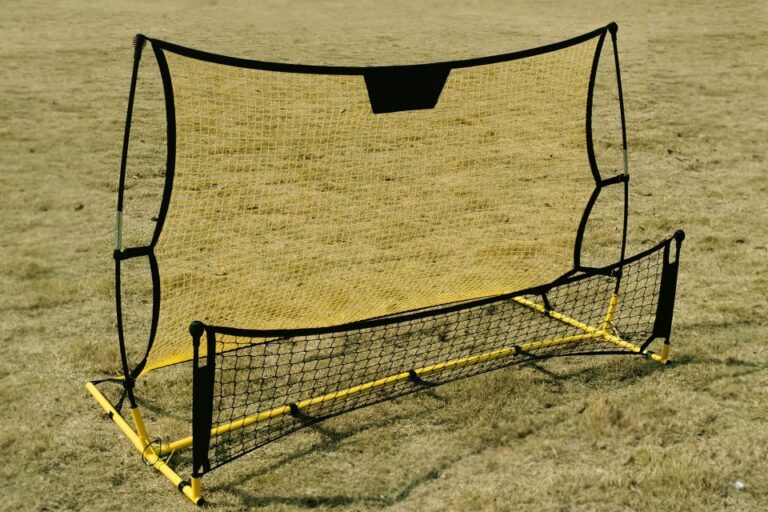
A real manufacturer usually knows the failure modes by sport. They know golf barrier netting takes different punishment than a baseball backstop. They know rebounder hinges are common headache points. They know a portable pickleball system can look fine in the carton and still rack sideways if the base geometry is wrong. They know why knot consistency, border finish, panel joining, and hardware plating all become expensive conversations later. If I were building a shortlist, I’d inspect their sistemas de redes de golfe for impact-heavy and UV-heavy applications, and their sistemas de redes de pickleball for regulation sizing, frame stability, replacement logic, and whether the product line looks engineered rather than stitched together from whatever was easiest to source that quarter. That distinction matters more than most buyers think. (fsportsnet.com)
Step 4: Ask for proof on the first call
From my experience, the first call tells you nearly everything.
I ask for three things. Always. Show me the spec sheet. Show me the QC checklist. Show me a recent shipment from the same product family. Not a hero sample. Not an unrelated best-seller. Not a one-off custom project built when the stars aligned. The same family. If they stall on even one of those, I start assuming the other two are weak too.
Supplier comparison checklist
Here’s the comparison grid I’d actually use.
Ponto de controlo
What I want to see
Bandeira vermelha
Por que isso é importante
Material spec
Twine material, mesh opening, border rope, UV treatment, hardware finish, weight per unit
“Heavy-duty” with no numbers
You cannot compare quotes without a real build spec
Safety literacy
Sport-specific standard knowledge, installation guidance, use-case limits
Supplier has no idea what standard applies
Liability usually starts with ignorance
Factory control
In-house process map, live video walk-through, sample-to-bulk consistency
Stock photos, no line visibility, no process owner
Hidden subcontracting is where surprises breed
QC system
Incoming inspection, in-process checks, final inspection, defect thresholds
Incoterms, realistic lead times, backup material plan, port strategy
“Fast delivery” with no shipment history
Seasons do not wait for your supplier’s excuses
After-sales
Spare parts, replacement nets, warranty logic, response times
Silence after deposit
Reliability starts before shipment and ends after installation
My blunt take on reliable suppliers
And here’s my bias, plain and simple.
I’d rather buy from a supplier who says, “No, that spec won’t hold up in your use case,” than from one who says yes to everything, underquotes the build, downgrades the yarn, stretches the tolerance, and hopes nobody on the buyer side knows enough to catch the difference before the bill of lading is already moving. That second type is everywhere. Absolute plague.
Watch how they sell
Also, watch how they sell.
A vendor that nudges you toward a visita à fábrica and technical discussion is usually safer than one that jumps straight to “special discount” before asking where the net will be installed, what ball velocity it’s taking, whether it’s school use or backyard use, how often it’ll be assembled and torn down, or whether wind load is part of the equation. Golf cages, baseball backstops, soccer goals, and pickleball systems don’t fail the same way. Anyone treating them like one generic bucket probably hasn’t spent much time on the floor. (fsportsnet.com)
FAQs
What makes a sports netting supplier reliable?
A reliable sports netting supplier is a manufacturer or distributor that can verify material specifications, quality-control procedures, compliance readiness, delivery history, and after-sales support with real documents, production evidence, and product-family references before a buyer commits budget, timeline, or installation planning. That proof matters more than branding, design polish, or aggressive discounting.
After that, it’s mostly common sense. If they can’t prove what the product is, how it’s made, and what happens when it fails, they’re not reliable. They’re just eager.
How do I choose between sports netting manufacturers?
The right way to choose sports netting manufacturers is to compare documented build quality, sport-specific safety knowledge, production control, and shipment proof for the exact category you need, rather than comparing generic catalogs, polished websites, or teaser pricing that often hides downgraded materials and unstable delivery performance. That’s the real filter.
I’d compare like-for-like specs, then pressure-test the details. Ask about yarn, aperture, frame gauge, coatings, spare parts, and repeat-order consistency. That’s where the fluff usually breaks down.
What should I ask sports barrier netting suppliers before ordering?
The first questions for sports barrier netting suppliers should define impact type, intended sport, mesh size, twine material, UV exposure, border construction, mounting method, hardware choice, installation environment, compliance expectations, and replacement cycle, because barrier netting that works for one application or climate may fail quickly in another. The quote should reflect every one of those variables.
Then ask for proof. Spec sheet. QC checklist. Recent shipment example. Same family, not “similar.” If they can’t produce that cleanly, I wouldn’t get cute and hope for the best.
Is the cheapest commercial sports netting offer usually the worst option?
The cheapest commercial sports netting quote is often the highest-risk decision when it conceals lighter yarn, thinner tubing, weaker finishes, poor packaging, inconsistent dimensions, limited spare-part support, unclear origin paperwork, or delivery assumptions that fall apart once production pressure hits and the order queue starts backing up. Low price can work—but only when the spec is honest.
I’m not anti-cheap. I’m anti-fake cheap. There’s a difference, and seasoned buyers usually feel it before they can fully prove it on paper.
Conclusão
If you’re auditing suppliers right now, do it in the right order: review the company claims on the Página «Sobre nós», inspecionar o visita à fábrica, challenge the engineering depth on the página de serviços, and then ask for a quote through the página de contacto with your exact dimensions, mesh spec, intended sport, load conditions, and compliance requirements already written down. That’s how you identify reliable sports netting suppliers before the problems become yours.