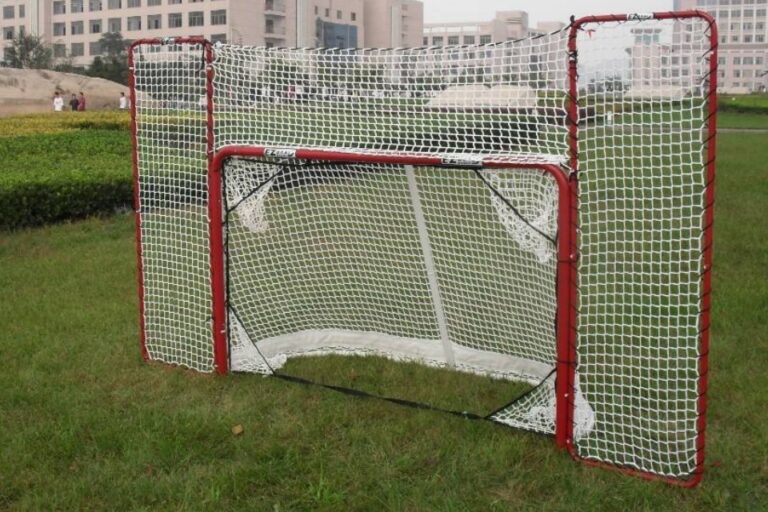
Diga-nos o que pretende desenvolver. A FSPORTS apoia projetos OEM/ODM, de marca própria e de redes desportivas personalizadas, com base no seu produto, desenho, amostra, fotografia ou requisitos de aplicação existentes.
Indique o tipo de produto, as dimensões, a quantidade pretendida, o destino e quaisquer requisitos conhecidos relativos à malha, ao material, à estrutura, aos acessórios, ao logótipo ou à embalagem. Se as suas especificações ainda não estiverem completas, envie-nos o que tiver e poderemos analisar os restantes detalhes antes de emitirmos o orçamento.
Compreender a espessura do fio e o seu impacto na durabilidade das redes
Por que razão a espessura do fio é ignorada
Já vi compradores a fazerem esta dança estranha em torno das especificações da rede.
Vão perguntar sobre o aço da estrutura. Vão perguntar se o saco de transporte tem fecho de correr. Vão perguntar se a gaiola de golfe “parece profissional” nas fotos. Depois, vão passar direitinho por cima de espessura do fio, que é a parte que, discretamente, decide se a rede resiste ao uso real ou se transforma num esparguete preto e mole a meio da época.
Mau hábito.
Eis a verdade nua e crua: as falhas nas redes, normalmente, não são dramáticas no início. Começam por um desbotamento. Depois, um aspecto esbatido. Segue-se um fio partido perto de um nó ou de um ponto de borda. Depois, todo o painel de malha começa a distribuir mal a carga e, de repente, alguém se refere a ela como uma “rede defeituosa”, quando, na realidade, a especificação já era de baixa qualidade desde o início.
Sinceramente, acredito que a espessura do fio é uma das especificações menos discutidas no que diz respeito às redes desportivas. Não porque seja algo misterioso. Não é. Mas porque obriga a uma conversa incómoda sobre custos, ciclo de utilização, exposição aos raios UV e se o comprador compreende realmente o que a rede deve impedir.
A durabilidade das redes é um sistema, não uma especificação isolada
Uma rede de pickleball no quintal e uma gaiola de treino de golfe não têm a mesma vida útil. É óbvio.
Mas as pessoas continuam a compará-los como sempre fizeram.
Uma rede não é apenas uma malha. É o polímero, o número de filamentos, o comportamento dos nós, o diâmetro dos fios, a corda de borda, a fita, o laço, os pontos de atrito com a estrutura, o estabilizador UV e — esta parte é constantemente ignorada — o uso indevido que ocorre após a compra. Crianças a trepar às balizas de futebol. Bolas de basebol a baterem 900 vezes no mesmo ponto. Bolas de golfe a martelarem o painel central como pequenas balas brancas. O vento a chicotear uma barreira ao ar livre até os cantos começarem a rasgar-se.
É aí que resistência da rede a coisa fica séria.
Condições meteorológicas, desgaste do plástico e a nova pressão em termos de durabilidade
De acordo com Resumo dos desastres de 2024 da NOAA, os Estados Unidos registaram 27 catástrofes meteorológicas e climáticas distintas que causaram prejuízos na ordem dos mil milhões de dólares em 2024. Esse número não é apenas uma estatística climática abstrata destinada a gestores de instalações e compradores de equipamento desportivo. Significa que as redes ao ar livre estão a ser submetidas a calor mais intenso, tempestades mais fortes, ciclos de radiação UV mais prolongados e cargas de vento mais violentas do que aquelas para as quais foram concebidos muitos dos antigos produtos descritos como “resistentes às intempéries”.
O tempo não perdoa atalhos.
E depois há o problema da persistência. Um estudo publicado em 2023 na revista «Marine Policy» sobre redes de pesca abandonadas no Mar de Salish, nos EUA, referiu a remoção de 5 638 redes ou pedaços de redes abandonados, abrangendo 11,6 km², com 126 308 impactos documentados em espécies individuais transversalmente 119 espécies, conforme detalhado no Estudo de caso sobre redes abandonadas no Mar de Salish. É um mercado diferente, claro. O equipamento de pesca não é uma rede de treino de futebol. Mas a lição mantém-se: as redes sintéticas podem continuar a exercer um impacto mecânico — e a causar danos — muito tempo depois de as pessoas deixarem de lhes prestar atenção.
Fica por aí.
As entidades reguladoras também estão a constatar o desgaste e a fragmentação do plástico. Em outubro de 2023, a Comissão Europeia confirmou Regulamento (UE) n.º 2023/2055, que restringe as micropartículas de polímeros sintéticos adicionadas intencionalmente; a norma inclui prazos para produtos como o enchimento granular utilizado em superfícies desportivas sintéticas, tal como descrito no Restrição da Comissão Europeia relativa aos microplásticos. Não, isso não significa que todas as redes desportivas passem subitamente a ser regulamentadas da mesma forma. Mas se vende ou compra equipamento desportivo à base de polímeros e continua a agir como se as alegações relativas à desintegração, ao rachar e ao ciclo de vida não tivessem importância, está a ficar para trás.
O que a espessura do fio realmente determina
Agora, voltemos à própria linha.
Espessura do fio para redes é, basicamente, a margem de segurança. Maior massa dos fios significa mais material disponível para absorver a abrasão, o impacto, os danos causados pela luz solar, a fadiga por flexão e o desgaste superficial antes que a rede ceda. Esta é a versão simplificada. A versão mais complexa é que um fio mais grosso também pode tornar a rede mais pesada, mais rígida, mais cara, mais difícil de arrumar, mais lenta a secar e mais incómoda com o vento.
Portanto, não, ser mais gordo não significa automaticamente ser mais inteligente.
Mas e o fio fino? É no fio fino que se esconde grande parte da falsa economia.
A realidade da durabilidade por modalidade desportiva
Rede de basebol
Para um rede de treino de basebol para uso intensivo, Eu teria em conta a espessura do fio, sim, mas também analisaria com atenção a costura do perímetro e os pontos de contacto onde a rede encosta à estrutura. As bolas de basebol não distribuem o impacto de forma suave. Batem nas zonas mais expostas, nos cantos e em pontos repetidos. É aí que as redes mais baratas começam a revelar as suas falhas.
Redes de impacto para golfe
O golfe é pior. Estou a falar a sério.
A rede de gaiola de golfe profissional tem de lidar com impactos pequenos, rápidos e intensos numa zona de impacto concentrada. Uma bola de futebol macia e uma bola de golfe não colocam a mesma questão à rede. A bola de golfe pergunta: “Quantas vezes posso castigar este exato pé quadrado antes de ele se desgastar?”
Essa é a pergunta que os compradores também devem fazer.
Pickleball e redes portáteis para campos
Mas, se não fosse por um sistema portátil de redes de pickleball, raw twine thickness isn’t the whole story. I’d look at top tape, sag control, steel frame design, center support, rolling base stability, and whether the net actually holds regulation height after a few sessions. Too much twine mass can make a portable court net feel clumsy. Heavy for no reason. Overbuilt in the wrong place.
See the problem?
Why “Heavy Duty” Is Not Enough
The industry loves vague words. “Premium.” “Commercial grade.” “Weatherproof.” “Heavy duty.” I hate those words when they float around without numbers. Give me polymer type. Give me mesh size. Give me twine diameter or gauge. Give me UV treatment. Give me knotless versus knotted. Give me edge binding and lacing details. Otherwise it’s just brochure smoke.
From my experience, most failures show up at four places: the impact pocket, the border seam, the frame rub point, and the bottom edge where the net drags across abrasive ground. Rarely does the whole net politely age at the same pace. One ugly stress point usually rats out the entire design.
That’s why a heavy-duty outdoor net shouldn’t be judged like a sheet of fabric. It’s a system. Twine, border, anchor, frame, clips, bungees, UV exposure, wind angle—the whole rig.
And yes, this is where cheap buyers get annoyed.
Because the answer costs money.
The Real Pros and Tradeoffs of Thicker Twine
Thicker netting twine usually helps with abrasion resistance because there’s simply more material to grind through. It helps with impact because the strand has more fiber mass to distribute load. It helps with UV aging because surface damage takes longer to eat through the full cross-section. It helps with fatigue because a heavier strand generally tolerates repeated tension cycles better.
Normalmente.
The caveat matters. A thick strand made from poor polymer, badly stabilized for UV, tied into lousy knots, or stretched across a sharp metal weld can still die early. I’ve seen chunky-looking nets fail faster than lighter ones because the border construction was trash. Big twine, bad build. That’s a thing.
Twine Thickness Comparison by Use Case
Here’s how I’d read the spec sheet if I were spending my own money.
Caso de utilização
Typical Failure Pressure
Recommended Twine Direction
What I Watch First
Buying Bias
Golf impact cage
High-speed concentrated ball strike
Thicker PE or nylon impact zone, reinforced panel
Center target wear, knot slippage, UV brittleness
Overbuild the impact area
Gaiola de treino de beisebol
Repeated ball impact and abrasion
Medium-to-heavy twine with strong border rope
Frame contact points, bottom drag, seams
Prioritize abrasion reserve
Soccer goal
Weather, pulling, climbing, ball impact
Medium twine with UV-stable outdoor material
Top corners, bottom corners, net clips
Balance weight and weather resistance
Golo de lacrosse
Hard shot impact, sharp contact points
Heavy-duty netting twine size
Corners, pipe contact, rebound wear
Buy heavier than soccer
Pickleball / tennis
Tension, portability, weather
Moderate twine, strong tape and frame
Center strap, top band, sag
Do not over-thicken
Outdoor barrier net
UV, wind, debris, long exposure
UV-stabilized thicker PE/HDPE
Brittle strands, edge binding, anchor points
Prioritize weathering and anchoring
Where Sports Nets Actually Fail
Notice what’s missing from the table? Brand romance.
Nobody wants to admit it, but a lot of sports netting is bought emotionally. The photo looks dense. The frame looks tough. The listing says “pro.” The buyer feels safe. Then the first season happens.
Lacrosse Goal Nets
For lacrosse, I’d almost always lean heavier than a casual buyer expects. A rede de substituição para baliza de lacrosse needs to handle hard shots, pipe contact, and repeated corner stress. Lacrosse balls are rude. They don’t care about your procurement budget.
Soccer Goal Nets
Soccer is a little different. A weatherproof soccer goal net frame needs a sensible twine spec, but the net also has to survive clips, hooks, corner tension, and outdoor exposure. I’d rather see a well-stabilized medium twine with strong perimeter construction than a thick net lazily attached to a cheap frame.
That sentence will annoy some people. Good.
Because overbuilding one component while ignoring the rest is amateur hour.
Material Choice Still Matters
Material choice is where the jargon starts, and honestly, the jargon matters. Nylon has nice shock absorption and elasticity. It can take impact well. Polyethylene—especially HDPE—is common in outdoor netting because it can handle moisture better and, when UV-stabilized properly, survive outside use without turning brittle too fast. Polypropylene is light and cheap, but in harsh UV? I get suspicious unless the formulation is clearly built for it.
“PE net” doesn’t mean much by itself. Neither does “nylon net.” Ask about denier, ply, coating, UV package, knot style, and border rope. Ask whether the center panel is replaceable. Ask what fails first in warranty claims. That last one makes salespeople shift in their chair.
Good.
Rebounders and Multi-Sport Nets Need a Different Lens
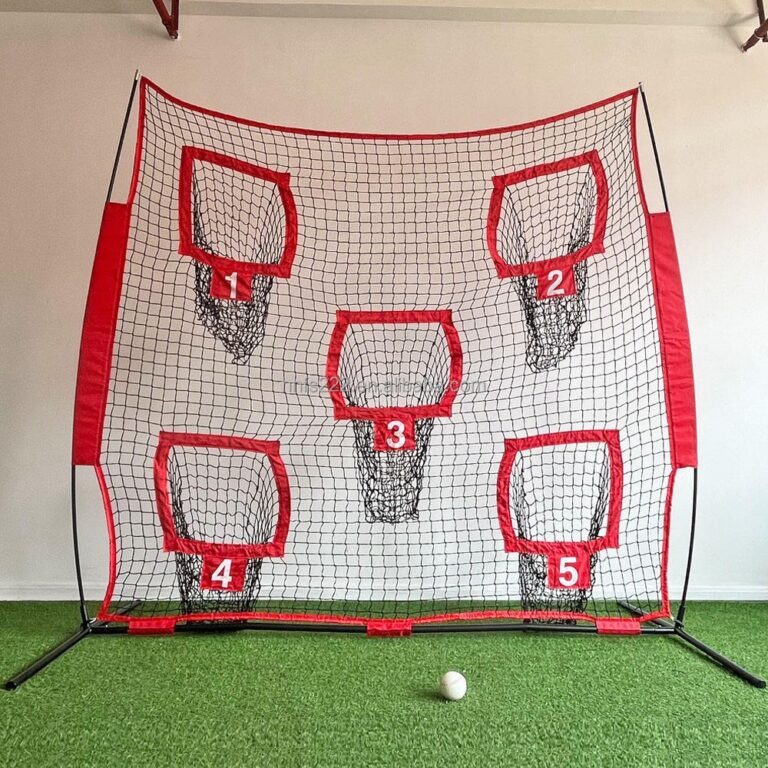
Para um rede de ressalto multi-alvo, I’d also ask about rebound feel. Too much strand mass can deaden response. Too little, and you get early bagging, distortion, and target-zone wear. Rebounders aren’t passive barriers; they’re working surfaces.
That distinction matters.
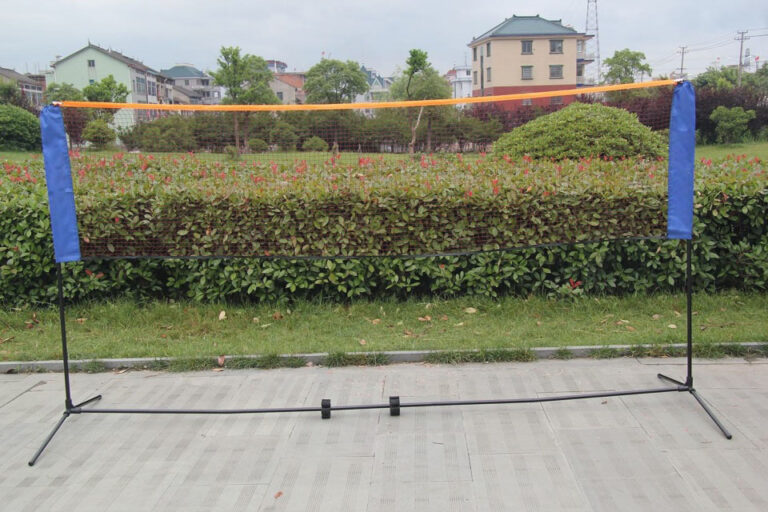
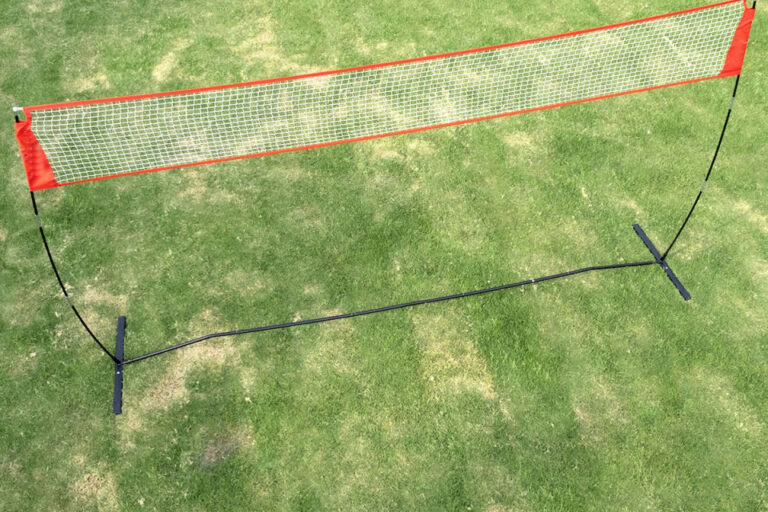
A portable badminton or multi-sport net doesn’t need marine-grade muscle unless the use case is unusually rough. It needs sane tension, a stable frame, decent tape, and a net that doesn’t sag like wet laundry. This is where some buyers overcorrect after one bad thin-net experience and buy something too bulky for the sport.
Wrong lesson.
The right lesson is matching twine thickness to load.
How I’d Choose Twine Thickness in Practice
For high-impact sports, I’d upgrade twine before I paid for cosmetic extras. For portable court nets, I’d avoid needless weight. For outdoor barrier nets, I’d care as much about UV stabilization and anchors as strand diameter. For replacement nets, I’d inspect the frame first—because a rough pipe or sharp clip will eat any twine eventually.
And I’d calculate replacement frequency. Always.
A thin net that costs 30% less but lasts one season isn’t cheaper if a heavier net runs two or three seasons. Add shipping. Add downtime. Add the coach complaining. Add the parent who says the facility equipment looks beaten up. Add the labor of re-lacing the thing. Suddenly that “budget win” looks pretty stupid.
Já vi este filme.
The cheap-net economy depends on buyers not doing lifecycle math. It depends on people comparing purchase price, not cost per season. For a home user, maybe that’s acceptable. For a school, club, academy, municipal field, training center, or commercial facility? No. That’s just slow-motion replacement debt.
Então, how twine thickness affects net durability comes down to this: thicker twine gives the net more physical reserve against impact, abrasion, UV aging, and fatigue—but only if the material, mesh geometry, edge finish, and installation don’t sabotage it.
Not glamorous. Useful.
FAQs
What is twine thickness in netting?
Twine thickness is the size or mass of the strand used to make a net, and it influences how much material the net has available to resist impact, abrasion, sunlight damage, and repeated tension before failure begins. In sports netting, it may be described by diameter, gauge, ply, denier, or product-specific twine size.
The annoying part? Different suppliers describe it differently, so don’t compare vague “heavy-duty” claims without real specs.
How does twine thickness affect net durability?
Twine thickness affects net durability by increasing the strand’s physical cross-section, giving the mesh more reserve against ball impact, surface abrasion, UV exposure, knot stress, and repeated flexing before the strand weakens or snaps. The benefit is strongest in golf cages, baseball nets, lacrosse goals, hockey goals, and outdoor barrier systems.
But don’t worship thickness. A thick twine with poor UV stabilization or lousy edge binding can still fail early.
What is the best twine thickness for durable netting?
The best twine thickness for durable netting is the strand size that matches the sport’s impact force, expected use frequency, outdoor exposure, frame design, and replacement cycle without adding unnecessary weight, stiffness, wind load, or cost. Heavy-impact sports usually need thicker twine, while portable court nets often need balanced construction.
In plain English: buy enough strand for the abuse, not enough to impress yourself.
Is thicker twine always better for sports nets?
Thicker twine is not always better for sports nets because extra strand mass can increase weight, reduce portability, affect rebound feel, catch more wind, dry more slowly, and overload weak frames or cheap attachment points. Durability depends on twine thickness plus polymer quality, UV treatment, mesh size, borders, and installation.
I’d rather buy a correctly built medium-twine net than a thick, sloppy one. Every time.
Which sports need heavier netting twine size?
Sports that need heavier netting twine size usually include golf, baseball, softball, lacrosse, hockey, and long-term outdoor barrier use because these nets face concentrated impact, repeated abrasion, weather exposure, and high tension. Badminton, pickleball, recreational tennis, and light multi-sport nets often need smarter frame and tape design more than oversized twine.
Context decides. Backyard weekend use and commercial facility abuse are not the same animal.
Conselhos finais para a compra
Ready to stop guessing from product photos? Compare the full range of sports netting and training equipment, look through the factory background, ou contact Fsports with your sport, use frequency, outdoor exposure, and target net size. The right twine thickness shouldn’t be picked by vibes. It should be matched to the job.