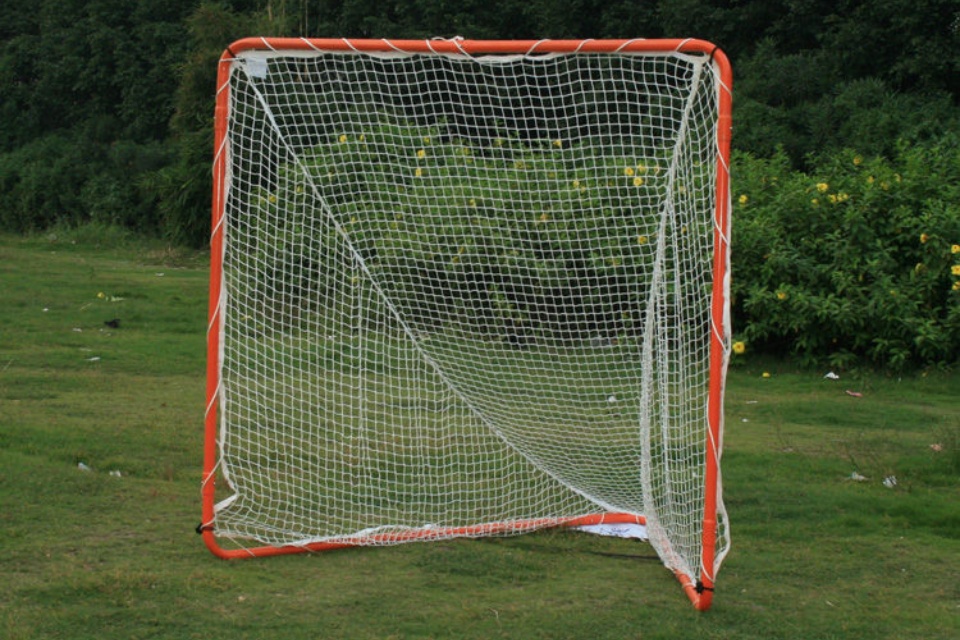
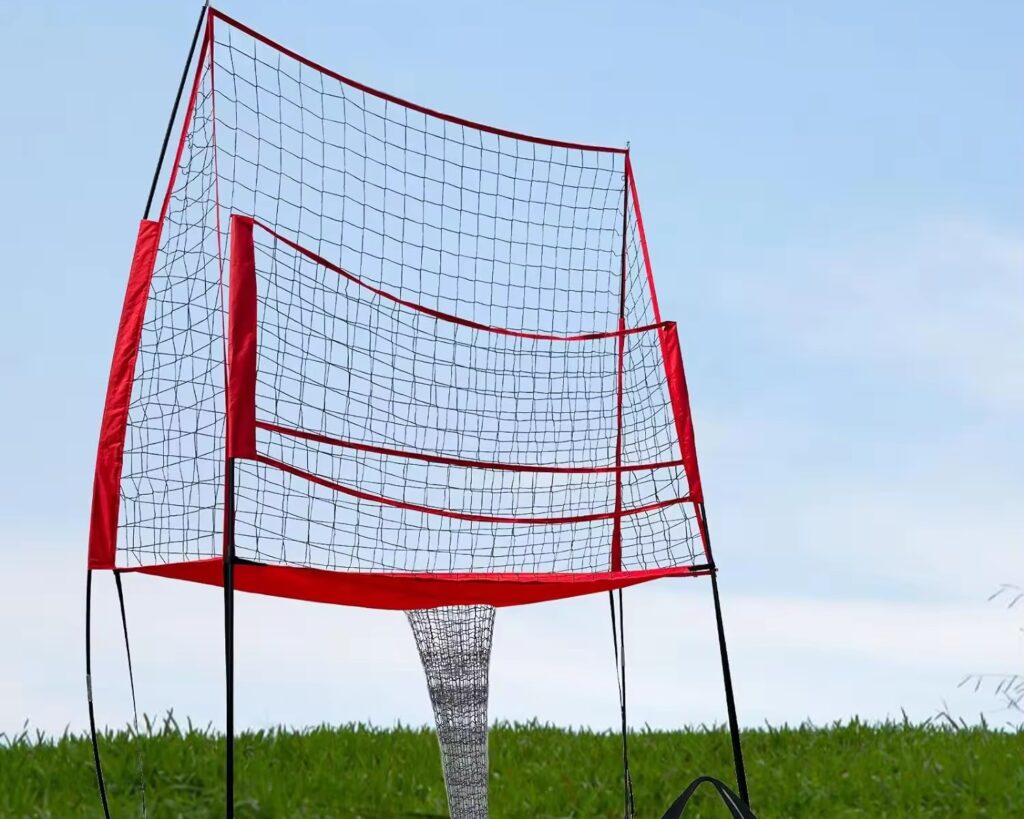
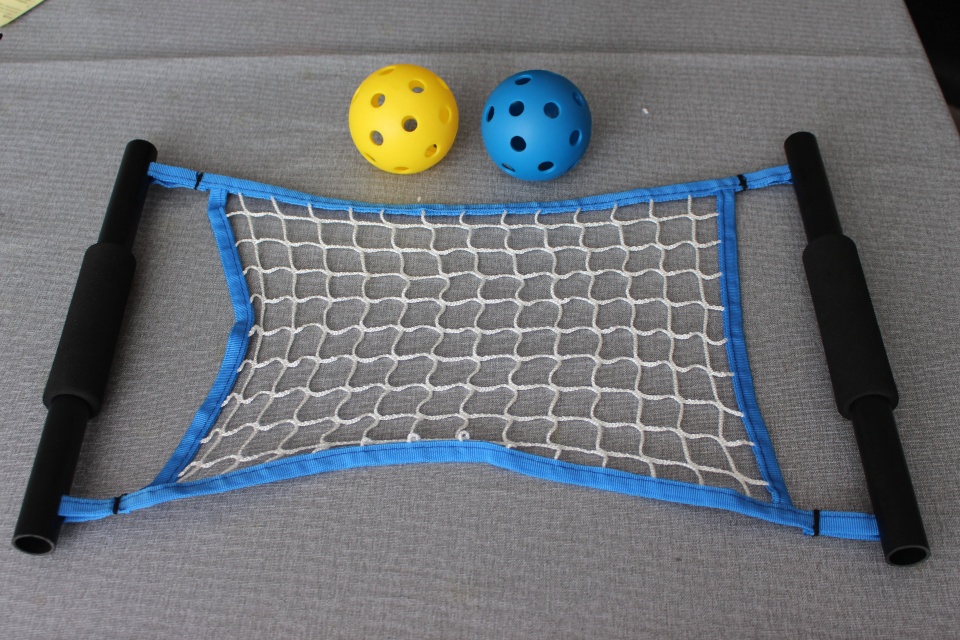
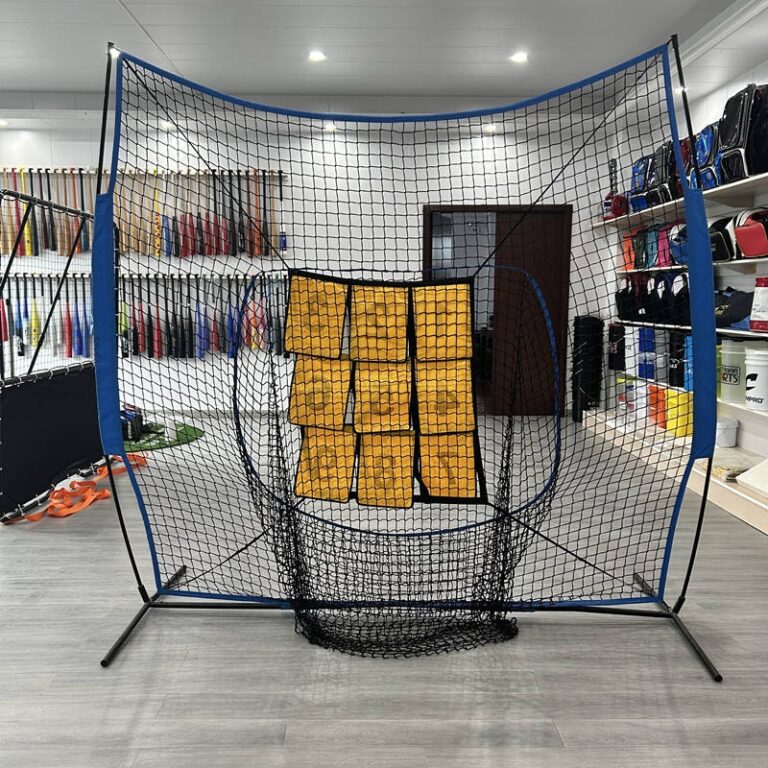
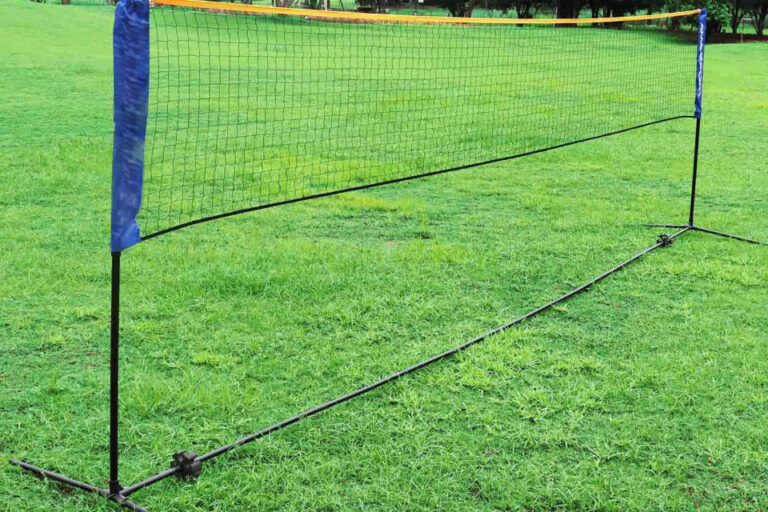
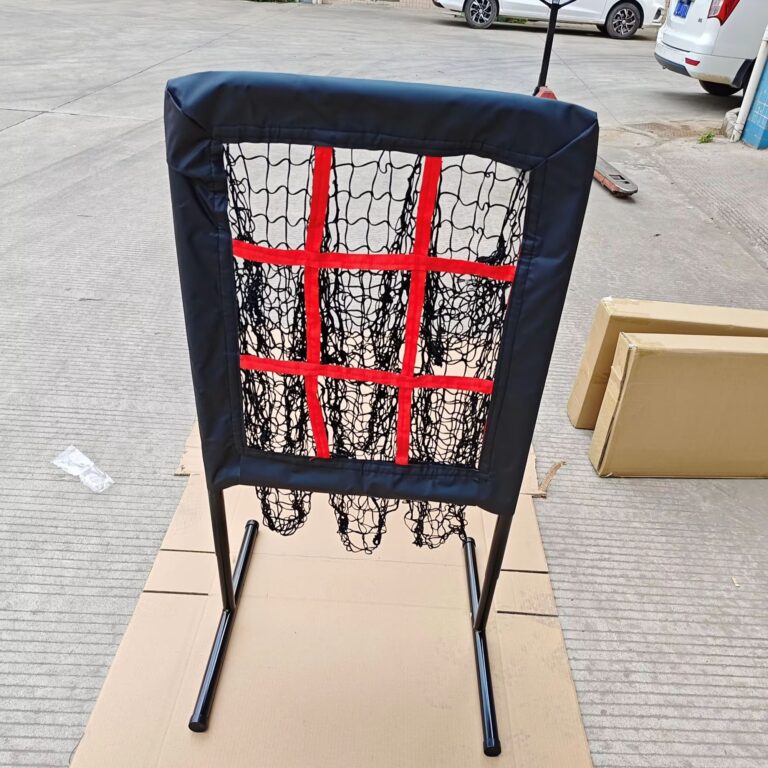
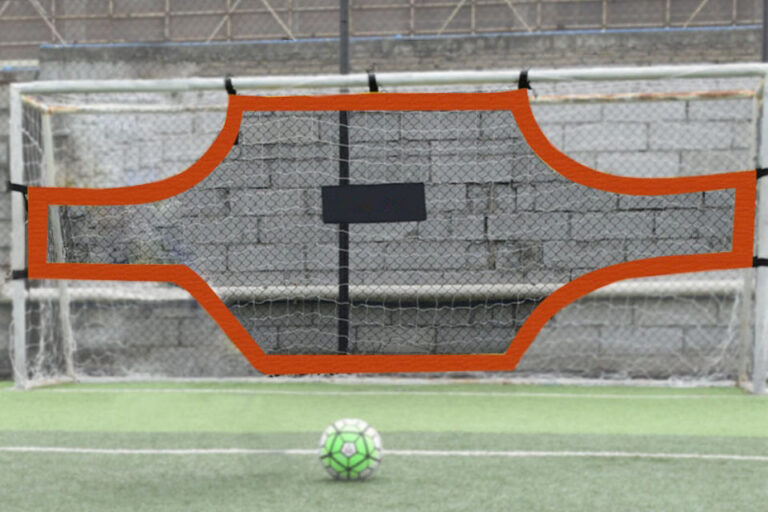
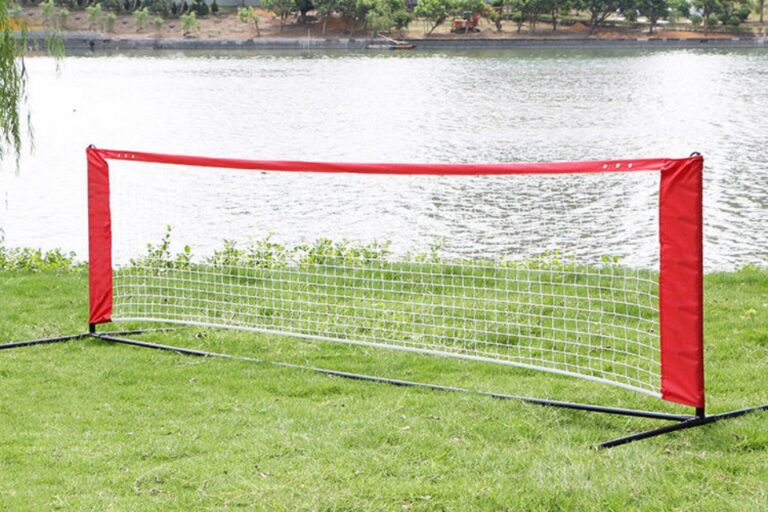
Diga-nos o que pretende desenvolver. A FSPORTS apoia projetos OEM/ODM, de marca própria e de redes desportivas personalizadas, com base no seu produto, desenho, amostra, fotografia ou requisitos de aplicação existentes.
Indique o tipo de produto, as dimensões, a quantidade pretendida, o destino e quaisquer requisitos conhecidos relativos à malha, ao material, à estrutura, aos acessórios, ao logótipo ou à embalagem. Se as suas especificações ainda não estiverem completas, envie-nos o que tiver e poderemos analisar os restantes detalhes antes de emitirmos o orçamento.
Em que área é que os fornecedores de redes desportivas acrescentam mais valor: apoio ao design, documentação ou apenas as redes?
Not the net.
The net is usually the cheapest visible object in a system whose real failure points hide in measurements, anchoring, wind exposure, frame tolerances, documentation, packaging, and the messy handoff from procurement to installation. So why do buyers still quote it like a commodity?
I’ll say the rude thing first: many sports net suppliers survive because buyers don’t ask hard questions. They ask for “a 10×7 golf net,” “a soccer goal net,” or “a portable pickleball net,” then compare unit price like they’re buying socks. That is how procurement gets a neat spreadsheet and operations inherits a problem.
The value is not “just nets.” The value is whether the supplier can stop a wrong net from entering your facility, warehouse, Amazon listing, school field, club, or dealer channel.
In 2024, the National Safety Council reported that 4.4 million people were treated in emergency departments for injuries involving sports and recreational equipment, with sports and recreation injuries up 17% from 2023. That does not mean nets caused those injuries. It means sports equipment sits inside a high-volume risk environment, and sloppy product decisions get exposed fast. The NSC sports injury data is the kind of evidence buyers should read before treating athletic netting solutions as simple textile orders. (Factos sobre as lesões)
The best sports net suppliers add value in three places: before production, during specification, and after delivery. The mesh itself is only one layer.
The first value layer is design support, because bad dimensions multiply
A supplier with real sports net design support should ask annoying questions. What ball speed? Indoor or outdoor? UV exposure? Salt air? Kids or adult users? Fixed frame or portable frame? Is the net carrying impact load, stopping balls, dividing courts, catching missed shots, or creating rebound?
Those are not decorative questions. They decide yarn type, mesh size, border rope, webbing, stitching, knotless or knotted construction, bungee placement, ground contact, and packaging.
A golf hitting cage is not a soccer goal. A baseball backstop is not a pickleball divider. A lacrosse rebounder is not a decorative backyard net. Buyers looking through a broad catálogo de produtos de redes desportivas should not just sort by sport; they should sort by use case, impact direction, replacement cycle, and installation tolerance.
Here is the hard truth: a custom sports nets supplier that does not push back on your drawing is not being “easy to work with.” They may just be quietly accepting your mistake.
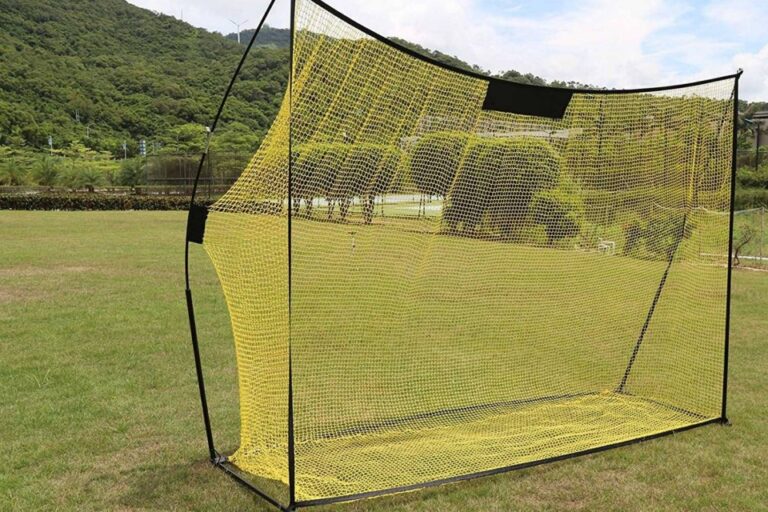
For example, golf buyers often focus on target sheets and cage size, but the real discussion is impact zone, side containment, abrasion points, and frame interface. That is why category-level selection, such as golf practice nets and cage systems, needs design review before volume purchasing. The same logic applies to baseball nets and batting cage products, where ball speed, user age, frame position, and net sag can change the safety profile.
Documentation is where amateur suppliers get exposed
Documentation sounds boring. Good.
Boring documents save money when a container arrives wrong, a field installer calls from site, a dealer asks for proof, or a customer says the net failed after two months.
The U.S. Consumer Product Safety Commission’s NEISS system exists to collect product-related injury data from a nationally representative hospital sample and produce nationwide estimates. That matters because product categories get scrutinized after incidents, not after happy purchases. A supplier that cannot produce specifications, instructions, inspection guidance, or batch records is asking the buyer to carry the risk alone. CPSC’s NEISS explanation makes clear how product-related injury patterns become public safety data. (Comissão de Segurança dos Produtos de Consumo dos EUA)
The ugliest example is not theoretical. In December 2024, CPSC warned consumers to stop using Sport Nets 4×8 portable soccer goals because of an exposed metal tip hazard; the agency said a Washington State high school student suffered a fatal brain injury in April 2023, and the products had been sold online for $43 to $150. Read the CPSC Sport Nets portable soccer goal warning and then tell me documentation, design review, and supplier accountability are “extras.” They are not. (Comissão de Segurança dos Produtos de Consumo dos EUA)
This is why sports net documentation should include:
Supplier value area
What weak suppliers provide
What serious buyers should demand
Design support
“Send size and color”
Use case, sport, impact direction, frame match, wind and UV exposure review
And yes, ASTM matters. ASTM says its sports and recreation standards support evaluation, testing, assembly, and use of sports equipment, facilities, and protective gear. That does not mean every net has a single magic ASTM stamp. It means serious sports netting supplier services should know which standards, test concepts, and use conditions affect the product being sold. See ASTM sports and recreation standards before accepting “standard quality” as an answer. (ASTM International | ASTM)
“Just nets” is the lowest-margin, highest-risk way to buy
A net-only supplier is fine for replacement mesh when the buyer already controls the frame, spec, installation, and inspection program. But most buyers do not.
They guess.
They copy dimensions from an old product. They ignore corner stress. They approve a cheaper border rope. They swap nylon for PE without thinking about stretch. They ask for tighter mesh but forget wind load. Then they blame the factory.
I’m not defending factories here. Plenty of factories overpromise. But buyers create their own failures when they treat custom netting like a static SKU instead of a working system.
The CPSC’s soccer goal safety alert says movable soccer goals should be anchored or counter-weighted, hardware should be checked before every use, safety labels should remain visible, nets should be removed when goals are not in use, and goals should be disassembled for seasonal storage. It also says CPSC has reports of at least 36 deaths since 1979 from soccer goals falling over. That movable soccer goal safety alert is old, blunt, and still painfully relevant. (Comissão de Segurança dos Produtos de Consumo dos EUA)
This is exactly where sports net suppliers add value: they connect the physical net to the operating reality.
If you are buying soccer goal nets and frames, the supplier should discuss anchoring, frame compatibility, and safe-use labeling. If you are buying sistemas de redes de pickleball, the questions shift toward portability, steel frame stability, wheel assemblies, center height, packaging damage, and fast replacement parts. If you need a hybrid court product, sistemas de redes polidesportivas require even more discipline because one frame may serve badminton, tennis, volleyball, and pickleball with different tension and height expectations.
How to choose a sports net supplier without getting played
Start with evidence, not charm.
Ask for a drawing. Ask for material details. Ask how they handle repeat orders. Ask what happens when a frame tube changes by 3 mm. Ask whether they can package replacement nets separately. Ask for factory images, but do not worship factory images. A clean aisle does not prove engineering control.
A better test is this: send the supplier a flawed brief and see whether they catch the flaw.
For example: “We need a 22 ft pickleball net for outdoor club use, portable, with wheels, low-cost zipper bag, and thin frame to reduce shipping weight.” A weak supplier quotes it. A better supplier asks about wind, court surface, wheel lock, center sag, frame gauge, bag durability, and whether this is retail, rental, school, or club use.
É essa a diferença.
A buyer comparing the best sports net suppliers should also inspect production capability. A visita à fábrica is useful when it helps verify cutting, sewing, frame handling, packaging, and repeatability—not when it is just a gallery of machines. For serious sourcing, the question is not “Can you make this?” The question is “Can you make this again, six months later, with the same geometry, same packaging, and fewer complaints?”
My blunt ranking: where suppliers add the most value
Design support comes first. Documentation comes second. The physical net comes third.
That ranking annoys commodity sellers, which is why I trust it.
A beautifully made net with the wrong mesh, weak border, poor frame match, or missing installation instructions is not a premium product. It is expensive evidence. A cheaper net with strong drawings, sensible material selection, replacement planning, and clear documentation may outperform it in the real world.
For procurement teams, dealers, sports brands, and facility buyers, the winning question is not “Who has the lowest net price?” It is: “Who reduces the number of things I have to discover the hard way?”
FAQs
Where do sports net suppliers add the most value?
Sports net suppliers add value by translating field dimensions, ball speed, weather exposure, frame geometry, and user risk into a buildable system that includes net material, mesh size, border rope, hardware, installation guidance, inspection rules, and replacement planning for serious buyers. The strongest suppliers act less like catalog sellers and more like system reviewers. They catch bad assumptions before production, then back the order with usable documents.
Is sports net documentation more important than net material?
Documentation is more important than net material when the buyer needs repeatable safety, warranty control, and legal defensibility, because a strong HDPE, nylon, or polyester net still fails as a purchasing decision when nobody can prove its specification, installation method, inspection cycle, or safe-use limits. Material matters, of course. But undocumented material creates arguments. Documented material creates control.
How to choose a sports net supplier?
The best way to choose a sports net supplier is to request drawings, material specifications, test or compliance references, installation notes, sample lead times, replacement-part terms, and three comparable project examples before comparing the final quoted price from any vendor. Then watch how the supplier responds. Slow but specific is often better than fast and vague.
What services should the best sports net suppliers provide?
Factory capacity matters because sports netting supplier services depend on cutting accuracy, knotting or knotless machine control, UV-stabilized yarn sourcing, sewing consistency, metal frame tolerances, packaging discipline, and the ability to remake replacement parts without changing the system’s geometry later. A supplier that cannot manage repeatability will eventually turn your product line into a complaint file.
Conclusão
If you are sourcing nets for a sports brand, dealer program, school project, club facility, or custom OEM line, stop asking only for price per piece. Send the use case, drawings, target market, packaging needs, and replacement expectations through the página de contacto and force the supplier to prove where they add value before production starts.