Códigos HS/HTS para redes e redes de desporto: guia do comprador
Índice
A compra de redes desportivas parece simples até o seu corretor perguntar: “Isto faz parte do jogo ou é uma barreira?” Essa única pergunta pode decidir se o seu envio é libertado rapidamente ou se fica preso num ciclo de classificação.
Este guia é de fácil compreensão para o comprador. Verá os caminhos HS/HTS mais comuns para redes desportivas, a regra de decisão real que os funcionários aduaneiros utilizam e os detalhes do produto que fazem ou não uma entrada. Também mostrarei como preparar o seu pacote de especificações quando estiver a adquirir tamanhos personalizados, OEM/ODM e encomendas em massa de FSPORTS.
Código SH vs. código HTS para redes e redes de desporto
Pensar em HS como a “linguagem de 6 dígitos” global.” HTS é a versão alargada de um país (os EUA acrescentam mais dígitos). A sua tarefa é bloquear primeiro a lógica HS correta e, em seguida, deixar que o seu corretor a mapeie para a linha tarifária local.
Isto significa que a descrição do seu produto tem de ser rigorosa. “Rede desportiva” é demasiado vago. A alfândega quer saber o que é a rede faz e como é construído.
Posição SH 9506 para redes de desporto
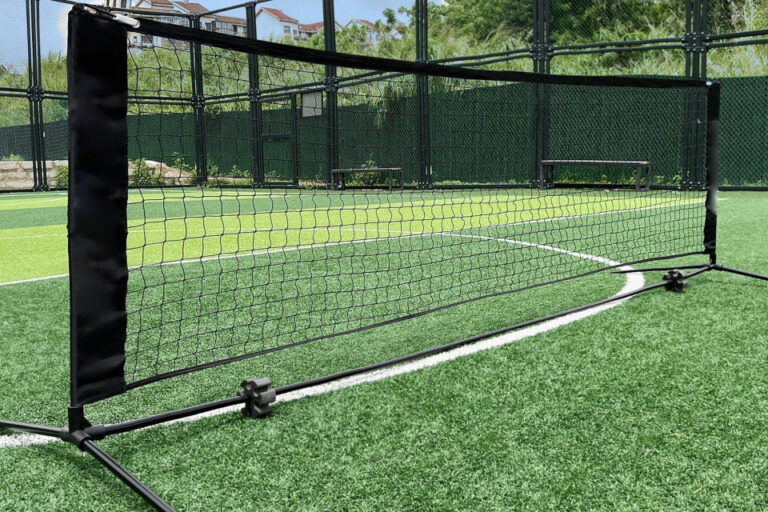
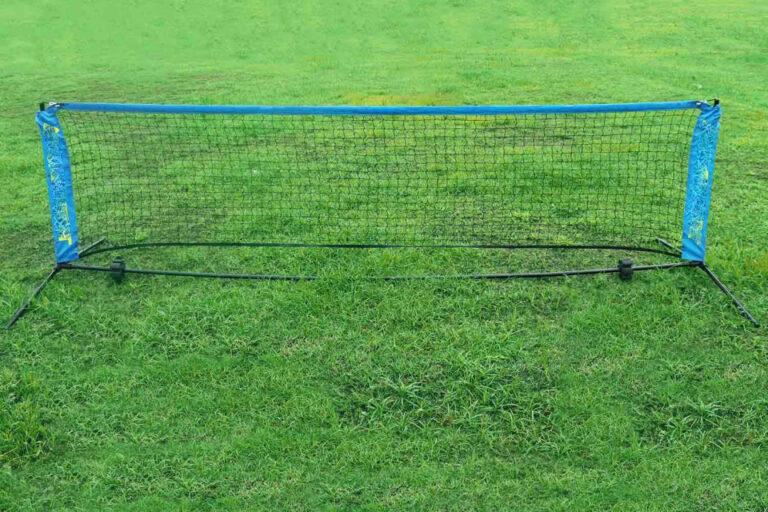
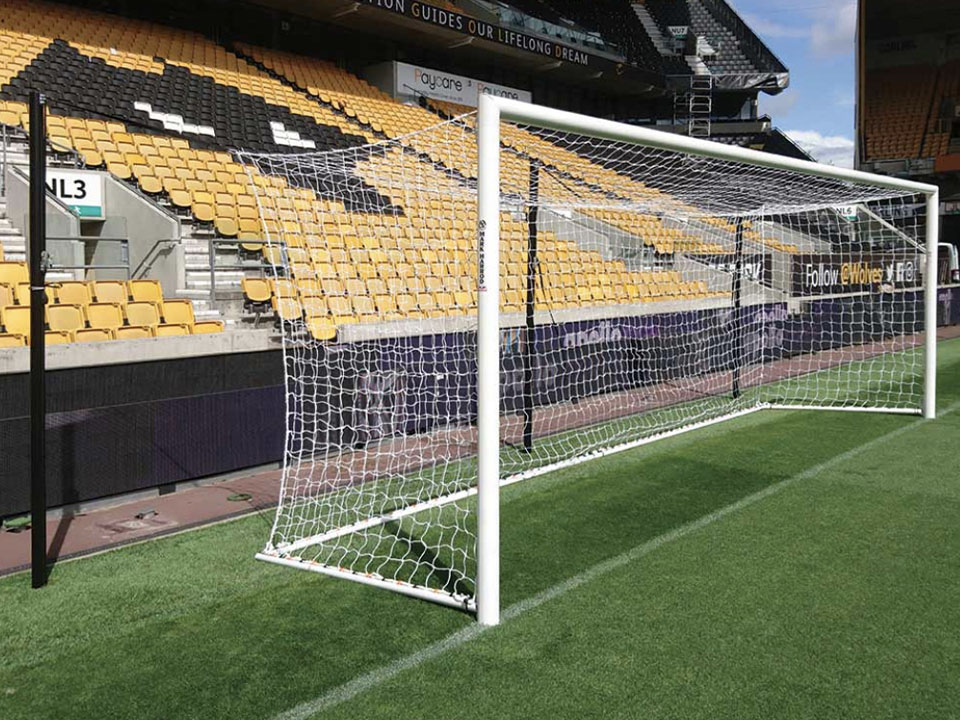
Quando a rede é parte da prática do desporto, os corretores começam frequentemente a testar HS 9506 (equipamento desportivo). Normalmente, isto aplica-se a artigos como redes de separação de campos e redes de balizas que apoiam diretamente o jogo.
Eis a realidade do comprador: duas redes podem parecer semelhantes, mas os costumes tratam-nas de forma diferente se uma o ajudar a jogar e a outra apenas impedir que as bolas voem para um parque de estacionamento.
HTS 9506.99.6040 redes não especificadas ou incluídas noutras rubricas
Nos Estados Unidos, é frequente ouvir HTS 9506.99.6040 mencionado para as “redes desportivas” que não têm um local mais específico. Não o trate como um número mágico. Trate-o como um ponto de partida quando a sua rede é claramente um equipamento desportivo.
Verificação rápida da sanidade mental antes de carregar no 9506:
- O desporto continua a “funcionar” sem a rede?
- Os jogadores interagem com ele durante o jogo?
- Situa-se dentro do campo de jogo (e não apenas à volta)?
Se responder “sim” mais do que uma vez, o 9506 mantém-se na mesa.
CBP NY N312456 redes de segurança 5608.19.2090 e postes de vedação 3926.90.9990
Esta decisão da alfândega dos EUA é uma excelente chamada de atenção: um produto de “recinto desportivo” nem sempre é “equipamento desportivo”.”
O CBP analisou a vedação de segurança para esquis e disse, em termos simples, que se trata de uma barreira protetora, não é algo que faça avançar o desporto em si. Eles classificaram:
- a compensação sob 5608.19.2090 (título de estilo redes / redes confeccionadas), e
- a postes de plástico sob 3926.90.9990 (outros objectos de plástico)
Duas lições que os compradores podem utilizar de imediato:
- A função de barreira afasta-o do 9506.
- Se enviar um “sistema” (rede + postes + hardware), a alfândega pode dividi-lo em várias linhas.
CBP NY B85106 redes para gaiolas de tacos 6307.90.9989
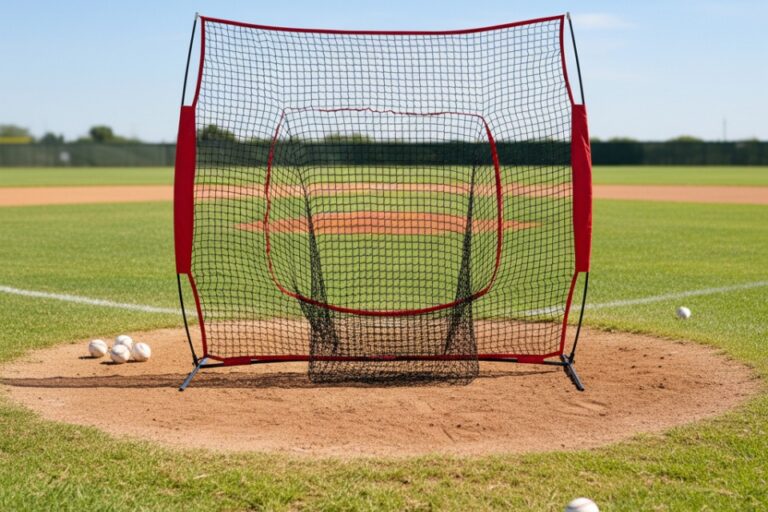
As redes de proteção contra o taco parecem um produto desportivo. O CBP não o viu dessa forma nesta decisão.
Trataram as redes de proteção de bases como contenção de bolas-mais como um recinto de instalações do que como equipamento de jogo. Classificaram-no como 6307.90.9989 (outros artefactos têxteis confeccionados).
Por isso, se vender redes de gaiola, redes de túnel ou cortinas de proteção, não parta do princípio de que a posição 9506 se manterá. O seu corretor pode ter de construir o caso cuidadosamente, ou escolher uma rubrica diferente com base na construção e utilização.
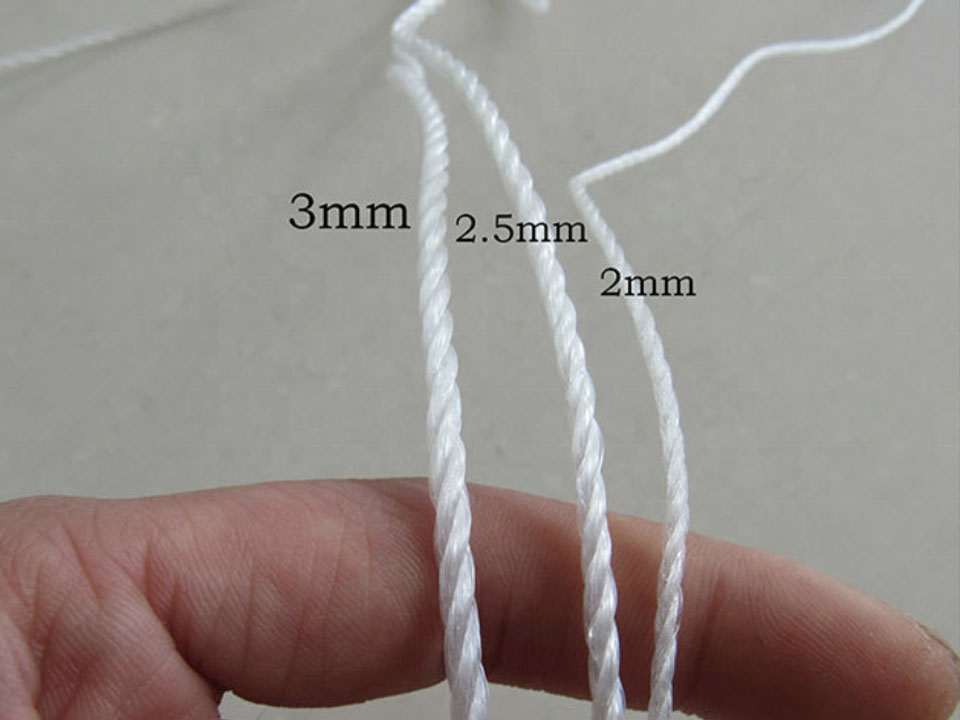
Posição 5608 do SH: redes com nós e redes confeccionadas
Quando a alfândega se concentra em como é feita a rede (rede com nós, material de rede, redes confeccionadas), HS 5608 surge rapidamente.
Isso geralmente aparece quando a rede age como:
- redes de proteção perimetral
- redes de proteção para estádios
- redes para barreiras de alcance
- vedação com travão de bola
- ecrãs de proteção
Por outras palavras: a rede está a fazer trabalho de instalação, não trabalho “no jogo”.
Redes desportivas vs redes de segurança: a regra de decisão prática
Utilize esta regra no seu fluxo de trabalho de compra:
Se a rede participa no jogo, inclina-se para o equipamento desportivo (9506). Se a rede proteger pessoas/propriedades ou controlar o espaço, inclina-se para as rubricas de barreiras (frequentemente 5608 ou 6307).
Esta é a mesma lógica que o CBP utilizou nas decisões acima. É também a lógica que o seu corretor utilizará quando ler a sua fatura, as fotografias do produto e a folha de especificações.
Tabela de classificação pautal para redes e redes de desporto
| Cenário do comprador (em inglês simples) | O que interessa à alfândega | Direção comum HS/HTS (exemplos) | Fonte que pode citar (não são necessárias hiperligações) |
|---|---|---|---|
| Rede de campo / rede divisória / rede de baliza utilizada para jogar | “Função ”parte do jogo | HS 9506; os EUA iniciam frequentemente ensaios HTS 9506.99.6040 | Conceito de notas explicativas da OMA para equipamento desportivo; prática dos EUA para redes desportivas |
| Vedação de segurança para esquis / sistema de segurança perimetral | Papel de barreira + proteção | Redes: 5608.19.2090; postes: 3926.90.9990 | Acórdão CBP NY N312456 (2020) |
| Redes de proteção para gaiolas de batedores | Contenção de bola, não necessária para jogar | 6307.90.9989 | Acórdão CBP NY B85106 (1997) |
| Redes para balizas de estádios / redes para barreiras de alcance | Proteção das instalações, controlo dos limites | Frequentemente testado no âmbito da família 5608 | Lógica da barreira CBP em NY N312456; análise geral da construção da rede |
Exemplos de palavras-chave de produtos que os compradores utilizam efetivamente
Estes exemplos ajudam-no a escrever rubricas simples e a evitar rótulos vagos como “rede desportiva”. Se se abastecer na FSPORTS, estes exemplos também correspondem à forma como os compradores compram e como os corretores lêem a documentação.
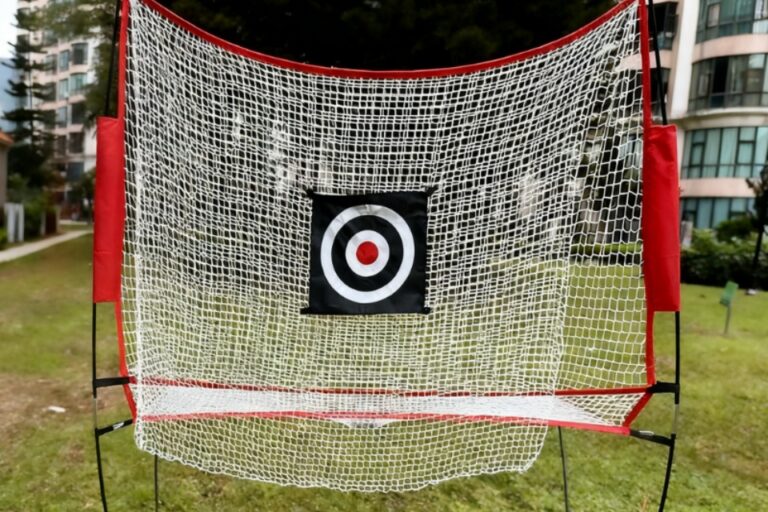
- Rede de gaiola de golfe (frequentemente tratado como confinamento): Rede de gaiola de golfe profissional
- Rede de barreira para golfe (proteção lateral/traseira do alcance): Rede de nylon durável com barreira de golfe
- Sistema de rede de pickleball com estrutura de aço (equipamento + pormenores do quadro): Sistema ajustável de rede de pickleball para interior
- Conjunto de armação de rede portátil (a estrutura de empacotamento é importante para as linhas HTS): Conjunto de armação de rede de pickleball portátil
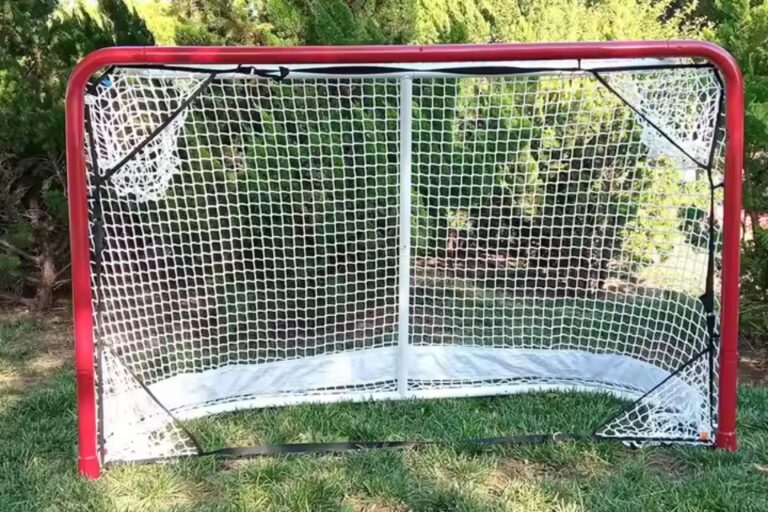
- Golo de lacrosse (forte identidade “parte do jogo”): Baliza de lacrosse profissional de tamanho normal
- Rede de apoio para lacrosse (proteção das instalações): Rede de proteção resistente para lacrosse
- Rede de treino de voleibol com sistema de recolha de bolas (formação + mistura de contenção): Rede de treino de voleibol para exterior
- Se pretender navegar por categoria para o seu planeamento de SKU: Produtos FSPORTS
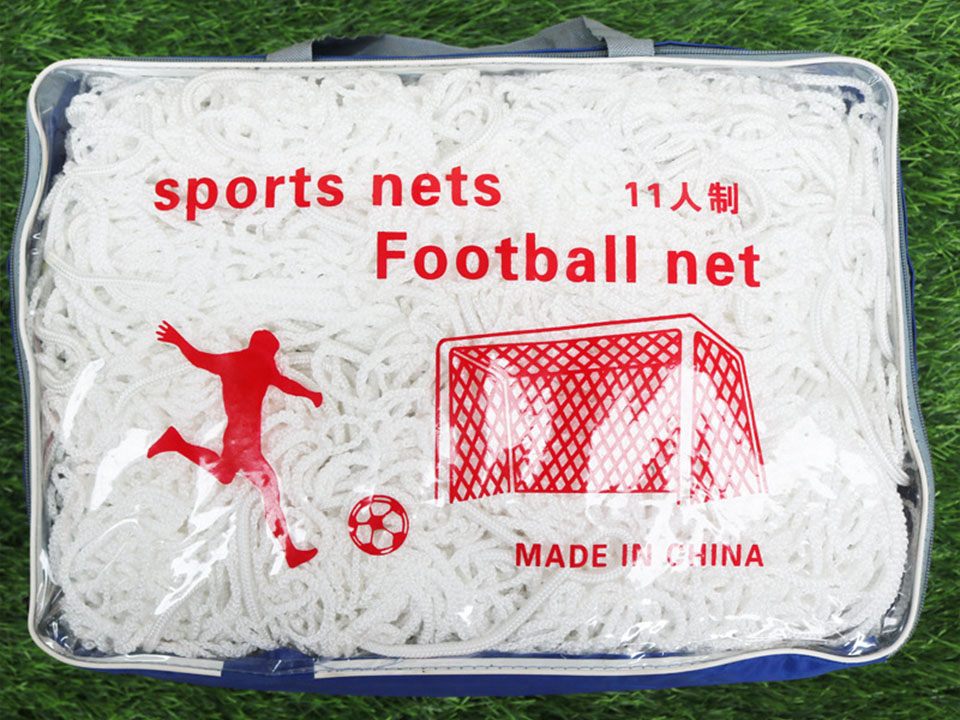
Lista de verificação da classificação HS/HTS para compradores e grossistas
Utilize esta lista de verificação como o “pré-voo” de um corretor. Ajuda-o a evitar retenções, retrabalho e o clássico e-mail “por favor, reenvie a fatura com uma descrição mais clara”.
Declaração de função do produto
Escreve uma frase que não fuja à questão:
- “A rede divide o campo durante o jogo”
- “A rede apanha as bolas e protege as áreas circundantes”
- “A rede forma um recinto para a formação”
As decisões aduaneiras são muito importantes neste domínio.
Pormenores de construção que interessam
Não os enterre numa folha de especificações que ninguém lê. Coloque-as onde um corretor as possa apanhar:
- material (PE/PP/nylon, etc.)
- atado vs tricotado
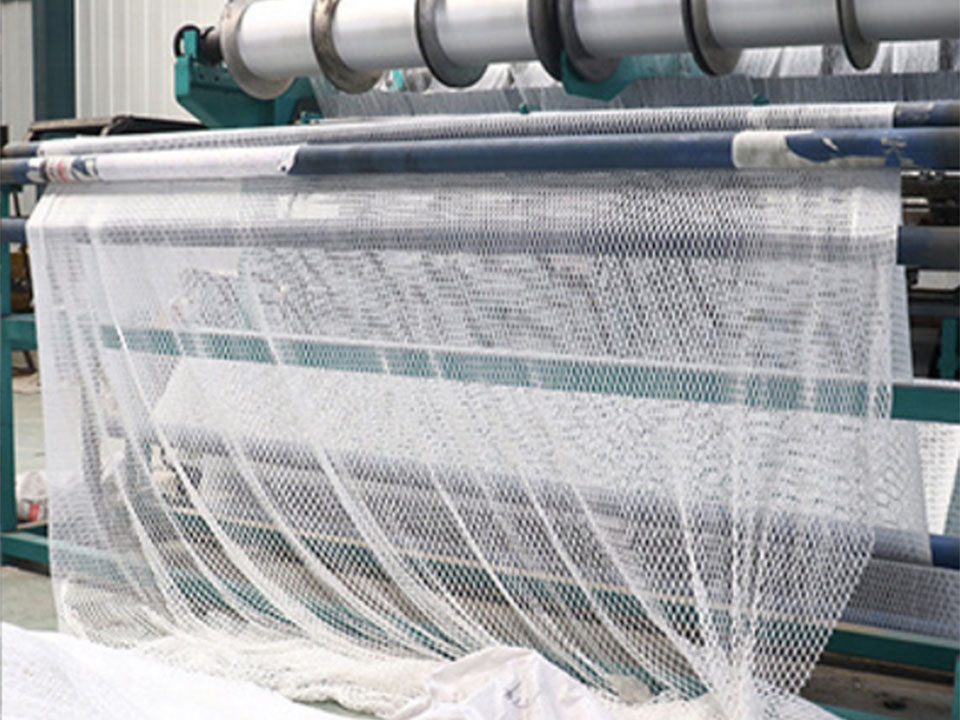
- malhagem e espessura do fio/corda
- Tratamento UV, linguagem de classificação de impacto (manter a informação factual, não exagerada)
Estrutura da embalagem e componentes do “sistema
Se enviar redes com postes, armações ou ferragens, os serviços aduaneiros podem classificar as peças separadamente. A sua fatura comercial deve refletir claramente essa realidade.
Documentação pronta para o corretor para granel e OEM/ODM
Se está a fornecer retalhistas, distribuidores ou clientes OEM, está a criar um programa de importação recorrente. É nessa altura que a classificação limpa compensa mais. Peça ao seu fornecedor:
- fotografias de produtos etiquetados (instalados + embalados)
- declaração de material
- folha de especificações ligada a nomes de SKU
- pormenores consistentes de marcação da caixa de cartão
A FSPORTS já suporta construções personalizadas e encomendas por grosso a granel, pelo que é fácil adicionar “documentos prontos para o corretor” ao RFQ. Também se enquadra no seu posicionamento como fabricante de redes desportivas de qualidade superior, centrado em redes resistentes aos raios UV e de alto impacto em tamanhos padrão e por encomenda.
Fabricante de redes desportivas FSPORTS apto para o aprovisionamento B2B
Se está a comprar para lojas, retalhistas profissionais, vendedores de comércio eletrónico, distribuidores ou linhas OEM, precisa de duas coisas ao mesmo tempo: a rede correta e documentação de importação limpa.
A FSPORTS situa-se nessa faixa. Pode especificar a rede para o trabalho (barreira de alcance, barreira de proteção, gaiola, baliza, sistemas portáteis) e, em seguida, bloquear a linguagem do produto para que o seu corretor possa classificá-lo com menos surpresas. É assim que mantém os envios em movimento e mantém a sua cadeia de fornecimento calma.
Se me disser o seu país de destino e se a sua rede é principalmente equipamento lúdico ou barreira/contenção, Se o seu produto for vendido, eu reescrevo as descrições dos seus produtos em linhas de faturação ao estilo do corretor (curtas, claras, de baixo risco), utilizando as palavras-chave exactas que os compradores procuram.