Índice
Quando as pessoas falam do “ROI” das redes desportivas, normalmente fazem-no parecer um problema de matemática. Na vida real, é um problema do tempo de chão.
Se as suas instalações têm horas vazias, mudanças de turno confusas ou perseguição constante de bolas, está a perder receitas e largura de banda do pessoal. As redes multidesportivas resolvem este problema, transformando uma área em mais zonas vendáveis, mantendo as sessões dentro do horário e reduzindo a exposição ao risco.
Se estiver a abastecer-se em grandes quantidades ou a elaborar um plano de implementação, FSPORTS foi concebido para isso - especificações personalizadas, OEM/ODM e volume de vendas por grosso de um fabricante de redes desportivas de primeira qualidade na China. Comece no Página inicial da FSPORTS e saltar para o catálogo de produtos quando estiver a fazer o levantamento das necessidades das suas instalações.
Calculadora de ROI para redes multi-desportivas
Pense nesta calculadora como um “pacote de provas” que pode entregar a um proprietário, gerente ou equipa de compras. Não são necessários sinais de dólar. Está a seguir condutores.
Entradas ROI
Factores de receita
- Horas reserváveis ganhas (por semana/mês)
- Elevação da utilização (a frequência com que as zonas ficam reservadas)
- Expansão do conjunto de programas (mais desportos, mais sessões)
Condutores de operações
- Tempo de comutação poupado (minutos por interrutor)
- Redução do tempo de recolha de bolas (minutos por hora)
- Redução da cobertura do pessoal (menos babysitting, mais coaching)
Factores de risco
- Incidentes evitados (espectadores, bens, equipamentos)
- Redução dos bilhetes de danos (luzes, paredes, vidros, sinalética)
- Tempo de inatividade evitado (reparações, encerramentos, perturbações climáticas)
Saídas ROI
- ROI % (rendimento líquido ÷ investimento)
- Período de recuperação (investimento ÷ benefício anual líquido)
- Aumento das receitas por pé quadrado (a densidade das reservas é mais importante do que a publicidade)
Não precisa de dados perfeitos. Precisa de acompanhamento coerente antes e depois da instalação.
Aumento das receitas: Mais horas de tribunal vendáveis num só espaço
Esta é a história de ROI mais limpa: a compensação cria zonas contabilísticas.
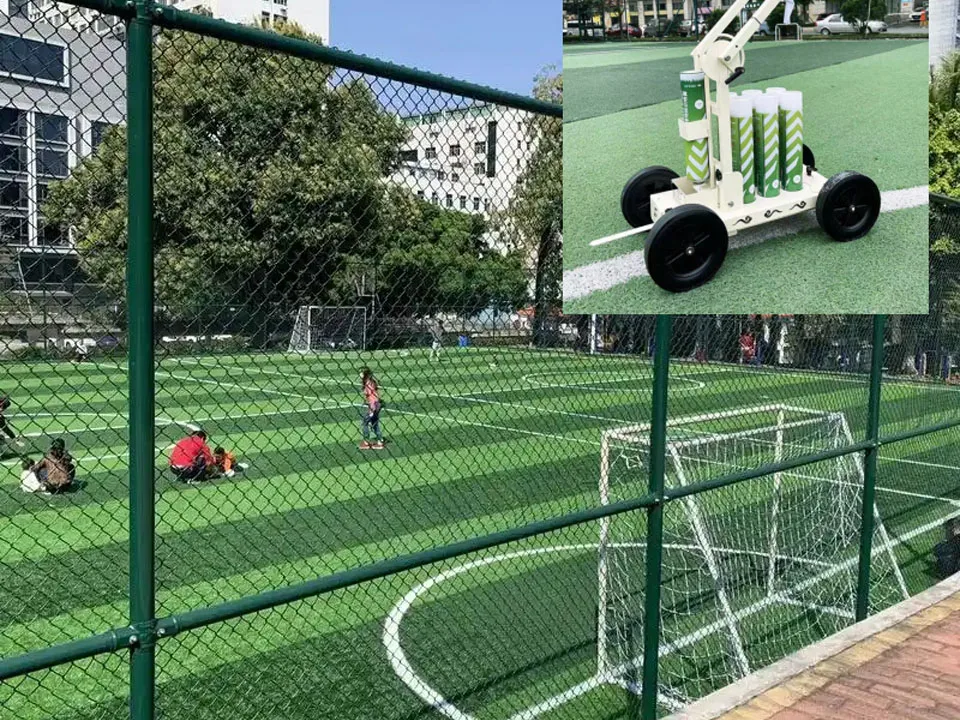
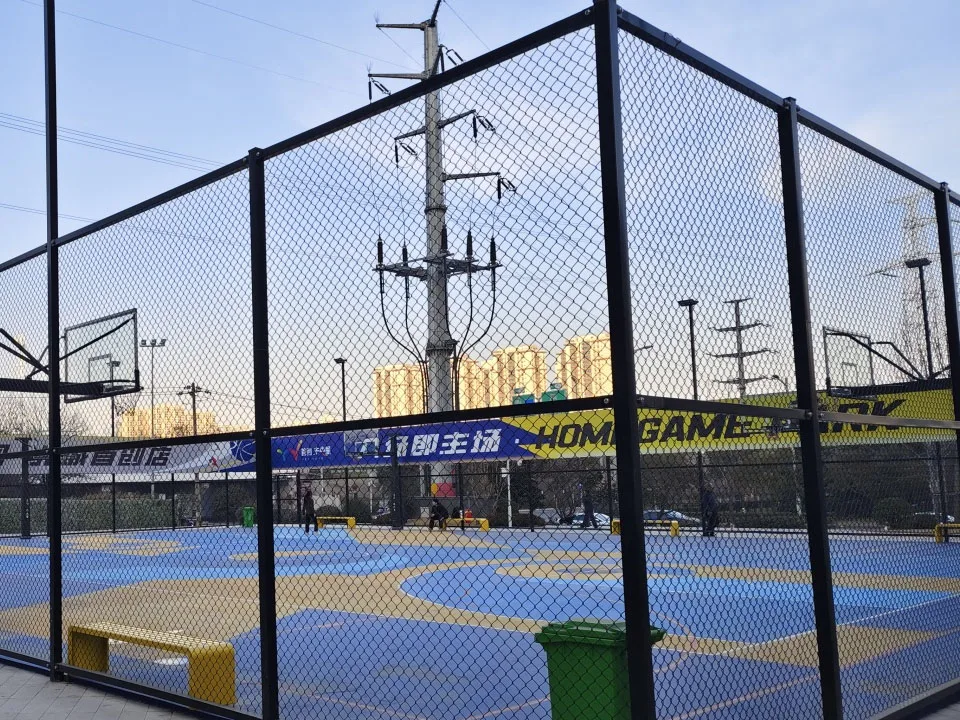
Quando se pode dividir com segurança uma grande área aberta, é possível realizar sessões sobrepostas sem transformar o local numa máquina de pinball. Isso significa:
- aulas particulares ao lado de aulas em grupo
- clínicas em funcionamento enquanto o jogo aberto permanece em direto
- campos que não desligam todo o seu andar
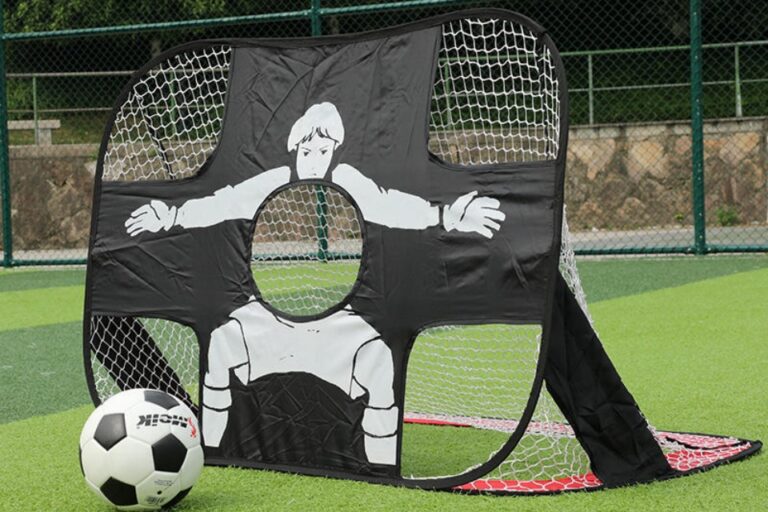
Uma abordagem simples e flexível é um sistema de divisórias móvel que se desloca com a sua agenda. Um exemplo prático é um rede polidesportiva regulável com base rolante e rodízios. É o tipo de instalação em que se entra durante as horas de ponta e se estaciona quando se precisa de espaço livre.
KPI das instalações a observar: taxa de utilização, densidade de reservas em horário nobre e “desistências” (pessoas que queriam reservar mas não conseguiram).
Mudanças mais rápidas: Menos tempo morto entre desportos
O dia não se desmorona de uma só vez. Desfaz-se em dez pequenas.
Todas as mudanças do voleibol para o badminton, ou do treino para o jogo aberto, são acompanhadas de um desvio na configuração:
- pessoas a deambular
- peças de caça para caças
- treinadores que esticam o relógio “só um bocadinho”
- o próximo grupo a empilhar-se na receção
Os sistemas de redes multidesportivas de instalação rápida ajudam-no a reduzir o “tempo de rotação”. Basicamente, está a recuperar os intervalos do horário e a transformá-los em minutos vendáveis.
Se pratica desportos de raquete e de campo, uma opção multiformato como um sistema de rede portátil ajustável para badminton, voleibol e ténis ajuda-o a mudar o ambiente sem ter de reconstruir o local.
Métrica de operações de conversa fiada: “taxa de transferência por hora”. Se conseguir executar mais sessões limpas no mesmo período de tempo, está a ganhar.
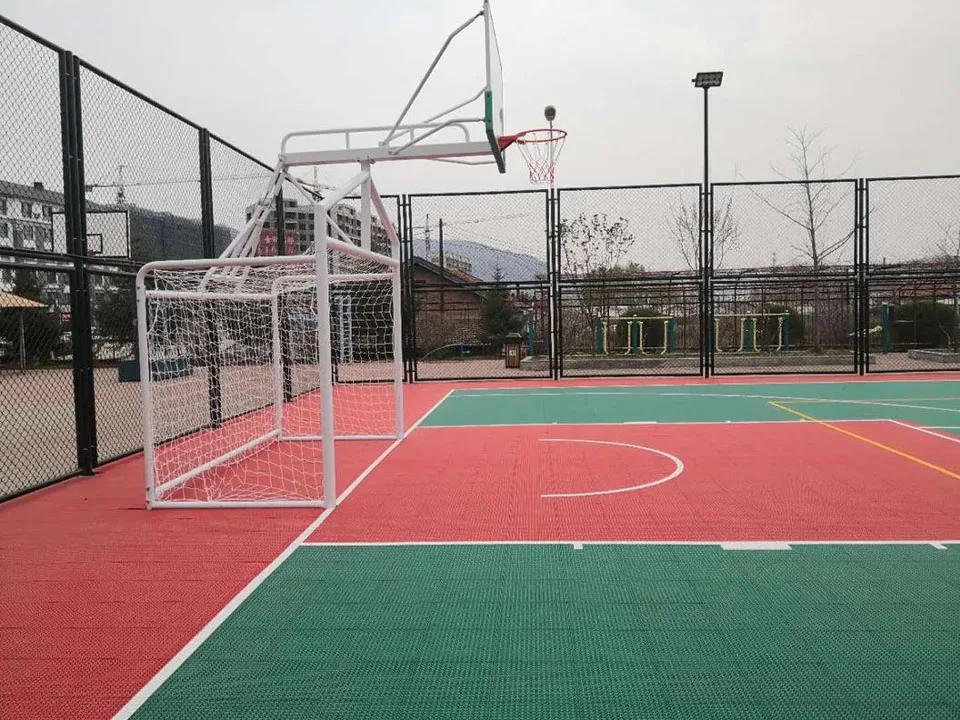
Redução de riscos e perdas: Segurança, proteção de bens, menos sinistros
Um incidente mau pode apagar semanas de margem. Isso não é drama. São operações.
A rede polidesportiva permite reduzir o tempo:
- bolas perdidas nos passeios
- acidentes com espectadores
- instalações eléctricas partidas e paredes danificadas
- litígios que se transformam em reembolsos ou tempestades de revisão
Se pretender um simples monitor de “ROI de risco”, não pense demasiado nisso:
- registar os quase-acidentes
- contar os bilhetes de danos
- controlar o tempo que o pessoal despende no controlo da segurança em vez de na formação ou no serviço ao cliente
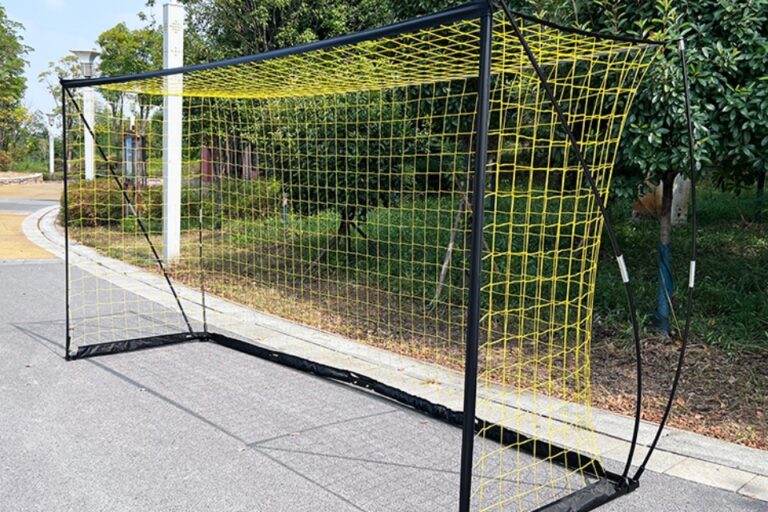
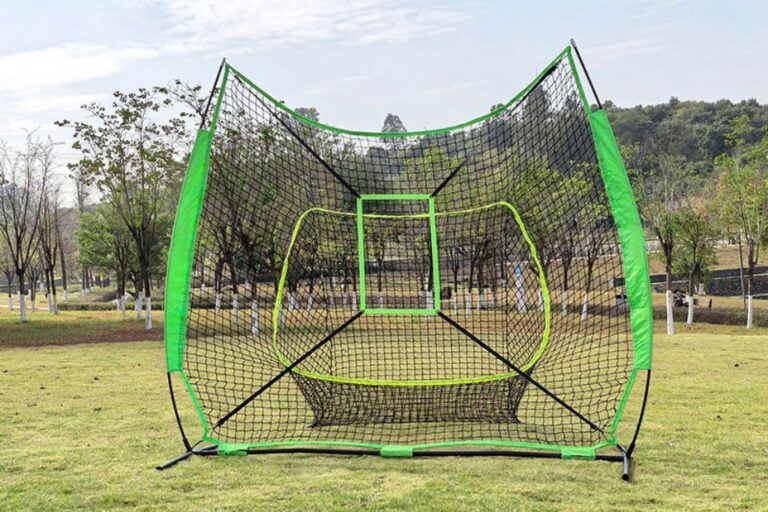
Para desportos com bola alta e proteção de perímetro, uma rede de barreira é frequentemente uma solução de baixo atrito. Um bom exemplo é uma rede de nylon resistente para golfe com ganchos e cordas elásticas, que se adapta a instalações que necessitam de uma contenção rápida sem transformar o local num estaleiro de obras.
Problema que resolve: menos momentos de “parar a sessão”.
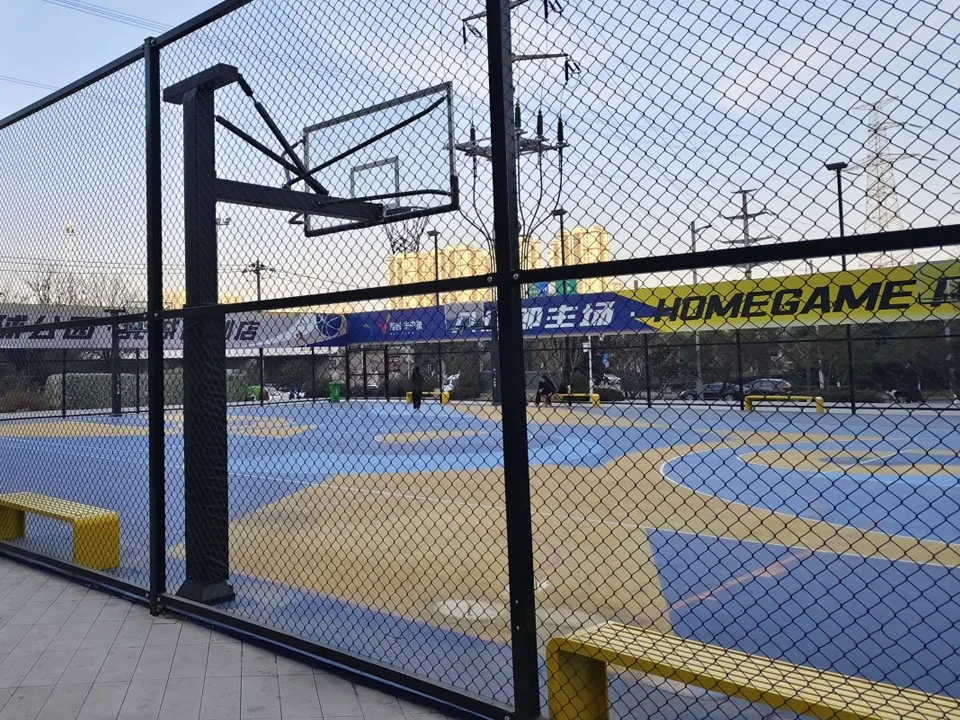
Tempo de inatividade e resiliência: Engenharia, classificação do vento e estabilidade operacional a longo prazo
O tempo de inatividade é um duplo golpe: perde-se reservas e perde-se tempo a resolver o problema.
Para campos exteriores, cantos expostos ou qualquer instalação que sofra um impacto real, o ROI a longo prazo depende da estabilidade:
- rede que mantém a forma
- ferragens que não se soltam todas as semanas
- uma configuração que não se torne uma dor de cabeça para a manutenção
O melhor ROI é aborrecido. É o sistema em que deixamos de pensar porque simplesmente funciona.
Se opera baías de golfe ou salas de simuladores, o tempo de atividade é tudo. Uma instalação limpa e concebida para o efeito, como uma configuração da tela de impacto do recinto do simulador de golfe profissional suporta uma construção mais rigorosa que é mais fácil de manter, mais fácil de normalizar e mais fácil de replicar entre locais.
KPI das instalações a observar: horas de encerramento, bilhetes de reparação e dias “fora de serviço”.
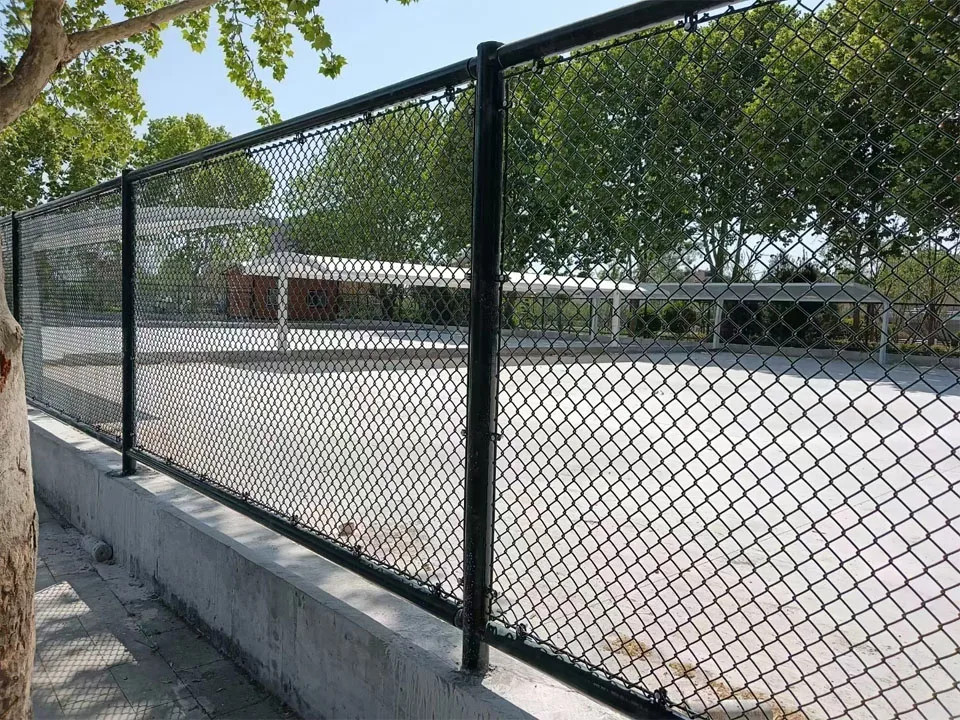
Casos de utilização de redes para vários desportos
Estes são cenários comuns em que a rede não só ajuda, como também altera a economia do seu horário.
Rede divisória de campo de pickleball
O Pickleball é rápido, barulhento e constante. Sem limites, consome o espaço e o tempo dos funcionários.
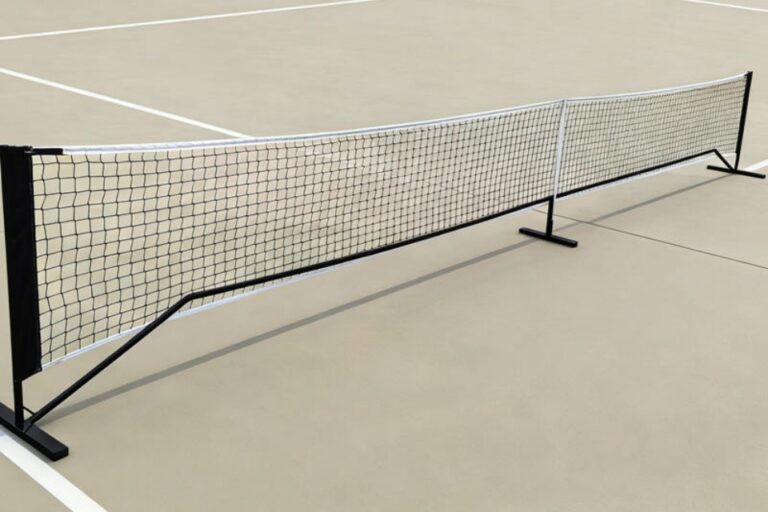
Um sistema portátil estável como um rede de pickleball portátil com estrutura de aço e pés de apoio ajuda-o a fixar as linhas do campo, a reduzir o caos e a manter as sessões em movimento. Combine-o com uma rede divisória quando os campos estiverem próximos uns dos outros e as bolas estiverem sempre a cruzar as linhas.
O que melhora: fluxo de sessões, menos interrupções, experiência do cliente mais limpa.
Rede de proteção para lacrosse
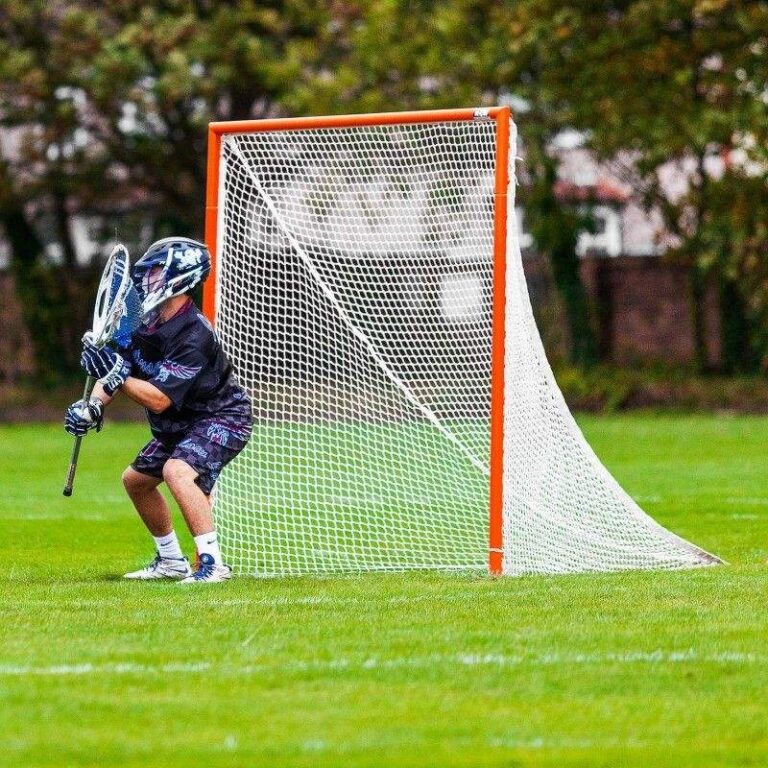
Os remates de lacrosse não pedem autorização. Se o seu campo estiver encostado a passadiços, vedações ou zonas vizinhas, necessita de um painel de proteção que mantenha o jogo dentro do jogo.
Um bom exemplo é um rede de proteção para lacrosse resistente com estrutura de aço estável. Permite a criação de corredores de treino mais seguros e reduz a perseguição interminável que faz baixar o ritmo dos treinos.
O que melhora: repetições por sessão, controlo do treinador, segurança do perímetro.
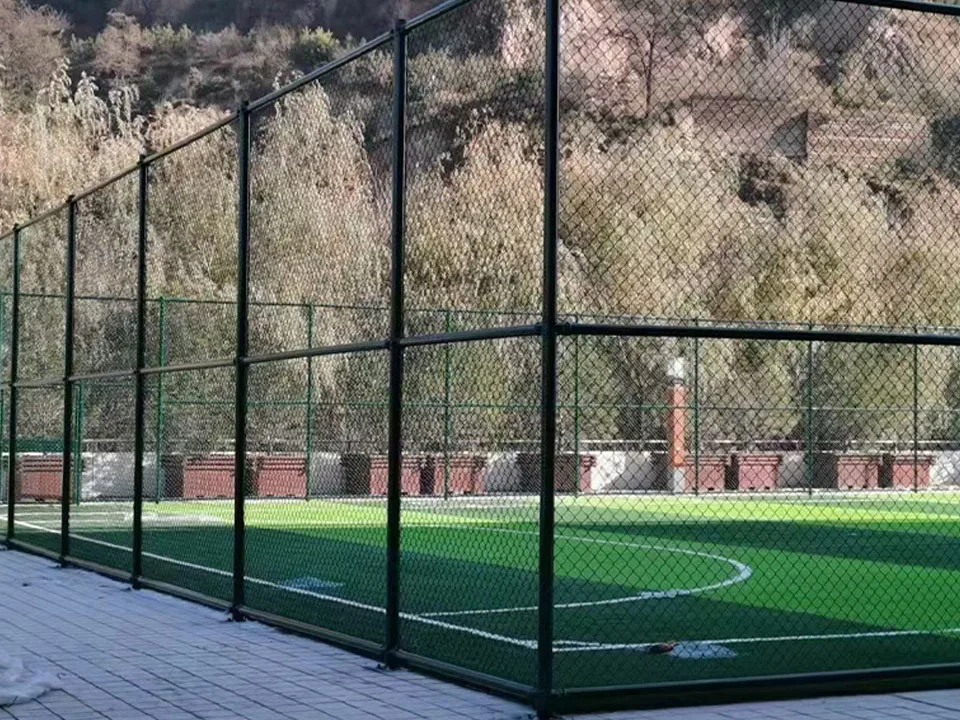
Tabela de factores de ROI
Utilize esta tabela na sua proposta ou no seu deck interno. Parece a realidade das operações, não do marketing.
| Motor de ROI (reclamação) | O que mede (sem preços) | De onde vêm os dados (fonte) | O que é “melhor” |
|---|---|---|---|
| Receitas adicionais: mais horas de tribunal vendáveis | horas reserváveis adicionadas, elevador de utilização | software de reservas, exportações de calendários | menos blocos ociosos, mais densidade em horário nobre |
| Mudanças mais rápidas: menos tempo morto | minutos poupados por interrutor, arranques a tempo | registos de pessoal, marcas temporais de início de sessão | prazos de entrega mais curtos, menos derrapagens no calendário |
| Redução de riscos e perdas: menos incidentes | quase-acidentes, bilhetes de danos, casos de reembolso | registo de incidentes, registo de manutenção, notas CRM | menos paragens, menos reclamações |
| Tempo de inatividade e resiliência: mais tempo de atividade | horas de encerramento, reparações, dias “fora de serviço | painel de controlo das operações, fila de manutenção | ritmo de funcionamento mais suave, menos correcções de emergência |
| Largura de banda do pessoal: menos perseguição da bola | minutos de recuperação, horas de supervisão | plano de pessoal, feedback do treinador | mais tempo de treino, menos combate a incêndios |
Redes desportivas OEM/ODM e compras a granel
Se é um distribuidor, um comprador profissional de retalho ou gere construções em vários locais, o ROI não tem apenas a ver com o desempenho. Também tem a ver com repetibilidade.
Eis o que normalmente importa no mundo real:
- bloqueio de especificações (a mesma sensação de rede e durabilidade em todos os lotes)
- dimensionamento e acessórios coerentes
- embalagens que não destroem o fluxo do seu armazém
- Opções OEM/ODM que correspondem às necessidades do seu canal
- fornecimento previsível para os prazos de implementação
É aqui que a FSPORTS se enquadra: construções personalizadas, encomendas em massa e suporte OEM/ODM concebido para compradores B2B que se preocupam com a consistência e a escala. Se estiver a planear um lançamento, utilize a catálogo de produtos para normalizar o seu alinhamento de redes por desporto e tipo de local.
Lista de verificação do ROI das redes multidesportivas
Utilize isto antes de comprar. Mantém a sua história de ROI firme e defensável.
- Mapeie o seu piso em zonas reserváveis e zonas de risco
- Identifique os seus três maiores desperdiçadores de tempo (desvio na preparação, perseguição da bola, reposições)
- Decidir sobre a compensação fixa ou móvel com base na volatilidade do seu calendário
- Acompanhar os KPIs de base durante algumas semanas (utilização, mudanças, incidentes)
- Instalar a rede onde primeiro desbloqueia mais reservas, não onde “fica bonito”
- Normalizar as especificações se for fazer novas encomendas (a granel + OEM/ODM é mais fácil)
- Verifique novamente os KPIs após a instalação e mantenha os relatórios simples
Se tratar a rede como uma ferramenta de rendimento e não como um acessório, os números começam a comportar-se. E a melhor parte é que o sentirá diariamente - sessões mais limpas, um fluxo mais suave e um piso que ganha o seu sustento.