Objectivos profissionais de Lacrosse para a aquisição da Liga
Se você administra uma liga, não compra apenas “alguns golos”. Você constrói um padrão de hardware que precisa sobreviver às temporadas, ao clima e às reuniões orçamentárias.
Atualmente, a maioria das ligas de campo procura três coisas quando redige as especificações para balizas profissionais de lacrosse:
- Tamanho correto da regra para todos os jogos sancionados.
- Estrutura resistente e rede que consegue lidar com fotos de nível profissional.
- Operações fáceis para a sua tripulação: mova, armazene e troque redes sem drama.
É aí que uma fábrica de redes como a FSPORTS entra em cena. A marca está por trás de muitos objetivos e redes de OEM e marcas próprias para retalhistas, distribuidores e equipas em todo o mundo.
Abaixo está uma tabela simples de tamanhos e utilizações que pode incluir numa RFP ou ficha técnica.
Índice
Comparação entre tamanhos de balizas de lacrosse e casos de uso
| Tipo de objetivo | Tamanho típico | Principal caso de uso | Exemplo de hardware |
|---|---|---|---|
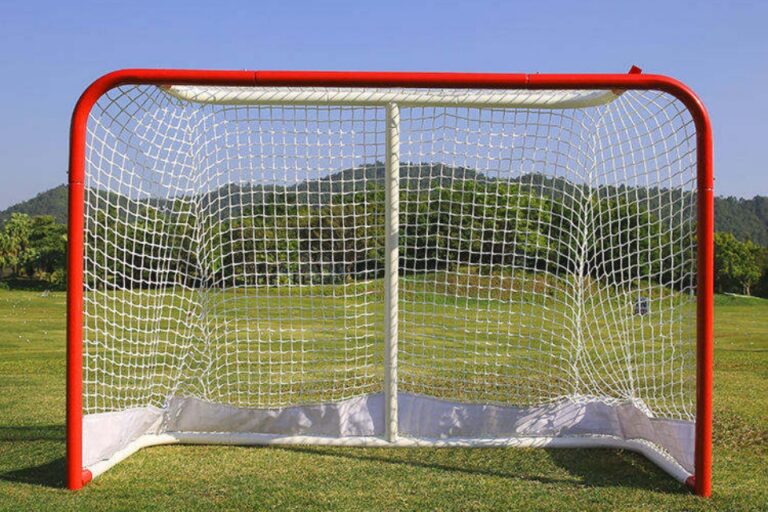
| Golo profissional de lacrosse de tamanho normal | Estrutura de 1,8 m x 1,8 m | Jogos da liga adulta, jogos universitários, campos de clubes sérios | baliza profissional de lacrosse de tamanho normal |
| Regulamento 6×6 gol de lacrosse | Estrutura de 1,8 m x 1,8 m | Jogos padrão e ligas de escolas secundárias | regra 6×6 baliza de lacrosse |
| Rede de lacrosse de 12 x 9 pés com estrutura | Área de 3,6 m x 2,7 m | Grande zona de treino, exercícios de tiro para vários jogadores | Golo de lacrosse de 12 x 9 pés com sacos de areia |
| Rede de rebote para lacrosse | Varia (geralmente 90 a 120 cm de largura) | Repetições individuais, trabalho de precisão, zonas de aquecimento | rede de treino para rebote de lacrosse profissional |
| Sistema de proteção traseira para lacrosse | Cortina larga atrás das balizas | Evite acidentes, proteja os fãs, proteja cercas e janelas | rede de proteção resistente para lacrosse |
Pode usar esta tabela como um guia rápido ao planear a implementação completa da liga, e não apenas objetivos individuais para um campo.
Especificações regulamentares para balizas de lacrosse 6×6 para ligas
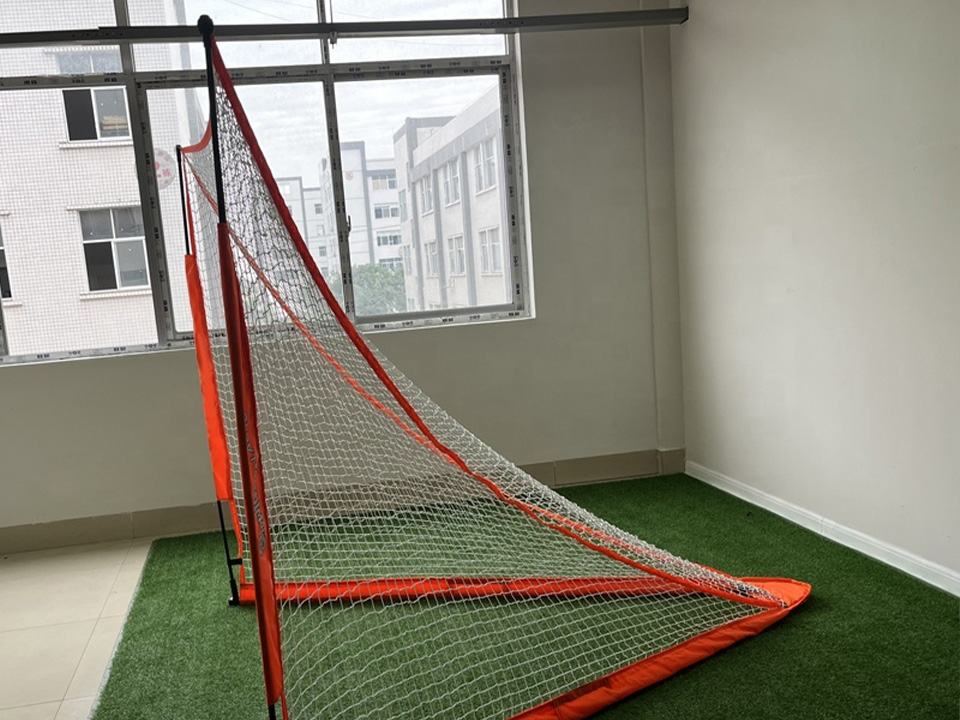
Para a maioria das ligas ao ar livre, regra 6×6 balizas de lacrosse são a espinha dorsal. Se a sua estrutura e rede não corresponderem a esse tamanho e profundidade, você vai discutir com árbitros e treinadores o ano inteiro.
Dimensões completas da baliza de lacrosse para ligas adultas
Uma boa especificação para jogos de campo para adultos geralmente inclui:
- Abertura interna da moldura: 1,8 m x 1,8 m
- Profundidade: espaço suficiente para o guarda-redes e a baliza (normalmente cerca de 2,1 m na base)
- Cor viva da moldura (geralmente laranja ou vermelha) para linhas de visão claras
Pode bloquear isso com uma simples linha no seu documento de aquisição:
“Todos os golos do jogo devem ser marcados em balizas de lacrosse de tamanho normal, com 1,80 m x 1,80 m, estrutura de aço soldado e rede resistente.”
Hardware como o baliza profissional de lacrosse de tamanho normal e o regra 6×6 baliza de lacrosse atinge esse padrão e oferece um modelo básico limpo para a liga.
Dimensões das balizas de lacrosse juvenil e balizas de treino
Os programas para jovens misturam um pouco mais as coisas:
- Alguns clubes ainda utilizam tamanho real 6×6 objetivos para jovens mais velhos.
- Mais pequeno 4×4 ou objetivos de treino faz mais sentido para sessões U8 e estilo quintal.
Para o trabalho de desenvolvimento, muitas ligas combinam objetivos de jogo com estruturas de treino maiores, como o Golo de lacrosse de 12 x 9 pés com sacos de areia. Os treinadores têm uma parede segura e ampla para arremessos, onde as crianças podem errar para cima ou para o lado sem perder as bolas.
Do ponto de vista das compras, isso significa:
- Mantenha um tamanho padrão da partida em todas as faixas etárias, para que os árbitros fiquem satisfeitos.
- Adicione uma pequena poça de quadros apenas para treino em diferentes tamanhos para acampamentos e clínicas.
Estruturas de gol de lacrosse em aço resistente para jogos de alto impacto
O tamanho é apenas o começo. Um gol na liga exige milhares de chutes e movimentos regulares pelo gramado. Estruturas tubulares finas entortam, enferrujam e balançam. Isso esgota o orçamento rapidamente.
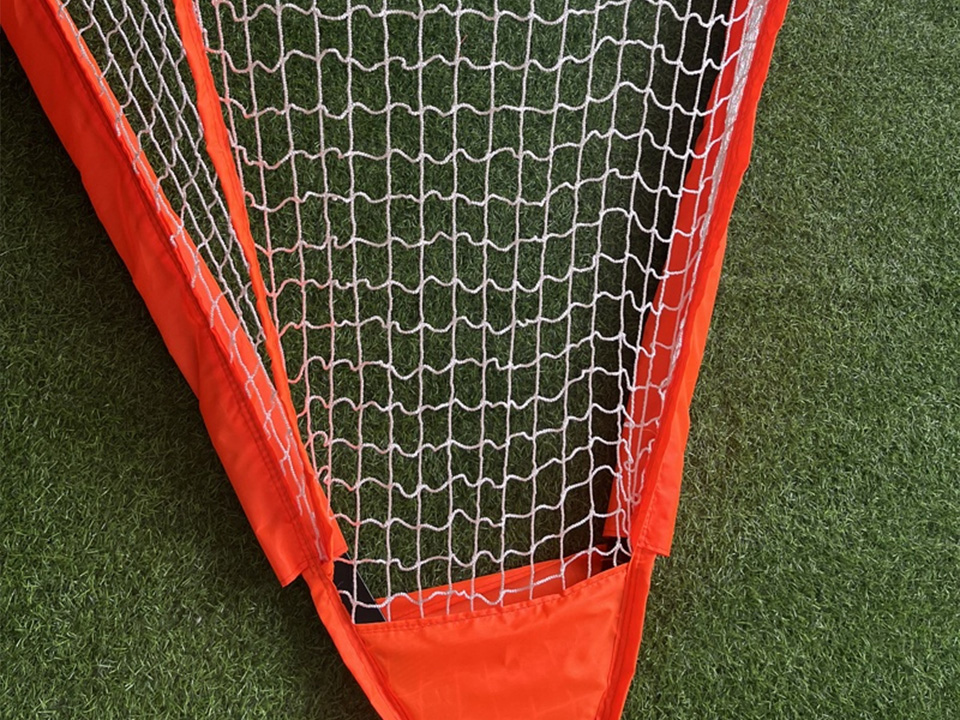
Estrutura de gol de lacrosse em aço resistente
Para um impacto a nível profissional ou universitário, normalmente é necessário:
- Tubo de aço de parede espessa (não tubo fino e frágil)
- Cantos soldados em vez de juntas soltas apenas com parafusos
- Barra de base estável que fica plano sobre a relva
- Revestimento resistente às intempéries para chuva e sol
O hardware deste grupo inclui:
- A baliza de lacrosse em aço resistente com uma estrutura resistente às intempéries para uso ao ar livre.
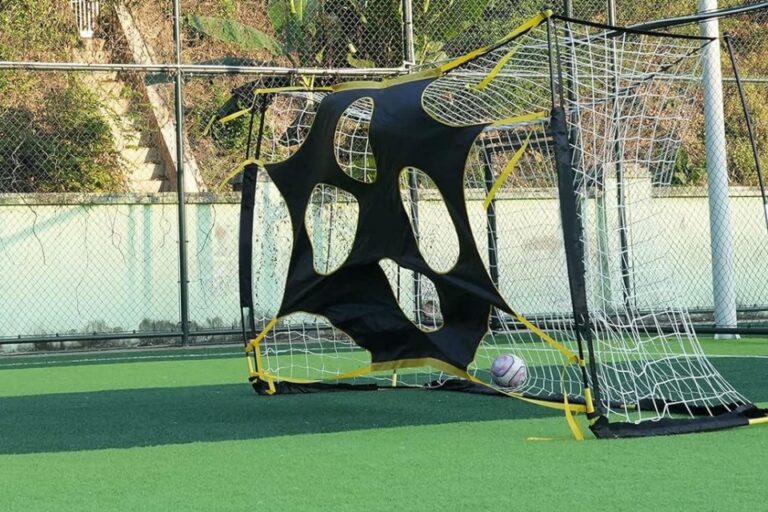
- A baliza profissional de lacrosse com rede resistente e folha de alvo para exercícios com grande volume de remates e alvos.
As equipas de operações de campo gostam destas armações porque:
- Elas permanecem retas mesmo após um contacto forte com o tubo.
- Precisam de menos reparações de soldadura entre temporadas.
- Eles ficam bem firmes na linha, então os goleiros podem confiar nos seus ângulos.
Do ponto de vista da compra, reduz o custo do ciclo de vida ao escolher estruturas que duram, mesmo que a primeira fatura seja mais elevada. Troca as redes e as folhas de alvo ao longo do tempo, mas o aço central permanece em jogo.
Redes para balizas de lacrosse, sistemas de proteção e redes de substituição
A estrutura dá forma. O rede é onde ocorre a maior parte do desgaste. Uma rede de má qualidade faz com que a sua liga pareça barata e atrasa os jogos quando as bolas a perfuram.
Redes e proteções para balizas de lacrosse de alta resistência
Para uso em jogos, você precisa de:
- Malha espessa e resistente, capaz de suportar impactos fortes.
- Design com ou sem nós que não se enreda na estrutura.
- Boa resistência aos raios UV e às intempéries para ligas ao ar livre.
Combinar objetivos como o baliza profissional de lacrosse de tamanho normal use uma malha resistente com ligação apertada em torno do aço. Pode reforçar isso com uma rede de segurança que cubra todo o campo, como a rede de proteção resistente para lacrosse. Essa rede de proteção salva bolas, protege cercas e mantém os seus vizinhos tranquilos.
Esta combinação é muito comum em parques com vários campos:
- Linha de frente: duas balizas resistentes.
- Linha de fundo: uma longa cortina atrás de ambas as balizas.
A sua equipa passa menos tempo a correr atrás de bolas. Os jogadores têm mais repetições. Os gestores de seguros dormem melhor.
Redes e rebatedores de substituição para balizas de lacrosse
Por mais resistente que seja a malha, as redes desgastam-se antes das estruturas. Uma especificação inteligente da liga separa vida útil da estrutura e vida útil.
É por isso que ajuda a garantir:
- Um padrão rede de substituição para baliza, como o rede de substituição de alta resistência para baliza de lacrosse.
- Um conjunto de reboteadores para treino diário, como o rede de treino para rebote de lacrosse profissional.
O seu armazém pode guardar redes extras como um simples SKU. Quando chega um relatório do local (“rede do canto do campo 3 rasgada”), a sua equipa apenas envia uma nova rede em vez de substituir a baliza inteira.
Casos práticos de utilização em ligas para balizas profissionais de lacrosse
Vamos mapear as escolhas de equipamento para cenários reais da liga. É aqui que os compradores sentem a diferença entre um objetivo básico do catálogo e uma configuração completa.
Dia de jogo num campo de estádio partilhado
Cenário:
- O estádio da cidade recebe jogos de futebol no outono, lacrosse na primavera e eventos escolares durante todo o ano.
- A equipa de campo precisa virar o campo rapidamente e mover os golos sem causar danos.
Pilha sugerida:
- Dois balizas de lacrosse em aço resistente para o jogo.
- Um rede de proteção resistente para lacrosse atrás da zona final principal.
- Alguns redes de substituição de alta resistência para balizas de lacrosse na prateleira para trocas a meio da temporada.
Principais pontos críticos resolvidos:
- Menos danos no campo graças às estruturas estáveis e suaves.
- Montagem e desmontagem mais rápidas para cada evento.
- Menos perda de bolas e arquibancadas mais seguras.
Centro de treino do clube com grande volume de remates
Cenário:
- Um clube privado organiza clínicas, equipas de viagem e sessões em pequenos grupos durante toda a semana.
- Os jogadores martelam a gaiola de manhã à noite.
Pilha sugerida:
- Objetivos da partida: baliza profissional de lacrosse de tamanho normal.
- Pistas de treino: Golo de lacrosse de 12 x 9 pés com sacos de areia ou molduras largas semelhantes.
- Estações de habilidades: baliza profissional de lacrosse com rede resistente e folha de alvo mais rede de treino para rebote de lacrosse profissional.
Aqui, o foco está em:
- Volume da injeção.
- Metas claras para precisão.
- Layout compacto do campo, com muitos representantes num espaço pequeno.
Com uma fábrica de redes como a FSPORTS por trás do equipamento, o clube também pode personalizar as especificações da malha, as cores da marca ou as etiquetas de marca própria para a sua própria loja e canais de comércio eletrónico.
Fornecimento de balizas de lacrosse OEM, ODM e a granel para compradores B2B
Se não é apenas uma liga, mas também um revendedor, distribuidor ou marca OEM, você se preocupa com mais do que a próxima partida. Você precisa de uma cadeia de abastecimento estável e um design flexível.
Um parceiro do lado da fábrica, como FSPORTS ajuda-o a:
- Bloquear encomendas em grandes quantidades para armações, redes ou kits completos para o seu catálogo.
- Executar OEM ou ODM projetos se desejar especificações personalizadas ou designs de marca branca.
- Atenda a diferentes canais ao mesmo tempo: clubes profissionais, escolas, lojas e vendedores online.
Como a FSPORTS fabrica não só equipamentos de lacrosse, mas também gaiolas de golfe, balizas de futebol, redes de pickleball e outros sistemas, os compradores B2B podem padronizar todos os desportos com um único fornecedor principal. Isso reduz os prazos de entrega e simplifica o controlo de qualidade.
Quando escrever o seu próximo RFP ou briefing de fornecedores para objetivos profissionais de lacrosse, pode mantê-lo simples:
- Definir tamanhos e formatos Você precisa de: balizas, estruturas de treino, redes de proteção, rebatedores.
- Definir especificações da estrutura: tamanho do tubo de aço, qualidade da soldadura, revestimento e estabilidade.
- Definir especificações líquidas: resistência da malha, tipo de nó, cor e método de substituição.
- Adicionar detalhes da operação: armazenamento, movimentação e plano de substituição.
- Escolha um parceiro de produção que compreende tanto as necessidades da liga como o negócio grossista.
Faça isso bem e a sua liga terá gaiolas consistentes em todos os campos. Os seus jogadores terão melhores repetições de remates. A sua equipa receberá menos reclamações. E a sua empresa criará uma linha de produtos limpa e escalável em torno de balizas profissionais de lacrosse que realmente se adaptam à forma como o desporto é praticado hoje em dia.