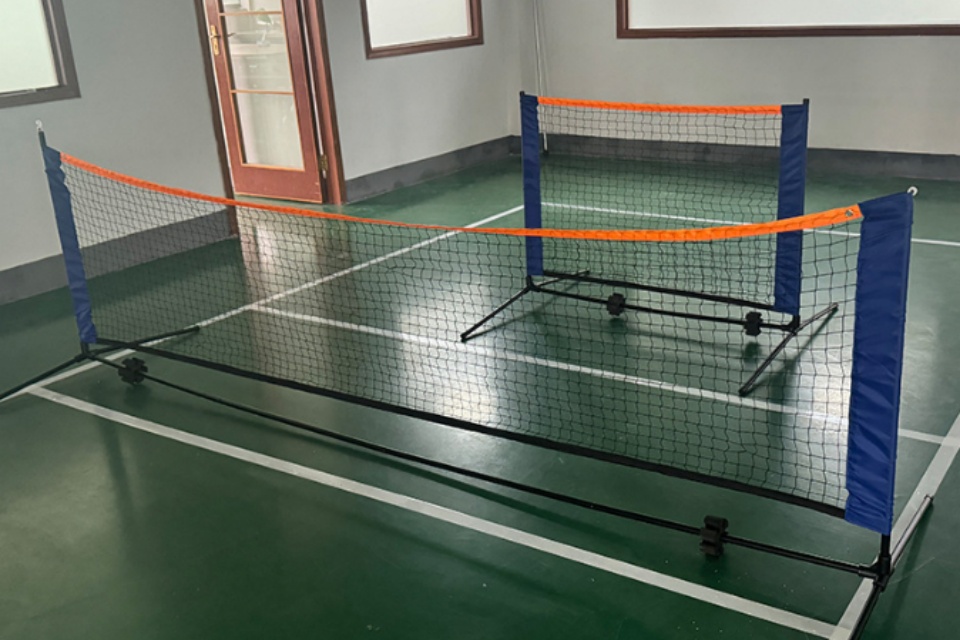
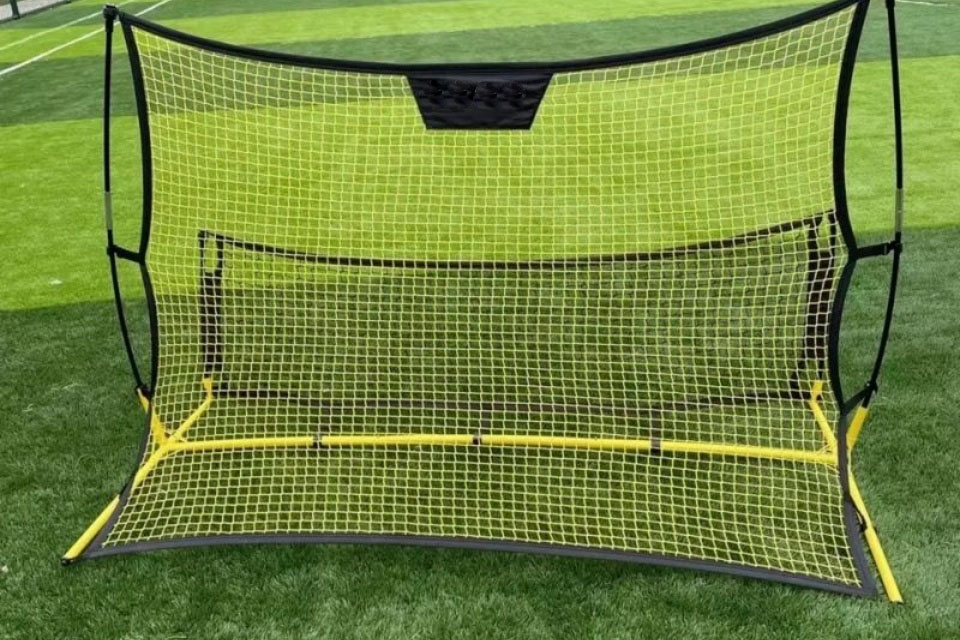
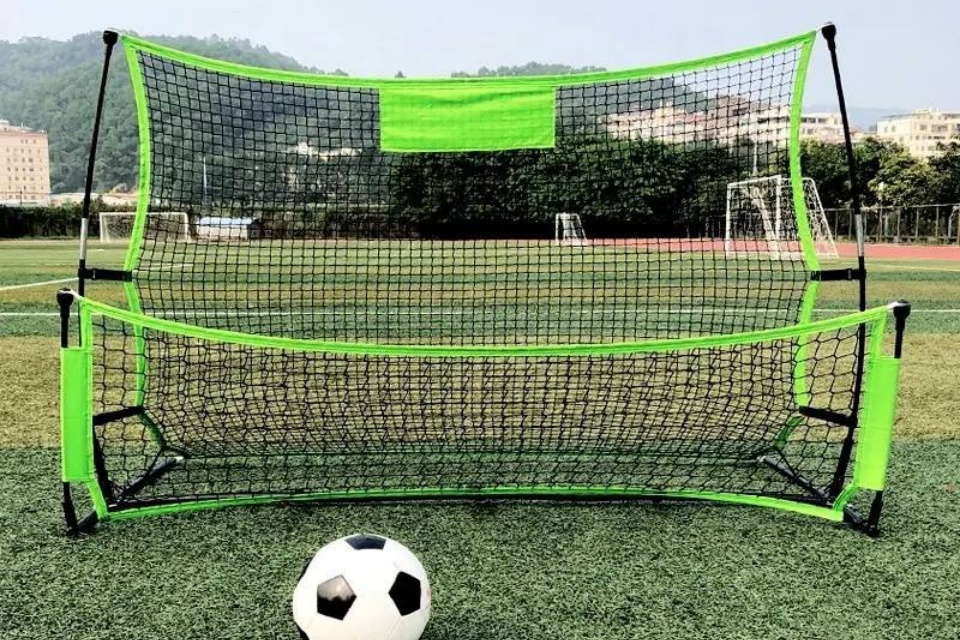
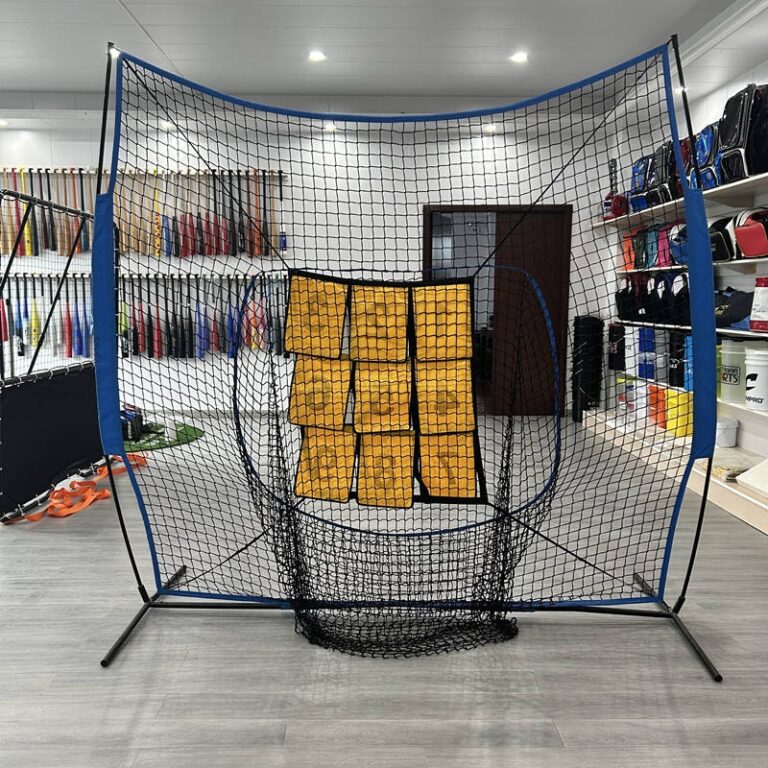
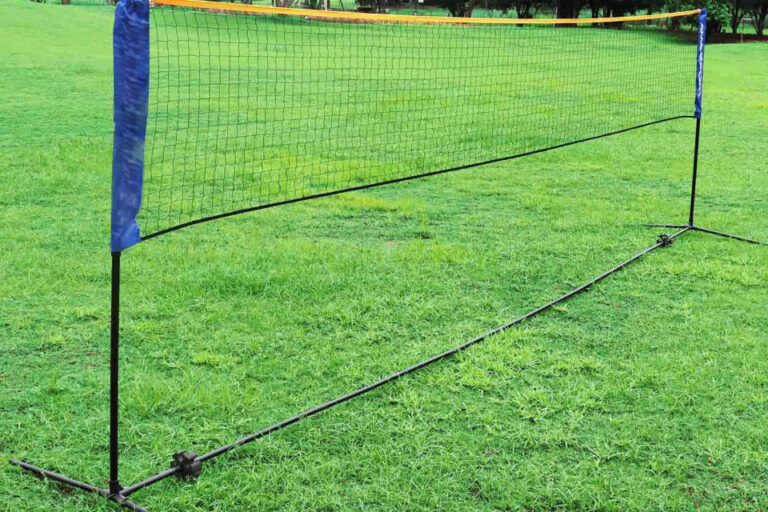
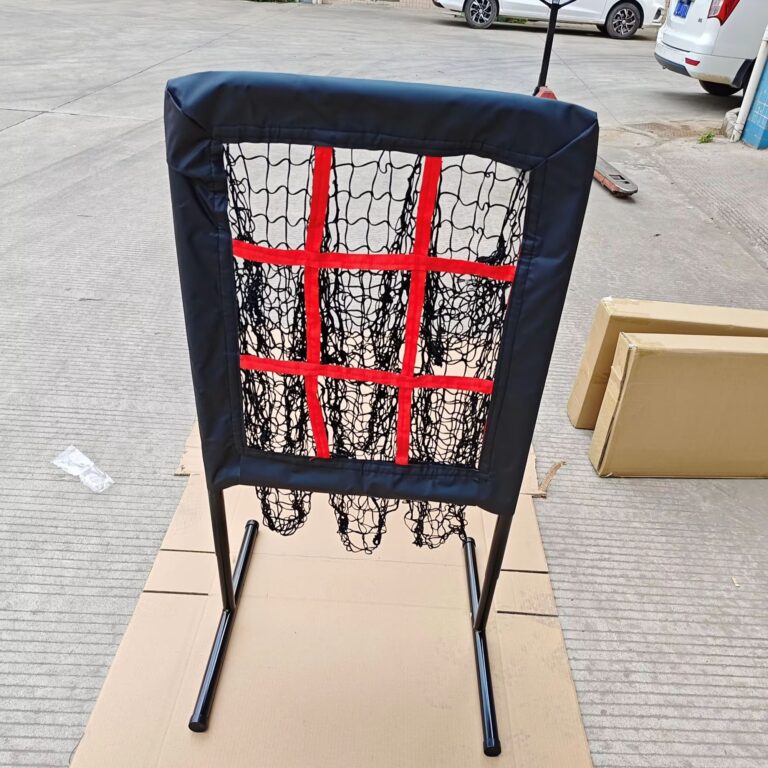
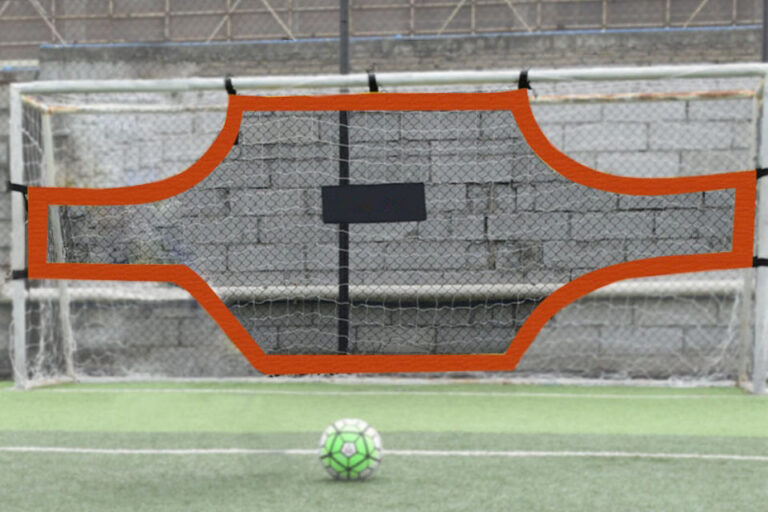
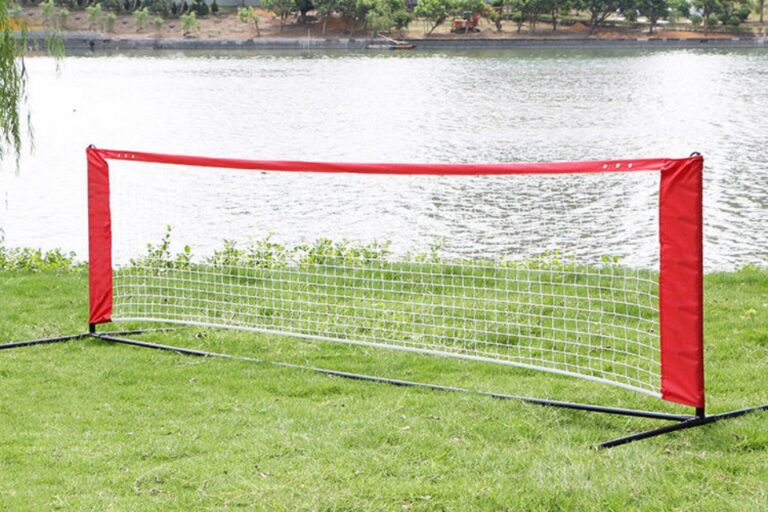
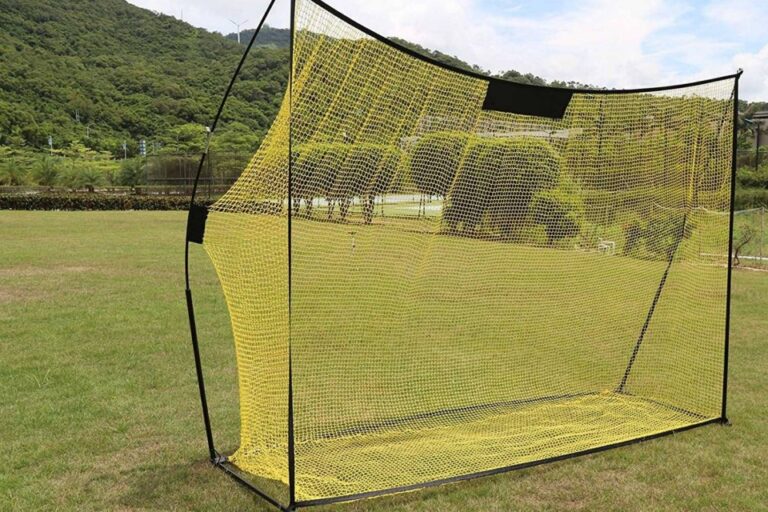
Diga-nos o que pretende desenvolver. A FSPORTS apoia projetos OEM/ODM, de marca própria e de redes desportivas personalizadas, com base no seu produto, desenho, amostra, fotografia ou requisitos de aplicação existentes.
Indique o tipo de produto, as dimensões, a quantidade pretendida, o destino e quaisquer requisitos conhecidos relativos à malha, ao material, à estrutura, aos acessórios, ao logótipo ou à embalagem. Se as suas especificações ainda não estiverem completas, envie-nos o que tiver e poderemos analisar os restantes detalhes antes de emitirmos o orçamento.
Infraestruturas desportivas: pavimentos, drenagem e opções de revestimento
Why Sports Facility Infrastructure Fails from the Ground Up
Water wins first.
I’ve watched plenty of buyers get hypnotized by finish samples, warranty decks, and a salesperson’s “pro-level” pitch, then act surprised when the court starts cupping, the sideline turns into soup, or the infill migrates like it’s trying to leave the property on its own. Same movie. Every time.
Pretty surfaces fail.
But that’s the part people don’t like saying out loud, is it? Everyone wants to argue about topcoat sheen, pile height, fiber shape, and whether the floor “looks elite” in photos, while the boring stuff—outlet capacity, trench spacing, subgrade density, crown, slope, and maintenance labor—gets shoved into the back of the spec like it’s clerical filler.
I frankly believe that’s backwards.
Beyond sistemas de redes para desportos ao ar livre and flashy training add-ons, real athletic facility infrastructure is a stack: subgrade, drainage, shock behavior, surface chemistry, edge protection, and traffic control. That is why I would review the full sports facility product line and the supplier’s installation support services before I signed off on anything larger than a replacement order. A neat catalog page is easy. A coherent facility system is not.
And that last sentence matters more than the industry likes to admit.
Because the best flooring for sports facilities isn’t usually one floor. It’s a zoning call. A traffic map. A budget argument. A maintenance confession. If your building is doing basketball camps at 8 a.m., PE by noon, rentals at 6 p.m., and a weekend tournament after that, don’t tell me you’ve got “one perfect surface.” You don’t. You’ve got competing use cases and a decision tree.
That’s real life.
Indoor Sports Facility Flooring: What Actually Works
For indoor sports facility flooring, I still treat maple as the benchmark when the building is basketball-first. Not because vendors tell me to. Because athletes notice it. Coaches notice it. Referees notice it. Ball response, underfoot feel, acoustics, visual lines—all of that still hits differently on a properly maintained wood system. But, and this is where people get weirdly sentimental, I wouldn’t force hardwood into a multi-use room that gets chewed up by carts, folding chairs, community rentals, and sloppy HVAC control. That’s not premium planning. That’s ego.
Use the right tool.
From my experience, poured polyurethane and resilient PVC are the workhorses nobody brags about enough. They’re not romantic. Fine. They still make sense in school gyms, rec centers, church halls, and any room where the booking calendar is a bloodbath and the shutdown window for refinishing is basically fiction. Rubber? Same story. Ugly sometimes. Useful often. Put it in the weight room, the strength corridor, and those transition zones where plates get dropped, chalk gets ground in, and nobody treats the floor gently.
And yes—cheap bids lie.
Outdoor Sports Surface Options: Turf, Grass, and Trade-Offs
Outdoor decisions get even messier, because the turf-vs-grass debate is full of ideology, vendor spin, and people pretending their preferred surface solves physics. It doesn’t. Here’s the ugly truth: outdoor sports field surface materials are never just about the top layer. They’re about water movement, heat gain, compaction, recovery time, storm events, labor budgets, and whether the owner is telling the truth about maintenance capacity.
Most don’t.
A 2024 Montgomery County comparison report was refreshingly blunt about the data. In the studies it summarized on overall injury rates, 53% found no difference between synthetic turf and natural grass, 38% found higher overall injury rates on synthetic turf, and 9% found higher rates on natural grass. That’s not the kind of clean sales-chart answer people want. It’s better. It says the obvious quiet part out loud: sport type, surface generation, wear level, maintenance discipline, and how the field is actually used matter more than the bumper-sticker version of the debate.
And that’s before heat even enters the chat.
Heat Performance and Surface Temperature Risk
The heat issue is nastier than many buyers want to admit. A 2024 peer-reviewed systematic review of 23 studies found that air temperature above synthetic grass was typically 0.5–1.2 °C higher than above natural grass, while surface temperatures were 9.4–33.7 °C higher; it also found that SBR-filled systems tended to run hotter than alternatives such as TPE, while features like HydroChill or “cool climate” fibers reduced temperature without erasing the underlying gap. In plain English, synthetic sports surface options can extend usage hours, but in hot weather they can also increase heat-management burdens for operators, coaches, and municipal risk managers.
That’s not a rounding error.
PFAS, Liability, and Procurement Risk
And then there’s the legal cloud—because of course there is. Reuters reported in 2023 that plaintiff lawyers were already trying to connect artificial turf concerns to the broader PFAS litigation wave, and noted that in June 2023 four defendants in the AFFF PFAS litigation reached settlements worth more than $11 billion. I wouldn’t touch a synthetic spec package now without asking hard questions about PFAS disclosures, runoff controls, infill chemistry, replacement pathways, and disposal liability. That’s not alarmism. It’s procurement hygiene. It’s also how grown-ups buy.
Sports Facility Drainage Systems: The Part Buyers Ignore
But even that misses the main point.
Drainage runs the show. Always has. Oregon State’s field-construction guidance is way more useful than most glossy brochures because it gets into the dirt—literally. Their athletic-field guide talks through USGA-style builds with trenches cut 6 inches into the subgrade, grid or herringbone layouts, pea gravel layers, optional 1.5–2 inch coarse sand separators, and top-mix targets staying below 5% silt and 3% clay. It also notes that a sand-cap renovation path can, in some cases, rebuild the center field for about one-third of a full reconstruction cost. That’s the kind of number owners should pin to the wall before obsessing over color chips.
I’ve said this to facility operators before, and they usually hate it for about ten seconds: if your sports facility drainage systems are weak, your surface choice is basically theater. Doesn’t matter whether you bought maple, PU, grass, PE monofilament, slit film, or the latest “cool fiber” story. If water can’t move, if fines clog the base, if your outlets back up, if edge drains are neglected, if nobody vacuums debris or checks low spots, the system will rat you out.
Sooner than you think.
Synthetic fields don’t exempt you from sports facility surface maintenance either. That fairy tale needs to die. The county report makes clear that proper maintenance and drainage reduce runoff and compaction on natural grass, and it also points to guidance showing debris removal matters on synthetic fields too because it protects stormwater performance and keeps the drainage profile from getting compromised. So no, synthetic doesn’t mean maintenance-free. It means different maintenance. Sometimes expensive maintenance. Sometimes deferred maintenance that comes back wearing steel-toed boots.
How I’d Actually Choose Sports Flooring and Surface Systems
Here’s how I’d frame it if I were sitting in the budget meeting.
Maple for basketball-led indoor facilities where competitive play, athlete feel, and visual standards actually matter. Polyurethane or resilient systems for multi-use buildings that need turnover speed and lower day-to-day friction. Rubber where abuse is the job description. Natural grass where cooling, optics, and user preference matter—and where the owner will actually fund aeration, mowing, overseeding, topdressing, and drainage work instead of merely talking tough in the planning phase. Synthetic turf where the usage load is punishing, weather windows are narrow, and the operator has a real heat-management plan, a runoff plan, and an end-of-life plan.
Not vibes. Plans.
Shared Campuses, Equipment Traffic, and Edge Damage
Shared campuses complicate everything, by the way. Add school traffic, club rentals, carts, cages, rebounders, portable goals, and accessory equipment like sistemas de redes polidesportivas, and suddenly your edge conditions, storage routes, and transition points matter almost as much as the center playing surface. That’s where facilities quietly get beat up—door thresholds, wheel paths, staging zones, corners. Not in the glamorous middle.
And yes, I care who built the gear.
A supplier that can show process matters more to me than one that only shows polish. That’s why I’d rather see a factory tour and quality-control view than another generic promise about “premium performance.” Anyone can write copy. Fewer can show me how the thing is made, where tolerances slip, what gets reinforced, and whether the company thinks like an operator instead of a listing page.
Lower agronomic work, but not low-maintenance overall
Useful, but only with strong heat and runoff planning
So that table? It’s the simplified version—the one you can bring into a meeting without the room glazing over. The real worksheet is uglier and better. It should include weekly use hours, surface temperature exposure, expected G-max drift, ambient highs, drainage outlet capacity, infill type, shockpad details, subgrade infiltration, staff headcount, and replacement reserve assumptions. That’s how you evaluate sports flooring and sports surface options without getting played.
Because facilities don’t really fail at the visible layer. They fail in the assembly. In the assumptions. In the maintenance calendar nobody funded.
FAQs
What is the best flooring for sports facilities?
The best flooring for sports facilities is the surface that matches the sport’s impact pattern, shoe interaction, moisture exposure, maintenance capacity, and replacement budget, because a basketball game floor, a weight room, and a multi-use school hall all demand different traction, resilience, acoustics, and wear performance.
My shorter answer? There isn’t one best floor. There’s the least stupid mismatch.
How do you choose sports facility flooring?
Choosing sports facility flooring means ranking sport type, player profile, subfloor condition, humidity exposure, cleaning capacity, and life-cycle cost in that order, then eliminating any option that looks attractive in a bid packet but can’t survive your real traffic pattern, staffing model, or maintenance discipline.
Start with use. Not aesthetics. And not a salesperson’s “all-purpose” pitch—those words should make you nervous.
Do permeable surfaces still need drainage systems?
A permeable sports surface still needs drainage because water passing through the top layer does not guarantee field performance unless the stone profile, trench layout, outlet capacity, slope, and subgrade remain open, correctly graded, and free from clogging fines over time.
That’s where owners get fooled. “Permeable” sounds self-solving. It isn’t.
Which outdoor sports field surface materials last longest?
Outdoor sports field surface materials last longest when durability is judged against actual use intensity, climate stress, maintenance compliance, and recovery requirements, because synthetic systems often handle heavier scheduling while well-built natural grass can outperform badly designed turf in cooling, playability, and user acceptance.
Longevity isn’t just years on paper. It’s playable hours, heat behavior, drainage recovery, and whether the field still performs after a pounding storm.