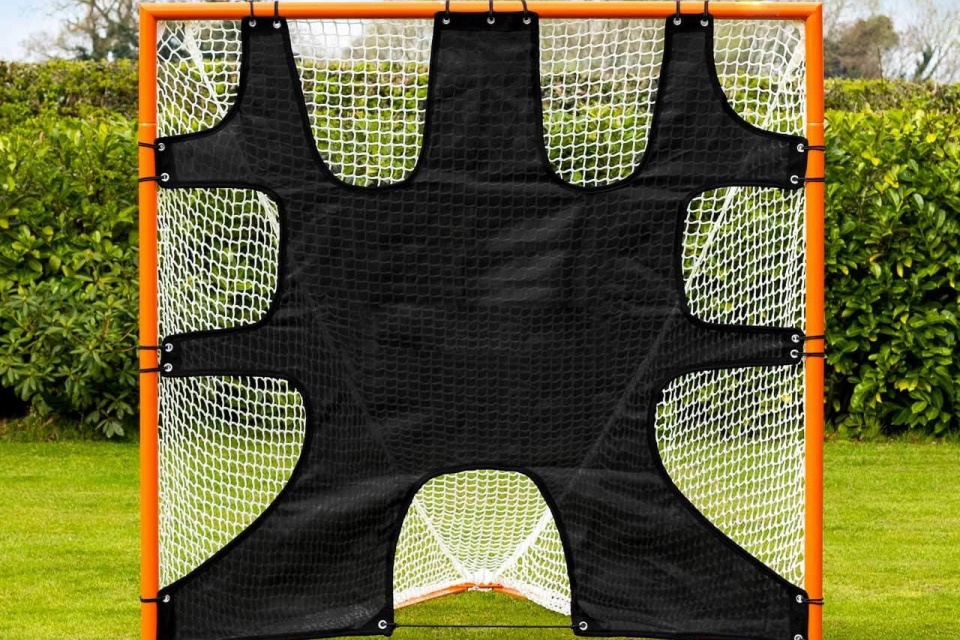
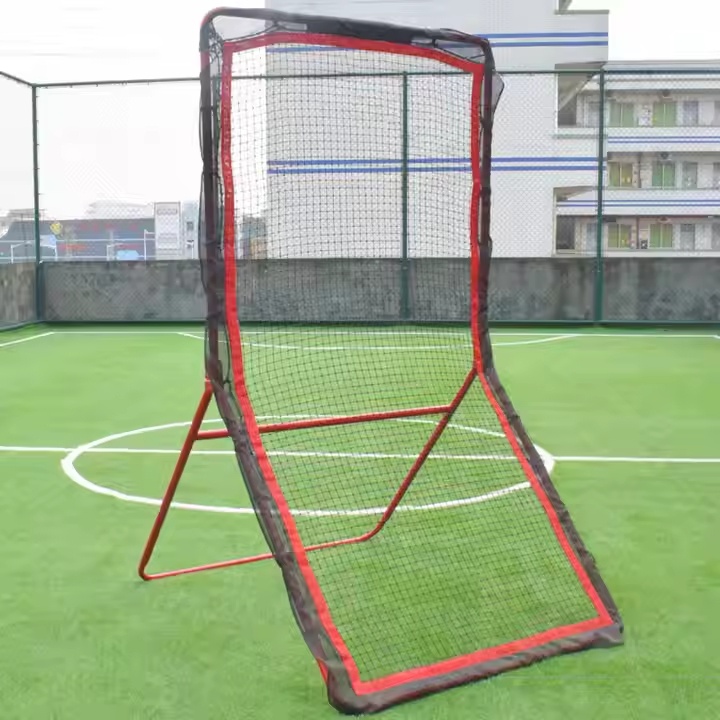
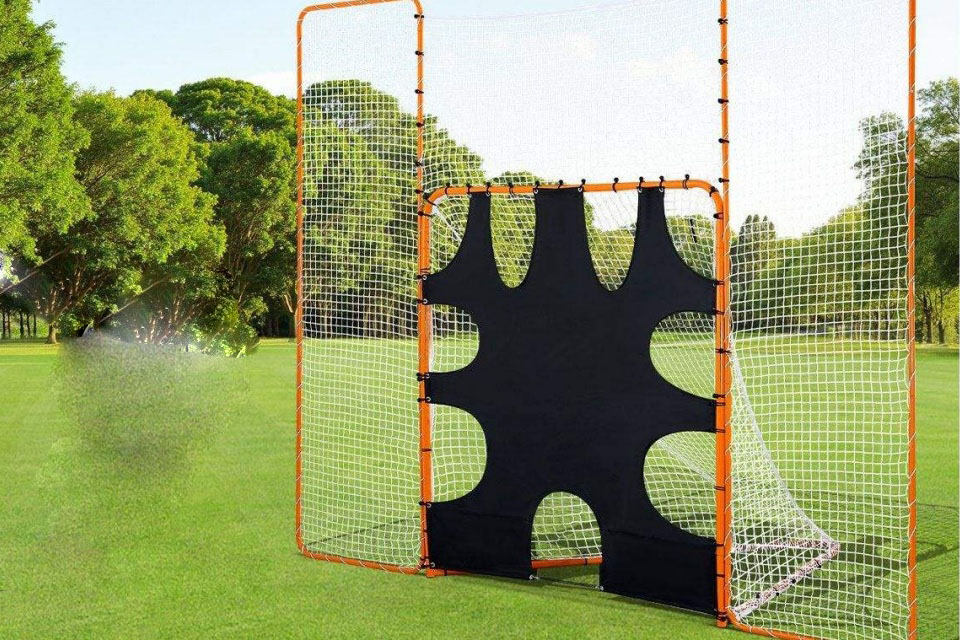
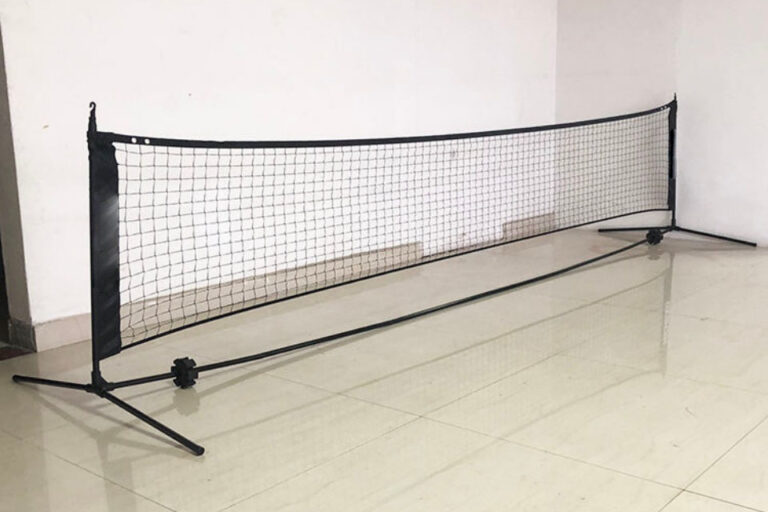
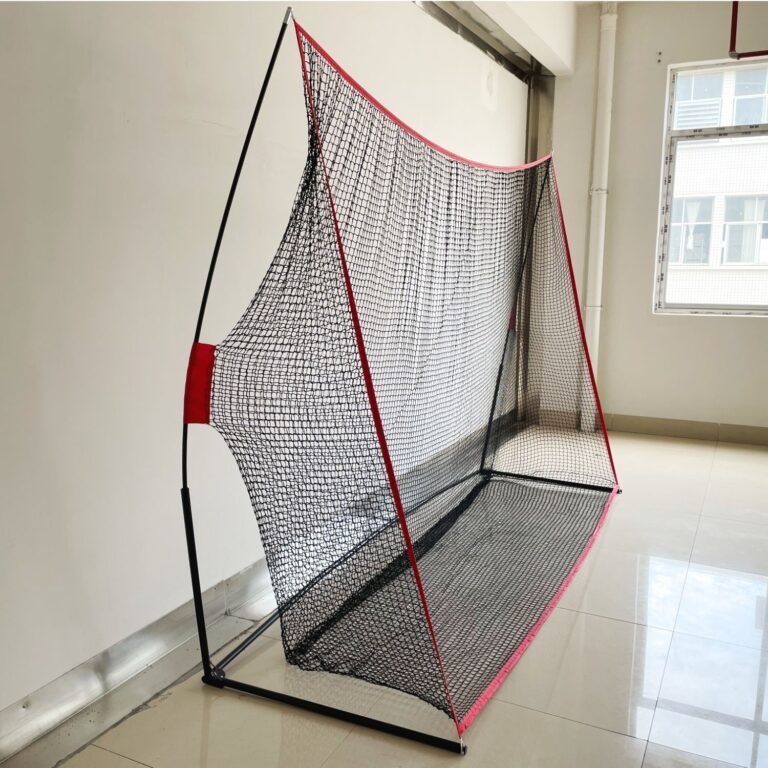
Diga-nos o que pretende desenvolver. A FSPORTS apoia projetos OEM/ODM, de marca própria e de redes desportivas personalizadas, com base no seu produto, desenho, amostra, fotografia ou requisitos de aplicação existentes.
Indique o tipo de produto, as dimensões, a quantidade pretendida, o destino e quaisquer requisitos conhecidos relativos à malha, ao material, à estrutura, aos acessórios, ao logótipo ou à embalagem. Se as suas especificações ainda não estiverem completas, envie-nos o que tiver e poderemos analisar os restantes detalhes antes de emitirmos o orçamento.
Como maximizar o espaço no contentor: um guia prático para o comprador que pretende importar redes desportivas da China
Most buyers obsess over unit price. Amateur move.
I’ve seen importers argue for three weeks over a $0.18 reduction on a pickleball net, then approve packaging that wastes 18% of a 40HQ because the cartons were tall, fluffy, and designed by someone who had never paid a demurrage invoice in their life. What did they really save?
When you import sports nets from China, the factory quote is only the opening bid. The real margin lives in carton compression, SKU mix, material density, frame geometry, HTS classification, payment timing, inspection discipline, and whether your China sports net supplier actually understands container loading rather than simply saying “yes, no problem” on WhatsApp.
And yes, I’m going to be blunt: many buyers pick the wrong supplier because they ask the wrong first question. “What’s your best price?” is not sourcing. It’s begging with a spreadsheet.
The better question is this: How many sellable units can I land per cubic meter without increasing defect risk?
That question changes everything.
In 2024, U.S. trade with China was still massive, with U.S.-China goods and services trade estimated at $658.9 billion by USTR, so nobody serious should pretend China sourcing is “over.” But the freight and tariff math got nastier. Reuters reported in January 2024 that Shanghai-Europe rates rose to $3,103 per 20-foot container, while U.S. West Coast 40-foot rates jumped 43.2% week over week to $3,974 amid Red Sea disruption. Later, Reuters reported China-to-North Europe 40-foot container rates had surged nearly 3.5 times since May 1, 2024. That’s not noise. That’s margin compression with a bill of lading attached. USTR China trade summary, Reuters freight rate report, Reuters Red Sea shipping disruption
So we need to talk like adults.
The dirty secret: sports nets are not “light goods”
Sports nets look light. They are not always cheap to ship.
A bare replacement net is often soft, compressible, and forgiving. A framed golf cage, steel pickleball system, lacrosse goal, hockey goal, rebounder, or portable soccer goal is a different animal. Now you’re shipping air trapped inside steel geometry, carry bags, poles, plastic connectors, target sheets, bungee cords, ground stakes, EPE foam, and retail cartons that marketing people love and freight people quietly hate.
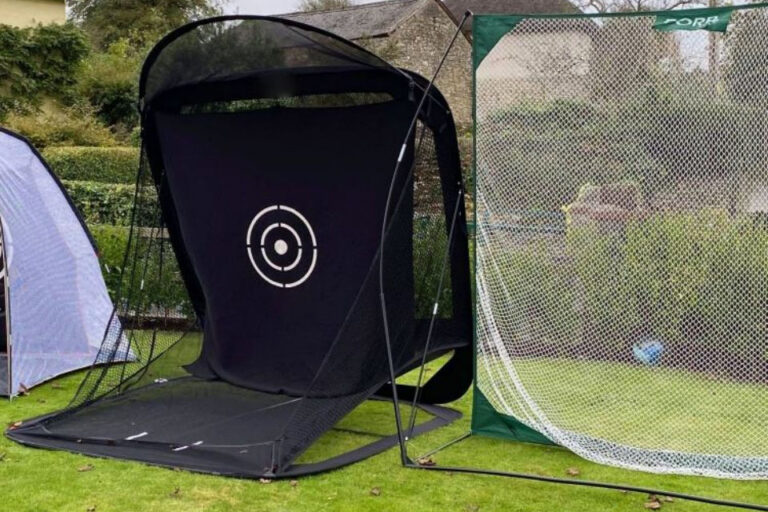
That’s why a buyer looking at wholesale golf practice nets should not compare only FOB Ningbo or FOB Xiamen pricing. A 10x7ft golf net with fiberglass poles may land better than a steel-frame golf cage at the same FOB price because the carton cube behaves differently in a 40HQ.
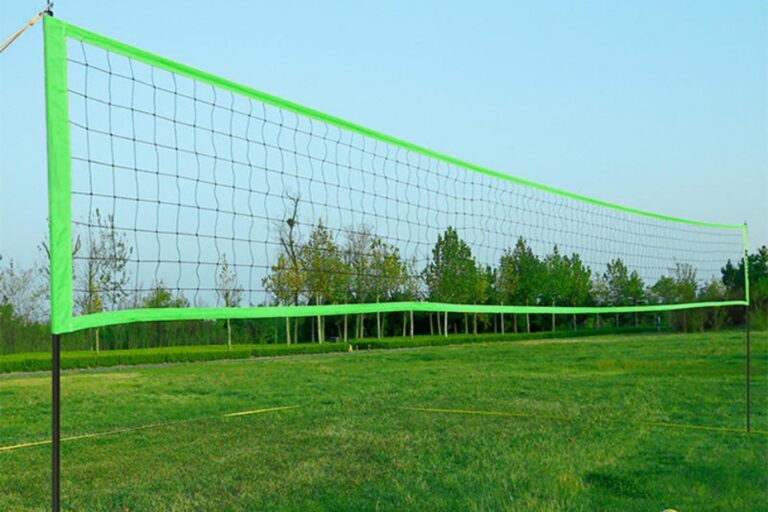
Same logic applies to sistemas portáteis de redes de pickleball. A regulation 22ft net system can look simple online, but the steel frame, base feet, wheels, center support, powder-coated tubes, carry bag, and retail box turn it into a container-planning problem. If the supplier gives you only unit weight, they are not giving you the number that matters.
CBM is the lie detector.
If a product costs $18 FOB and occupies 0.095 CBM, it behaves very differently from a $22 FOB product occupying 0.055 CBM. On paper, the first one looks cheaper. In the container, it may be the expensive one.
What “maximizing container space” really means
Maximizing container space is not stuffing cartons until the door barely closes; it is designing the product, carton, SKU mix, pallet decision, and loading plan so each cubic meter produces the highest landed gross margin without creating crushed cartons, bent frames, missing components, or customs delays.
That definition matters because buyers often confuse “full container” with “efficient container.”
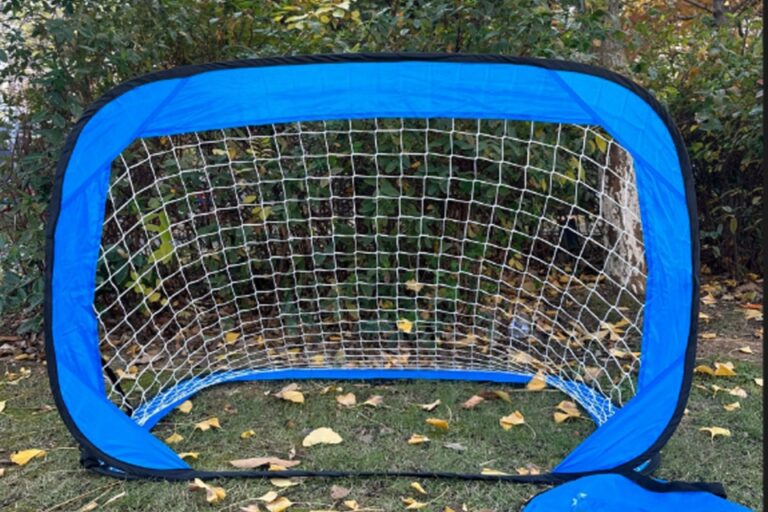
A 40HQ can be full and still badly loaded. I’ve seen cartons loaded to the roof with 12 inches of dead vertical space caused by one stubborn master carton height. I’ve seen mixed sports equipment imports where soccer goals fit beautifully, but lacrosse goals created long, awkward voids along the wall. I’ve seen rebounders packed in cartons strong enough for warehouse storage, then crushed because the importer demanded floor-loaded chaos without checking compression strength.
So no, container loading for sports nets is not a warehouse job. It is a product-development job.
Hard truth: factories rarely optimize this for you unless you force the conversation early.
The supplier test I trust more than certificates
Certificates matter. Factory photos matter. Audit reports matter. But I trust loading intelligence more.
Ask any sports net manufacturers in China these five questions before you talk deposit:
What is the packed carton size, gross weight, and net weight for each SKU?
How many units fit in a 20GP, 40GP, and 40HQ without pallets?
Can you provide a mixed-container loading plan by SKU?
What is the compression limit for the export carton?
Can the frame tube, net, carry bag, and accessories be re-packed to reduce CBM without increasing assembly complaints?
If they answer quickly with actual numbers, keep talking. If they send a product catalog and say “dear friend, depends your quantity,” be careful.
The best sports nets suppliers in China usually understand that a 40HQ is not just a box. It is 76-ish cubic meters of opportunity, minus real-world losses from carton shape, loading pattern, pallet use, product fragility, and human error. The supplier who knows how to protect a powder-coated steel frame while shaving 8% off carton volume is worth more than the supplier who wins on FOB by $0.30.
And we should be honest about materials too. PE, PP, nylon, polyester, fiberglass, Q195 steel, Q235 steel, powder coating, zinc plating, PVC sleeves, 210D/420D/600D Oxford carry bags — these are not decoration words. They affect cost, UV resistance, abrasion, tensile performance, rust complaints, carton weight, and whether your customer leaves a five-star review or uploads a photo of a snapped corner joint.
Container math: where margin hides
Let’s use a simplified example.
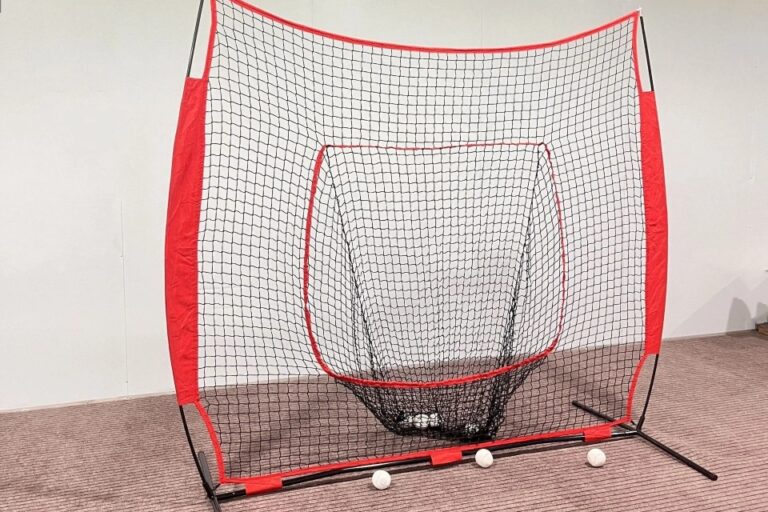
A buyer imports 3 SKUs: a 7×7 baseball net, a portable pickleball net, and a golf hitting cage. The FOB quote looks attractive. The supplier seems polite. The sample passes. Everyone relaxes.
Wrong time to relax.
The first commercial order is where hidden cost comes out. Cartons are larger than the sample carton. Retail packaging adds void. The carry bag fabric is thicker than expected. The steel tube wall changes from 0.8 mm to 1.0 mm, which is better for durability but changes gross weight. The carton count rises. Suddenly the shipment no longer fits the planned container.
That is how importers end up choosing between splitting cargo, rolling production, paying LCL, or cutting a SKU at the last minute.
Here’s the practical comparison buyers should run before deposit.
Import Decision
Cheap Buyer’s Habit
Smarter Buyer’s Method
Margin Impact
Supplier selection
Chooses lowest FOB quote
Compares FOB + CBM + defect history + carton design
Avoids false savings
Carton planning
Accepts factory standard carton
Requests compression, drop-test logic, and cube reduction
More units per 40HQ
SKU mix
Orders by sales forecast only
Balances long cartons, soft goods, frames, and accessories
Reduces dead space
Material choice
Picks “stronger” without context
Matches PE/PP/nylon/polyester to sport, UV exposure, and price tier
Cuts over-spec cost
Inspeção
Checks finished goods only
Checks components, packing, labels, loading photos, and carton marks
Prevents claims
Customs planning
Assumes one HS code
Confirms classification by product form and destination market
Reduces duty shock
Freight timing
Books after production
Watches freight trend before final production window
Protects landed cost
The table looks basic. It is not.
This is the stuff that separates disciplined importers from people who write angry emails after the vessel sails.
HTS classification: the boring mistake that can hurt
Here’s where I get unpopular: many importers are sloppy with HS codes.
They call everything “sports equipment,” push it under a familiar code, and move on. But sports nets can vary by product form. A soccer training net may be treated as sports equipment. A basketball net has its own ruling history. Raw or replacement netting can raise textile classification questions. The same “net” word does not always mean the same customs treatment.
CBP has ruled, for example, that a soccer training net from China fell under HTS 9506.99.2000 with a 2% duty rate, while basketball nets in another ruling fell under HTSUS 9506.99.6040 with a 4% duty rate. A separate ruling on man-made textile netting placed it under 5608.19.2090 with a 7.5% duty rate. That spread is exactly why importers should not let a factory’s invoice description become their compliance strategy. CBP soccer practice net ruling, CBP basketball net ruling, CBP textile netting ruling
And then there is China tariff exposure.
In September 2024, USTR finalized modifications after its four-year Section 301 review of China tariff actions. Sports nets are not the headline category like EVs, semiconductors, batteries, steel, or medical products, but the lesson is bigger: tariff policy moves, and importers who do not track classification and origin get surprised. USTR 2024 Section 301 announcement
Check the HTS. Check additional duties. Check destination rules. Then check again when the product changes.
The packaging fight: retail beauty versus freight reality
Retail packaging sells. It also wastes money.
A glossy box for a portable tennis net system may help at Costco, Amazon, or a sporting goods chain, but if you are selling B2B, club supply, school tenders, or private-label wholesale, you may not need that much air, foam, or color-print board. A plain export carton with a sticker label, inner polybag, and smart component bundling can outperform “premium packaging” because it lands cleaner and cheaper.
But don’t go too lean.
Thin cartons collapse. Weak tape fails. Loose metal parts punch through corners. Moisture creeps in during long routes. Powder coating chips when tubes rub. White nets pick up dirt if the polybag is cheap. And once customers find missing bolts, they do not care that you saved 3.7% on packaging.
So I usually push for three packing layers:
Primary protection: polybag, component sleeve, rubber cap, or small accessory pouch.
Structural protection: carton grade matched to gross weight and stacking pressure.
Commercial protection: barcode, SKU label, carton mark, country of origin, warning label, and assembly manual.
That’s not fancy. It’s survival.
MOQ is negotiable, but container logic is not
A factory may bend MOQ. Physics will not.
For sports nets wholesale China orders, low MOQ sounds friendly. But too many small SKU quantities destroy loading efficiency. You get fragmented cartons, odd leftovers, more warehouse handling, more label errors, and a container that looks like a yard sale.
I prefer a modular SKU plan:
Core volume SKU: one or two products that carry the container.
Margin SKU: higher-priced products with acceptable CBM.
For example, a container could be built around football passing trainer nets, with soft replacement nets and smaller training accessories filling gaps. Or it could center on pickleball and tennis systems, then use badminton nets or outdoor netting as cube balancers.
That is how bulk sports nets import becomes portfolio engineering rather than random buying.
Factory capability: what I want to see
I do not care if the sales deck says “professional manufacturer” in 48-point font. I want evidence.
Show me tube cutting. Show me sewing lines. Show me knotting or weaving quality. Show me powder coating control. Show me frame fit testing. Show me packed-carton drop logic. Show me the warehouse floor before loading. Show me container photos with carton count visible.
A serious buyer should review the visita à fábrica de redes desportivas and then ask for proof tied to the exact SKU being ordered. Not “we make golf nets.” Which golf net? Which frame? Which carton? Which target sheet? Which batch?
When evaluating a China sports net supplier, I also look for category range. A supplier with organized sports net product categories can simplify mixed-container planning, especially when the buyer needs baseball, golf, pickleball, soccer, volleyball, badminton, lacrosse, and hockey products under one private-label program.
But range alone is not enough. A messy factory with many SKUs can become a defect machine.
Inspection: don’t inspect only the pretty unit
The sample is theatre. Production is evidence.
Before shipment, inspect:
Net mesh size and cord diameter
Frame tube diameter, wall thickness, and coating
Stitch density and seam reinforcement
Zipper, strap, hook, bungee, and connector strength
Accessory count per carton
Assembly manual accuracy
Barcode scan
Carton drop and compression condition
Country-of-origin marking
Mixed-container SKU count
Loading photos and seal number
Why so much detail?
Because sports nets fail in annoying ways. Not dramatic ways. A missing center support. A bent push button. A wrong bungee length. A carry bag seam that tears after two uses. A lacrosse net that fits the frame only if the customer swears loudly and stretches it across the garage floor.
That kind of failure burns reviews, returns, and distributor trust.
Freight timing: the buyer’s false sense of control
Factories often quote a production lead time. Buyers mistake that for a delivery plan.
Não é.
A 30-day production lead time means nothing if freight rates spike, sailings blank, port congestion spreads, or a seasonal buying window closes. In 2024, the Red Sea disruption reminded everyone that shipping lanes are not background plumbing. They are live risk. Reuters reported that Red Sea diversions, tariff risks, port congestion, and container shortages pushed ocean shipping costs higher as peak season approached. Reuters on 2024 ocean shipping pressure
So build freight timing into your buying calendar.
For spring sports demand, do not place orders like the ocean owes you a favor. Baseball, softball, golf, soccer, lacrosse, pickleball, and volleyball all have seasonal surges. If your goods arrive six weeks late, your “cheap” import becomes dead inventory.
How to import sports nets from China without acting like a beginner
Here is the working sequence I’d use.
Start with sales channel reality. Amazon FBA, club supply, school procurement, retail chain, distributor wholesale, and DTC all require different carton, labeling, and replacement-part logic.
Then define product specs. Not vague words like “durable” and “high quality.” Use numbers: 2.5 mm PE net, 420D Oxford bag, Q195 steel tube, 32 mm tube diameter, 0.9 mm wall thickness, black powder coating, 7-ply export carton, 13.5 kg gross weight, 0.064 CBM.
Then request samples from two or three sports net manufacturers in China. Test assembly time. Abuse the product. Leave it outside. Pull the seams. Count the hardware. Check whether the manual was written by a human.
Then negotiate around landed cost, not FOB only.
Then confirm packaging and loading.
Then inspect.
Then pay balance.
Then ship.
Simple? Yes.
Easy? No.
FAQs
What is the best way to import sports nets from China?
The best way to import sports nets from China is to manage the order by landed cost, not FOB price, using verified supplier capability, exact product specifications, carton-level CBM, HS code review, pre-shipment inspection, and a mixed-container loading plan before deposit. After that, compare samples, test assembly, confirm packaging, and book freight early.
The buyers who win are boring in the right places. They document everything: mesh diameter, frame tube size, carton dimensions, label rules, spare parts, inspection limits, and loading sequence. They do not rely on “same as sample” because that phrase has caused more import disputes than most people admit.
How many sports nets fit in a 40HQ container?
The number of sports nets that fit in a 40HQ container depends on packed carton size, frame shape, gross weight, pallet use, carton compression, and SKU mix; soft replacement nets may load by the thousands, while framed golf cages, pickleball systems, and soccer goals may load in far lower quantities because steel tubes and retail cartons consume CBM.
For serious planning, ask your supplier for unit CBM, carton dimensions, units per carton, gross weight, and a loading diagram. Then reduce the theoretical container capacity by 8–15% for real-world loading loss unless the supplier proves a prior container load with photos and carton counts.
Are sports nets from China usually classified under HS code 9506?
Many finished sports nets and training systems may fall under HS heading 9506, but classification depends on product design, material, function, and destination-country rules, so buyers should verify each SKU instead of assuming one universal code for soccer nets, basketball nets, replacement netting, rebounders, golf cages, and portable multi-sport systems.
This matters because duty rates can change by classification. A framed soccer training product, a loose textile net, and a basketball replacement net may not be treated the same way. The safest move is to involve a customs broker before mass production, especially for private-label or modified designs.
What should I ask a China sports net supplier before ordering?
You should ask a China sports net supplier for factory capability, product specifications, sample lead time, MOQ, unit price, carton size, unit CBM, loading quantity, material details, inspection standards, warranty terms, spare-part policy, export experience, and proof that similar products have been shipped to your target market. These answers expose real competence quickly.
The most revealing questions are about packing and defects. Weak suppliers talk mostly about price. Strong suppliers talk about tube wall thickness, mesh construction, carton compression, component packing, assembly complaints, and how many units fit in a 40HQ without damage.
Is it better to buy from a trading company or sports net manufacturer in China?
Buying from a sports net manufacturer in China is usually better for custom specifications, container optimization, and long-term cost control, while a trading company can be useful for small mixed orders, product discovery, and multi-category sourcing when the buyer lacks volume or technical knowledge. The better choice depends on order size and control needs.
For private-label programs, I lean toward factories. For early testing, a competent trader can reduce friction. But never confuse a polished English-speaking sales team with production control. Ask who owns the tooling, who controls inspection, and where the goods are actually packed.
How can buyers reduce shipping cost when importing sports nets?
Buyers can reduce shipping cost when importing sports nets by lowering unit CBM, redesigning cartons, reducing empty space in frame packaging, mixing soft and rigid SKUs, avoiding unnecessary pallets, confirming 40HQ loading quantities, and timing bookings before seasonal freight pressure. The goal is not cheap freight; it is more sellable value per cubic meter.
For framed products, challenge the carton design early. Can tubes nest better? Can accessories fit inside frame voids? Can replacement nets fill leftover space? Can retail packaging be simplified for B2B orders? Small packing changes often beat aggressive FOB negotiation.
The buyer who controls the container controls the profit
Importing sports nets from China is not just sourcing. It is freight math, product engineering, customs discipline, and supplier pressure wrapped into one buying decision.
The factory will always talk about price first. Don’t let them.
Ask for CBM. Ask for loading plans. Ask for material specs. Ask for photos from real production, not showroom samples. Ask where the dead space is hiding.
And when you’re ready to build a smarter mixed-container order across golf nets, pickleball nets, soccer goals, baseball nets, rebounders, and multi-sport systems, start with the full product range, then push the supplier on packaging before you push them on pennies. For sourcing help, custom specifications, or container planning, contact the team through the Fsports custom sports net sourcing service.